How That Shows Up in the Door
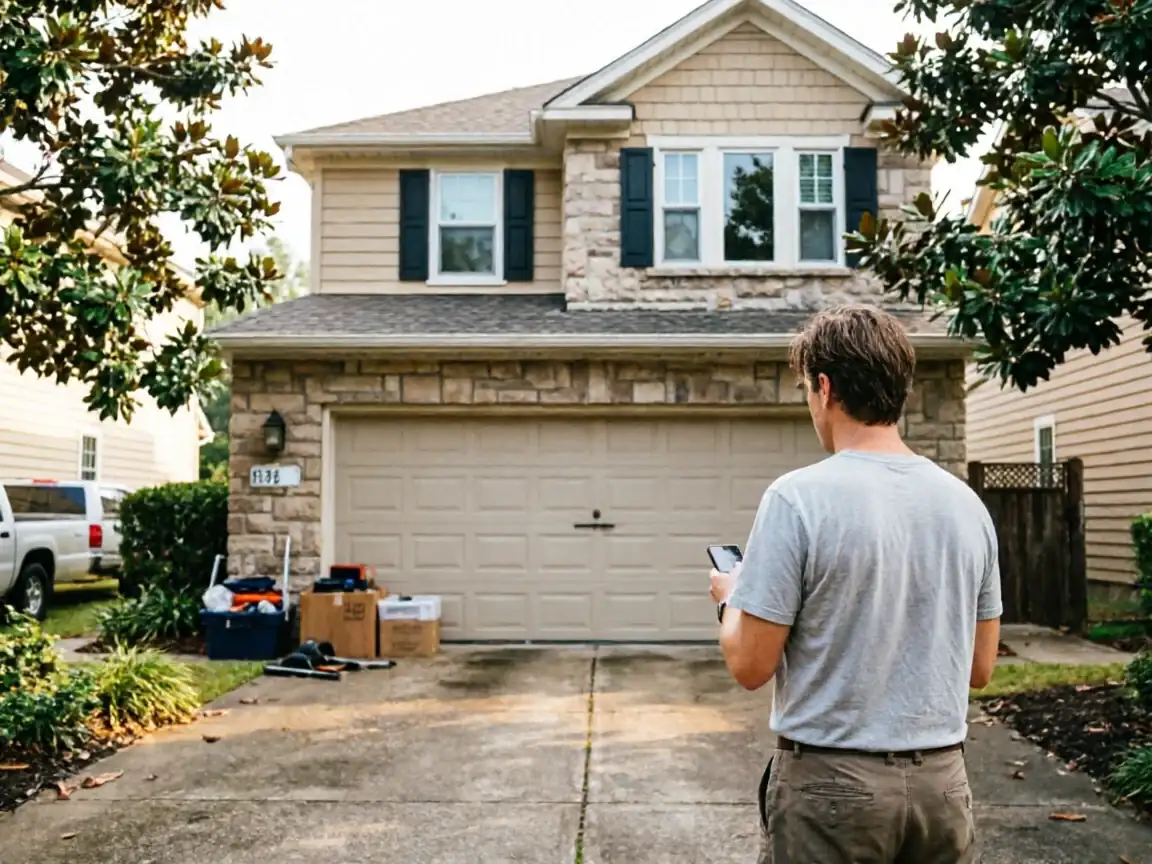
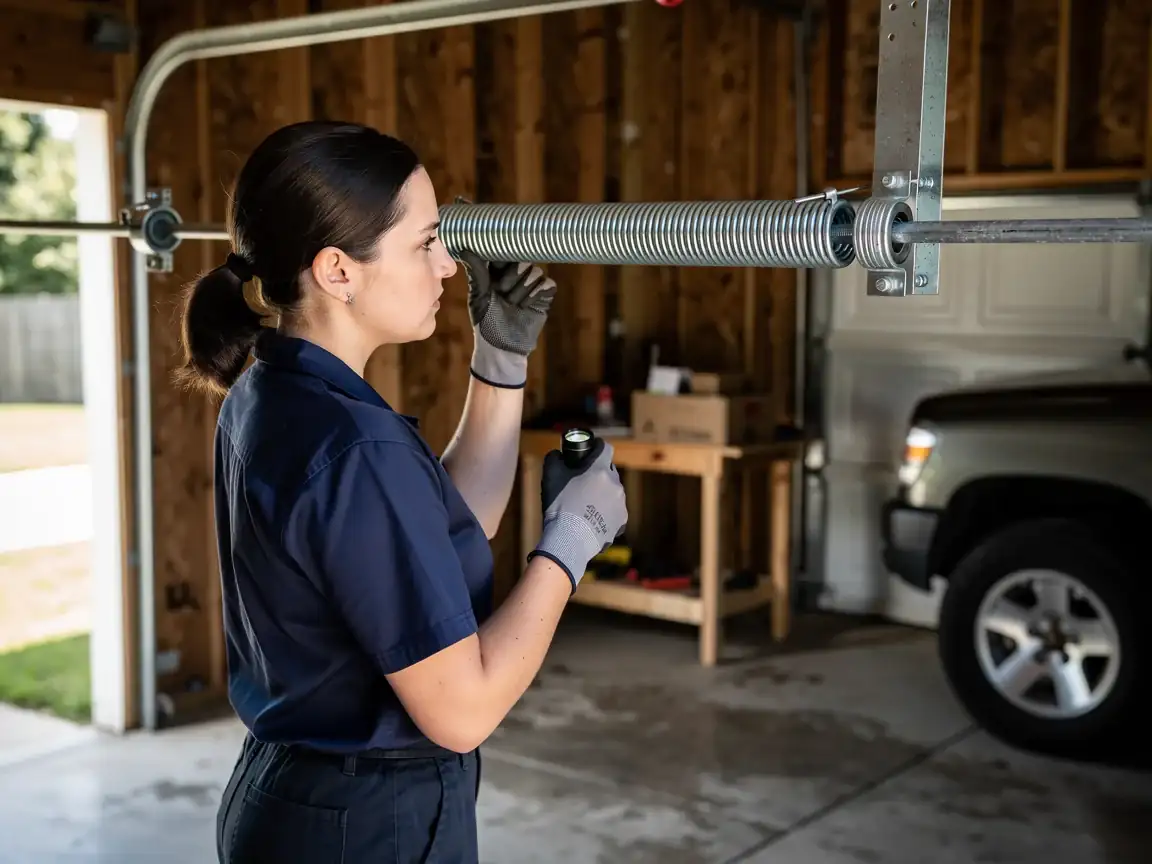
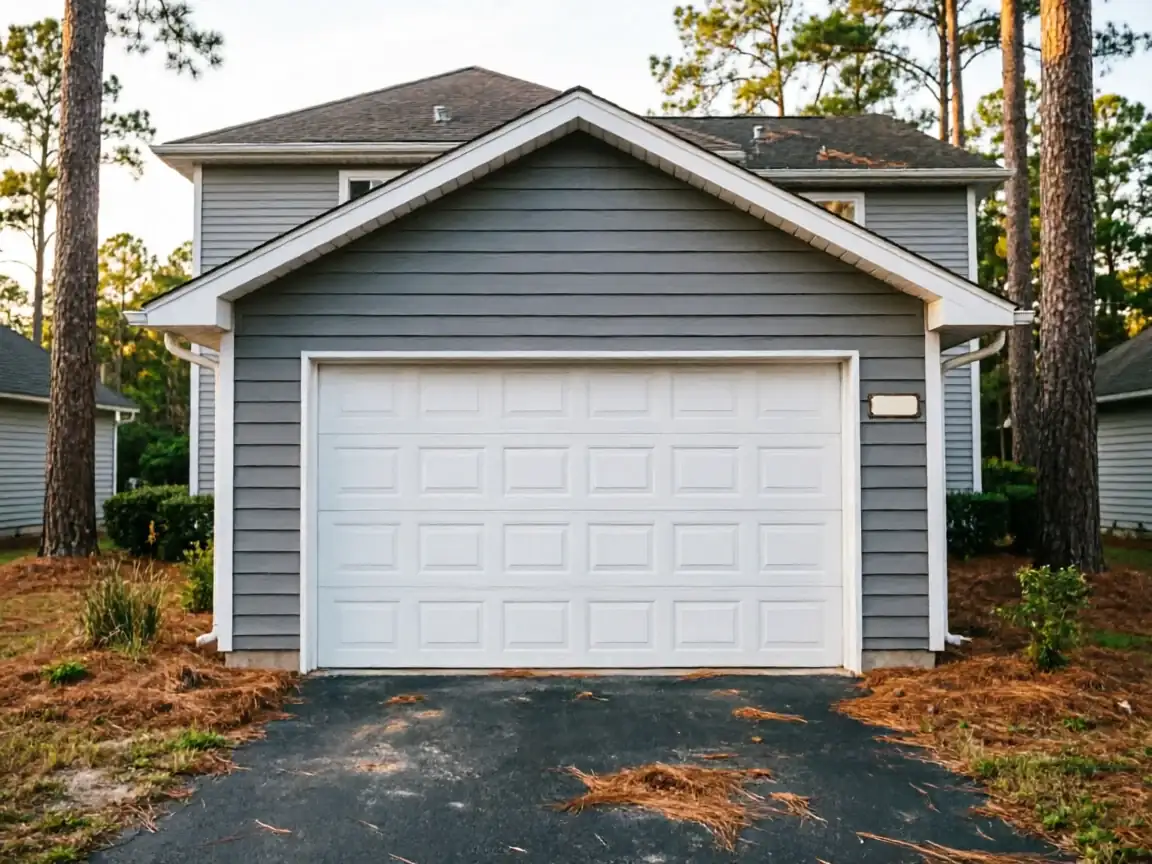
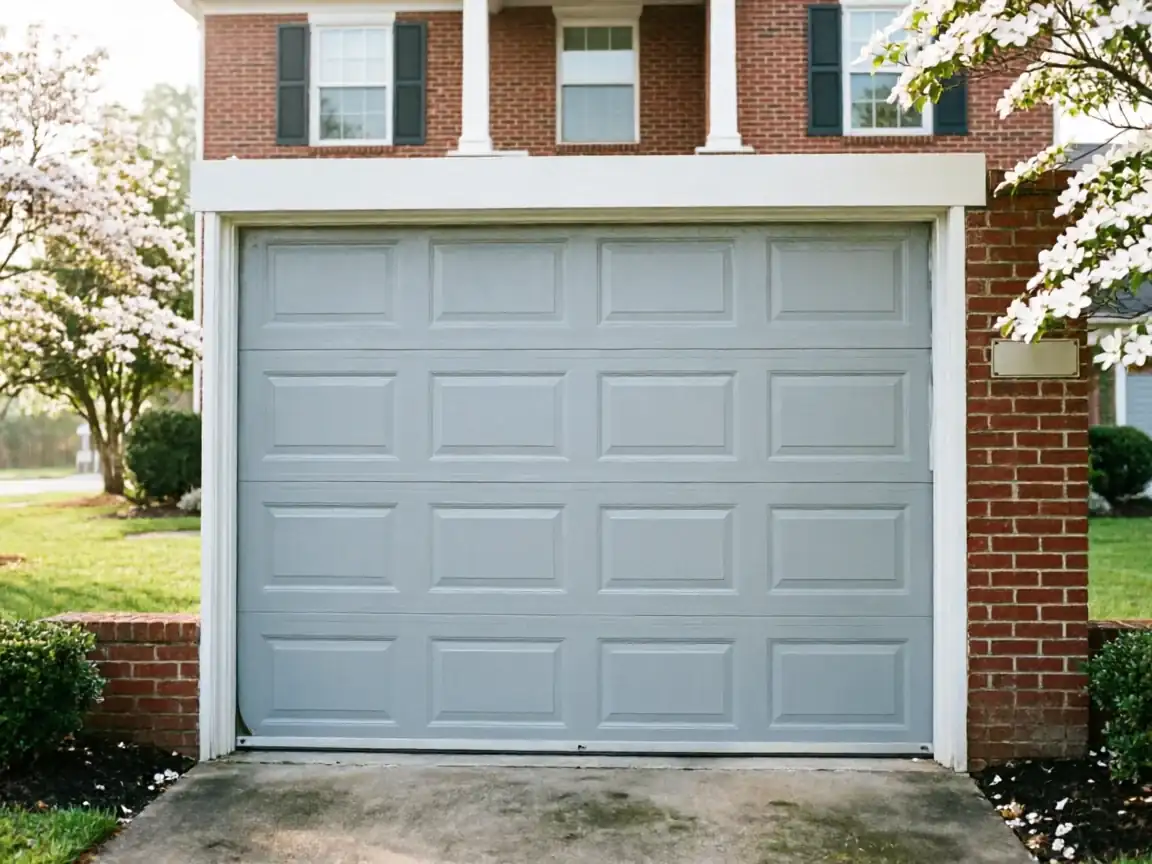
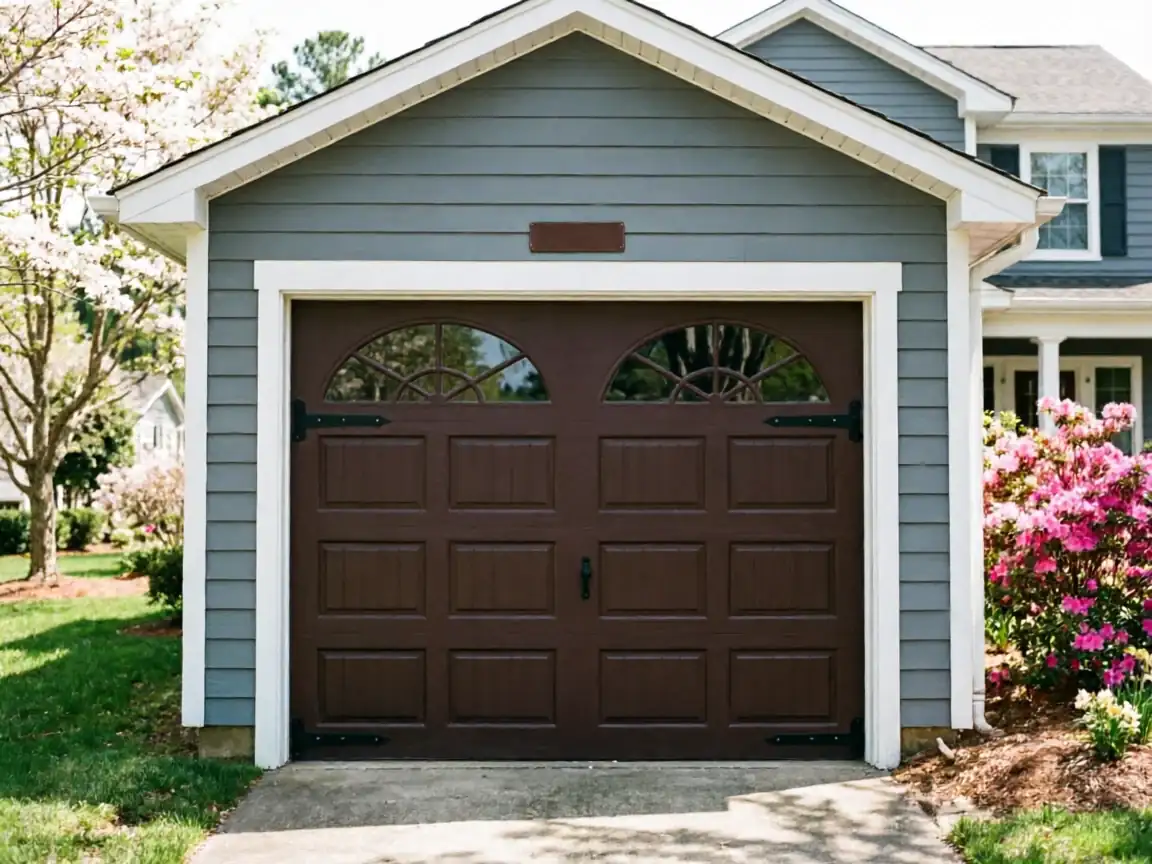
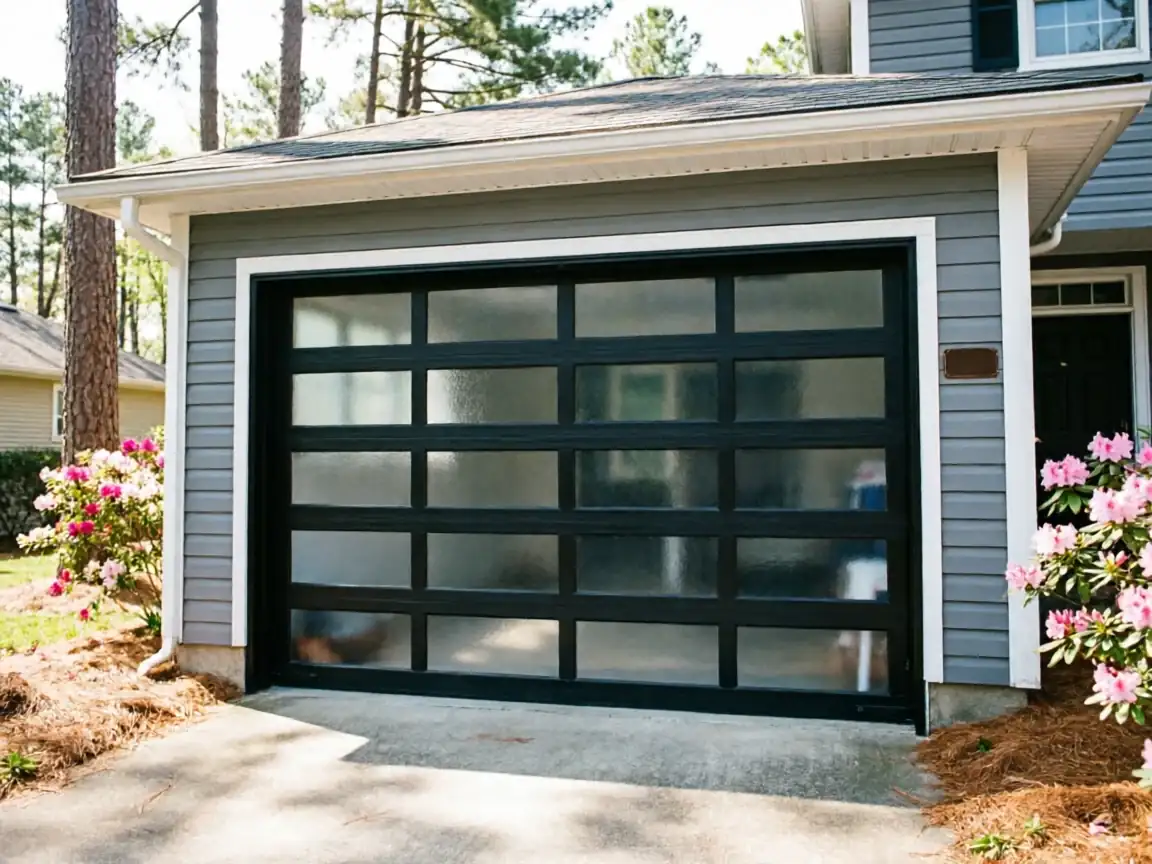
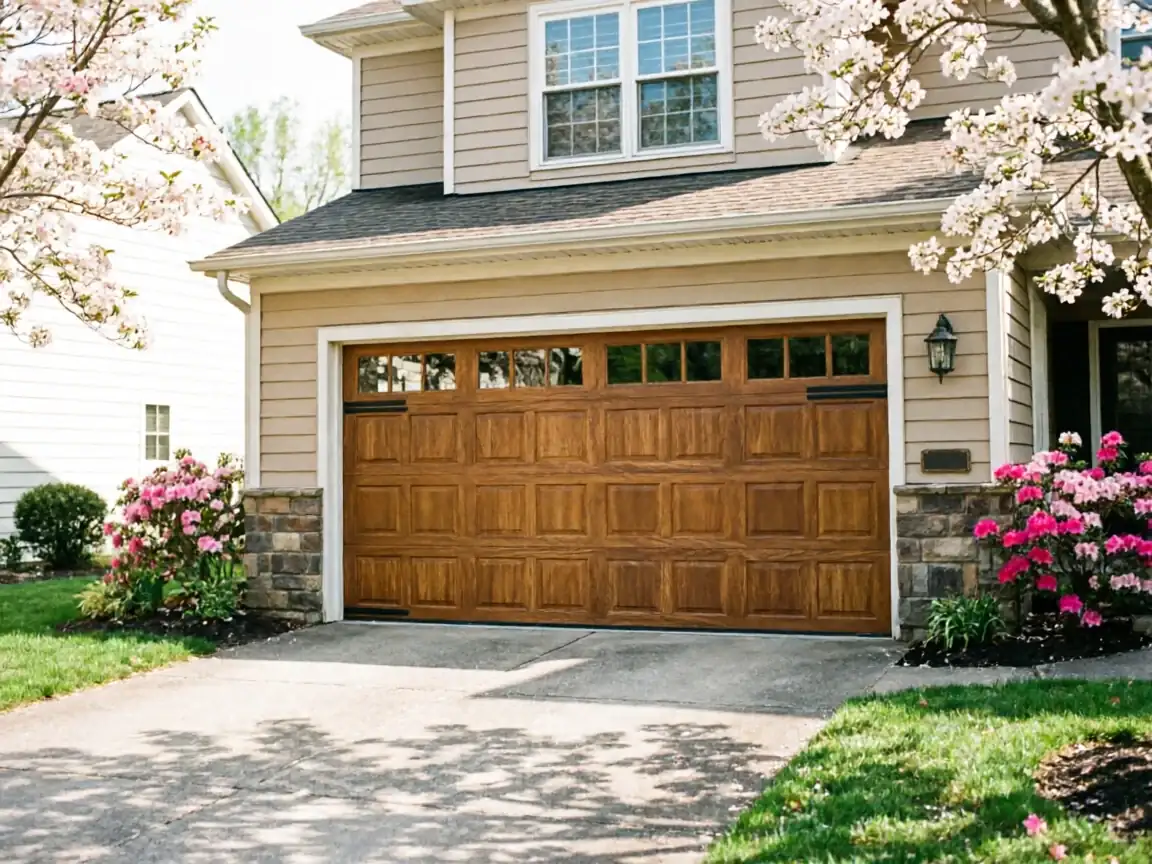
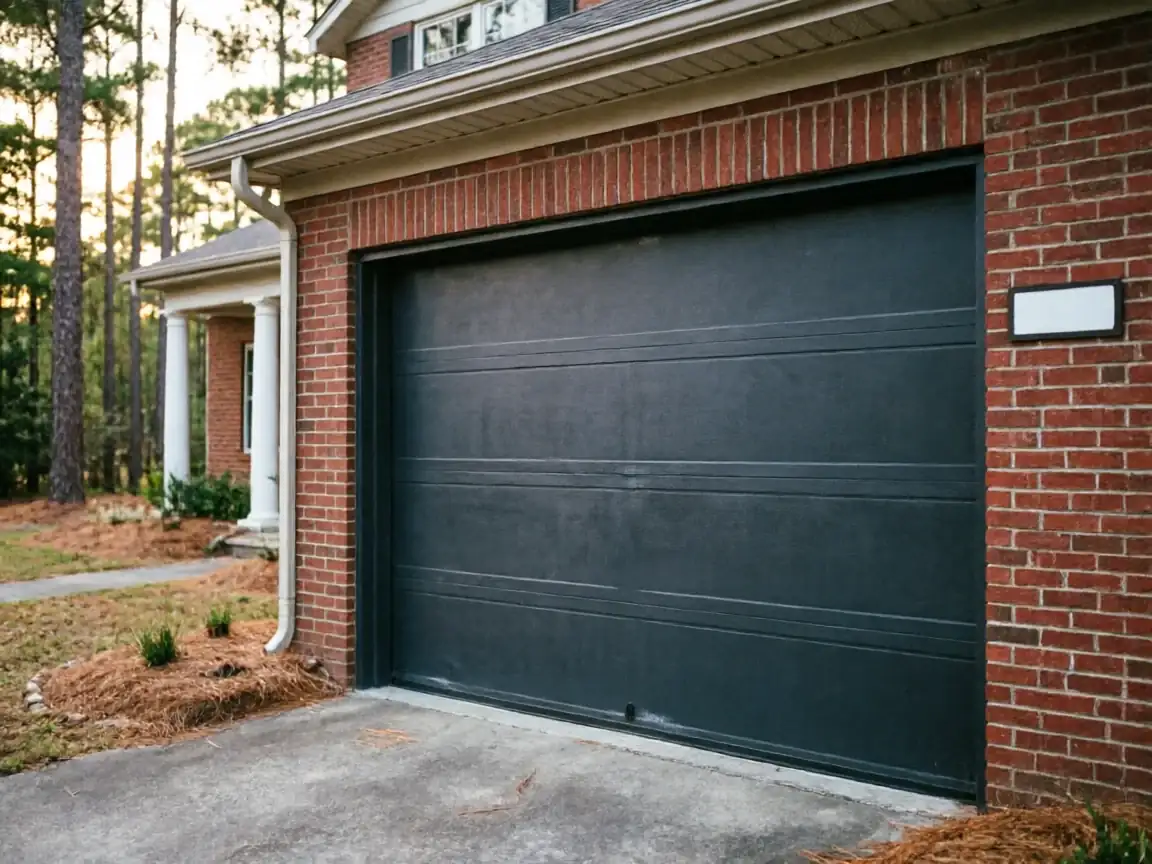
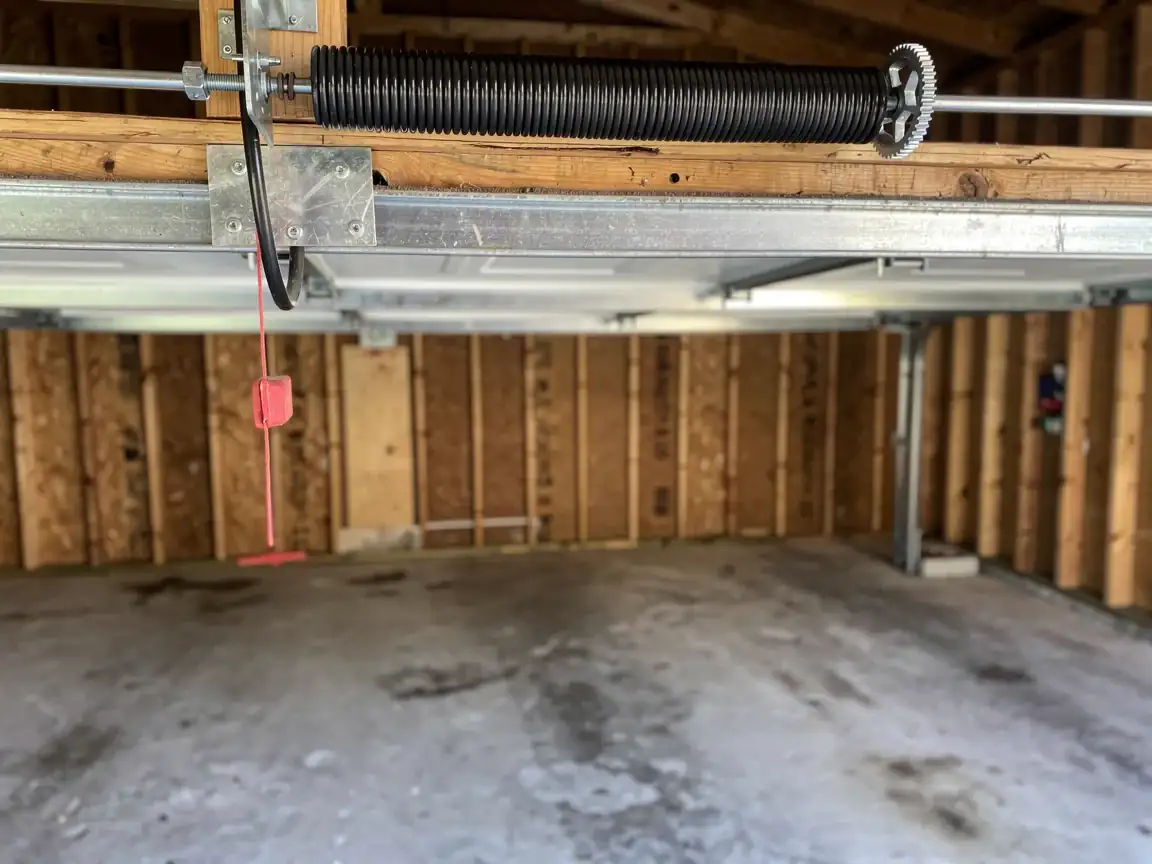
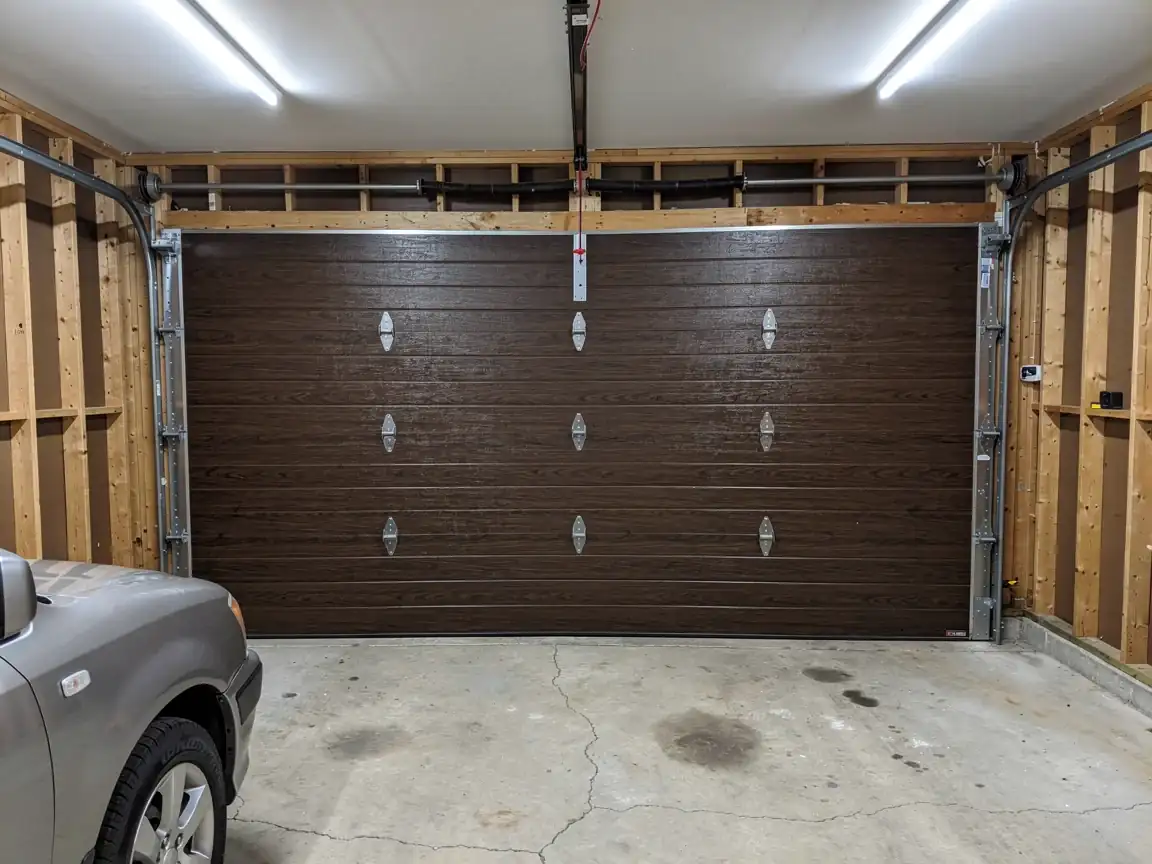
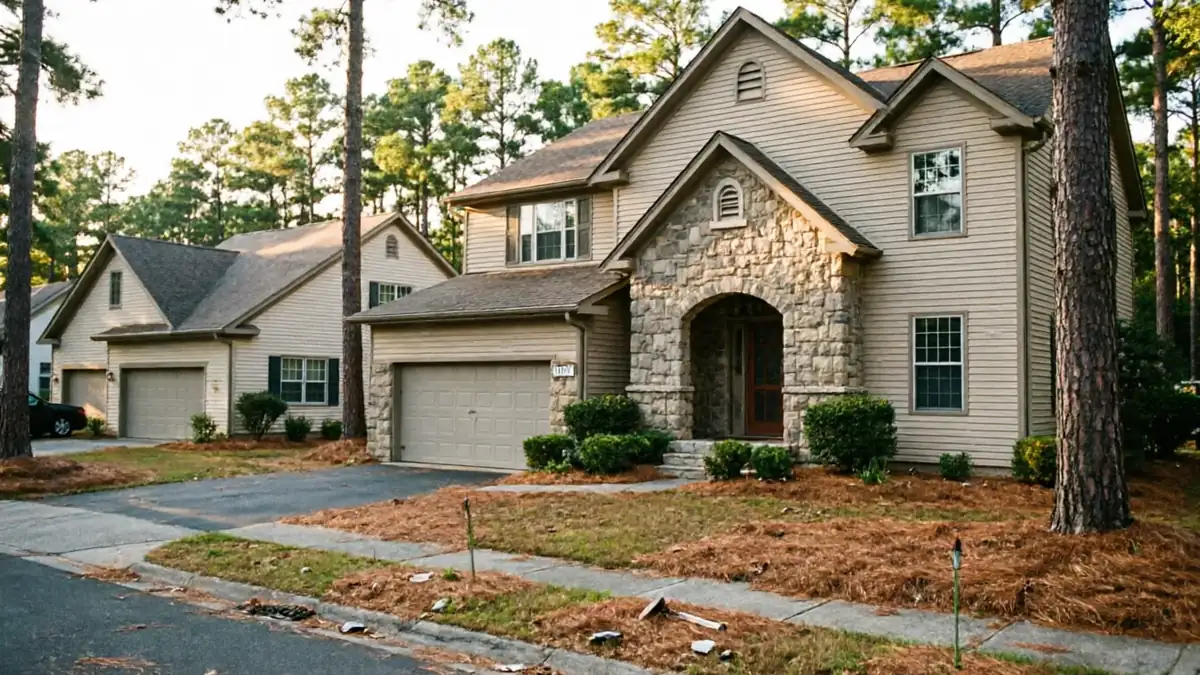
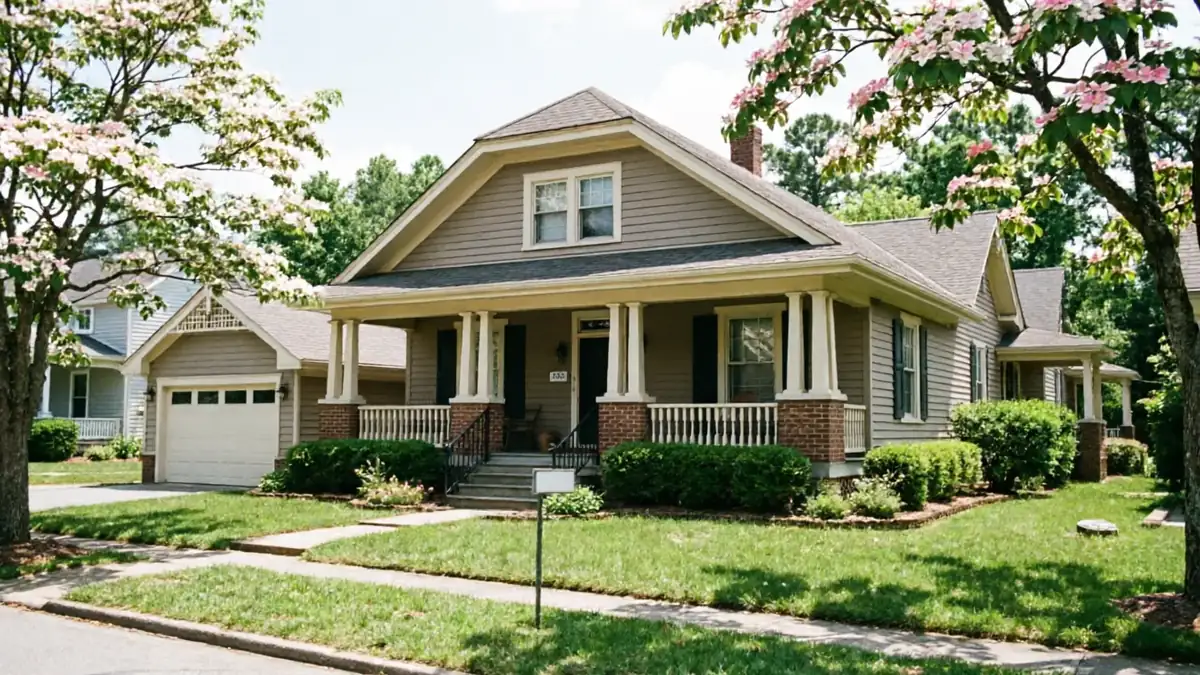
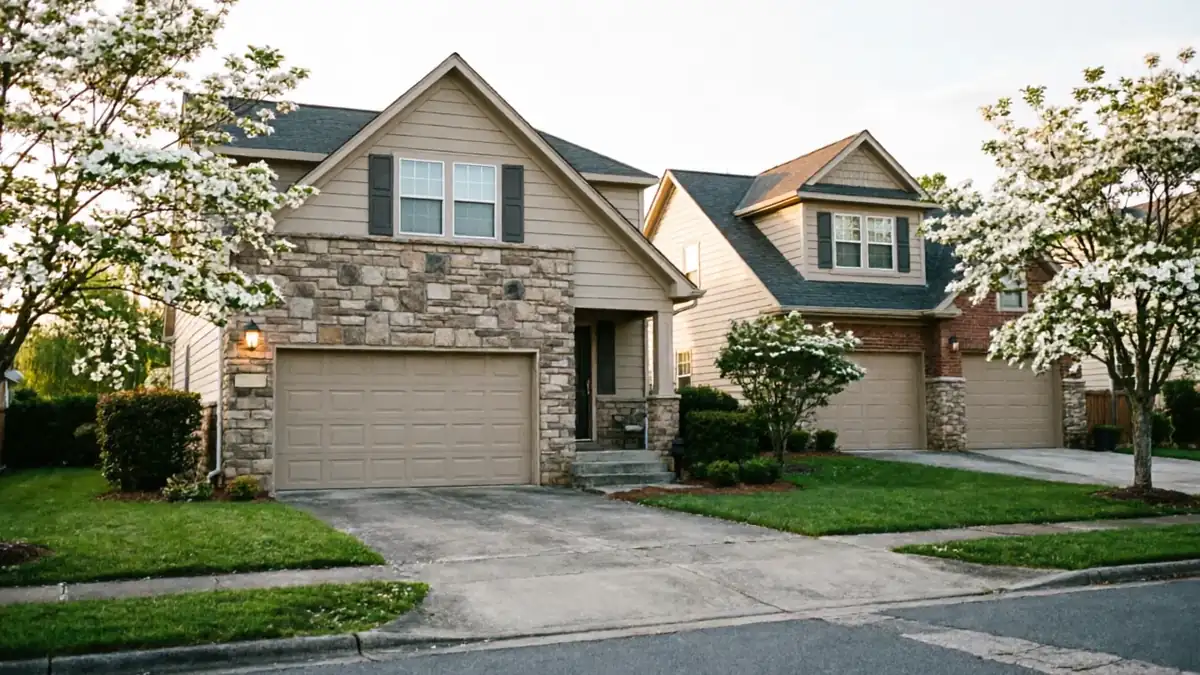
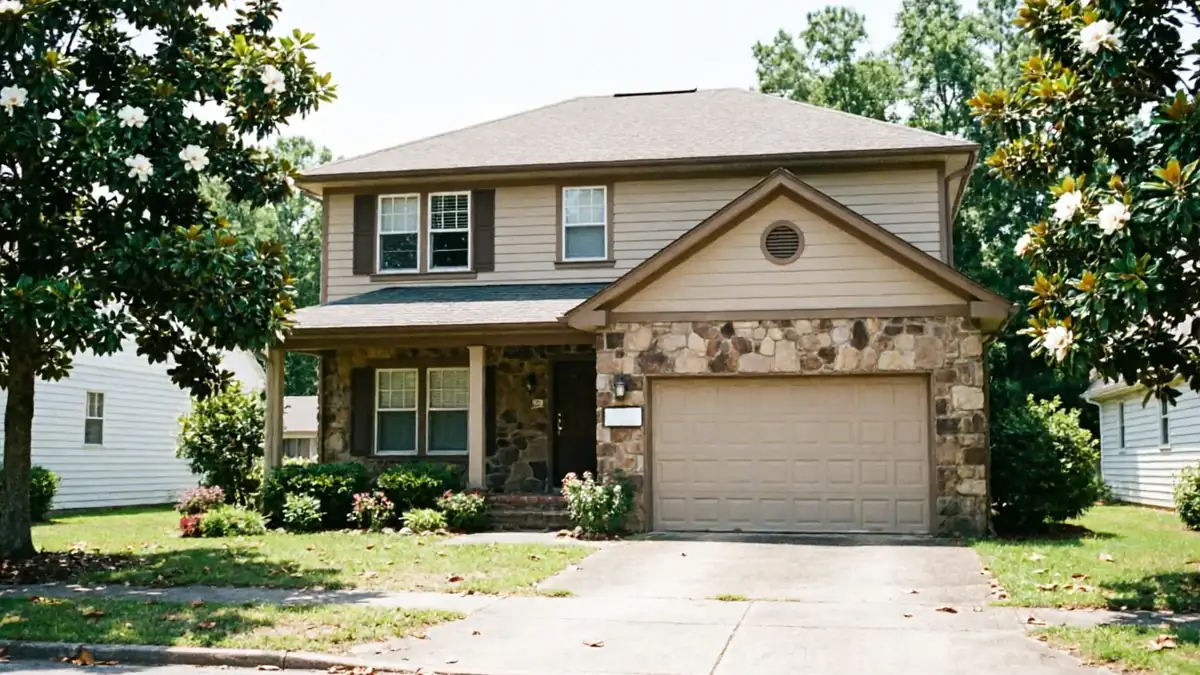
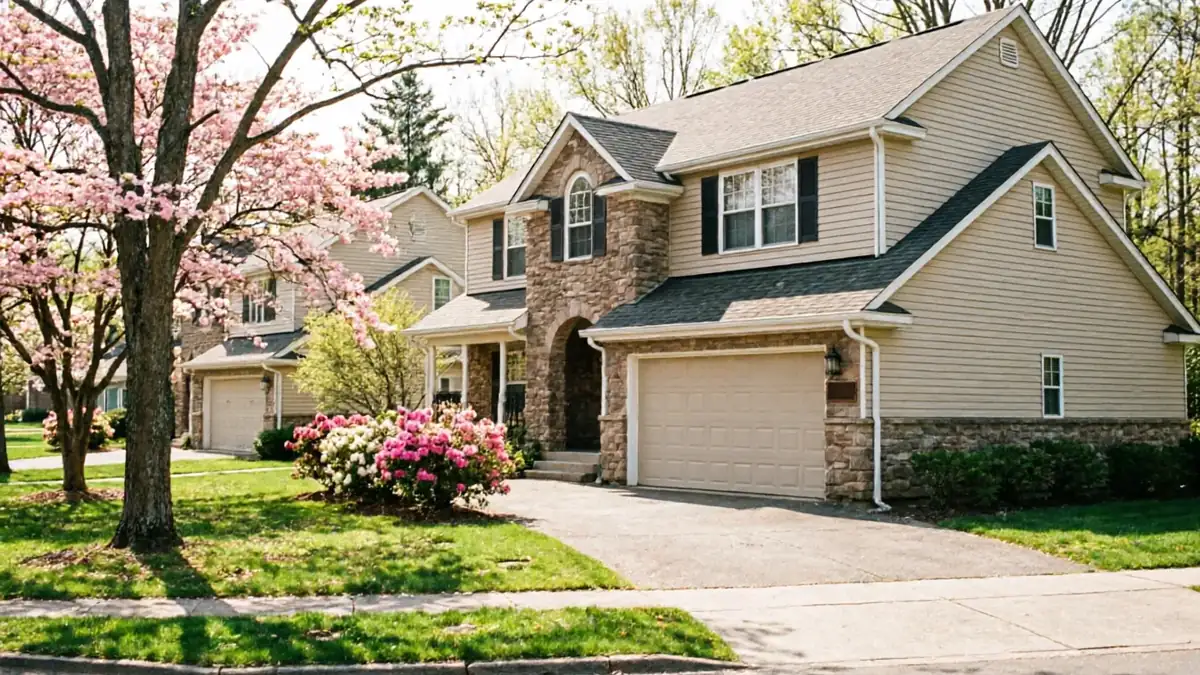
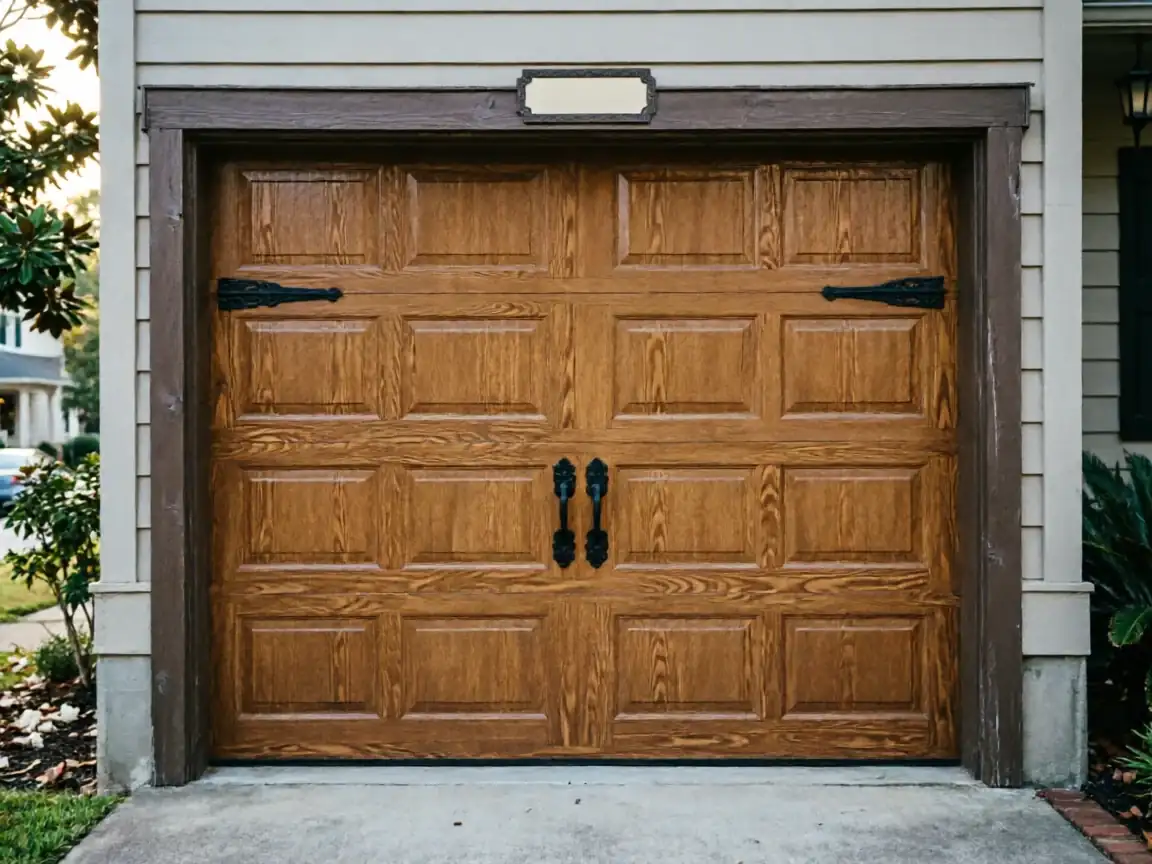
The median home in Davidson was built around 2002, which puts most of the housing stock a good decade or more past the 1980s-90s construction that's common elsewhere in our coverage area. That gap matters more than it sounds like it should. A door installed in 2002 or later is more likely to have a factory-installed photo-eye safety sensor, a steel torsion spring system rated for 10,000+ cycles, and an opener with a circuit board rather than pure mechanical relay logic. The failure points are different too - you're less likely to see the rusted-through bottom panel we find on older stock, and more likely to see a logic board that's finally aging out, a worn drive gear in a belt-drive opener, or a torsion spring that's simply reached the end of its cycle count right on schedule. With median household income here running well above $100,000, we also see more insulated steel and composite doors with higher-end hardware - which repairs fine, but sometimes means ordering parts that aren't the generic stock item we'd grab for a builder-basic door.
The Calls We Get From Here
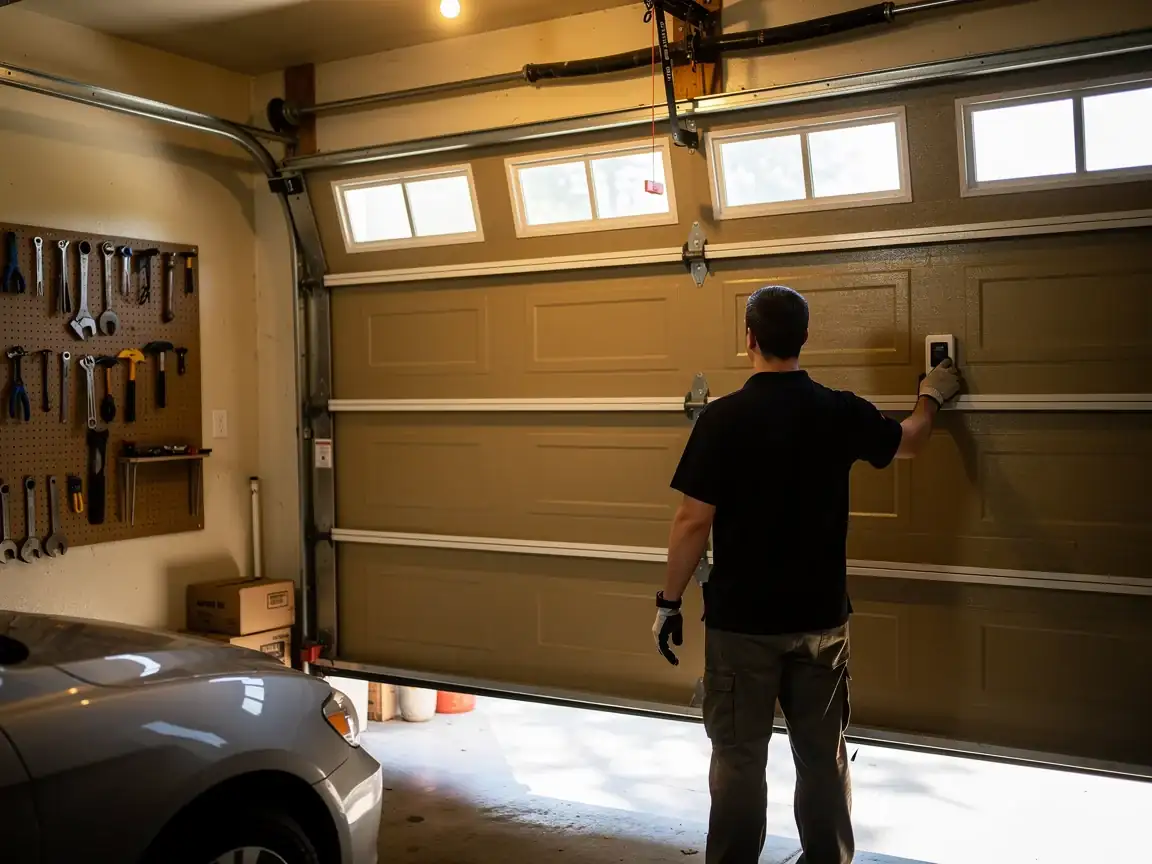
Most of what comes in from Davidson addresses are opener problems rather than structural door failures - a Chamberlain or LiftMaster unit from the early 2000s that's stopped responding to the remote, or a sensor that's gone out of alignment. Springs still break here, same as anywhere a door cycles every day, but the newer torsion setups common in this area tend to fail cleanly rather than taking a cable or panel with them, which keeps those calls simpler. We also get calls about doors that reverse for no clear reason - often a dirty or misaligned photo eye rather than anything wrong with the door itself. One thing we're honest about: if your opener is a sealed logic-board unit from a brand we can't get boards for anymore, replacement is usually the better call than chasing a repair that won't last. We'll tell you straight when that's the case instead of running up a bill on a fix that's not worth it.