Why This Fails Locally
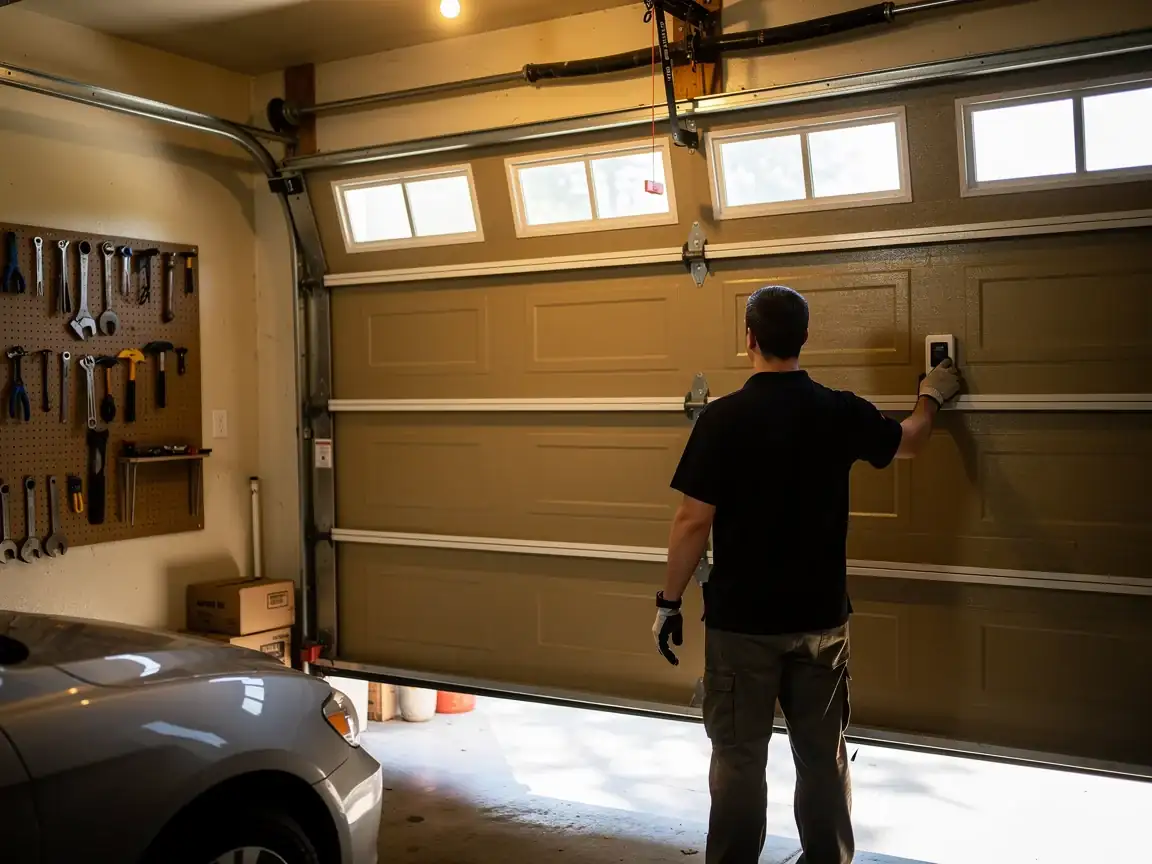
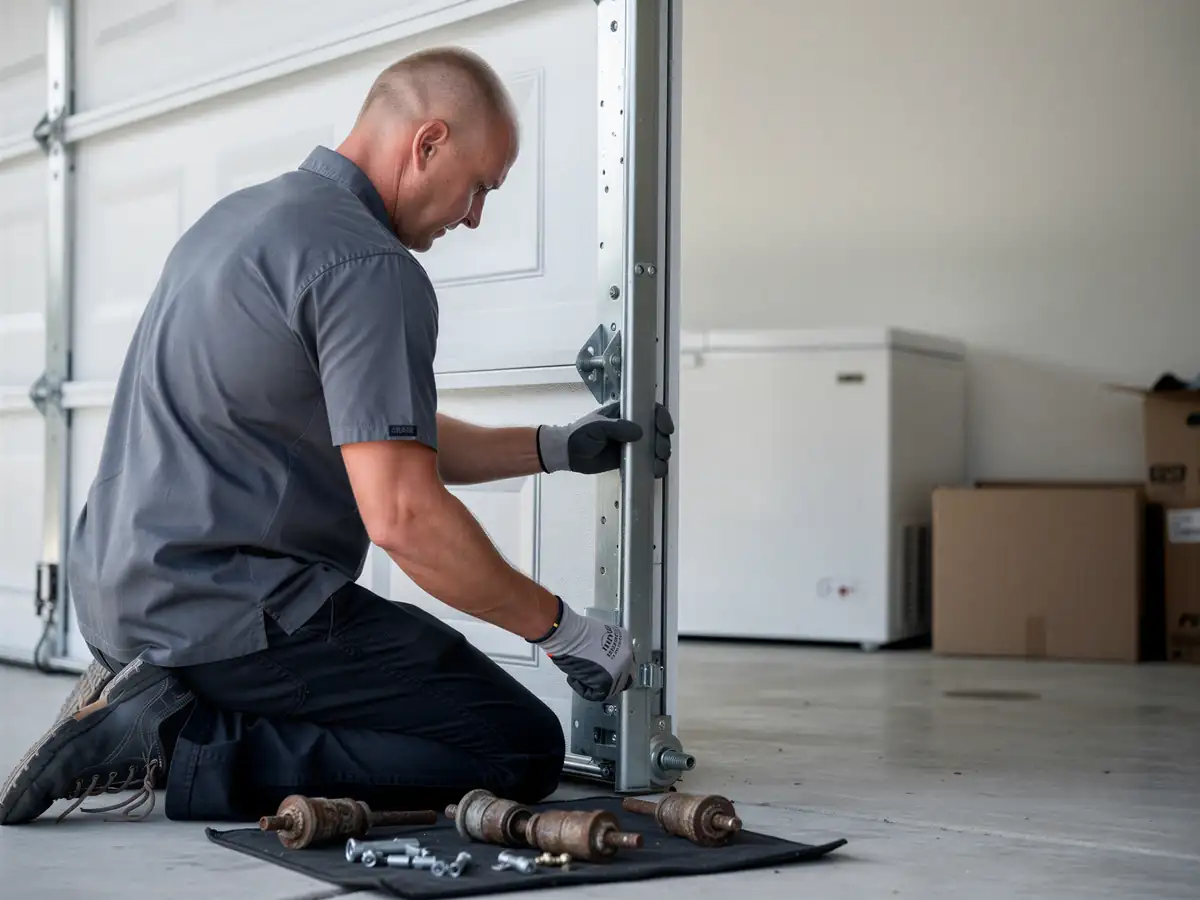
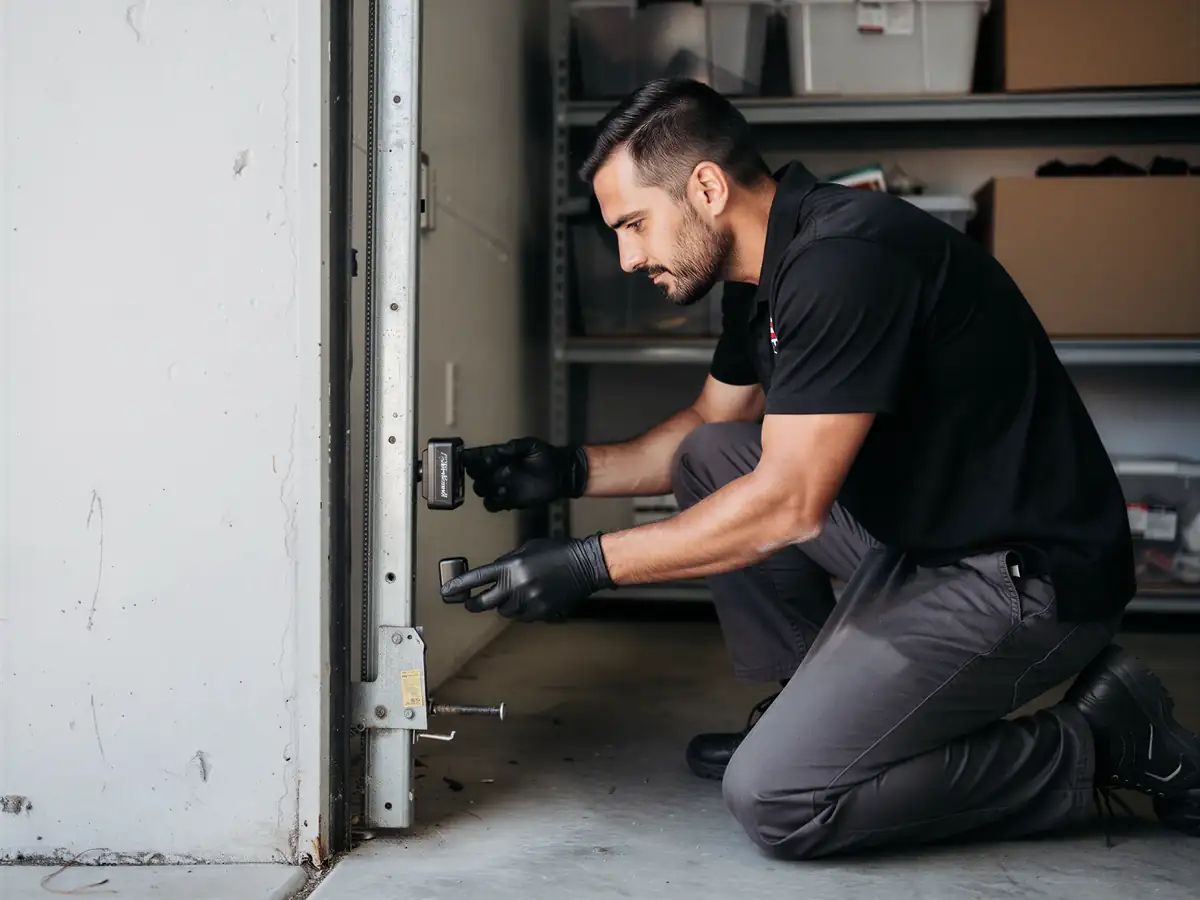
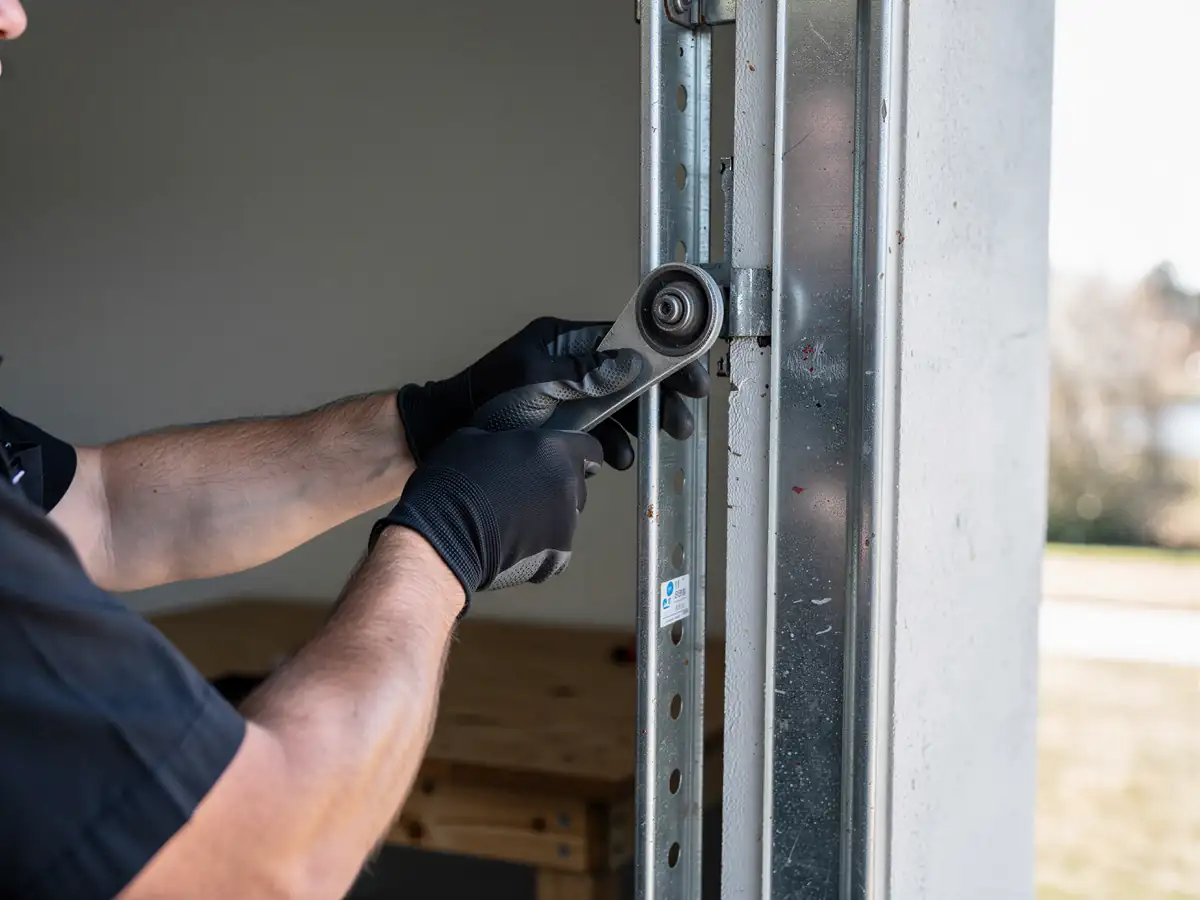
A door built around 2002 is still on its original hardware in a lot of cases, which puts that hardware at 20-plus years of use. Track brackets loosen in the framing, rollers wear oval instead of round, and the door starts walking sideways in the track a few inches at a time until one day it jumps clean off the rail. Davidson sits in the same cold-moderate climate band as the rest of the area, so you get the seasonal swing - wood framing around the track shrinking and swelling - that works screws loose over the years. On a newer door with a longer, taller opening, that same half-inch of track drift puts more leverage on the bracket than it would on a shorter, older door, so the failure shows up faster once it starts.
The Cost of This Job
We don't quote prices without seeing the door, and a straightforward roller-and-bracket fix is a different job from a bent track section that needs replacing outright. What we can tell you is that the median household income here runs well above the rest of the service area, and we've found that doesn't change what the repair costs - hardware is hardware regardless of the street it's on. What does change the number is whether the track can be realigned in place or needs a new section ordered in, and whether one side needs work or both.
Doing It Yourself
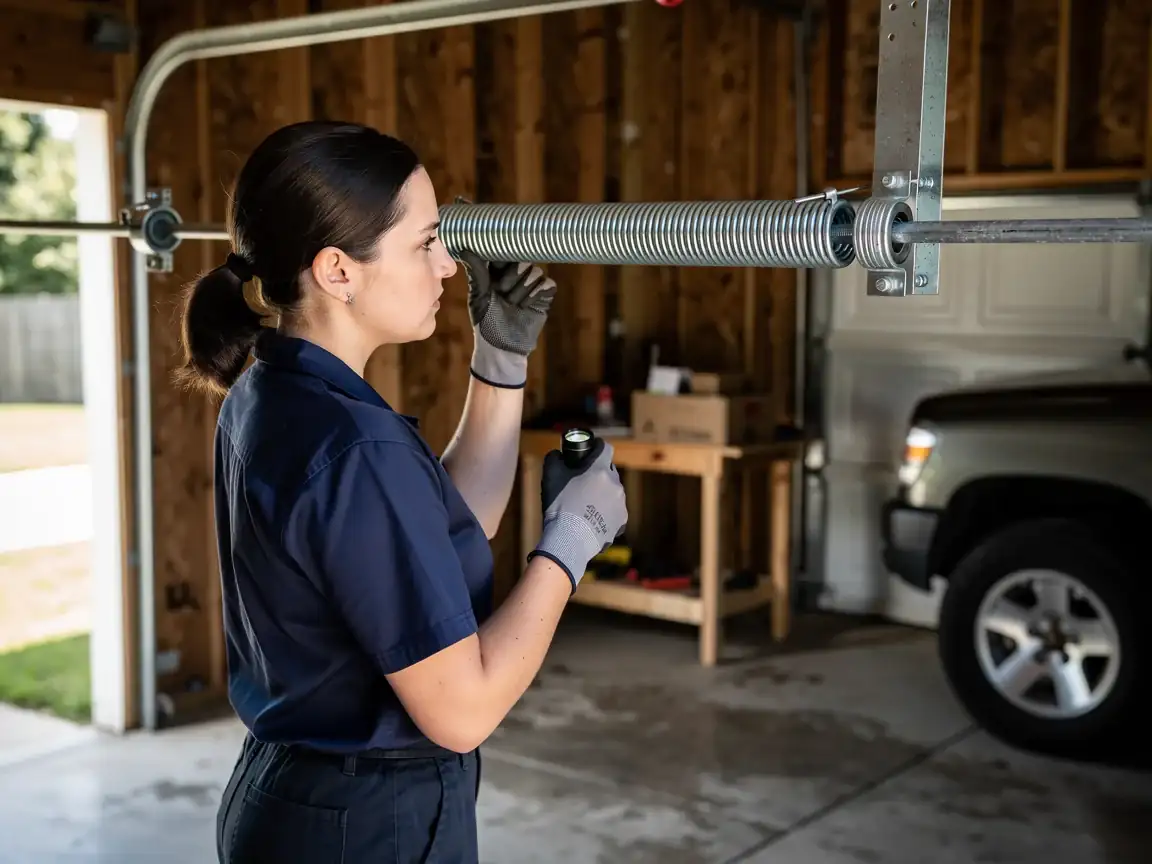
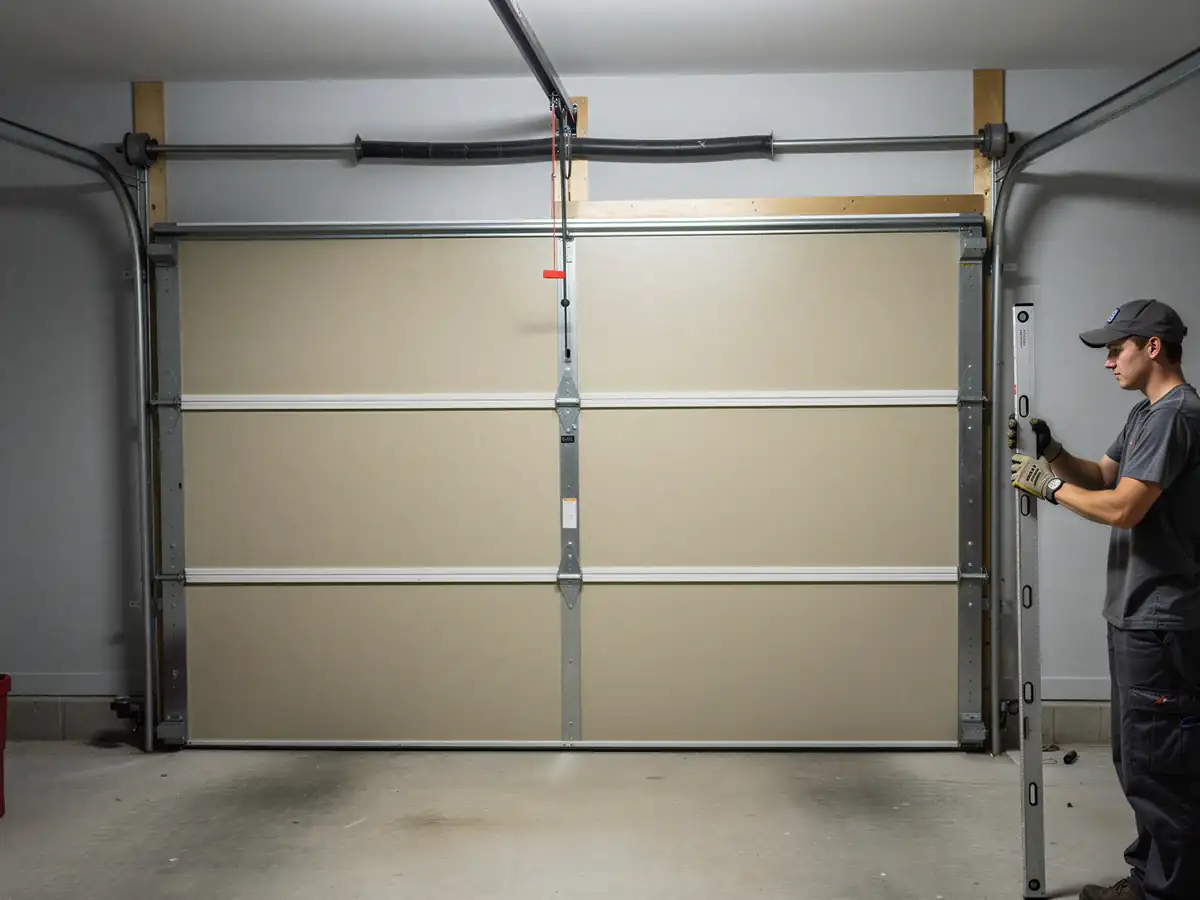
If the door is off the track but not sagging or twisted, you can sometimes walk it back onto the rail yourself with the opener disconnected - pull the emergency release, lift the door by hand, and check if it seats back into the track cleanly. If it drops back out or won't sit flush, stop there. A door under spring tension that's fighting the track is how people get hurt, and on extension-spring systems especially, the cable can let go without warning. Tightening a loose bracket screw is fine to try. Bending a track back into line yourself is not - it looks simple and it almost never stays fixed.