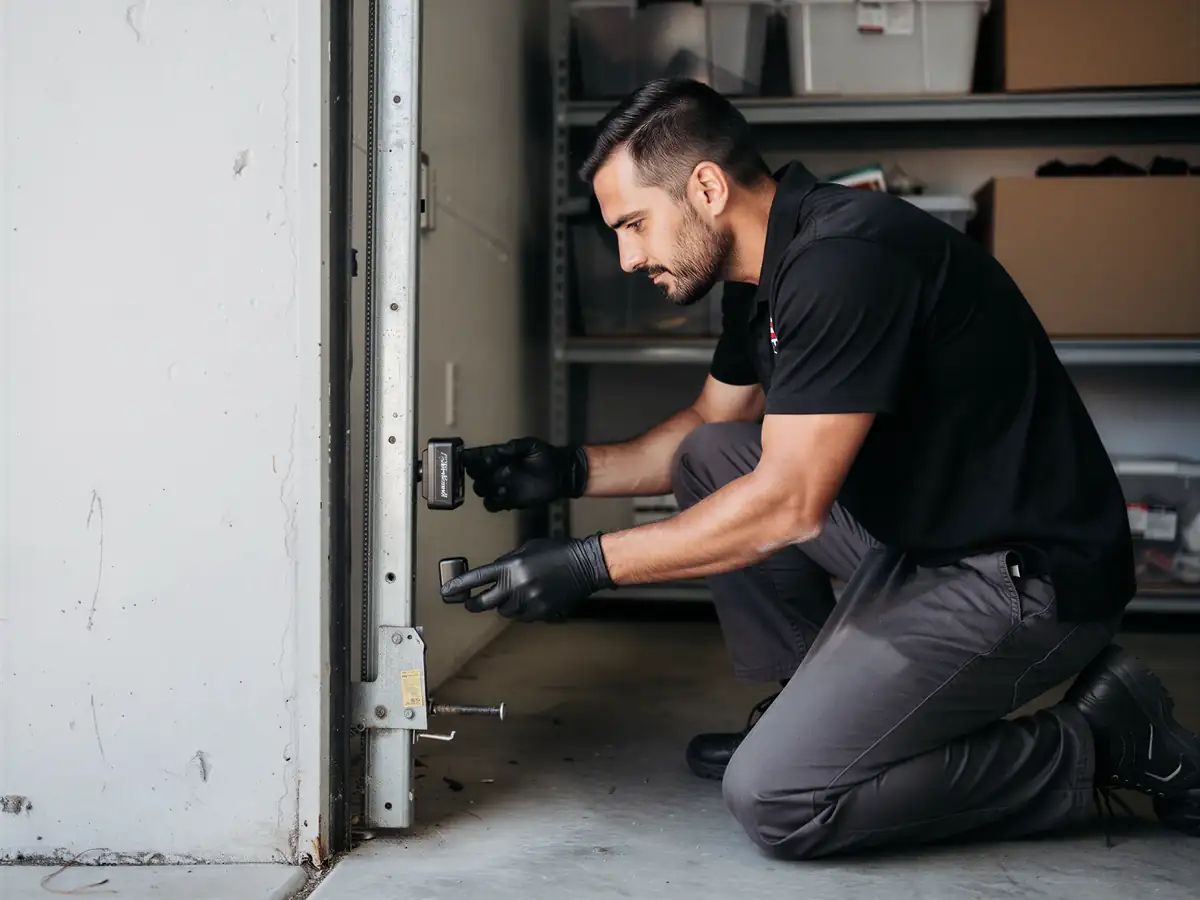
Why This Fails Locally
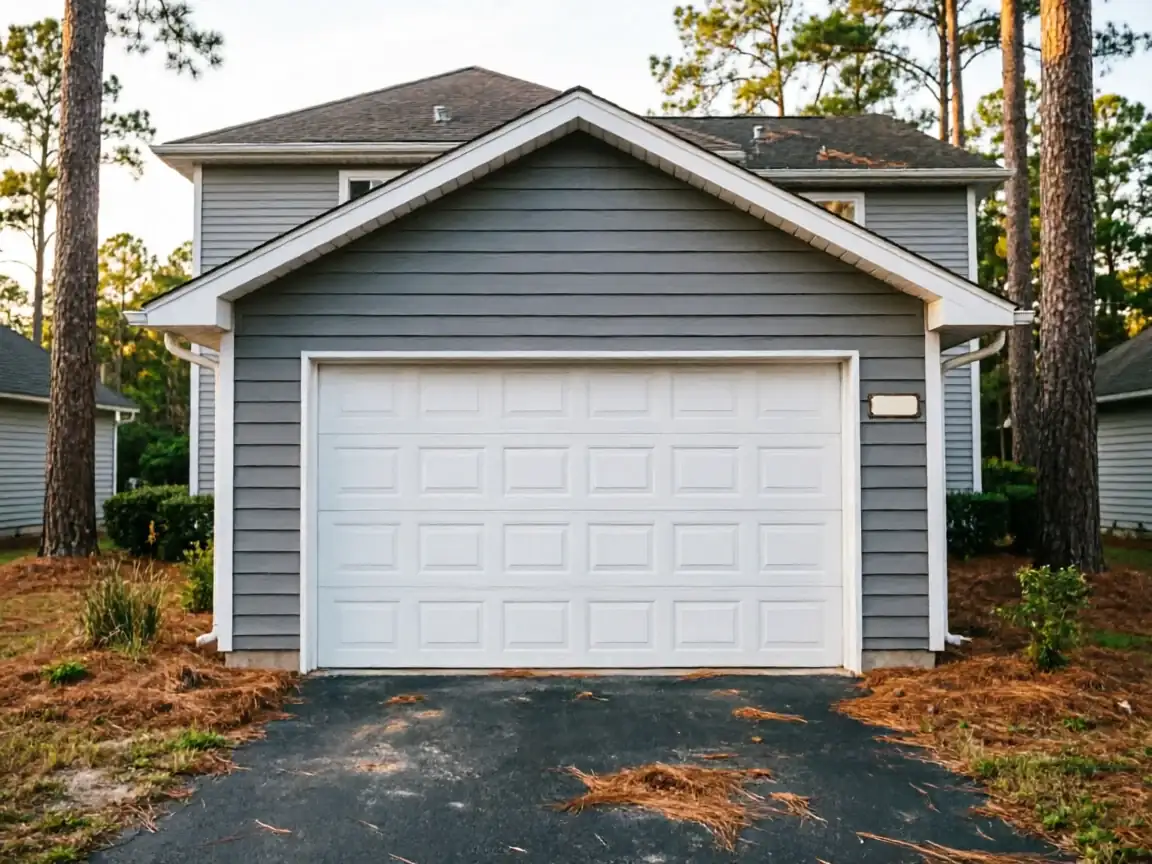
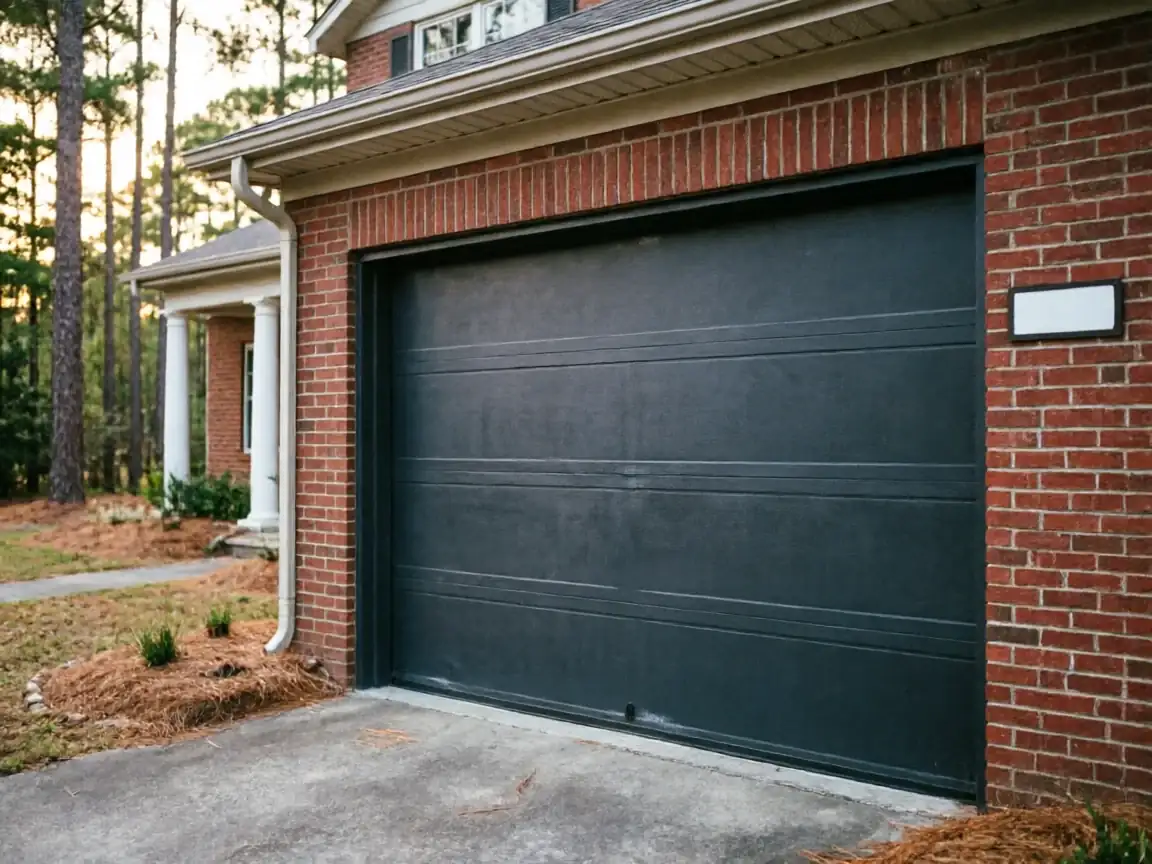
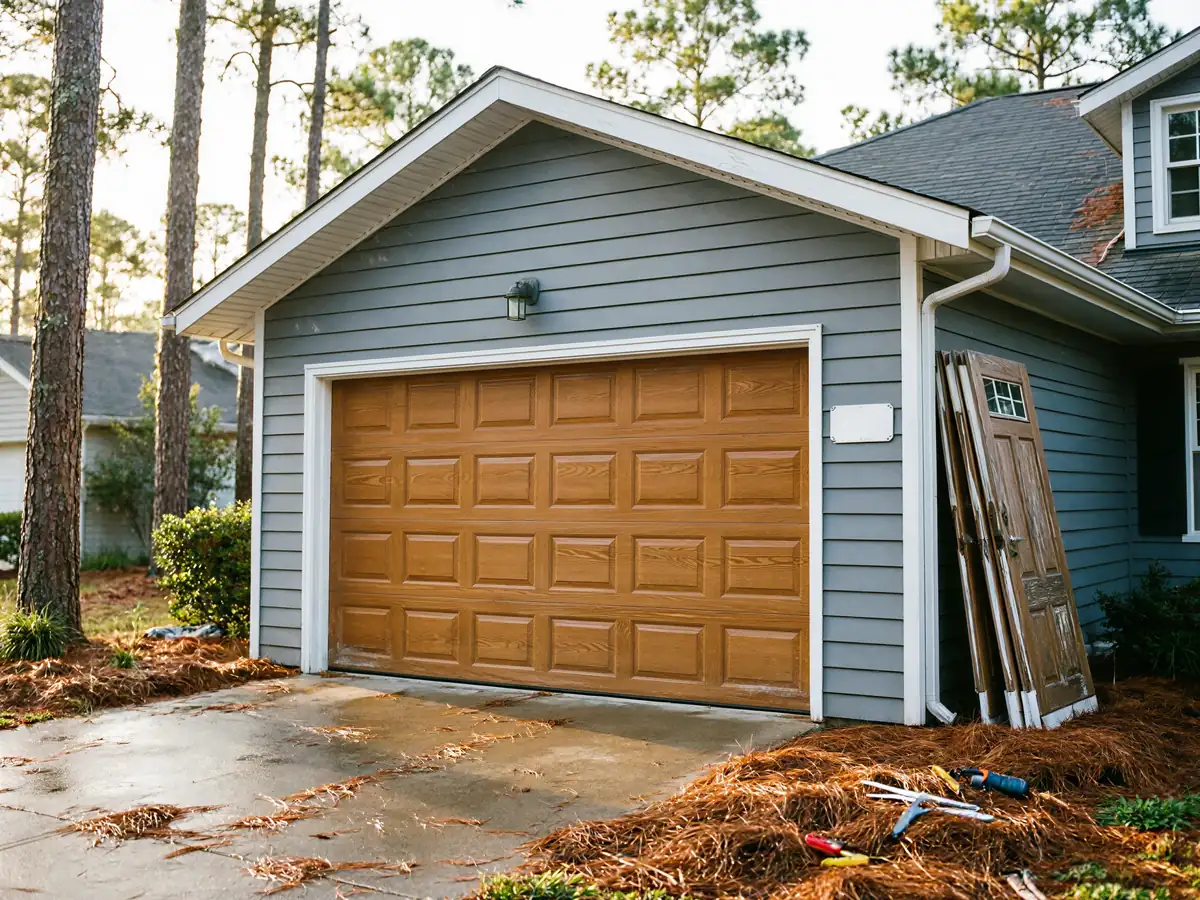
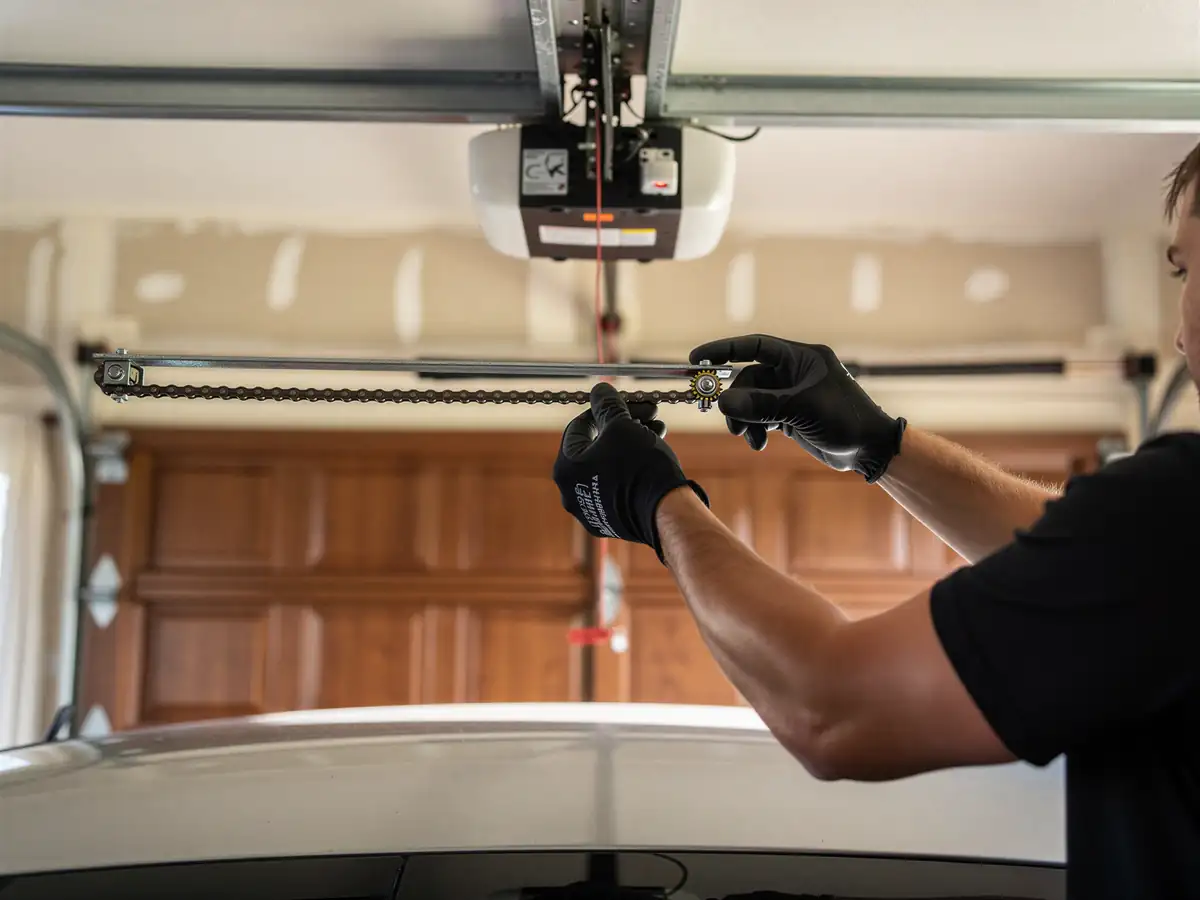
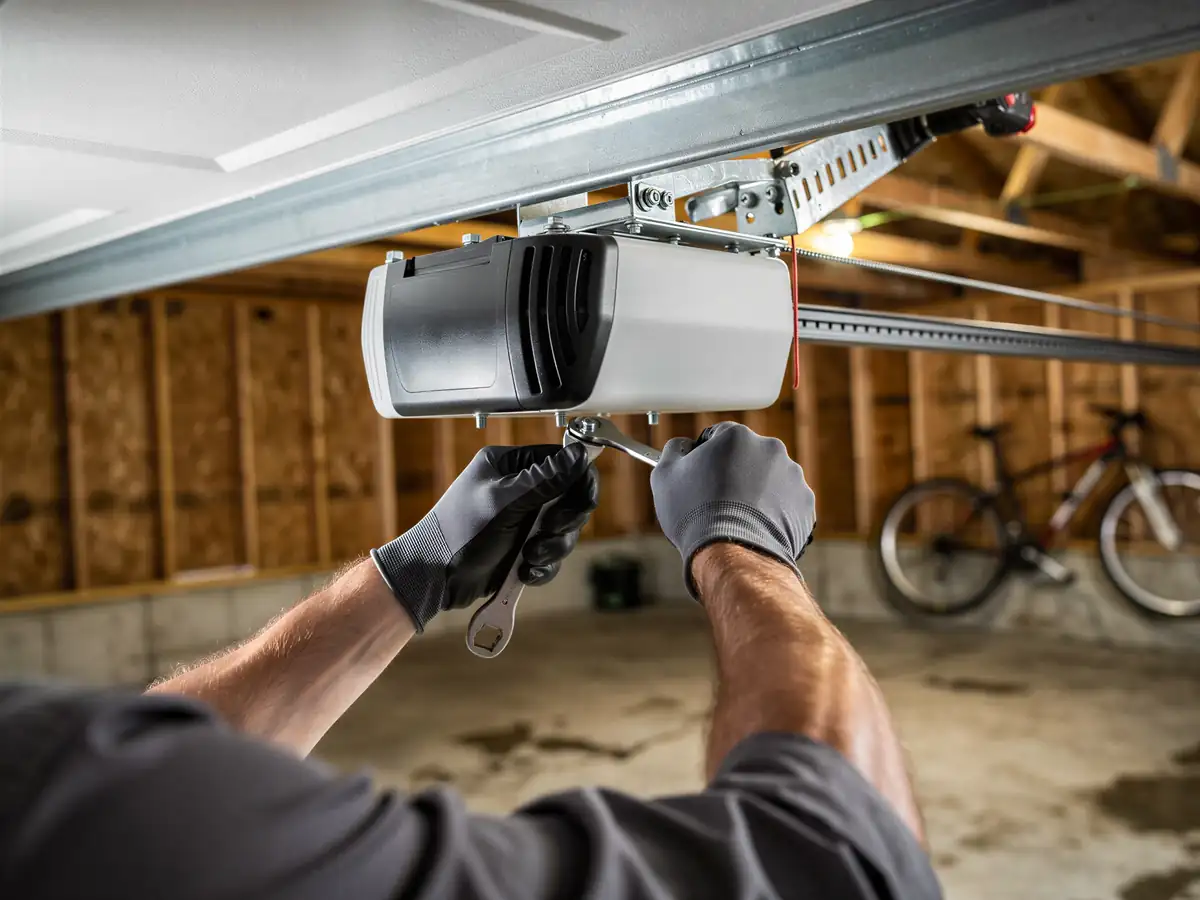
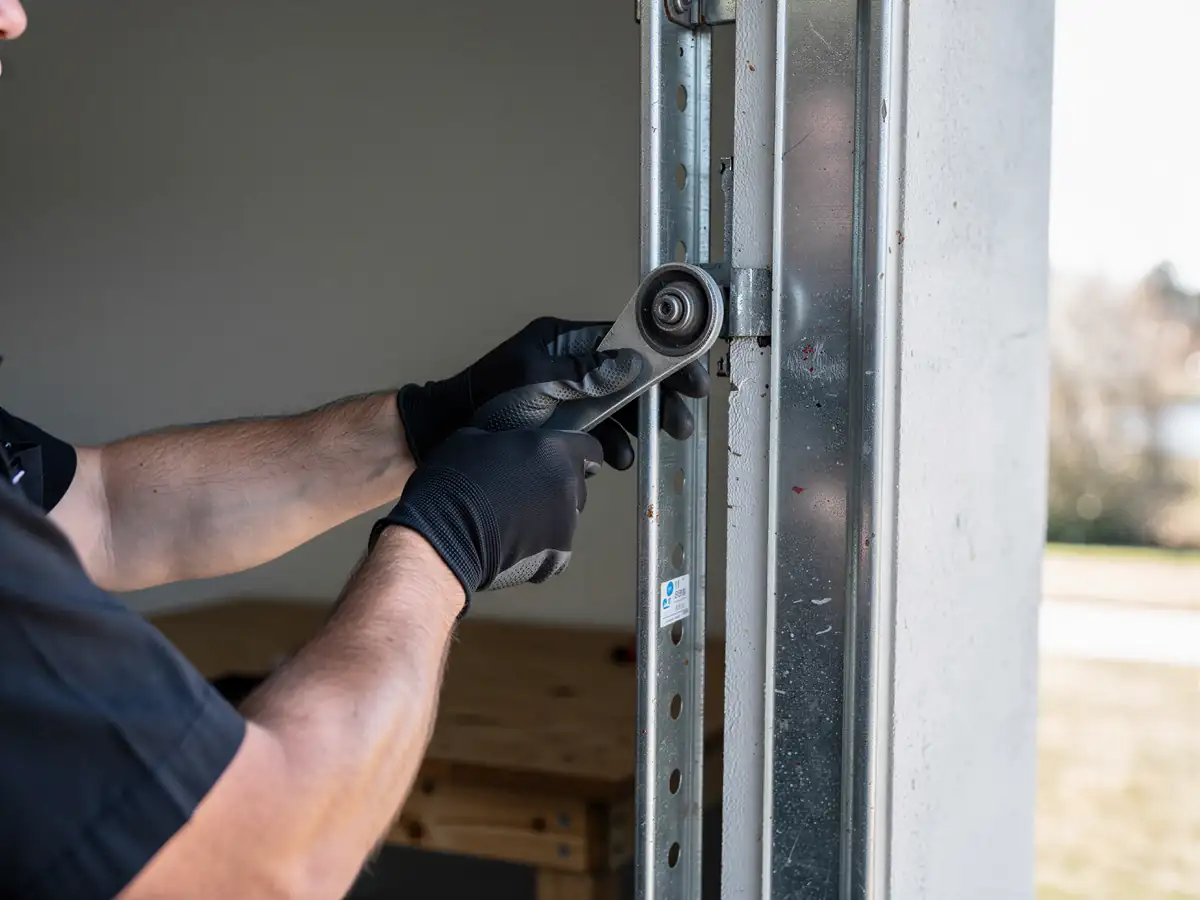
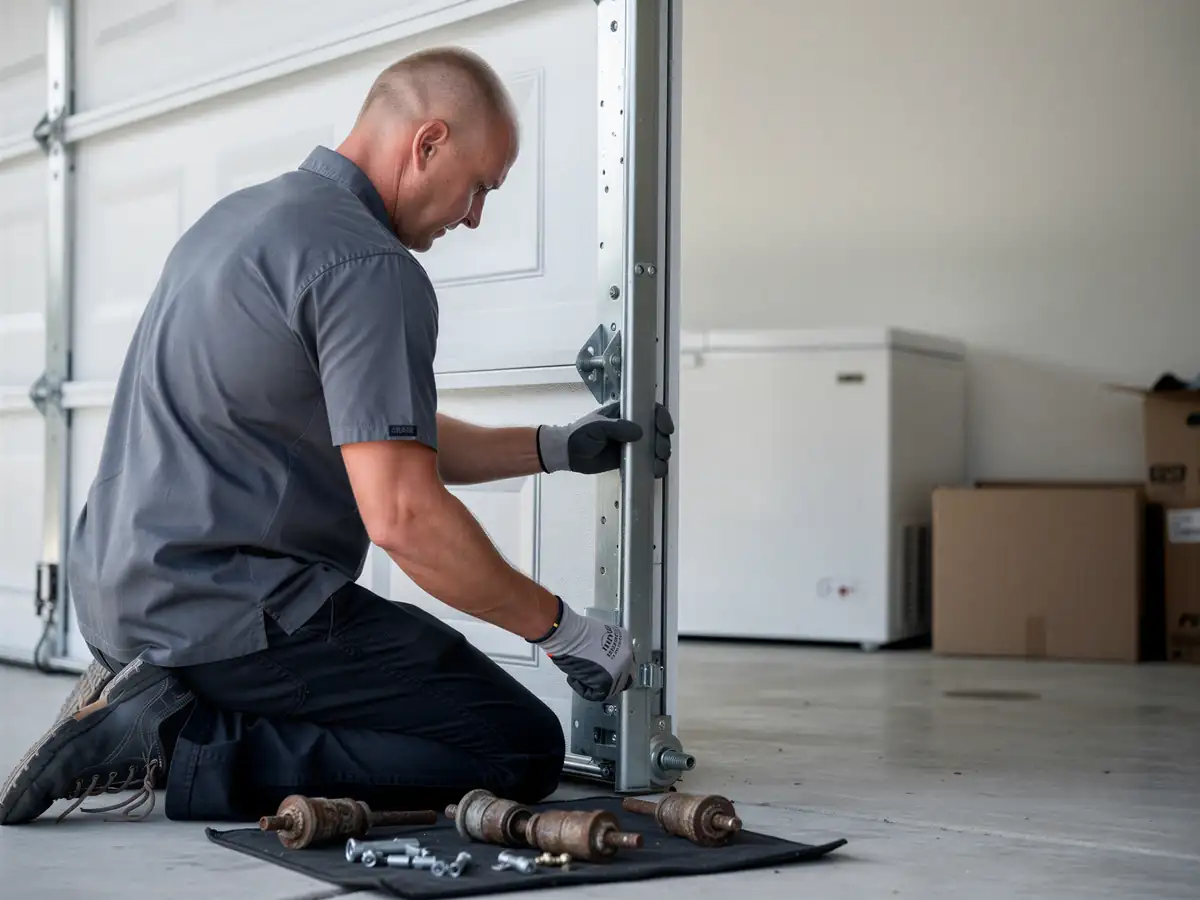
A door built around 2002 has had roughly two decades of cycles on its original spring and rollers, and that's exactly the point where wear starts showing as noise, drift, or a door that doesn't sit flat on the slab. Davidson's housing didn't go up in one big wave the way older sections of the wider area did - F1 shows the region's stock spans 1959 to 2005 with a lot in the 1980s-90s range - but a cluster from this later end of that window means a cluster of springs and openers aging out together, often in the same few years. Add in a cold, moderate climate: temperature swings through the year stiffen lubricant, shrink and expand metal fasteners, and that's where a slightly loose track bracket turns into a door that binds on cold mornings. None of this is dramatic. It's steady wear meeting a specific build era, and it shows up as the same handful of complaints on nearly every call out here.
The Cost of This Job
We don't publish a flat number for maintenance because what a door needs varies - a tune-up on a door that's been ignored for years costs more than one that gets checked yearly. What we can say is that household income in this corner of the service area runs well above the broader area's median of $73,393, and in practice that tends to mean owners catching problems earlier rather than running a door until something breaks outright. A caught-early maintenance call - lubrication, spring tension check, roller inspection, track alignment - is a smaller job than an emergency spring replacement after a cable snaps. The cost difference between those two calls is real, and it's the main reason we'd rather see a door once a year than once it's already failed.
Doing It Yourself
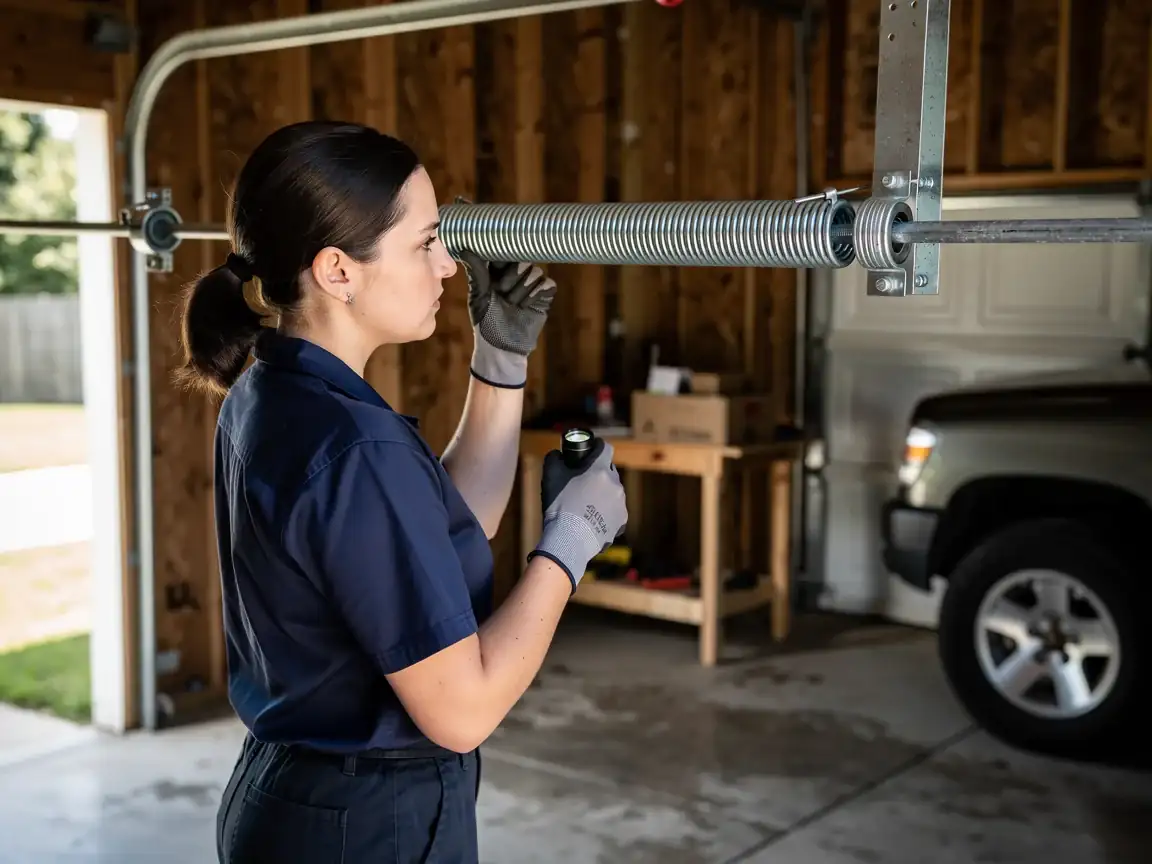
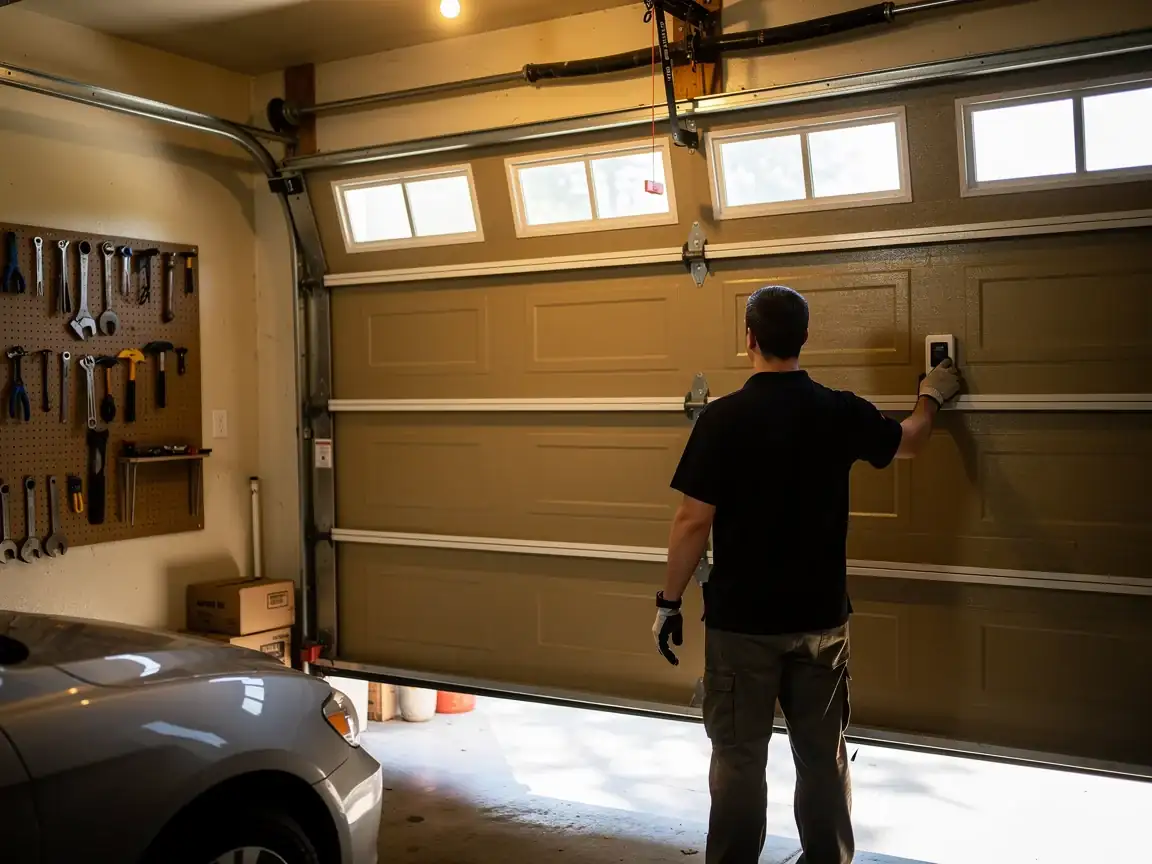
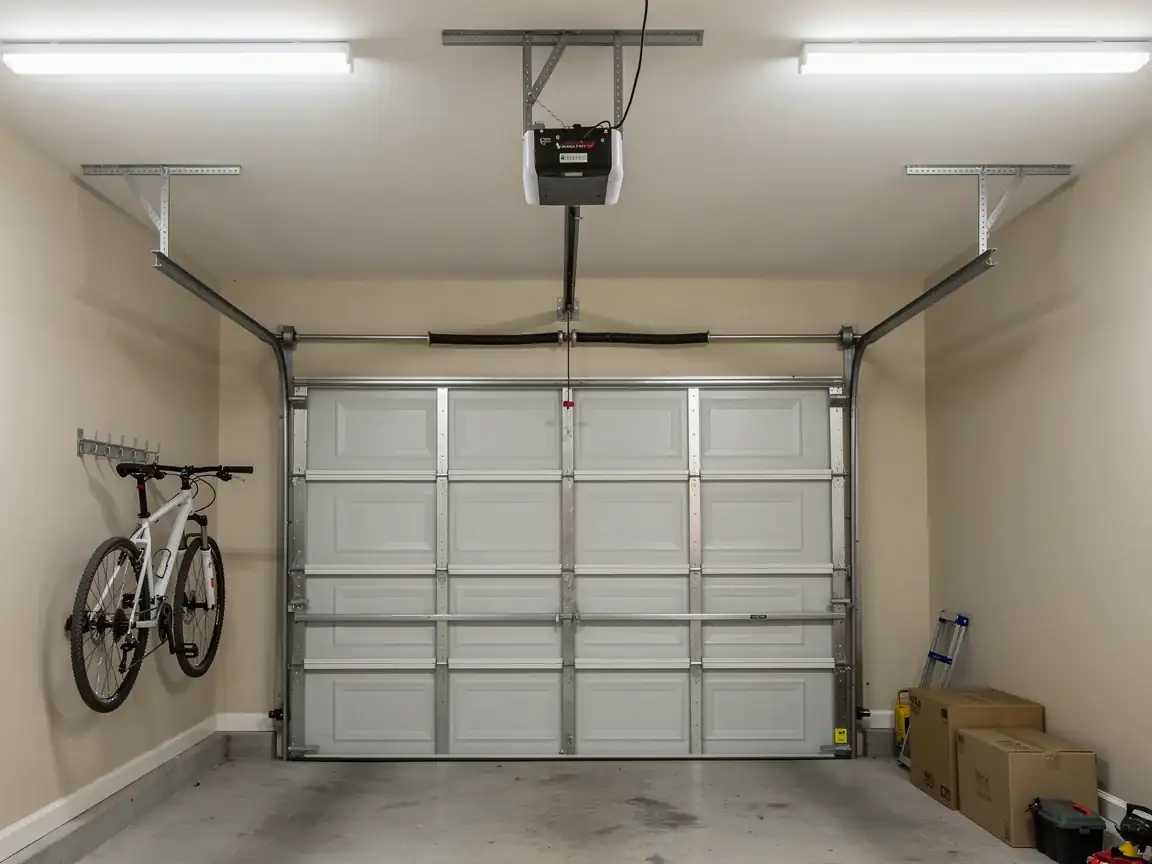
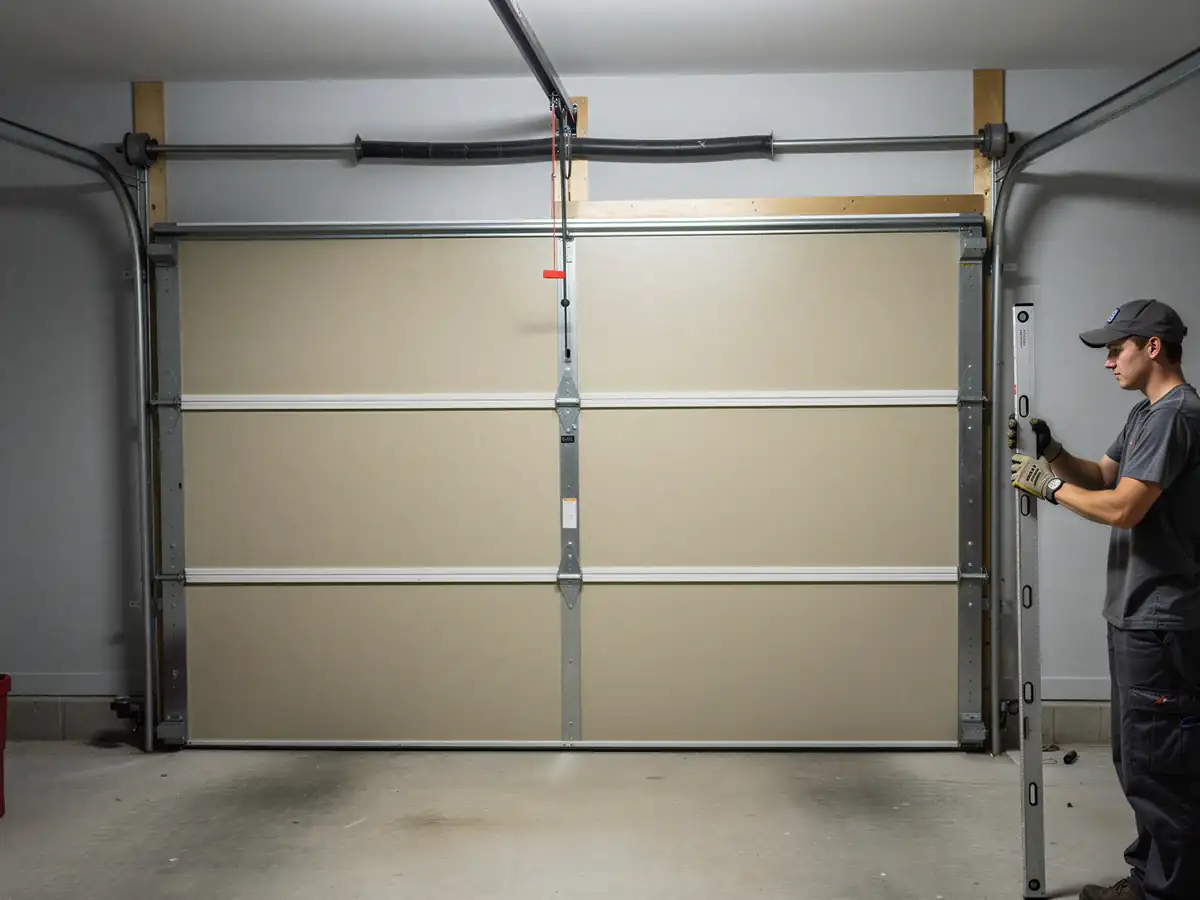
Owners can handle some of this without calling anyone. Wipe down tracks and apply a light garage-door-specific lubricant to rollers and hinges twice a year. Check that the door reverses when it meets resistance - a 2x4 laid flat under the door is the standard test. Look at cables for fraying near the bottom bracket. What we'd leave alone: anything involving the torsion spring itself. Those springs are under enough tension to cause serious injury if released wrong, and that's true whether the door is brand new or twenty years old. If a spring looks worn, rusted, or stretched unevenly, that's a call, not a DIY fix.