What Can Go Wrong
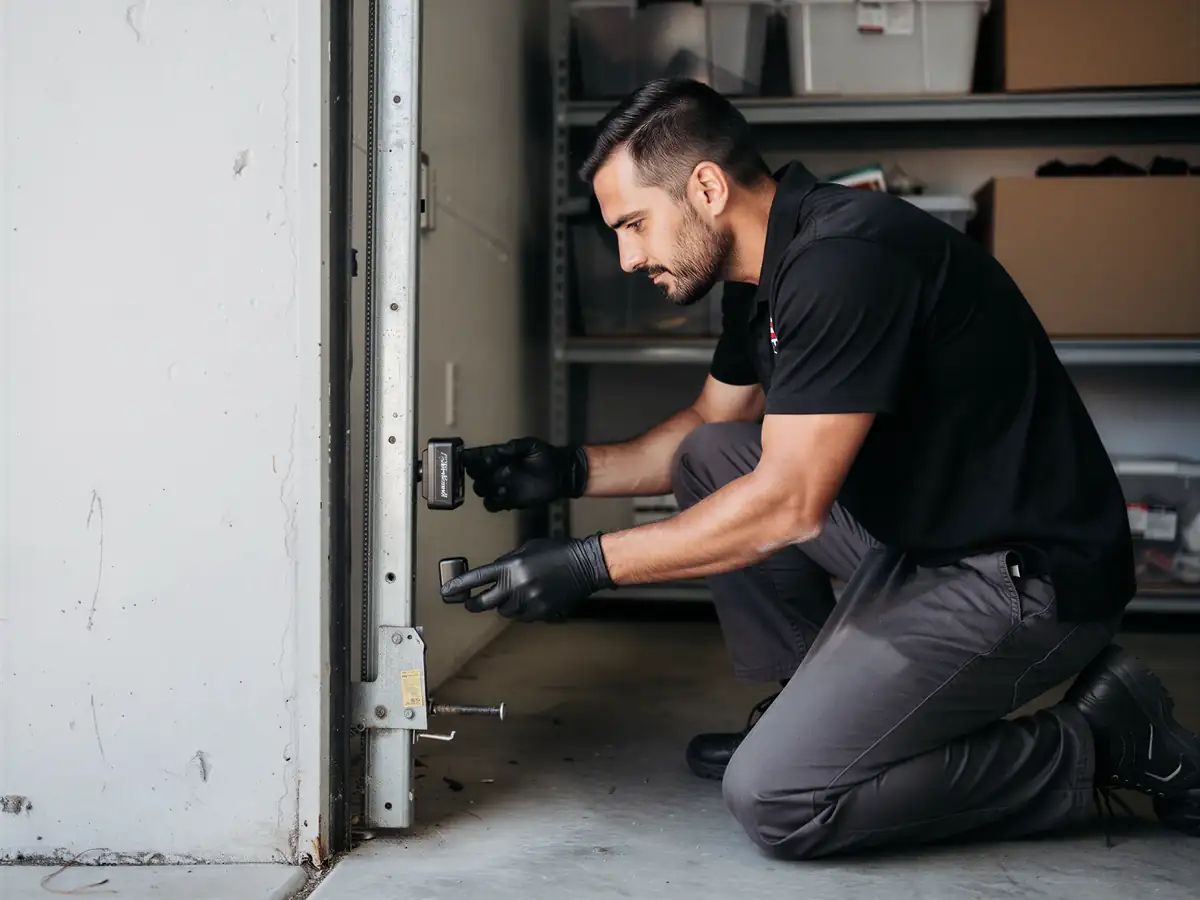
Most of the trouble we see on a maintenance call isn't a single big failure
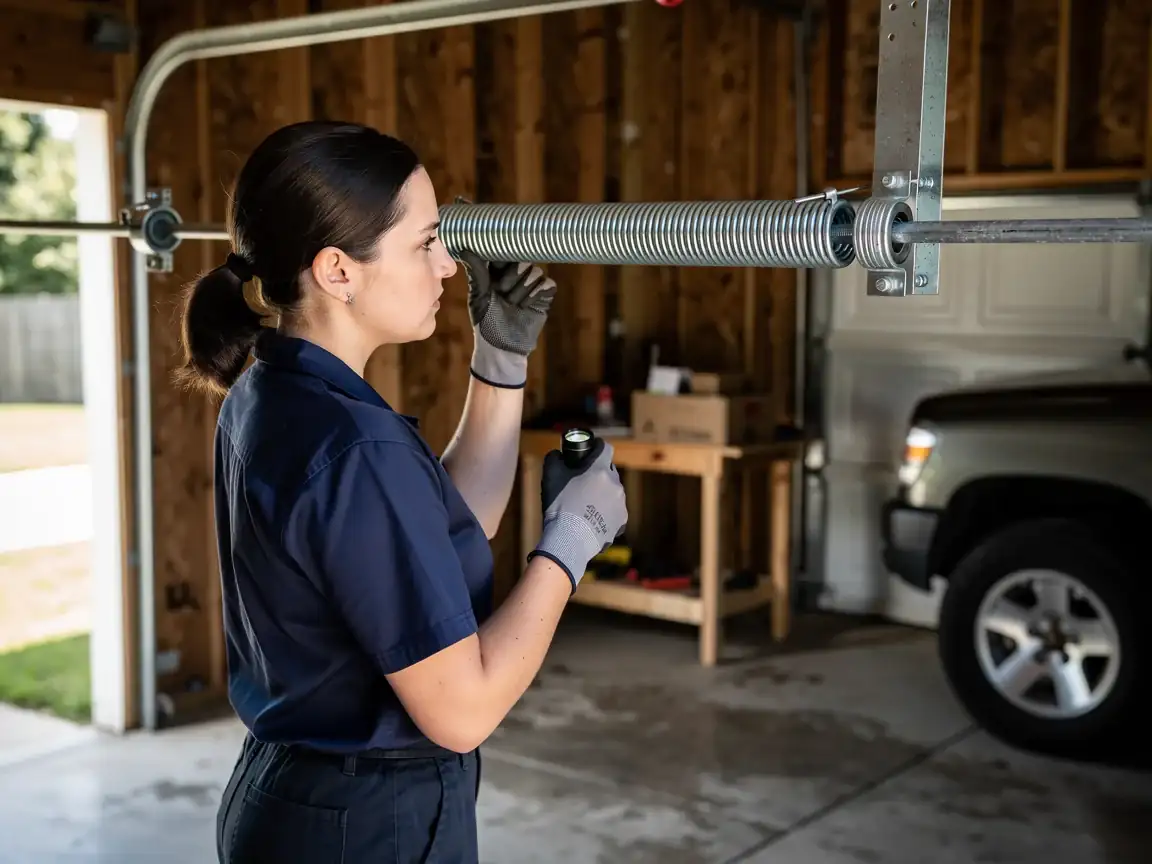
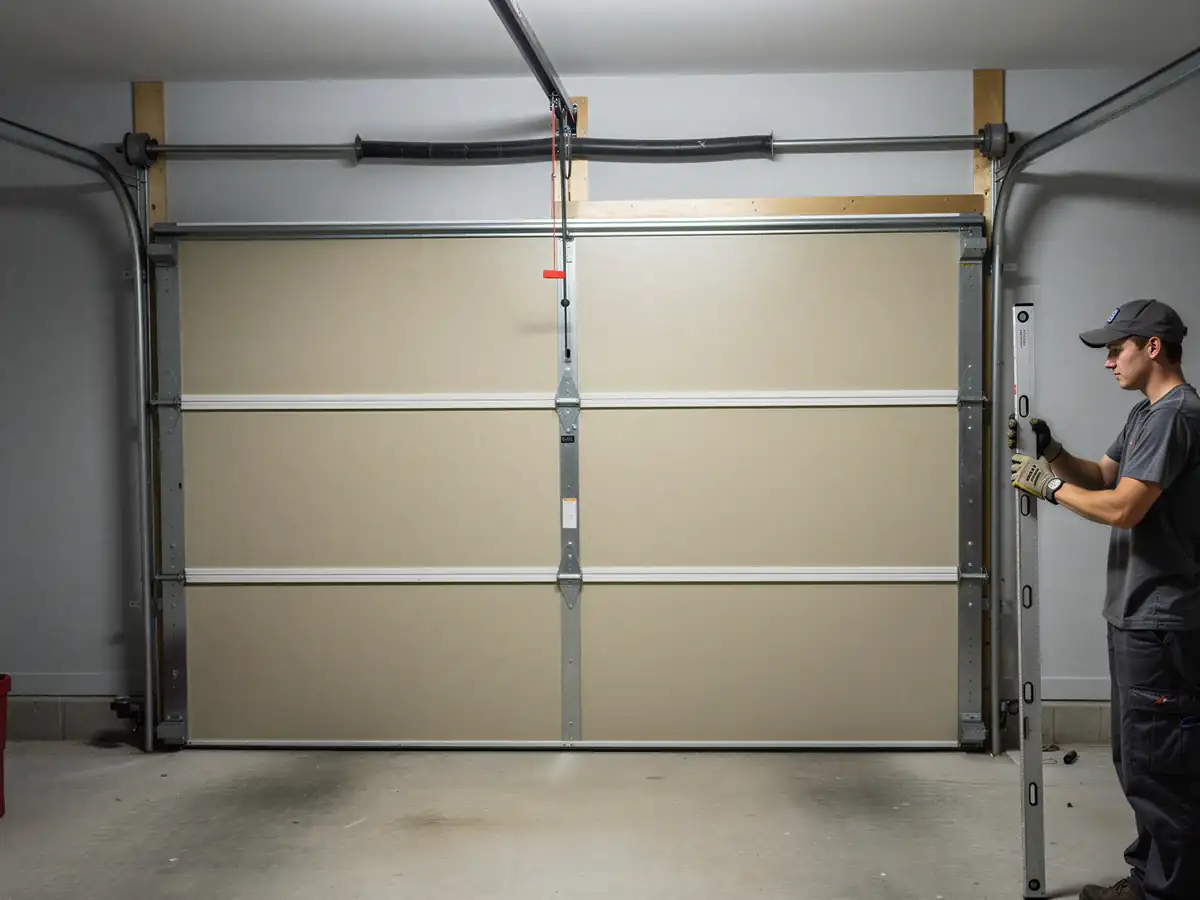
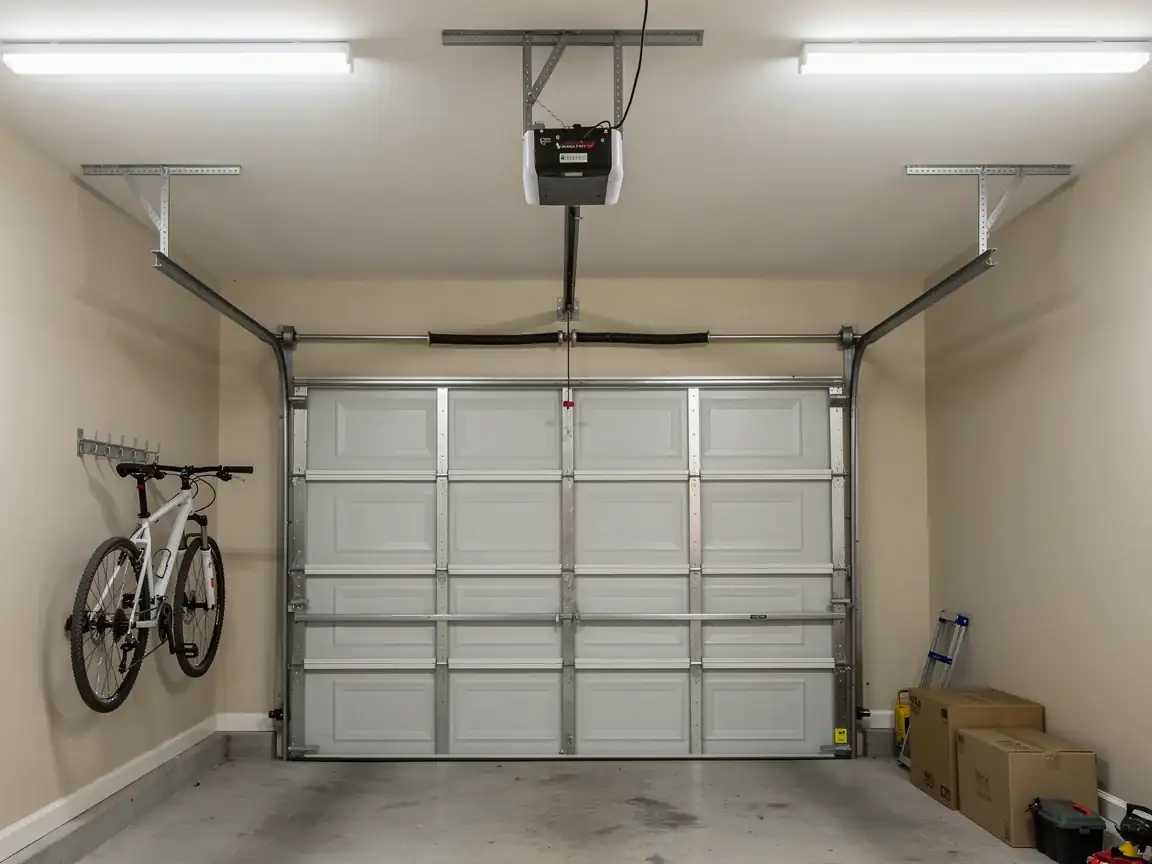
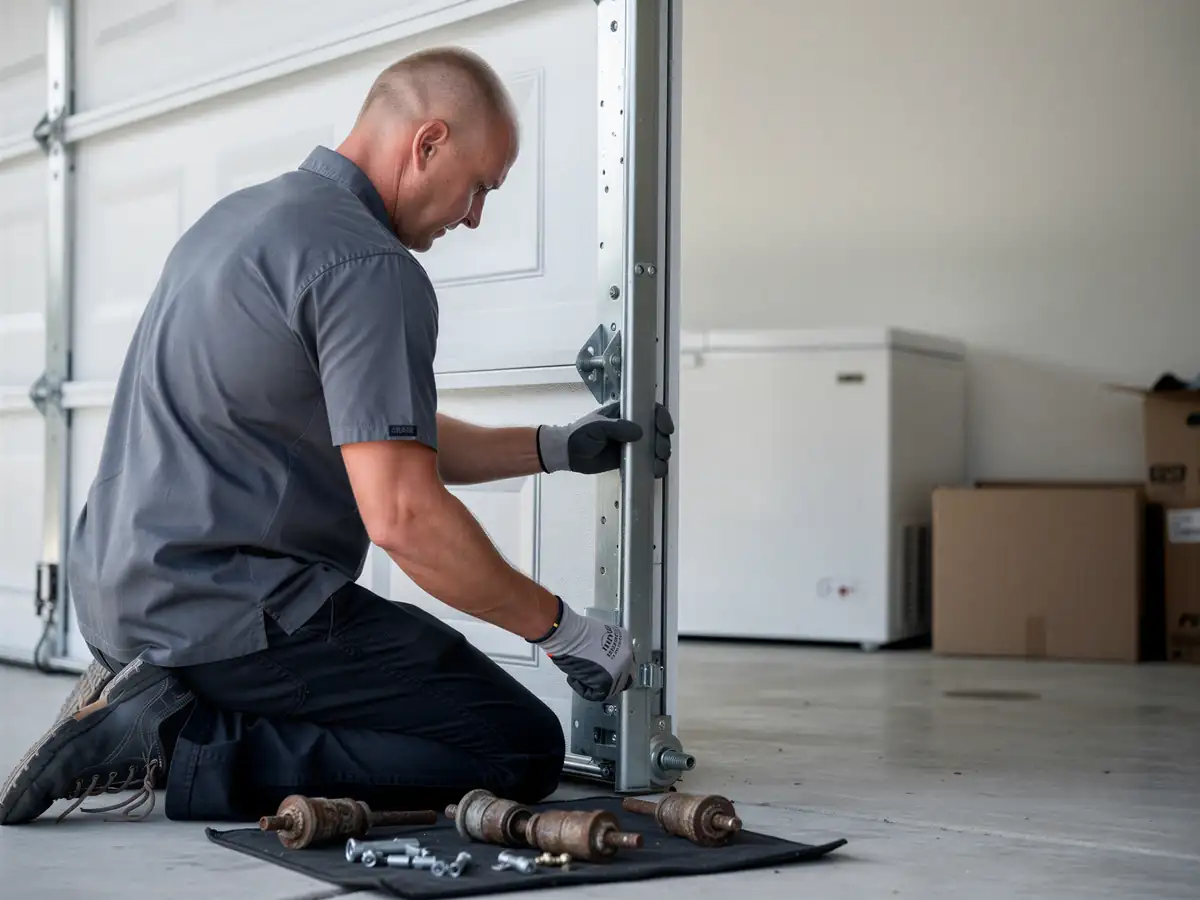
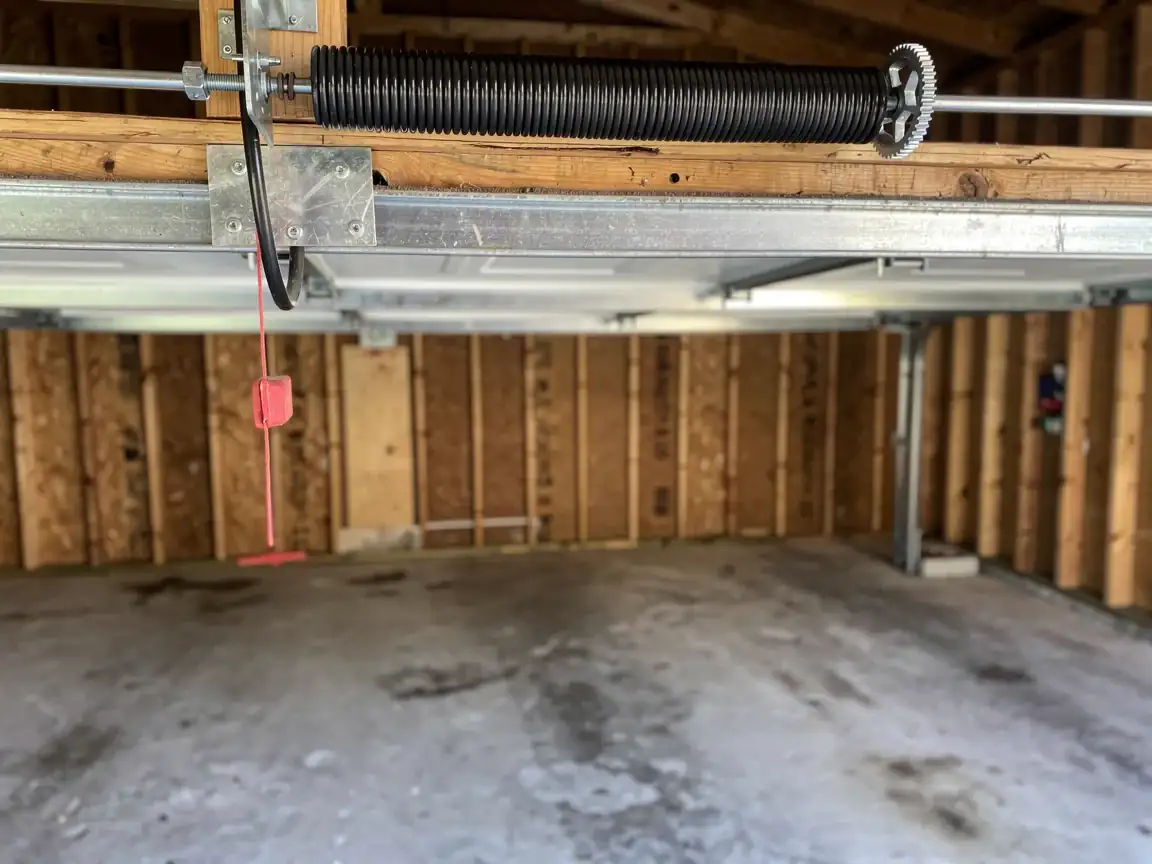
It's a handful of small ones stacking up. Torsion springs lose tension as the steel cycles through thousands of lifts, and a spring that's a few turns off balance makes the opener do work it wasn't built for. Rollers wear flat and start binding in the track instead of rolling through it. Cable strands fray where they wrap the drum. Hinges loosen, the bottom seal cracks and lets in drafts, and photo-eye sensors drift out of alignment after years of garage dust and vibration.
None of that is dramatic on its own
The service area's housing stock was built between 1959 and 2005, with the typical home going up around 1996, so a lot of what we're servicing is original equipment pushing two or three decades of use. A door and opener from the 1980s or 90s wasn't designed with today's heavier insulated panels in mind, and when a homeowner swaps in a new door but keeps the old springs, the mismatch shows up as noise, sag, or an opener that strains on every cycle.
Maintenance doesn't stop a spring from eventually wearing out - nothing does that
What it does is catch the wear before the spring snaps under load or the cable lets go while the door's halfway up.
How It Shows Up
A door that used to open smoothly starts hesitating partway up, then jerks the rest of the way. You hear a grinding or popping sound you didn't hear six months ago - usually a roller hitting a worn spot in the track, or a spring coil rubbing where it shouldn't. The door closes unevenly, one side touching down before the other, which points to a cable stretch or a track that's shifted out of parallel.
Sometimes it's quieter than that. The opener runs longer than it used to, or you notice it's warm to the touch after a single cycle - a sign it's compensating for a spring that's lost tension. Daylight shows under one corner of the closed door where the seal has hardened and shrunk. In winter, the whole system seems to move slower in the first cold snap of the season, then loosen up once temperatures climb back above freezing for a few days.
None of these are emergencies by themselves. They're the stage before the emergency - the point where a twenty-minute adjustment costs a lot less than a Saturday afternoon spring replacement with the car stuck inside.
Why This Fails Locally
The service area covers 32,664 households, with 17,817 of those owner-occupied houses, and the housing stock spans 1959 through 2005, median build year 1996. That range matters for maintenance because it means three overlapping generations of garage door hardware are still in service at once - older extension-spring setups from the earliest builds, the torsion systems that became standard through the 1980s and 90s when most of the area's eleven named communities saw their main growth, and newer insulated doors on homes built closer to 2005.
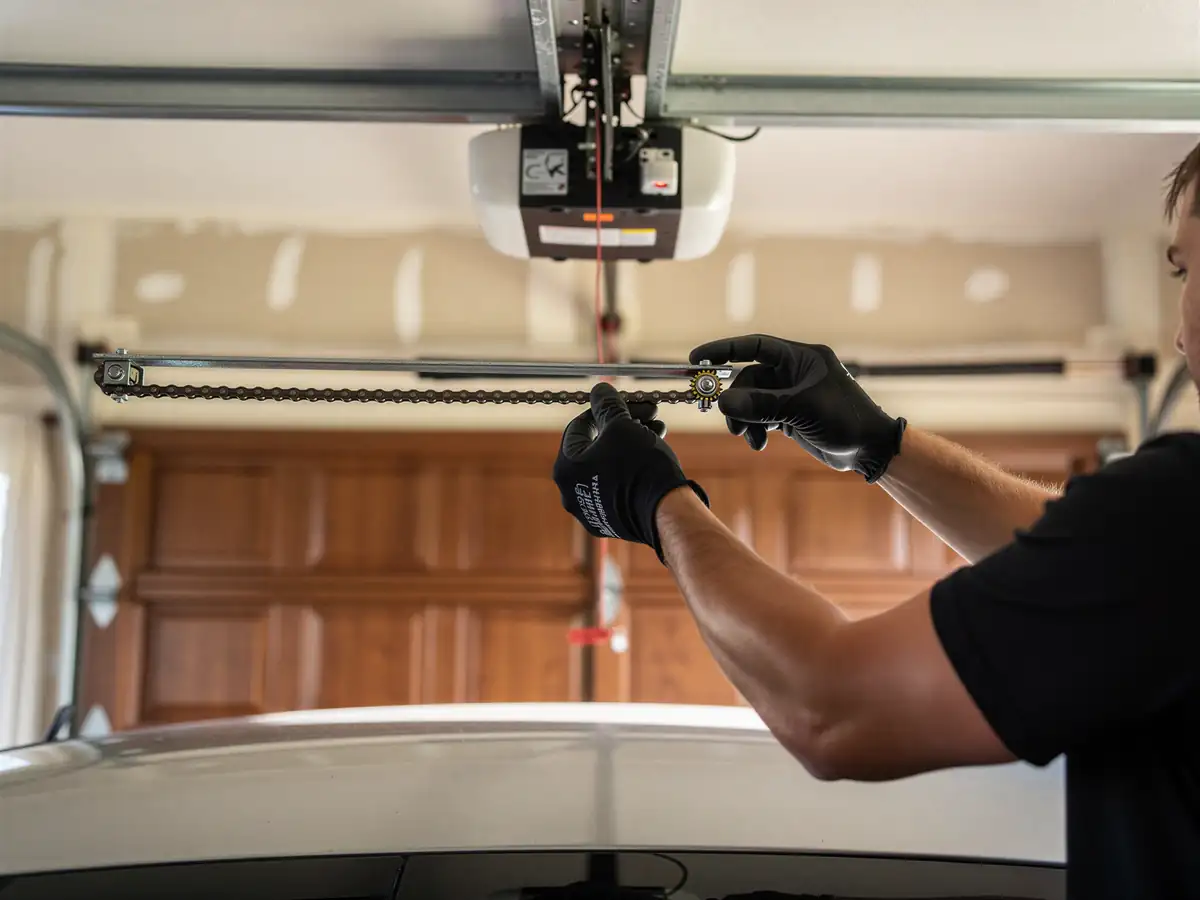
Layer the climate on top of that. This area sits in a cold moderate band, which means winter isn't brutal but it's consistent enough to matter: steel springs contract and stiffen in sustained cold, chain-drive openers need heavier lubricant in winter than summer, and the freeze-thaw cycle that repeats through the colder months works hardware loose a little at a time. A door that's fine in August can bind in January simply because the metal and the grease are behaving differently.
The fix isn't a special cold-weather part - it's catching tension and lubrication drift before the season does the damage. A door maintained on a regular schedule rides out that seasonal swing. One that hasn't been touched since it was installed is the one that fails on the coldest morning of the year.
Doing It Yourself
There's a real amount you can do yourself, and some of it is worth doing monthly
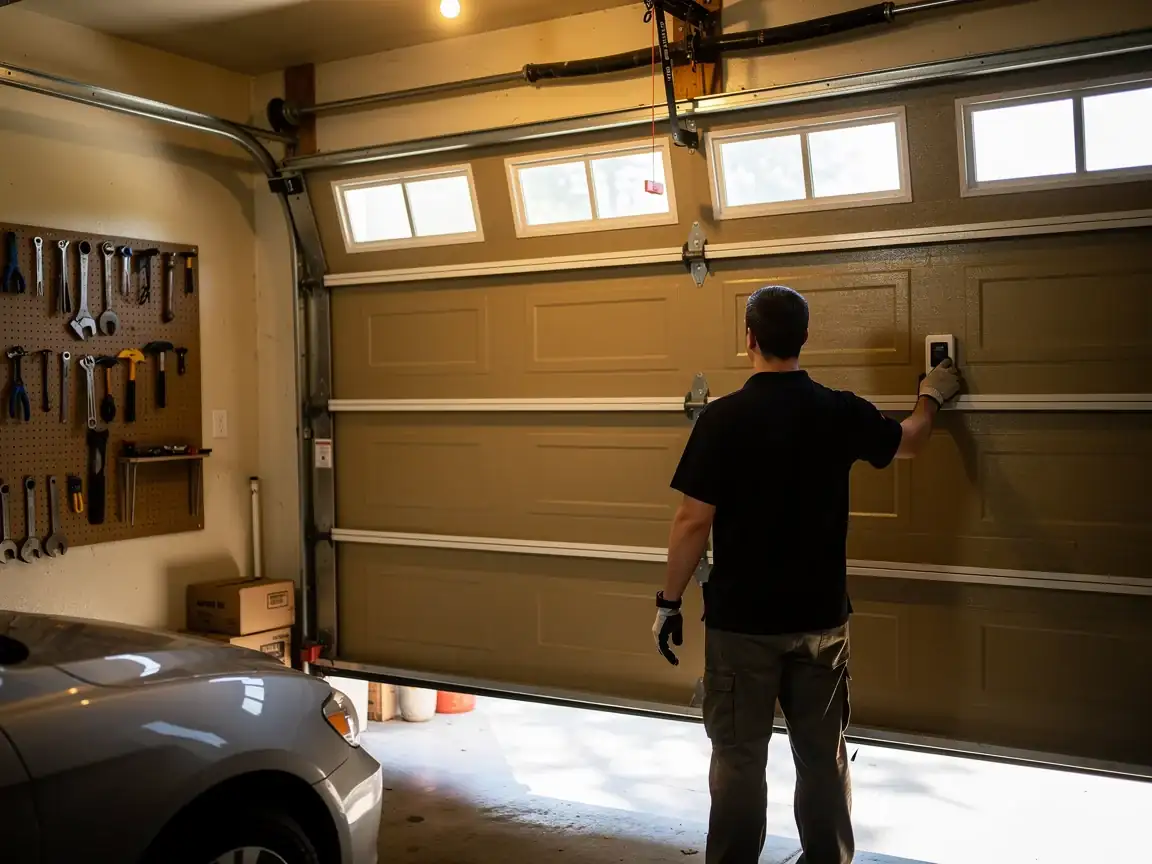
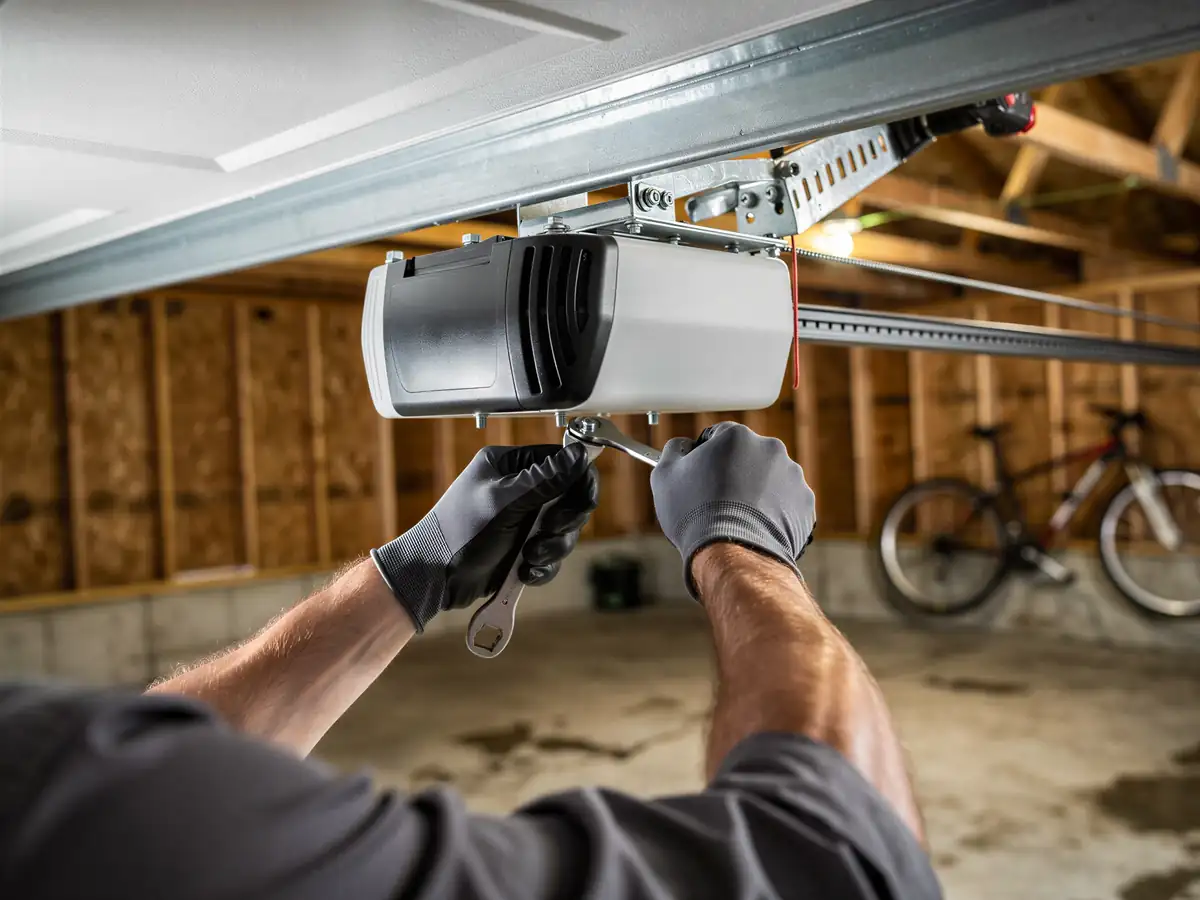
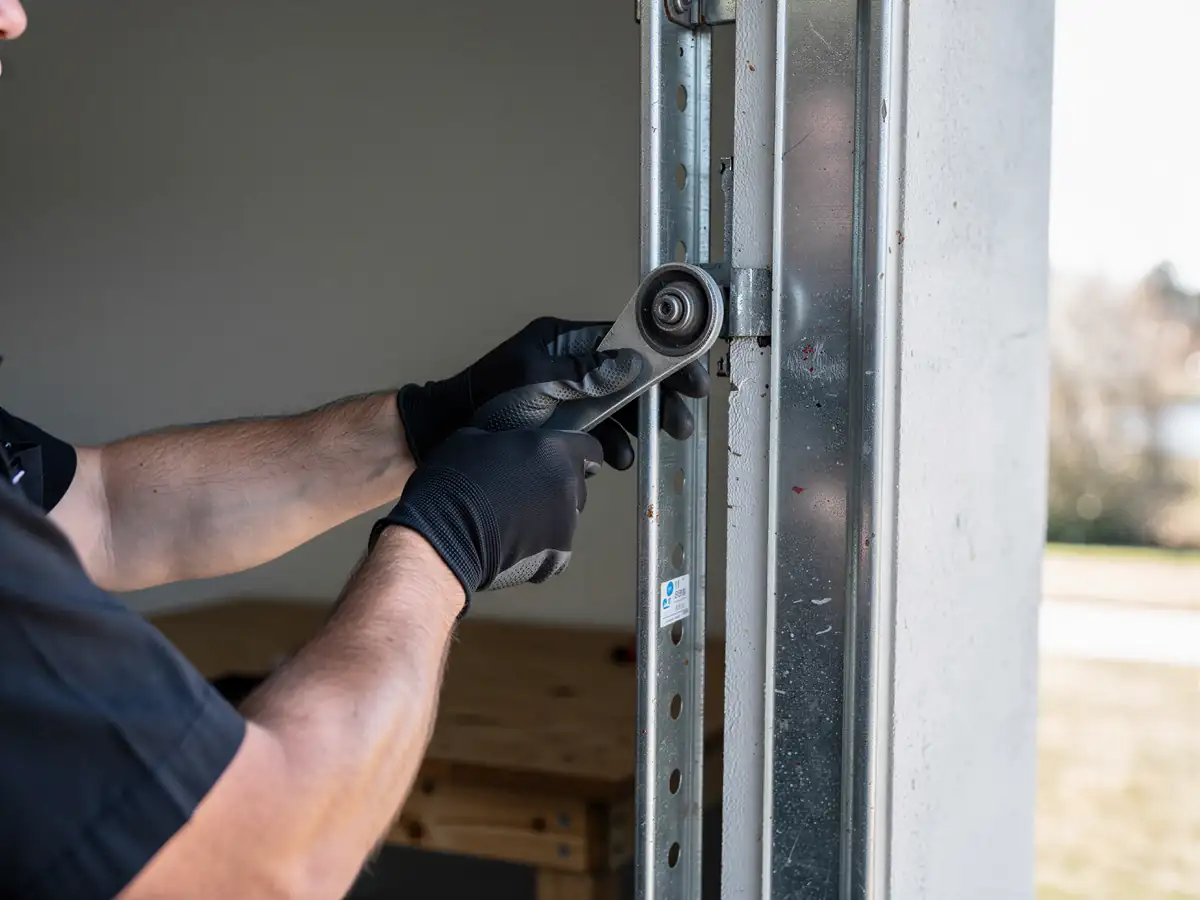
Wipe down the tracks and check for dents or gaps where a roller might jump out. Lubricate the rollers, hinges, and the torsion spring itself with a garage-door-specific lubricant, not household oil, which attracts grit. Tighten the bolts on the track brackets - they work loose from vibration over the years. Test the auto-reverse safety feature by placing a block of wood in the door's path and watching it reverse on contact. Check the weatherstripping along the bottom and replace it if it's cracked or compressed flat.
Here's the limitation worth being honest about
The torsion spring itself is not a DIY adjustment. It's under enough stored tension to cause a serious injury if the winding bar slips or the cone cracks, and that's true whether the spring is three years old or twenty. Same goes for cables and the drums they wrap around. If your inspection turns up a spring that looks stretched, a frayed cable, or a door that's noticeably heavier to lift by hand than it used to be, that's where the DIY list ends and a call starts. Everything else on this list is fair game with a ladder and twenty minutes.