How That Shows Up in the Door
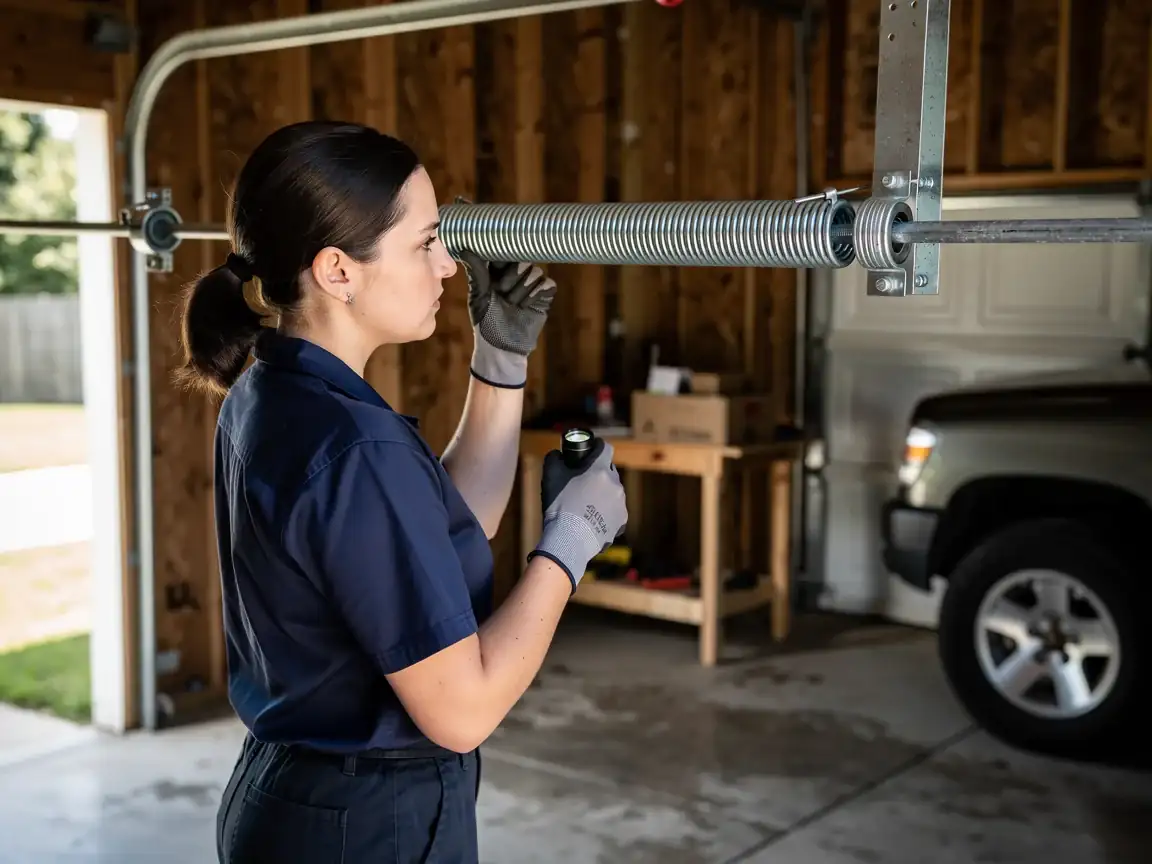
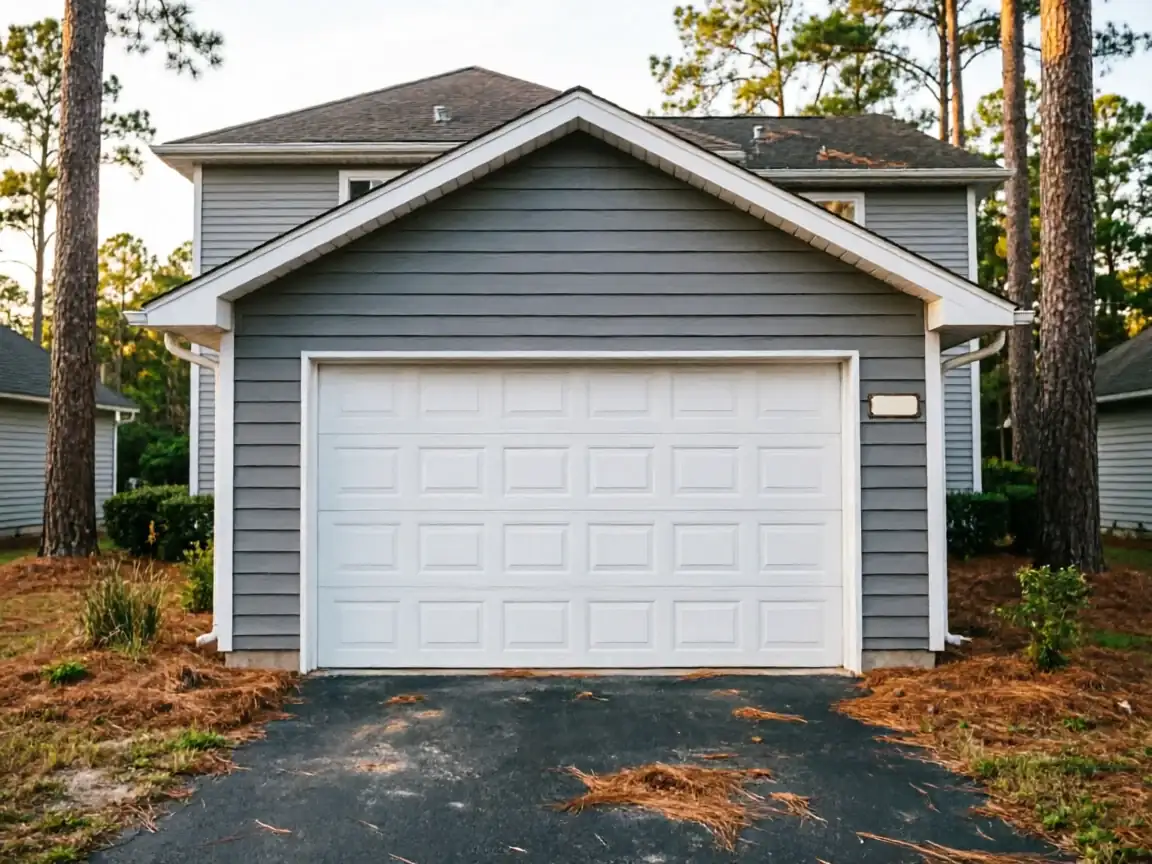
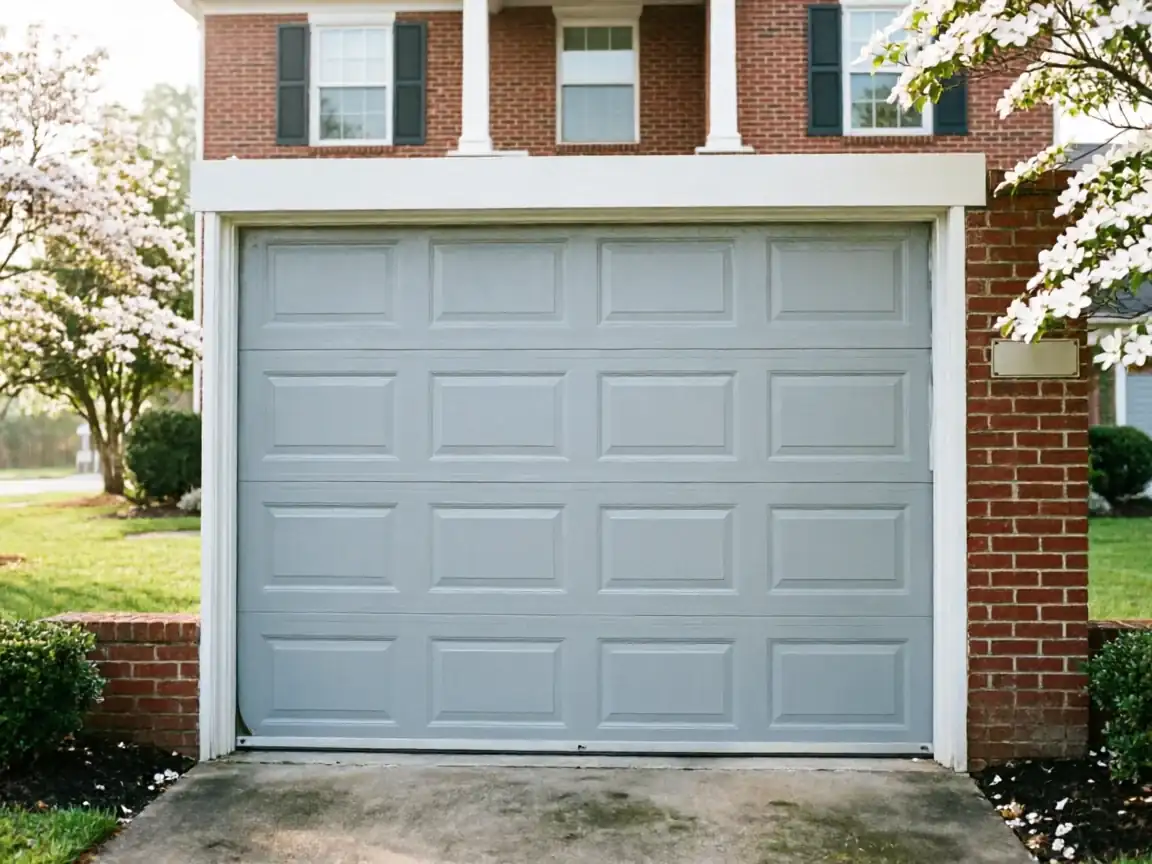
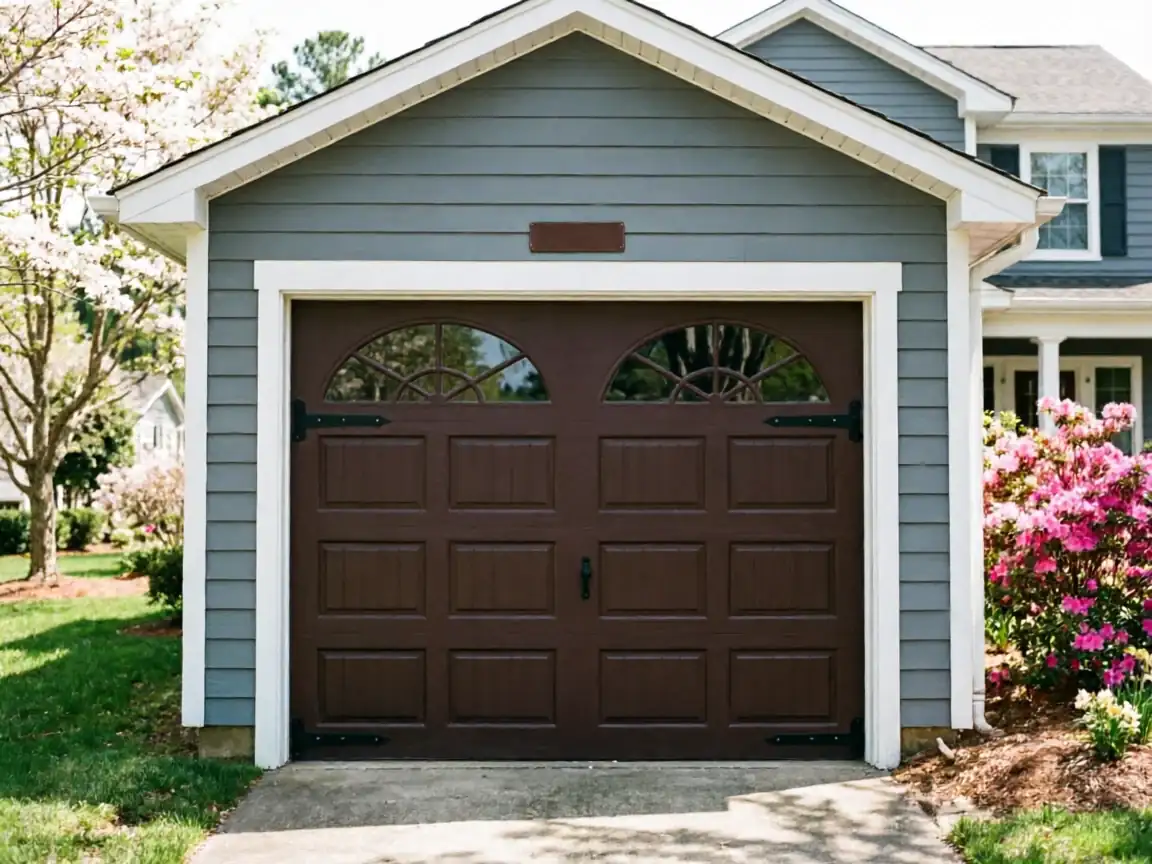
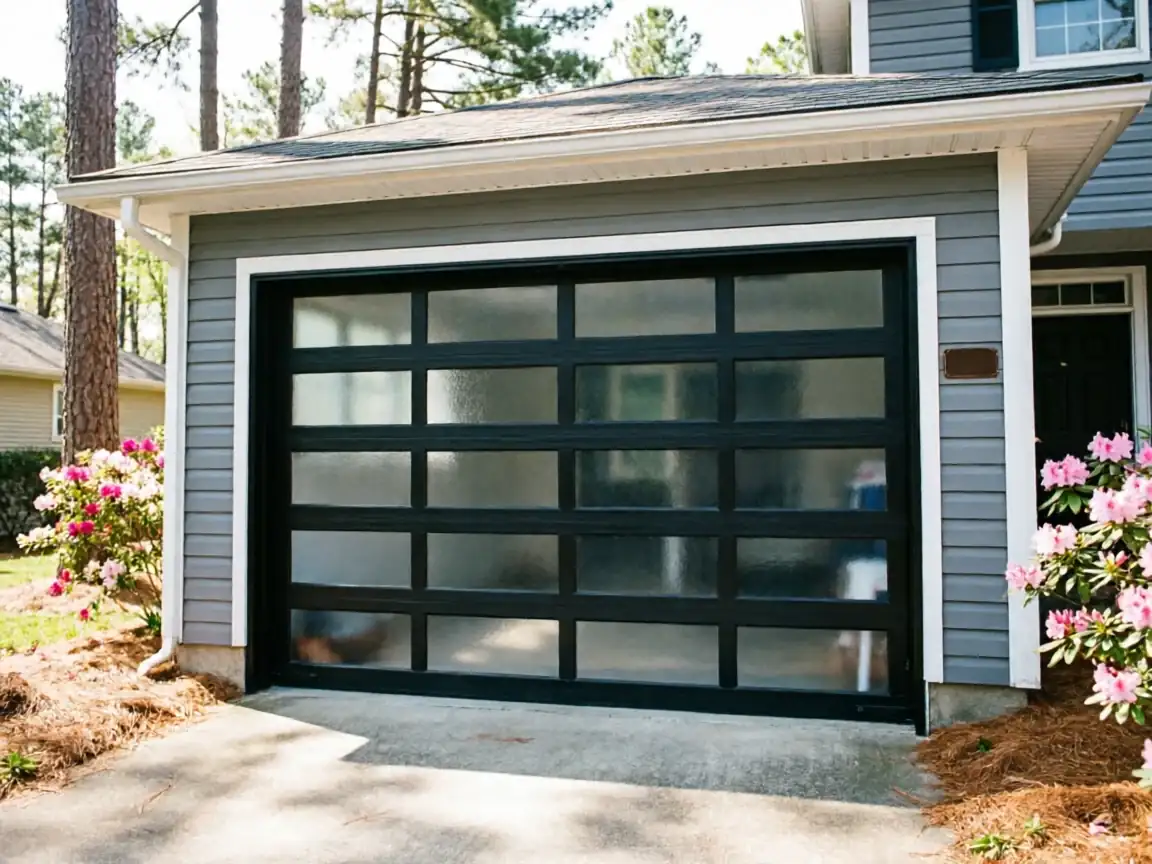
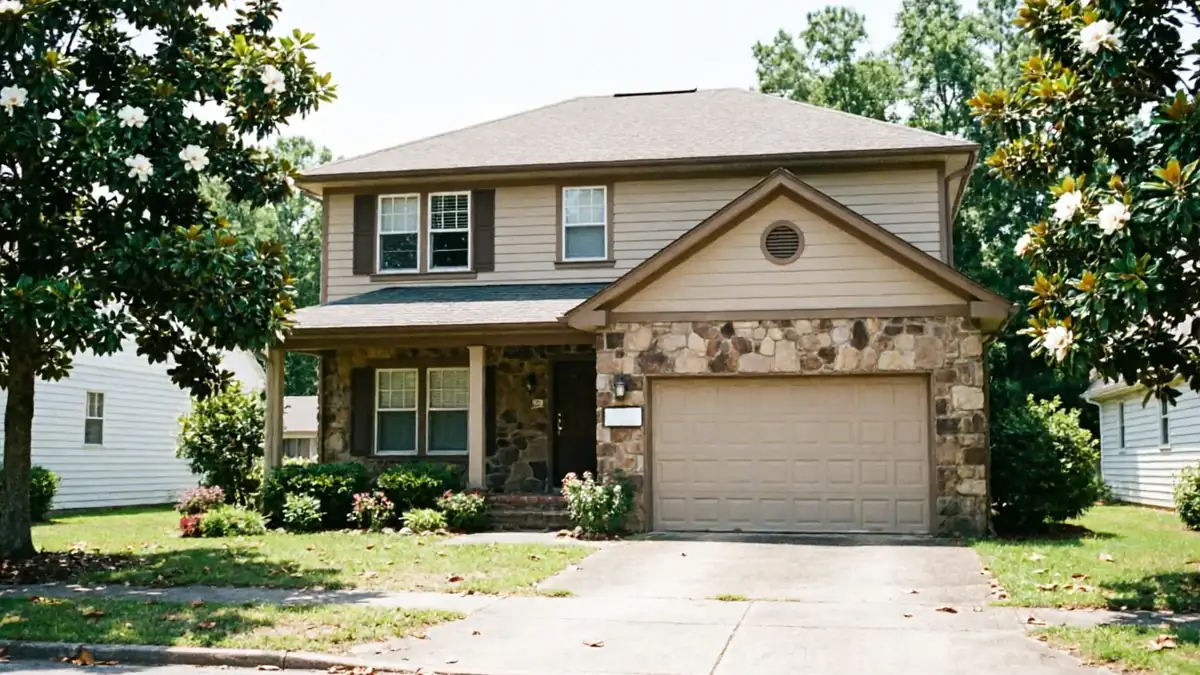
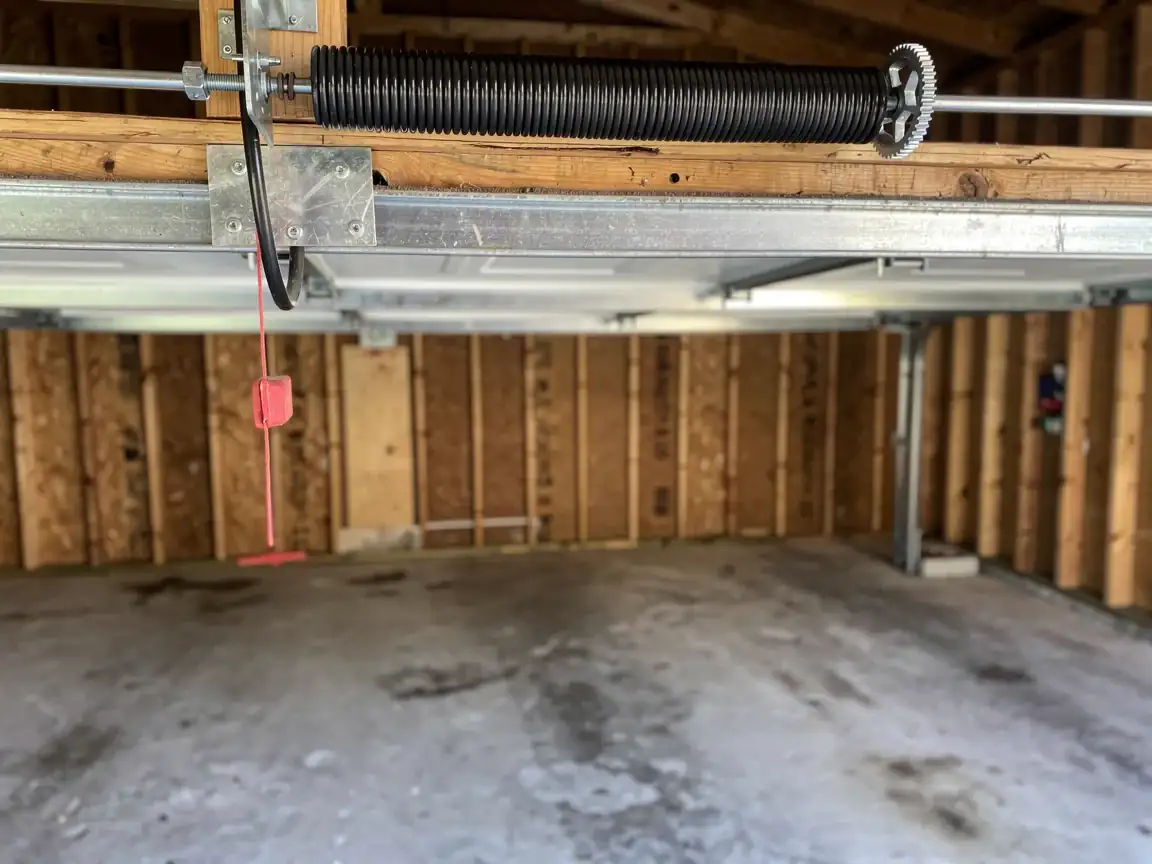
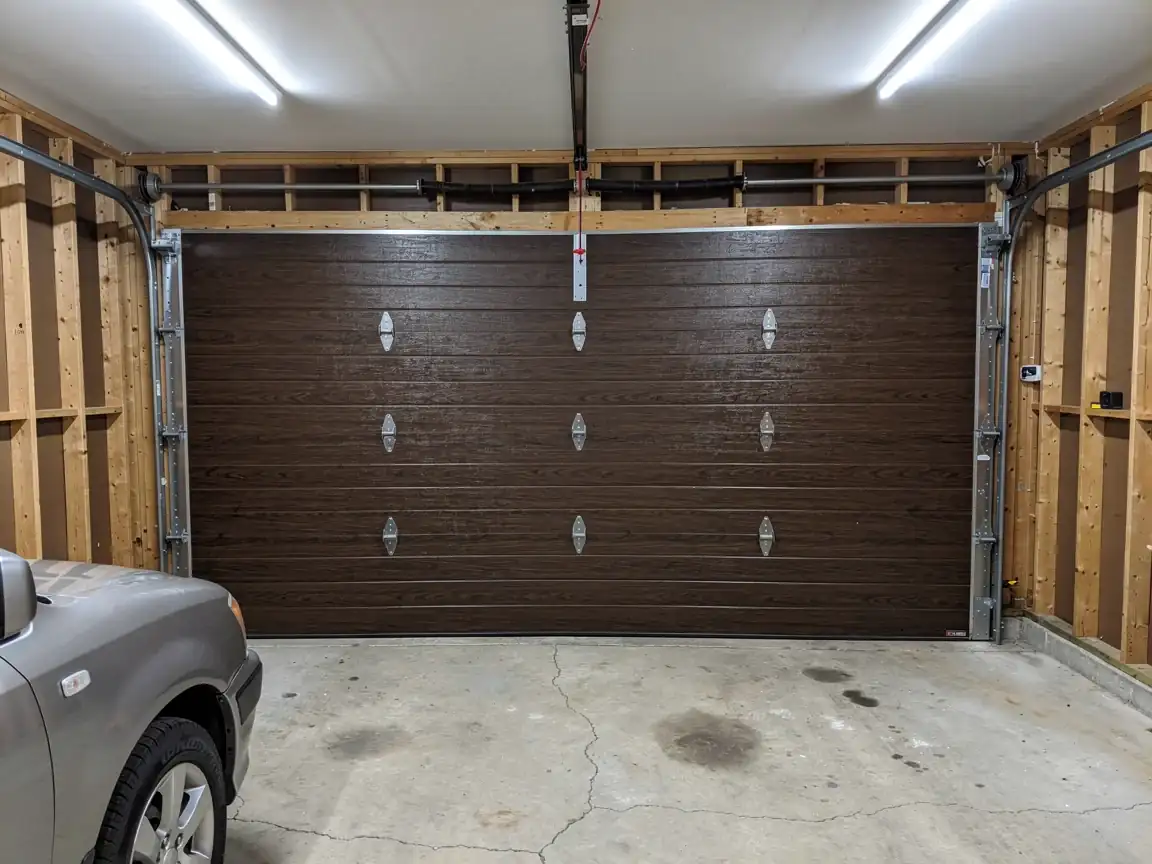
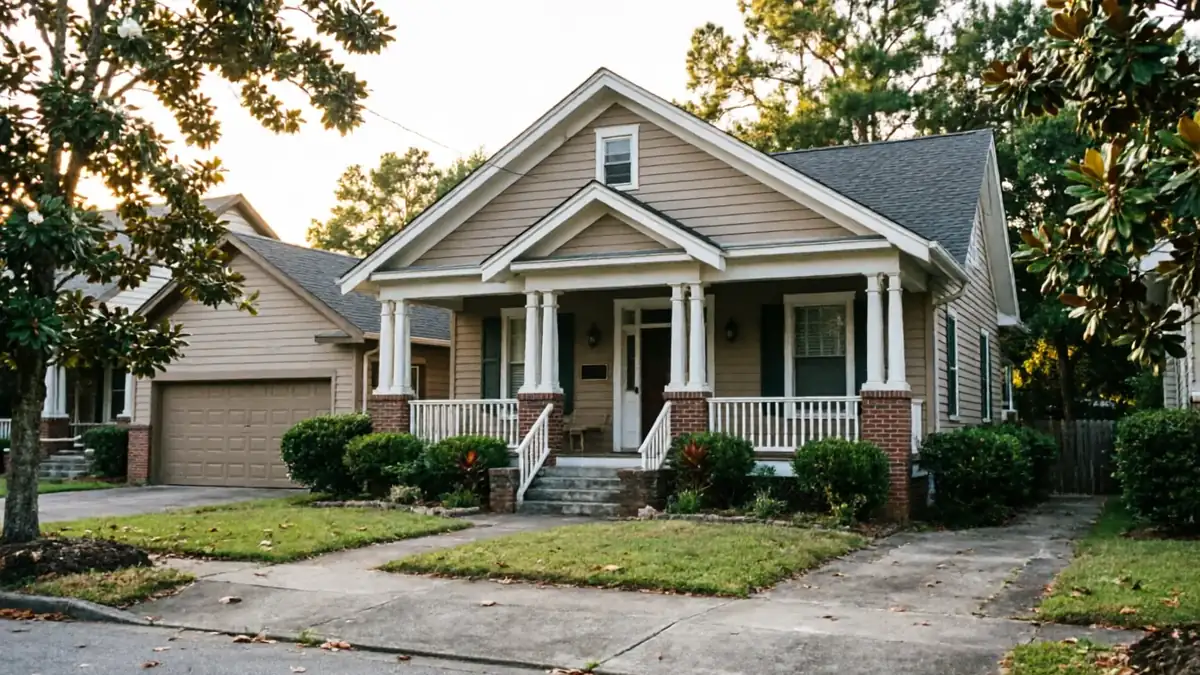
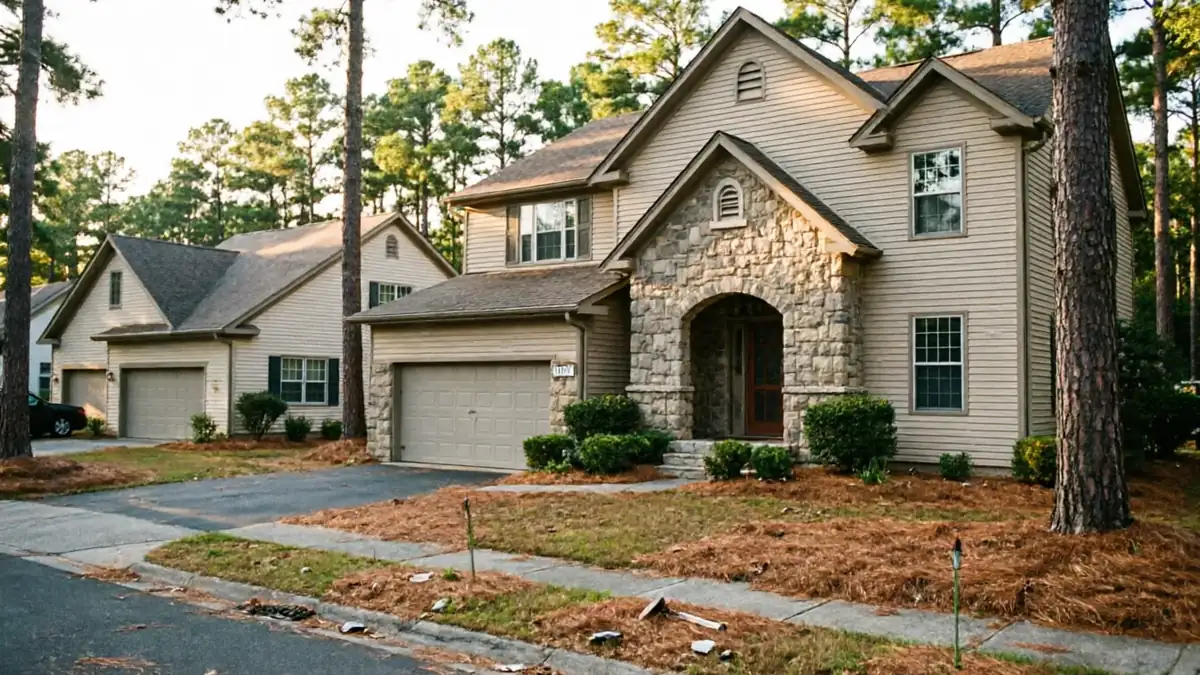
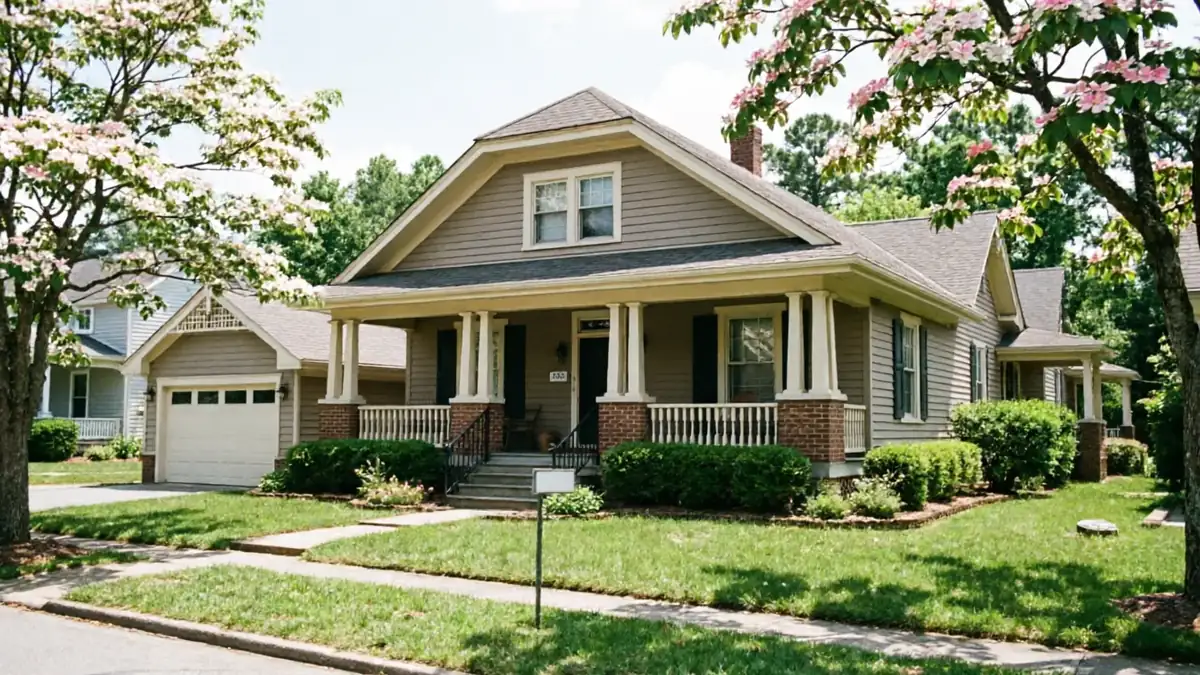
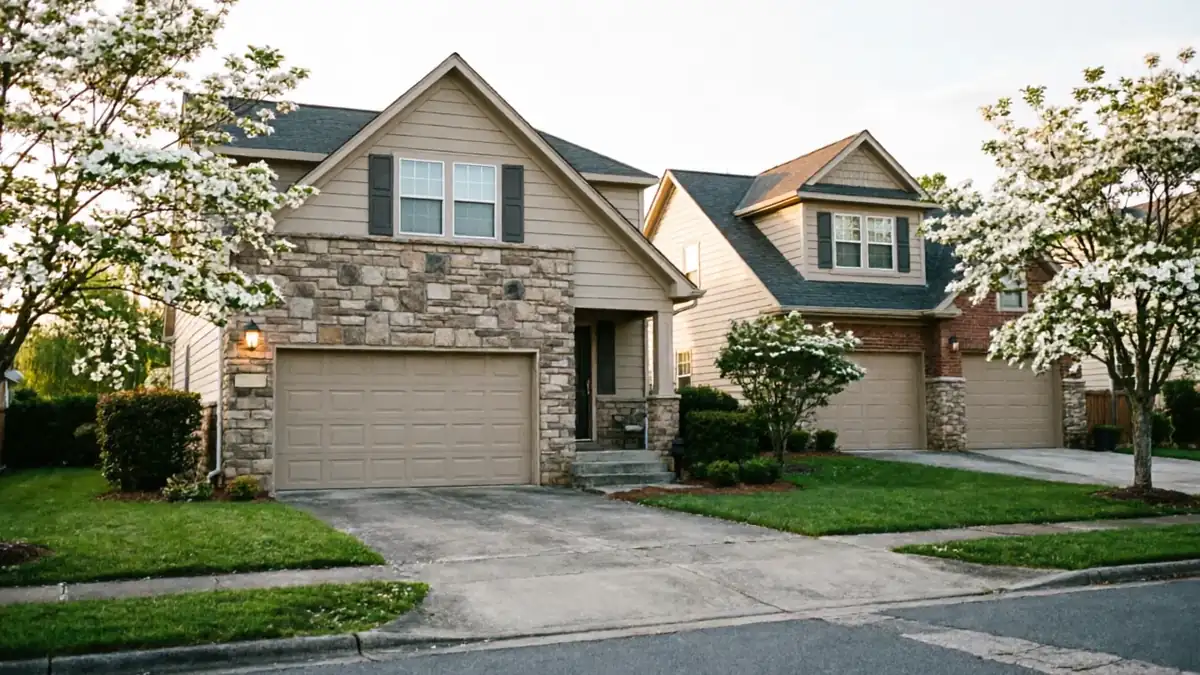
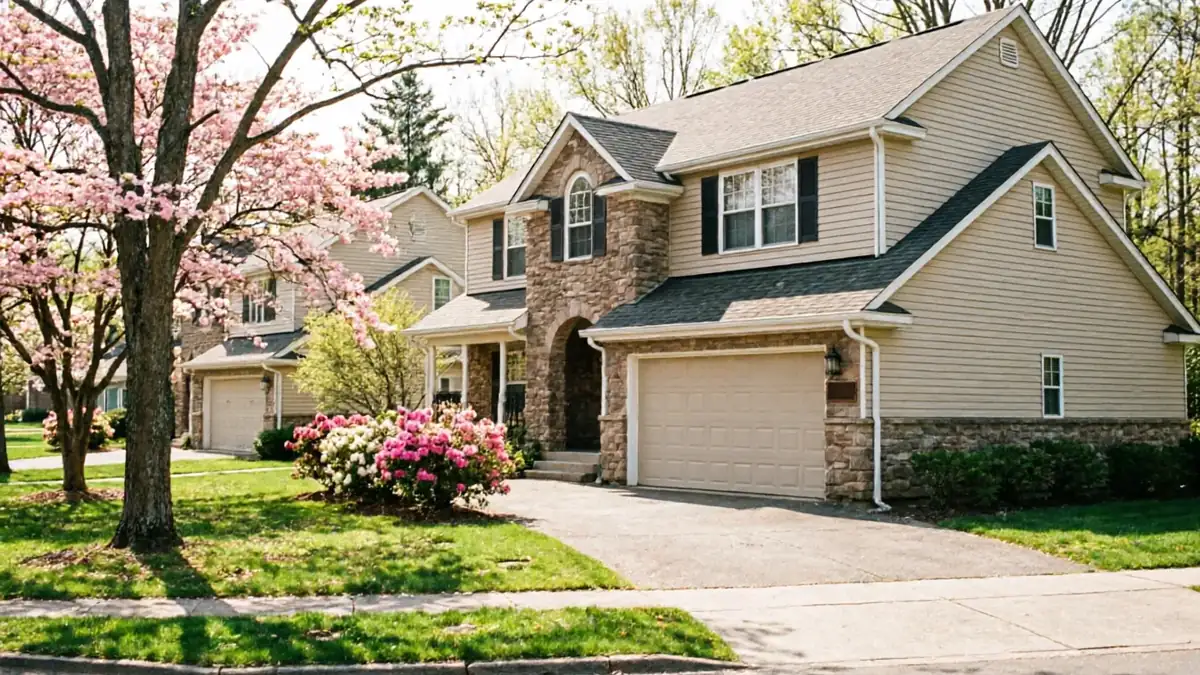
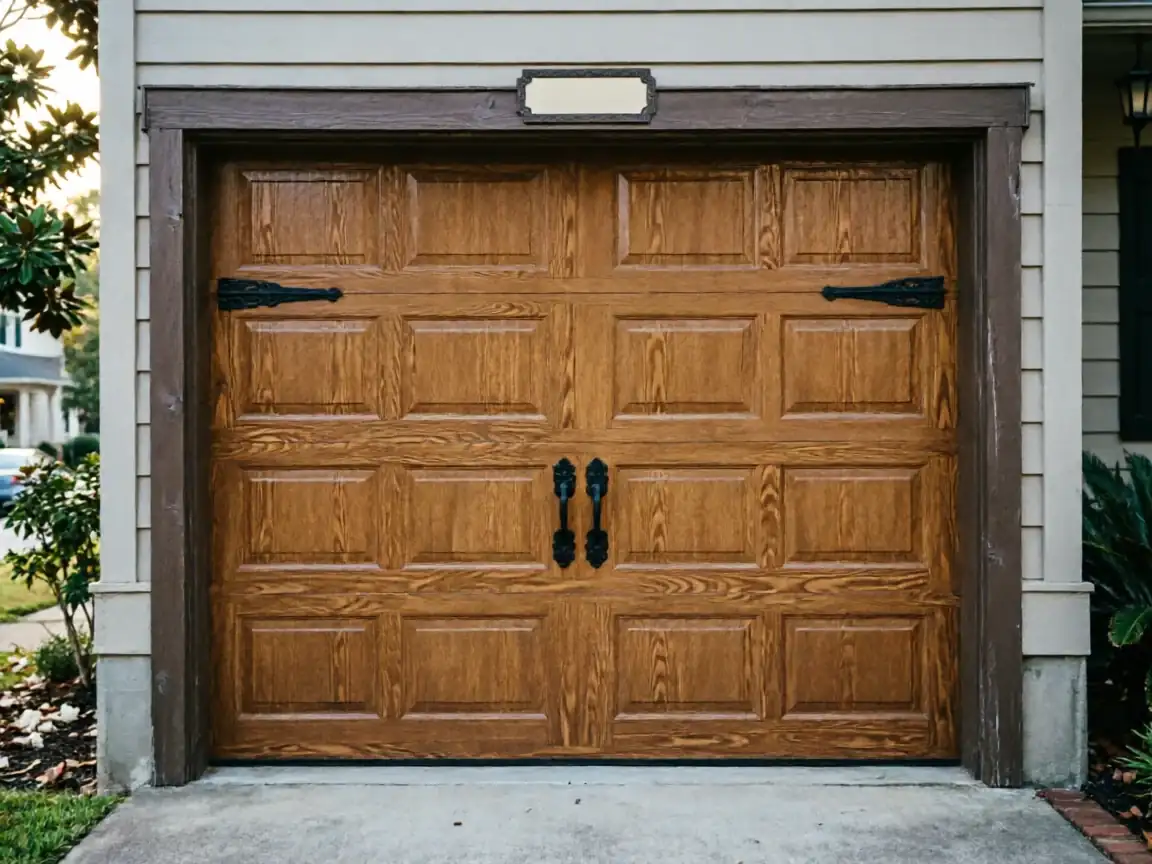
Across the wider service area the median home was built around 1996, with a lot of that newer stock dating from the late 1980s and 90s. Salisbury runs older - the typical home here went up around 1976. That twenty-year gap matters more than it sounds. A 1976 build usually means an extension-spring setup instead of torsion, often with the spring running bare along the side of the track rather than tensioned on a shaft above the door. Some have been retrofitted since, but plenty haven't. The steel is thinner, the rollers are usually the original steel ones nobody's swapped in decades, and the opener, if it's not original, is probably a second or third unit bolted onto hardware that predates it. We bring parts for both systems because we never know which one we'll find until the door's open.
The Calls We Get From Here
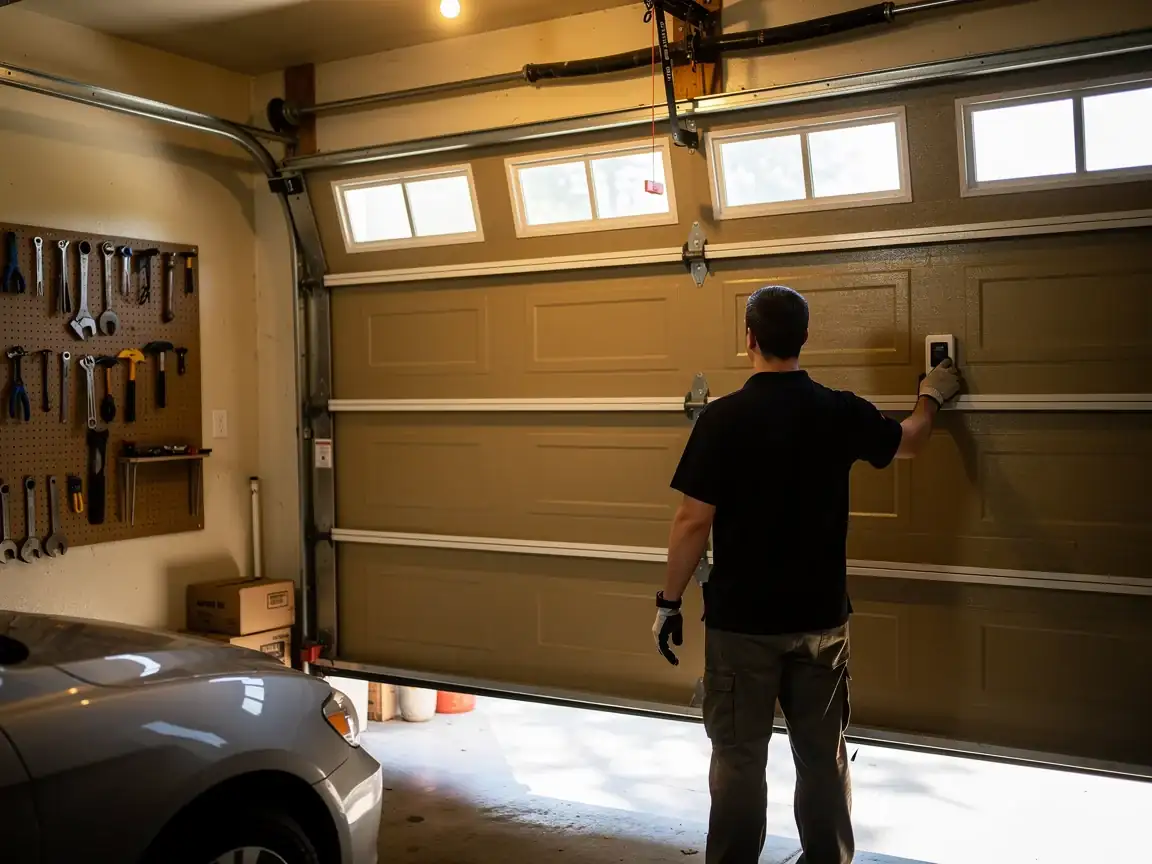
Given the age of the stock, the calls from Salisbury skew toward the same few failures. Extension springs that have stretched past tension and need replacing in pairs, not just the broken one. Tracks that have pulled away from the jamb after years of a door riding slightly out of square. Rollers seized enough that the opener strains and trips its limit switch, which gets misread as an opener problem when it's really a roller problem. With 13,604 households in Salisbury and a median income of $51,058, we also see more owners choosing a targeted repair over a full replacement - fixing the spring and rollers on a door that's still structurally sound rather than swapping the whole unit. That's often the right call on these older doors. It's not always the right call, and we'll tell you when the track or panel damage makes repair a short-term fix at best.