How We Fix It
Salisbury sits about 20 miles out from our shop in Mooresville
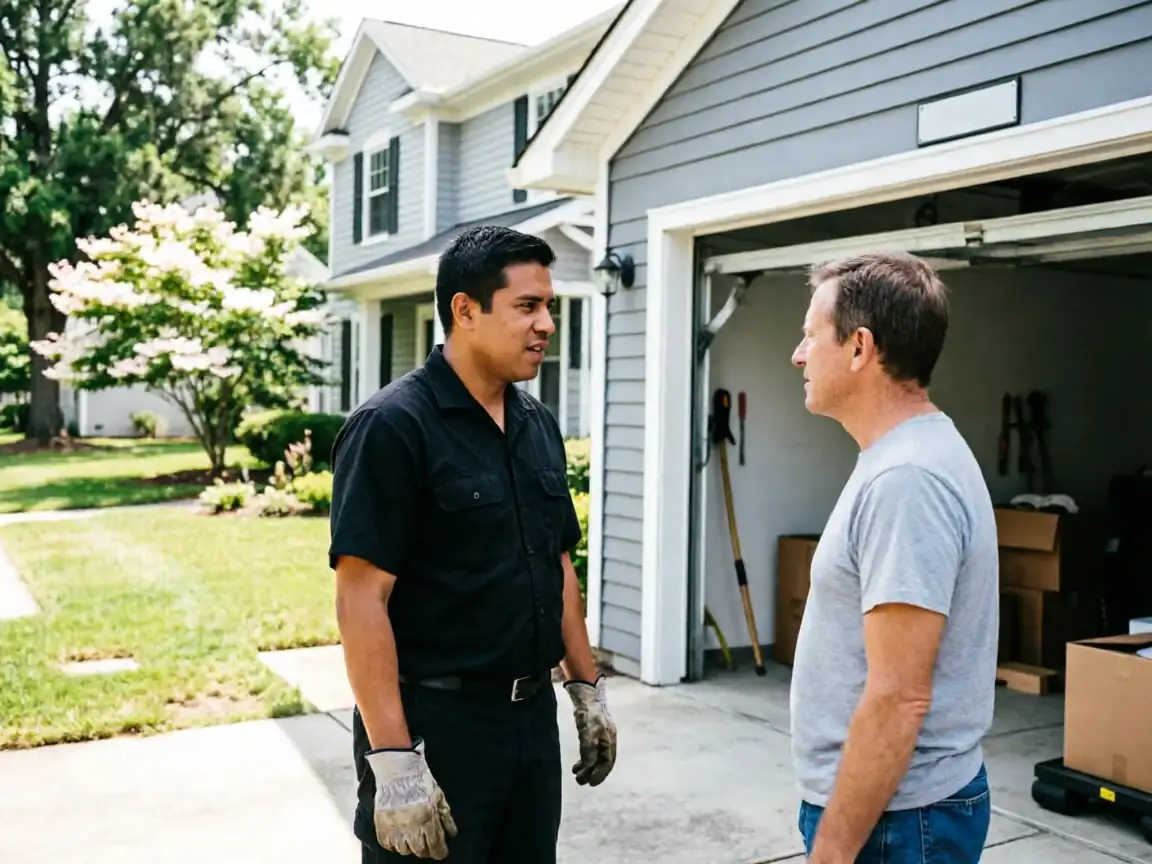
Which changes how a roller call works here compared to a job closer to home. We don't send a truck out on a guess - before we head your way, we ask what the door is doing (grinding, jumping the track, hanging up halfway) and what we can see about the door's age, because that trip is long enough that showing up with the wrong roller size means a second trip and a half day lost on both ends.
- 20 miles
Once we're on site, the job itself is straightforward
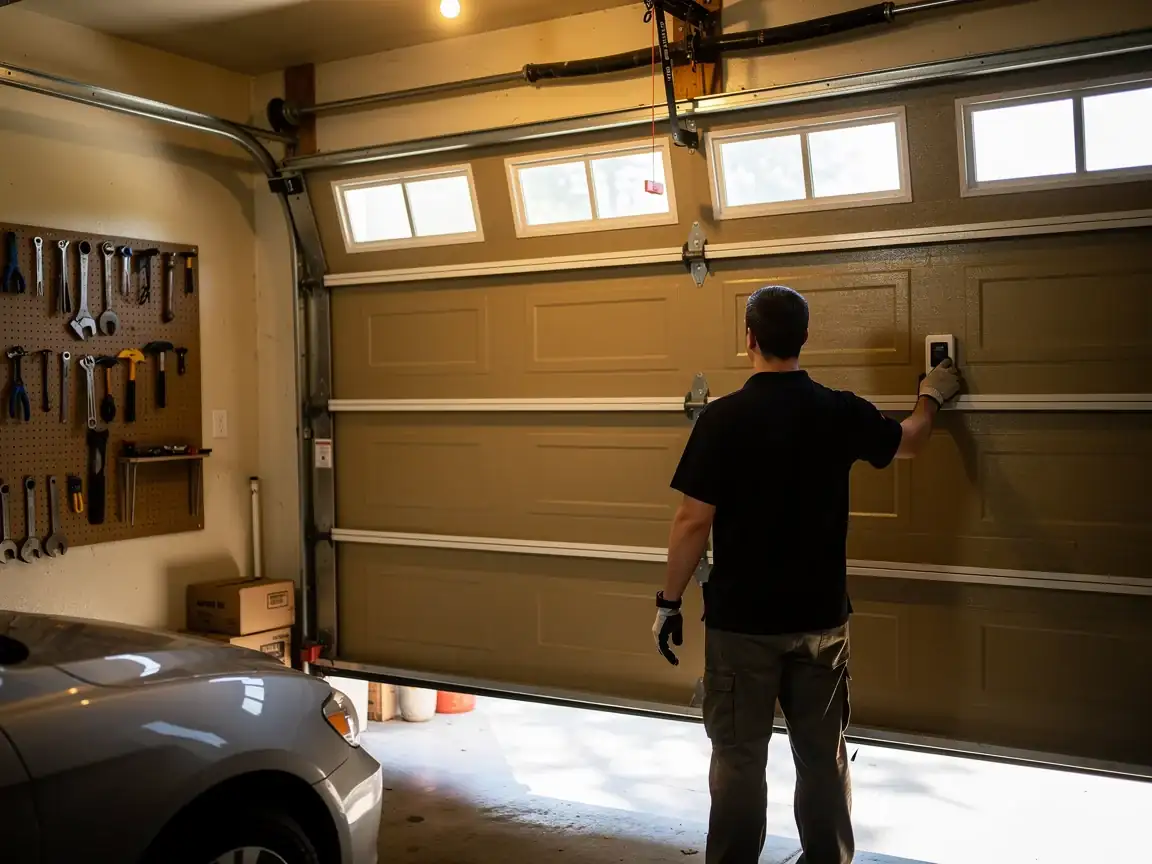
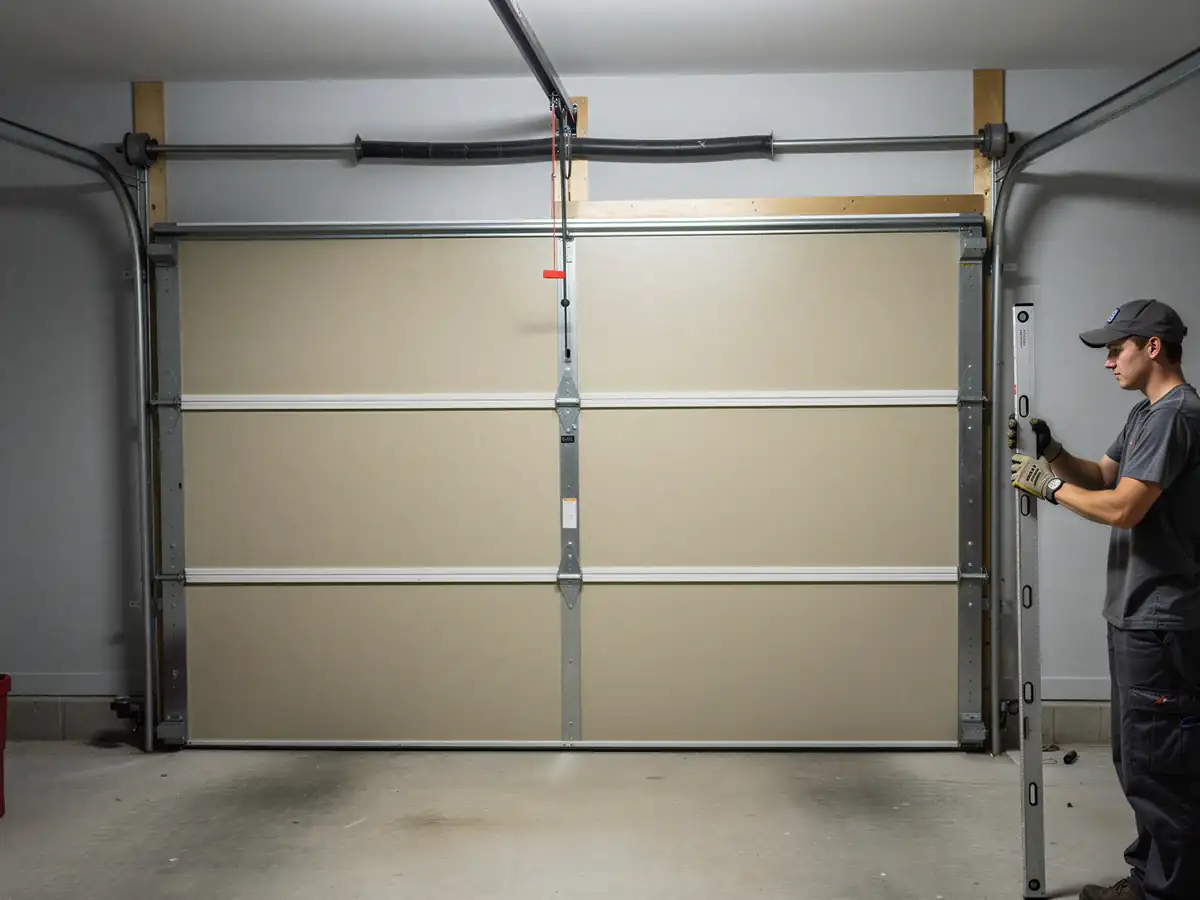
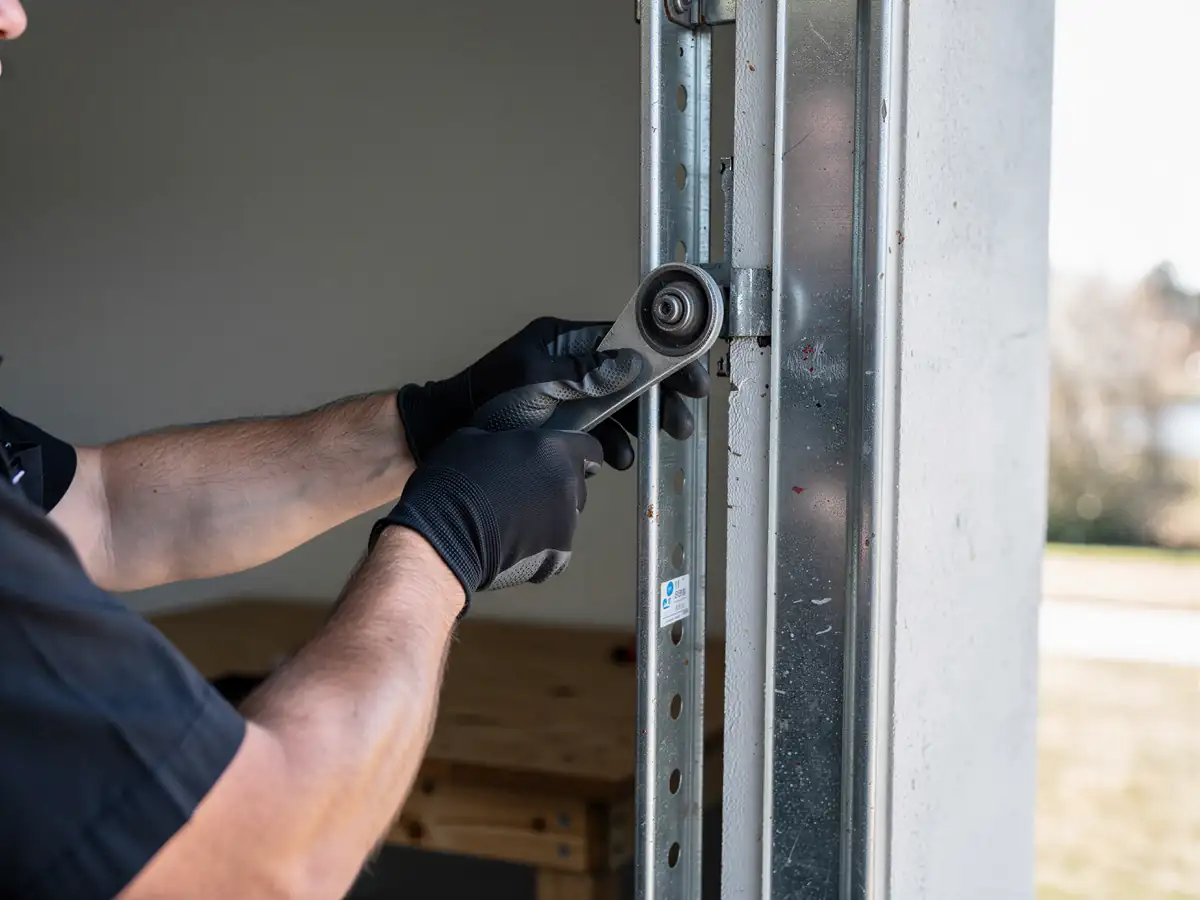
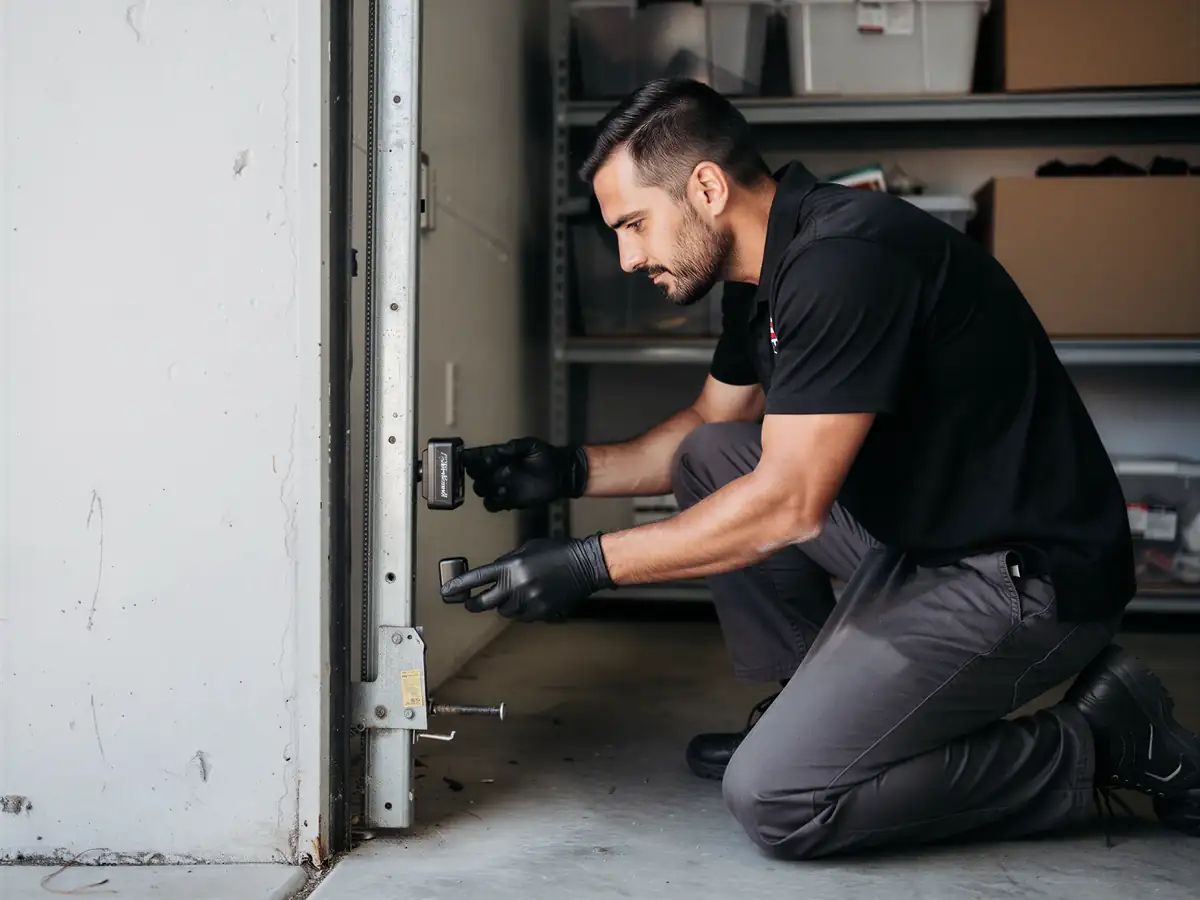
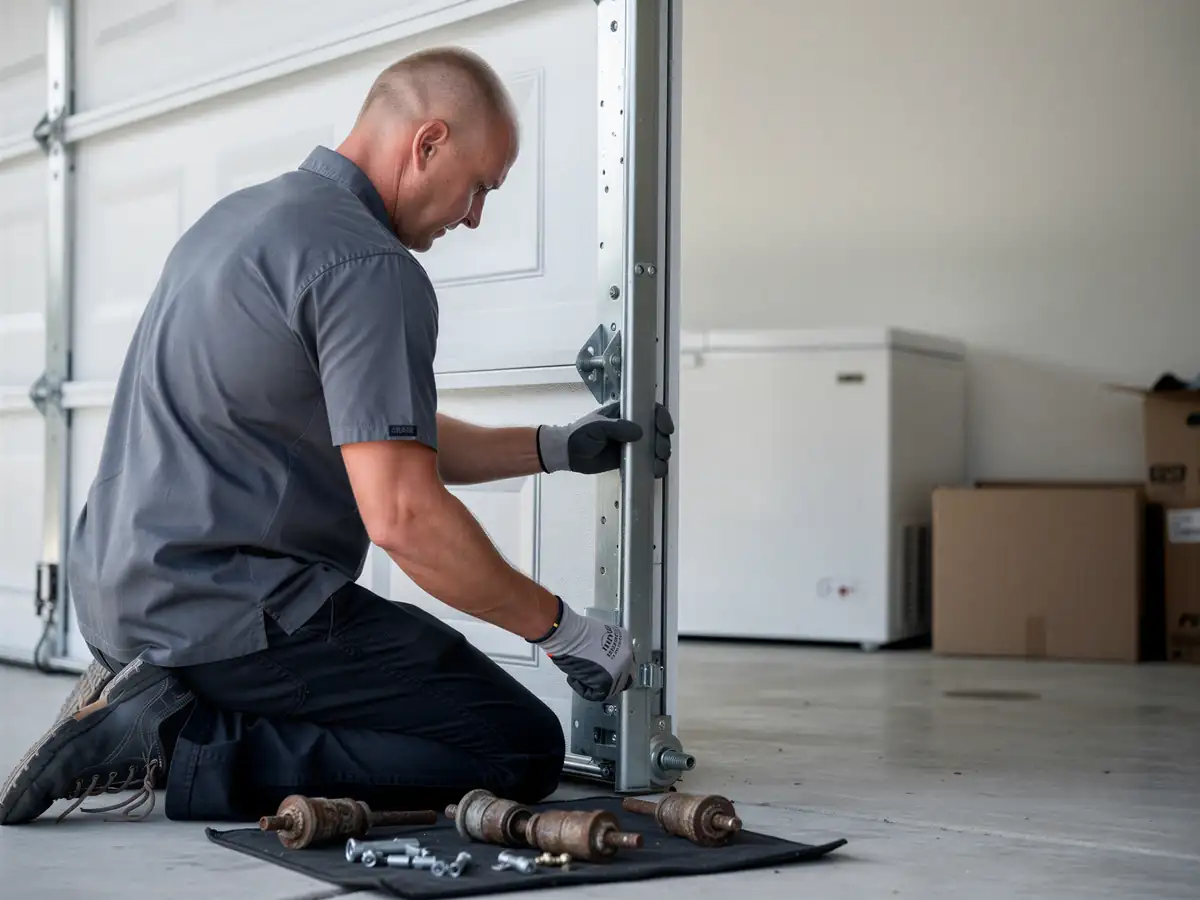
We release the spring tension, pull the old rollers out of the track and hinges one at a time so the door never comes fully apart, and set new ones in. Most Salisbury doors we see take a straight swap - roller for roller, same stem length - which keeps the visit tight. If the track itself is bent or the hinges are stripped out from years of a rusted steel roller binding, that gets fixed in the same stop. We'd rather diagnose this right the first time over the phone than drive 20 miles twice.
- 20 miles
Parts We Carry
We stock both nylon and steel rollers, and for most Salisbury homes we're steering people toward nylon with sealed bearings. The reason isn't fashion - it's the climate band this part of the state sits in. Cold winters without being brutal means steel rollers here don't crack from extreme freeze, but they do rust at the stem and squeal as the factory grease dries out, usually a few years before a nylon roller shows the same wear. Sealed-bearing nylon rollers don't need the yearly oiling steel ones do, and they run quieter against an older track.
We carry common stem lengths and both 7-ball and 10-ball bearing counts on the truck, which covers the sizes we run into most often on doors of this area's age. What we don't stock is every oddball roller from a door track system that's been discontinued - if your track calls for something unusual, that part may need to be ordered, and we'll tell you that up front rather than promise a same-visit fix we can't deliver.
Doing It Yourself
Roller replacement is one of the more doable garage door repairs for a homeowner, and we won't pretend otherwise. If your door has a broken cable or a wound torsion spring, that's not a DIY job and we'd tell you to call - but swapping rollers on a door that's still under control, with the opener disconnected and the door manually supported, is within reach for someone comfortable with a ladder and a pair of pliers.
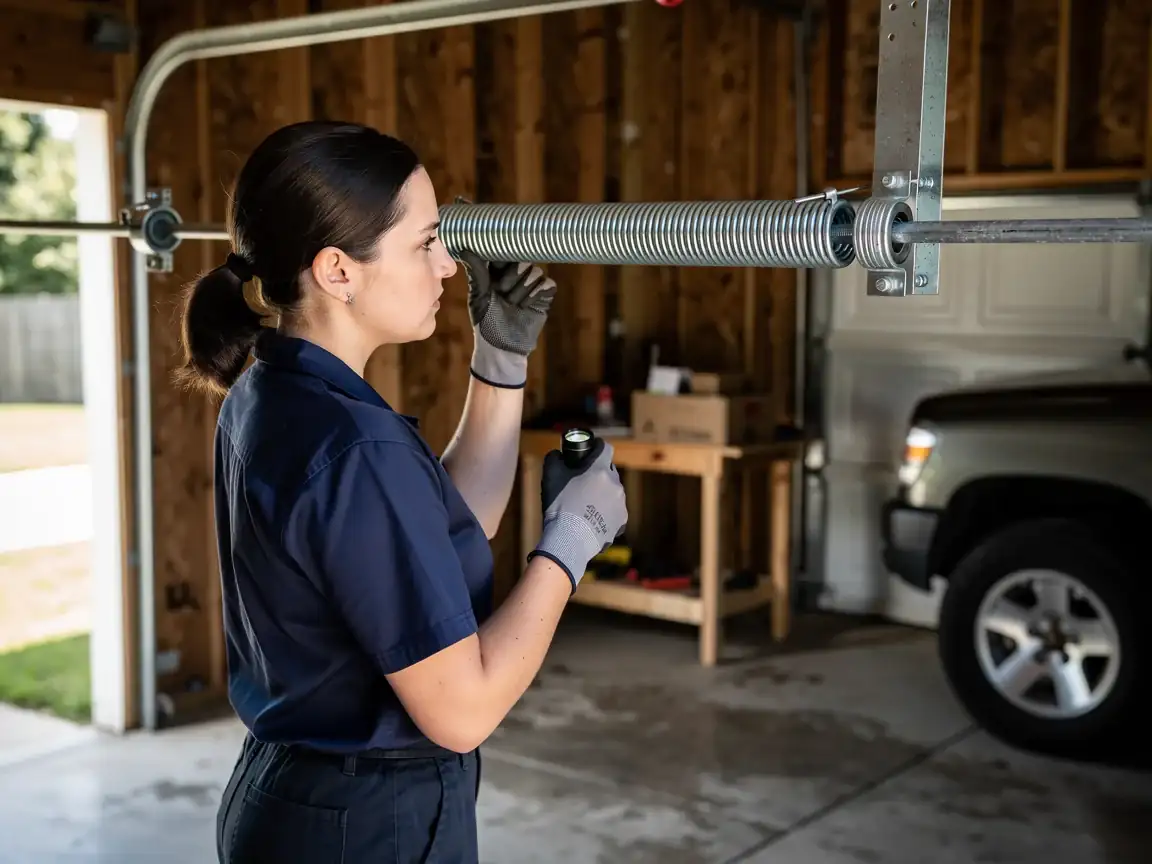
The part that catches people is the bottom roller brackets, which are under spring tension even with the door down, and the top section near the opener arm, where a slipped roller can let a panel drop faster than expected. If you're not sure the door is fully at rest before you start pulling rollers, that's the moment to stop and call rather than find out the hard way. We'd rather answer a quick question than treat an injury.
What Can Go Wrong
The median home in this part of Salisbury was built around 1976
Which puts a lot of doors here on hardware that's been through three or four decades of track wear, repainting, and at least one prior opener swap. The original steel rollers on a door this old are usually long gone, replaced piecemeal over the years, which means it's common to find a mismatched set - two different roller types on the same track, each wearing the hinges differently.
The failure we see most is a steel roller that's rusted at the stem seizing in its hinge
So instead of rolling it drags, bending the hinge pin and chewing a groove into the track edge. By the time the door is loud enough to notice, the track usually needs straightening along with the roller swap. Left longer, that dragging roller puts uneven load on the opener's drive gear too. None of this is urgent the way a snapped spring is, but it doesn't fix itself, and it gets more expensive the longer the groove in the track deepens.