How We Fix It
Most garage doors in Salisbury sit on houses with a median build year of 1976
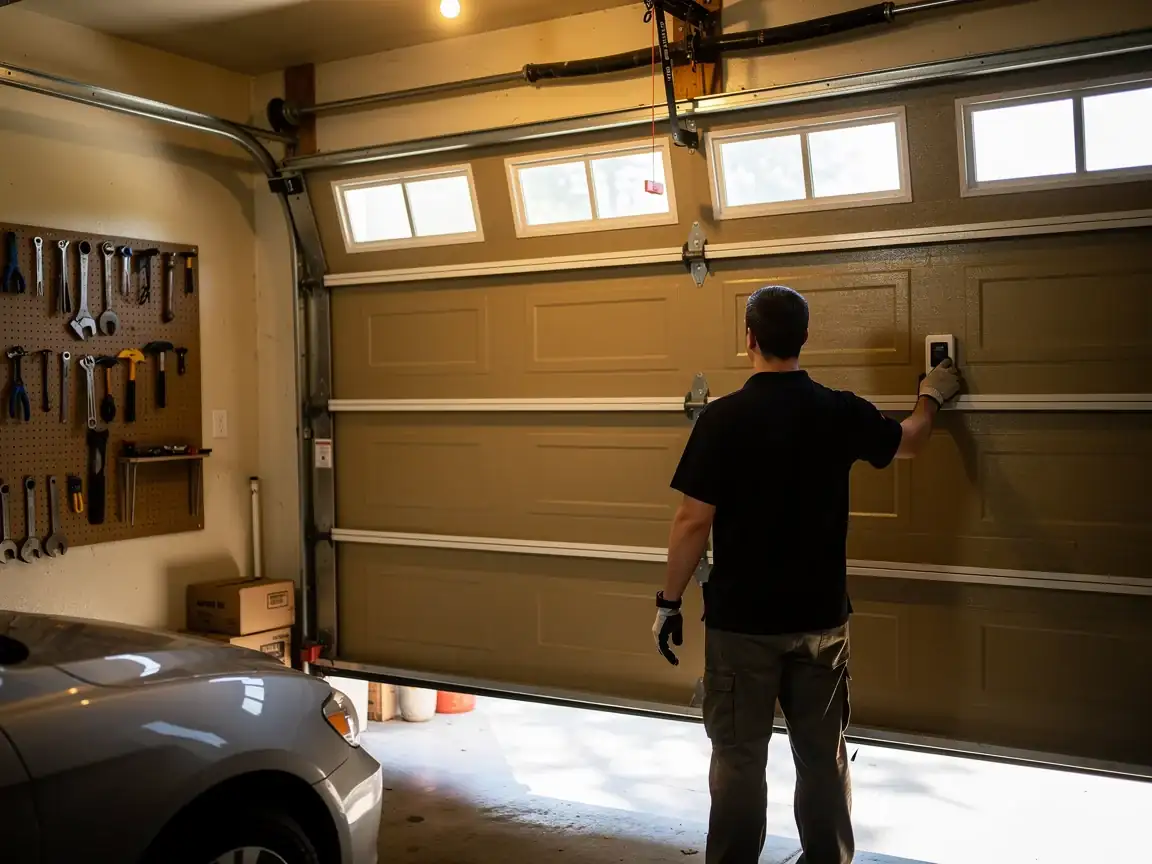
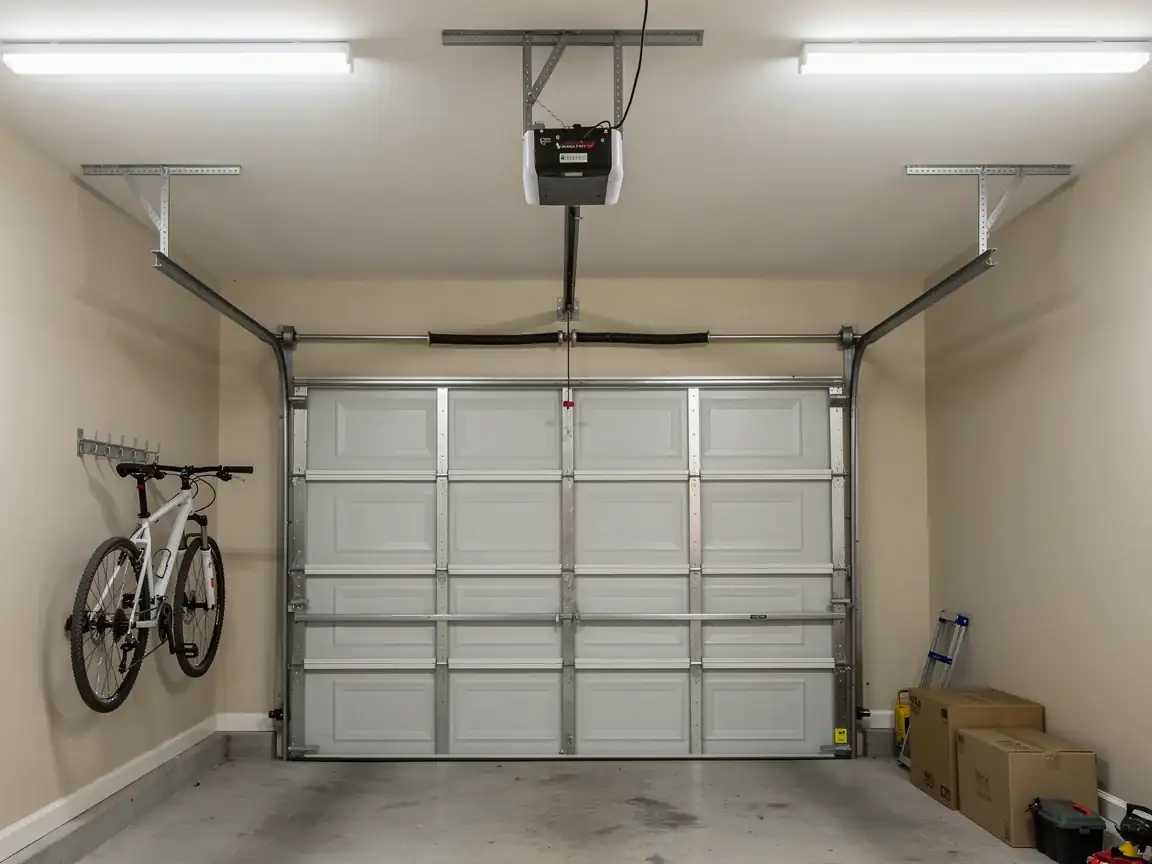
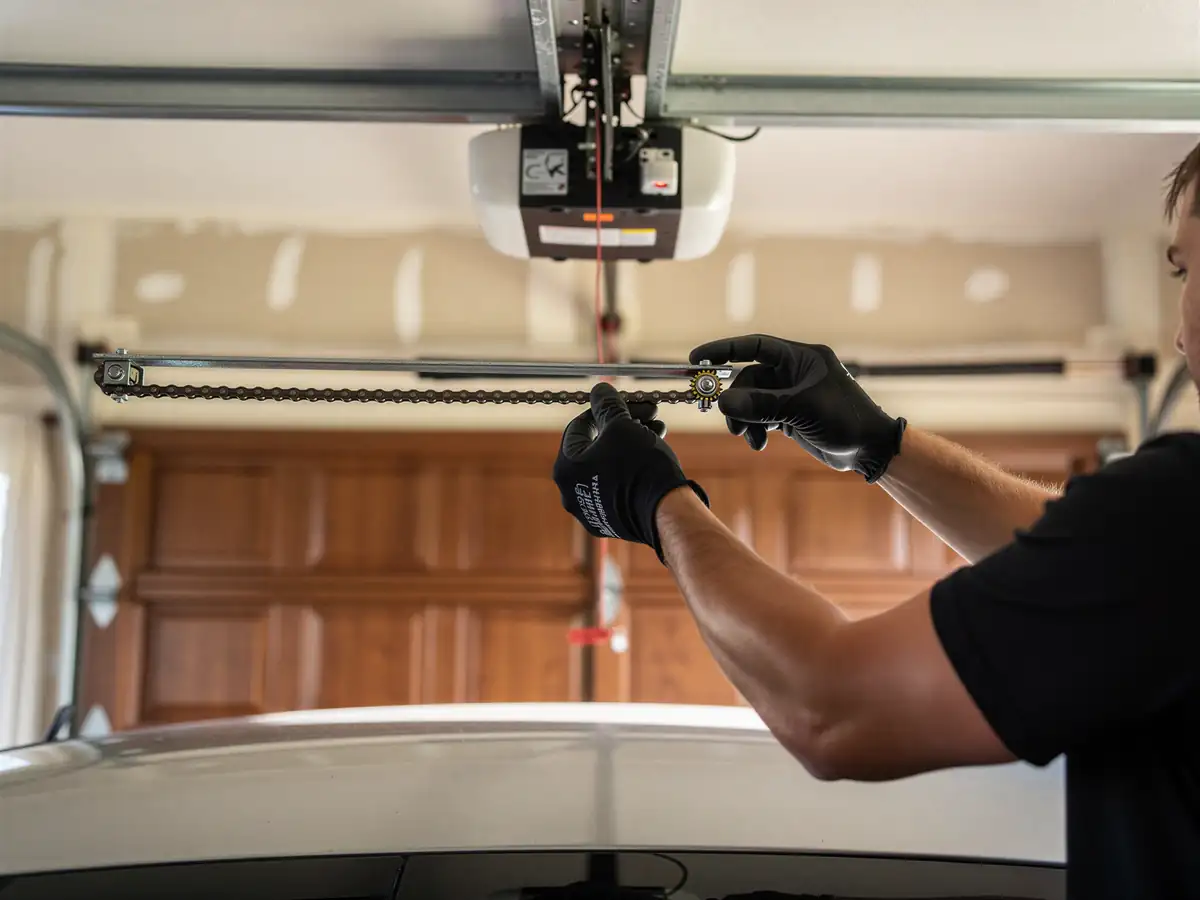
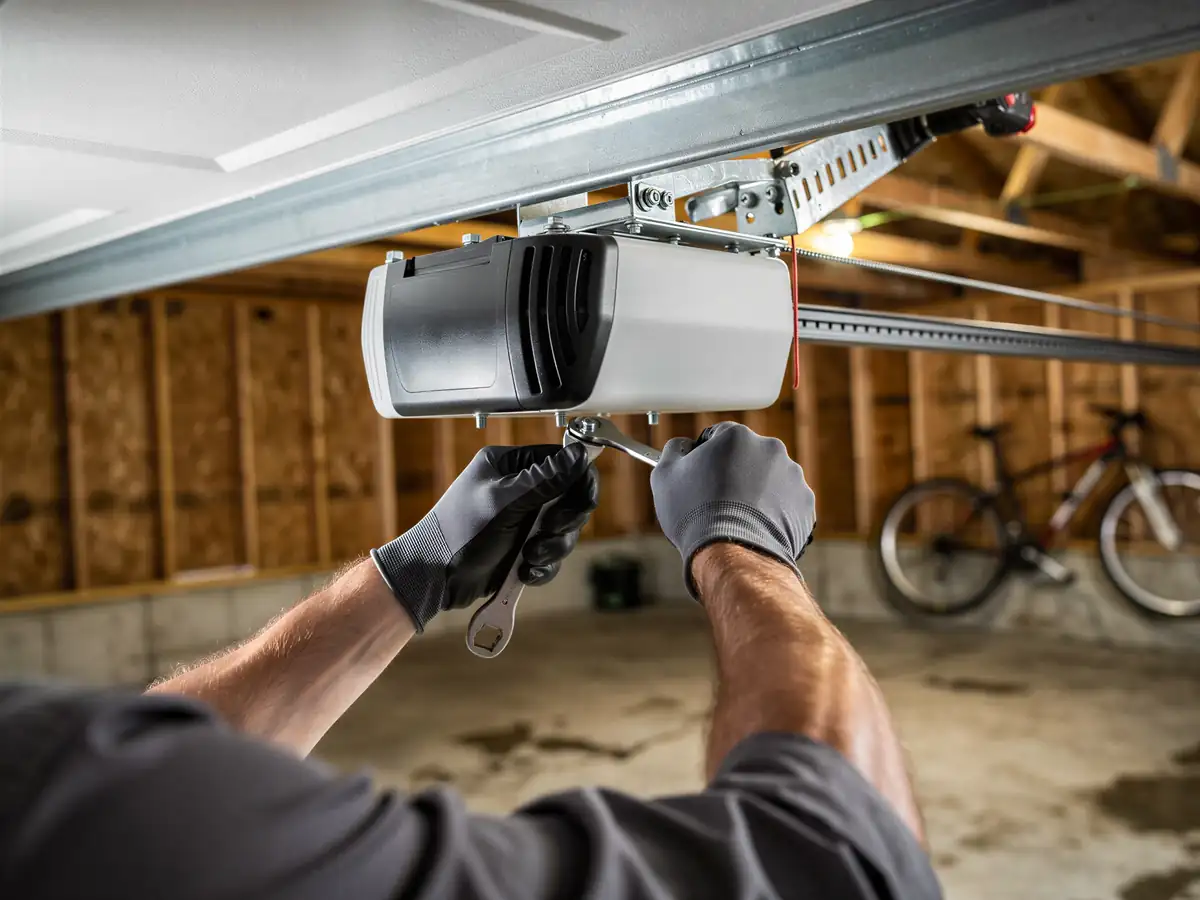
A good two decades earlier than the 1996 median across the rest of the area we cover. That matters before we ever talk about openers, because a door from that era is usually a single steel panel or a heavier wood-composite slab, hung on hardware sized for whatever chain-drive unit the builder installed the first time around. When we come out to install a new opener, we start by checking whether that original track and header bracket can even carry modern mounting hardware, since a lot of these doors were never drilled for anything but the original unit.
We make the trip from Mooresville, about 20 miles, and because Salisbury is the farthest town we reach
We plan the visit as one trip rather than splitting the job. That means we confirm door weight, spring type, and header clearance over the phone or from photos before we load the truck, so the opener we bring is sized right the first time. For a 1976-era door, that's often a 1/2 HP unit rather than the lighter-duty motors that work fine on newer, lighter insulated doors.
- 20 miles
Parts We Carry
We stock openers that handle both ends of what Salisbury's housing stock throws at us: older solid-panel doors that need more lifting power, and the newer insulated doors going into houses built since the 1990s. Chain-drive units are still the right call for a lot of these older garages, especially where the door is heavy and the opening is directly under a bedroom isn't a concern. Belt-drive units come up more in conversation than they used to, mostly from owners who've had enough of the chain noise, but they cost more up front.
With median household income in Salisbury at $51,058, well under the $73,393 figure for the full service area, we try to lead with the option that fits the budget rather than pushing the upgrade. We carry safety-reversing sensor kits as standard now, since a lot of original 1976-era setups never had them, and we won't leave a job without them installed and tested regardless of what unit goes in.
Doing It Yourself
Swapping an opener yourself is doable if the door and track are in good shape and you're comfortable on a ladder with an assistant holding the rail steady. The part that trips people up on older Salisbury doors isn't the opener itself, it's the header bracket. A 1976 structure often has a wood header that's taken on some moisture over the decades, and lag bolts that used to hold fine will pull straight out of softened wood under opener torque.
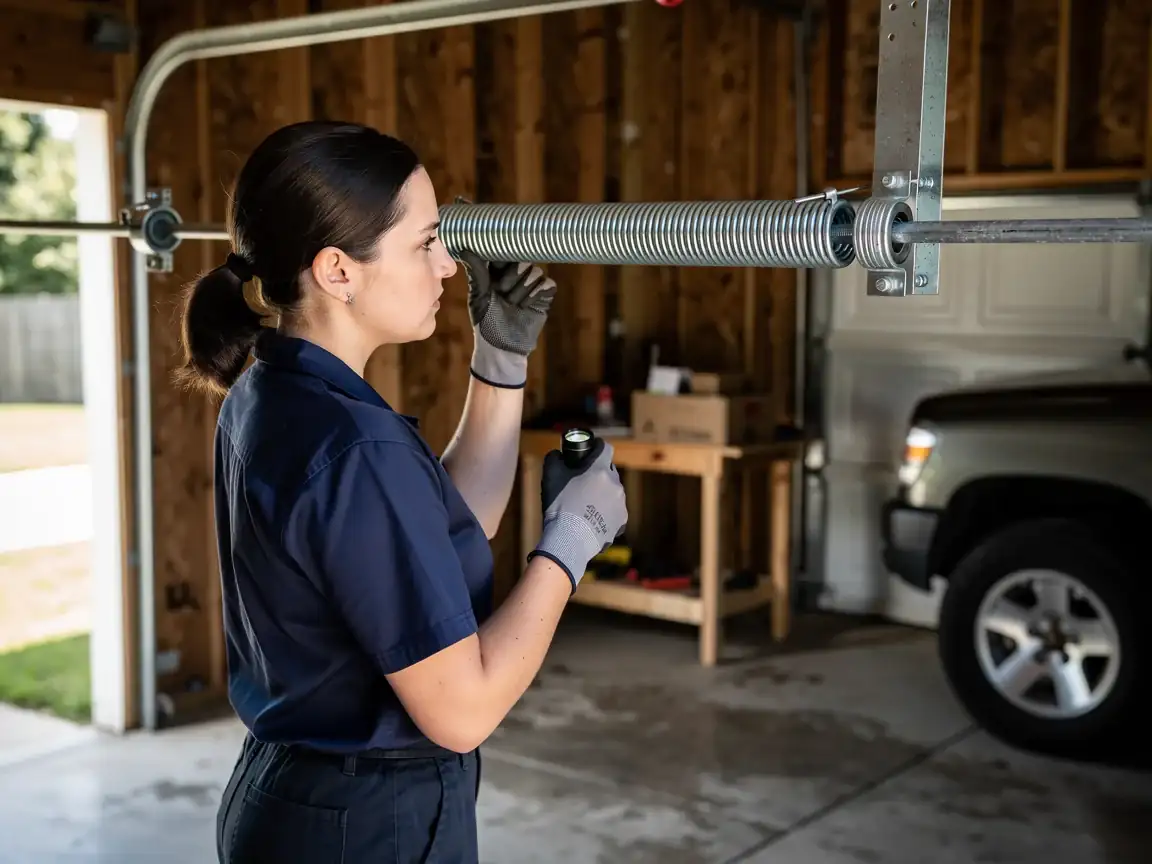
If you're set on doing it yourself, check that header with a screwdriver before you buy anything. If it's soft, that's a repair on its own, separate from the opener. We're honest that this is a job a lot of owners handle fine without us. Where we'd rather you call first is anything involving the torsion spring or cable system, since those store enough energy to cause a real injury and they're not part of a standard opener swap.
What Can Go Wrong
Cold snaps are part of the deal here under this area's moderate-cold climate band
And they're harder on an older opener than people expect. A chain-drive unit from the 1970s or 80s wasn't built with modern cold-rated lubricant or insulated housings, so on the coldest mornings the motor strains longer to get a heavy original door moving, which shortens gear life. That's one reason we'd rather replace an aging unit before it fails outright than have someone stuck mid-winter with a door stuck halfway up.
The other failure we see on these older setups is mismatched hardware
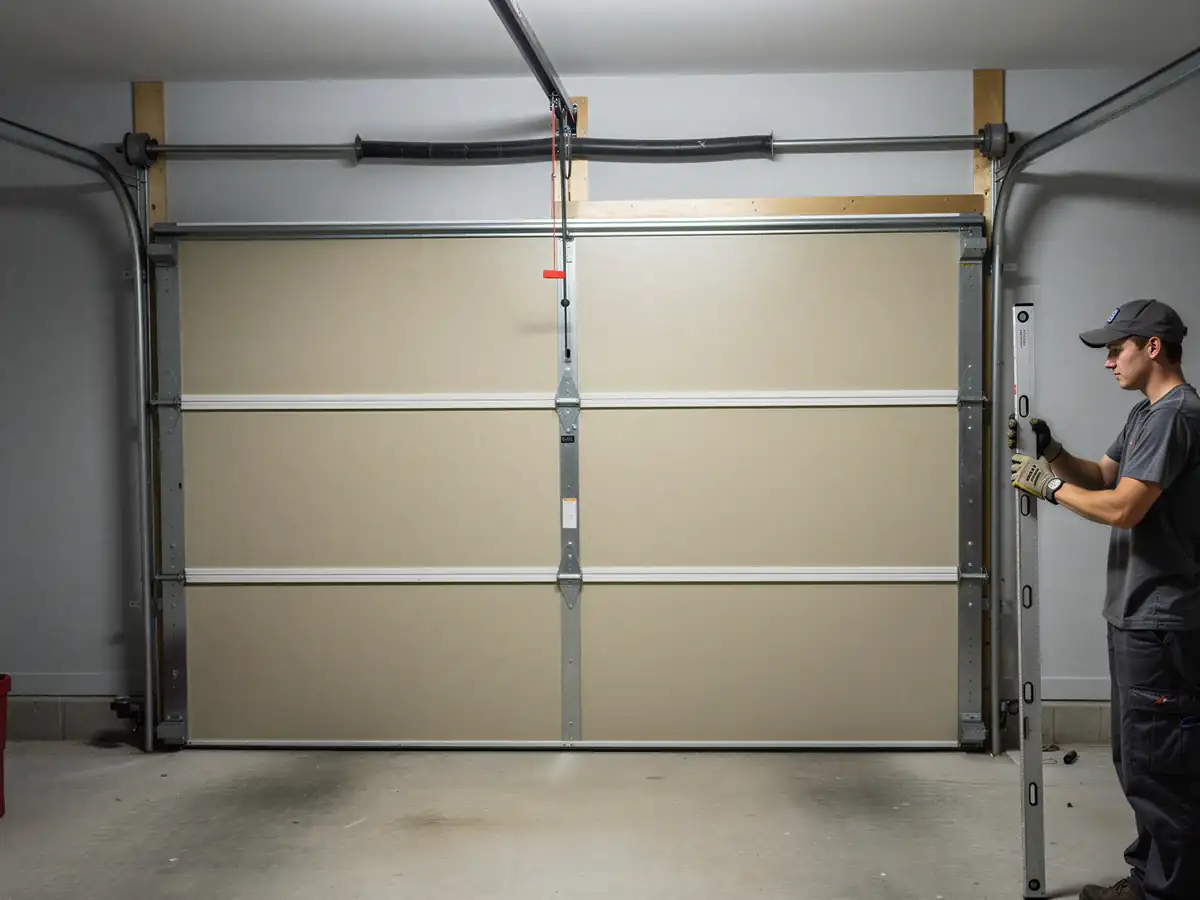
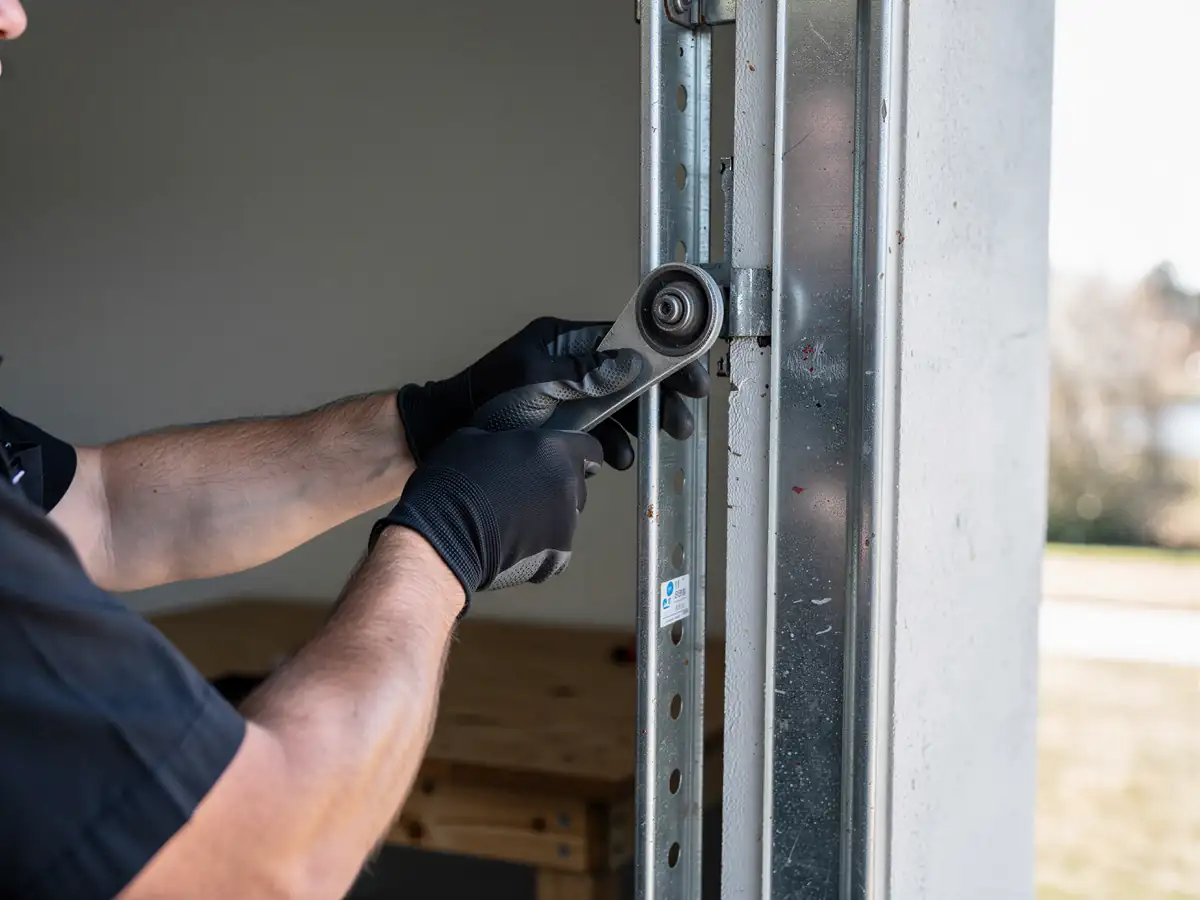
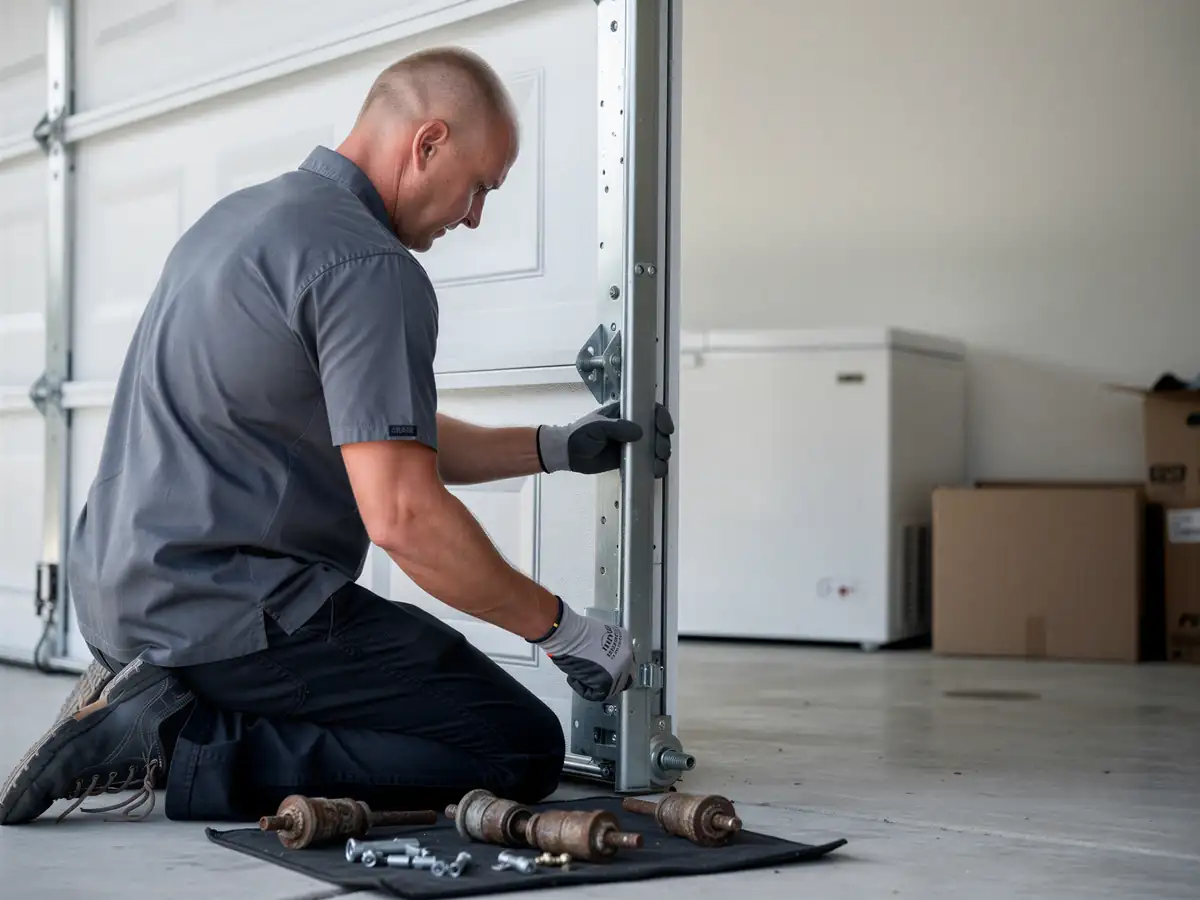
A newer opener bolted to decades-old track and rollers that were never designed for the pull of a stronger motor. That combination can work the mounting bolts loose or rack the door, which isn't an opener problem at all once it happens. We check track condition as part of any install for exactly this reason, and we'll say so if the door needs track work before the opener goes in, rather than install over a problem and have it come back on us.