How It Shows Up
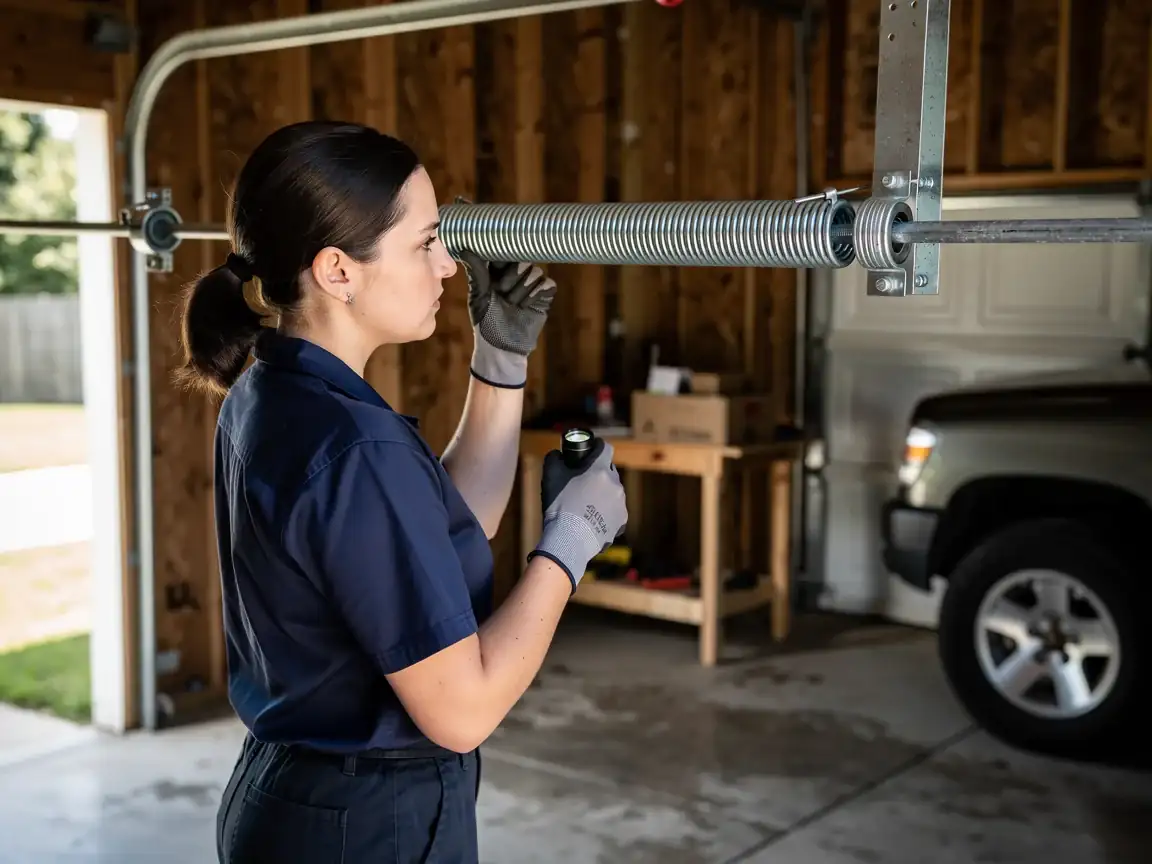
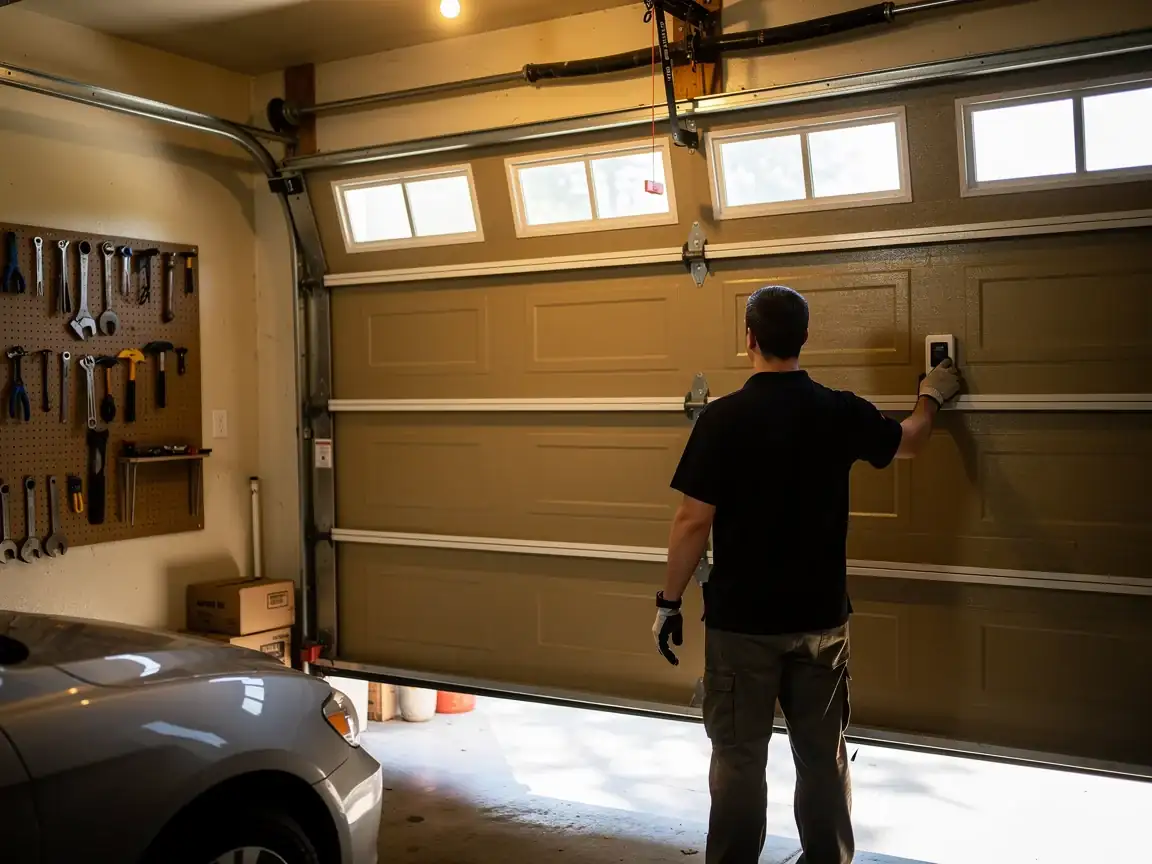
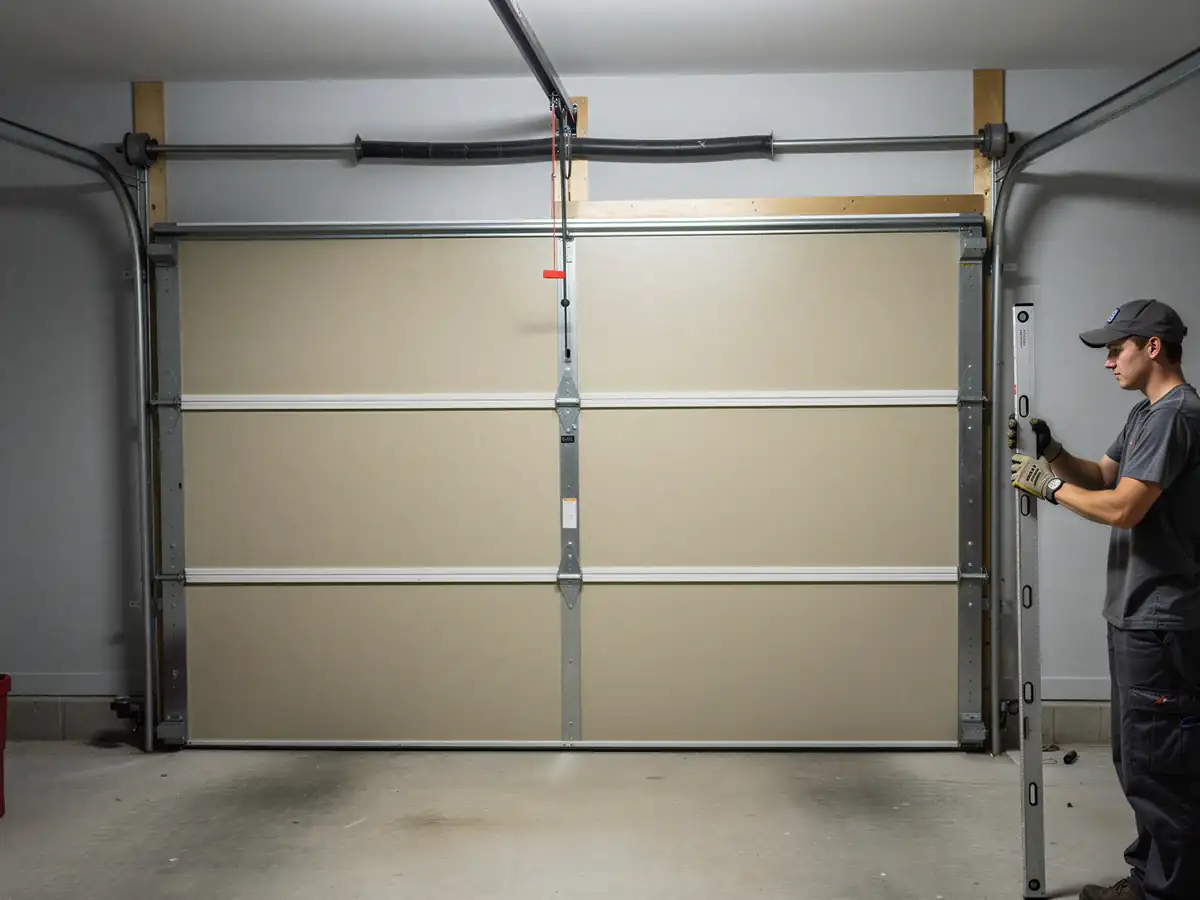
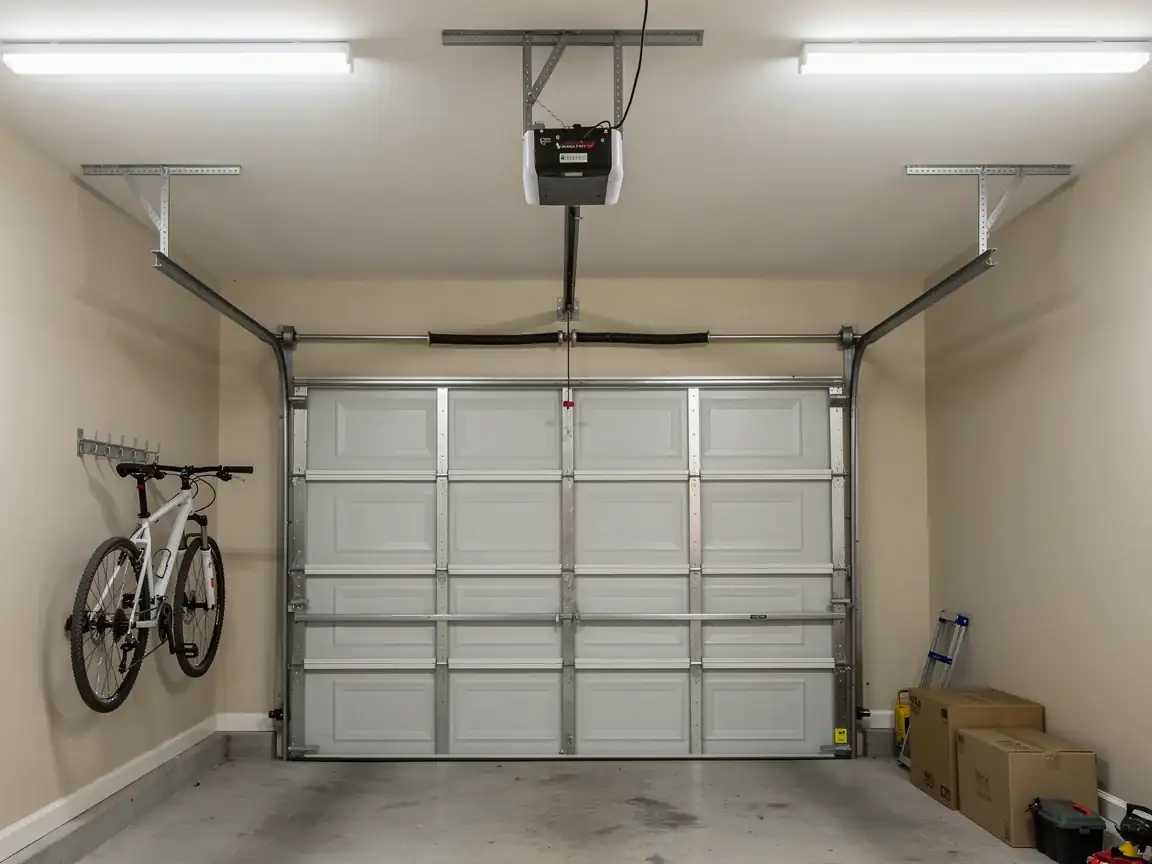
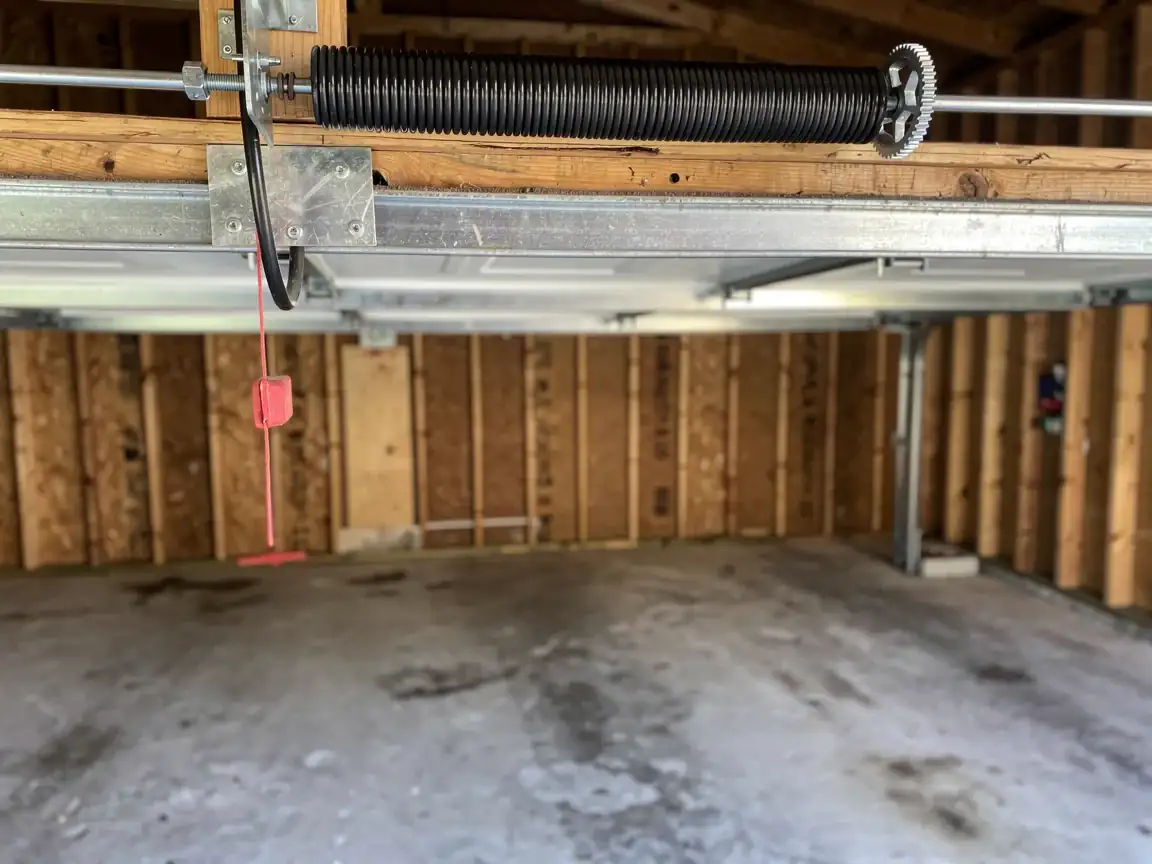
The door gets loud before it fails outright - a grinding or popping sound from the spring side, usually right as the door passes the halfway point where spring tension does the most work. An opener that used to lift the door smoothly starts to strain, chatter, or reverse itself partway up, which usually means the spring is no longer doing its share and the motor is carrying weight it was never built to carry. Sometimes it's simpler: the door won't open at all, or it drops fast and uncontrolled the last foot before the floor, which is a cable or spring that's already let go. On older torsion setups you'll sometimes see the spring itself sagging or gapped where the coils used to sit tight. None of these are things to force through with extra pulls on the remote - a door under broken spring tension can come down hard enough to hurt someone standing under it.
Why This Fails Locally
Across the 11 named sections of Mooresville, the housing stock leans heavily toward 1980s and 90s construction, which means thousands of doors in town are running the same gauge of torsion spring and the same generation of steel rollers that shipped during that build-out. With 17,817 owner-occupied houses among roughly 32,664 households in the service area, a lot of those doors are hitting end-of-life wear in the same stretch of years - not because of anything the owner did, but because the parts are simply that old. The cold-moderate climate here doesn't help: damp mornings followed by hard overnight freezes make steel contract and expand, which stiffens grease, tightens tolerances on tracks, and adds extra load right when a spring is already near its cycle limit. Homes here sit close enough to Davidson, 7 miles east, and Troutman, 9 miles north, that the same weather swings and the same era of construction stress hardware across all of them in the same way - this isn't a one-house problem, it's a neighborhood-wide one.