What Is Going On
Across the Mooresville service area, housing stock runs from 1959 through 2005
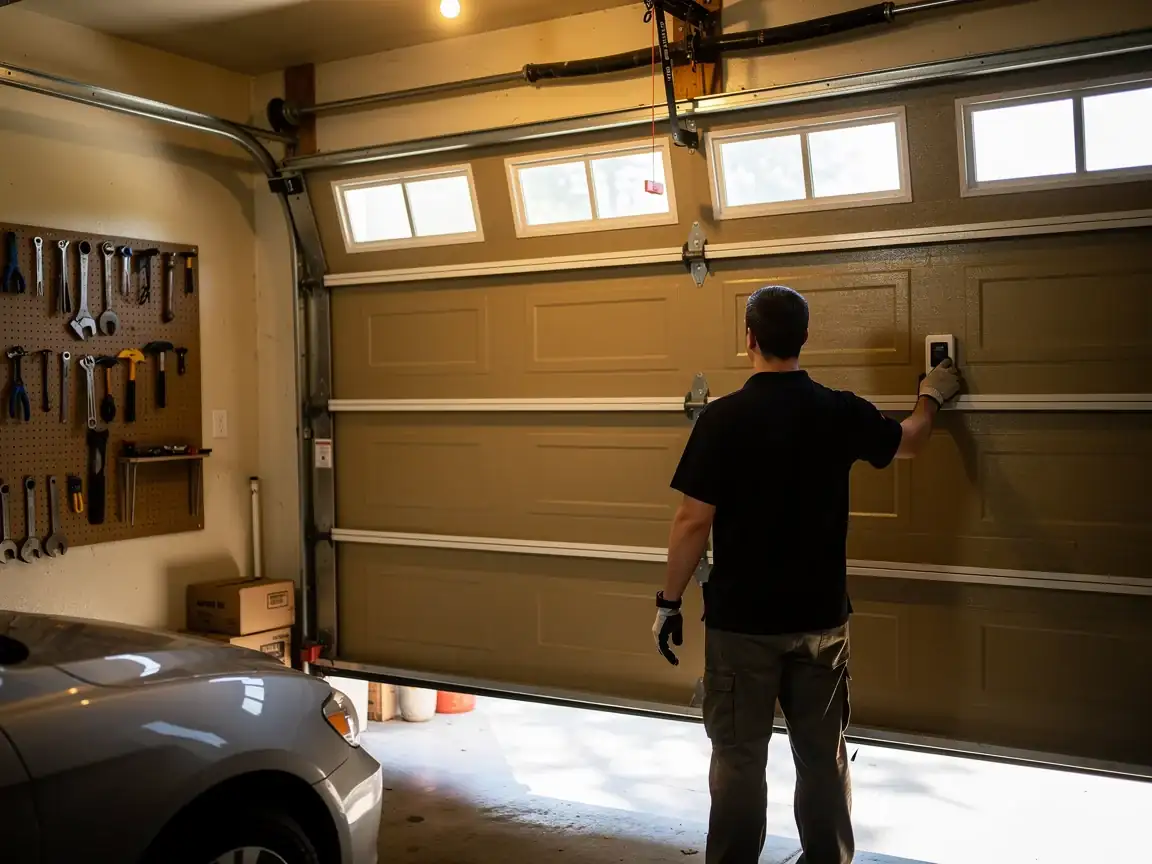
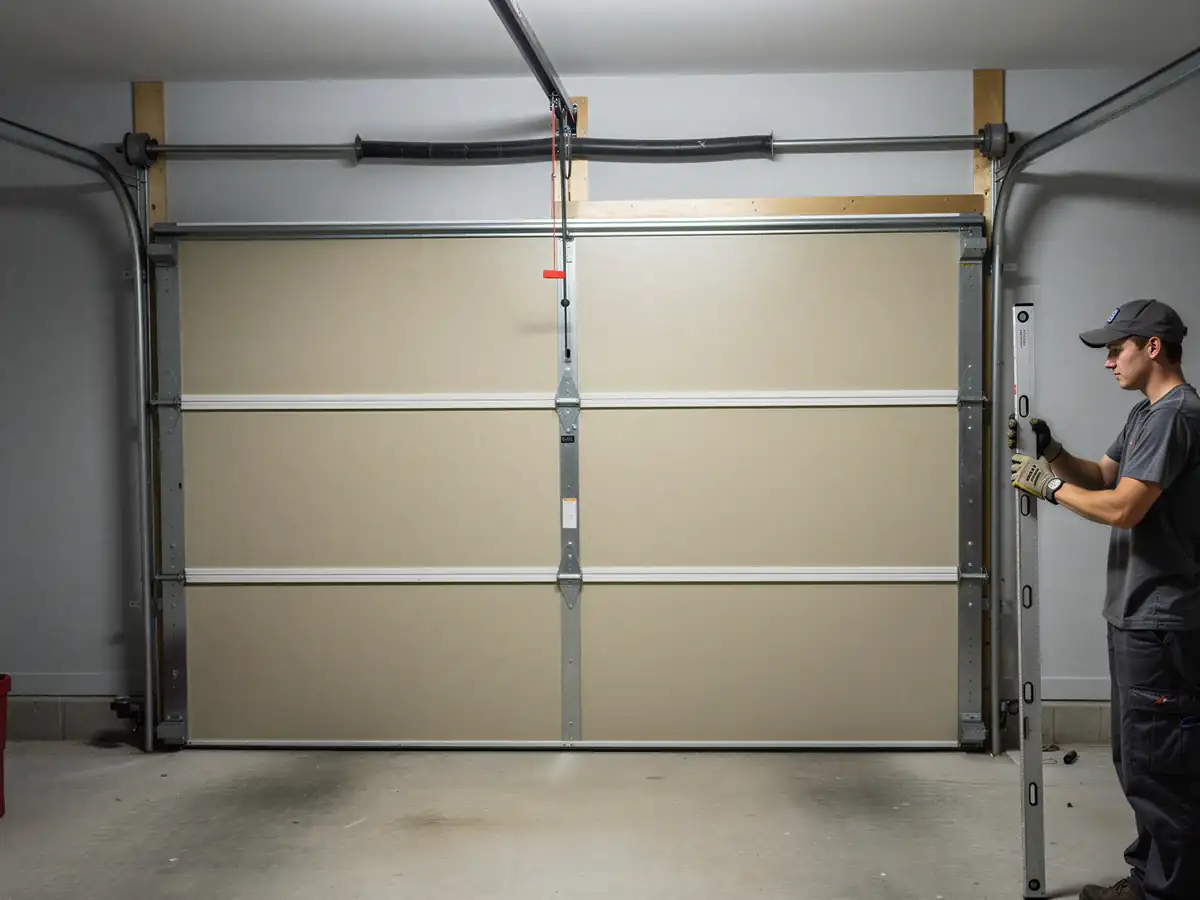
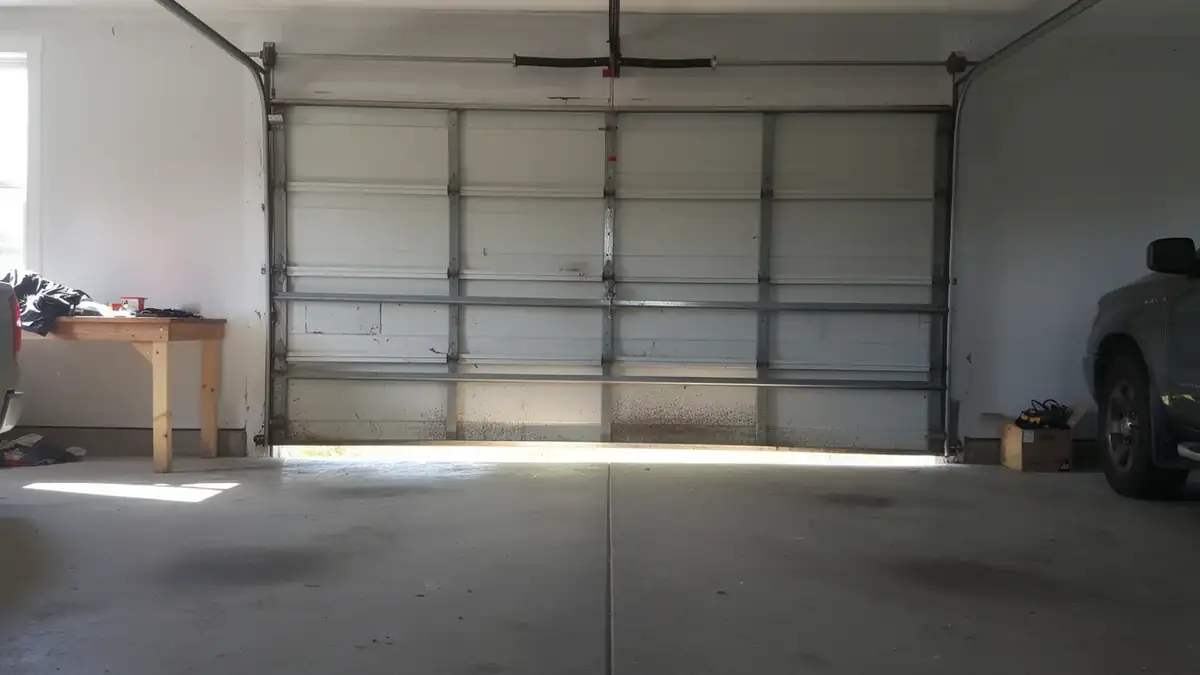
With the median build year landing at 1996. That's a 46-year spread, but most of it clusters in the 1980s and 90s, and that pattern holds across the eleven named communities in this area, from Davidson and Troutman in close to places like Catawba and Salisbury farther out. Builders in that stretch were putting up steel garage doors fast, and insulation wasn't part of the standard spec the way it is now. A single layer of steel, no foam core, no thermal break at the bottom seal. That's what's hanging on a lot of these garages right now, original or close to it.
The practical effect is a door that does its job
Keeps the rain and the raccoons out - but does nothing to slow down heat loss. If your garage shares a wall with a bedroom, laundry room, or bonus room over the top, that uninsulated slab of steel is working against whatever heating you're paying for on the other side of it. It's not a defect. It's just what came standard when your house went up.
How Local Conditions Play In
This area sits in a cold-moderate climate band, which means real winter cold without the deep-freeze extremes you'd get farther north. That's actually the worst combination for an old uninsulated door. You get enough cold nights that the temperature differential across that thin steel panel matters, but not enough brutal cold that anyone felt compelled to retrofit for it. The door just quietly underperforms, season after season.
Condensation is the other half of it. When outside air sits cold against an uninsulated steel panel and the garage holds any humidity at all, you get moisture beading on the inside face. Over years that moisture finds its way to the bottom panel, the hinges, and eventually the bottom roller brackets, and that's where rust starts eating hardware that would otherwise last decades. If your garage door panels show rust lines that match the horizontal seams, that's usually condensation doing its work, not a leak.
When to Get Help
If your door was installed any time close to when the house was built - anywhere in that 1959-2005 window - and you've never had the weatherstripping or bottom seal replaced, that's worth a look before you spend money on anything bigger. A cracked bottom seal lets more cold air in than a whole uninsulated panel does, and it's a cheap fix compared to a new door.
We'll be straight with you: insulating an old single-layer steel door after the fact with a retrofit kit helps some, but it won't match what a new insulated door does, and on a door that's already 20-plus years old with worn rollers and a tired spring, a retrofit kit is money spent on a door that's near the end of its service life anyway. If the springs are original to a house built in the 80s or 90s, they're overdue regardless of insulation - that's a separate call, and one we'd rather make honestly than sell you a patch.
The Seasonal Bit
Cold-moderate winters mean the panel itself goes through real expansion and contraction across the year
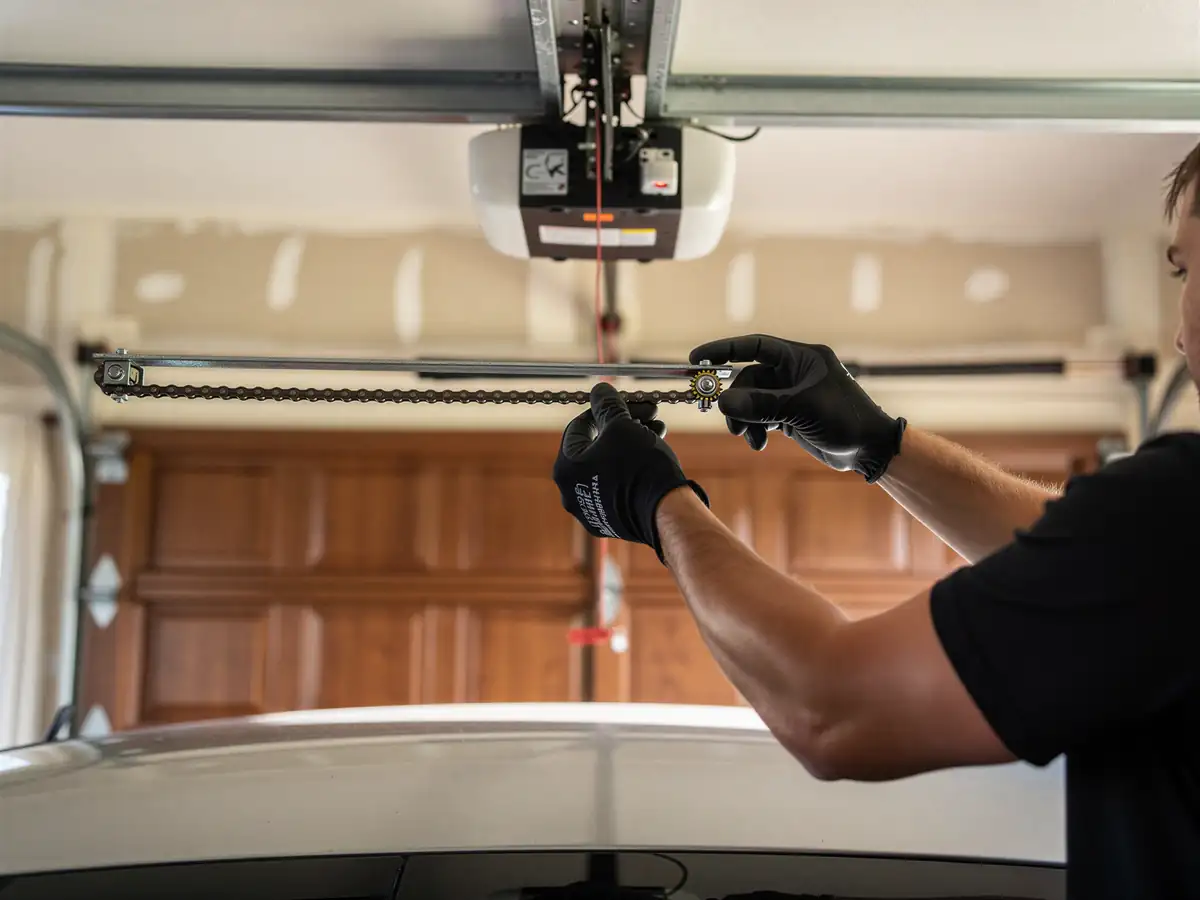
Even without extreme swings. On an uninsulated steel door that cycle happens faster and more sharply than it would on an insulated panel, because there's no foam core buffering the temperature change. Over the 20 to 40 years a lot of these original doors have been in service, that cycling is what you see show up as slight panel bow, stiff tracks in the coldest stretch of the year, or an opener that suddenly seems to be working harder on cold mornings.
- 40 years
None of that means the door has failed
It means the door is doing what an uninsulated steel panel from the 80s or 90s does when it's been through three or four decades of this climate band's winters. Worth knowing before you assume the opener itself is going bad.