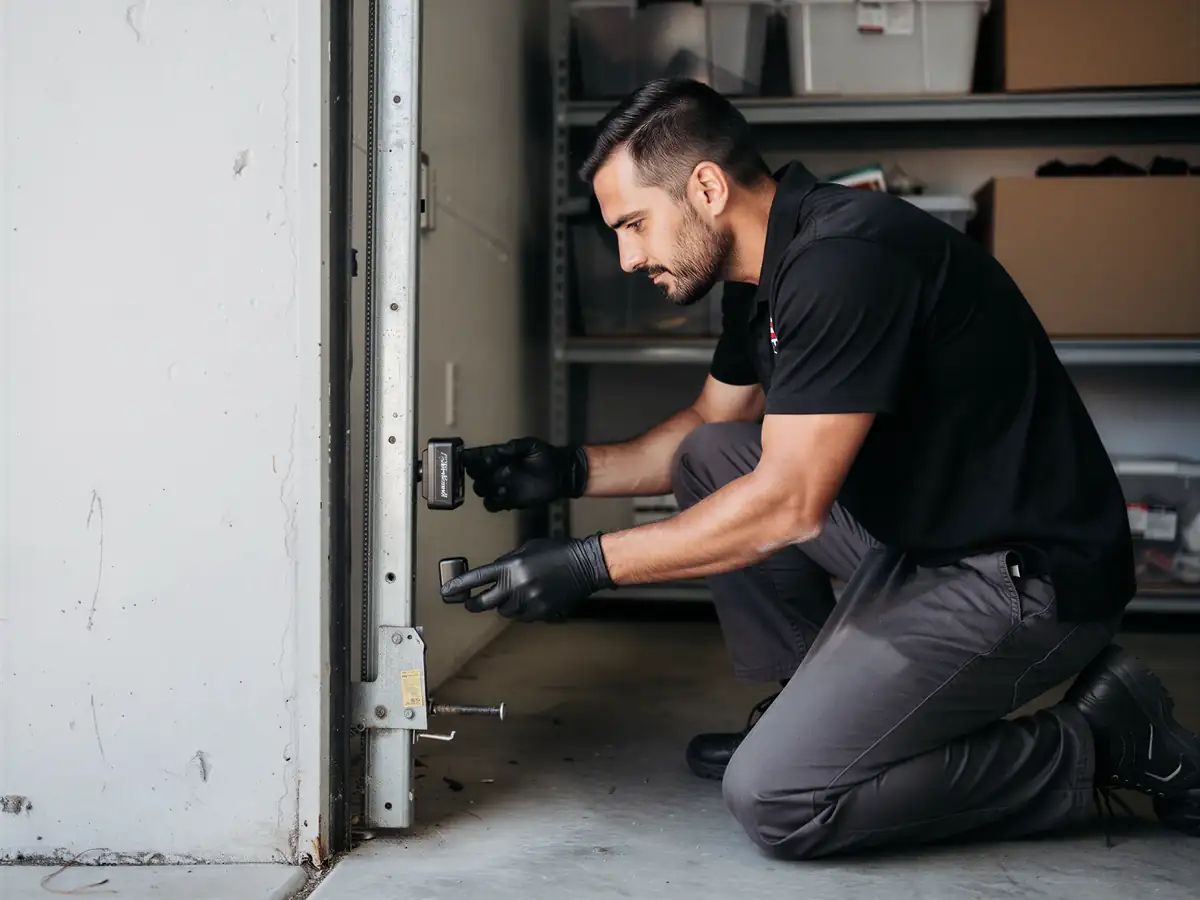
What That Noise From Your Garage Door Is Actually Telling You
Grinding, popping, or a slow slam in a Mooresville garage - here's what each sound tells you about doors built in the 1980s-2005 boom, and when to call.
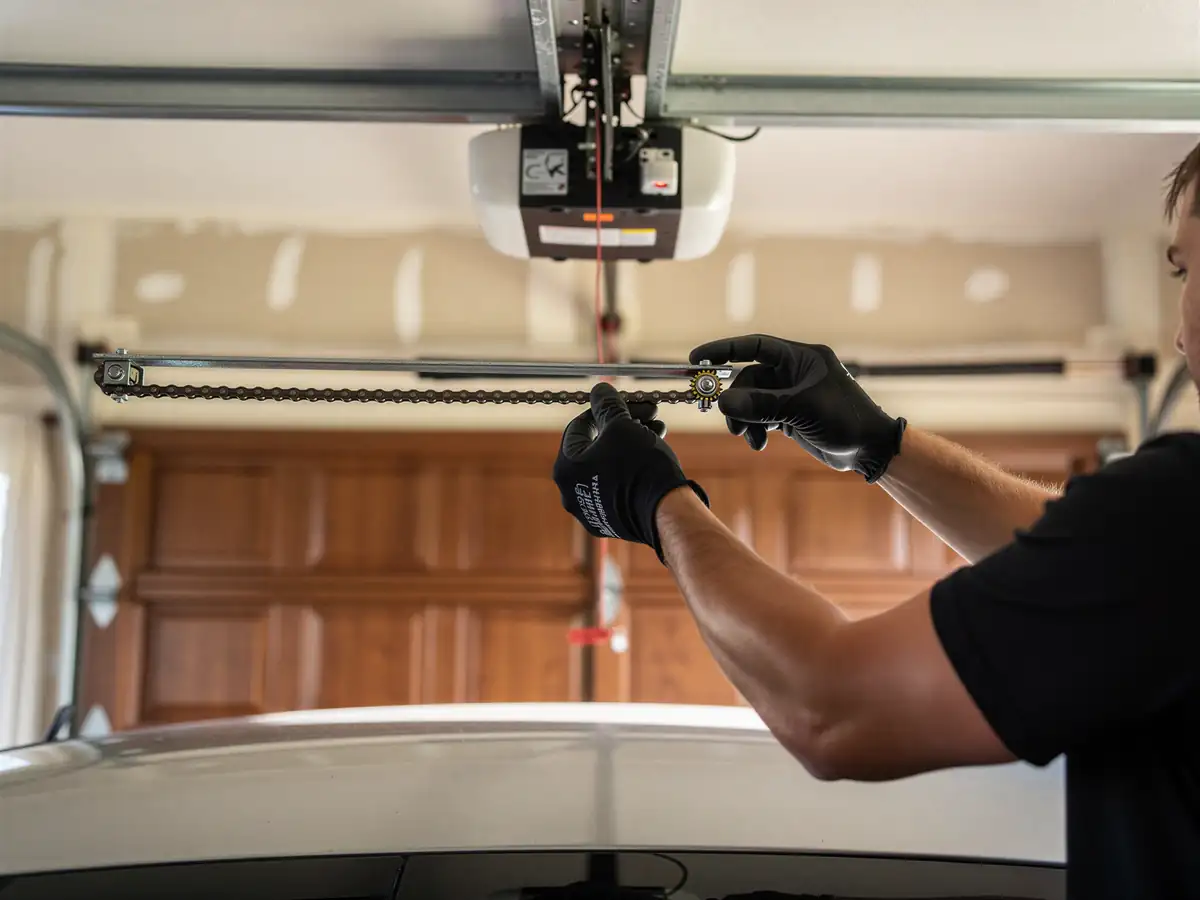
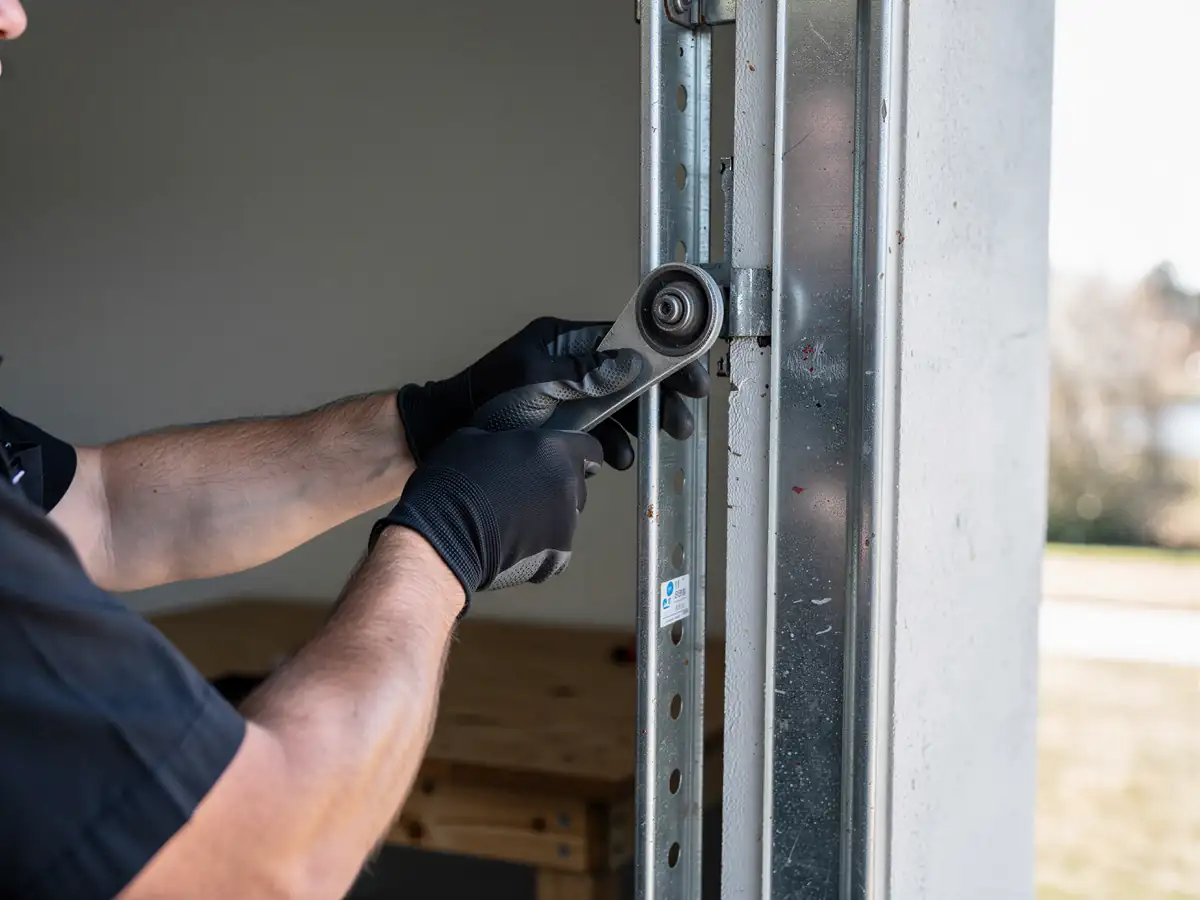
Most of the garage doors we open up in this part of Mooresville went in somewhere between 1959 and 2005, with the bulk of that stock dating to the 1980s and 90s - the years this area built out hardest. A door that age has had two or three decades of cycles on its original hardware, even if the panels look fine. So when a homeowner calls and says "it's making a noise it didn't used to make," the first question isn't what the noise sounds like in isolation - it's what's changed in the house around it. A grinding sound usually means a roller riding dry in a track that's never been lubed. A sharp pop on the way up is almost always a spring under stress, and on a torsion spring from that era, stress means it's close to the end of its rated cycle count. A rhythmic thump once per rotation points to a flat spot on a roller or a bent section of track, both common once a door's original hardware starts to tire out. None of these are emergencies by themselves. All of them are the door telling you something is wearing, and on hardware this age, wearing doesn't reverse itself.
How Local Conditions Play In
Mooresville sits in a cold-moderate climate band - not the deep freezes you'd get further north, but enough temperature swing through the year to matter for steel and lubricant. Garage door hardware doesn't like repeated expansion and contraction any more than a car engine does. Torsion springs lose a small amount of tension with every cold snap, and a door that was quiet in August can start groaning in January as the metal contracts and clearances tighten up. On homes from the 1980s and 90s stock common across this service area, the factory lubrication on tracks and hinges was never meant to last this long, so cold weather often just exposes wear that was already there. If a door is noisy only on the coldest mornings and quiet the rest of the day, that's the climate talking to aging hardware - worth noting, not yet worth panic. If it's noisy every time, the hardware's the problem and the weather's just making it louder.
When to Get Help
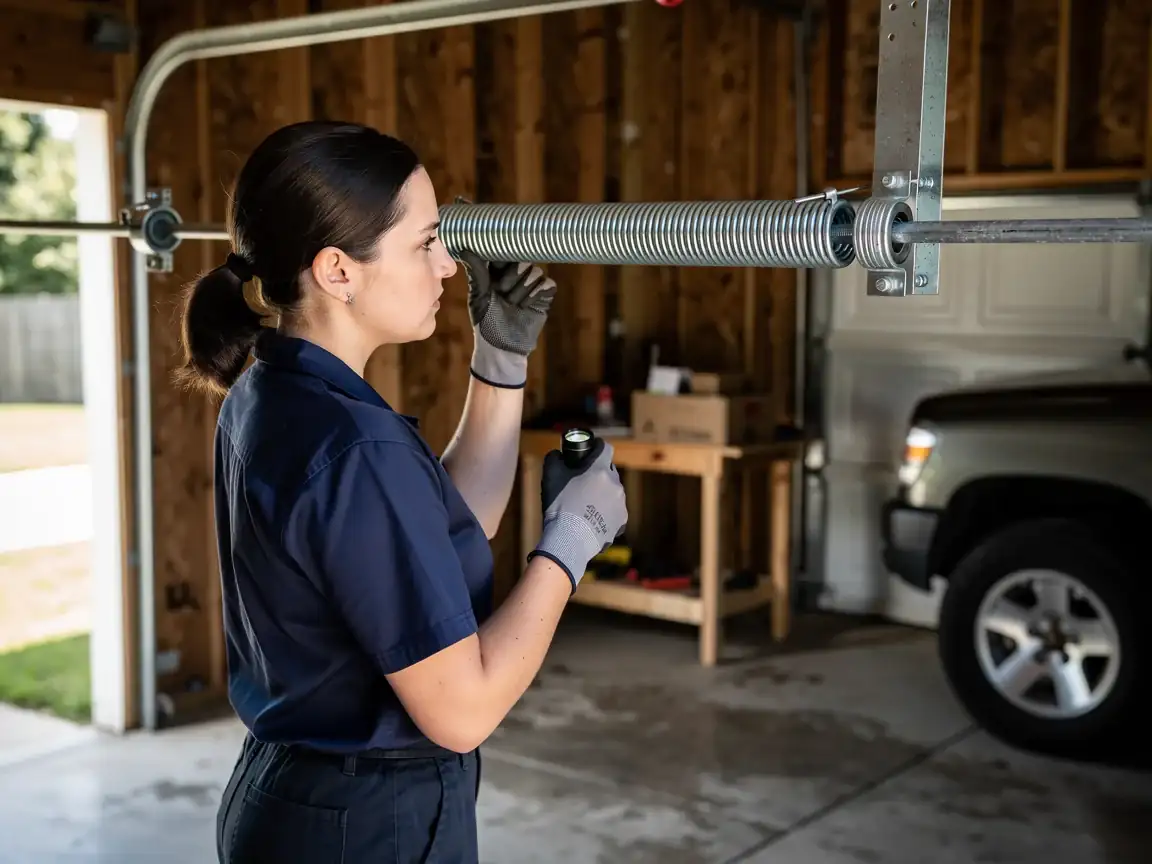
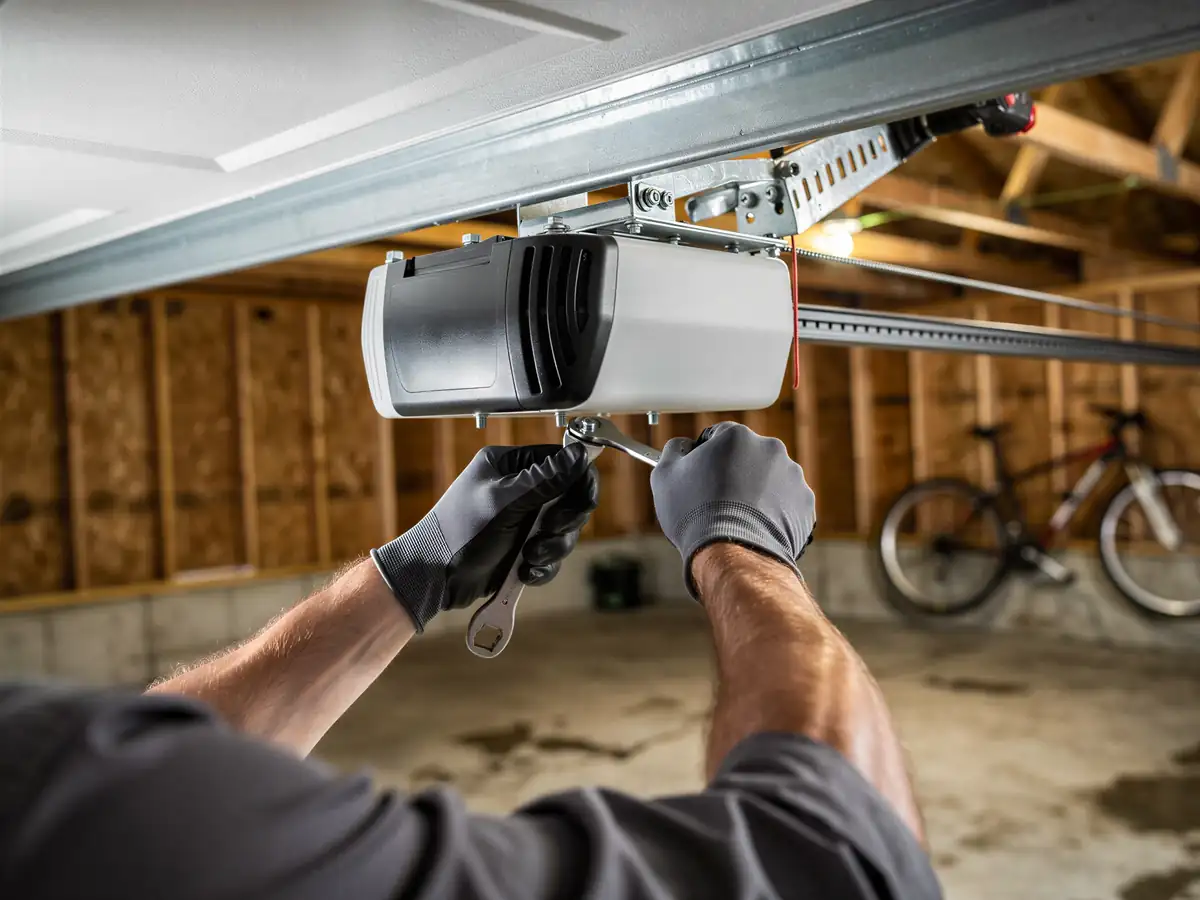
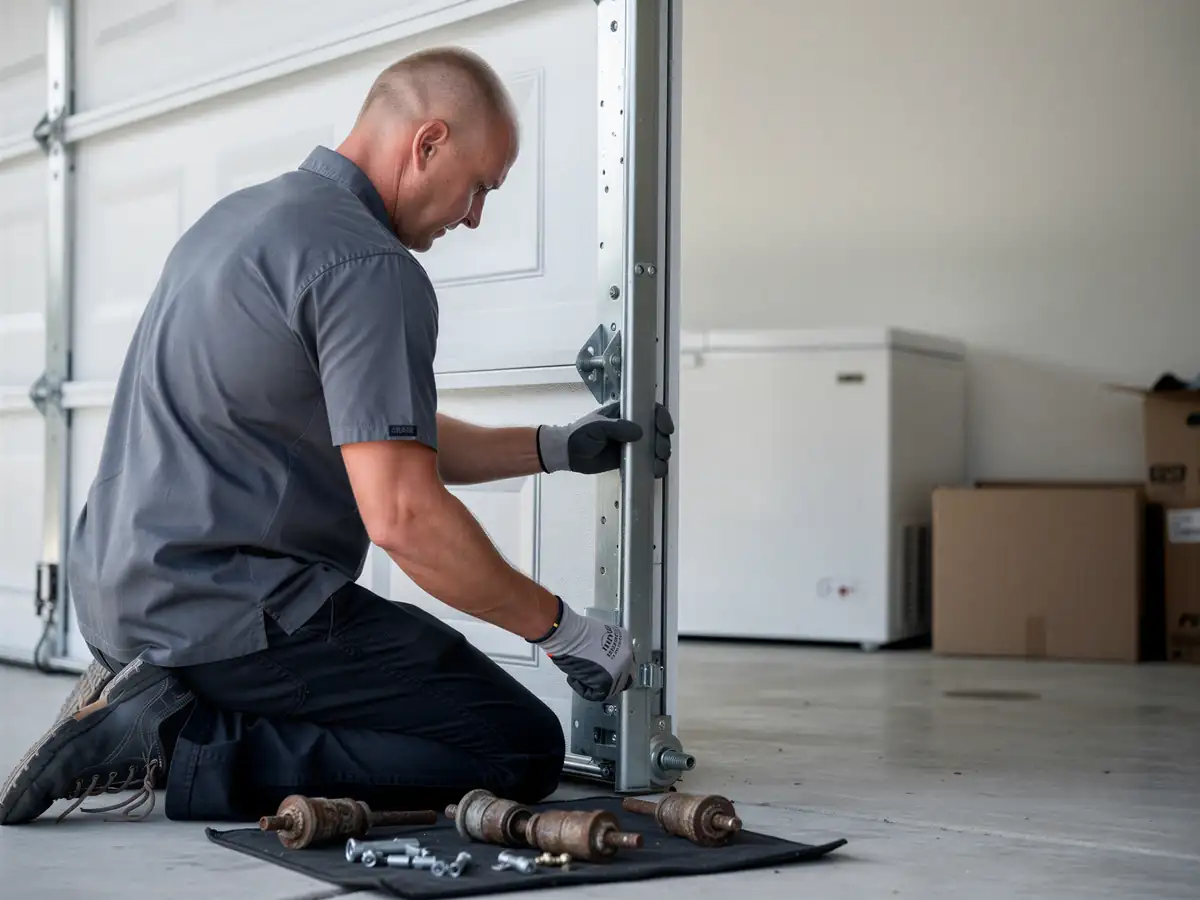
Call before the door stops working, not after. A spring that's popping or visibly stretched on a door built in that 1980s-2005 window is close to failing, and when a torsion spring lets go on a double door, it tends to do it all at once - not a gradual slowdown you can plan around. Grinding rollers and a bent track you can live with for a little while, but they get worse, never better, and a bent track eventually chews through the roller it's running on. One limitation worth being honest about: if your opener and springs are both original to a house built in the 1990s, replacing just the noisy part sometimes isn't worth it - we'll tell you straight if a full hardware swap makes more sense than another round of spot repairs. Davidson, Troutman, and the other towns in this service area have the same housing-age mix, so the same wear patterns show up all around us.
The Seasonal Bit
The noisiest calls tend to land right after the first real cold stretch of the year, once contracted hardware on an older door finally announces itself. That's not unique to any one street - it's just physics meeting 25-to-45-year-old steel across the housing stock that makes up most of this area. A quick seasonal check before the cold sets in - listening for new sounds, watching the door's balance, looking at the springs for visible gaps between coils - catches most of what would otherwise turn into a weekend no-opener call. We're not going to tell you every noise needs a truck out; most don't. But a door built in the 1996 median year for this area has had a long run already, and the sounds it makes now are the most honest maintenance log you've got.
How it works
From “it’s stuck” to “it’s fixed”
01
Tell us what’s wrong
Describe the symptom - won’t open, loud bang, opener runs but the door won’t move.
02
On-site diagnosis
A technician tests the door under power and by hand and finds what actually failed.
03
Clear, up-front plan
You get the fix that’s needed and what drives the cost - before any work starts.
04
Repaired & tested
The repair is done, the door is set true and tested, and the work area left clean.
Not sure which repair your door needs in Mooresville, NC? Describe what it’s doing - every job starts with a diagnosis.
My garage door grinds only in the morning - is that serious?
Usually it means a dry roller or track tightened up by overnight cold, which is common on hardware from the 1980s-90s building boom here. It's worth lubricating and checking soon, but a noise that only shows up in the cold and goes quiet by afternoon is rarely an emergency on its own.
Why did my door suddenly get loud this winter when it was fine all summer?
Mooresville's cold-moderate climate still swings enough to shrink steel hardware and stiffen old lubricant. On a door that's 20-plus years old, that seasonal tightening often exposes wear that was already building, so the cold doesn't cause the problem, it just makes it audible.
Should I replace the spring or the whole opener system?
Depends on the age and condition of both. If your house falls in the common 1980s-90s build range for this area and the opener is original too, replacing just the noisy part sometimes isn't the better value - we'll look at the whole setup and tell you honestly which makes more sense before quoting anything.
Ready to get your garage door sorted?
Tell us what it’s doing and where you are in Mooresville - we’ll take it from there.