What Can Go Wrong
A garage door roller does one job
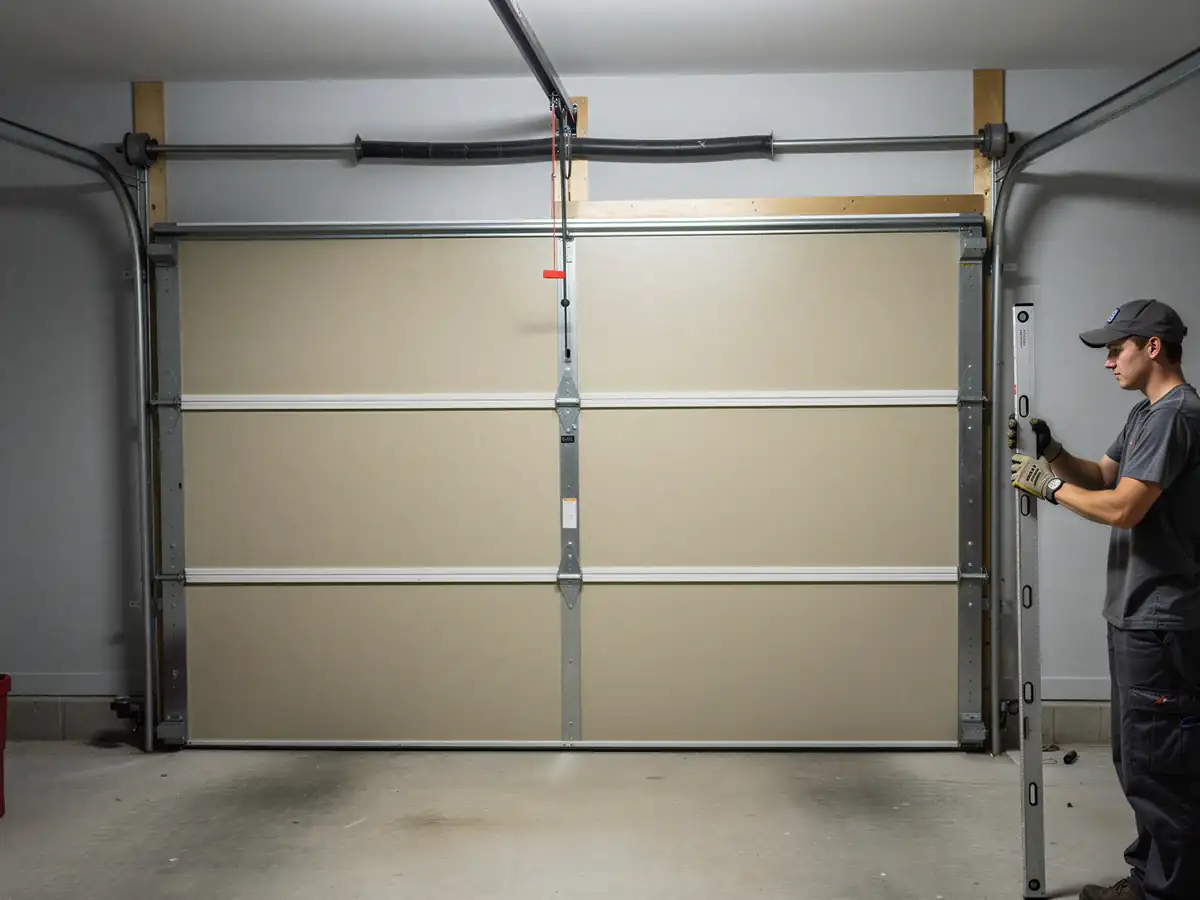
It rides in the track and lets the door glide up and down without the panels binding. When a roller fails, it's usually one of three things. The nylon tire on the roller cracks or flattens on one side, so the wheel stops turning smoothly and starts dragging. The stem bends or the bearing inside seizes, which makes the roller grind instead of roll. Or the roller pops out of the track entirely, usually at a hinge where the door bows slightly as it travels around the curve into the horizontal track.
Most of the houses across this service area
Mooresville, Davidson, Troutman, Lake Norman of Catawba, Enochville, Westport, Denver, Cleveland, China Grove, Lowesville, and Catawba - were built between 1959 and 2005, with a lot of that stock going up in the 1980s and 90s. Doors from that era were spec'd with steel rollers or early-generation plastic rollers, neither of which hold up as well as the sealed-bearing nylon rollers sold today. If your house falls in that build window and nobody's swapped the rollers since the door went in, you're overdue.
How It Shows Up
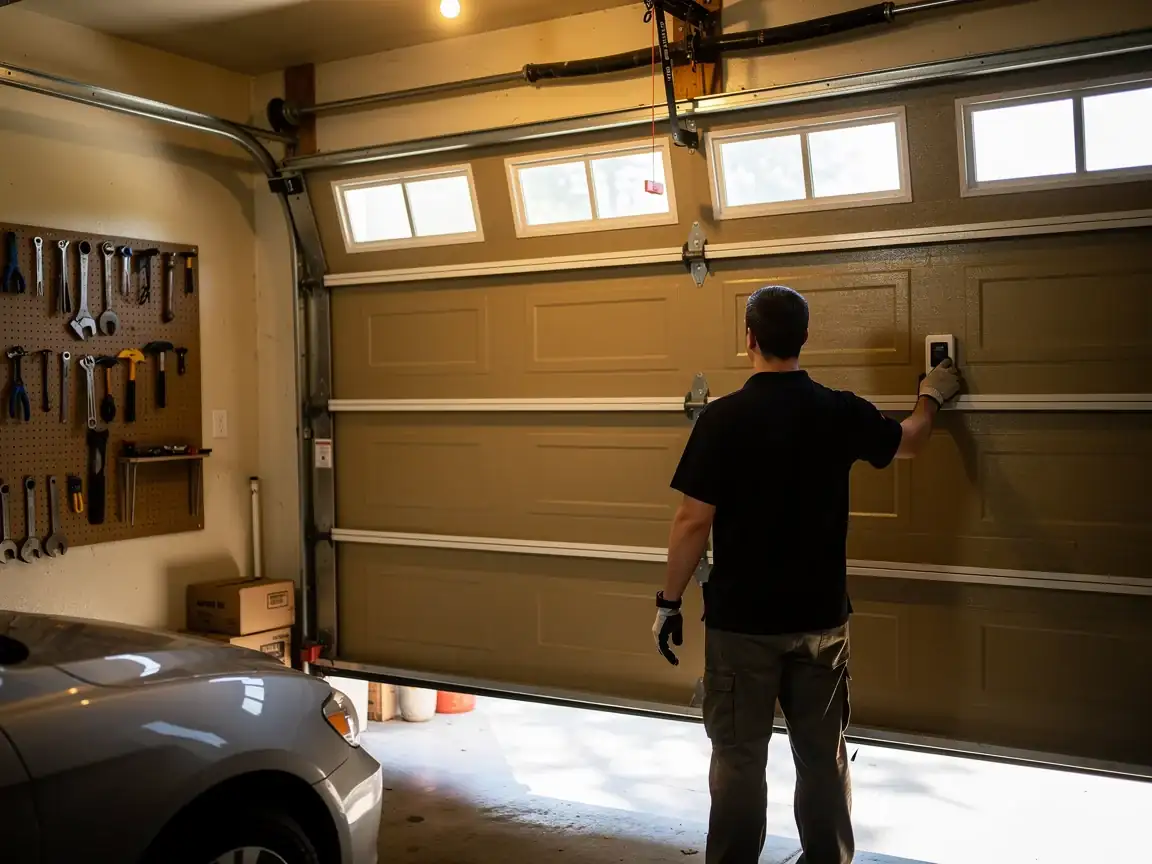
The first sign is noise. A door that used to run quiet starts squeaking on the way up, then grinding, then banging at the top of the curved track where a bad roller jumps instead of rolls through. Some owners notice the door shaking side to side as it travels, especially on wider double doors where two tracks have to stay in sync.
Another pattern: the door works fine in warm weather, then starts sticking or grinding once temperatures drop. That's not your imagination. In a cold-moderate climate like this one, steel and old plastic rollers contract and lose a little clearance in the track, so a roller that was marginal in July can start binding in January. If you're hearing a hard scrape right where the vertical track bends into the horizontal section, that's almost always a roller and not a cable or spring problem - worth knowing before you call around pricing a full repair.
Why This Fails Locally
Two things stack up here. First, the age of the housing stock. With most homes in the service area built from 1959 through 2005 (median around 1996), a large share of garage doors are old enough that their original rollers are well past a normal service life, especially in houses that still have the factory steel rollers nobody thinks to upgrade until they fail.
Second, the climate band this area sits in - cold-moderate, with real temperature swings between seasons rather than steady heat or steady cold - puts rollers through more expansion and contraction cycles each year than they'd see in a milder or more stable climate. That cycling is what cracks nylon tires and loosens bearing stems over time. It's a slow failure, which is why most owners don't notice until the door is loud enough to hear from the driveway. With 17,817 owner-occupied houses in the service area, this is a steady, predictable repair, not a rare one.
Doing It Yourself
Swapping a single roller is within reach for a lot of owners if the door is disconnected from the opener and you're working with the door down and the spring left alone
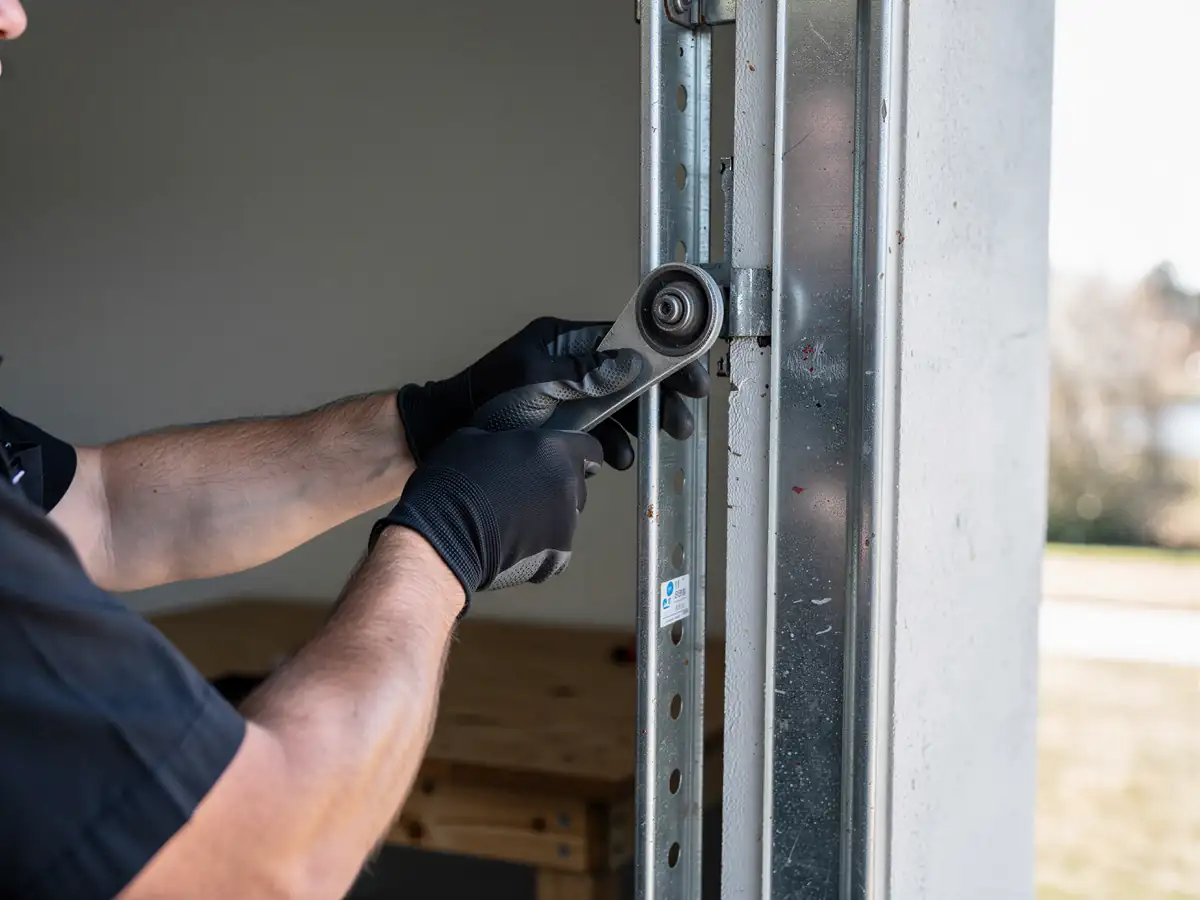
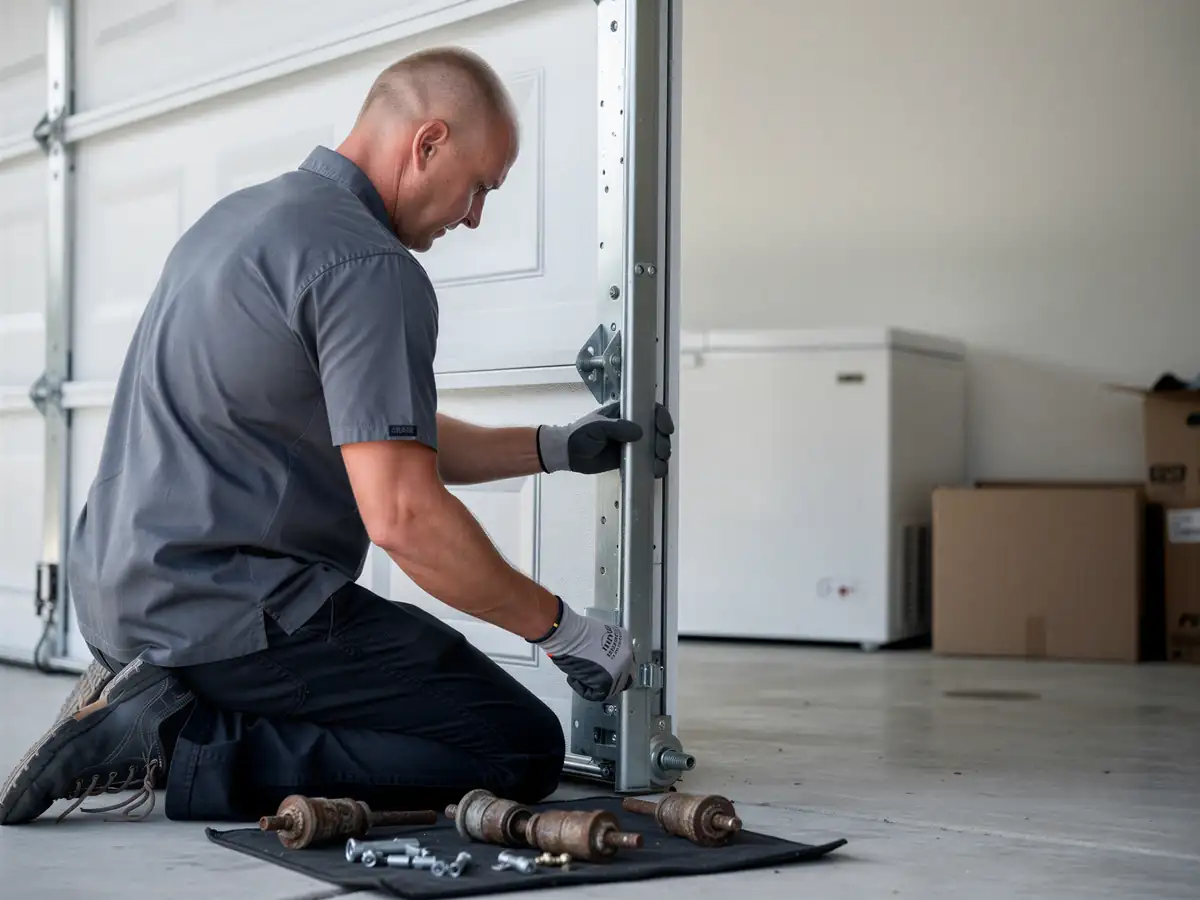
Rollers don't require touching the torsion spring on most setups. A nylon roller with a sealed bearing costs little and the job is mostly patience: pull the old roller stem out of its bracket, slide the new one in, repeat down both tracks.
What we don't recommend doing yourself
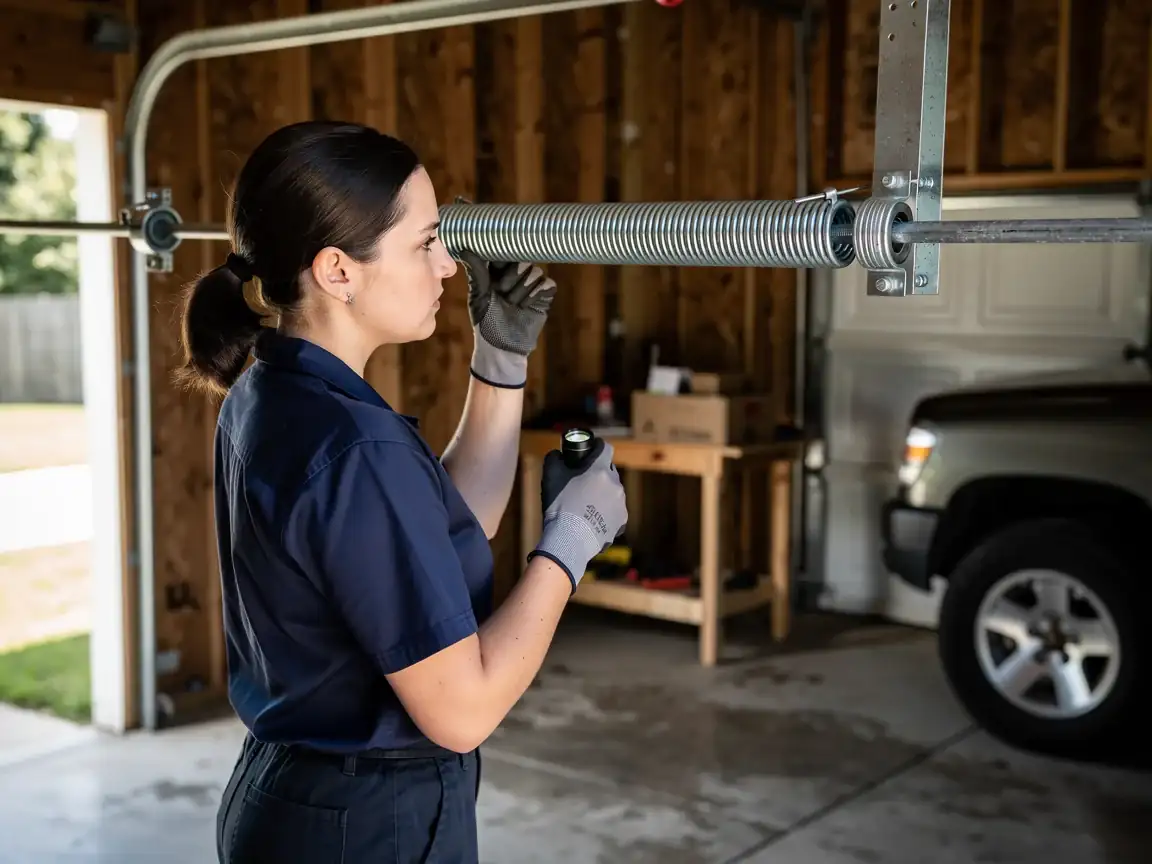
Replacing a roller on the top panel near a high-tension spring, or working on a door where more than two or three rollers have failed at once, since that usually means the track itself is bent and needs to be checked before new rollers will even seat right. If the door is binding badly or won't stay in track, that's a call, not a weekend project.