Fixing Garage Door Openers in Mooresville's Older Housing Stock
Opener repair for Mooresville-area homes built 1959-2005, where cold winters strain gear-driven openers installed decades ago on original garage hardware.
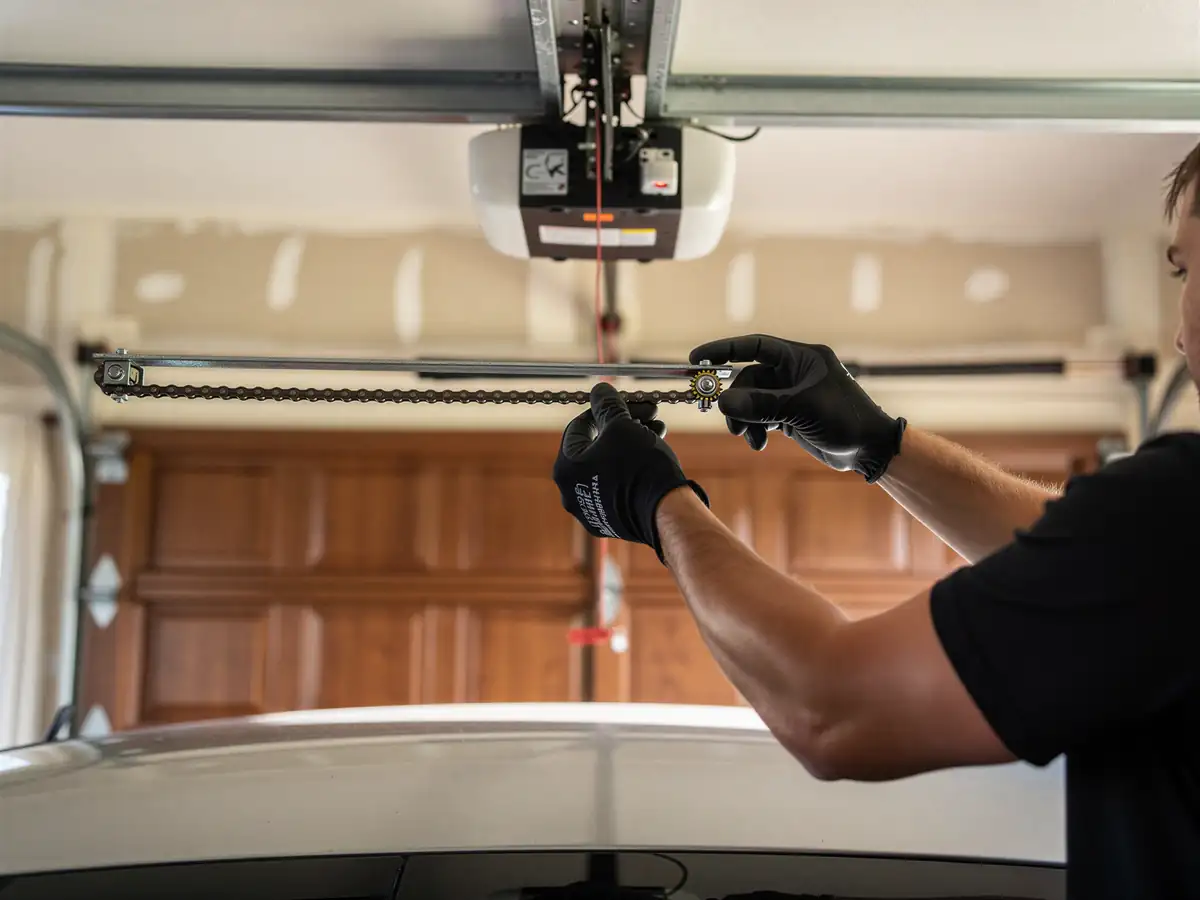
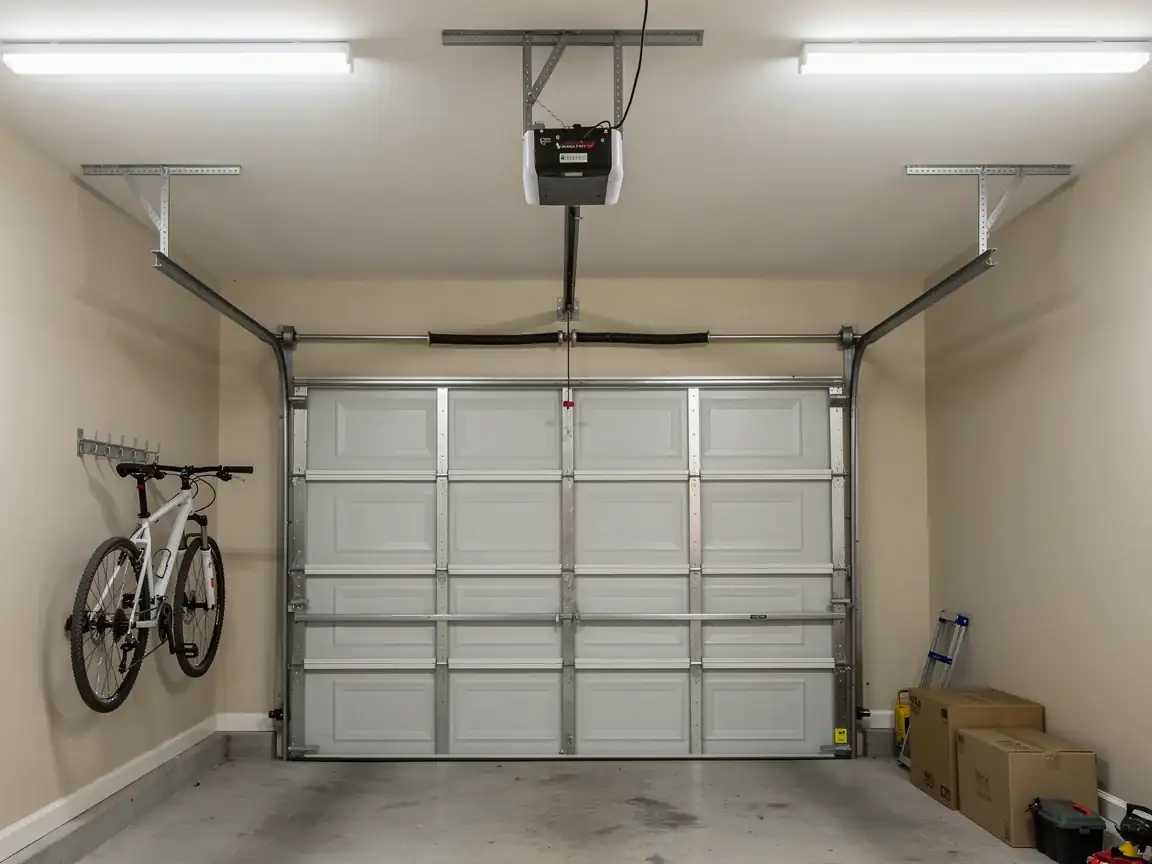
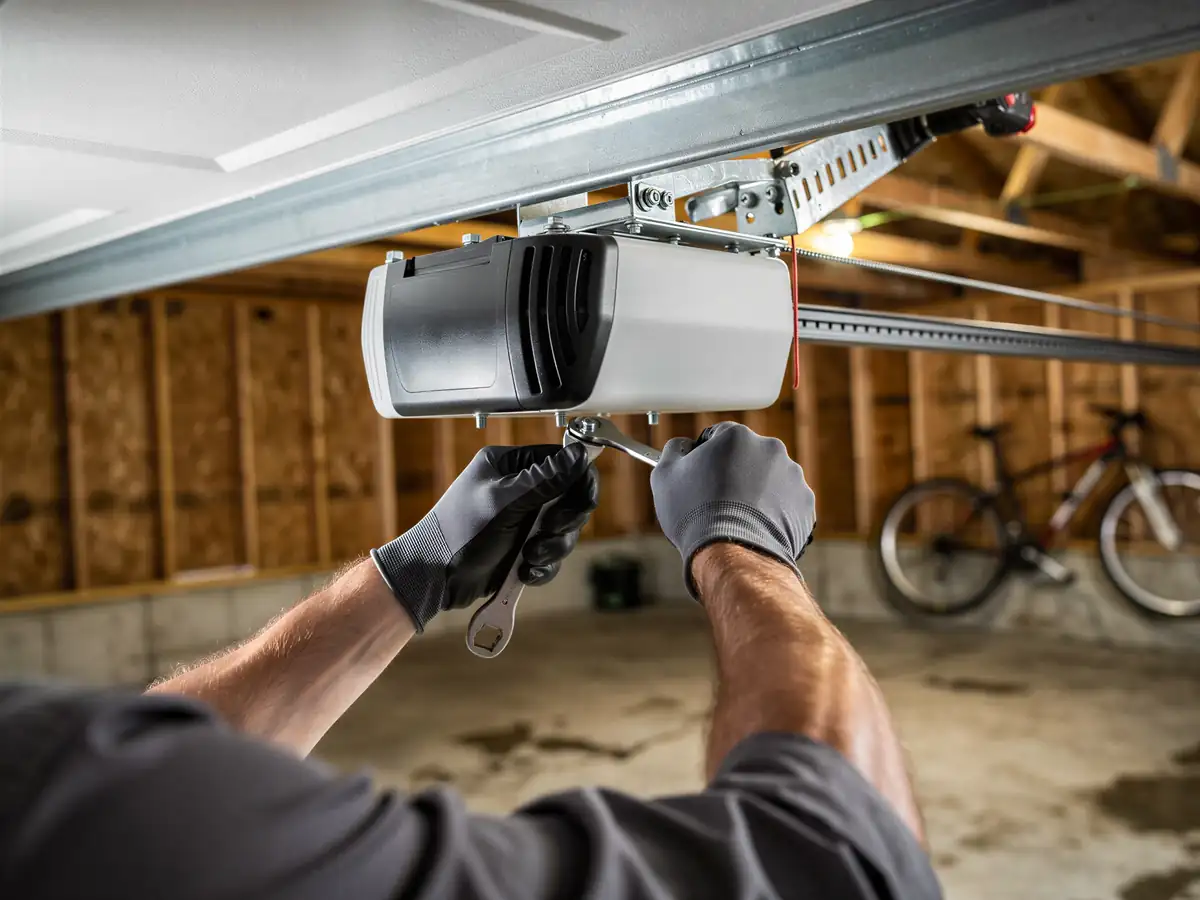
Most of the houses we work on here went up between 1959 and 2005, with the typical build year sitting around 1996. That means a lot of garage openers are still the original builder-grade units - chain-driven, steel logic board, the kind that came standard across the eleven areas we cover when 1980s and 90s construction dominated. On units that old, the failure points are predictable: the capacitor that kicks the motor over weakens and the opener hums without lifting the door, the drive gear (usually nylon) strips after enough freeze-thaw cycles, and the logic board itself corrodes at the solder joints where humidity gets in through the housing vents. Safety sensor wiring on units this age is often the original stranded copper, and it cracks at the staple points after twenty-plus years of garage temperature swings. None of this is exotic. It's just what happens to a mechanical and electrical assembly that's been doing the same job, in the same unheated garage, since before smartphones existed. The opener itself may be fine; it's the board, the gear, or the capacitor that's actually dead, and telling those apart from the driveway is most of the job.
How It Shows Up
The most common call is an opener that runs - motor hums, light comes on - but the door doesn't move or only jerks a few inches. That's almost always a stripped drive gear, not a motor problem, and it's a cheap part if the rest of the unit is sound. Next most common: the wall button does nothing but the remote still works, which points at a dead or miswired button rather than the opener itself. A board going bad tends to show up as random behavior - the opener reverses halfway down for no reason, or the travel limits drift so the door stops short one day and overshoots the next. Clicking with no movement at all, especially after a cold snap, usually means a capacitor that's lost enough capacitance to start the motor under load but not enough to actually drive it. Blinking opener lights are the unit's own error code and are worth checking before anyone comes out, since the pattern often tells us the part before we open the housing.
Why This Fails Locally
This area's housing is concentrated in a fairly narrow band - mostly built from 1959 through 2005, with the median landing around 1996 and the bulk of it dated to 1980s and 90s construction across the eleven neighborhoods we service. That means a huge share of the openers in this service area are the same generation of equipment, aging out at roughly the same rate. Add the climate here, which runs cold and moderate rather than mild year-round, and you get real freeze-thaw cycling on an unheated garage ceiling - the exact condition that corrodes logic board contacts and dries out capacitor paste faster than a warmer climate would. With 17,817 owner-occupied houses among 32,664 households across the area, that's a lot of garages running original equipment nobody has opened up since it was installed. At a median household income of $73,393, most owners we talk to are weighing a straight replacement against sinking money into parts for a board the manufacturer stopped making years ago - and for units this old, replacement usually wins on the math, not just convenience.
Doing It Yourself
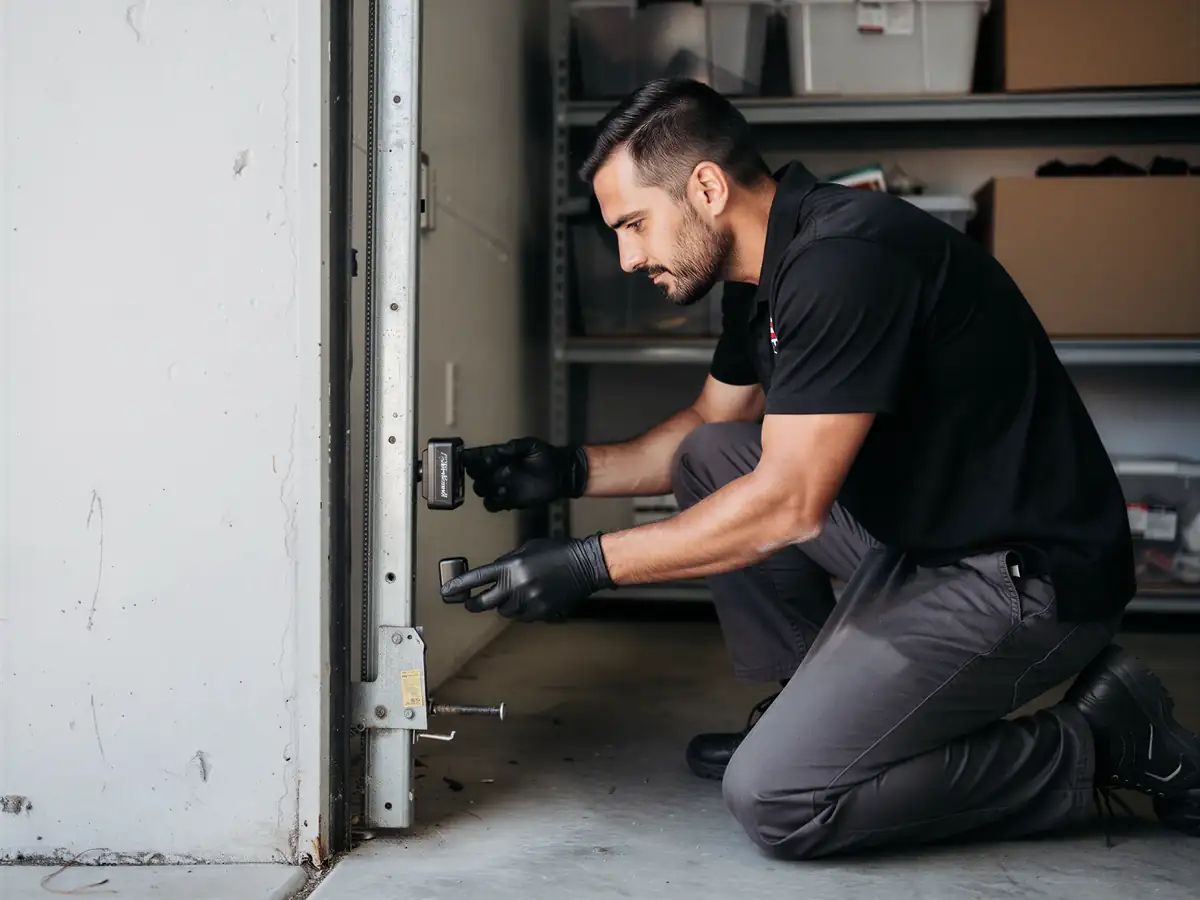
Some of this is genuinely safe to check before you call anyone. Clean the eye sensors at the bottom of the track - a cobweb or a film of garage dust is enough to make a unit refuse to close. Check that the wall button has power and the wire hasn't pulled loose at the terminal. If the remote works but the wall button doesn't, that's a wiring issue you can often trace yourself. Reprogramming a remote or keypad is usually a documented button sequence in the manual, nothing we need a truck for. Where we draw the line: once you're inside the opener housing - testing a capacitor, pulling a logic board, replacing a drive gear under spring tension from the trolley - that's where a mistake either doesn't fix anything or hurts you. And here's the honest limitation: boards for some of the older builder-grade openers in this area simply aren't stocked anymore by anyone, us included, and the straight answer on those is a new opener rather than a chased-down part.
How it works
From “it’s stuck” to “it’s fixed”
01
Tell us what’s wrong
Describe the symptom - won’t open, loud bang, opener runs but the door won’t move.
02
On-site diagnosis
A technician tests the door under power and by hand and finds what actually failed.
03
Clear, up-front plan
You get the fix that’s needed and what drives the cost - before any work starts.
04
Repaired & tested
The repair is done, the door is set true and tested, and the work area left clean.
Not sure which repair your door needs in Mooresville, NC? Describe what it’s doing - every job starts with a diagnosis.
On the older units common in this area, that's almost always a weak start capacitor or a stripped drive gear, not a dead motor. The motor has enough power to turn and make noise but not enough torque reaching the door to actually lift it. Both are generally repairable without replacing the whole opener.
Is it worth repairing an opener from the 1990s?
Depends what's failed. A gear or capacitor, yes, that's a quick fix on a unit that's otherwise sound. A corroded logic board on a model nobody makes parts for anymore, usually no - replacement costs about the same as chasing a part that might not exist.
Why does my opener act up more in winter?
This area sees real cold-moderate swings, and an unheated garage ceiling takes the brunt of it. Capacitors lose capacitance faster in cold, and corroded board contacts that were marginal in summer often fail outright once temperatures drop.
Can I replace the opener myself?
Mechanically it's possible, but the drive gear and trolley work under spring tension, and getting the travel limits and force settings wrong leaves you with a door that doesn't reverse properly on an obstruction. That's a safety issue, not just a convenience one.
Ready to get your garage door sorted?
Tell us what it’s doing and where you are in Mooresville - we’ll take it from there.