What Can Go Wrong
An opener installation goes wrong in a handful of predictable ways
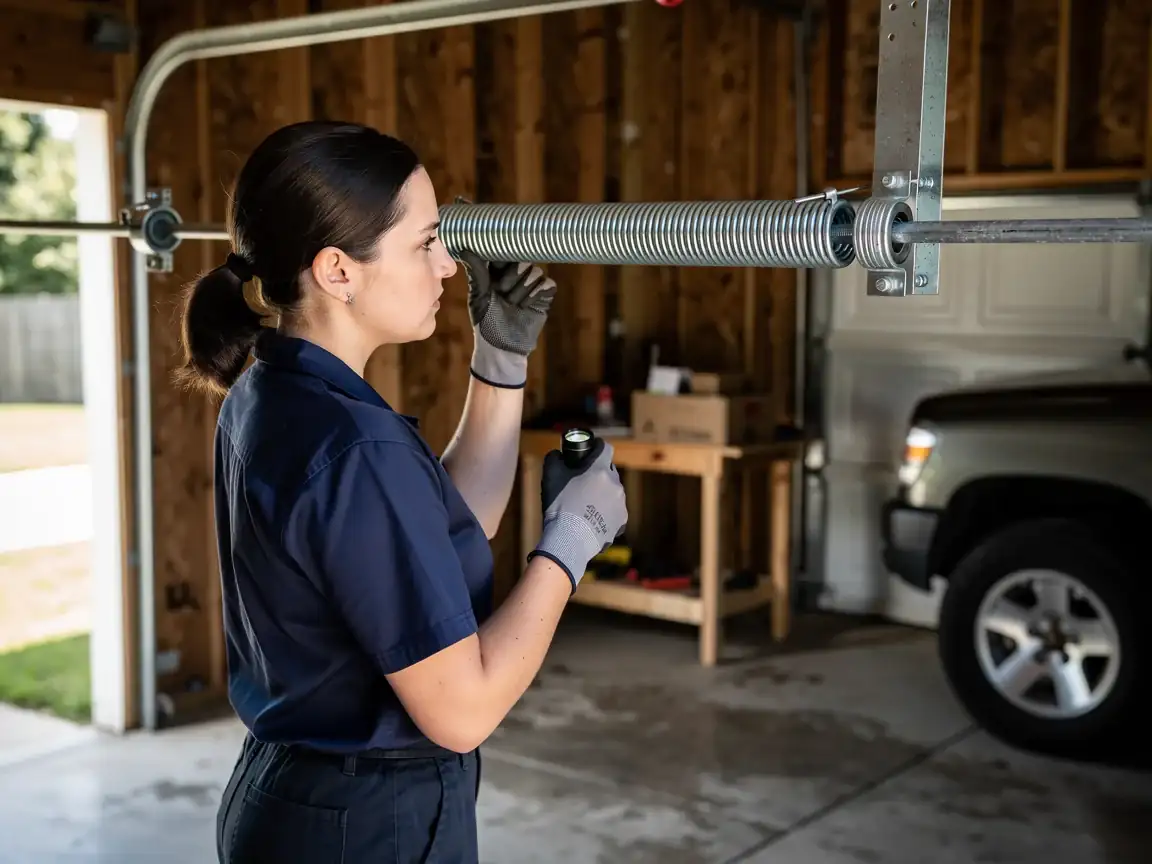
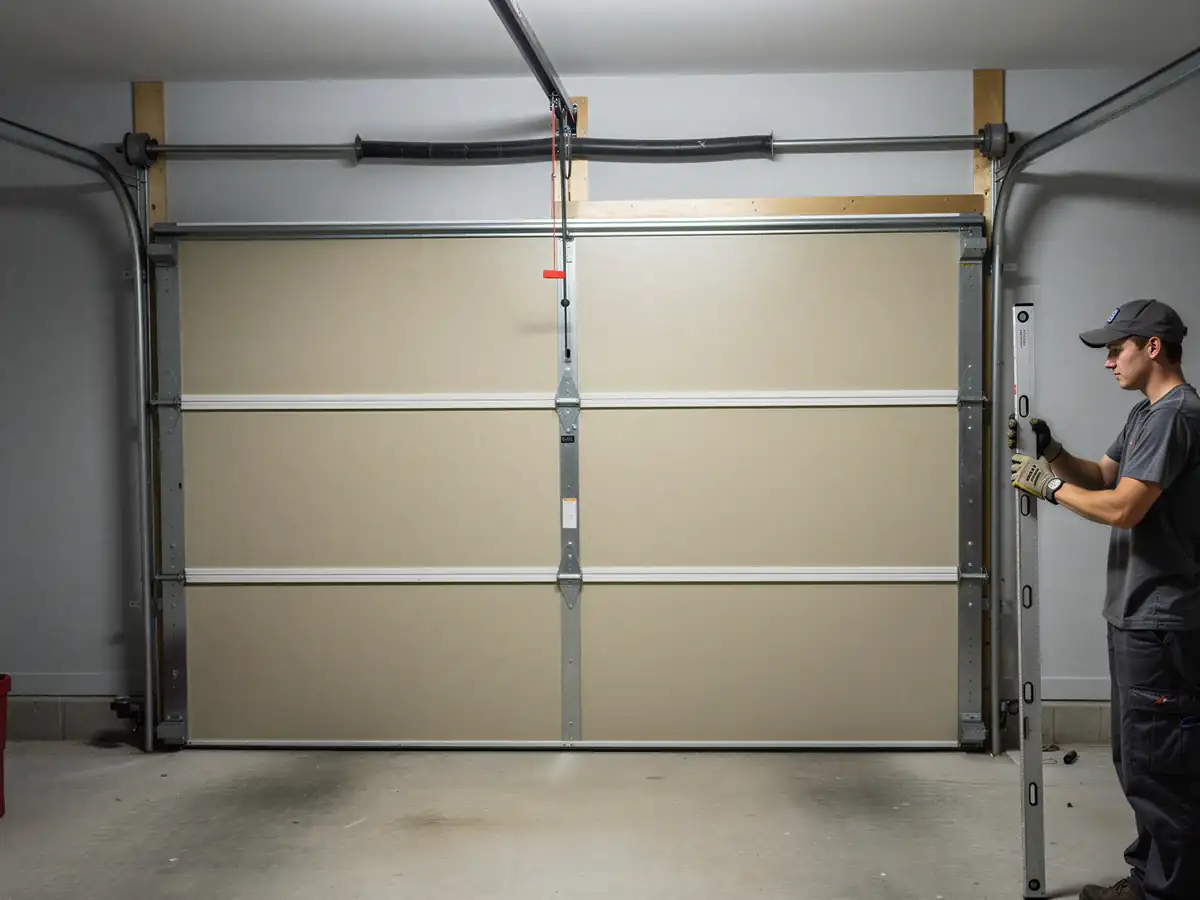
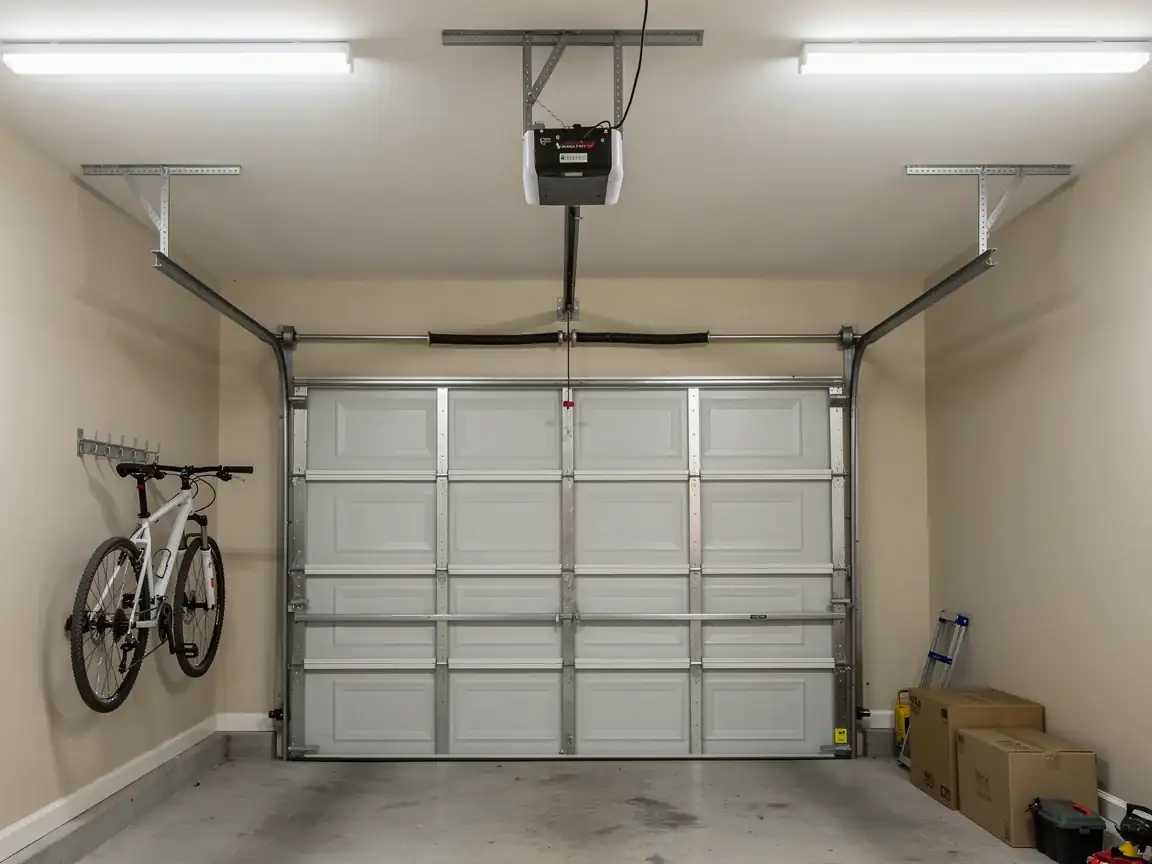
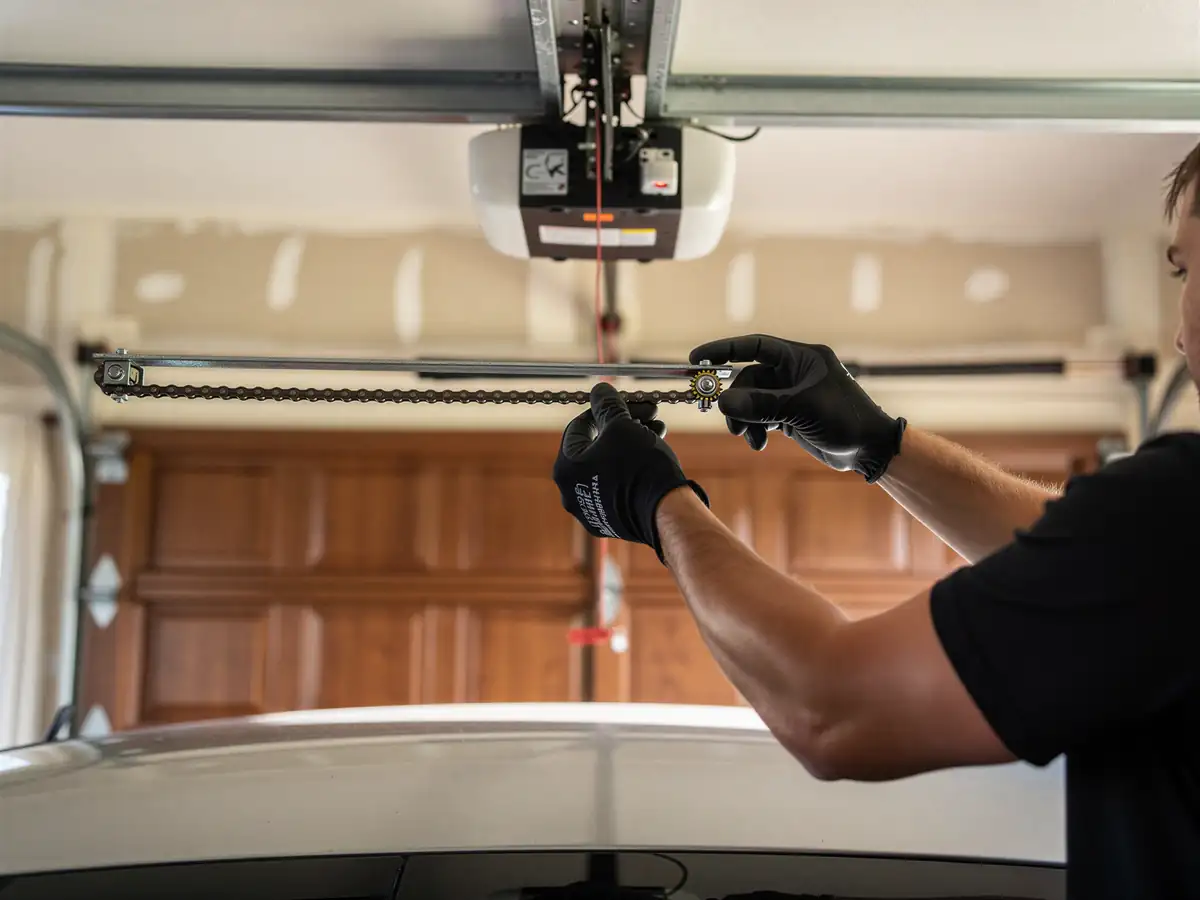
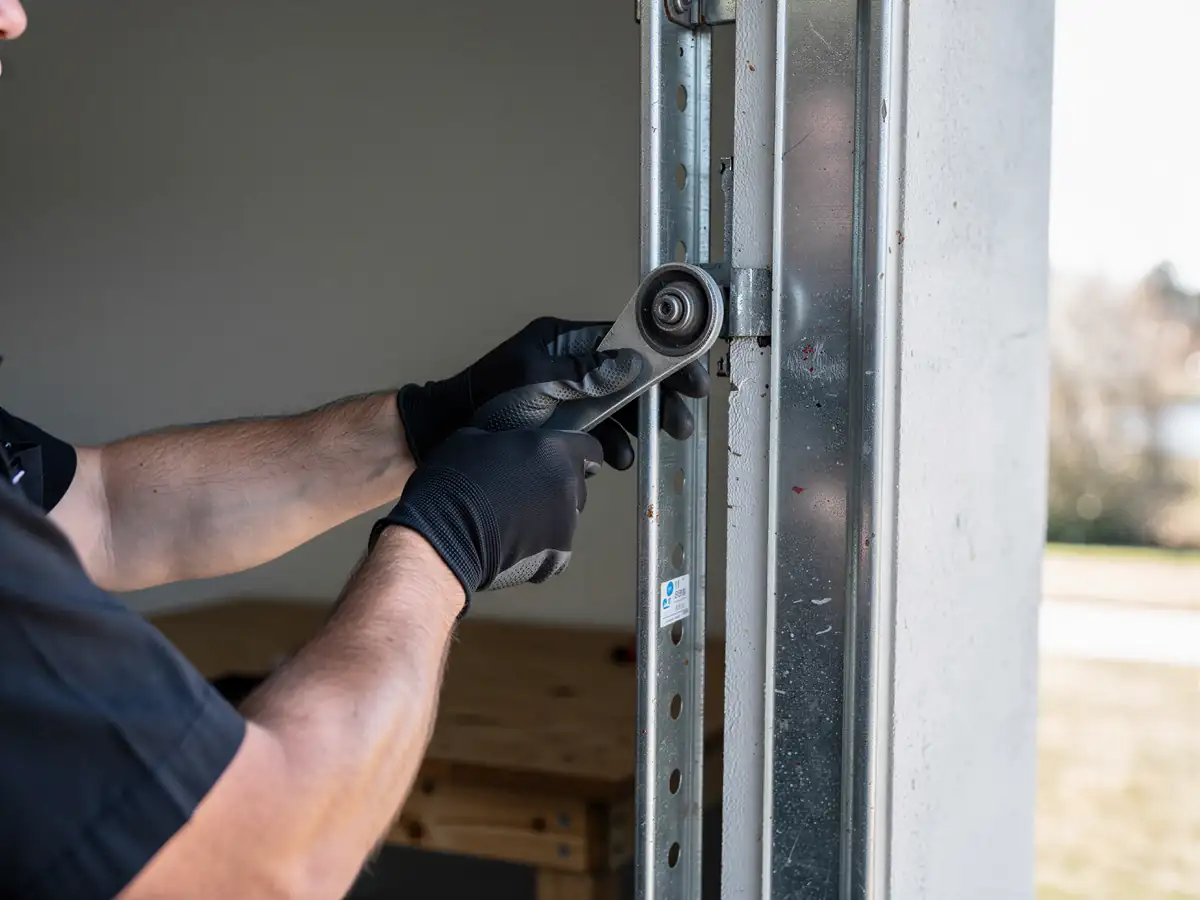
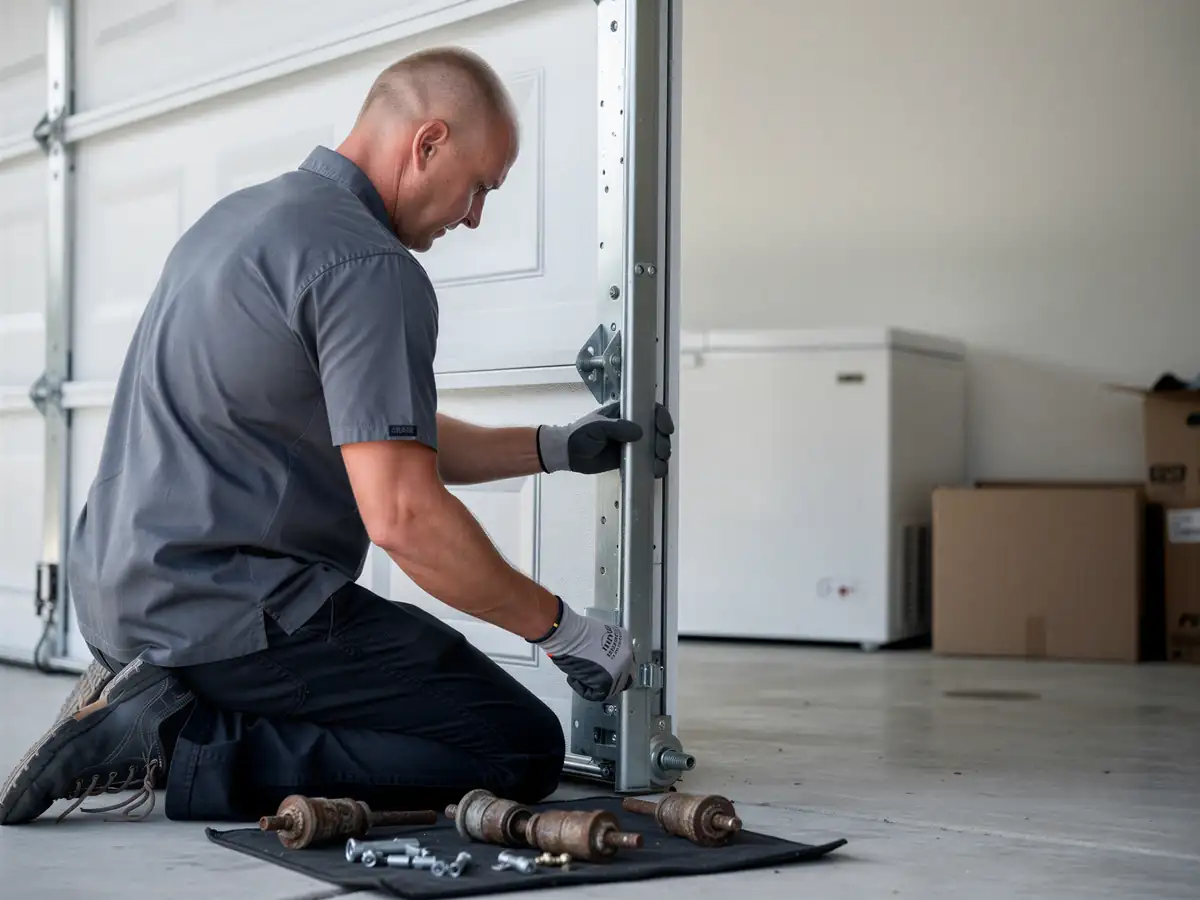
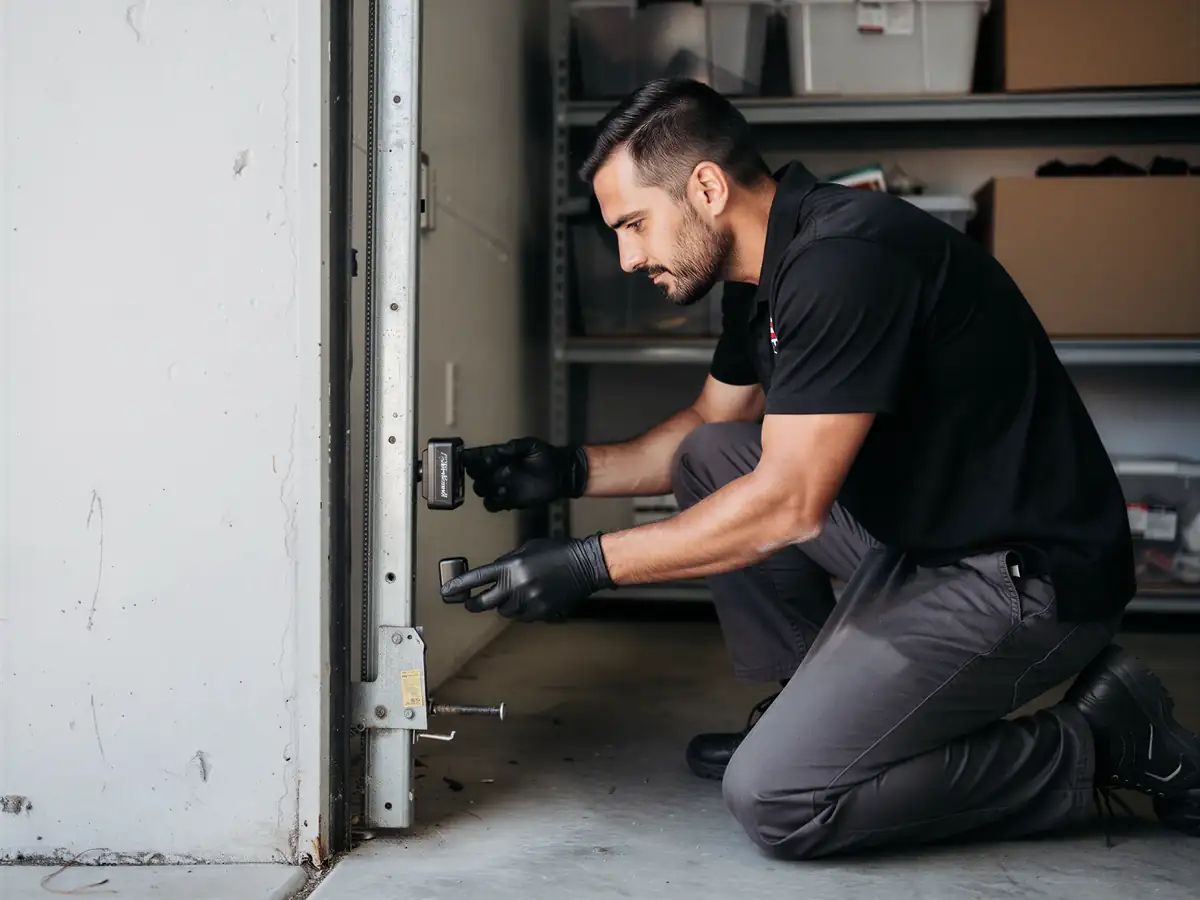
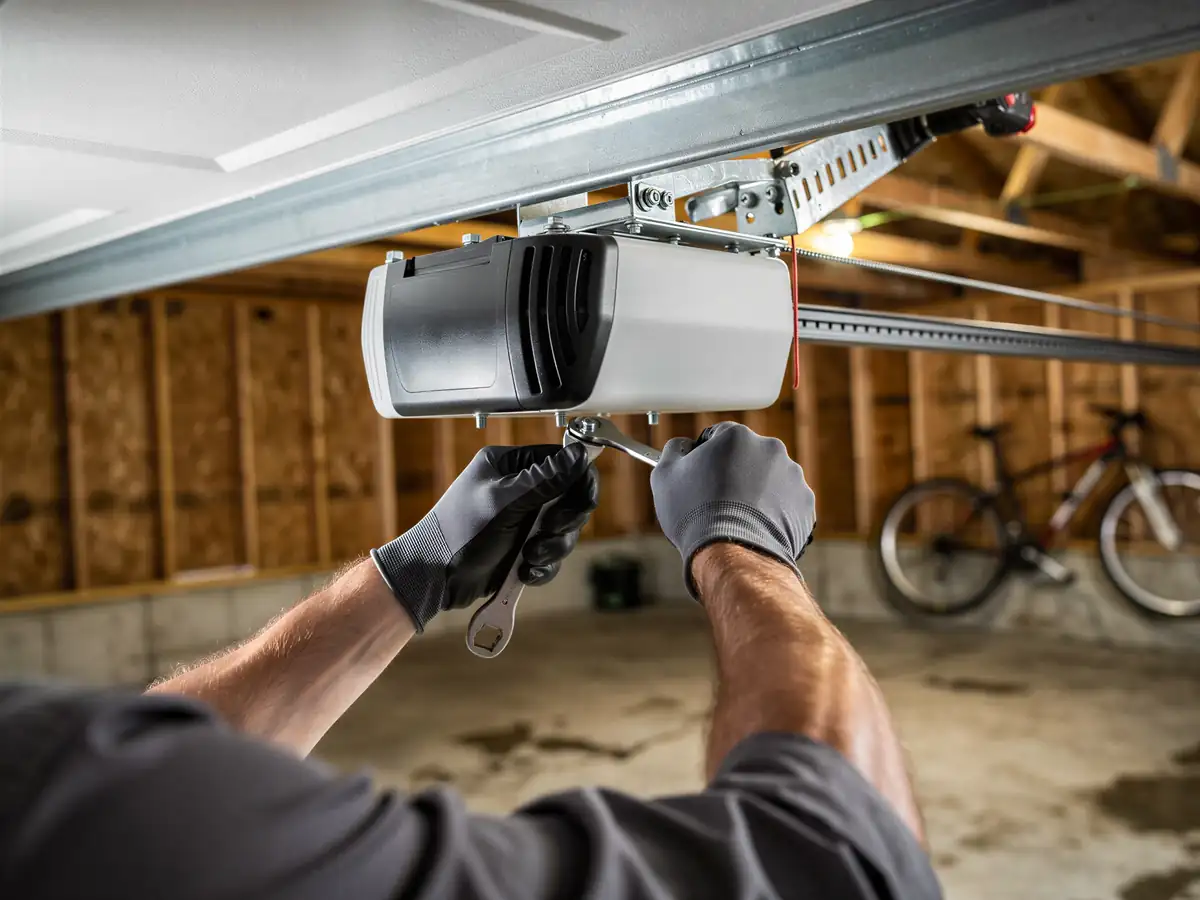
And almost none of them are the motor itself. The wrong horsepower for the door's weight leaves a chain-drive unit straining every cycle, which burns out the gear and capacitor years early. A mismatched rail length or bracket kit gets forced to fit instead of ordered to fit, so the carriage binds. Safety sensors get mounted at the wrong height or aimed past each other, which either trips false reversals or, worse, disables the reverse function the first time a kid's bike is in the way. And on older torsion systems, a new opener gets bolted to a spring setup that was already undersized, so the opener does the spring's job and fails within a season.
We also see openers installed without a dedicated outlet or surge protection
Which matters more here than people think given how often this area's grid takes a hit during winter ice. None of this is exotic. It's installer shortcuts and parts mismatches, and it shows up as a callback six months to two years later, not on day one.
How It Shows Up
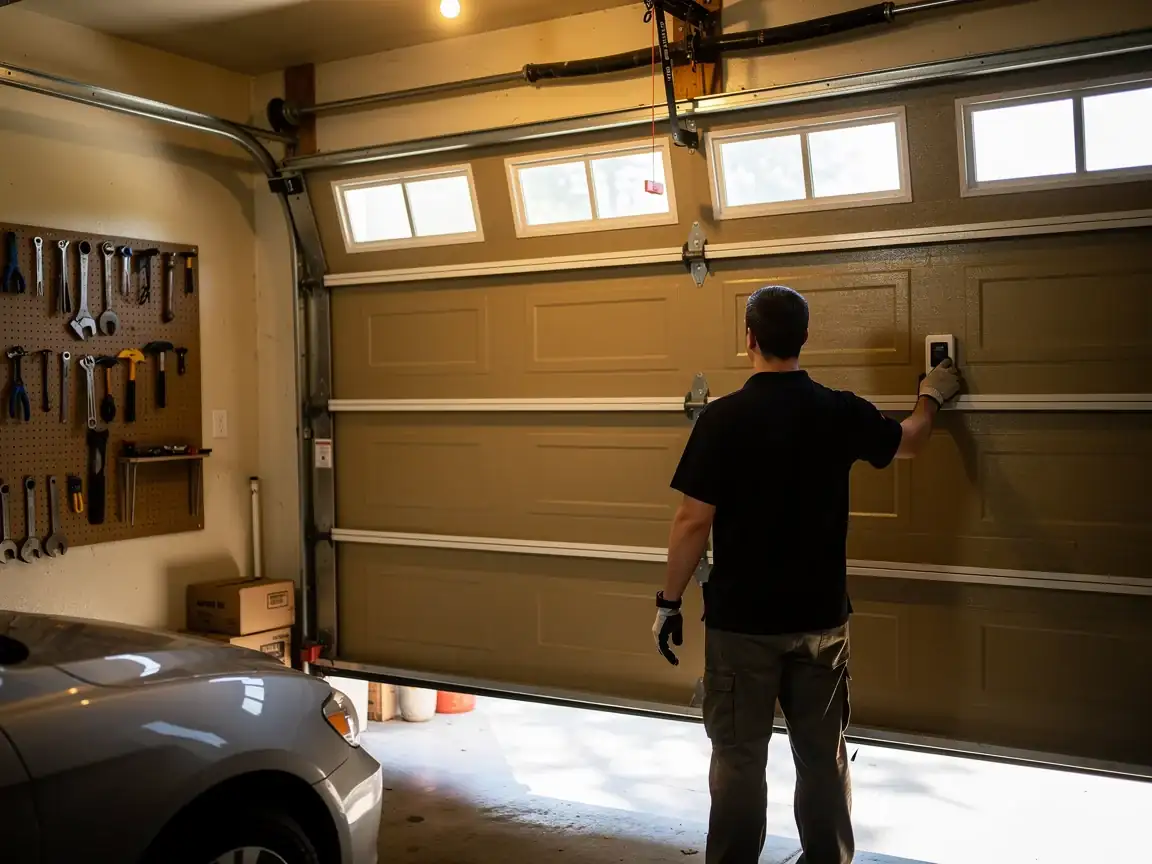
The first sign is usually noise - a new opener that grinds, hums longer than it should before the door moves, or clicks on the way down. Next comes delay: you hit the remote and there's a half-second lag before the motor engages, which means the drive gear is already slipping. Some owners notice the door reverses for no reason, which is almost always a sensor alignment issue from install, not a defect in the unit. Others notice the opposite - the safety reversal doesn't trigger at all, which is the one you don't want to find out about by accident.
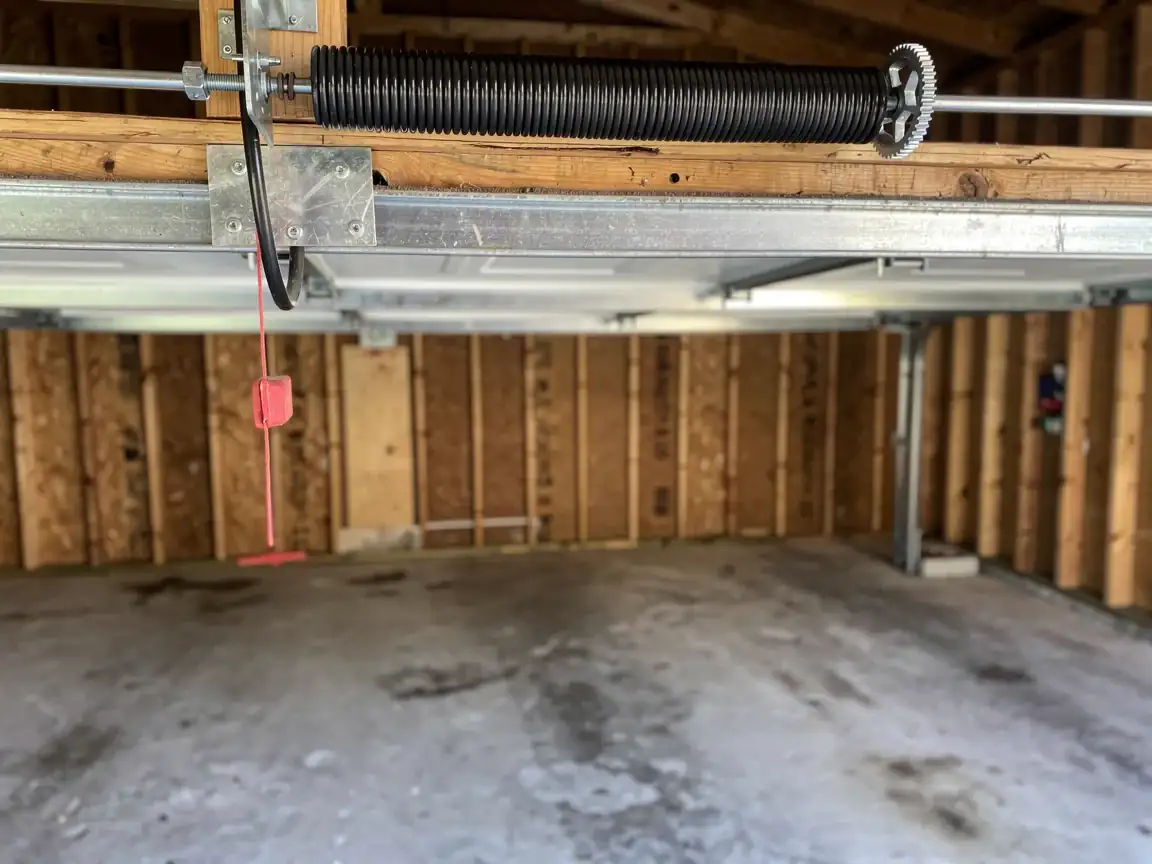
On a 1980s or 90s build, which covers most of the housing stock across this service area, the symptom often shows up as the opener working fine on mild days and struggling on the first real cold snap, because the original torsion spring was sized for a lighter door or a different climate assumption decades ago and the new opener is compensating for it.
Why This Fails Locally
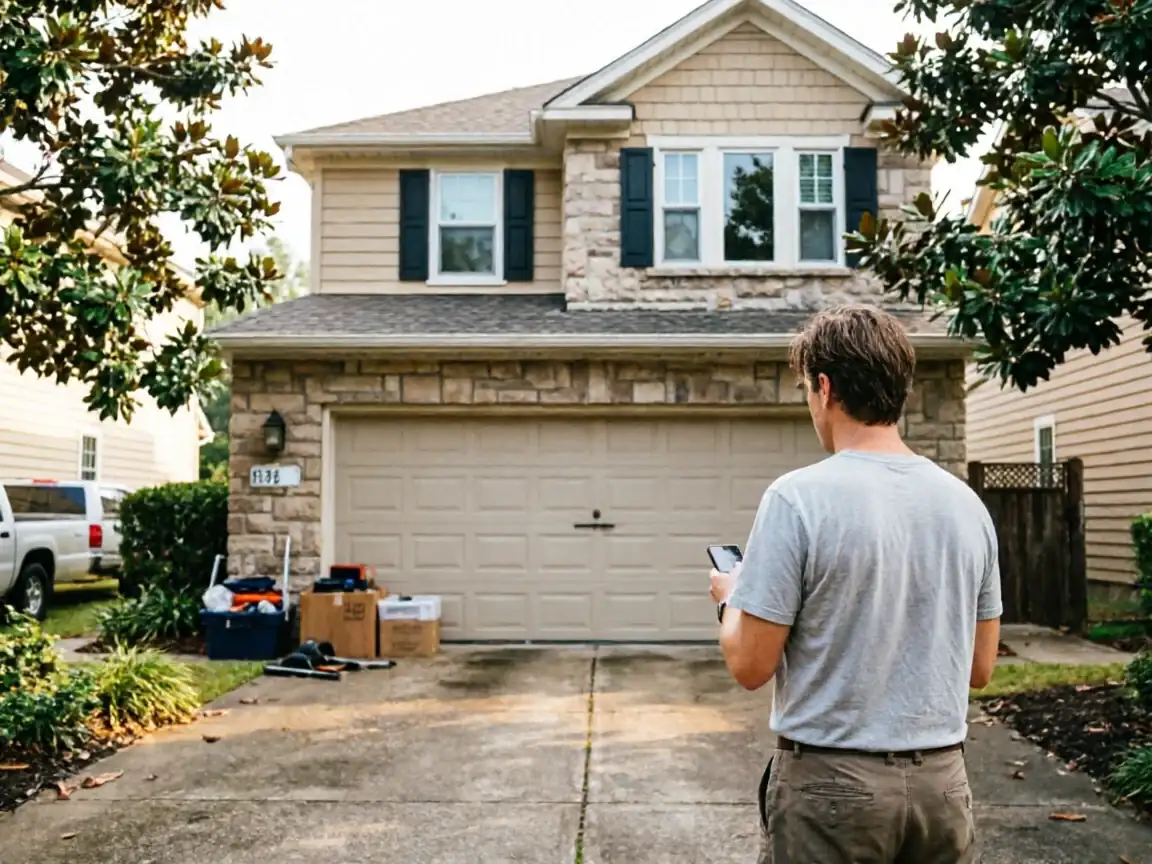
Housing across this area was built mostly between 1959 and 2005, with the bulk of it going up in the 1980s and 90s across the eleven communities we cover, from Davidson and Troutman in close to Denver, Catawba, and Salisbury further out. That generation of garage was built to a lighter-duty standard than what's sold today, and a lot of the original hardware - torsion springs, track gauge, header clearance - was sized for openers that weighed less and pulled less current than a modern unit with a battery backup and a camera.
The climate band here is cold-moderate, which means real freeze-thaw cycles each winter. Steel springs and cables stiffen in the cold, lubricant thickens, and an opener that's already working around a tired spring has to work harder exactly when cold-weakened metal is least able to help it. That combination - older torsion hardware plus a winter cold snap - is the single most common reason a newly installed opener fails early in this area, more than any defect in the unit itself.
Doing It Yourself
A lot of homeowners can mount a bracket and run a wire
And we're not going to pretend otherwise. Where DIY installs go sideways is the spring and cable work next to the opener - that's under real tension, and it's the part that sends people to the ER, not the motor mount. If your garage was built in the 1980s or 90s window that covers most of this area, there's a decent chance the torsion spring predates any opener you're installing new, and matching the two correctly isn't a guess you want to make from a parts-store chart.
Our honest limitation
We don't install openers on doors with springs or cables we haven't inspected first, because an opener on bad hardware is a comeback waiting to happen, and that's not a job we'll sign off on. If you've already got a sound door and just want the opener swapped, that's straightforward. If you're not sure which situation you're in, that's worth a look before you buy anything.