Garage door repair for Salisbury homes built around 1976, where a $51,058 median income makes the repair-or-replace call different than it does closer to Mooresville.
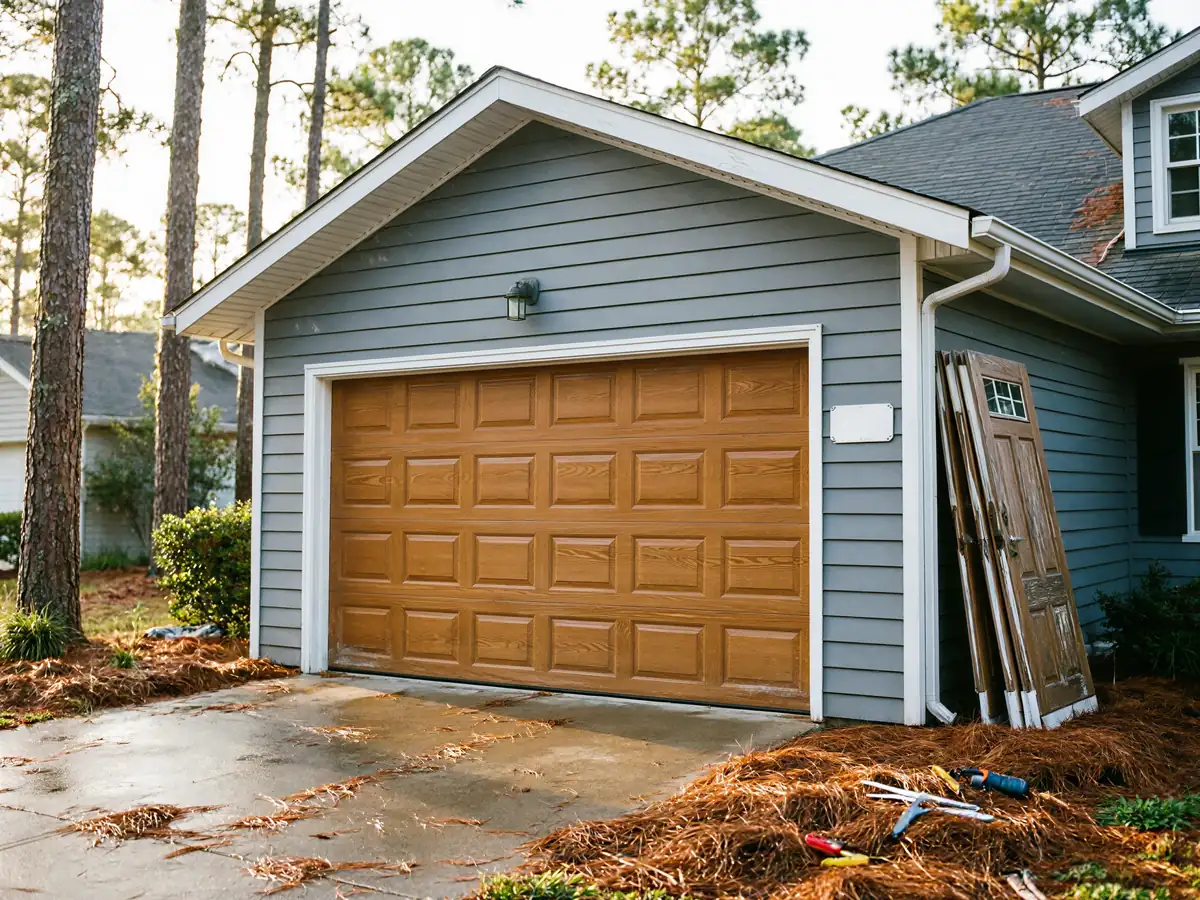
Salisbury sits about 20 miles from our shop in Mooresville, and we build the trip into the job - we're not running a second crew out of a depot here, so we schedule Salisbury calls in blocks rather than one-offs. The houses we see on these calls were mostly built around 1976, a decade before the rest of the service area's housing stock, which runs 1959 to 2005 with a median closer to 1996. That matters on the truck: a door from the mid-70s is more likely to still have its original galvanized track, a single torsion spring instead of a pair, and hinges that have never been swapped. Our approach is to fix what's fixable first. With a median household income of $51,058 here - noticeably below the $73,393 median across the wider area we cover - a full door-and-opener replacement is a bigger ask on a Salisbury budget than it is a few miles closer to Mooresville. So we spend more time on spring replacement, track realignment, and roller swaps than we do pitching new doors, unless the door itself is actually failing. We carry what a 1976-era door commonly needs on the truck. What we can't always carry is a match for decorative hardware or an odd panel width - those sometimes mean a short wait on a part.
Parts We Carry
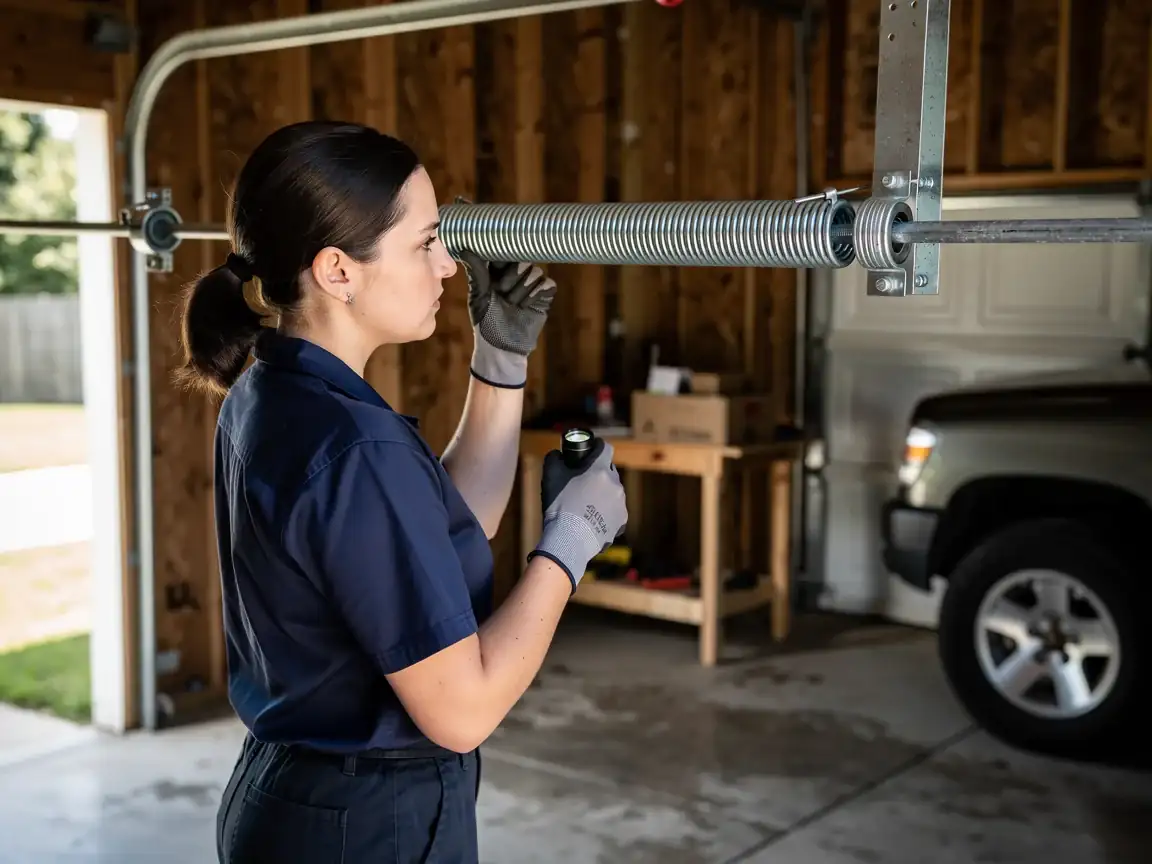
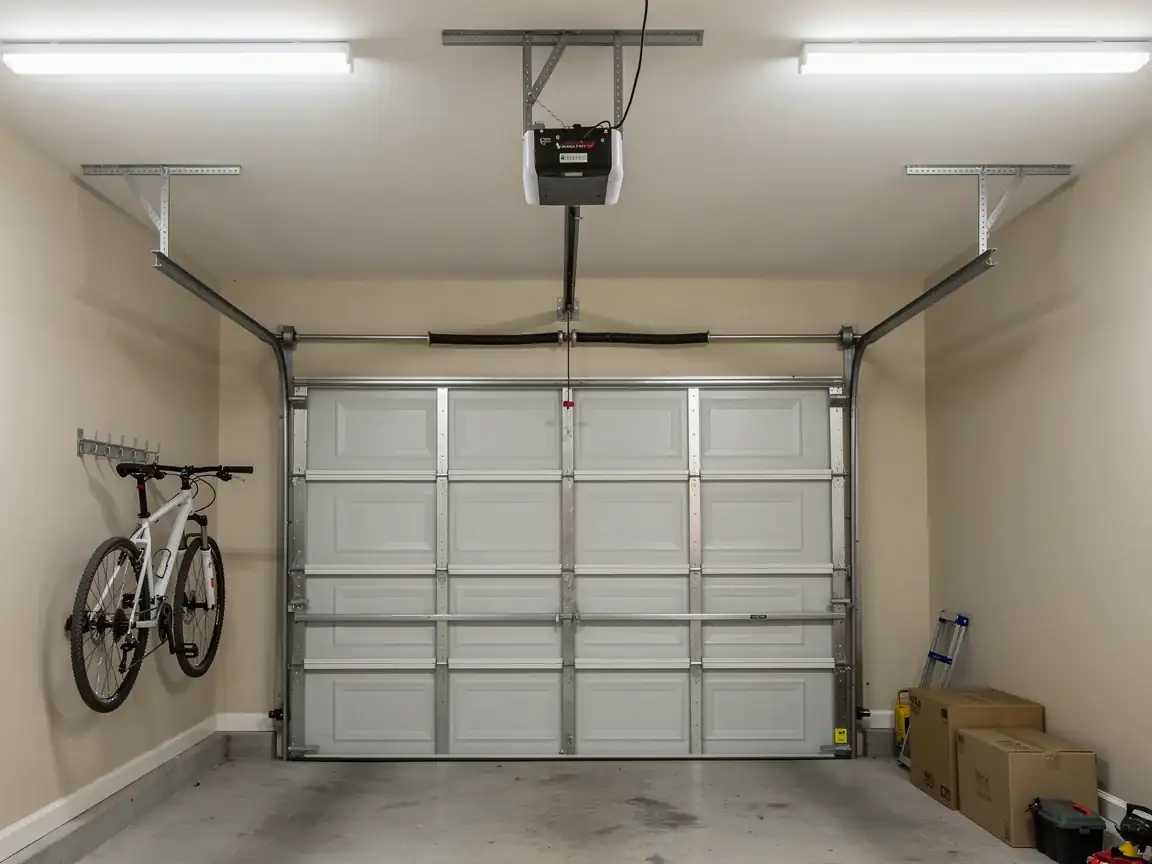
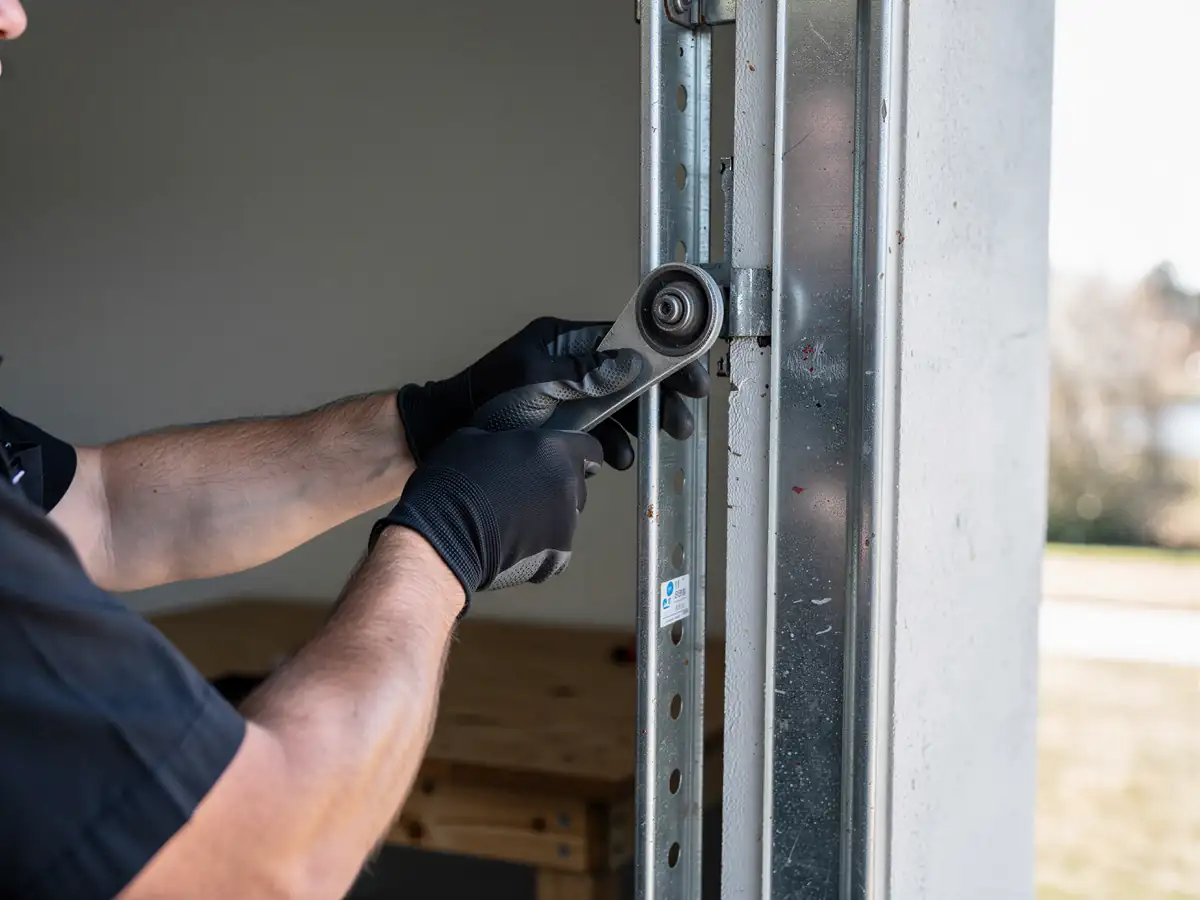
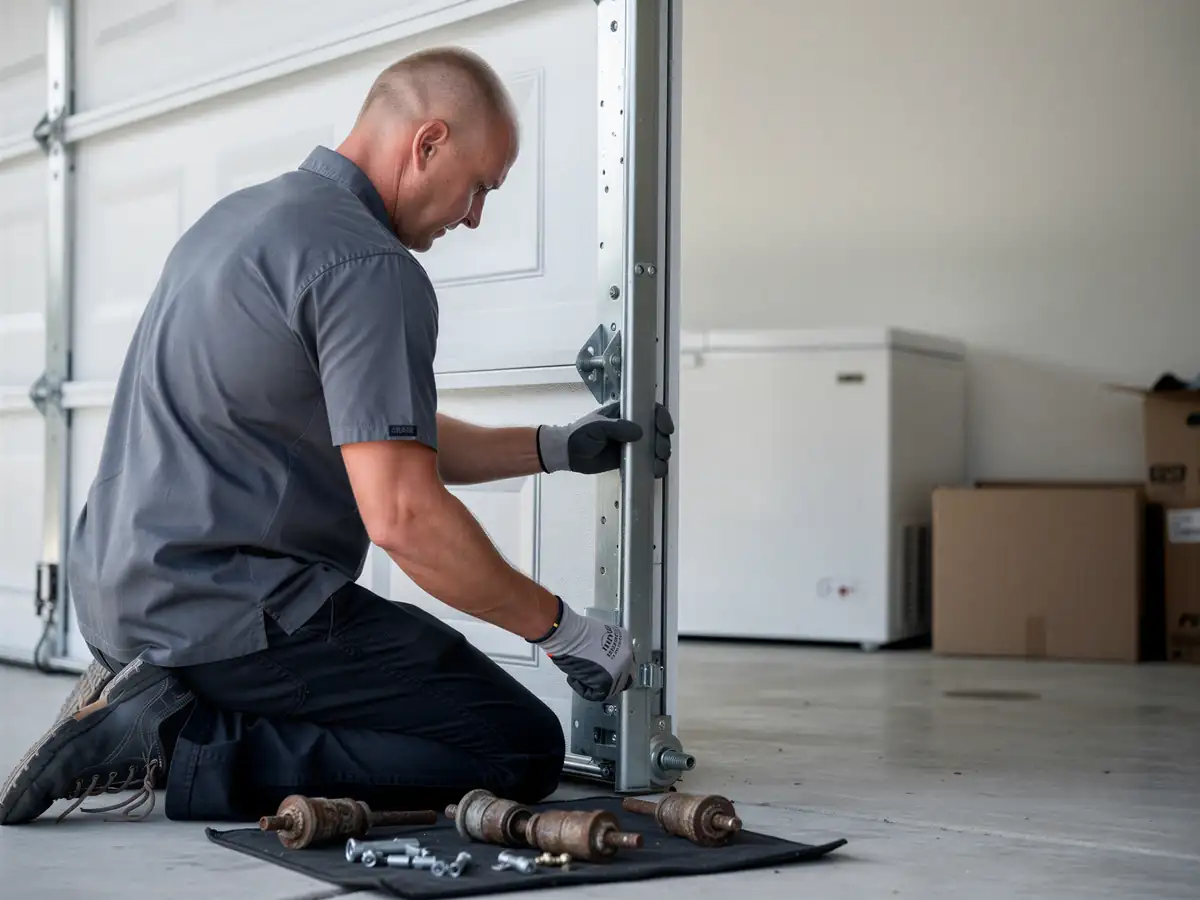
For a door built in the 1976 range, the parts that fail first are predictable: torsion springs sized for a lighter, single-layer steel door, extension spring pulleys that have worn grooves into themselves, and steel rollers that have outlived their nylon replacements twice over. We stock standard torsion springs and extension spring kits sized for these doors, plus the hinges and end bearing plates that wear out around the same time the springs do. What we don't keep on the truck is anything custom - a non-standard panel, a discontinued opener board, specialty glass inserts. If your door needs one of those, we'll tell you upfront that it's an order-in part rather than quote a same-visit fix we can't deliver. Given the income profile here, we also try to flag when a cheaper fix is the honest one: a worn roller set and a lubrication pass can often buy a door several more years rather than pushing straight to a spring-and-cable overhaul. We'd rather replace one part correctly than sell four parts you don't need yet.
Doing It Yourself
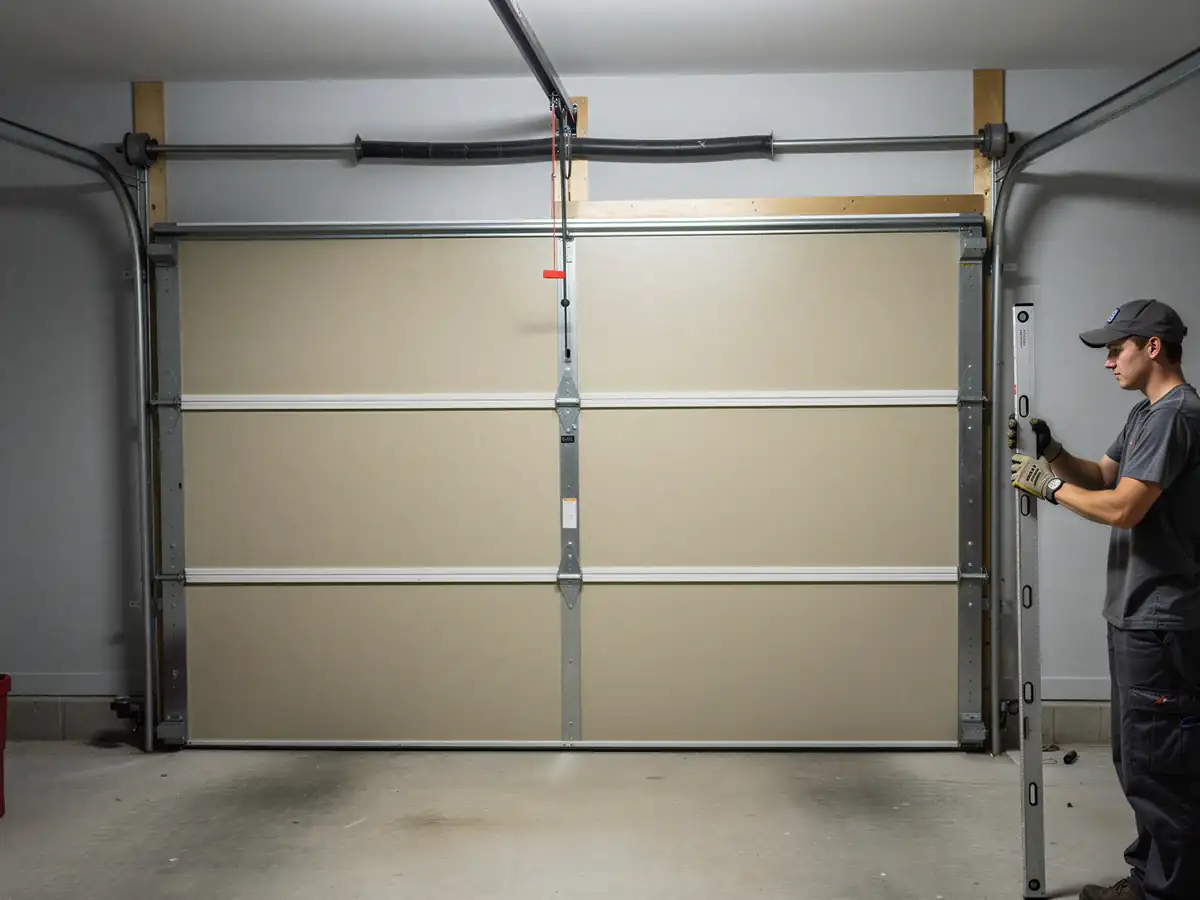
On a door from the 1976 era, there's a real limit to what's safe to handle yourself, and torsion springs are past that limit - they're under enough stored tension to cause serious injury, and that doesn't change because the door is older or simpler-looking. What you can check: the track for visible gaps or dents, especially near the bottom rollers where decades of wear tends to show up first; the weatherstripping along the bottom panel, since it dries out and cracks faster in a cold-moderate climate like this one; and the balance of the door itself. Disconnect the opener, lift the door halfway by hand, and let go - it should hold its position. If it drops or shoots up, a spring is losing tension and it's a call, not a DIY job. Given how far Salisbury sits from our base in Mooresville, we'd also rather you call once with a clear description of the problem than twice because a quick home fix made it worse. That's not a sales pitch - it's just the honest math on travel time for a return trip.
What Can Go Wrong
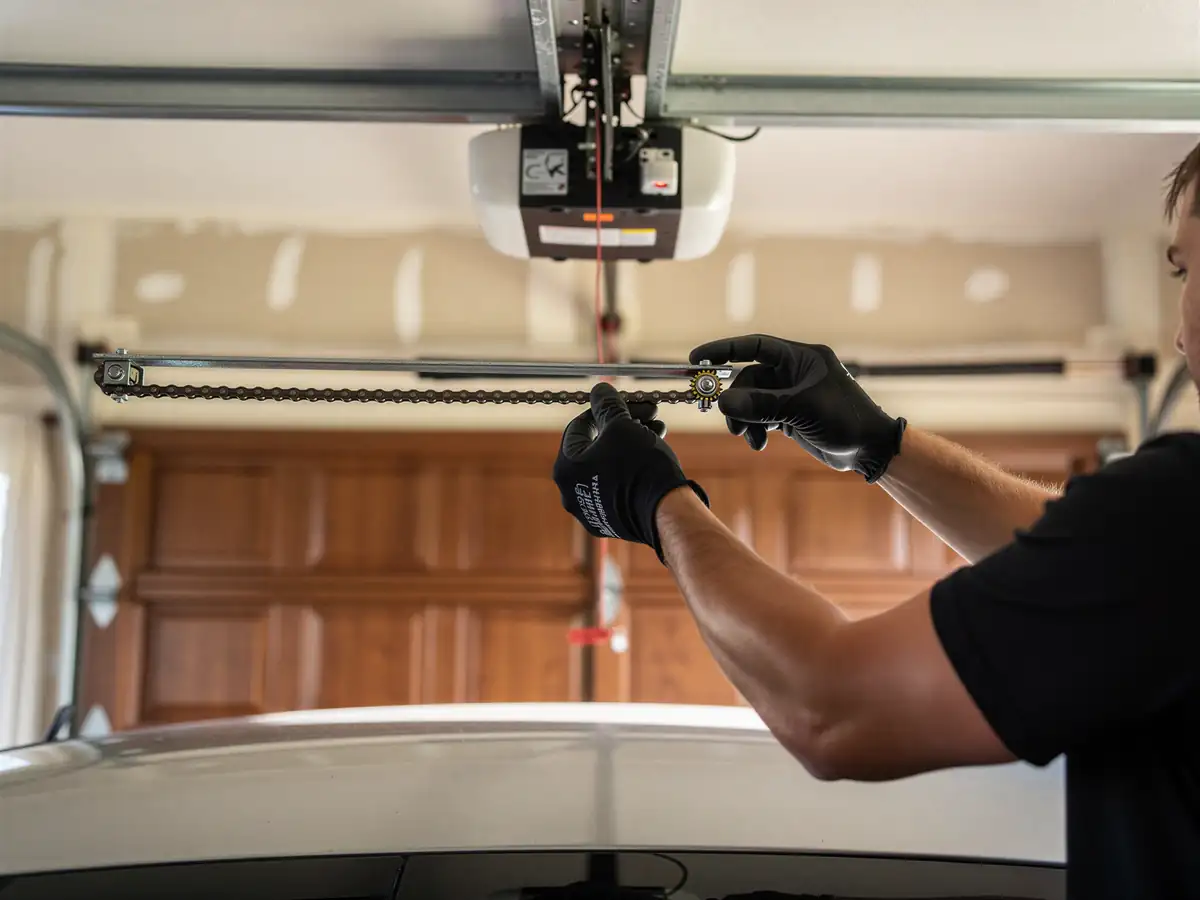
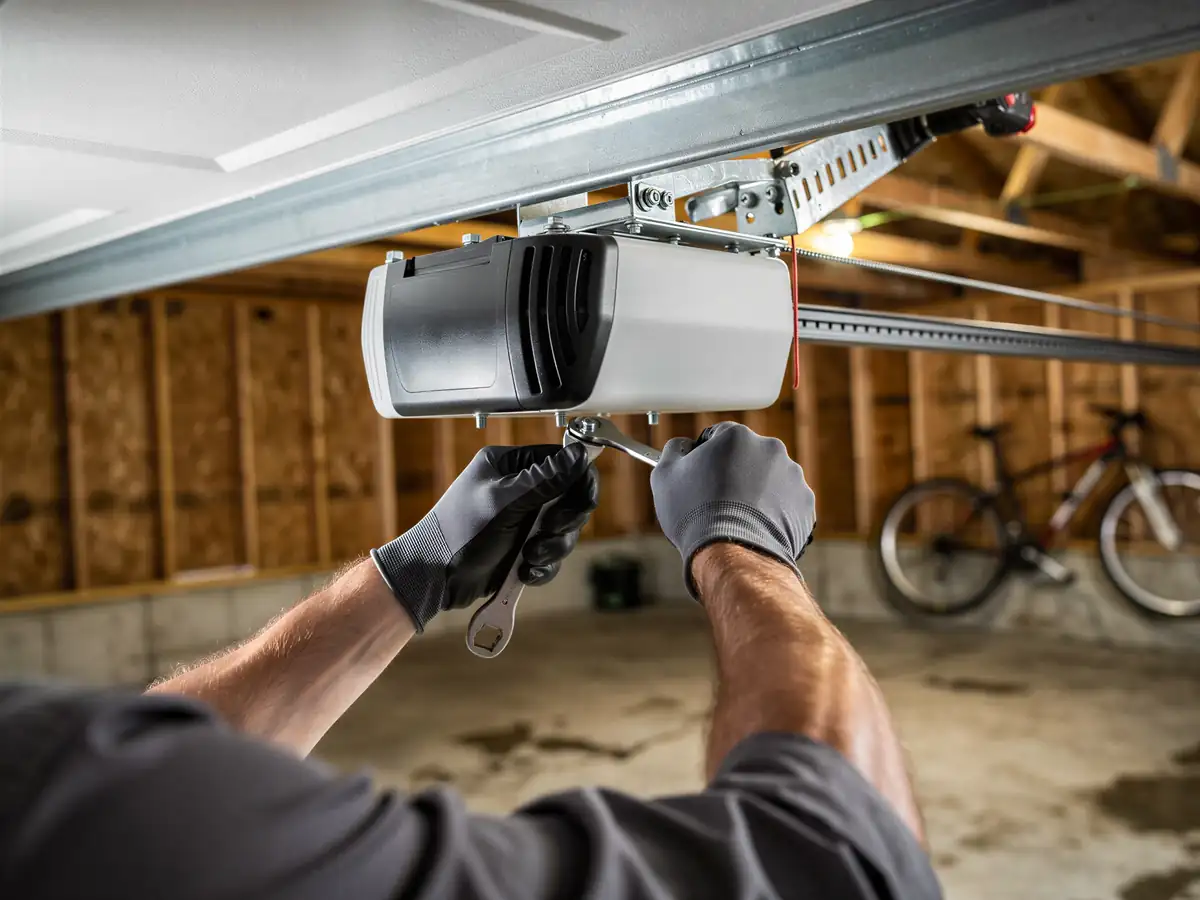
A door built around 1976 has usually been through forty-plus winters in a climate that swings cold enough to stiffen grease and crack dried-out seals. The most common failure we see on these calls is a torsion spring that's simply reached the end of its cycle count - it doesn't announce itself, it just lets go, usually on a cold morning when the steel is least forgiving. Right behind that is track misalignment from decades of settling, which shows up as a door that binds partway through its travel. Rust at the bottom bracket is more common here than on newer doors, since original hardware wasn't always galvanized to the standard used after the 1990s. We also see openers original to the house still limping along - not because they're built better, but because nobody's had a reason to replace them yet. None of this means every older door in Salisbury needs replacing. Most don't. It means the diagnosis takes a little longer, because the failure point on a 1976 door isn't always the same one you'd expect on a door built twenty years later.
How it works
From “it’s stuck” to “it’s fixed”
01
Tell us what’s wrong
Describe the symptom - won’t open, loud bang, opener runs but the door won’t move.
02
On-site diagnosis
A technician tests the door under power and by hand and finds what actually failed.
03
Clear, up-front plan
You get the fix that’s needed and what drives the cost - before any work starts.
04
Repaired & tested
The repair is done, the door is set true and tested, and the work area left clean.
Not sure which repair your door needs in Mooresville, NC? Describe what it’s doing - every job starts with a diagnosis.
No. We run out of Mooresville, about 20 miles away, and cover Salisbury on scheduled calls rather than keeping a separate branch here. That's worth knowing if you need a same-day fix - we'll give you an honest window rather than promise a local response time we can't back up.
Is it worth repairing an old door instead of replacing it?
Often yes. Most doors from the mid-1970s can still take a new spring, roller set, or hinge rather than a full swap, and given the median income in Salisbury runs well below the wider service area, we lean toward repair first unless the door itself has failed structurally.
Why does my door feel stiffer in winter?
This area sits in a cold-moderate climate band, and older grease and dried-out weatherstripping both stiffen up when temperatures drop. On a door with original 1970s-era hardware, that stiffness is often the first sign a spring or roller is near the end of its life, not just a seasonal quirk.
Ready to get your garage door sorted?
Tell us what it’s doing and where you are in Mooresville - we’ll take it from there.