Why This Fails Locally
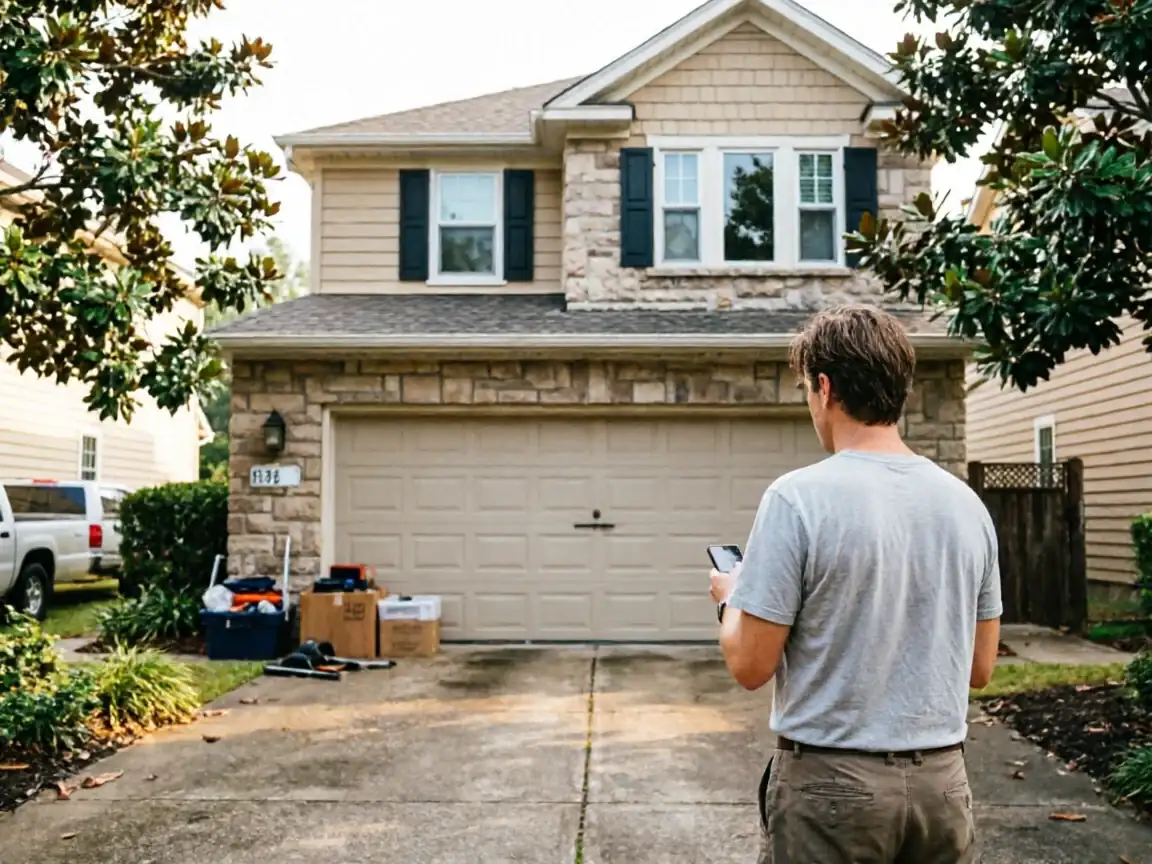
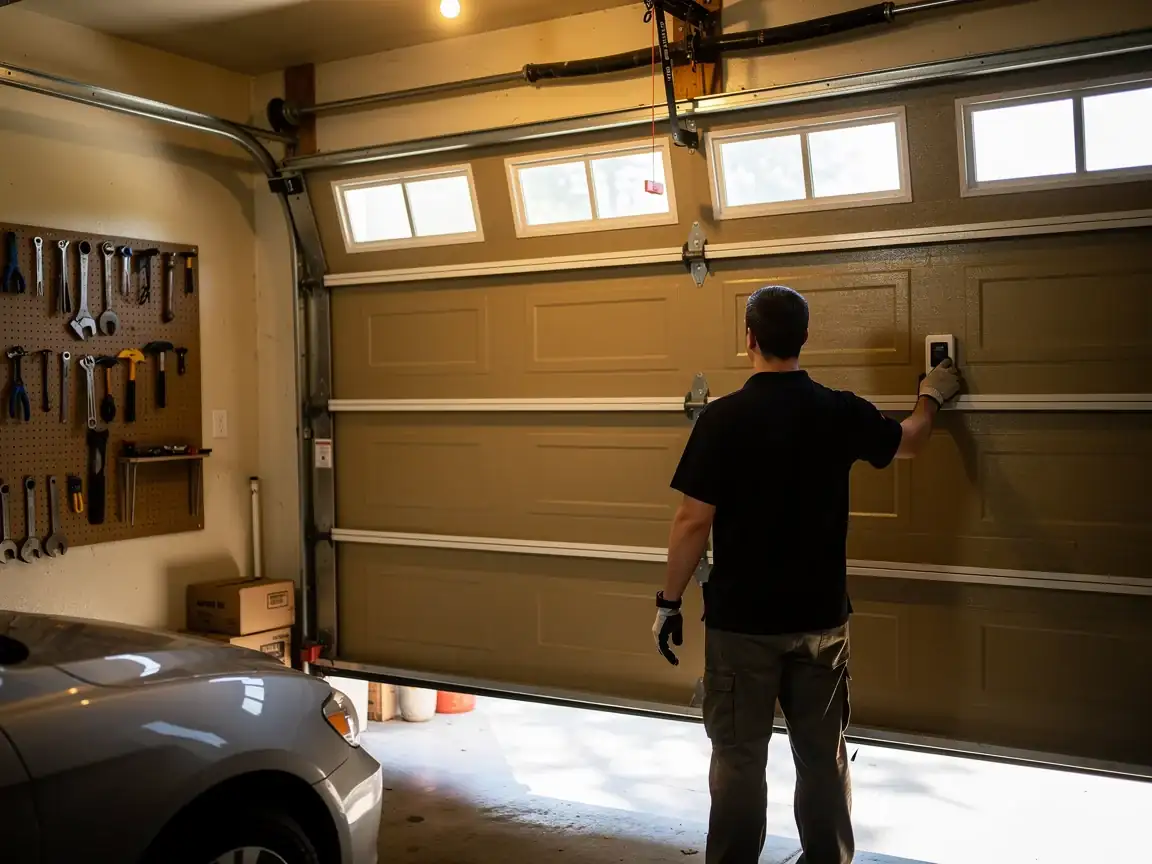
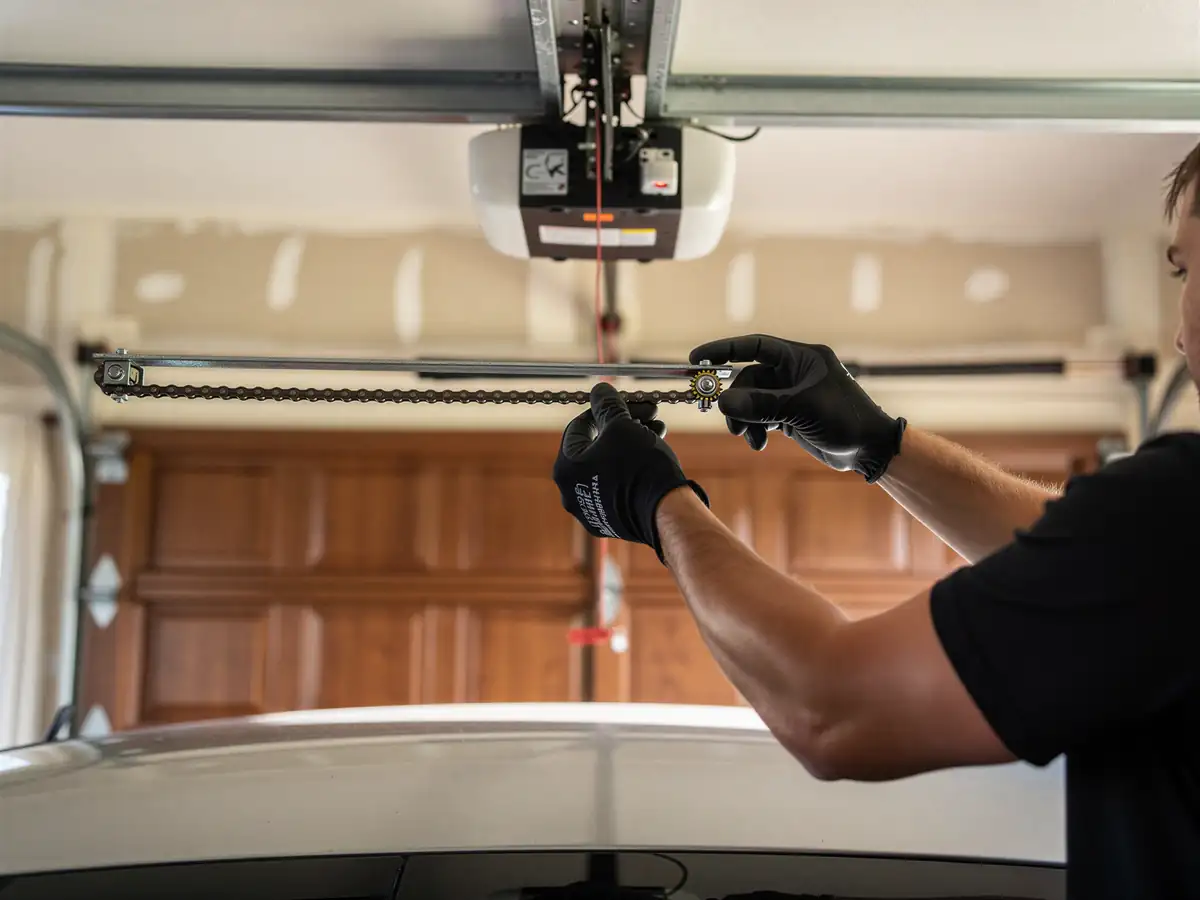
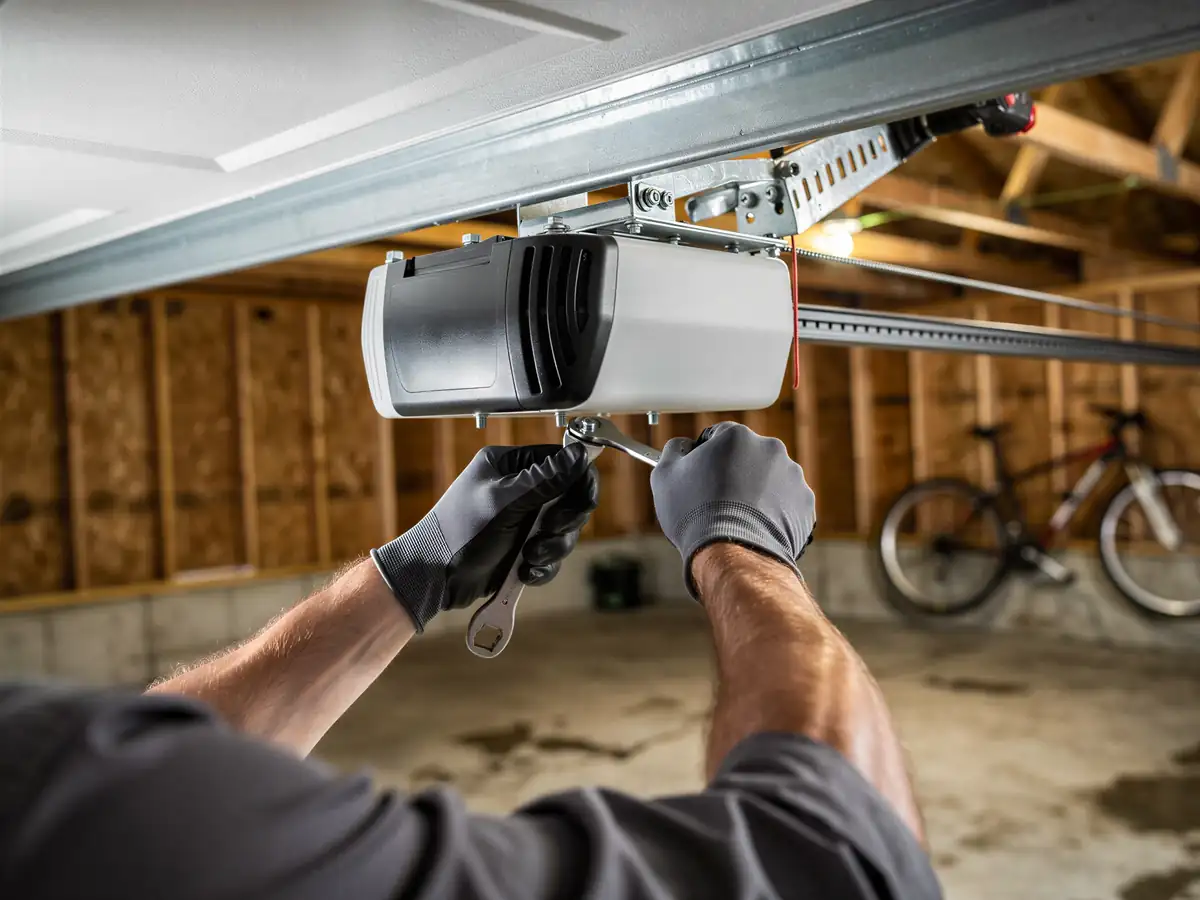
With a median household income of $152,969 - more than double the $73,393 median across the wider service area - a lot of these garage doors came with upgraded openers already installed: battery backup units, WiFi connectivity modules, rolling-code keypads. Those features are convenient until the circuit board that runs them fails, and a board failure on a mid-tier or premium opener reads very differently from a simple chain-drive unit losing a gear. The symptom looks the same - door won't respond, light blinks, nothing happens at the wall switch - but the fix is a different part at a different price. Across roughly 5,327 households, this is a smaller and newer pool of doors than you'd find in the older sections of the broader service area, but it's a pool where the opener, not the spring, is usually the first thing to go. The climate here is the same cold-moderate band as the rest of the territory, so cold mornings still stiffen grease and tighten cables on any door, new or old - that part doesn't change with the build year.
The Cost of This Job
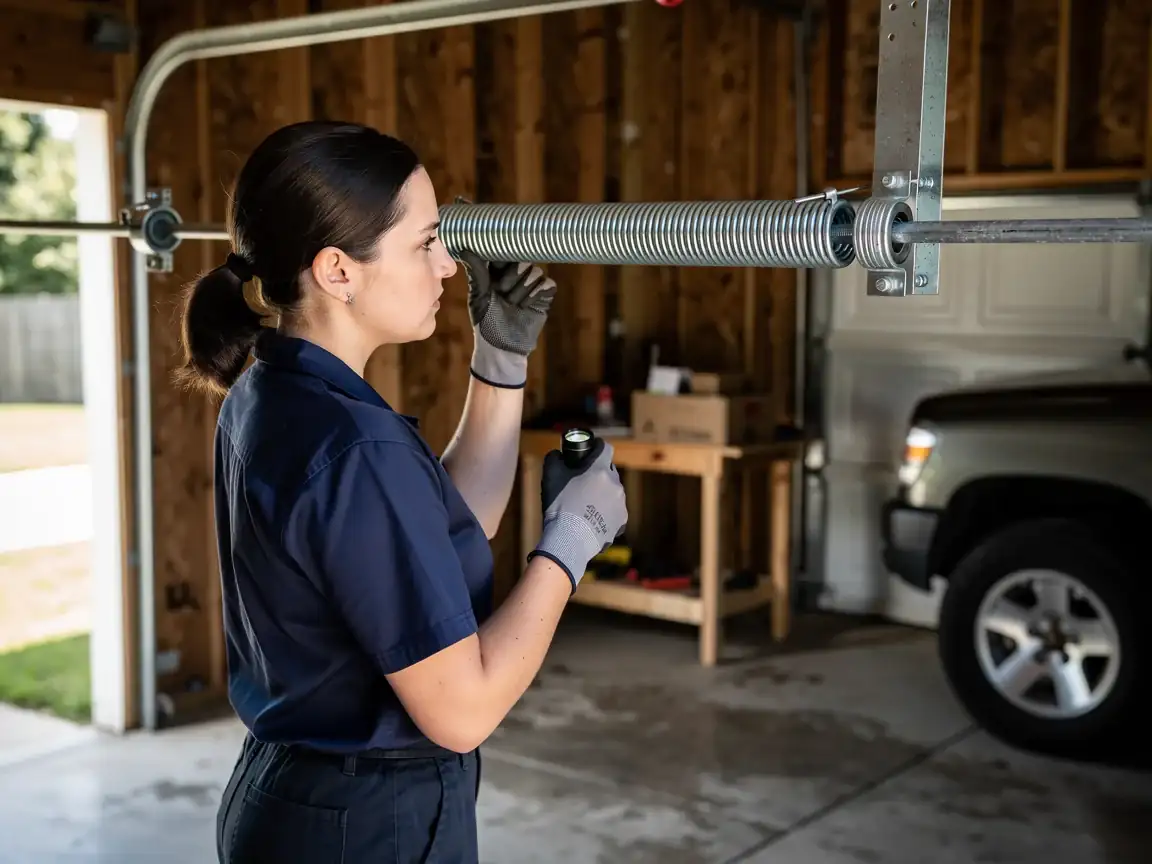
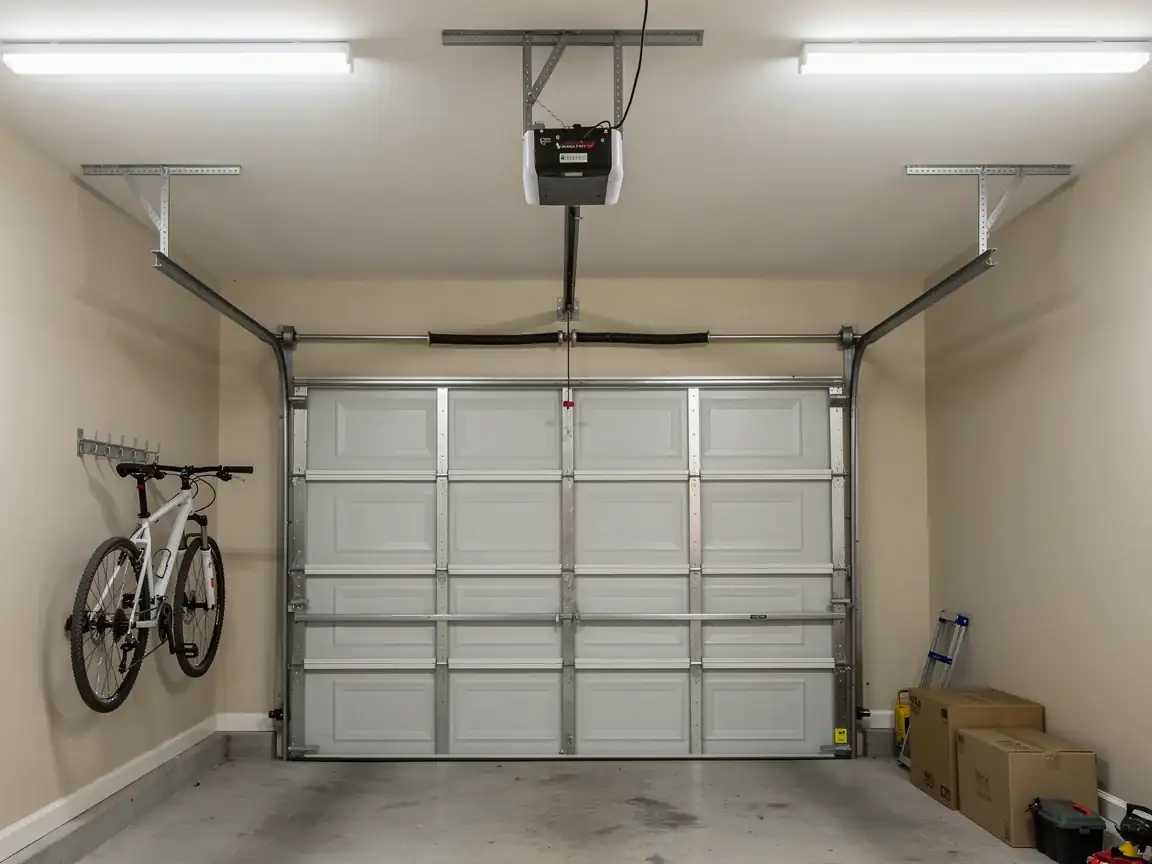
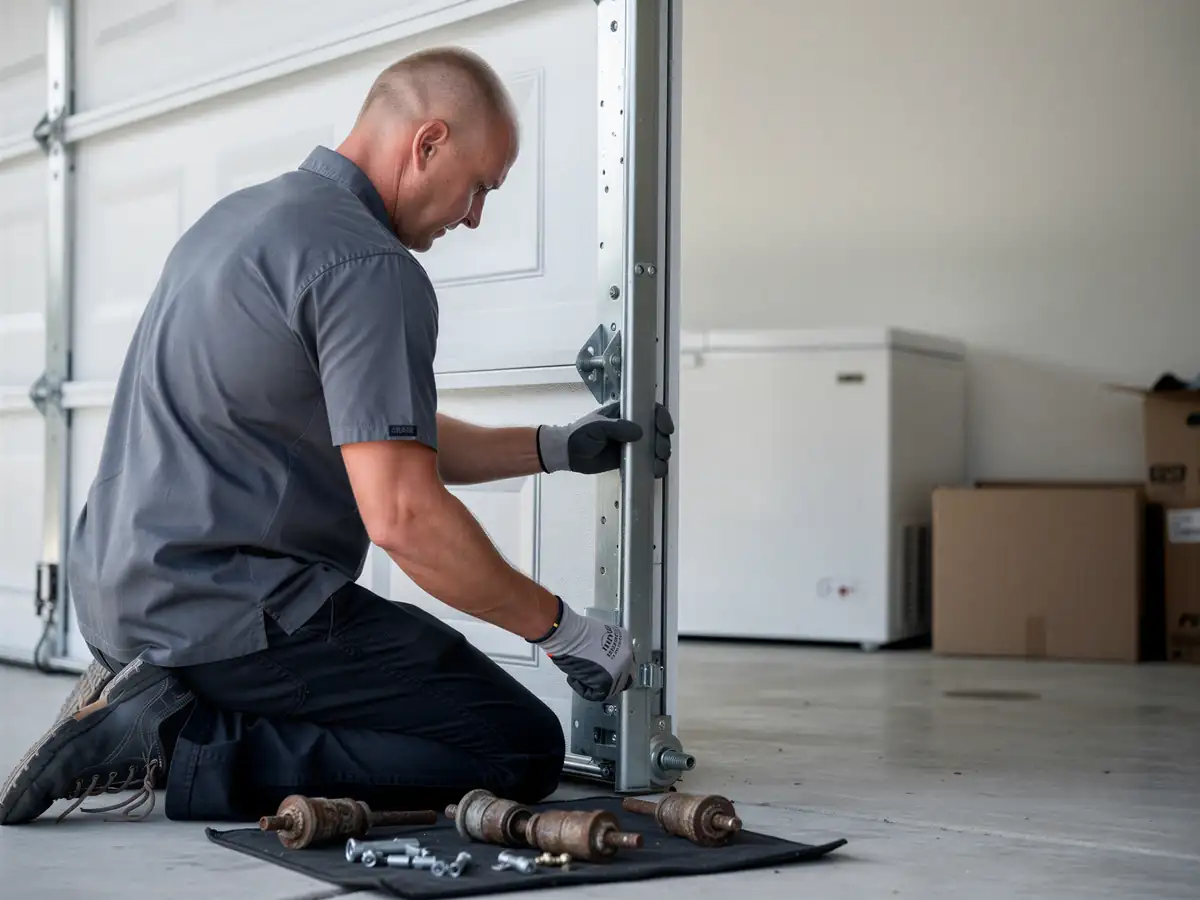
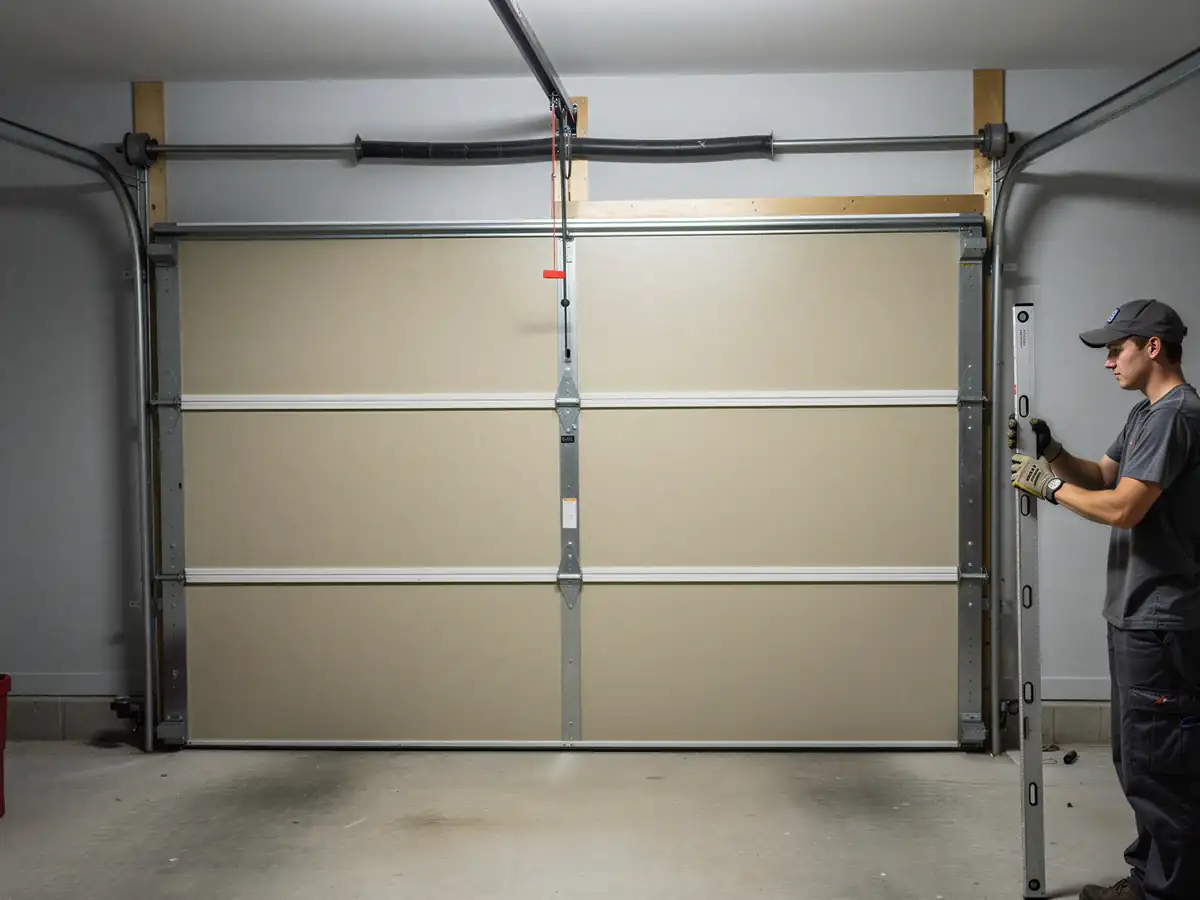
A broken torsion spring is a broken torsion spring no matter the house, but what sits behind it in a 2002-and-newer Davidson garage tends to run a notch higher than a basic job. Insulated sectional doors use heavier springs than a hollow steel panel, and a WiFi-enabled opener with a battery backup costs more to replace outright than a plain chain-drive unit, even before you look at the circuit board alone. We won't quote a number here without seeing the door and the opener model, because the spread between a spring swap and a board replacement is wide. What we will say is that if the opener's logic board has failed on a less common premium brand, sourcing that part can take longer than the repair itself - sometimes a few days, sometimes longer depending on the manufacturer. That's the one real limitation worth knowing going in.
Doing It Yourself
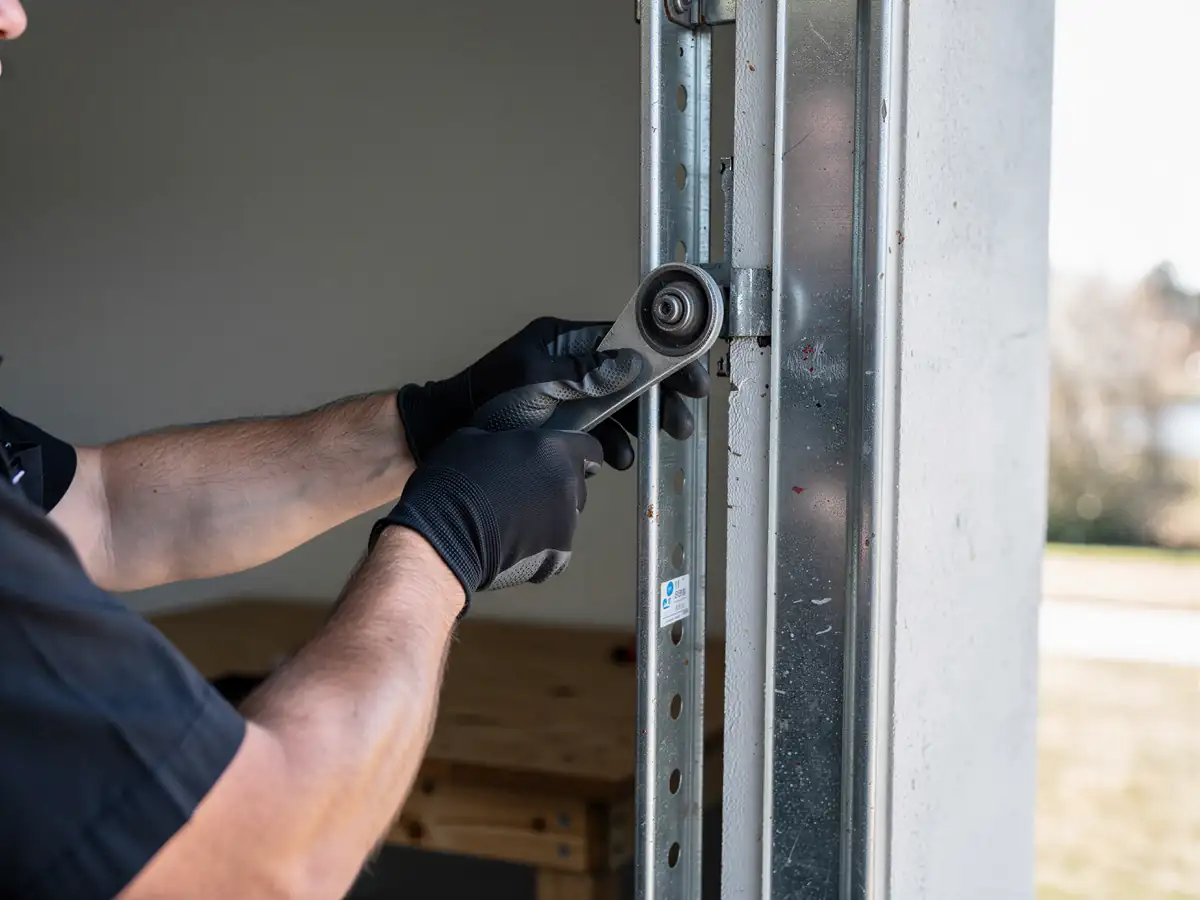
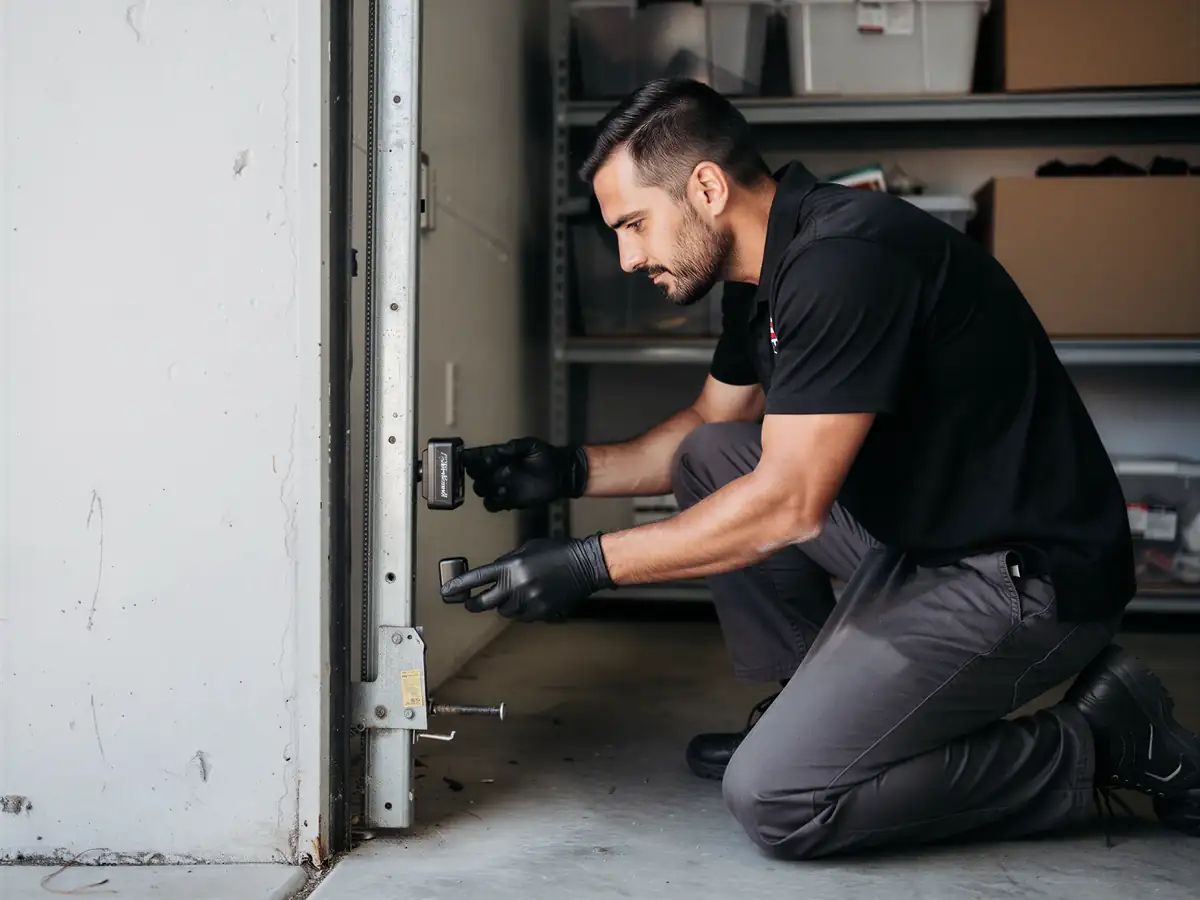
Resetting a tripped photo-eye sensor or reprogramming a remote is reasonable to try yourself, and most owners figure it out from the opener's manual without a call. Where we'd stop you is the torsion spring. On a heavier insulated door, that spring is under enough tension to cause a serious injury if it lets go while you're working on it, and the tools to wind it safely aren't something most garages have lying around. If your opener has battery backup or a smart-home connection, swapping the board yourself also risks losing the pairing between the opener and your keypad or app, which is its own headache to re-sync. Basic stuff - lubricating hinges, checking the weatherstrip at the bottom panel - is fair game. Springs and boards are where we'd rather you call.