Why This Fails Locally
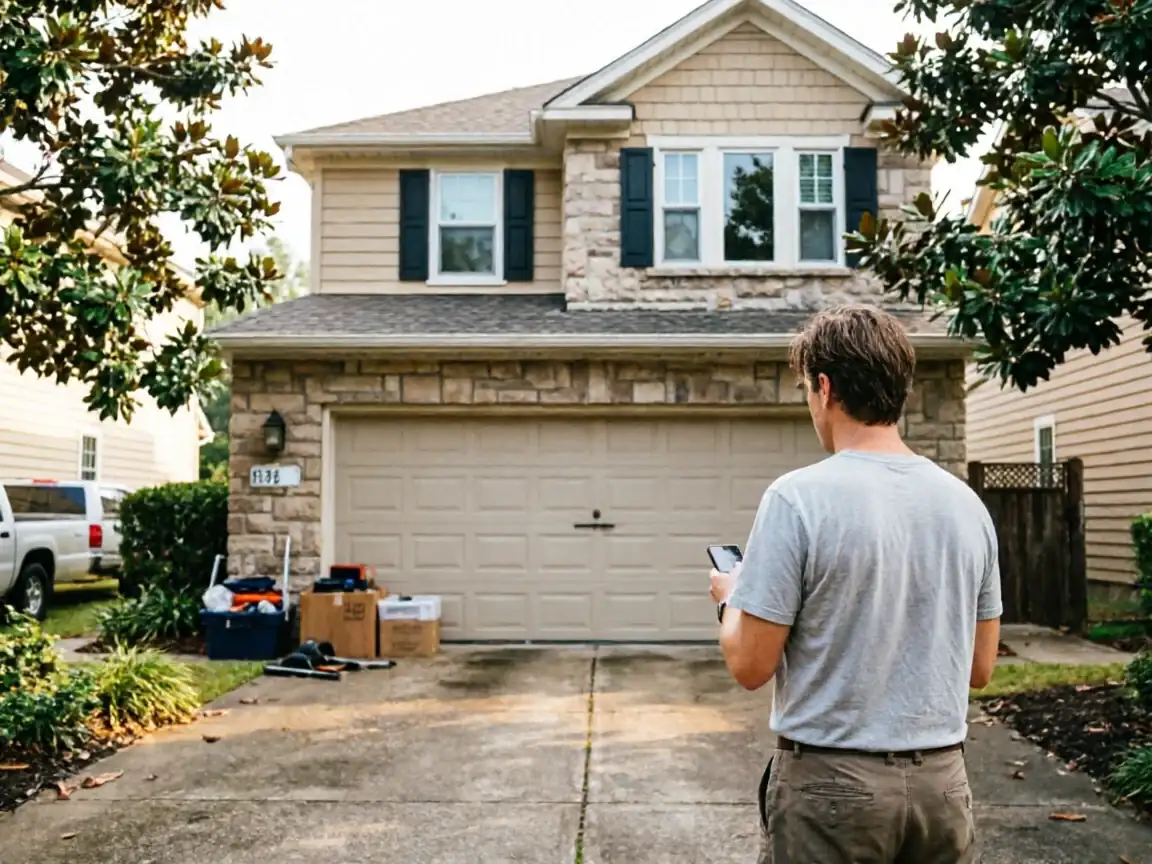
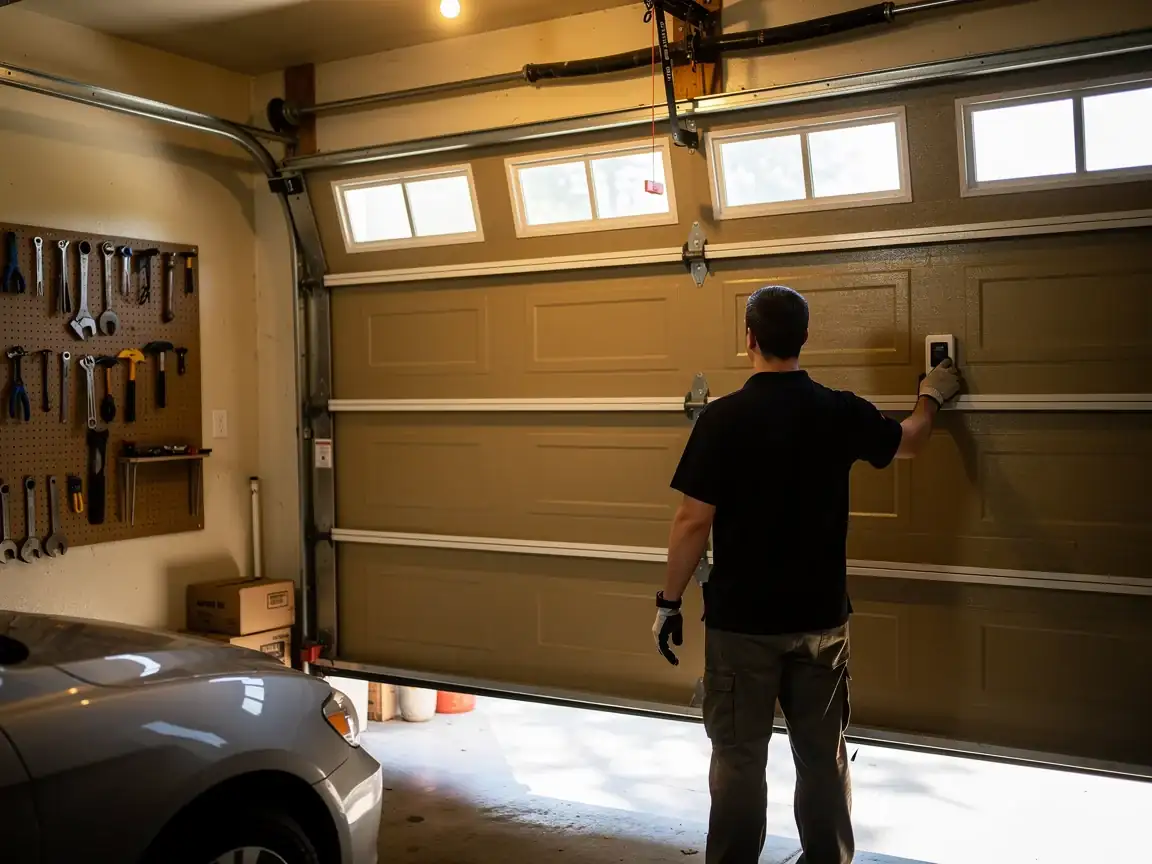
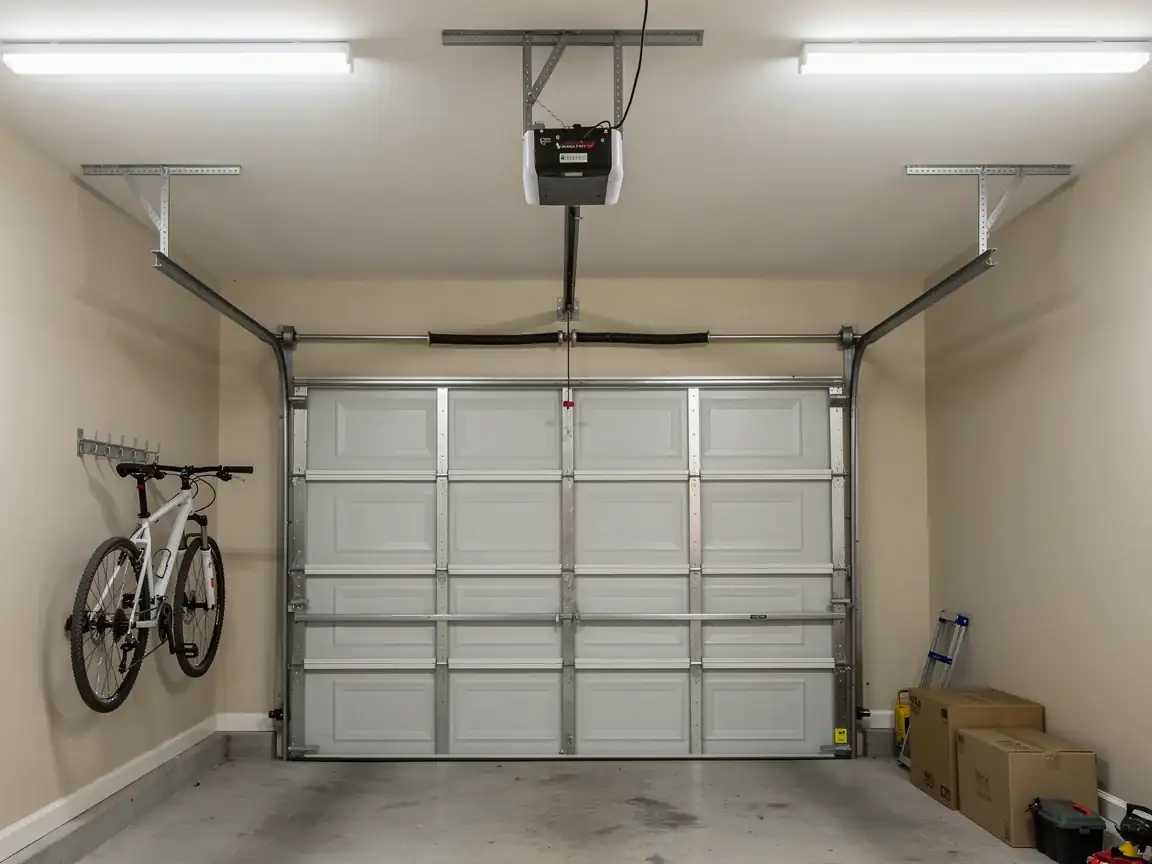
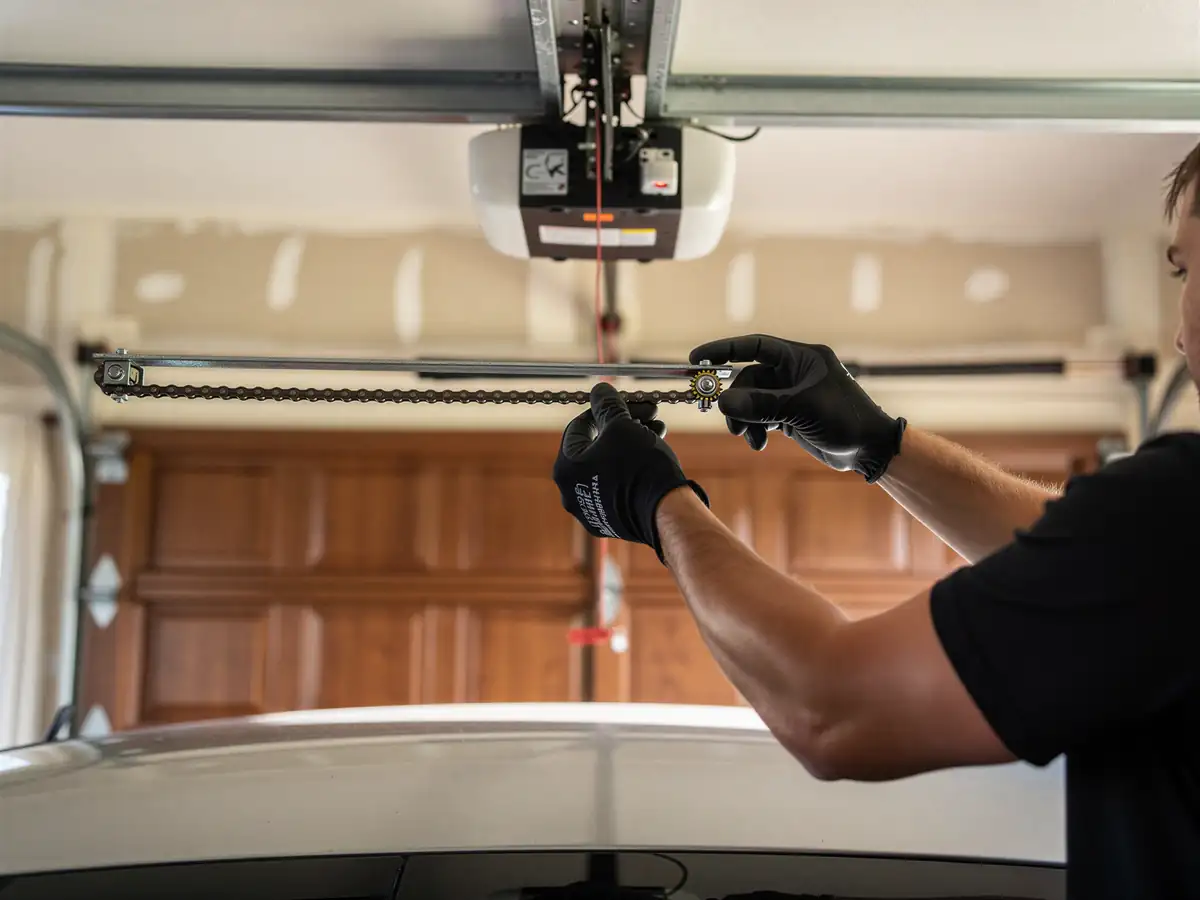
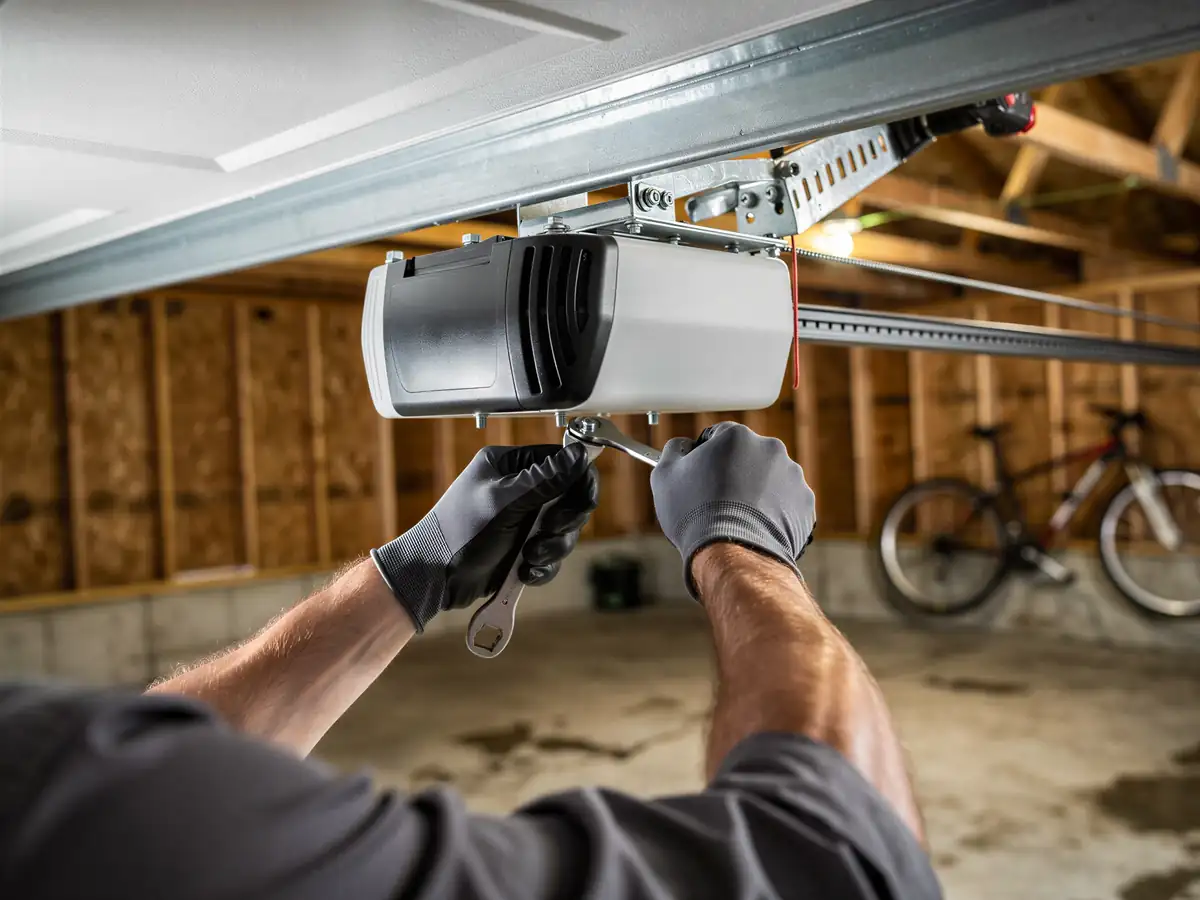
A 2002-built house puts its original opener at roughly two decades of service, and that's about where the circuit board and the capacitor inside a builder-grade chain drive start to go. You'll see it as a motor that hums but doesn't lift, a remote that works some days and not others, or a unit that reverses for no reason mid-cycle. None of that is really about age alone - it's about the cold-moderate swings this area gets putting stress on plastic gearing and sensor wiring that was never built premium to start with. Houses in this part of the state that are older, from the 1960s through the 1980s, usually fail for a different reason: worn-out chain drives on doors that have simply been cycled tens of thousands of times. Davidson's stock, being newer on average, tends to fail on electronics and sensors before it fails on raw mechanical wear.
The Cost of This Job
Davidson's median household income sits at $152,969, well above the $73,393 median across the wider service area we cover from Mooresville. That gap shows up in what people choose here - fewer bare-bones chain-drive replacements, more belt-drive units with battery backup and smart-home tie-ins, because the premium for quiet operation and a phone app isn't a stretch at this income level. We're not going to quote you a number in writing here since it depends on the opener you pick and what we find once the cover's off the old unit, but we will say the base chain-drive-to-chain-drive swap is the cheapest path, and anything with a battery backup or smart controller adds to that. If your existing opener is under ten years old and just needs a sensor or logic board, replacing the whole unit usually isn't the right call - we'll say so.
Doing It Yourself
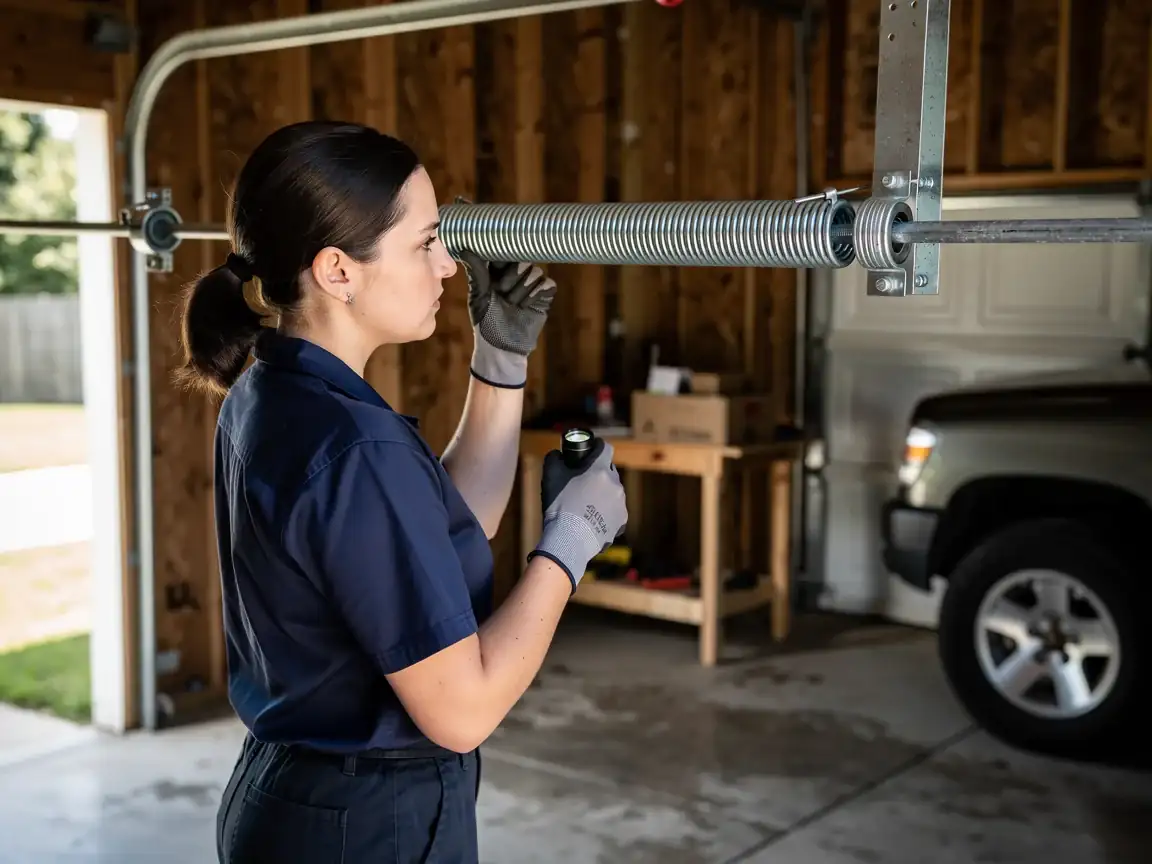
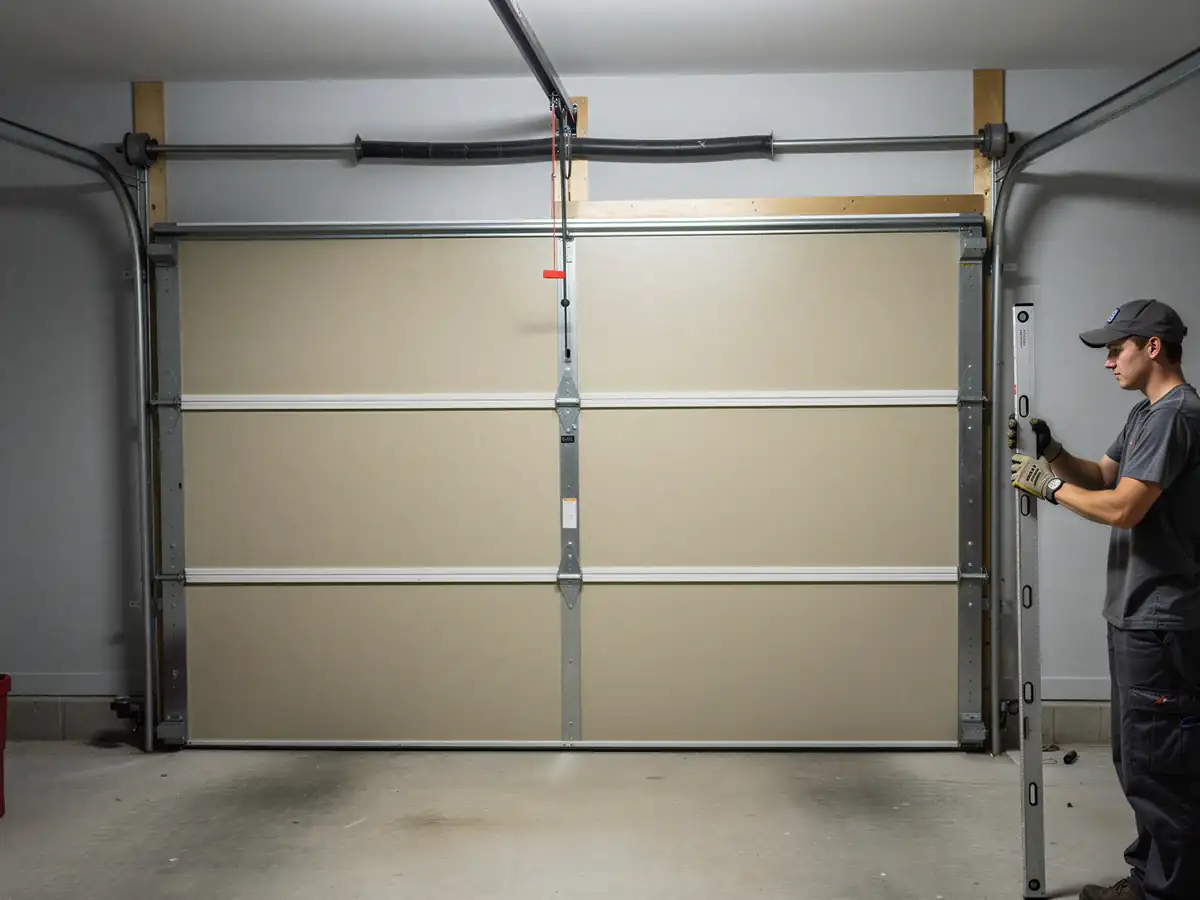
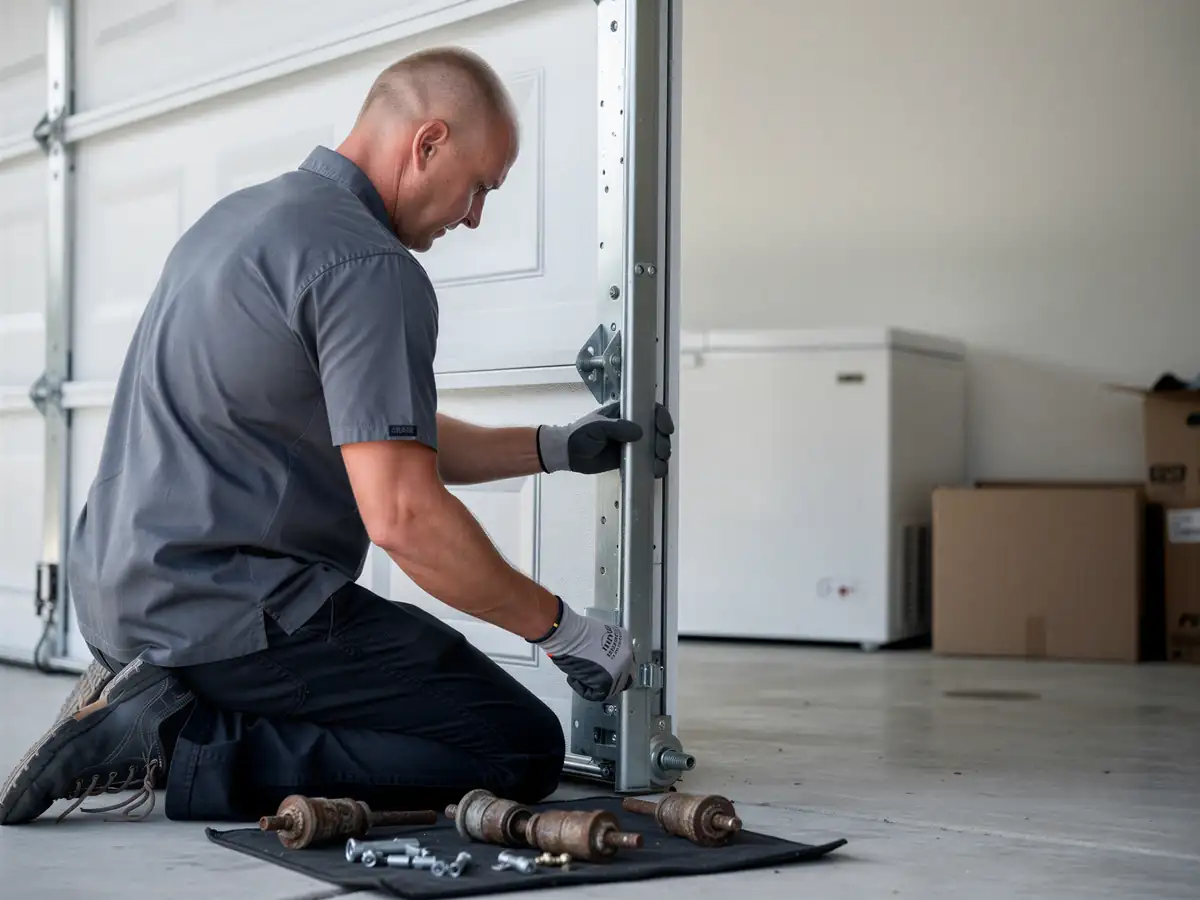
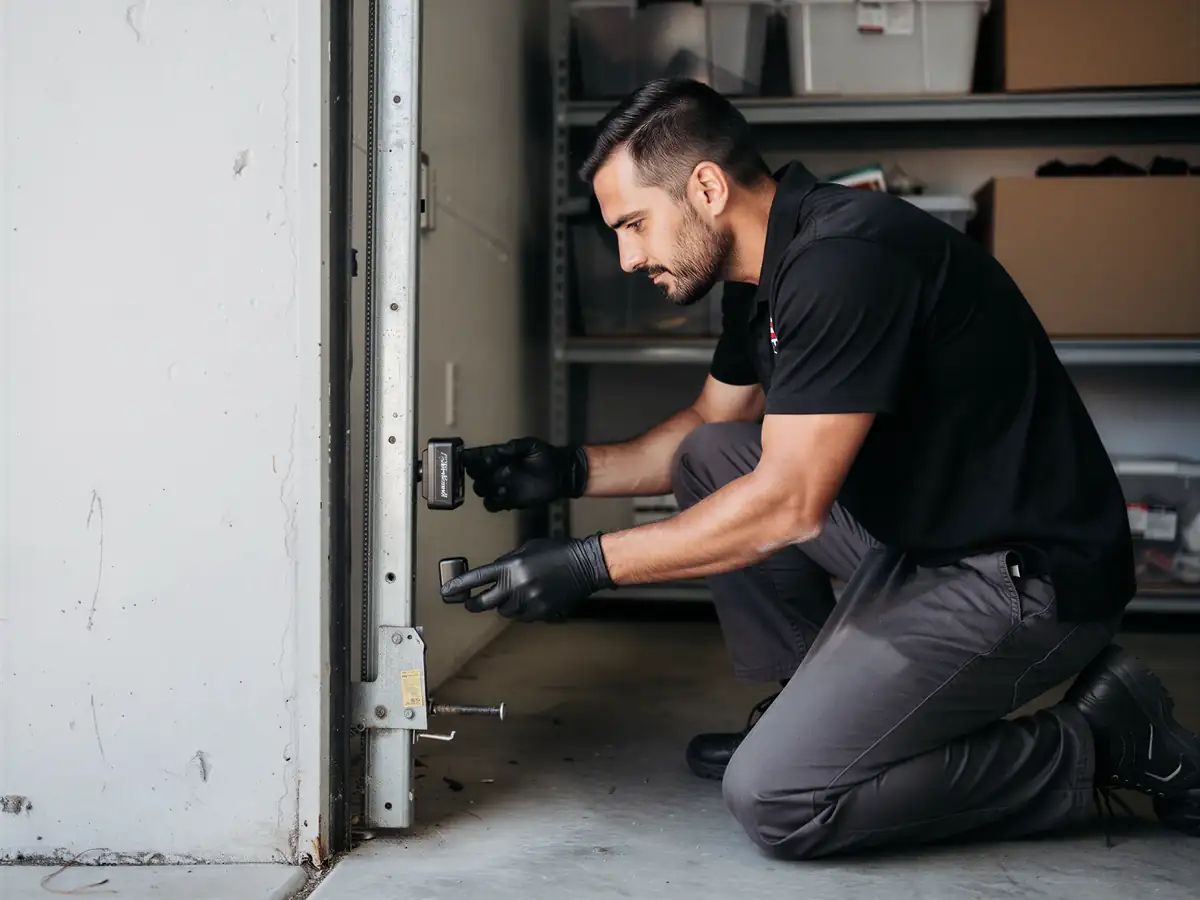
Swapping remotes, reprogramming a keypad code, or replacing a worn sensor eye is reasonable DIY work if you're comfortable with a ladder and a manual. Installing the opener unit itself is a different job - you're working with a spring-loaded door, mounting a motor to a header that has to carry real weight, and wiring logic boards that don't forgive a reversed connection. We'd rather you call before you're mid-install with the old unit already pulled down than after, since re-hanging a door that's come off track isn't a quick fix. If your opener is newer and the fault is just a dead sensor or a bad remote battery, that's worth trying yourself first - it's cheap, and it rules out the simple stuff before anyone pays for a truck to show up.