Why This Fails Locally
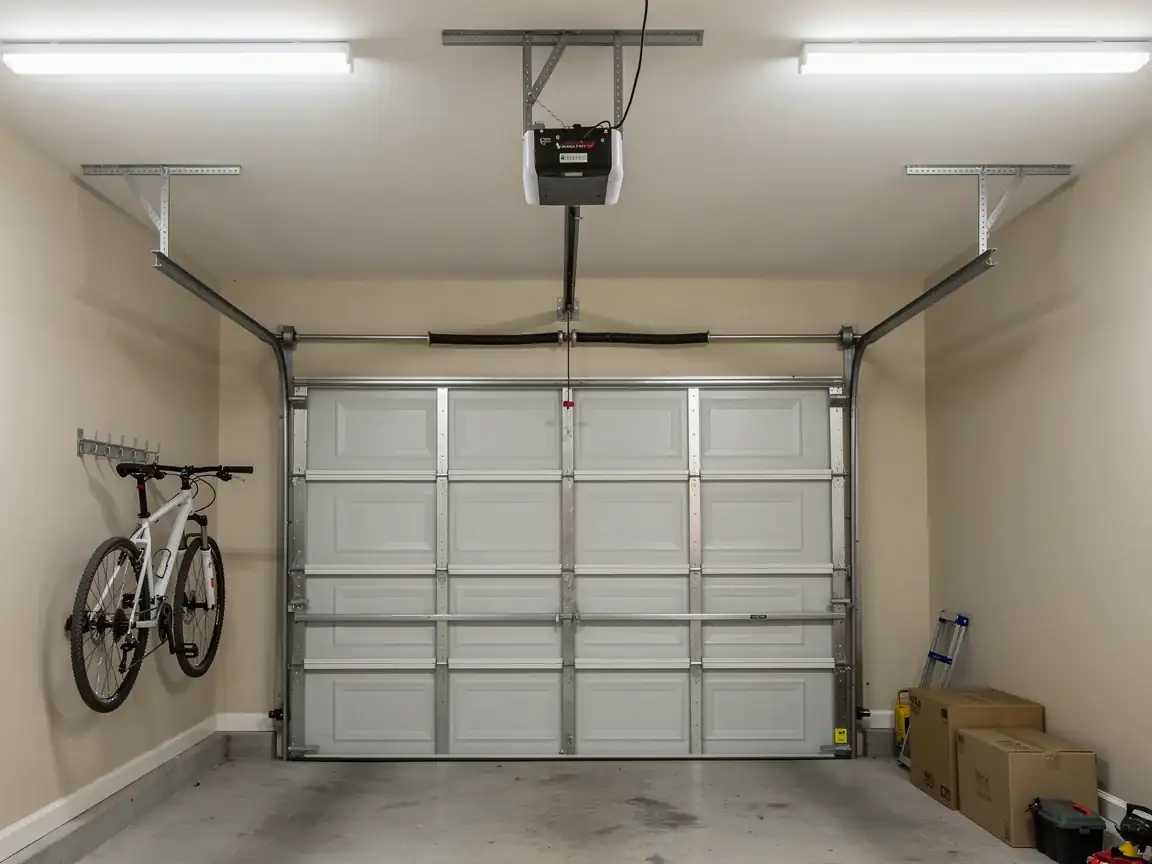
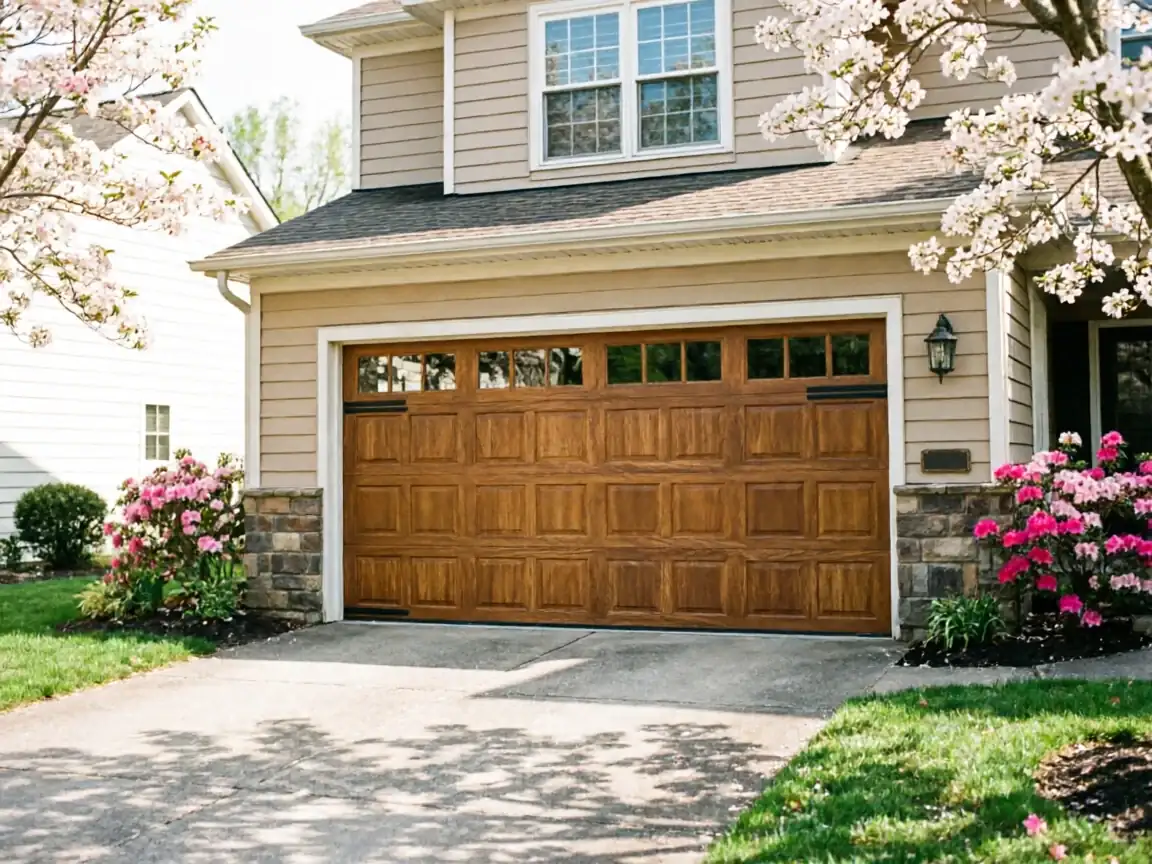
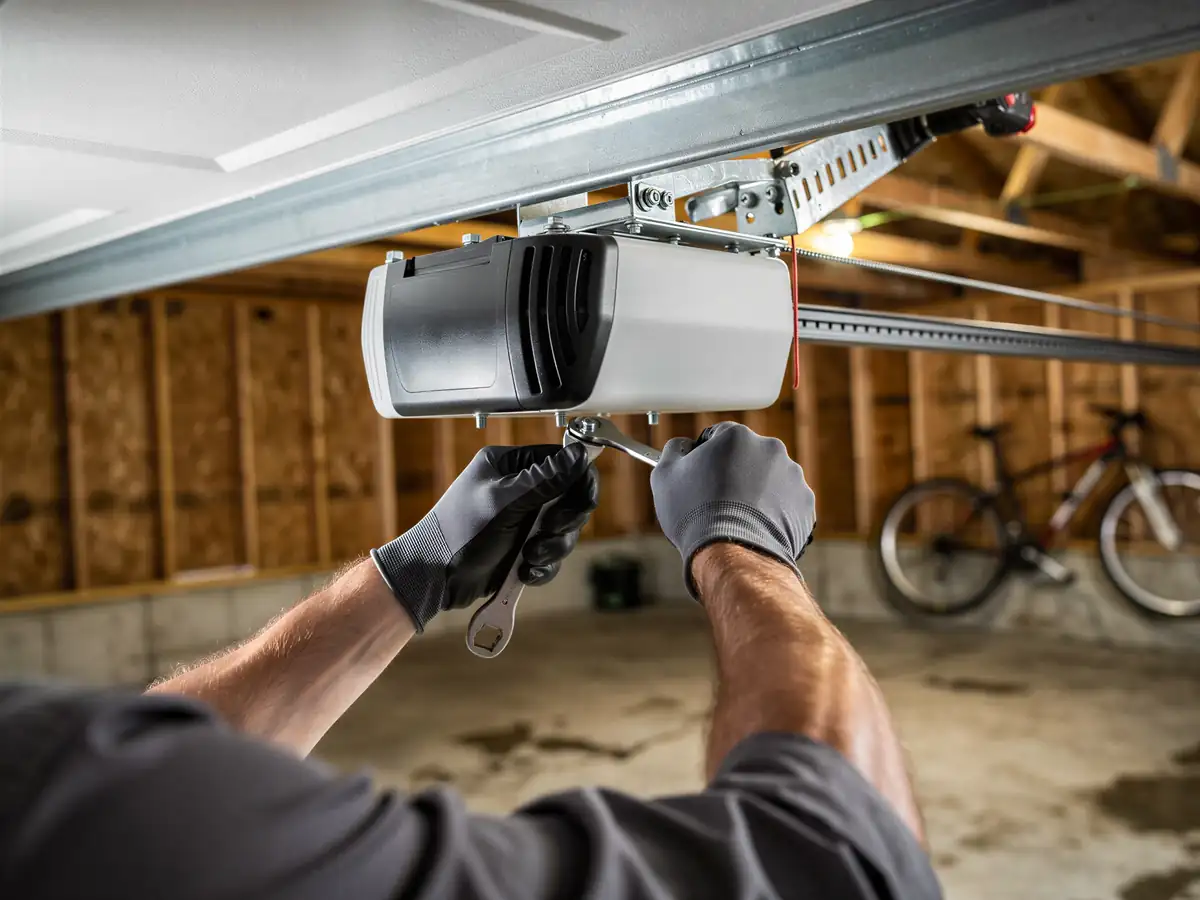
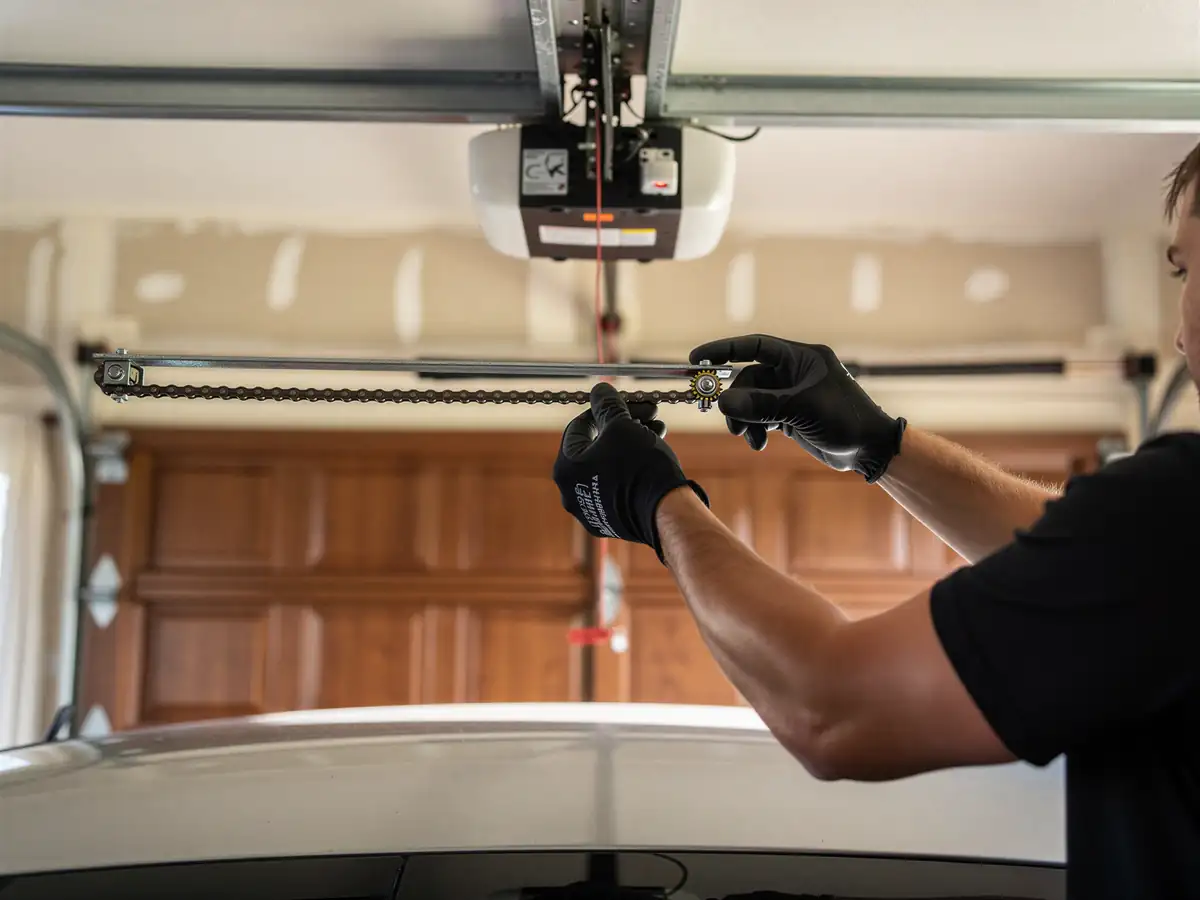
A house built in 2002 isn't running a 1960s screw-drive opener - it's running something with a circuit board, a capacitor, and a logic chip that's now pushing twenty-plus years old. That's the part that fails here, not the mechanical drive train. Boards and capacitors degrade with age and with heat cycling, and our climate band is cold-moderate: real winter cold, real summer humidity, enough swing to stress a board's solder joints and a capacitor's internal chemistry over two decades. The symptom is almost always electrical, not mechanical - opener hums but the door doesn't move, remote works intermittently, wall button works but the remote doesn't, or the unit runs for a second and cuts out. People assume the motor's dying. Usually it's the capacitor or the board behind it. The gears and belt in a unit this age are often fine; it's the electronics that give out first. We check the board and capacitor before we quote a new motor, because replacing a $40,000-income swing in a 2002-built house with wrong hardware costs you money for nothing.
The Cost of This Job
Median household income in Davidson runs well above the rest of our service area - north of $150,000 versus roughly $73,000 across the broader territory. That doesn't change what a board or capacitor costs; parts are parts. It does mean we see more owners here asking about a mid-range or higher-end replacement opener with smart features - phone app control, battery backup - instead of the base model, when a repair isn't worth doing. We'll always quote the repair first if the unit is salvageable: a board or capacitor swap is a fraction of a new motor's price. If the opener's original to the house and the board's dead along with a worn drive gear, replacement starts making more sense than stacking repairs on a unit that's already near the end of its working life. We'll tell you straight which side of that line your job falls on before any work starts, not after.
Doing It Yourself
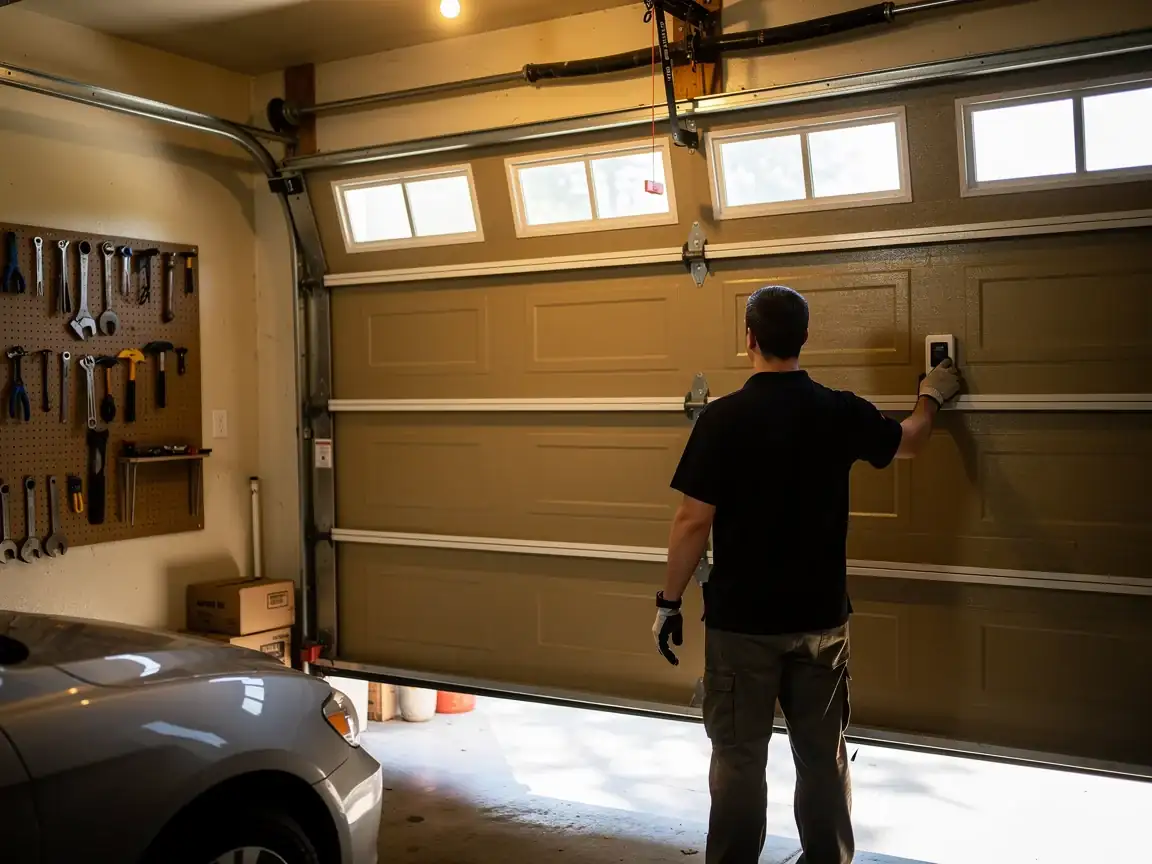
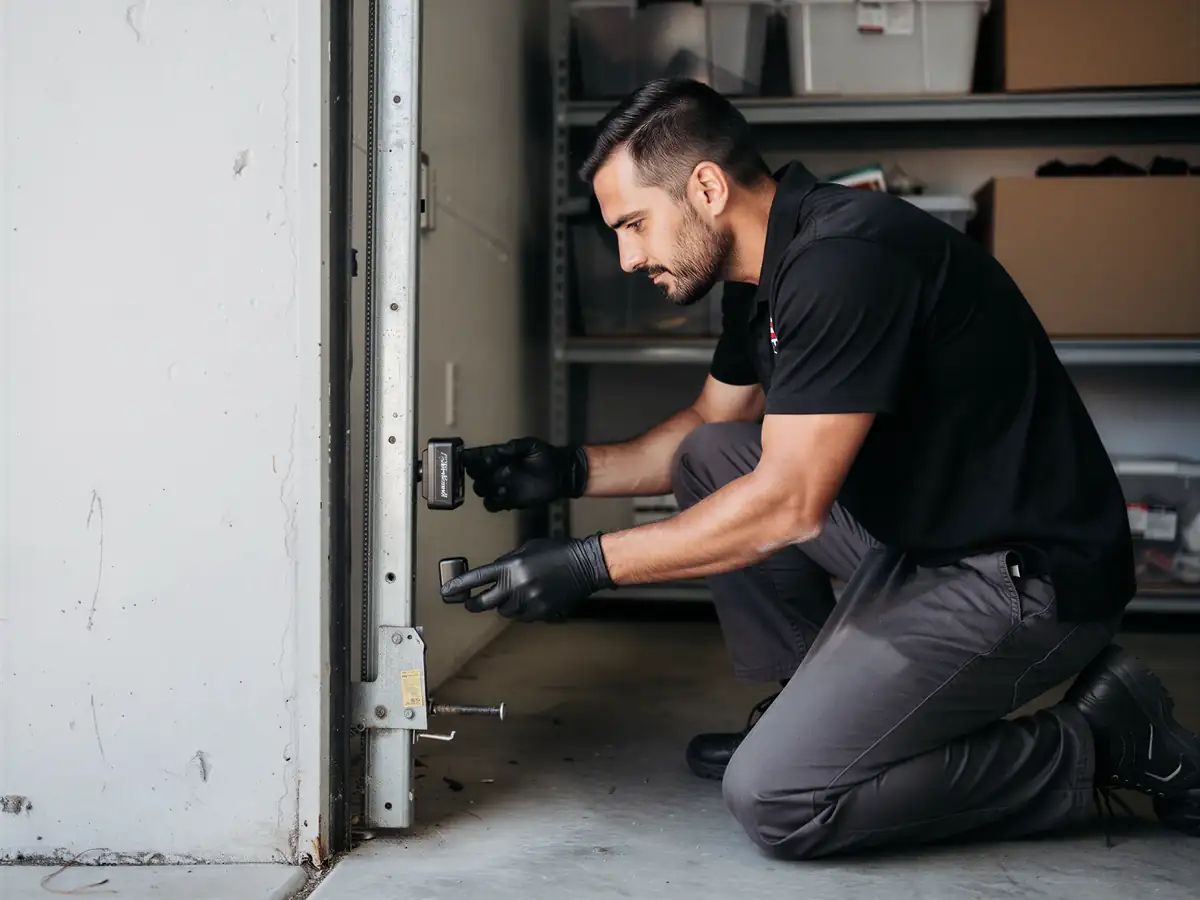
If your opener hums but the door won't move, check the manual release cord isn't accidentally engaged, and check the wall button works even if the remote doesn't - that tells you whether the problem's the remote's battery or something deeper in the board. Past that, a capacitor or board swap isn't a safe DIY job; it involves line voltage and a board you can short out if you don't know what you're doing, and getting it wrong can fry a replacement part you just paid for. Cleaning the sensor eyes and making sure nothing's blocking the beam is worth doing yourself before you call anyone - it's free and it's the single most common false alarm we see. Beyond that, if the opener's original to a house built in the early 2000s, it's old enough that guessing at a fix usually costs more than having it looked at once.