Doing It Yourself
Troutman's median household income runs $76,389
And most houses out here went up around 2003 - well past the 1996 median for the wider Mooresville service area. That gap matters for a repair-or-replace call. A circuit-board opener from the early 2000s is usually worth fixing: the motor and gearing in that era hold up, and a board or logic unit swap costs less than a whole new unit. If your opener is older than that, or you're chasing the same fault every few months, replacement starts making more financial sense than another part.
- $76,389 median household income
Some opener trouble is worth trying yourself before calling anyone
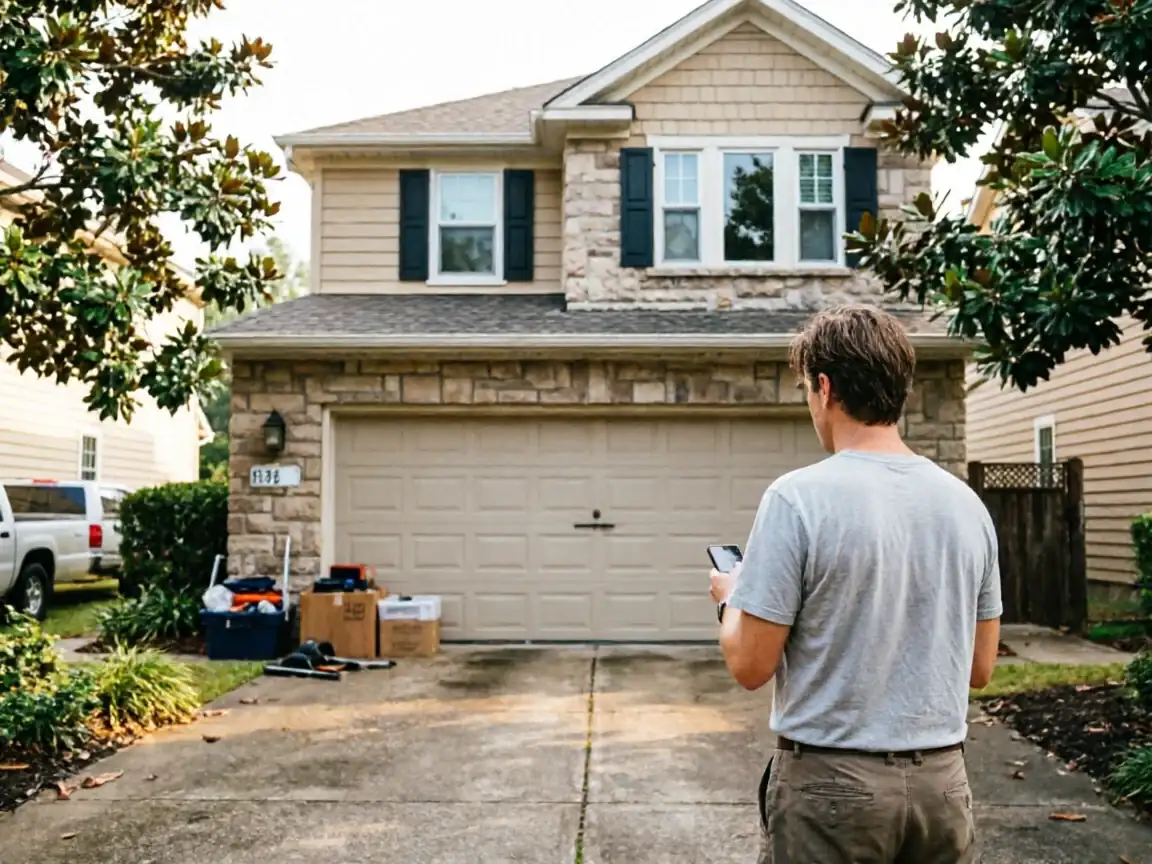
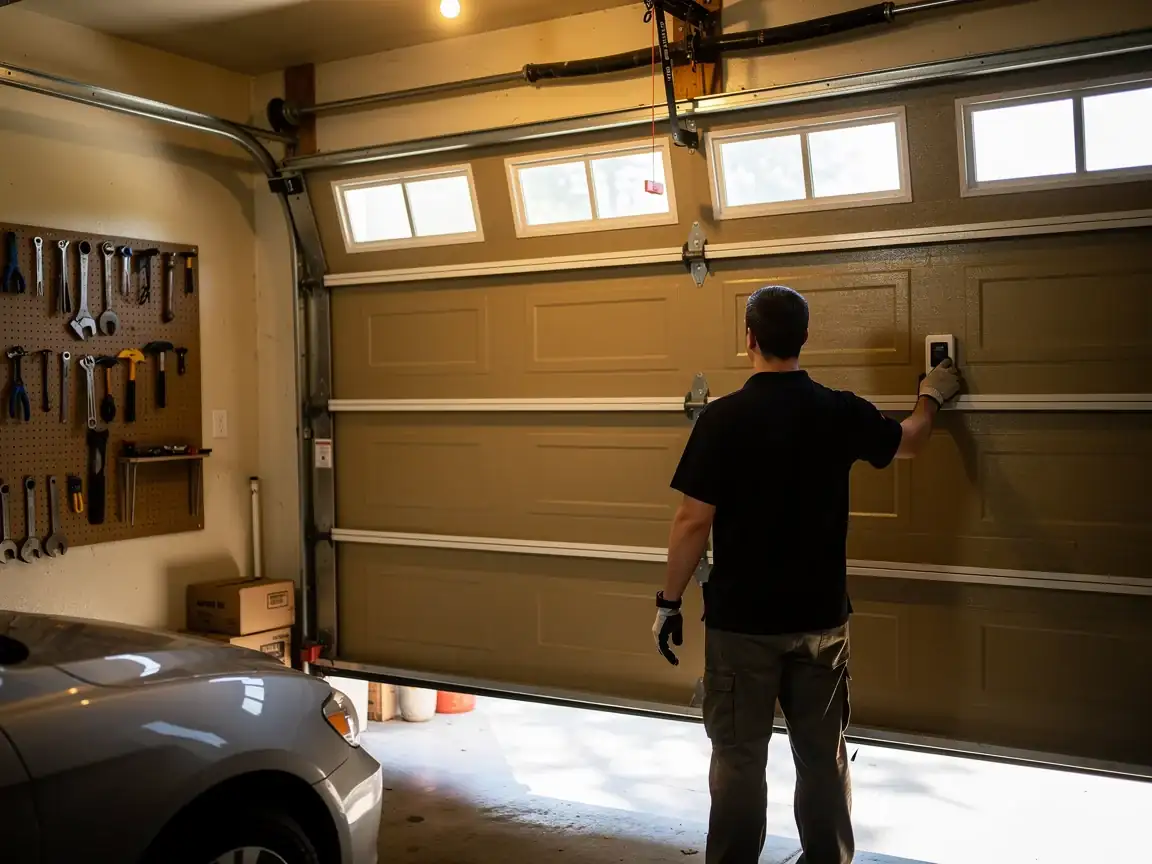
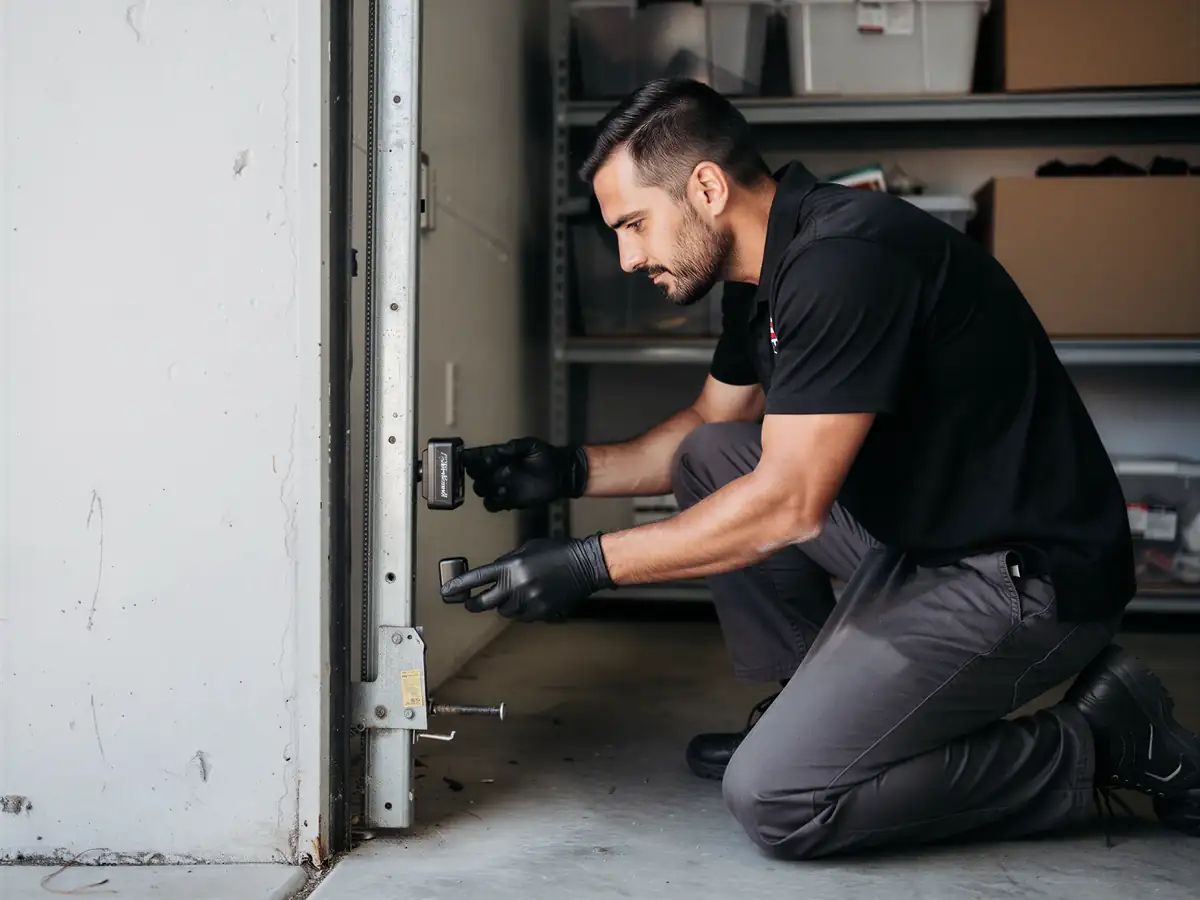
Check the wall button and the remote batteries first - half the "dead opener" calls we'd otherwise get trace back to one of those. Look at the safety sensors near the floor; if the little lights aren't steady and aligned, the opener won't close on command even though the motor runs fine. Clear anything blocking the sensor eyes. If the opener runs but the door doesn't move, or it reverses on its own partway down, that's past the DIY line - you're into drive gear, limit switch, or logic board territory, and guessing there tends to cost more than the service call would have.
What Can Go Wrong
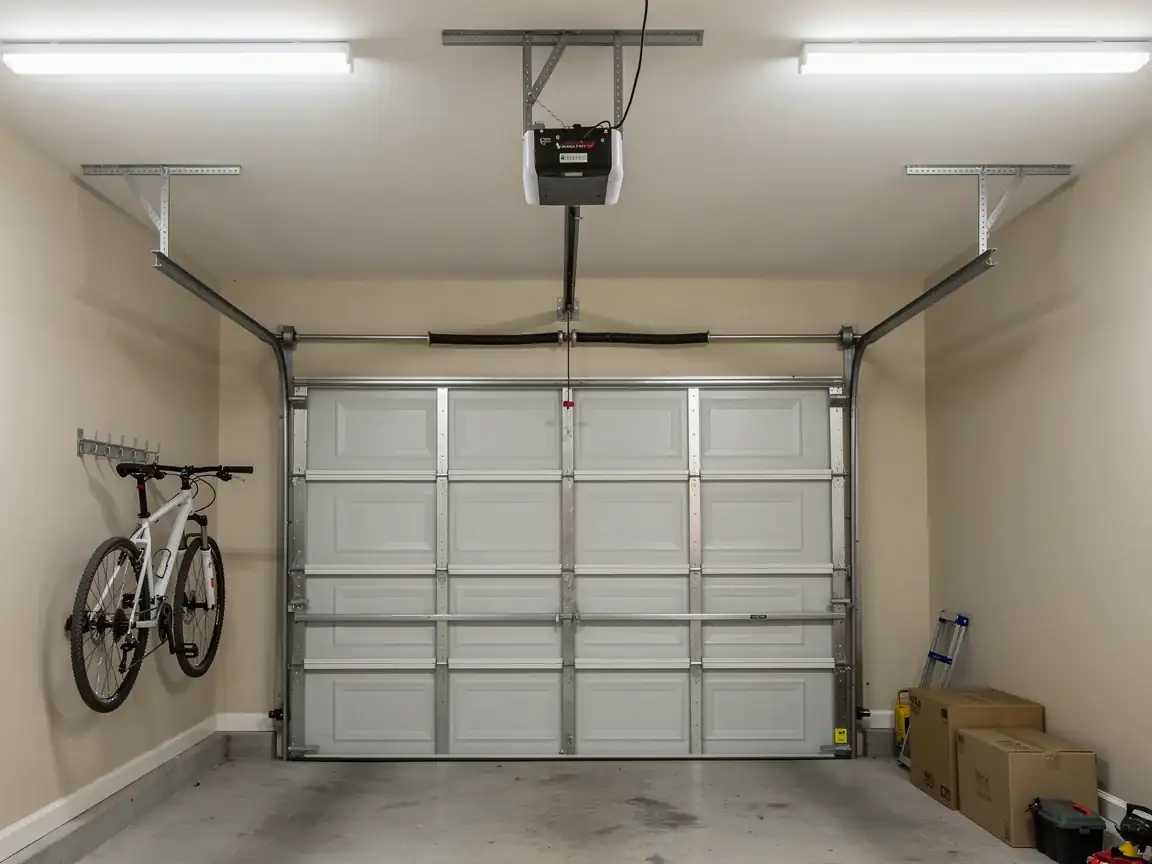
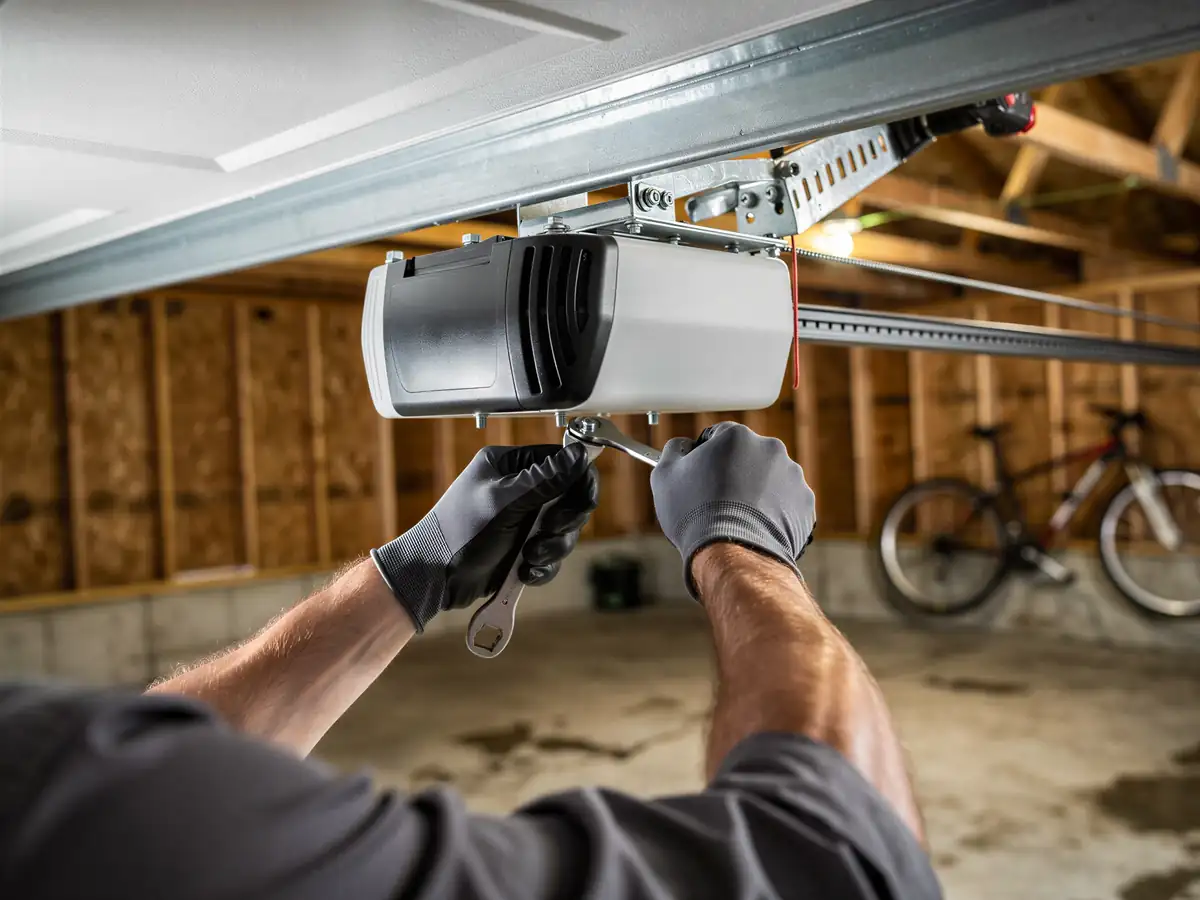
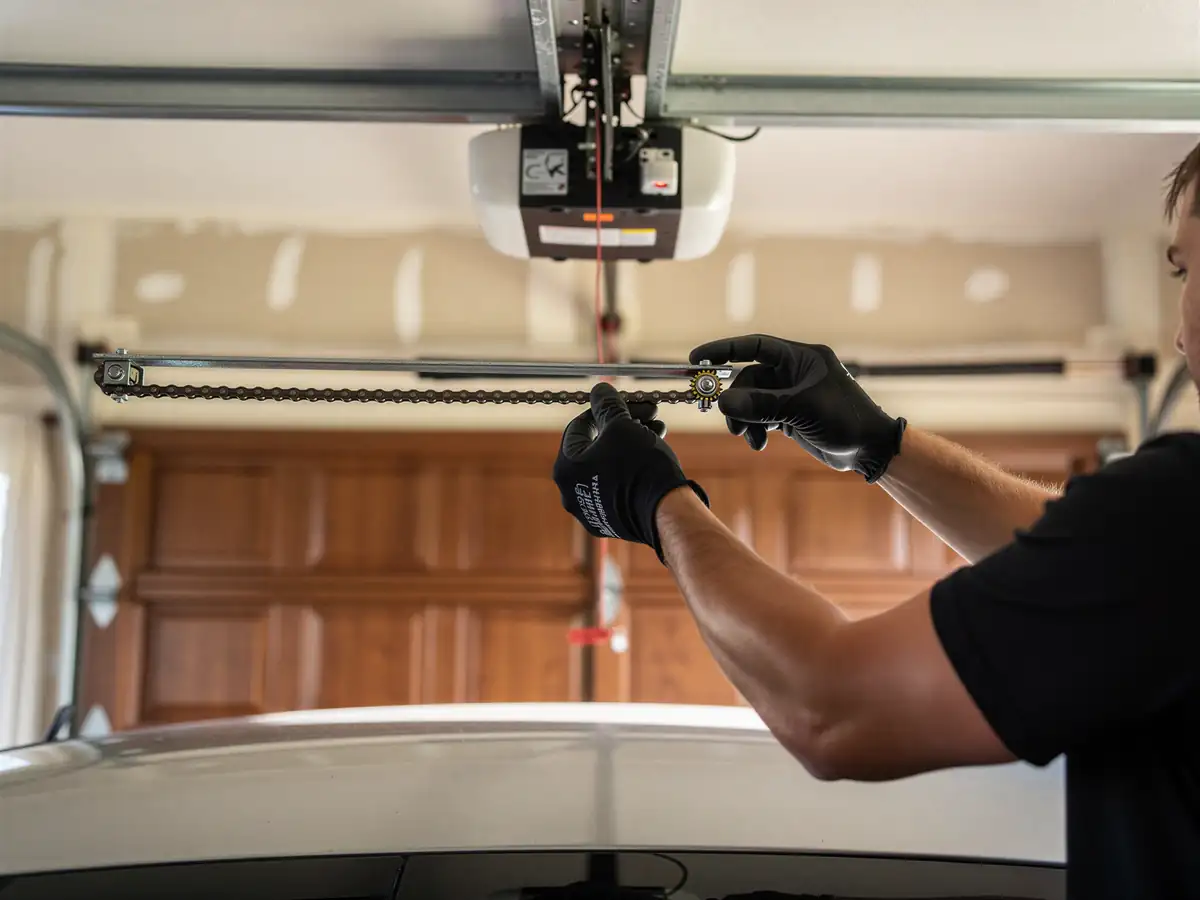
Houses built in Troutman's 2000s wave mostly carry belt-drive or chain-drive openers with circuit boards rather than the older relay-and-transformer units you'd find on a 1980s install elsewhere in the service area. Those boards don't like moisture or power surges, and a bad board shows up as an opener that hums but won't lift, or one that runs the light but ignores the remote entirely.
The service area sits in a moderate-cold climate band, and cold snaps thicken the grease in the drive screw or chain assembly on units that haven't been serviced in a few years. That shows up as a slow, straining door on the first cold morning of the season - not a dead opener, just one working harder than it should. Limit switches drift out of adjustment too, especially on units that have never been re-set since install, and that's what causes an opener to stop short of the floor or reverse before it's supposed to.
Parts We Carry
For the opener generation common in Troutman's newer subdivisions, we carry circuit boards, logic units, and drive gears sized for belt and chain units from that era rather than the older screw-drive and relay models you'd see on houses going back to the 1960s elsewhere in the territory. Safety sensor pairs and wall control stations are common swaps too, since those take the most physical wear.
We don't stock every board for every opener brand ever sold - if yours is an odd or discontinued model, we may need to order the part, and we'll tell you that up front rather than promise same-day when it isn't true. For most 2000s-era units common to this part of the territory, the parts we carry on the truck cover the repair in one trip.
How It Shows Up
A Troutman call about opener trouble usually sounds like one of a few patterns
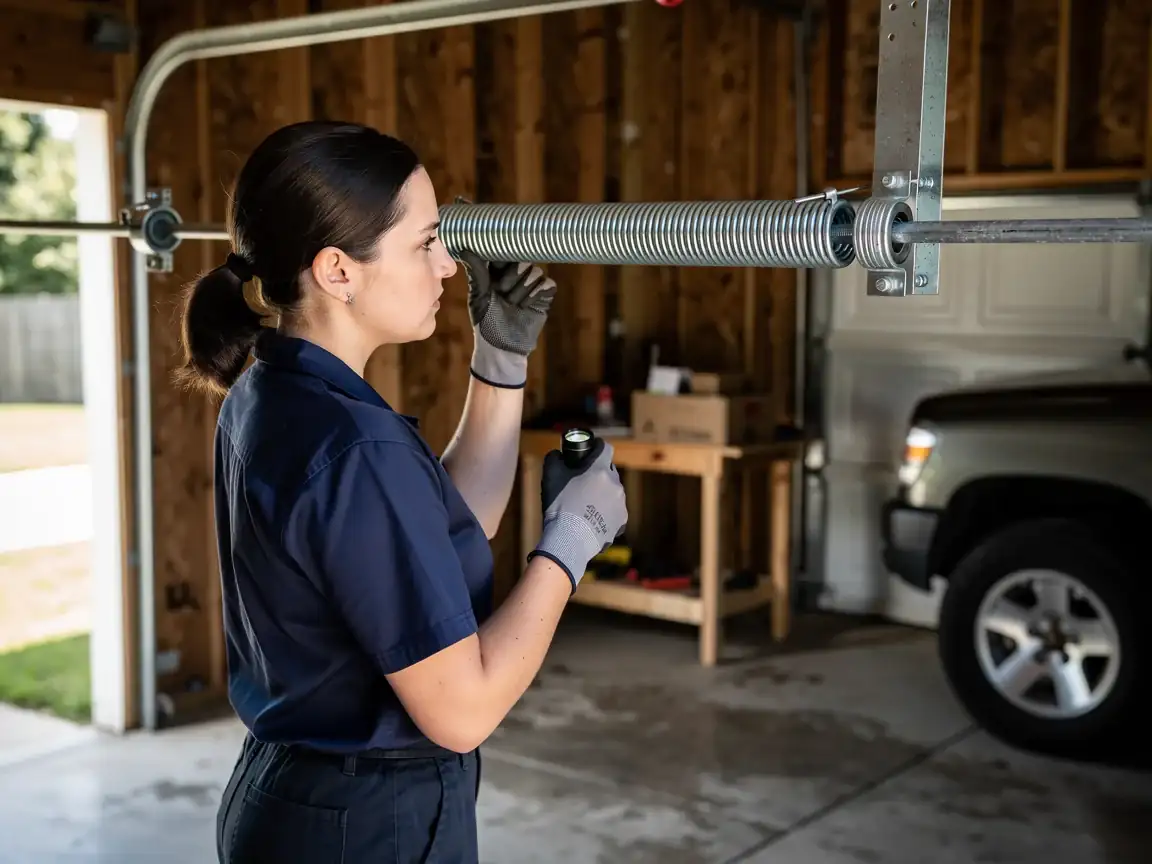
The door won't respond to the remote but the wall button works, which points at a remote or antenna issue rather than the motor itself. Or the opener runs its full cycle but the door doesn't move at all, which usually means a stripped drive gear - a known wear part on belt and chain units once they hit a decade or more of daily use.
We also hear about the door reversing partway down
Almost always a sensor alignment or limit-switch problem rather than anything wrong with the motor. And on the colder mornings that come with this climate band, we get calls about an opener that strains and groans before it ever gets moving - a lubrication issue more than a mechanical failure, and often the cheapest fix of the bunch. We cover this call from our Mooresville location, about 9 miles out.
- 9 miles