Doing It Yourself
Troutman's housing stock is younger than a lot of what we see elsewhere in the service area
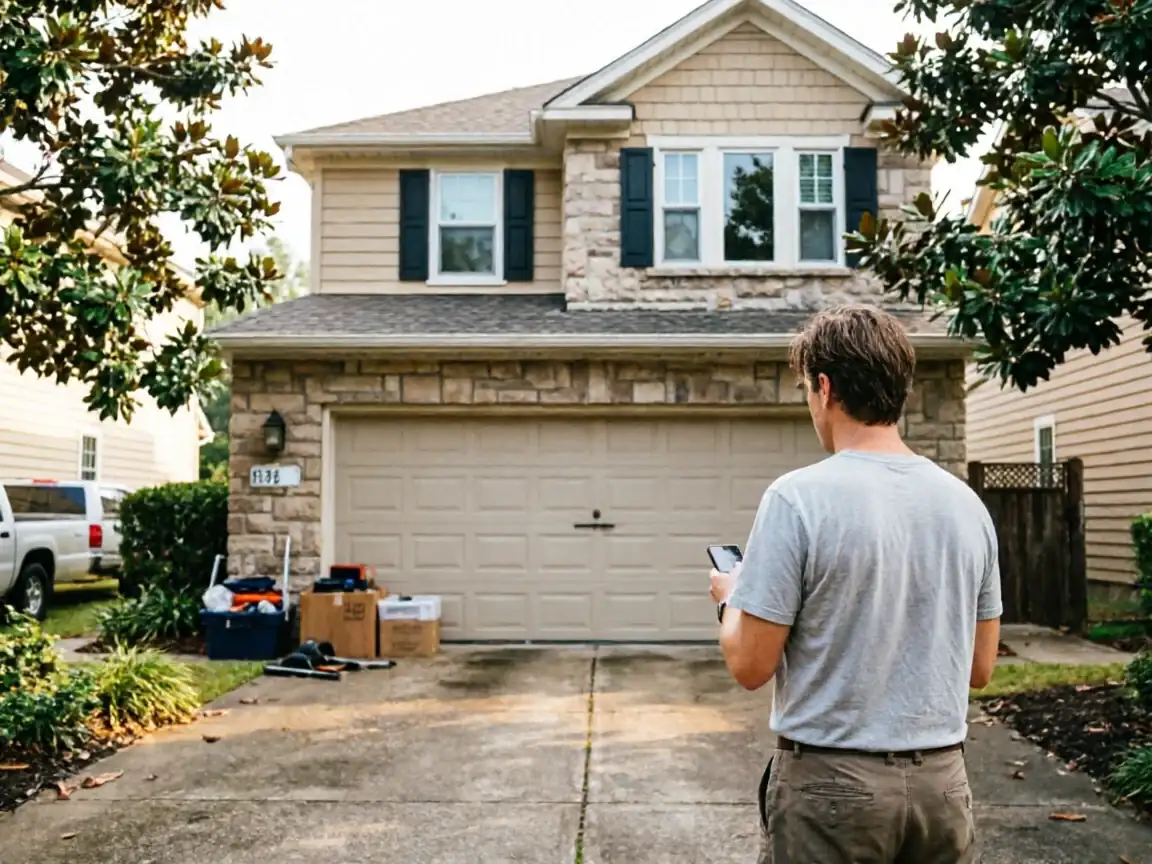
The typical house here dates to around 2003, which puts it on the newer end of a region where homes overall run from 1959 up through 2005. That matters for what you can safely touch yourself.
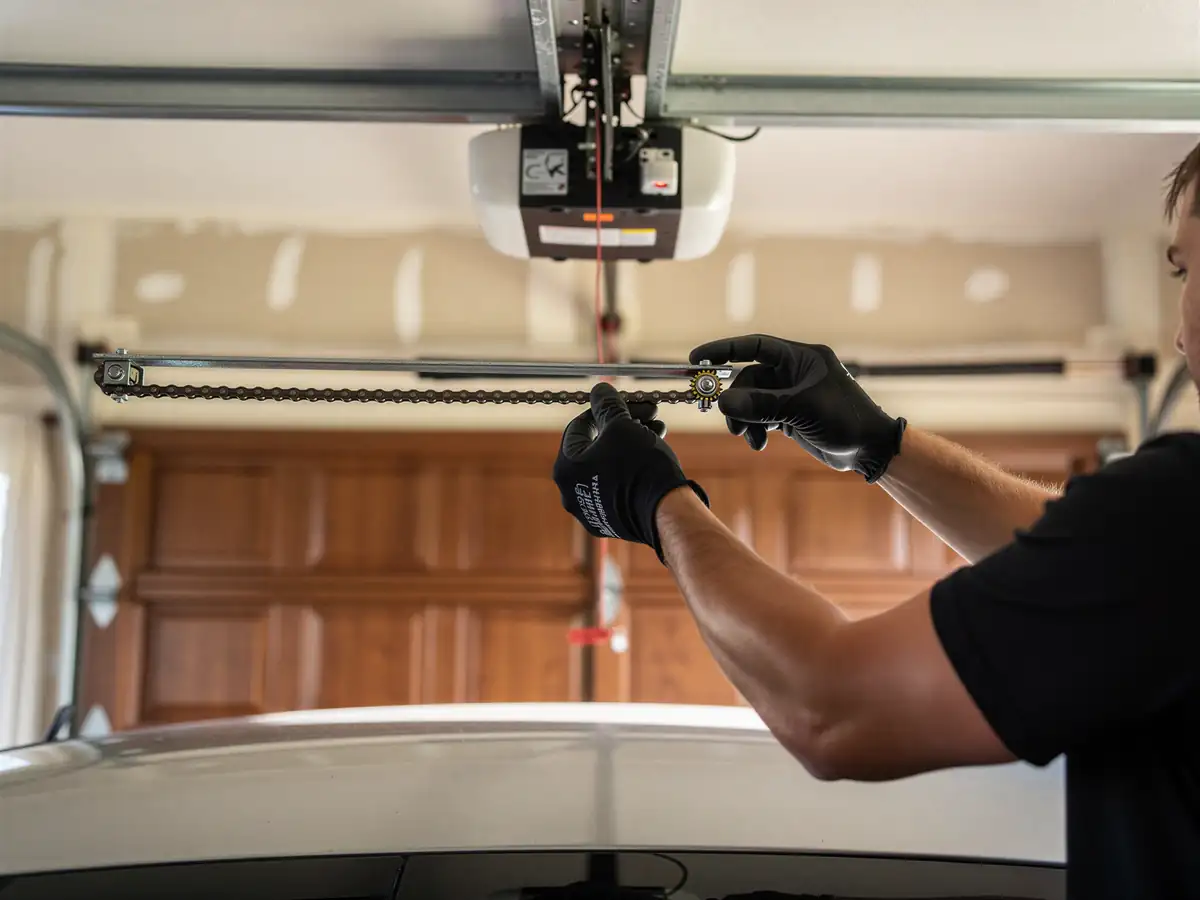
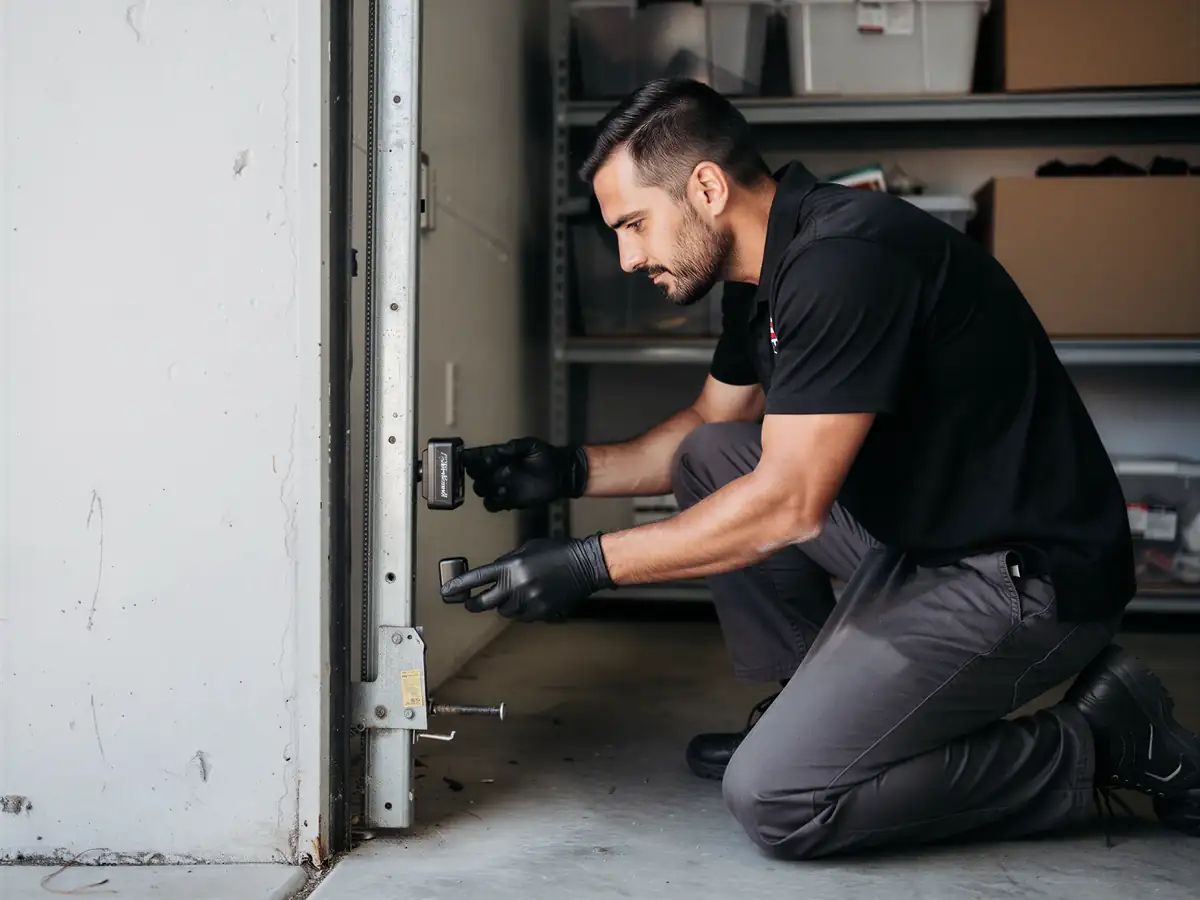
A photo-eye sensor that's knocked out of alignment, a track bolt that's worked loose
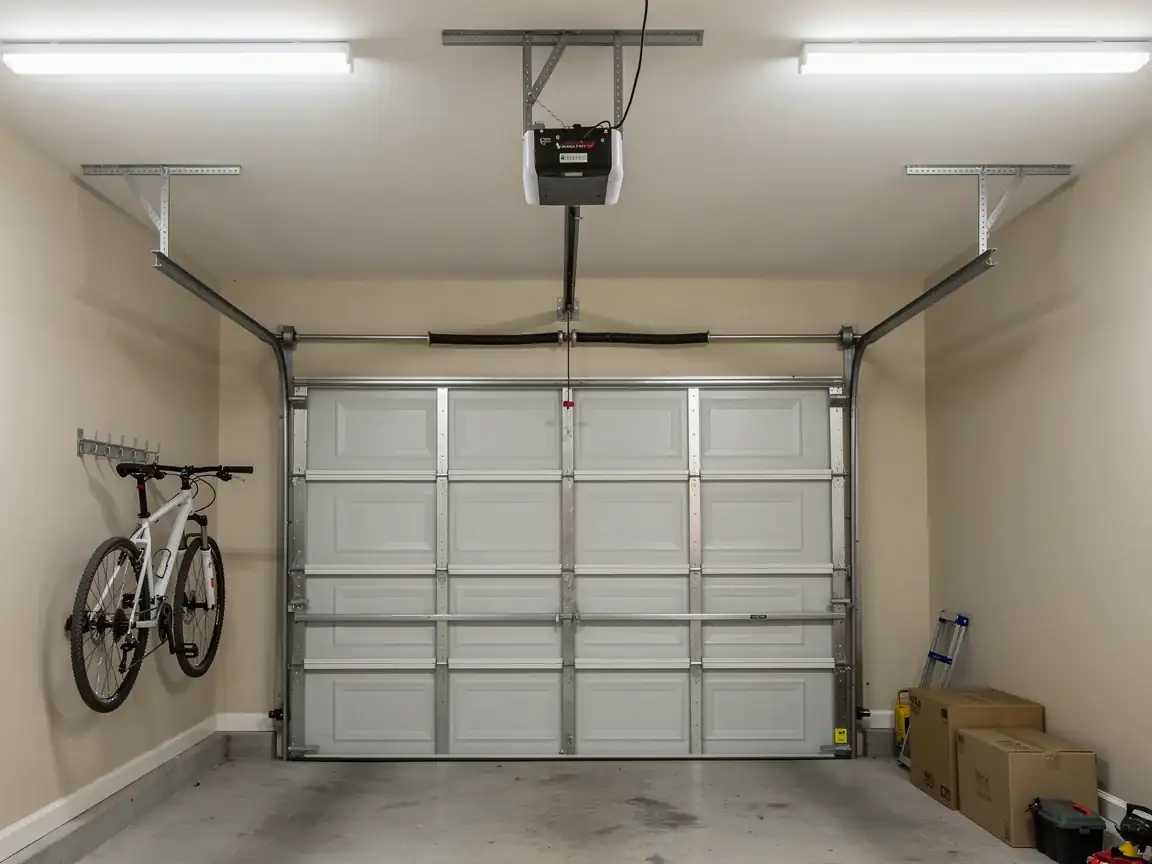
Or an opener remote that needs a battery - those are fair game for a homeowner with a ladder and a screwdriver. Clean the sensor lenses, check that both brackets sit level, and make sure nothing is blocking the beam.
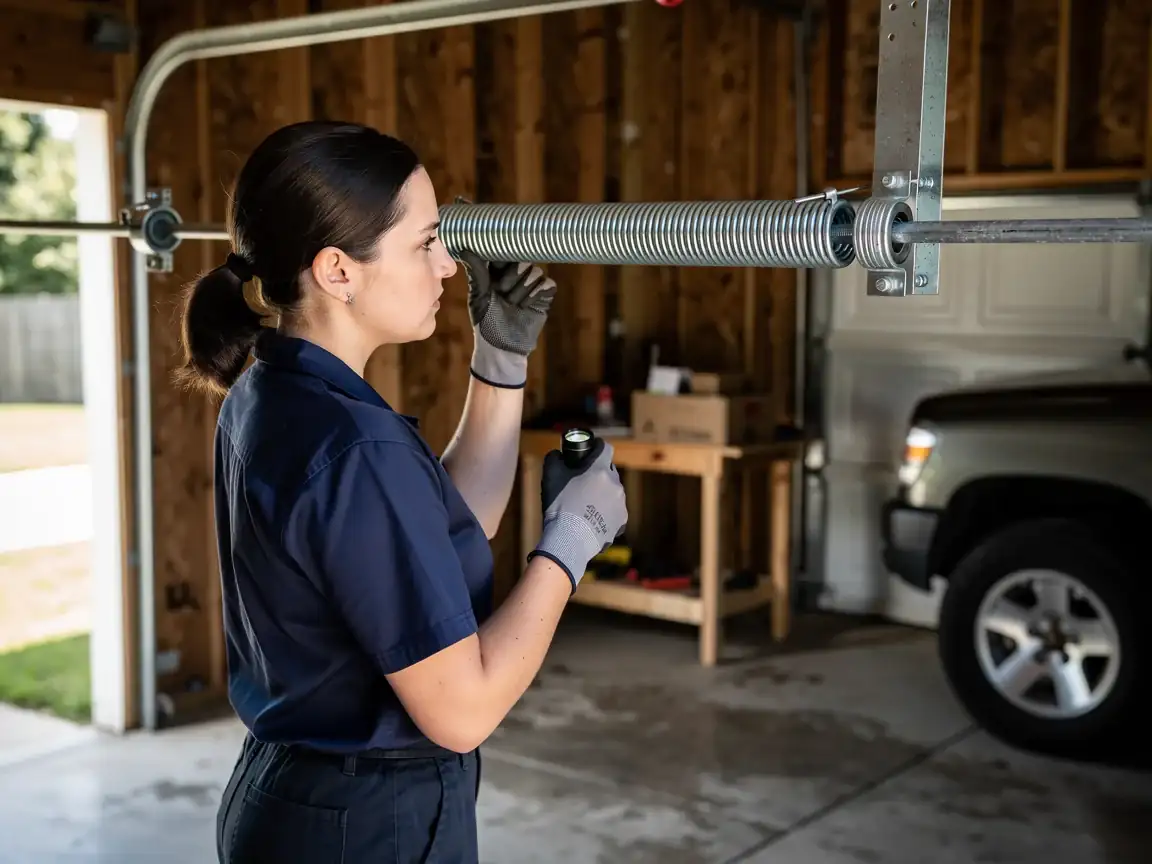
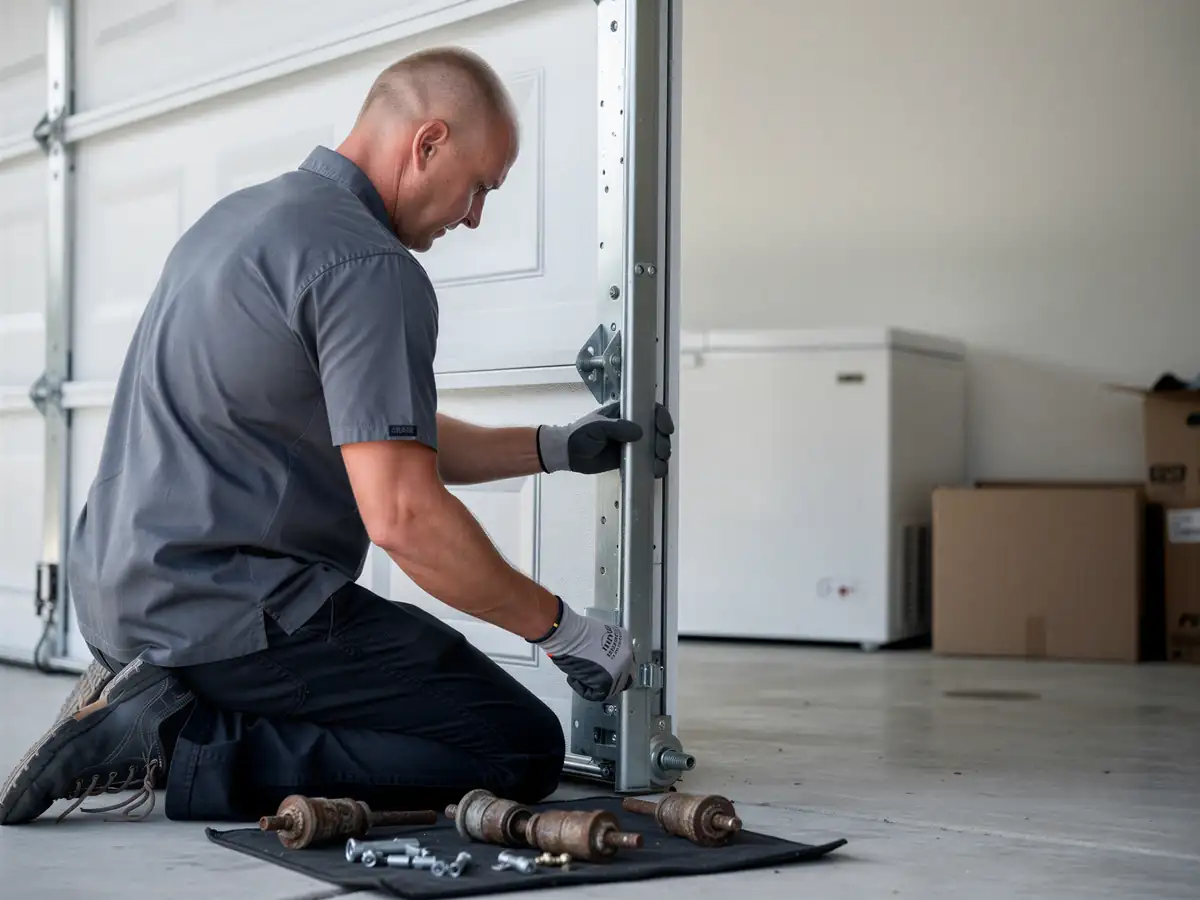
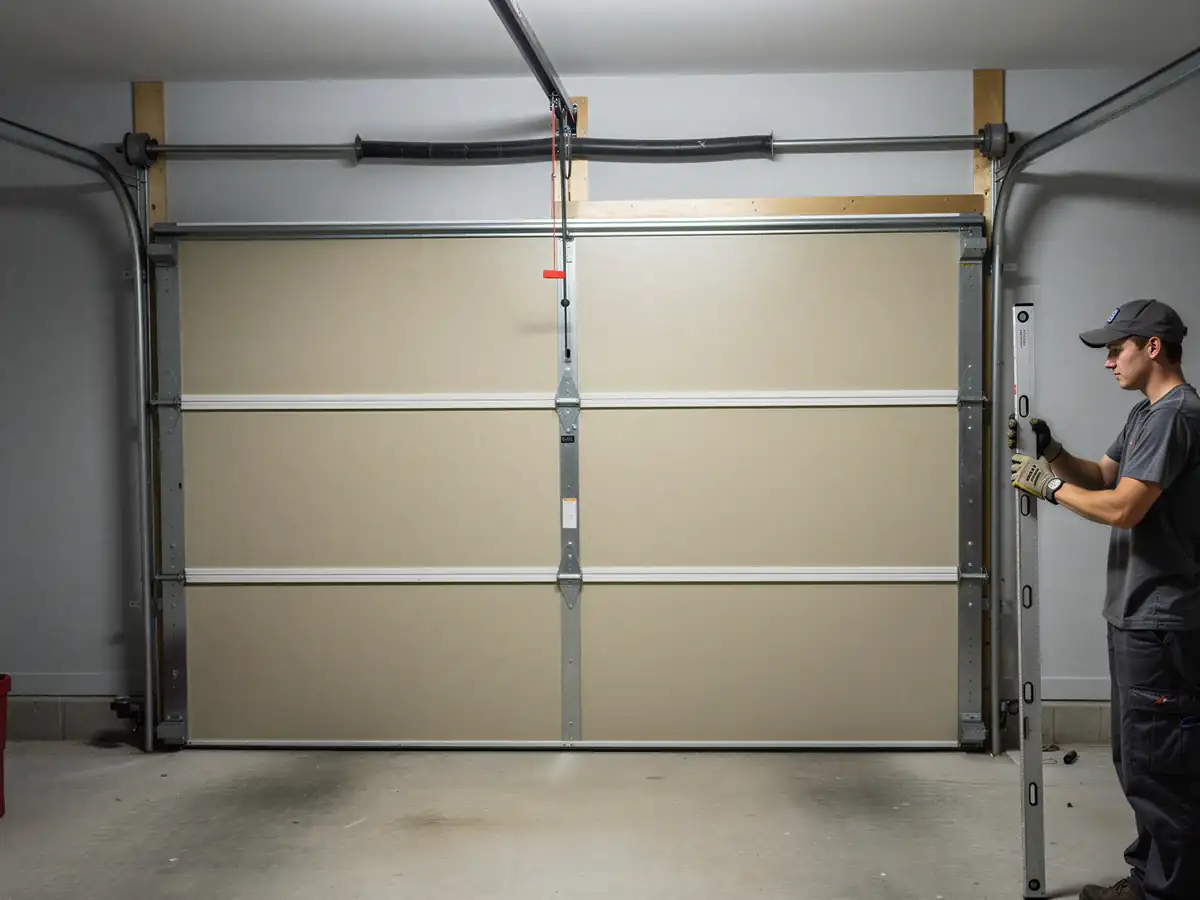
What you should not touch: the torsion spring, the cable drums, or anything under tension
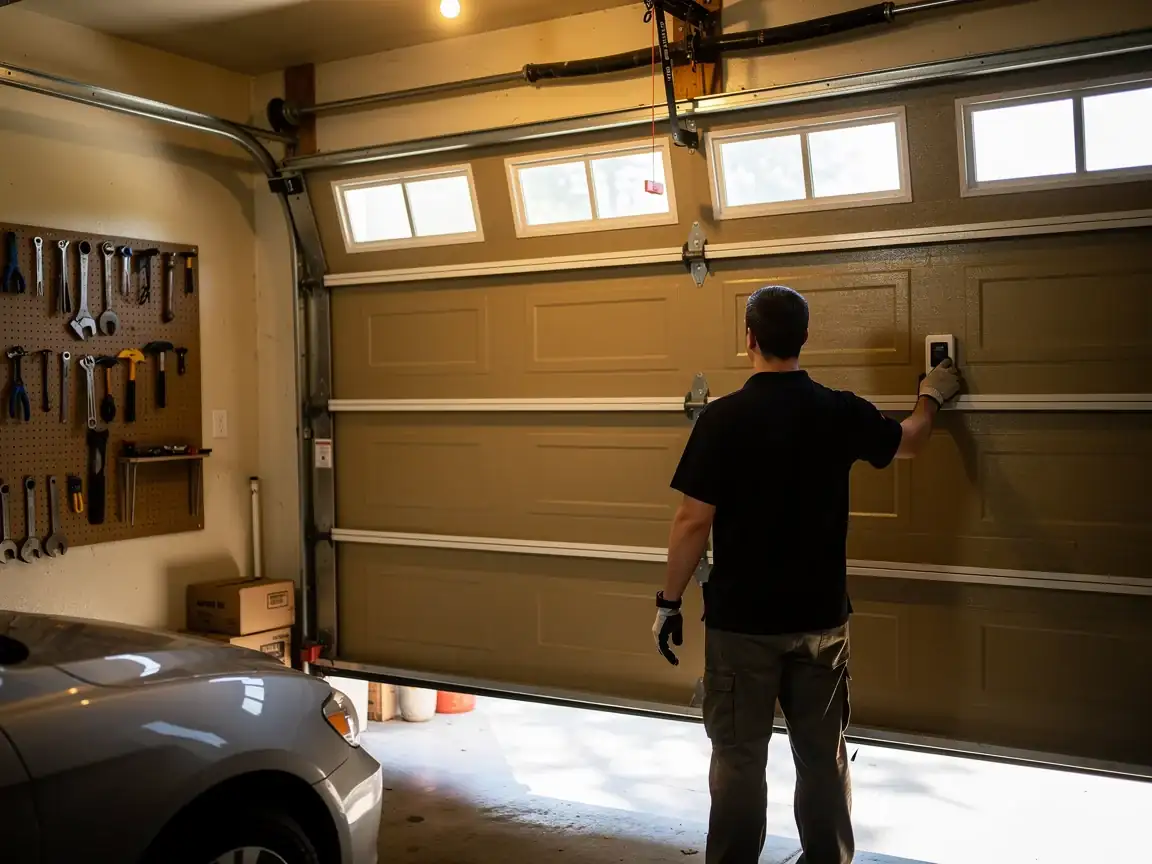
On a standard double door that spring is holding back a couple hundred pounds, and it doesn't care that you watched a video first. If your opener is cycling but the door won't seat right, or the wall button clicks with no response from the motor, that's a wiring or board issue, not a tighten-this-bolt issue. Stop there and make the call.
What Can Go Wrong
Because so many Troutman garages were built in the late '90s and early 2000s, the openers installed then are now in their late teens to low twenties - right where circuit boards, capacitors, and travel sensors start failing on their own schedule, independent of how well the door itself was maintained. We see more board replacements and sensor failures here than we do old-style spring snaps on worn-out wood panels, simply because the housing is younger.
The climate here is cold-moderate, not the deep freeze some northern markets deal with, but winter mornings still stiffen grease on rollers and tracks enough that a door which ran fine in October starts grinding in January. That's usually a lubrication problem dressed up as a motor problem - the opener strains, trips the force setting, and reverses before it closes.
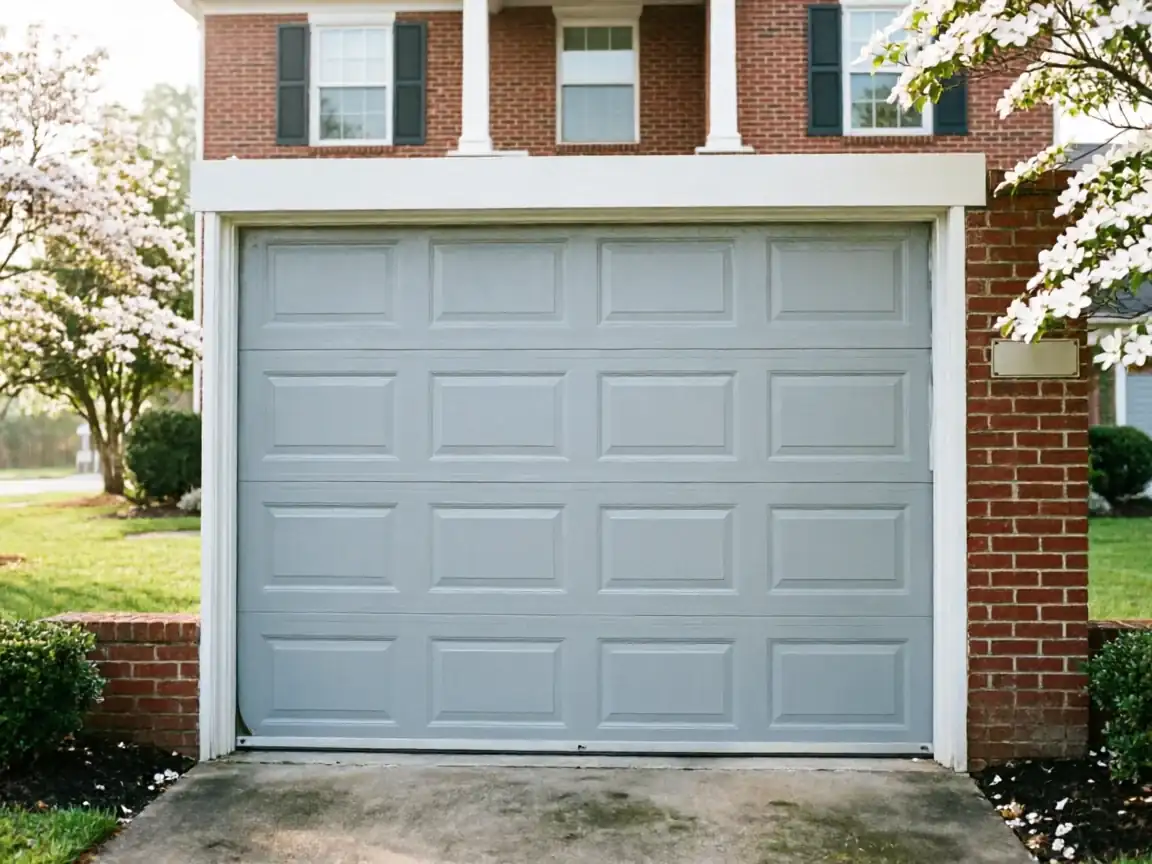
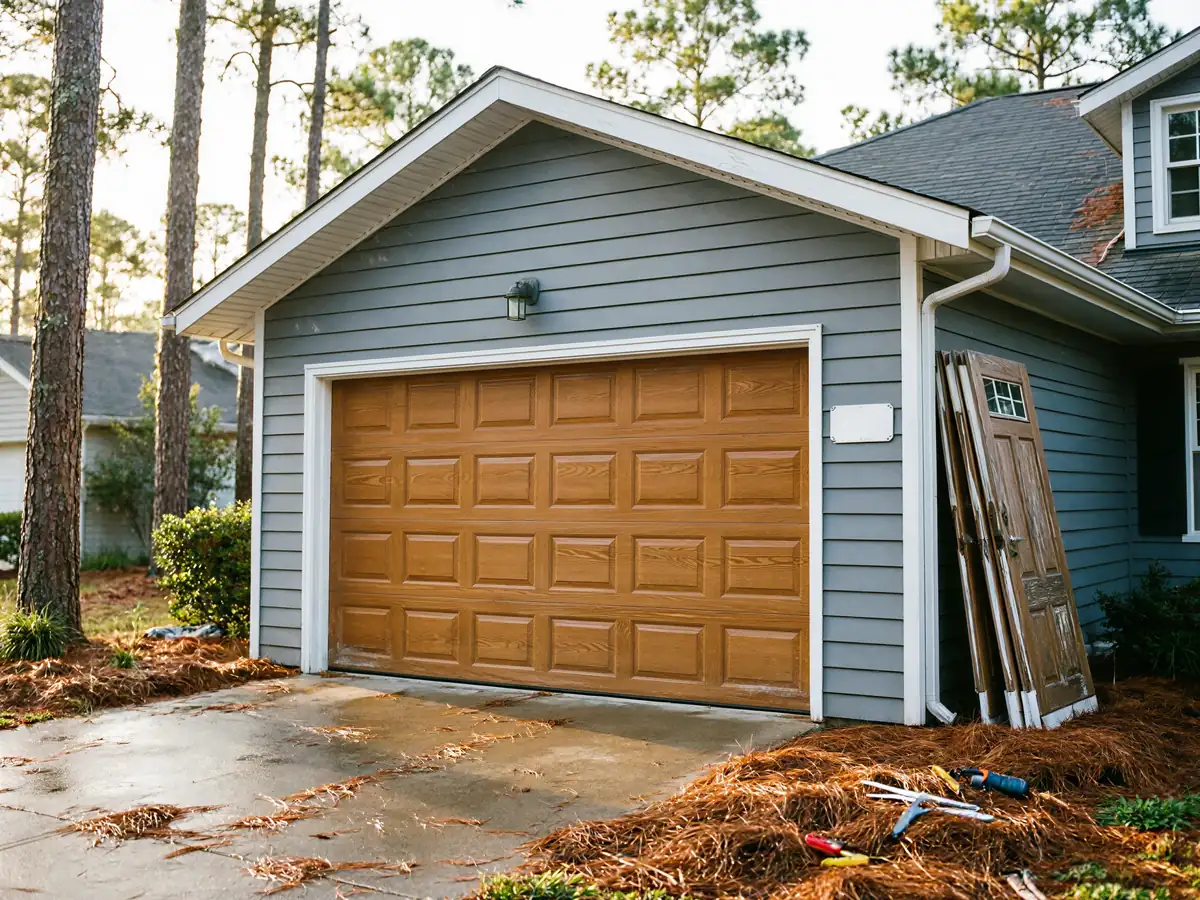
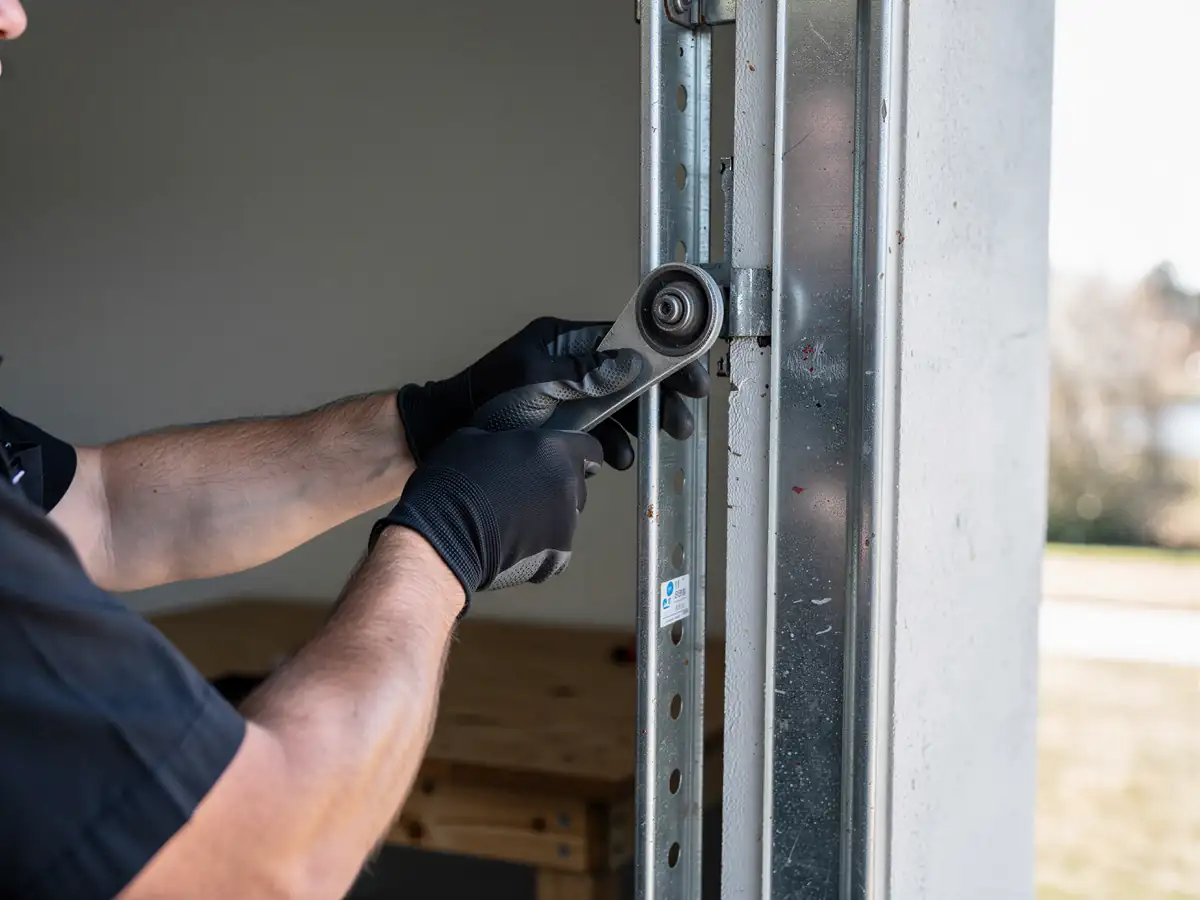
We also see steel panel dents and bent tracks from the usual culprit: a car bumper or a kid's bike. On newer insulated steel doors that's a section swap, not a full-door replacement, which keeps the repair bill down compared to an older solid-panel door where matching panels are hard to source.
Parts We Carry
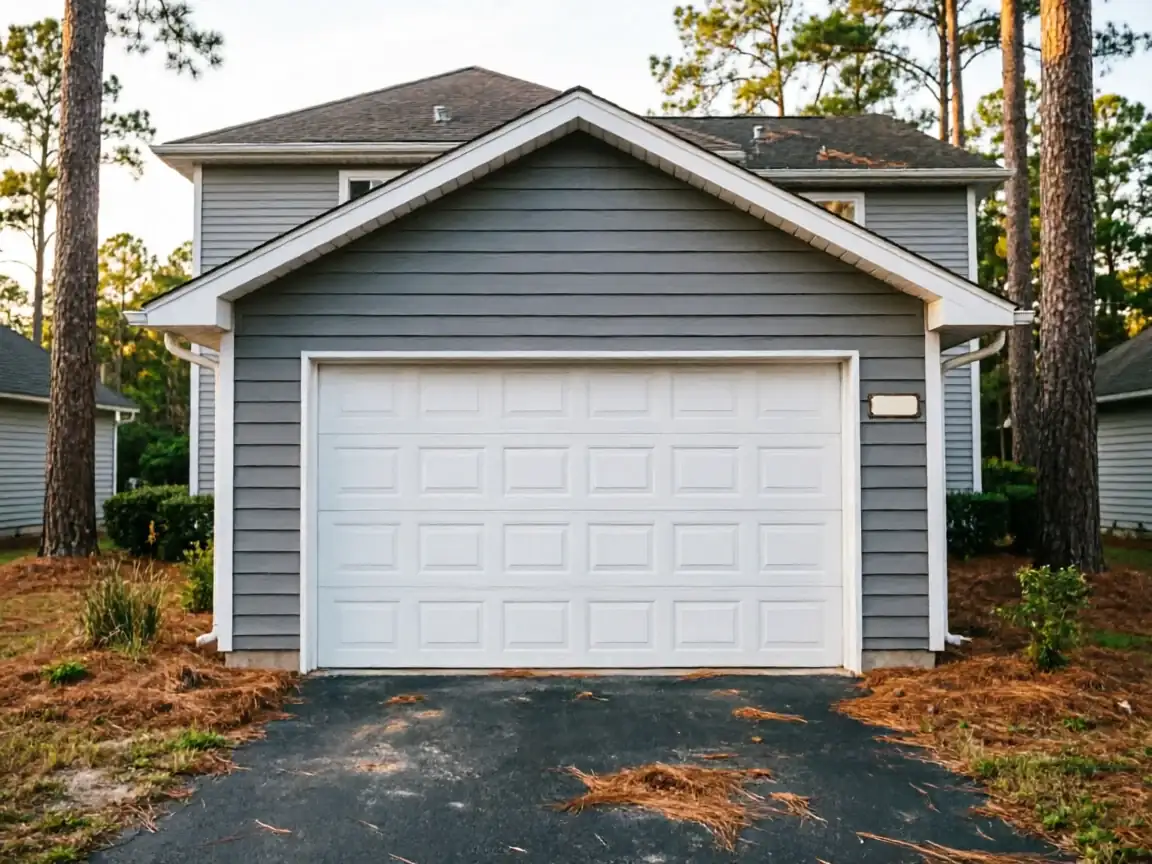
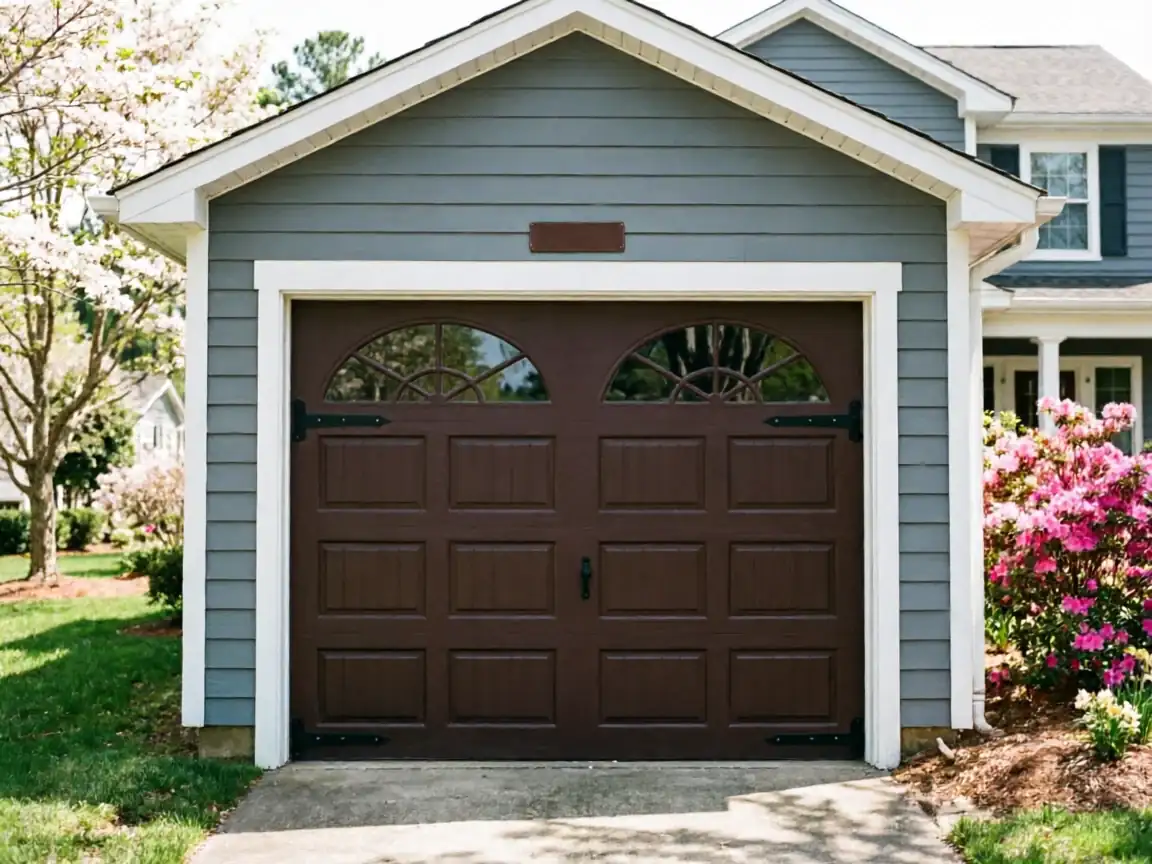
We stock what fits the housing stock we're actually driving to. For Troutman that means parts sized for late-1990s through mid-2000s steel sectional doors: torsion springs rated for the standard 7-foot double and single openings used in that era, nylon and steel rollers, and the lighter-gauge track common on builder-grade installs from that window.
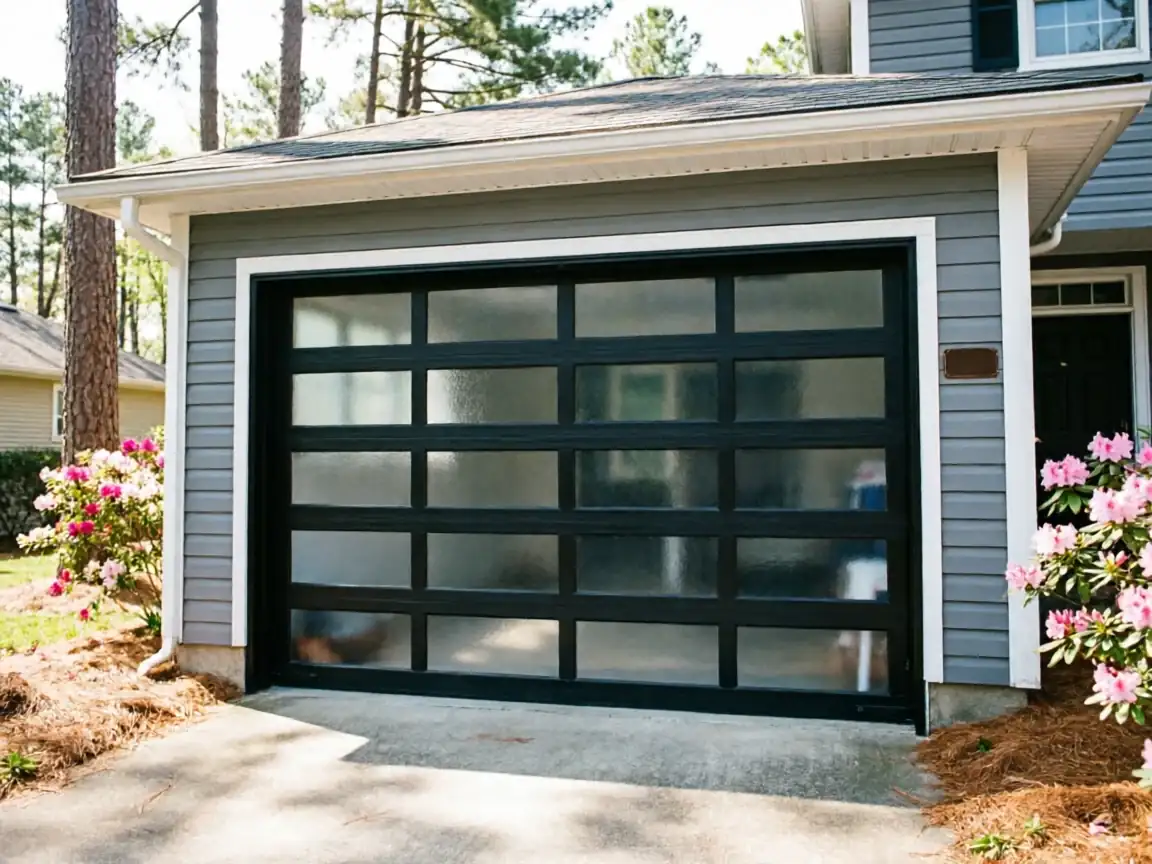
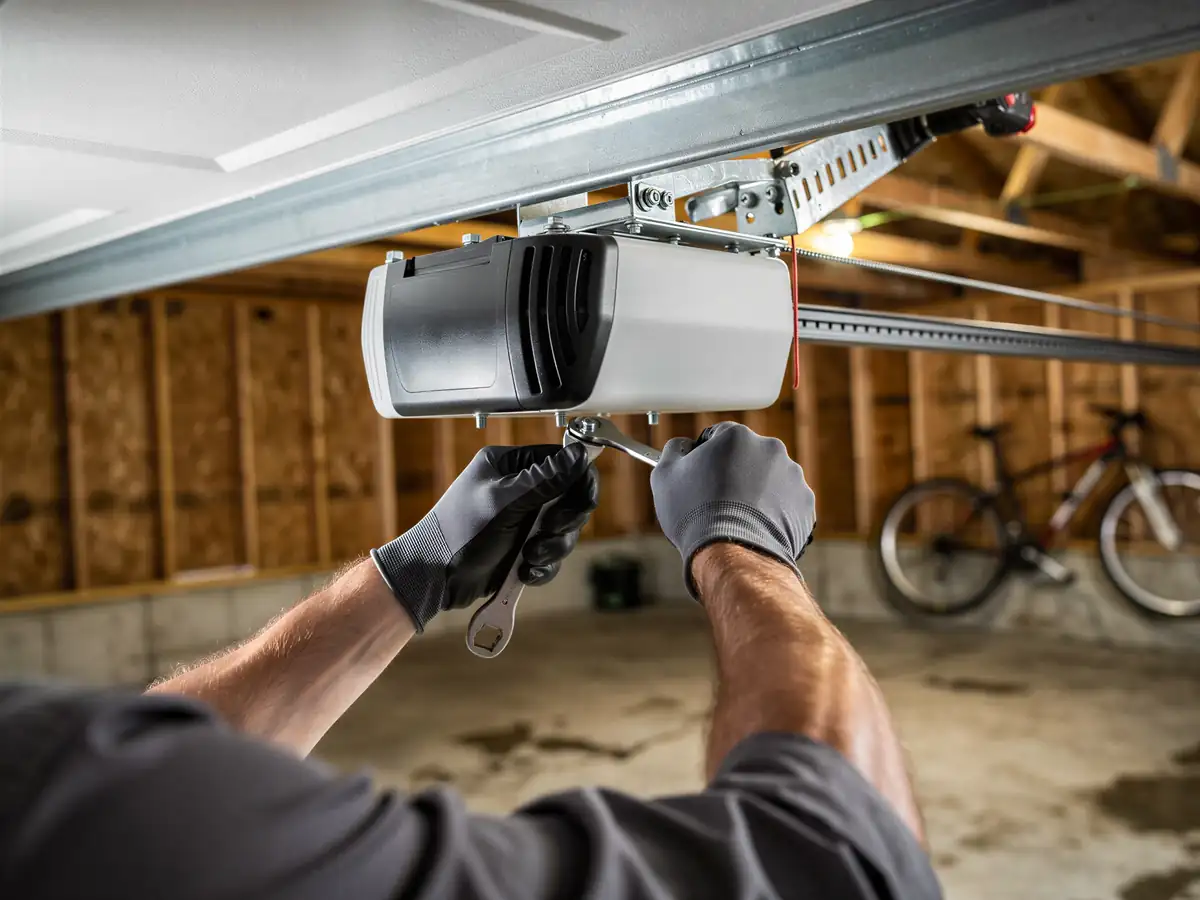
On the opener side, we carry logic boards and photo-eye sensor kits that match the chain and belt-drive units installed as standard equipment through the early 2000s - these are the parts most likely to fail first given the age we're now seeing on original equipment.
One honest limit: if your door or opener predates that build window, or it's an imported or less common brand, we may need to order the part rather than carry it on the truck. We'll tell you that up front on the call rather than making a second trip pretend-necessary.
How It Shows Up
In a house built when Troutman was growing fast
The first sign is usually the opener, not the door itself. The motor runs but the door barely moves, or it reverses a few inches from fully closed every single time - that's a worn or miscalibrated board losing track of the travel limits it was set to twenty-some years ago.
With 1,430 households in Troutman and a median income of $76,389
We see more owners opt for a board or sensor replacement over a full opener swap when the door and track are otherwise sound - it's the cheaper fix and it's usually the right one at this age.
- 1,430 households
- $76,389 median household income
A second pattern: a door that was fine all year suddenly won't close in the cold months
Nine times out of ten that's grease gone stiff on the rollers, made worse by a track that's slightly out of plumb - something that's easy to live with in September and impossible to ignore in January.