What Can Go Wrong
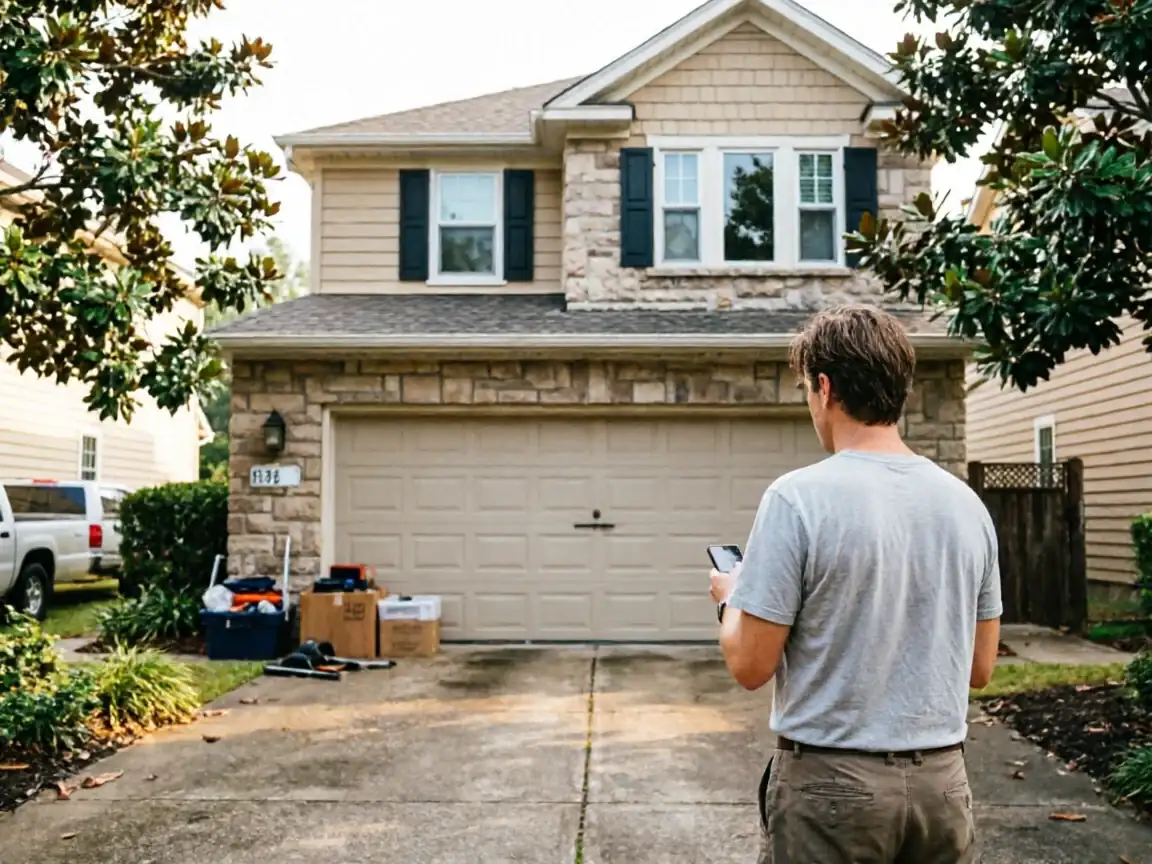
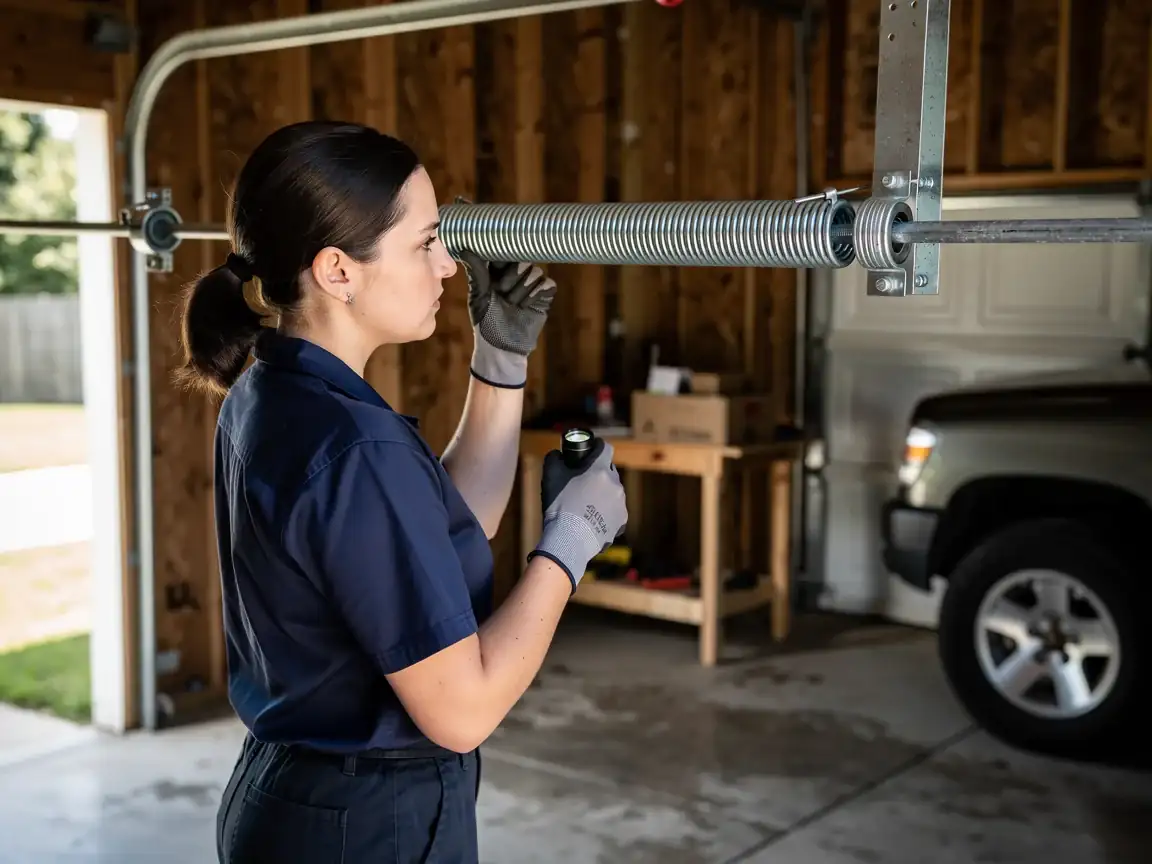
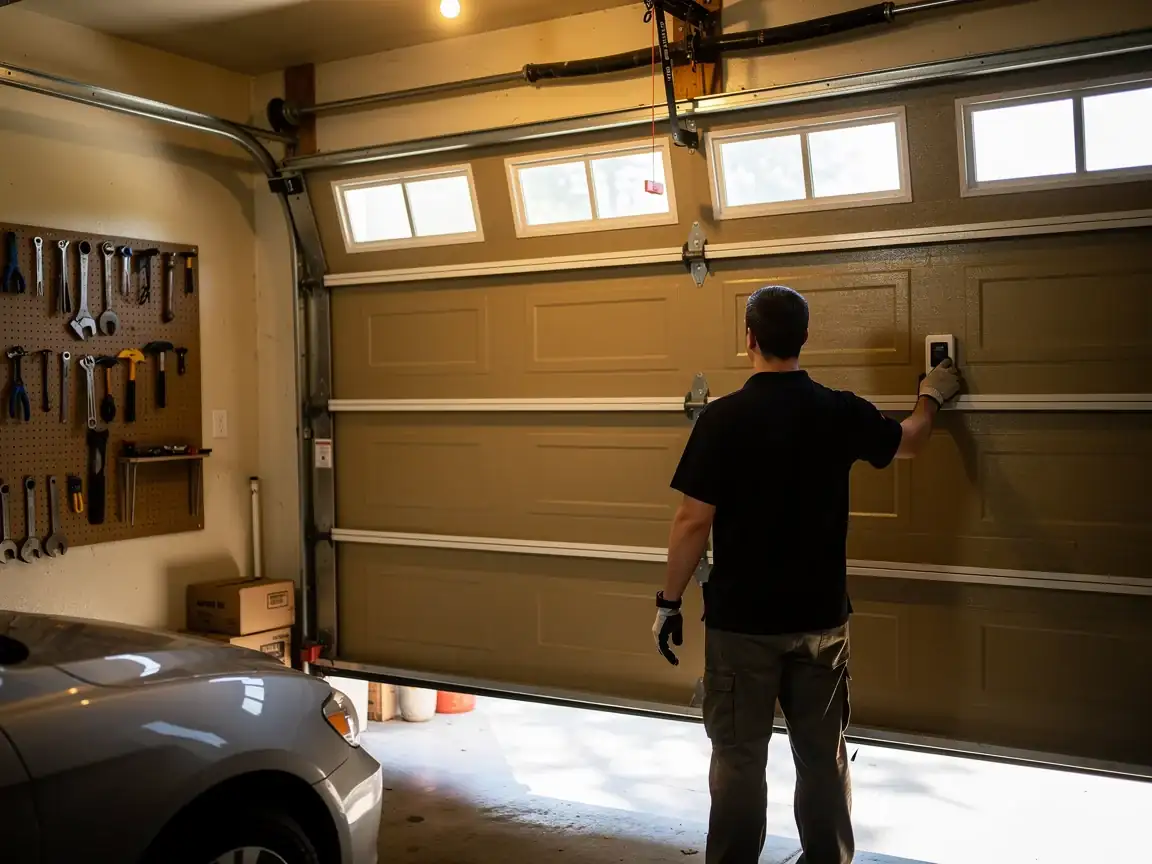
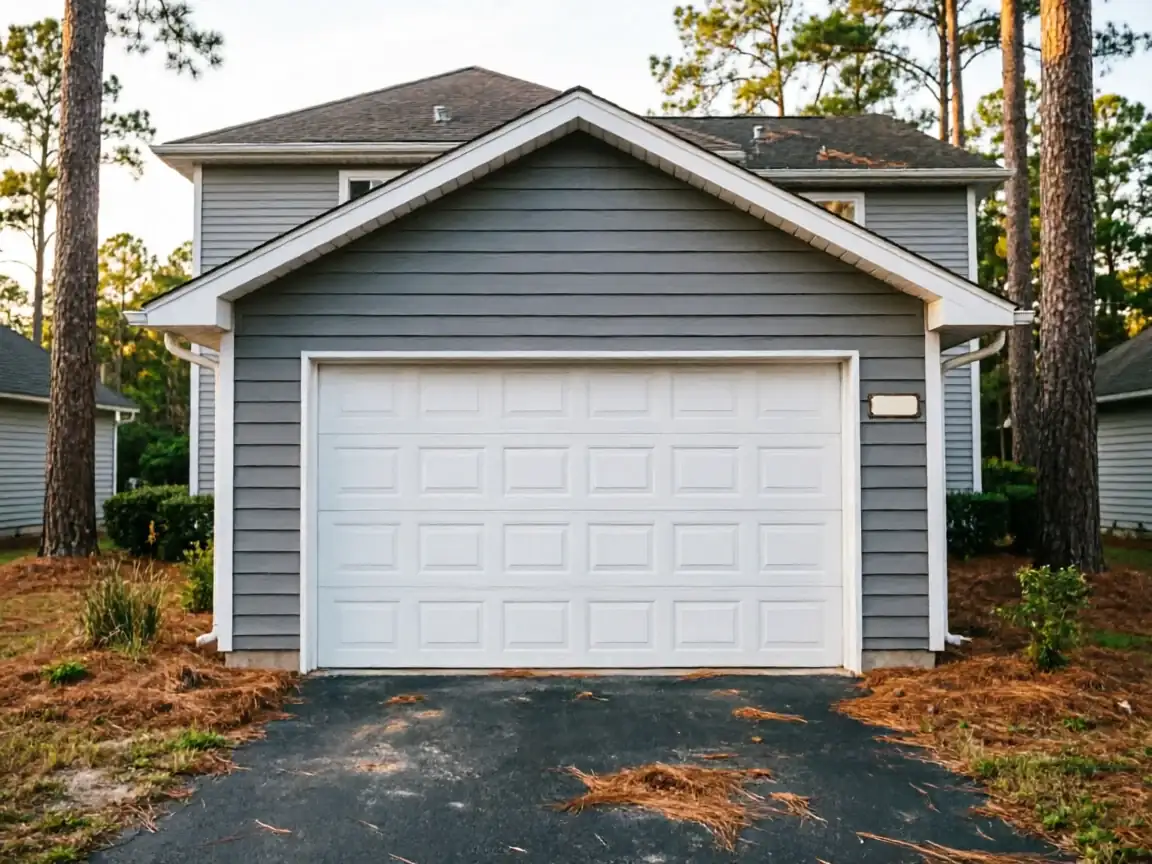
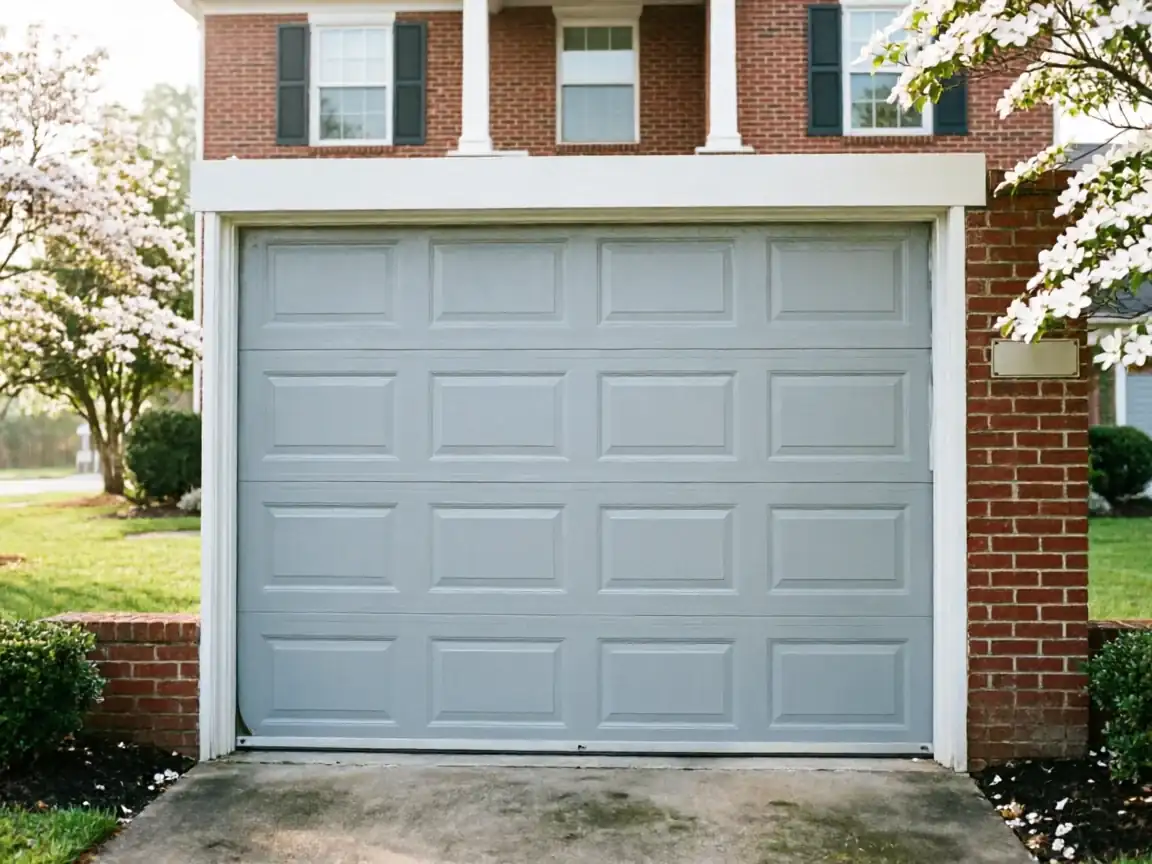
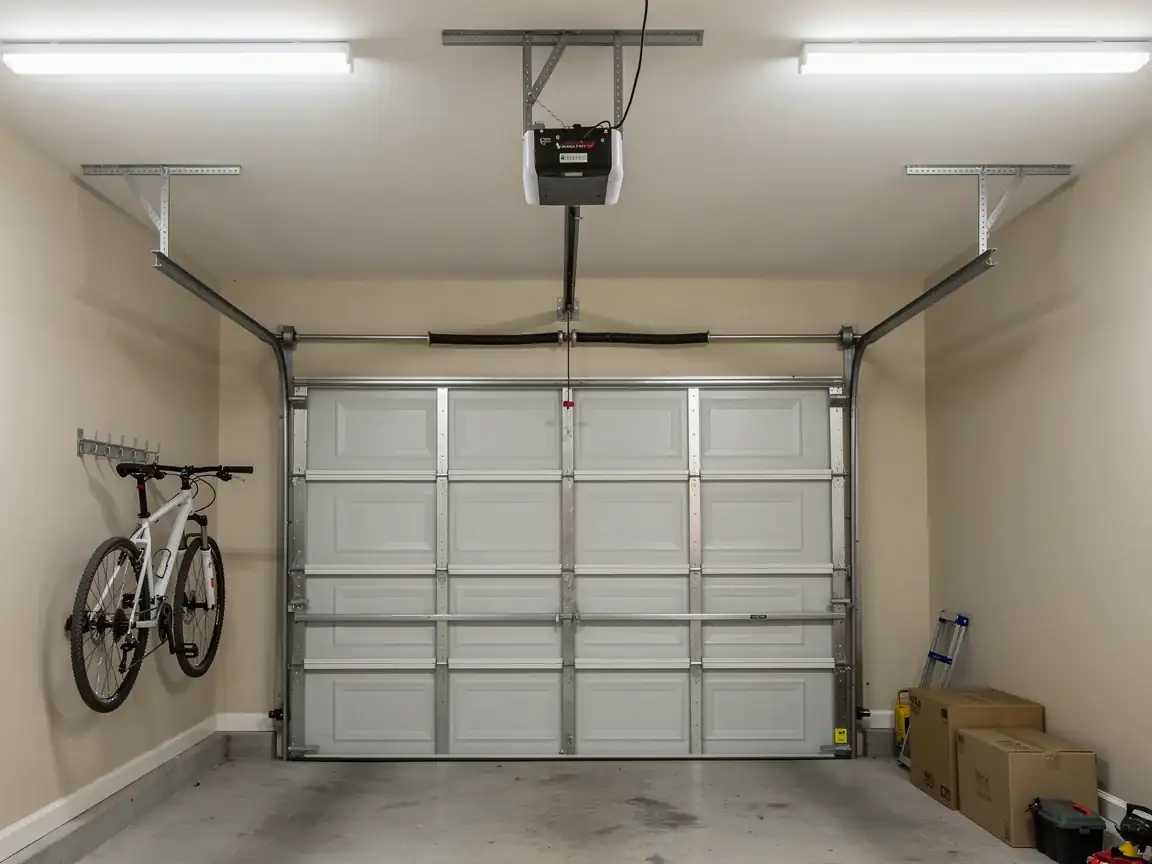
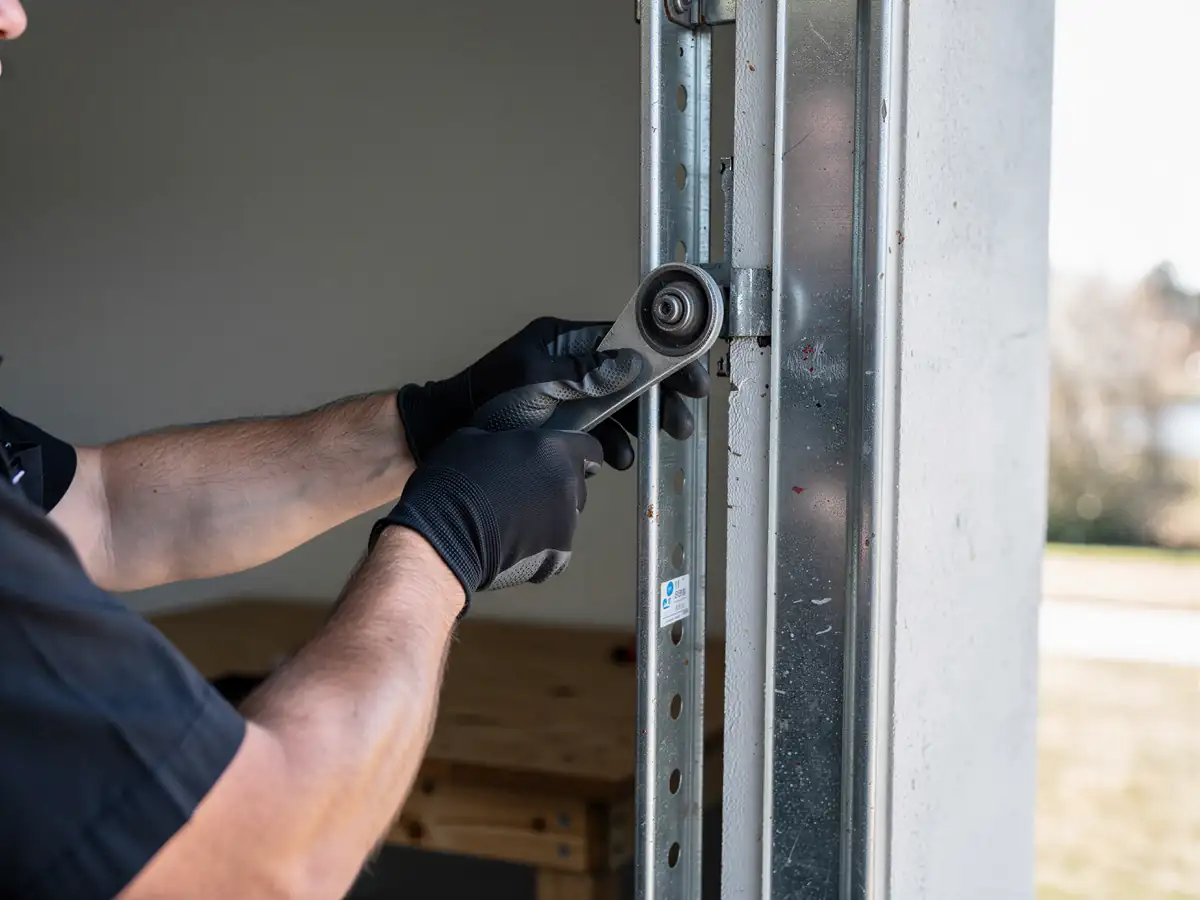
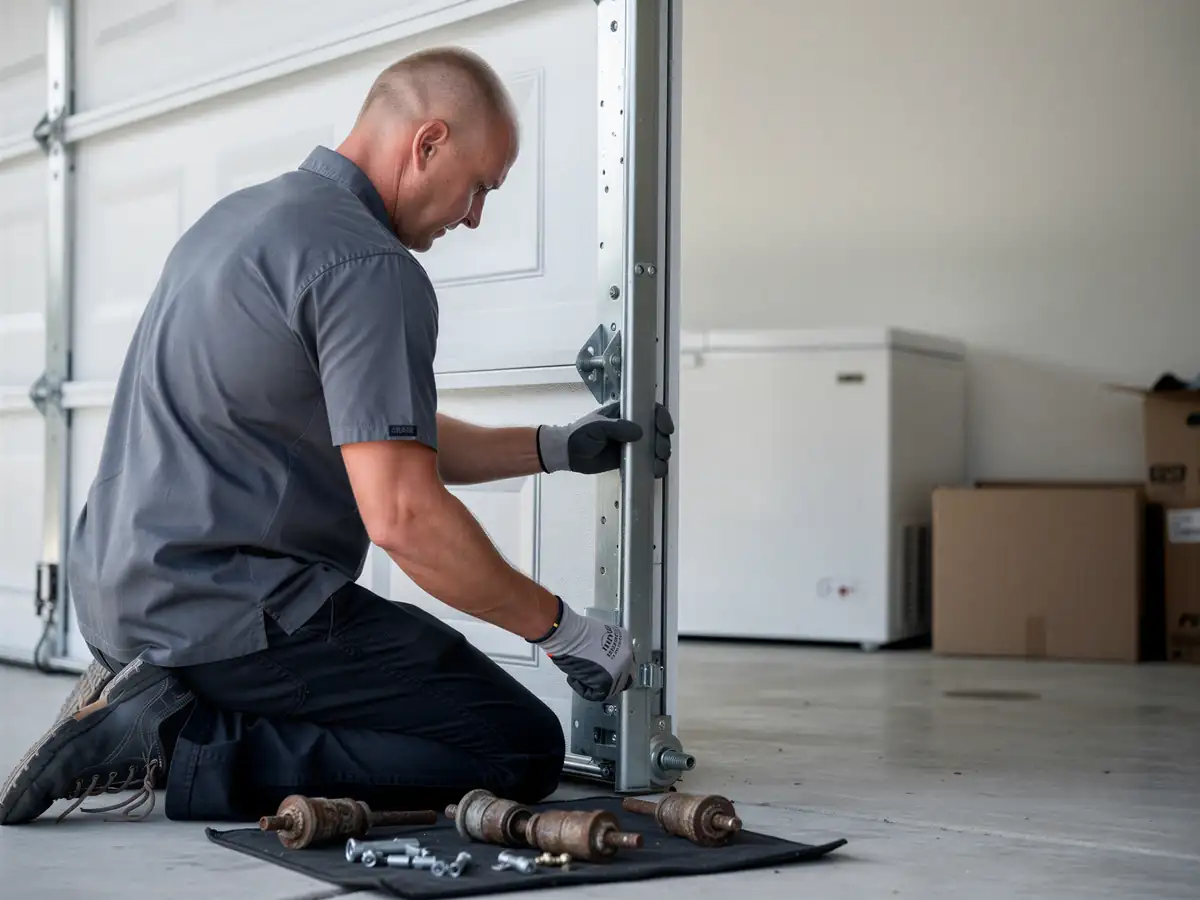
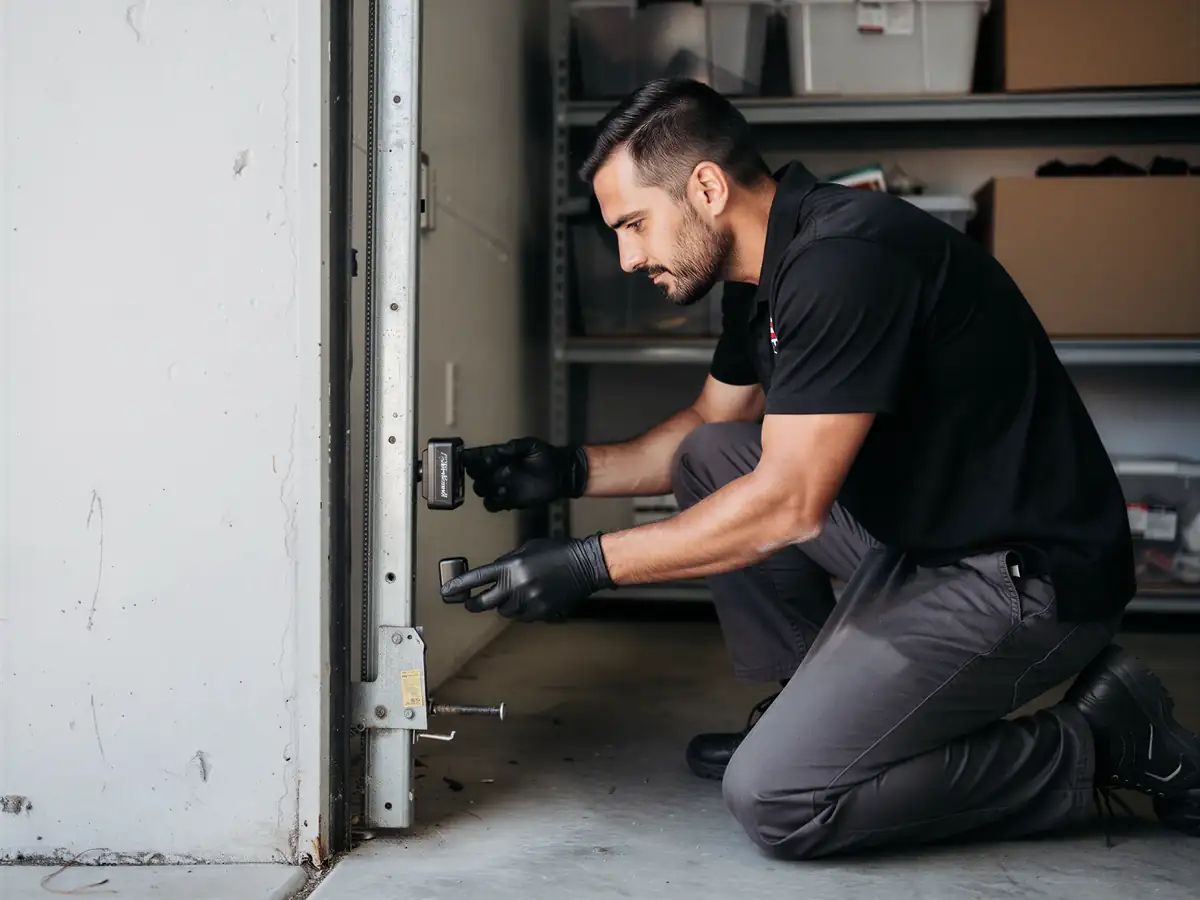
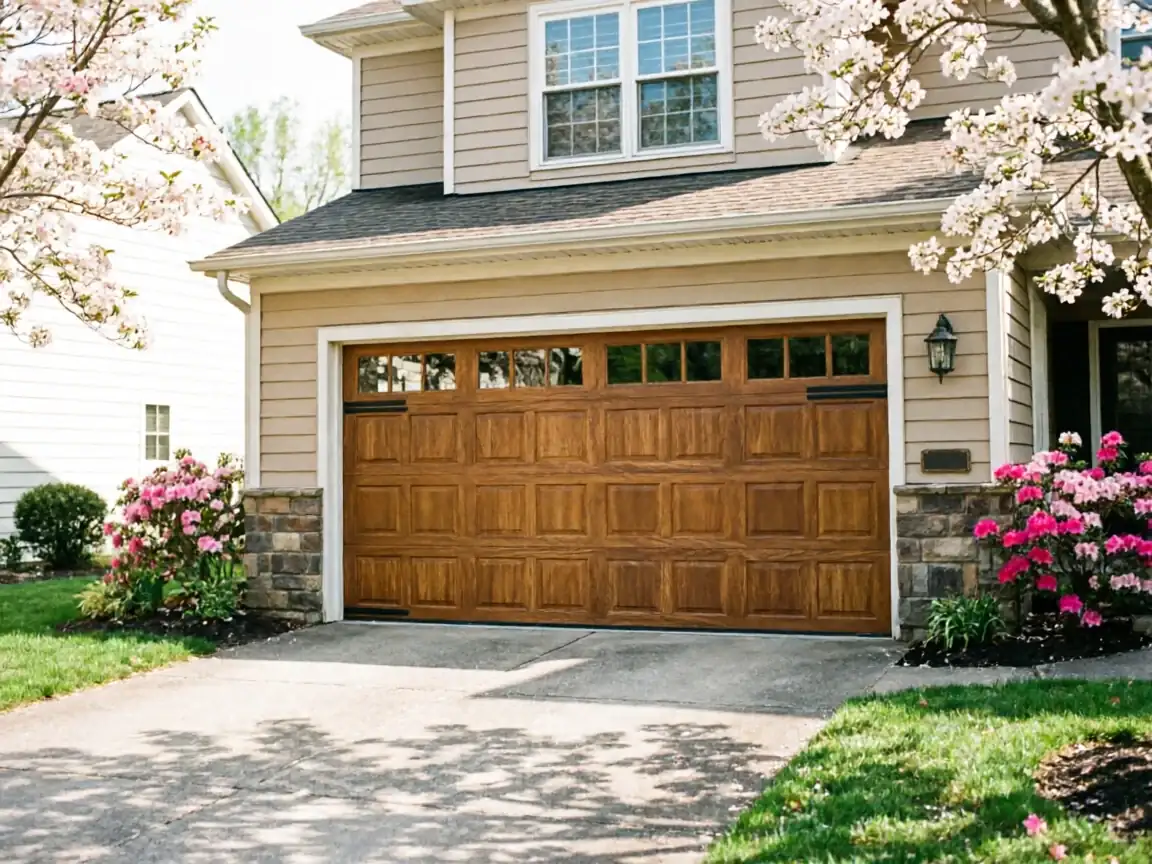
A house built around 2003 is old enough now that the original garage door equipment is past or near the end of its expected life, but new enough that a lot of owners assume it's still 'recent.' That gap is where the failures hide. Builder-grade torsion springs from that era were often rated for a modest number of cycles, and two decades of daily use puts most of them well past that count. Openers from the early 2000s are also reaching the point where circuit boards, drive gears, and safety sensors wear out together, so a door that reverses randomly or won't close at all is common. Our winters bring real cold snaps even if they're not severe, and cold tightens steel and stiffens old lubricant, which is usually when a marginal spring finally lets go. None of this is unique to one house - across the roughly 1,430 households in Troutman, the housing stock skews to that same build window, so the hardware problem is shared street to street even without a single landmark in common.
Parts We Carry
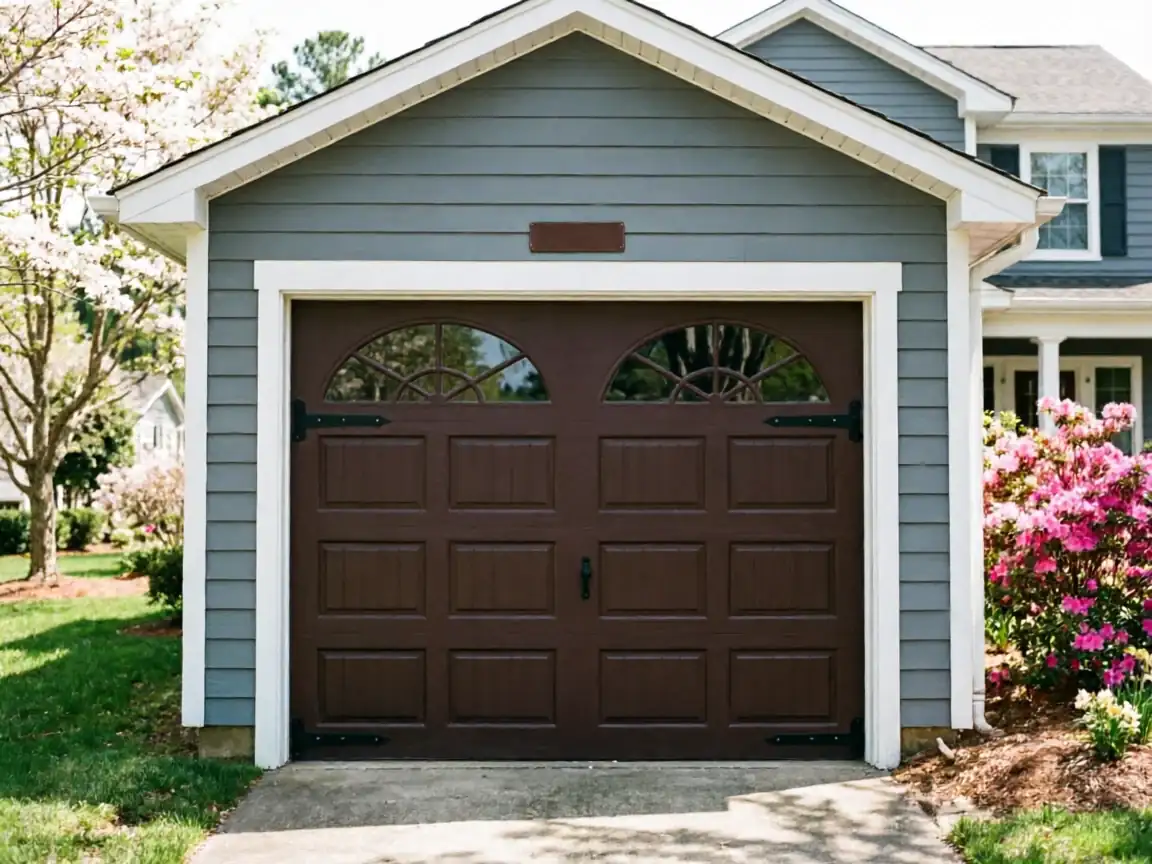
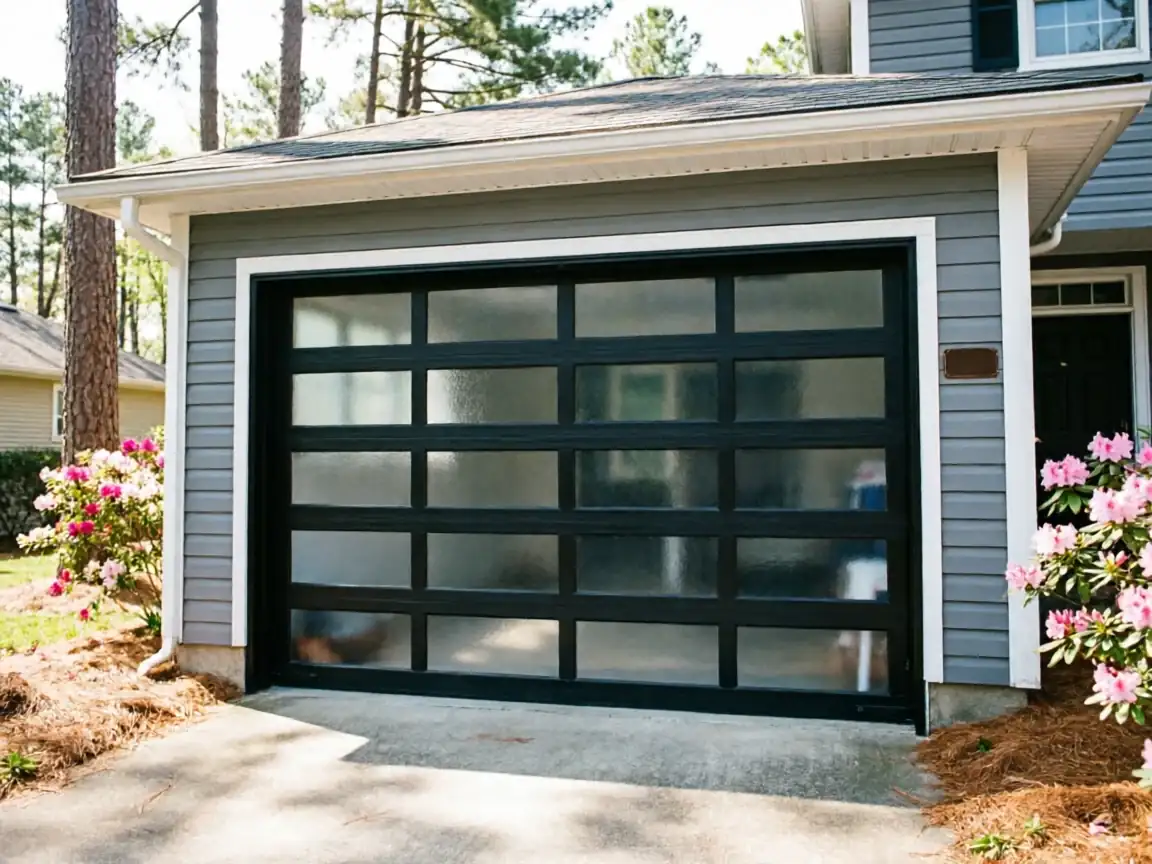
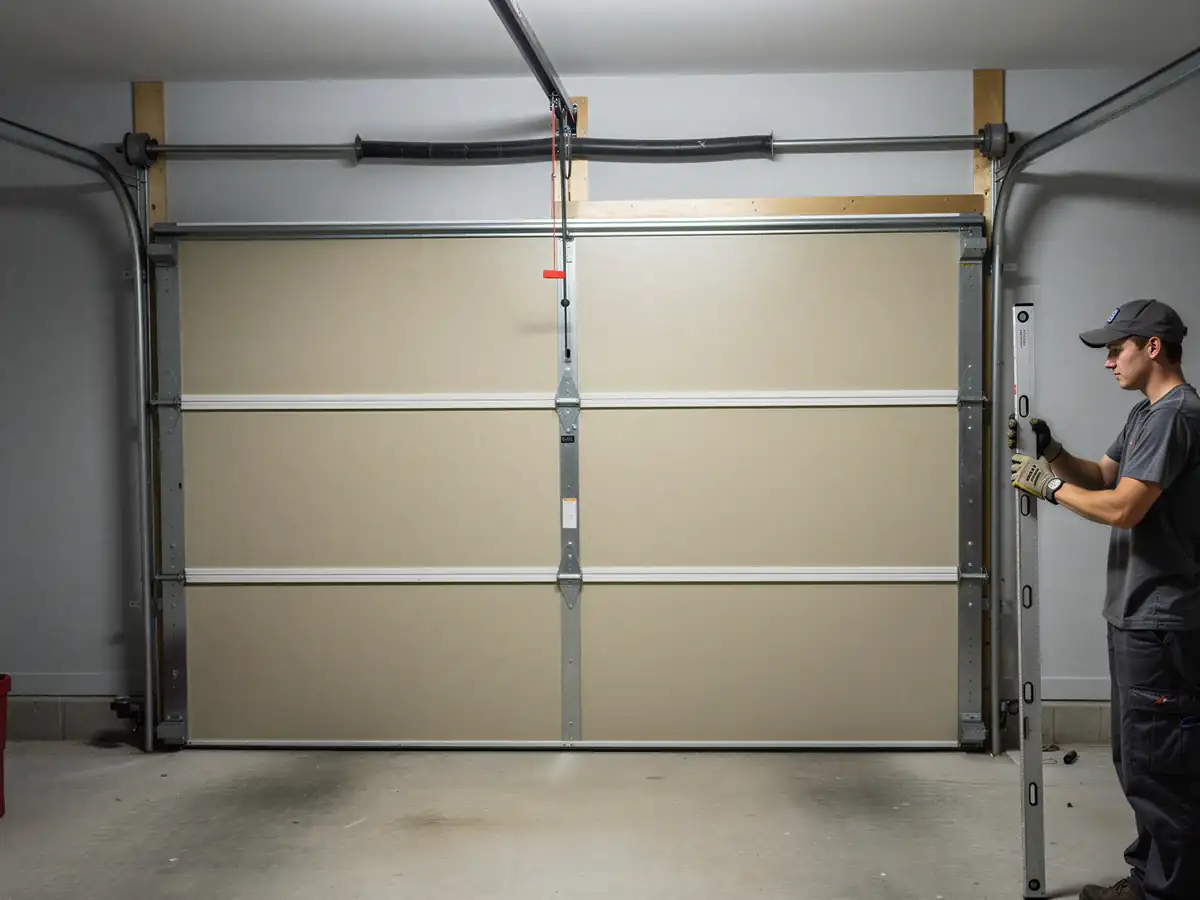
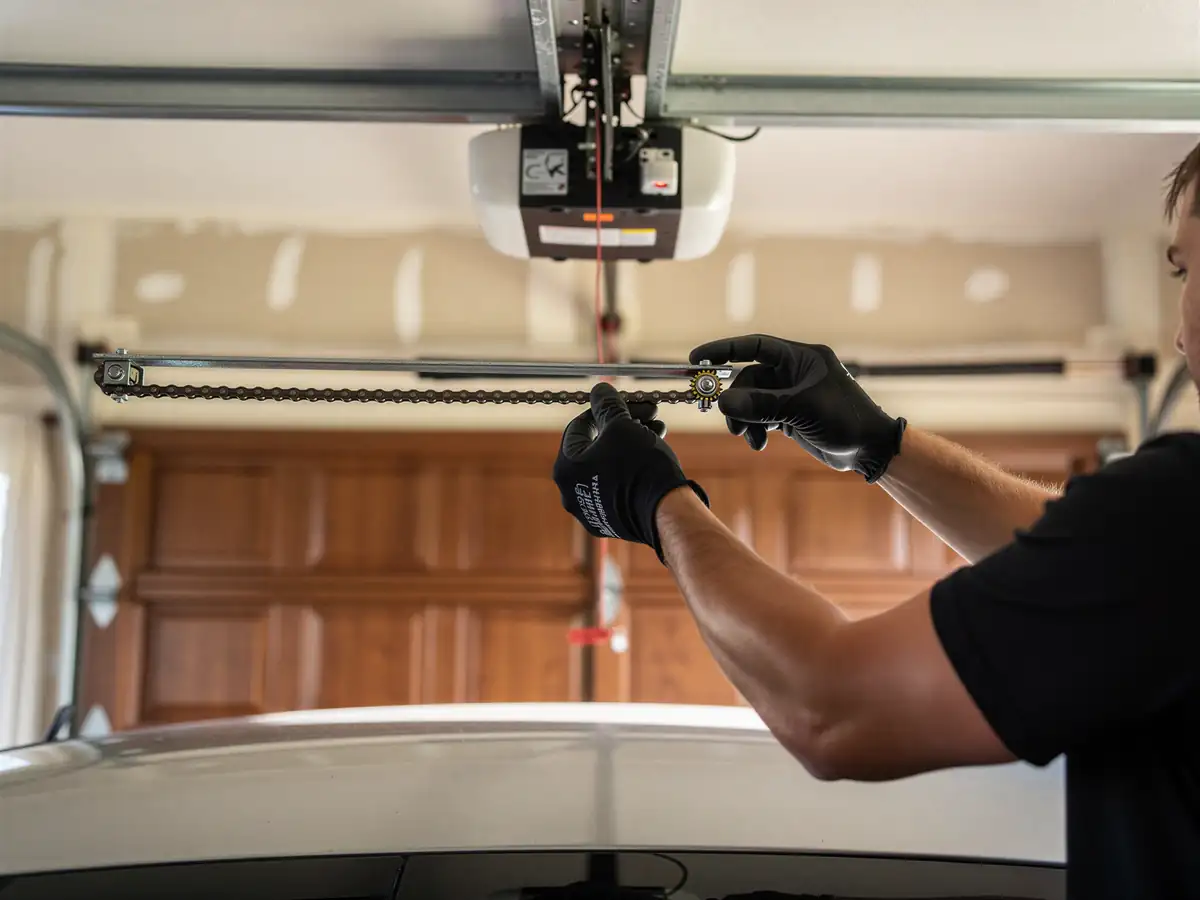
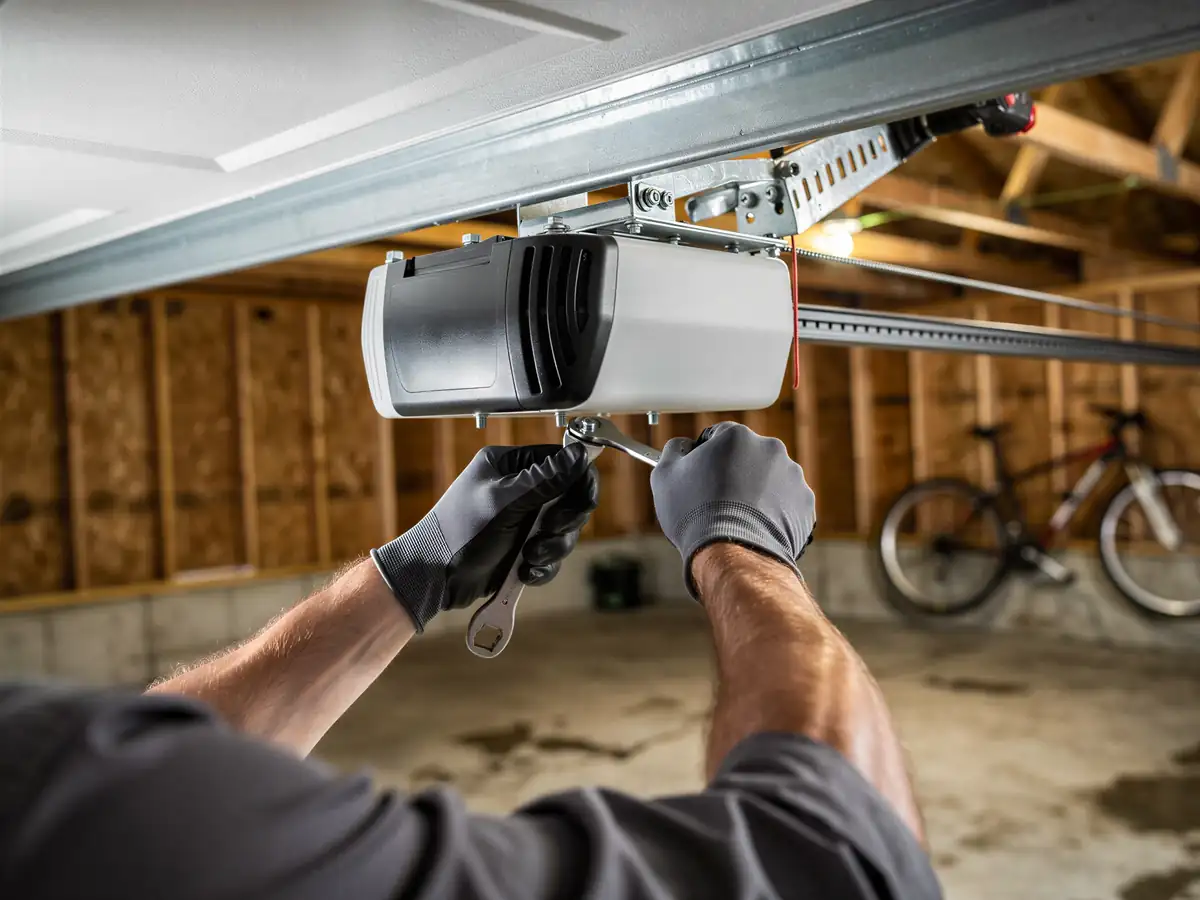
We keep common springs, rollers, cables, and standard-size openers on the truck because those are what fail most in homes from Troutman's era - builder-installed torsion springs and mid-grade chain-drive openers account for most of what we replace out this way. Panels and tracks sized for the production door widths used in early-2000s construction are also stock items. What we don't always have on hand is anything custom - an insulated panel in an odd width, a specialty opener board for a less common brand, or hardware for a door that's been modified from its original setup. For those, there's usually a short order wait, and we'd rather tell you that than quote a same-day fix we can't back up. Given the median household income in the broader service area sits around $73,393, and Troutman itself runs a bit higher at $76,389, we try to steer people toward a repair when the hardware's salvageable and only recommend full replacement when the economics genuinely favor it.