How We Fix It
Lowesville is a small place, about 1,387 households
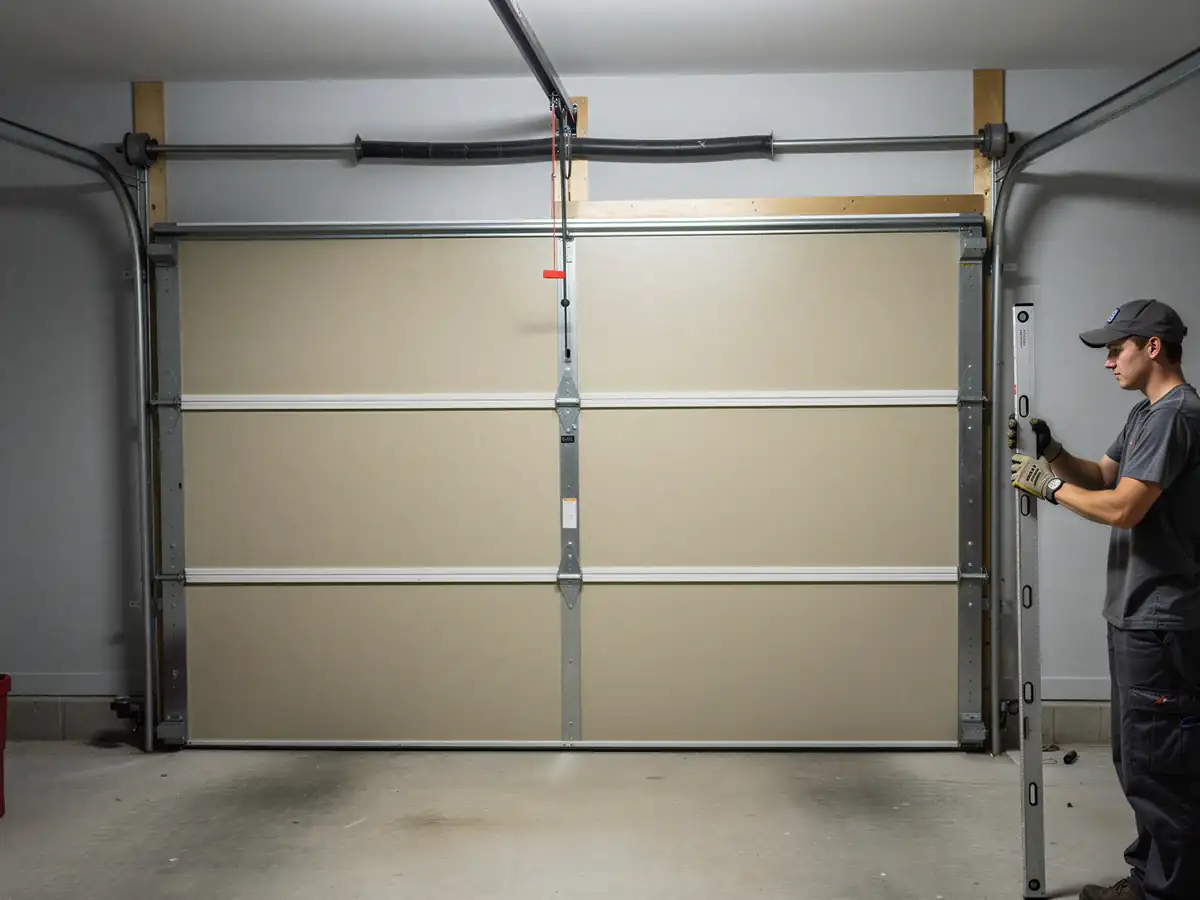
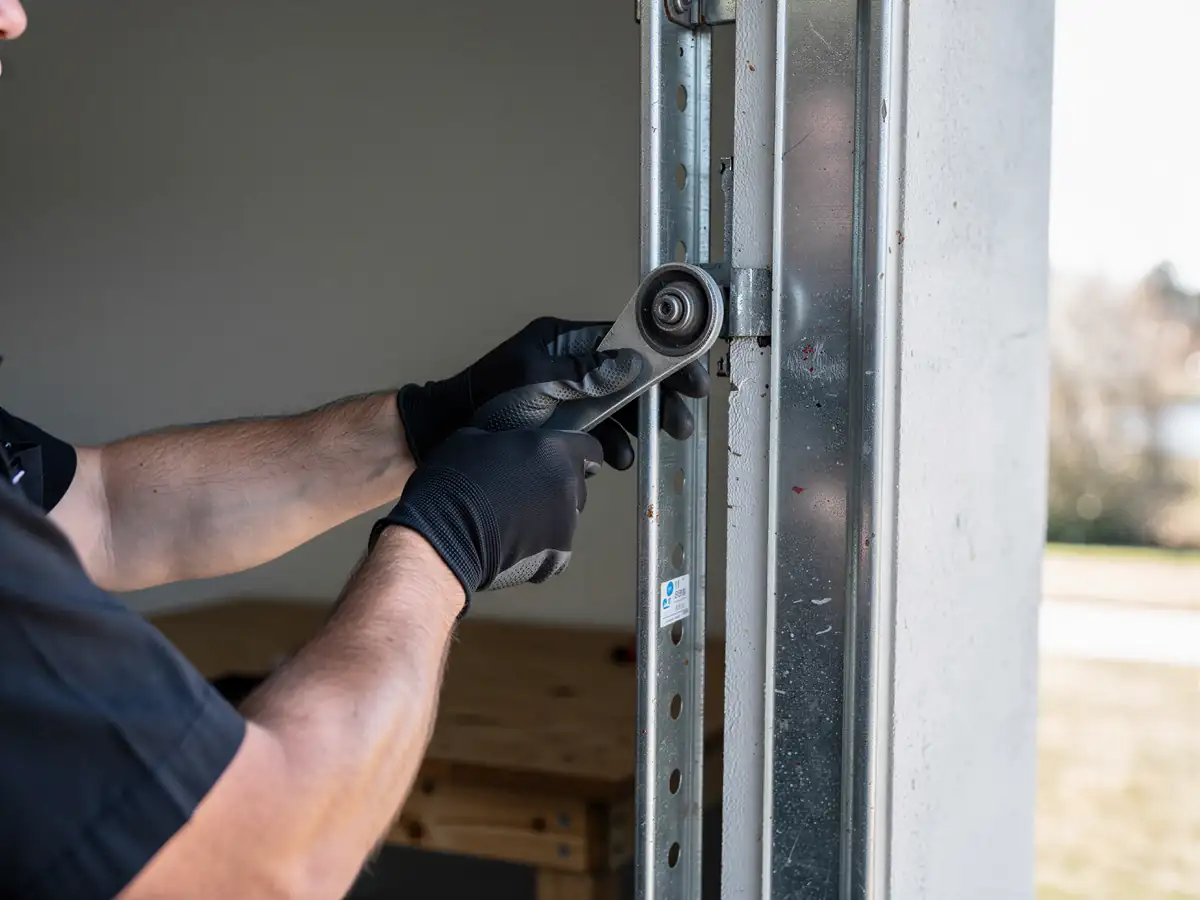
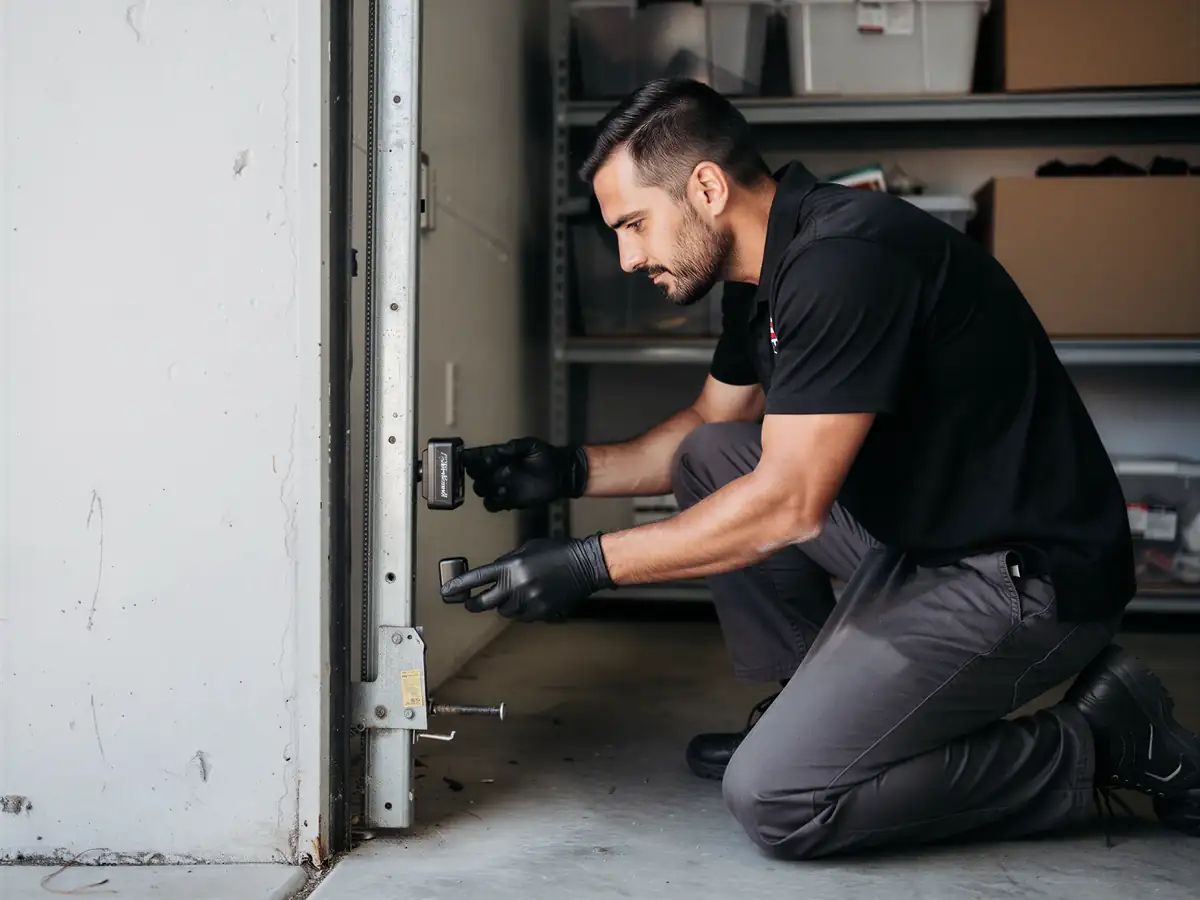
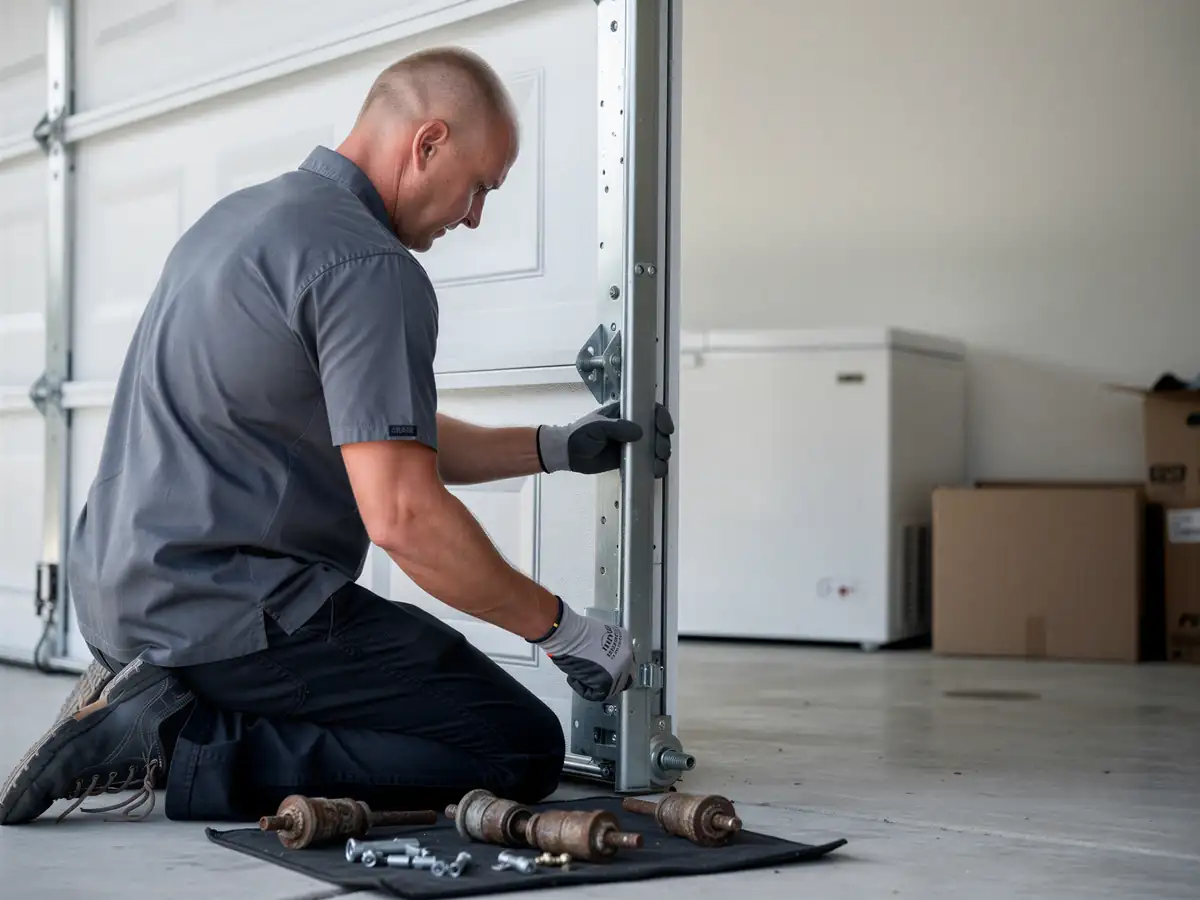
So the roller calls we get out here are fewer and farther apart than in the denser parts of the service area. That doesn't change the job once we're on site. We pull the door panel by panel, roller by roller, checking each bracket and hinge as we go rather than yanking the whole track assembly apart. On a door this age, the rollers usually come out clean, no rust welded to the stem, no bent brackets from decades of slow sag. We swap worn rollers for new ones matched to your track gauge, re-set the door on the track, and run it through a full open-close cycle before we call it done. If a bracket is bent or a hinge is stripped, we replace that piece too rather than force a roller back into bad hardware.
- 1,387 households
We don't rush this one just because it sounds simple
A roller that's binding instead of rolling puts extra load on the opener and the cables, and catching that now is cheaper than catching it after something else breaks.
Parts We Carry
Most Lowesville doors were built around 2001, newer than the 1959-2005 range we see across the rest of the service area, which runs to a median build year of 1996. That later build date usually means the door shipped with nylon rollers rather than bare steel, since nylon had already become the standard by then. We carry both nylon and steel replacement rollers on the truck, along with the stems and bearings that go with each. On a 2001-era door, we're more often replacing worn nylon wheels or sealed bearings than fighting rusted steel axles, though it depends on whether the original door has ever been swapped out since the house was built.
We stock rollers in the common stem lengths and track gauges used on residential sectional doors from this build era. What we don't carry on the truck is oddball hardware from doors that have already been replaced once with a mismatched off-brand unit - that sometimes means a short order wait before we can finish the job right.
What Can Go Wrong
The climate here is cold-moderate, which doesn't bake hardware the way a hot climate would, but it does mean seasonal temperature swings that stiffen grease and shrink metal just enough to change how a roller sits in its track. On a door built around 2001, the most common failure we see isn't rust, it's wear: nylon rollers that have gone oval after twenty-plus years of daily cycles, or bearings that have dried out and started grinding. A roller that's worn unevenly will make the door rock side to side as it travels, and that rocking puts stress on the track brackets.
Less common but not rare: a roller that's physically cracked, usually from age rather than impact, which lets the stem wobble in the wheel housing. Either way, the fix is the same - pull it, replace it, check the bracket underneath for play before closing the door back up.
Booking a Visit
We run this job out of Mooresville, 15 miles from Lowesville
So a visit here gets scheduled as part of the day's route rather than treated as a separate stop. When you call, tell us whether the door is still moving (just noisy or rough) or stuck - that changes how we pack the truck before we drive out. Have the door's age and rough measurements ready if you know them; for a 2001-built house that's usually the original door, which helps us bring the right roller stock the first time instead of making a second trip.
- 15 miles
We book by the day, not a tight hour window, given the drive out from Mooresville
If your schedule is tight, say so when you call and we'll work around it where we can.
The Cost of This Job
We're not going to list a number here that doesn't hold up once we see the door in person - roller jobs vary by how many rollers need replacing, whether brackets are involved, and whether the door is steel or nylon rollered. What we can say is that a roller swap is one of the less expensive repairs we do, well under the cost of replacing a spring or opener, because the parts themselves are cheap and the labor is straightforward on a door in decent shape otherwise.
Where the cost climbs is when a bent bracket or a damaged hinge comes along with the worn roller - that's extra parts and a bit more time, but it's still a repair, not a full door replacement. If a door has enough other problems that patching the rollers isn't worth it, we'll tell you that plainly instead of selling a fix that won't last.
How It Shows Up
In Lowesville, with its newer housing stock built mostly around 2001, we tend to catch roller wear at the twenty-year mark rather than hearing about rust damage the way we would on an older door closer to Mooresville's 1996 median build year. The signs are the same regardless of era: a grinding or squealing sound as the door opens, a slight jump or hesitation at one point in the track, or the door visibly tilting a few degrees as it travels instead of moving flat.
At a median household income of $117,835 here, well above the $73,393 median across the wider service area, we also see more owners calling in at the first squeak rather than waiting for the door to bind up completely - which, frankly, makes the job cheaper and faster for everyone when it happens.