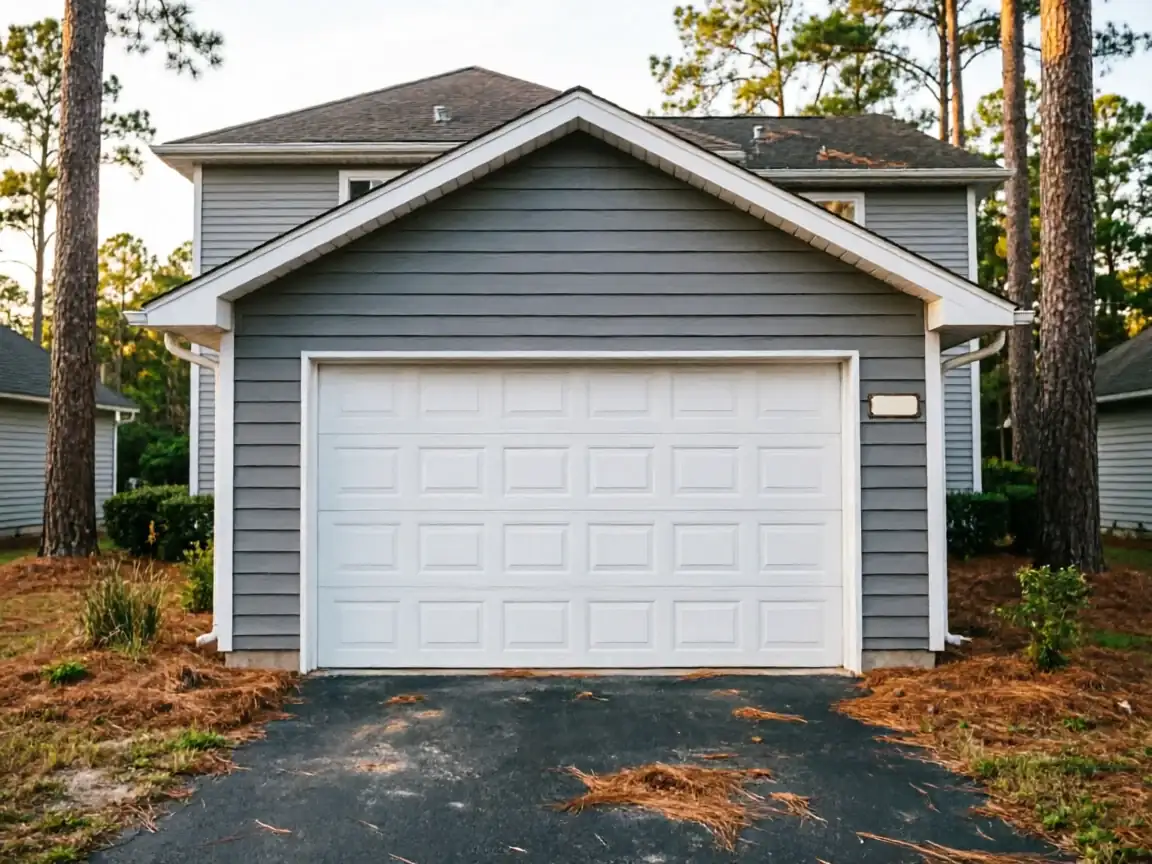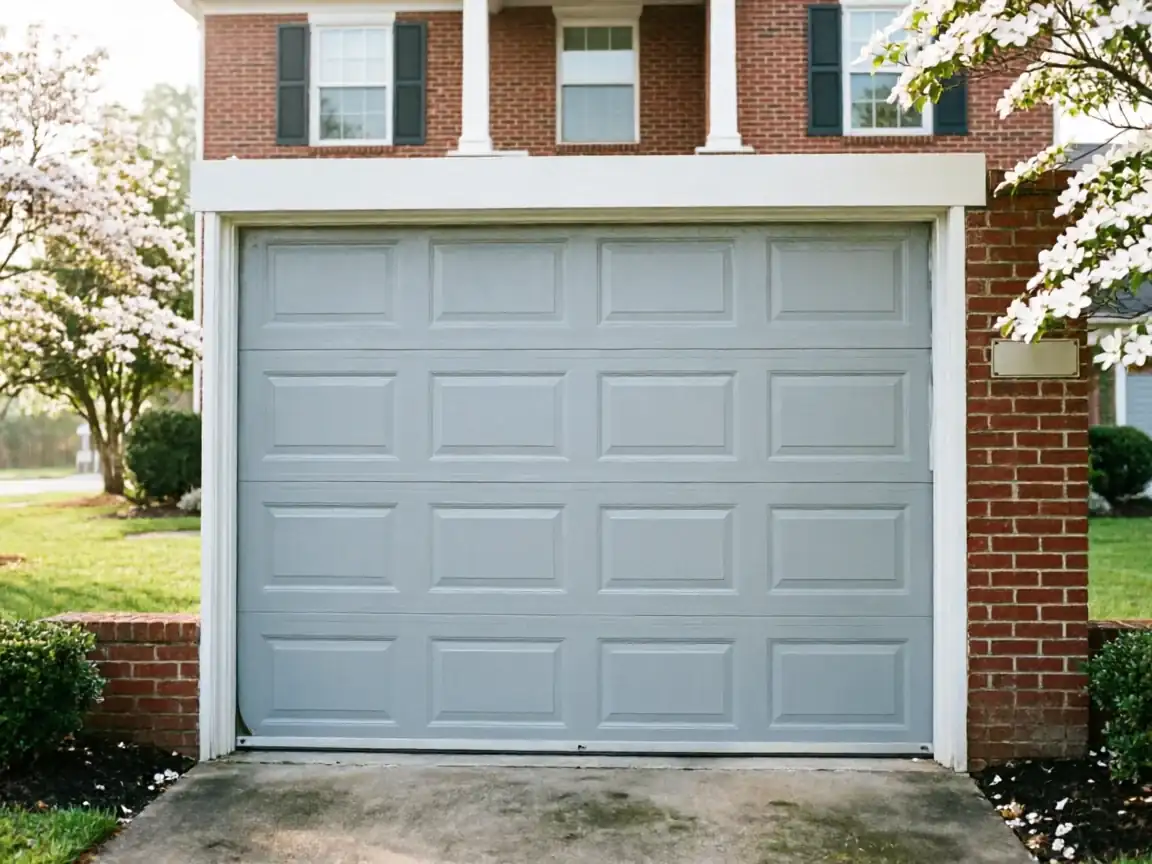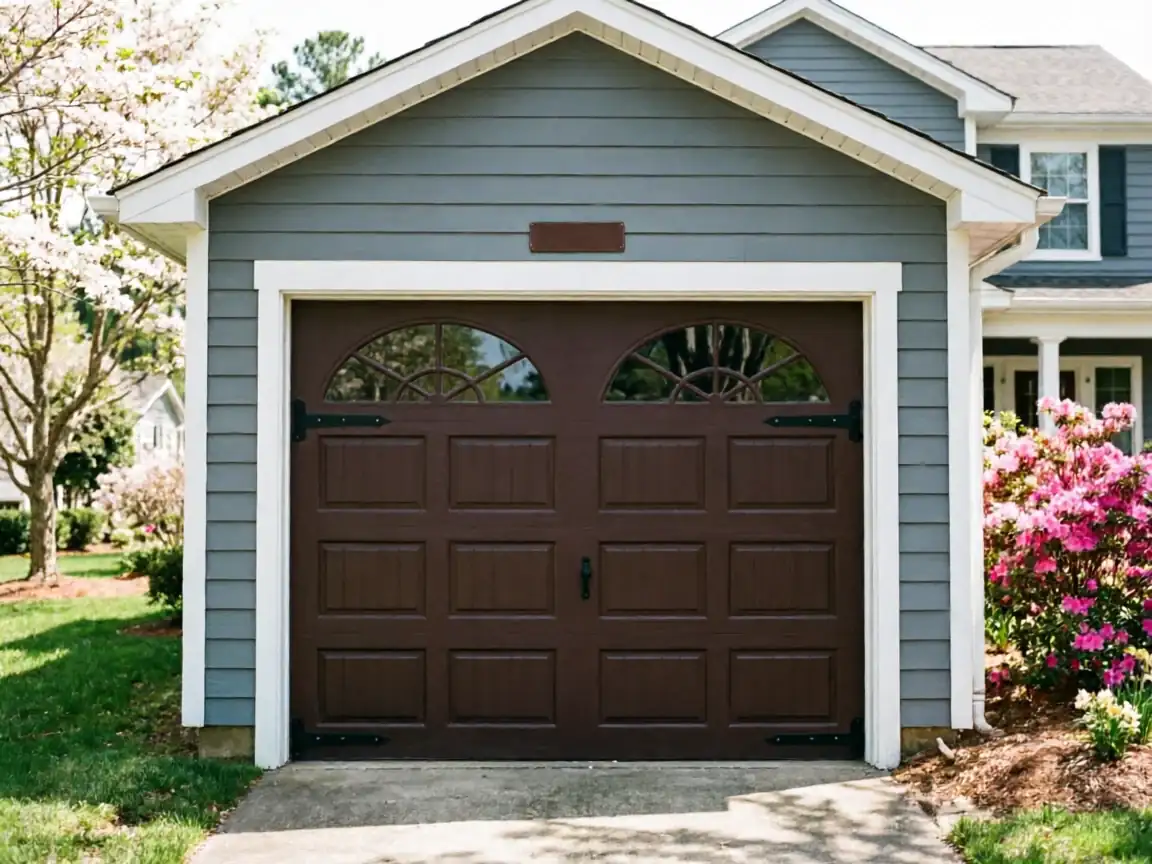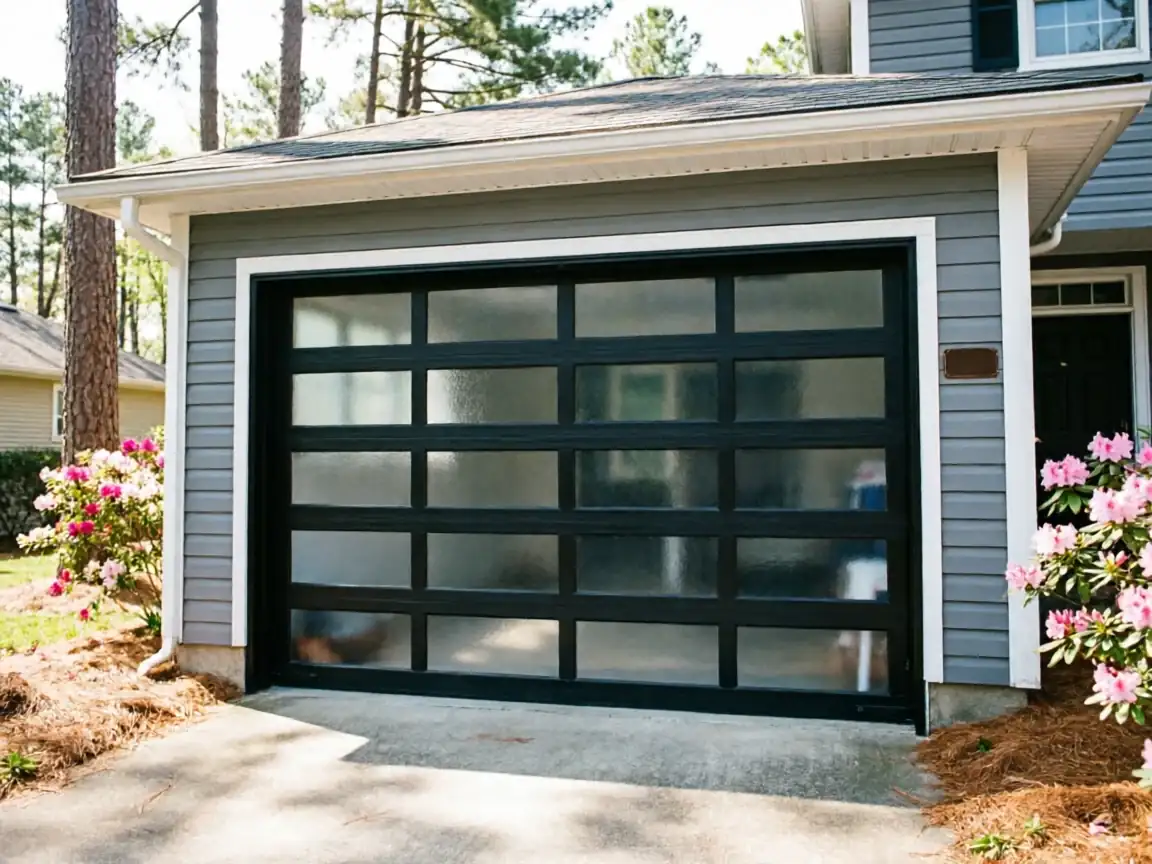
How We Fix It
Lowesville's housing is newer than a lot of what we see closer to Mooresville
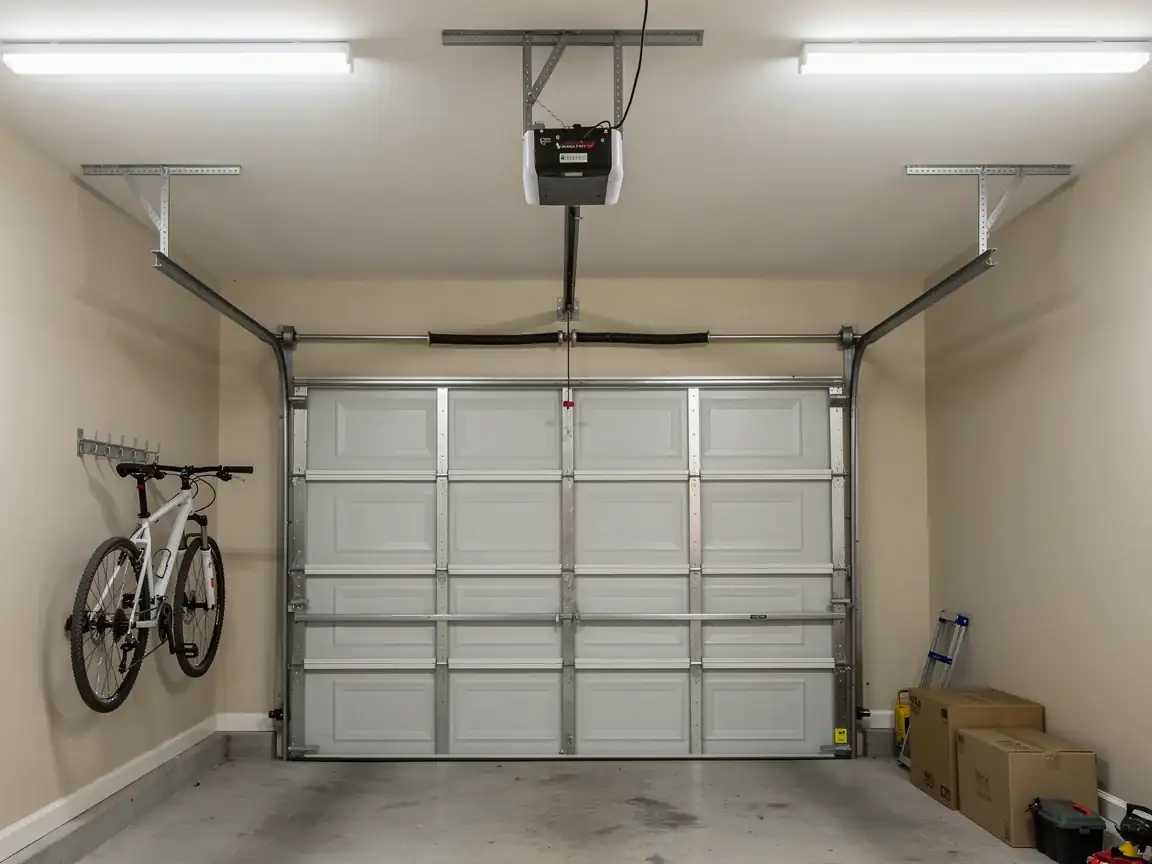
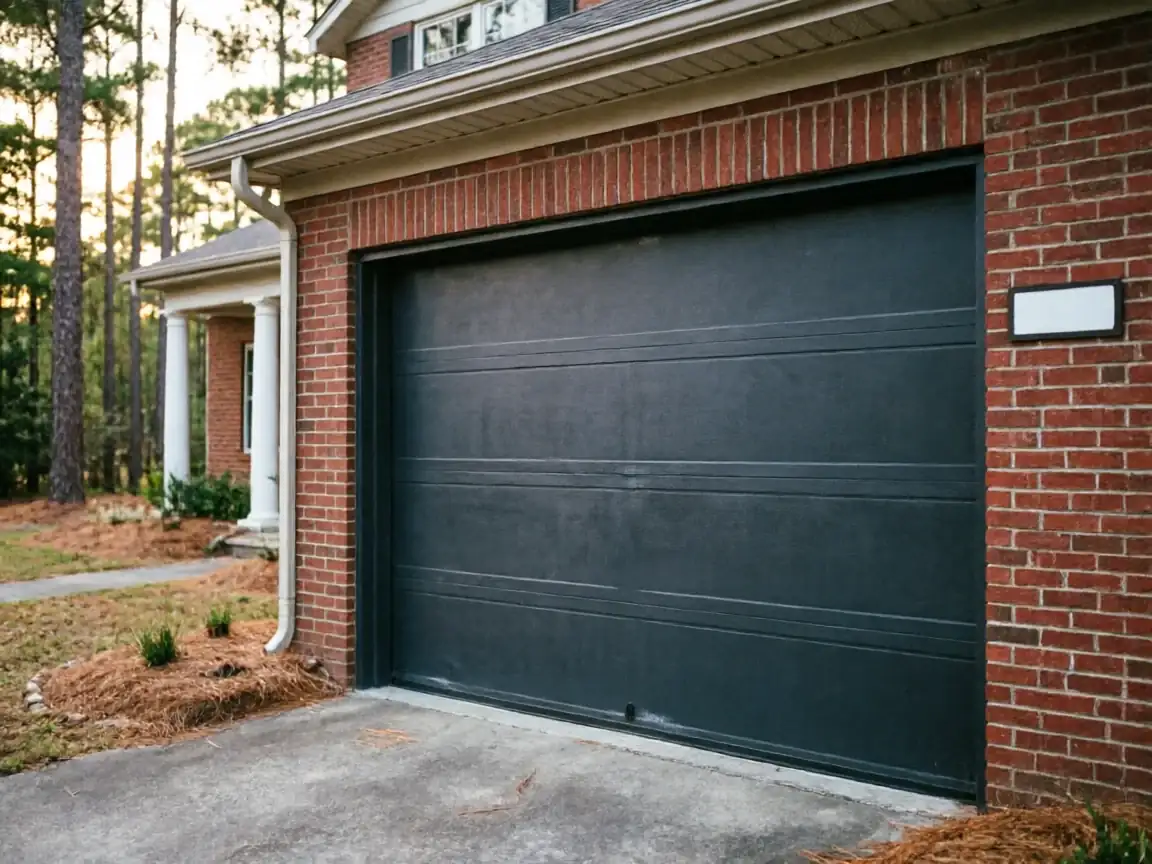
The median build year here is 2001, so most garage doors are the original unit that went up with the house. That means you're not dealing with a 1970s steel slab, you're dealing with a builder-grade door that's now pushing twenty-plus years on its springs, rollers, and weatherstrip, with an opener that was never top-of-the-line to start with.
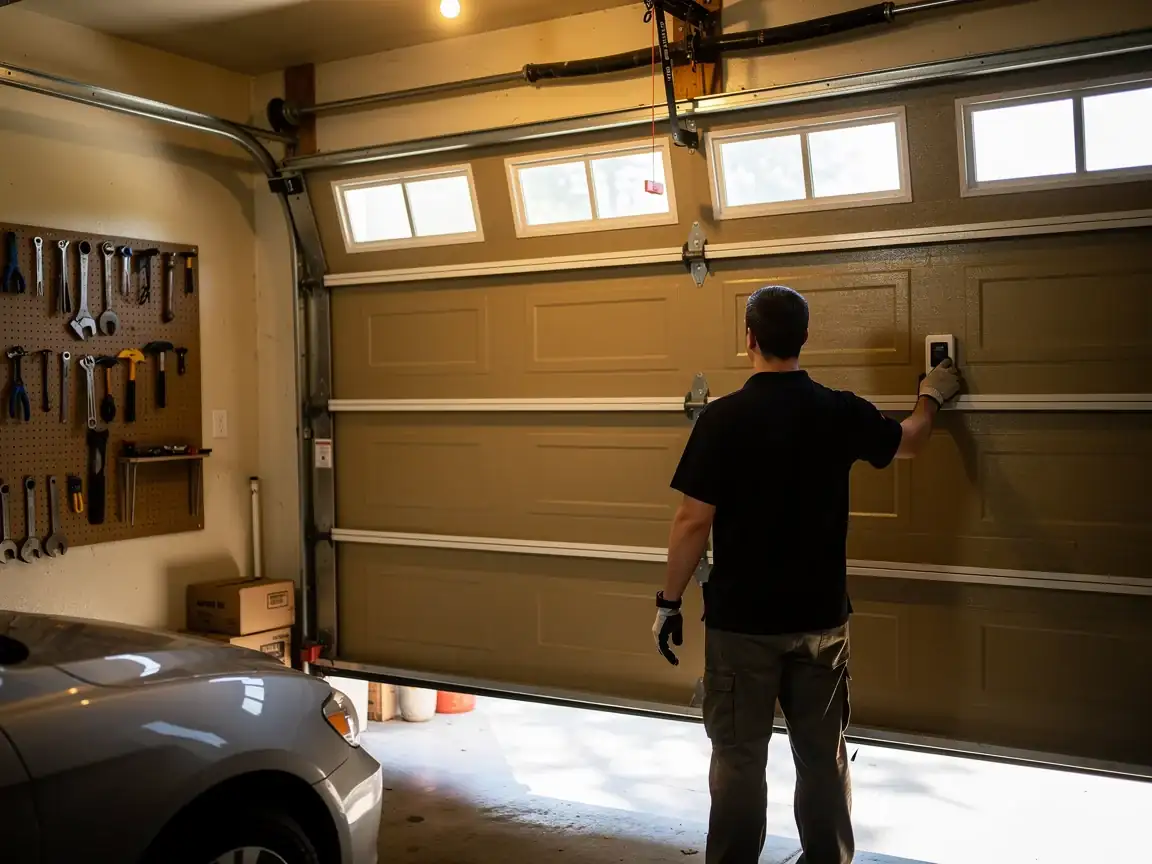
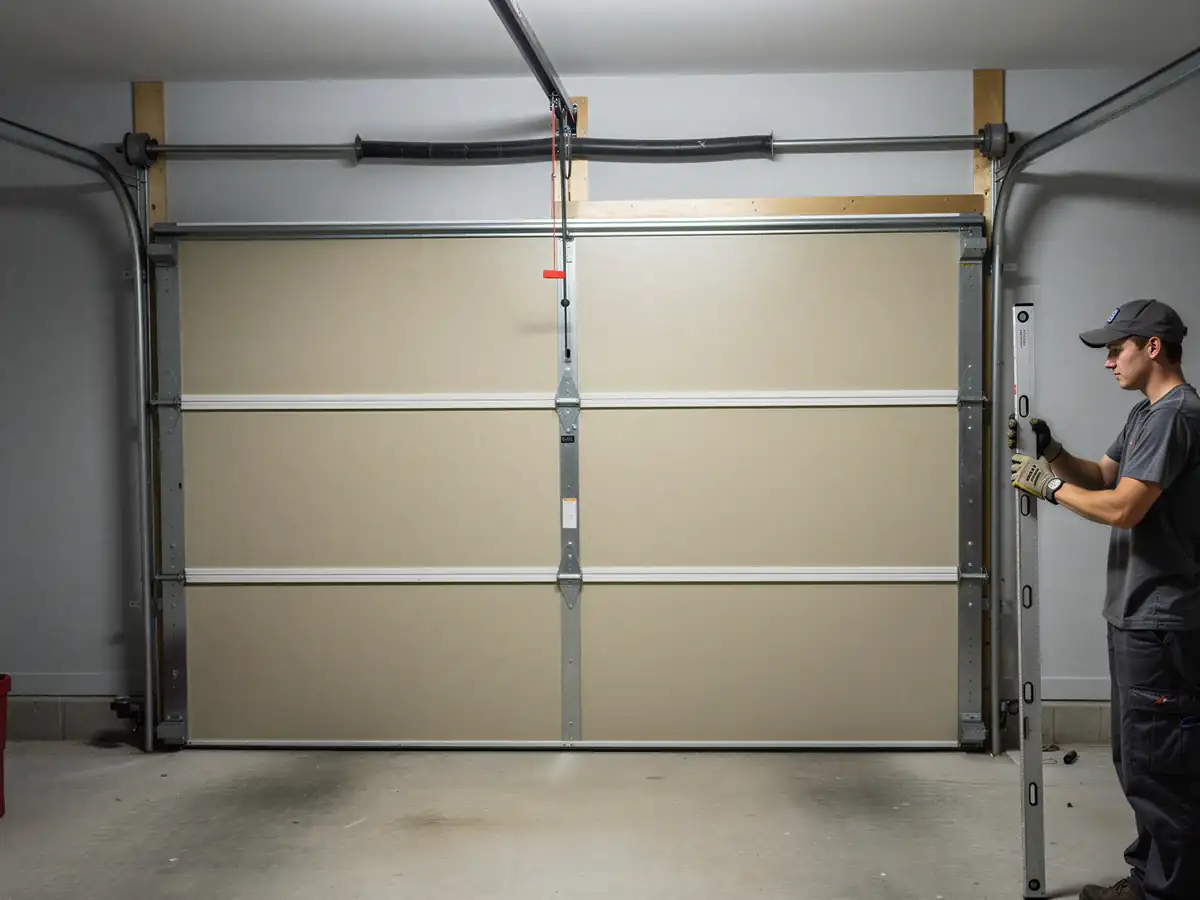
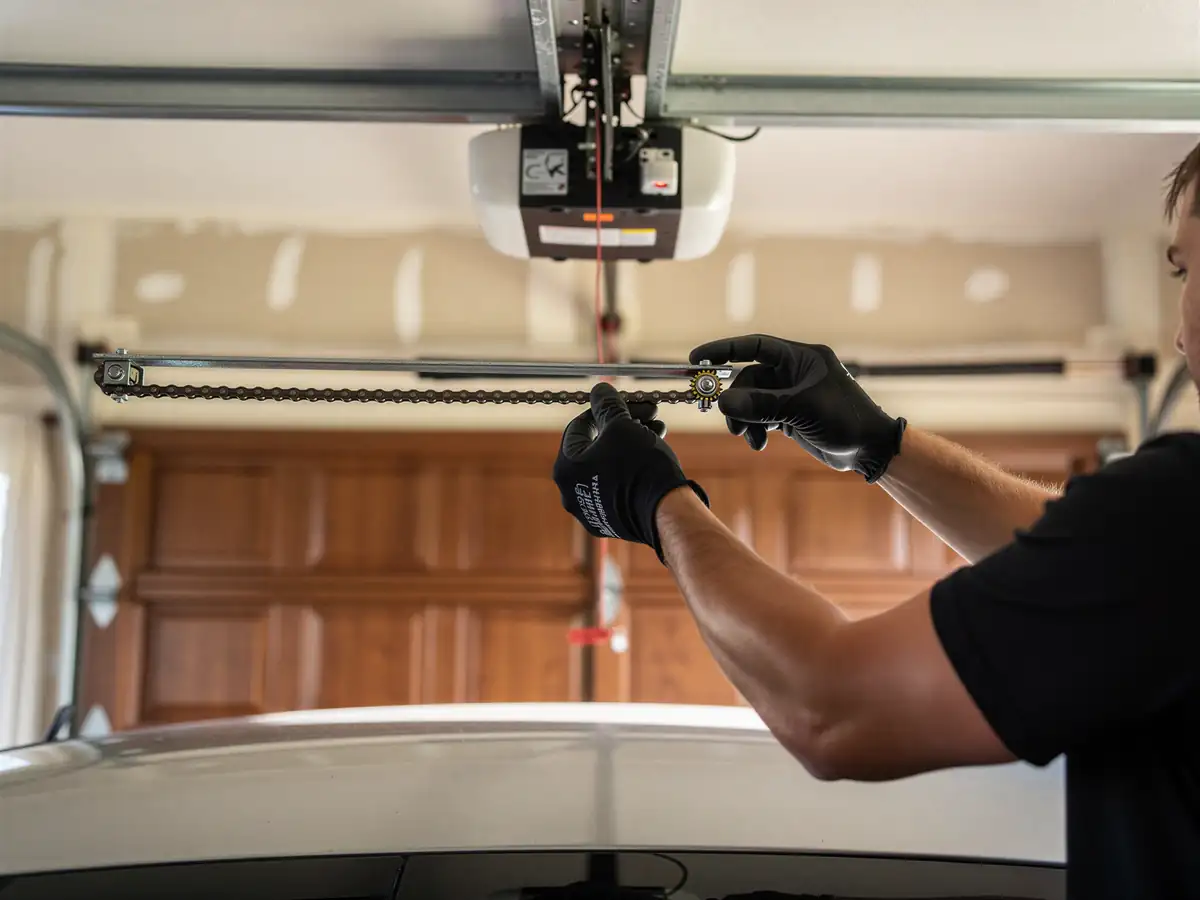
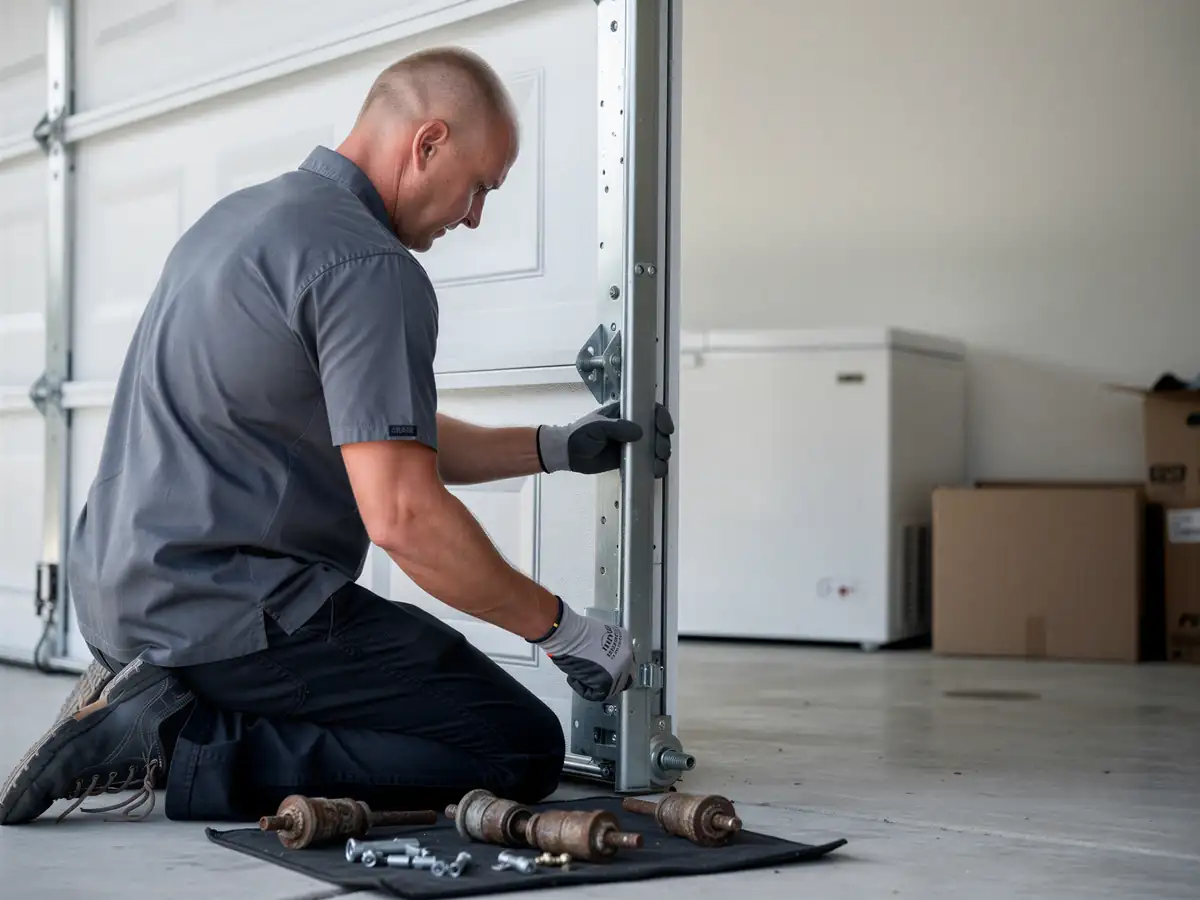
When we come out for a new install, we start by pulling the old door and track completely rather than trying to reuse hardware that's already past its rated cycle count
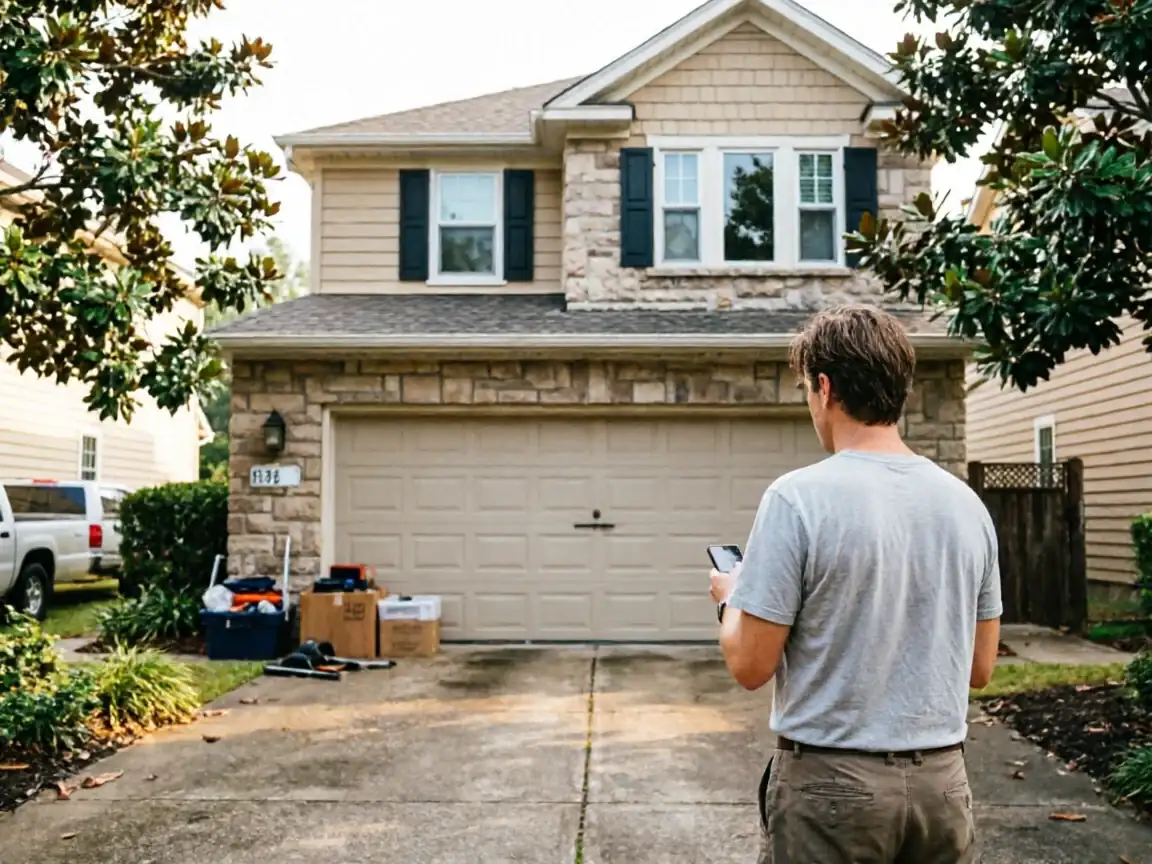
In a cold-moderate climate like this one, the door and its seals take a real seasonal swing, so we size the new unit and torsion spring for that load instead of just matching what was there. We travel the 15 miles from our Mooresville shop for the job, measure the opening on site, and install a door built for how the garage actually gets used, not just whatever the builder spec sheet called for in 2001.
- 15 miles
Parts We Carry
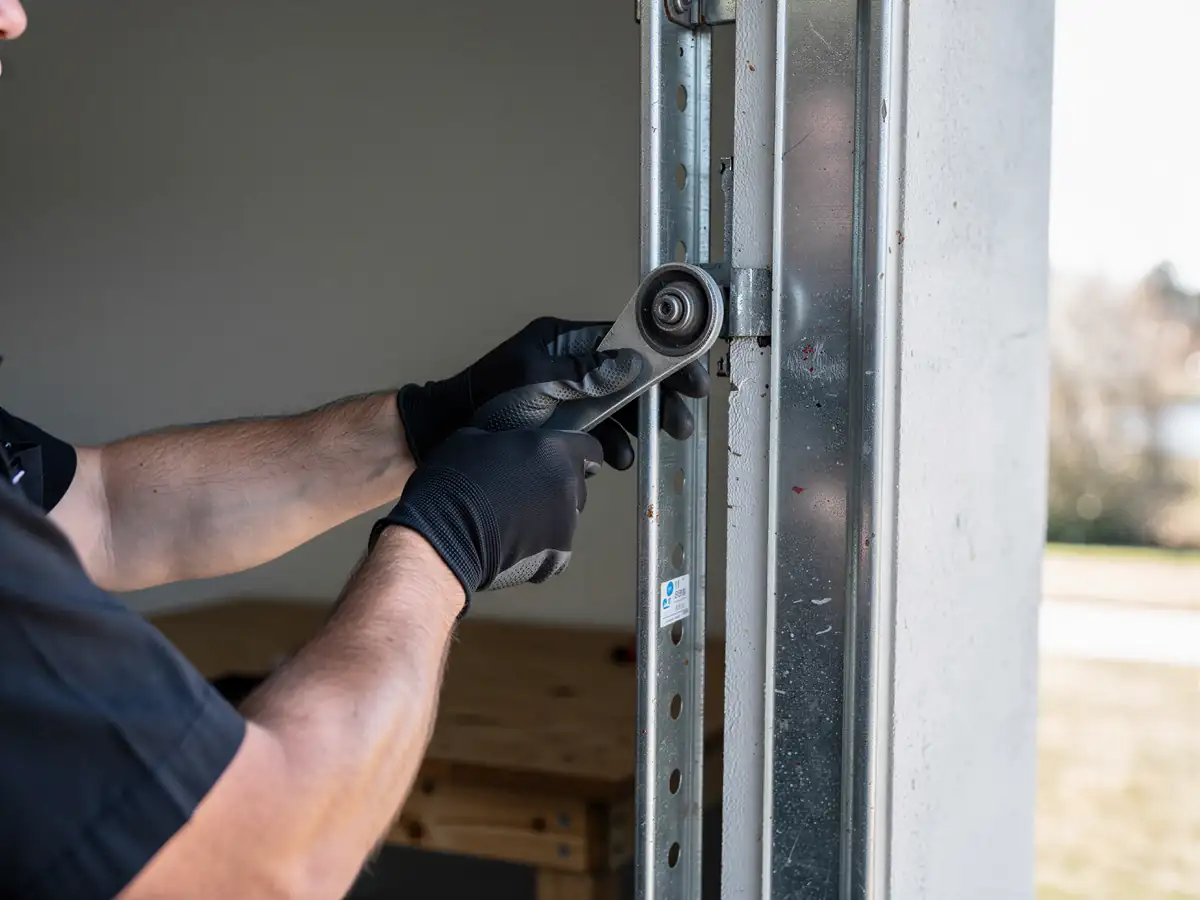
We stock the torsion springs, rollers, cables, and track hardware that fit the builder-grade doors common to homes built in this era. Most Lowesville openings are standard sizes, so a new door and matching track usually goes in without a special order. Where it gets slower is insulated panel sections and certain opener control boards - those can take longer to source depending on the manufacturer, and we'll tell you up front if a part needs to be ordered rather than promising a same-day fix we can't back up.
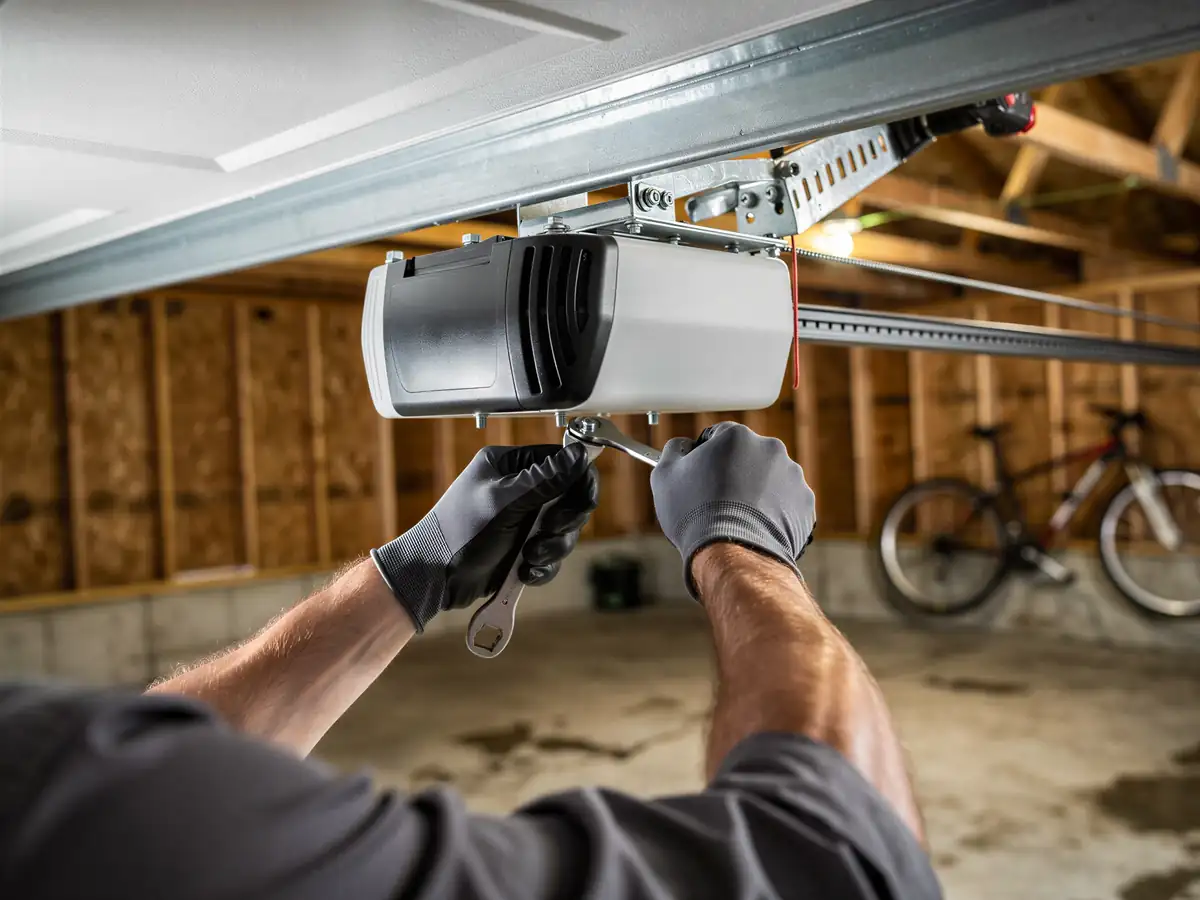
For a full new installation we bring everything needed to do the job in one visit: door panels, new torsion spring sized to the door weight, track, and an opener if you're replacing that too. We don't carry every brand's proprietary opener board on the truck, so if your current opener is a less common model, that's one of the things we check before the visit, not after.
What Can Go Wrong
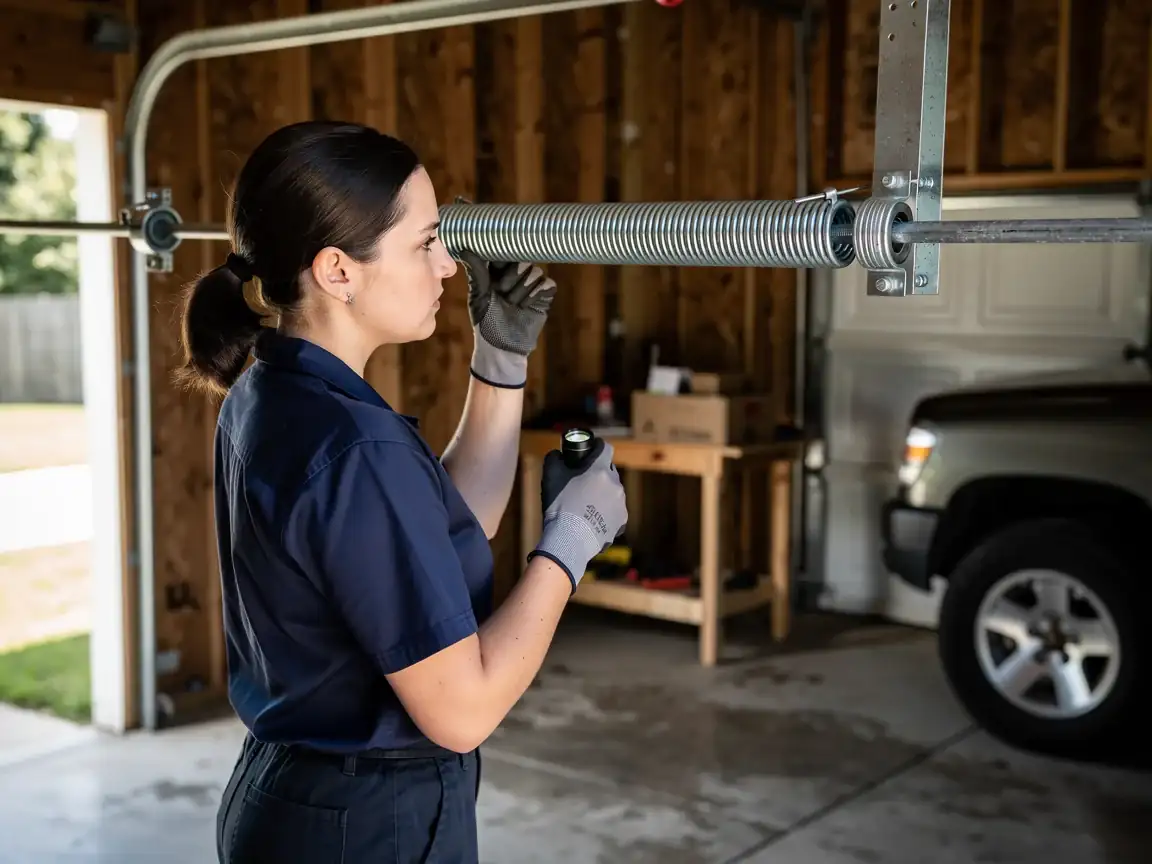
On a door that's original to a 2001-built house, the spring usually isn't the first thing to fail - it's the opener's gears or the weatherstripping, since both were decent-but-basic when the house was new. The springs on a door that age are often near or past their cycle life too, which matters for safety during a replacement: an old spring under tension is not something to work around.
The honest limitation here is that we can't always tell you over the phone whether your door needs a full replacement or just a spring and hardware refresh - that call depends on what we find on the panel and track once we're looking at it in person. A door with surface rust or warping on the bottom panel from ground moisture is usually a replace, not a repair, and we'll say so rather than patch something that'll fail again in a year.
Booking a Visit
We schedule Lowesville installs from our Mooresville base
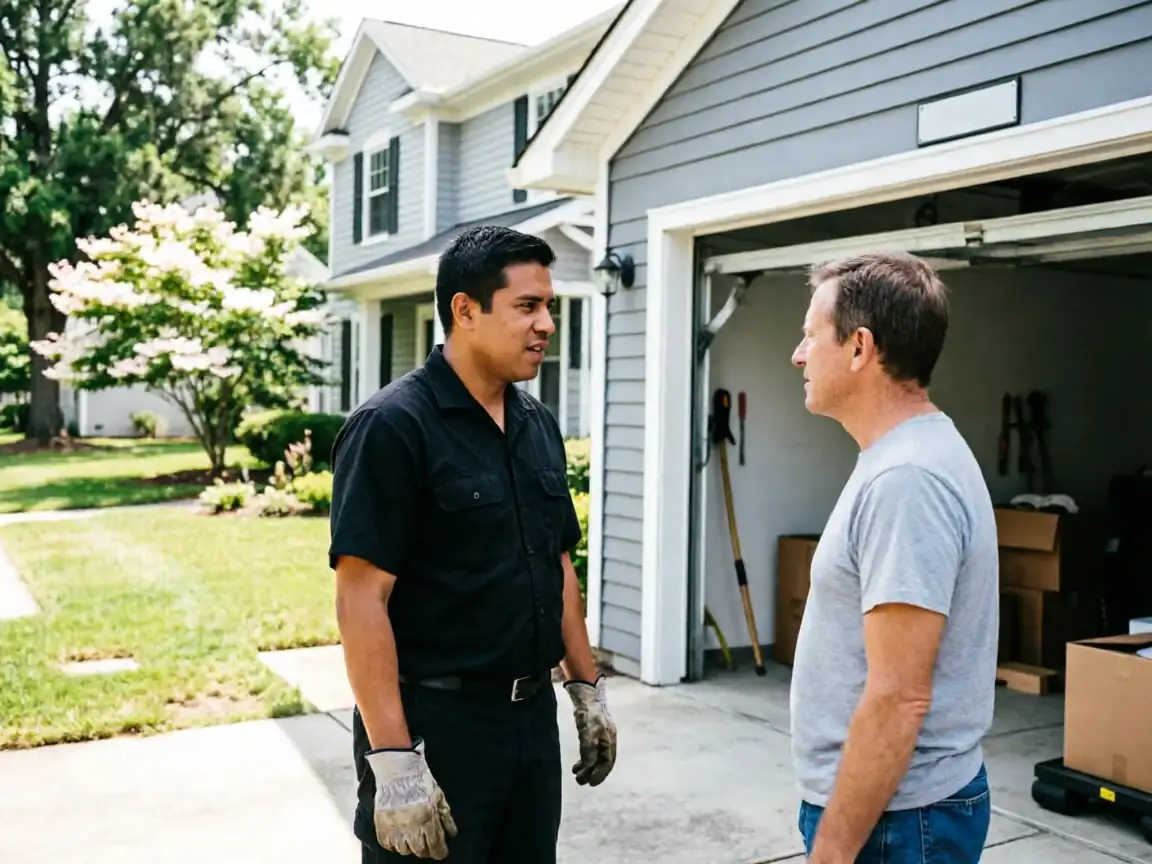
Which is about 15 miles out, so visits here get planned around the day's route rather than offered as a standalone quick stop. That's not a knock on the work - it just means we ask a few questions up front about door size, opener type, and what you're seeing wrong, so the truck arrives with the right parts instead of making a second trip.
- 15 miles
If you're not sure whether you need a full new door or a repair
Our service page covers what we check during a visit.
The Cost of This Job
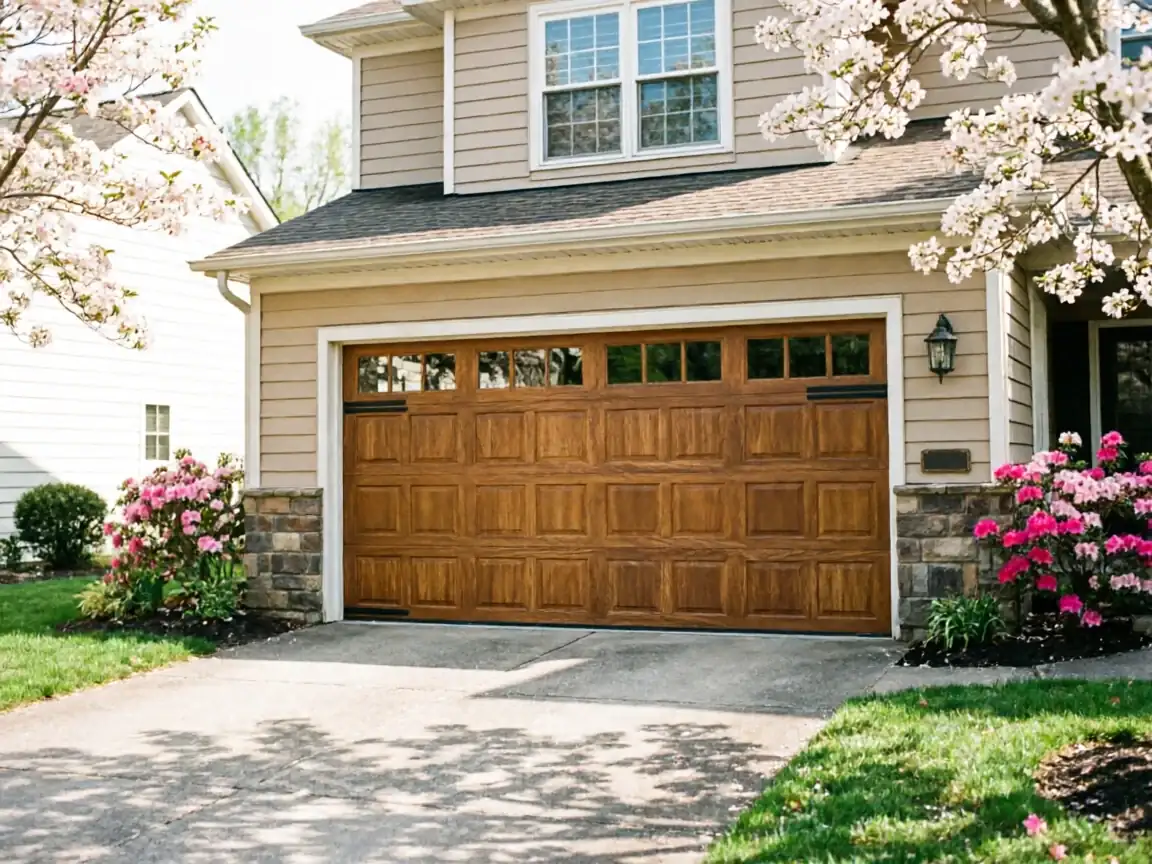
We don't post a flat price for new installs because door size, insulation level, and opener choice change the number more than anything else. What we can say is that Lowesville's household income runs higher than the wider service area average - $117,835 against $73,393 across the full area we cover - and that shows up in the choices homeowners here tend to make: insulated steel doors and quieter belt-drive openers come up more often than the bare minimum builder-grade replacement.
We'll give you a firm number after we see the opening and talk through what you want, not before.
How It Shows Up
With only 1,387 households in Lowesville, this isn't an area where every house on the street has the same door problem at once - it's scattered, and it tracks more with when a given house was built than with any one event. A door that's held up fine for twenty years can start showing cable fray or opener strain gradually, not all at once, which is why a yearly look at the spring and cables catches more than waiting for a full failure.
In a cold-moderate climate, the first sign is usually the door getting harder to lift by hand in winter, or the opener straining on the coldest mornings - that's the lubrication and spring tension working against the cold, not a sign the whole system is done.