How We Fix It
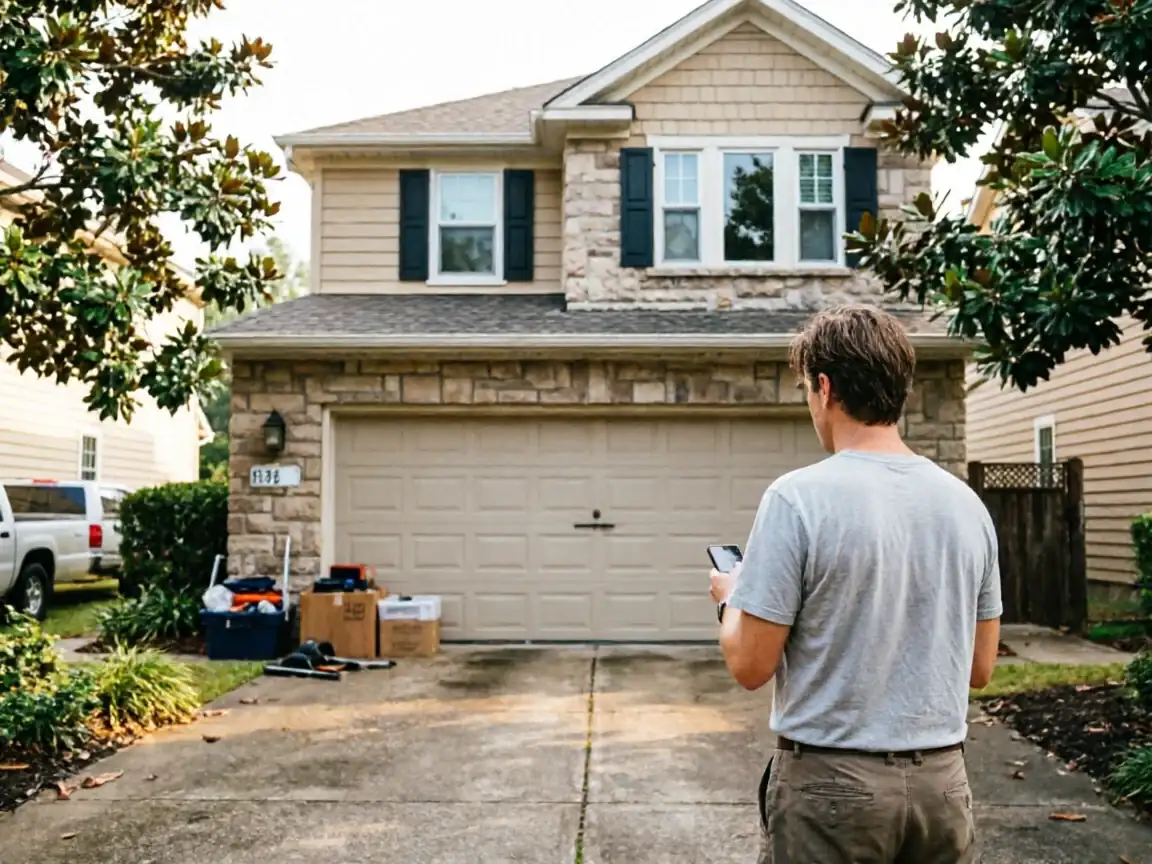
Lowesville sits about 15 miles out from our shop in Mooresville
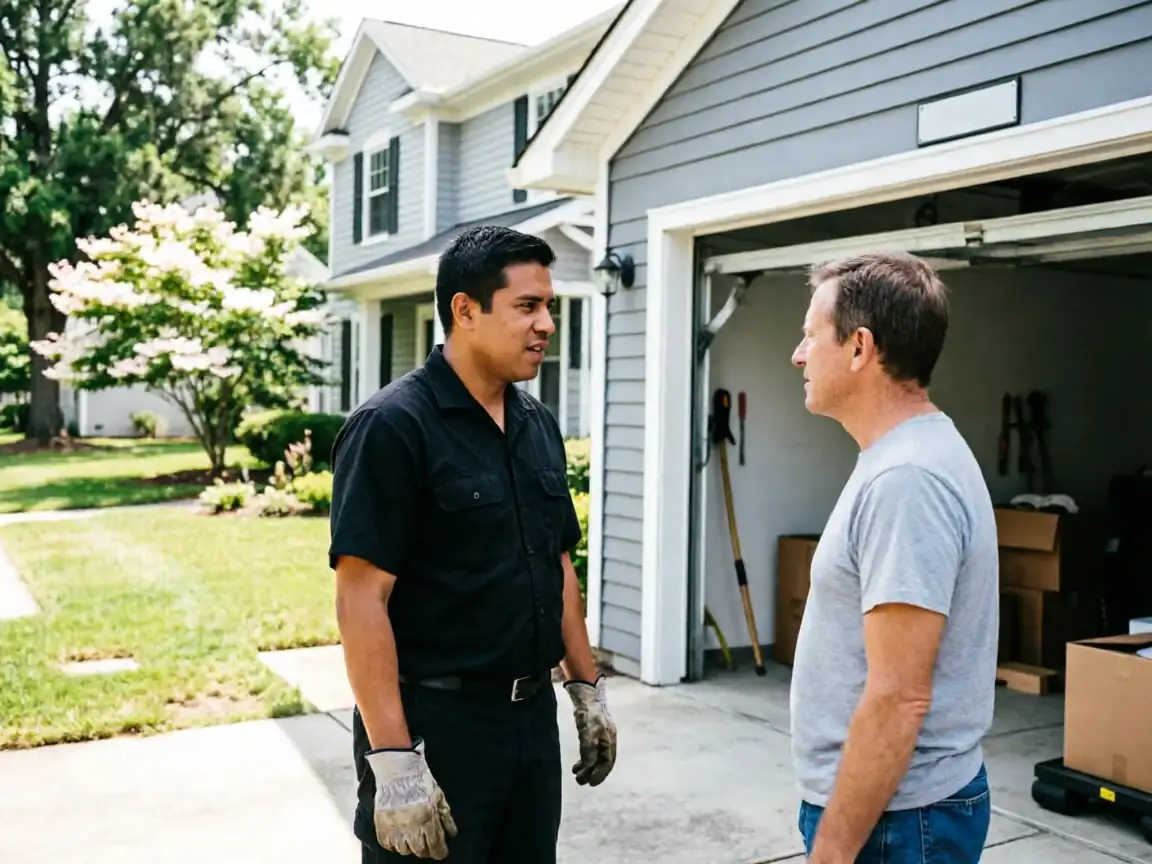
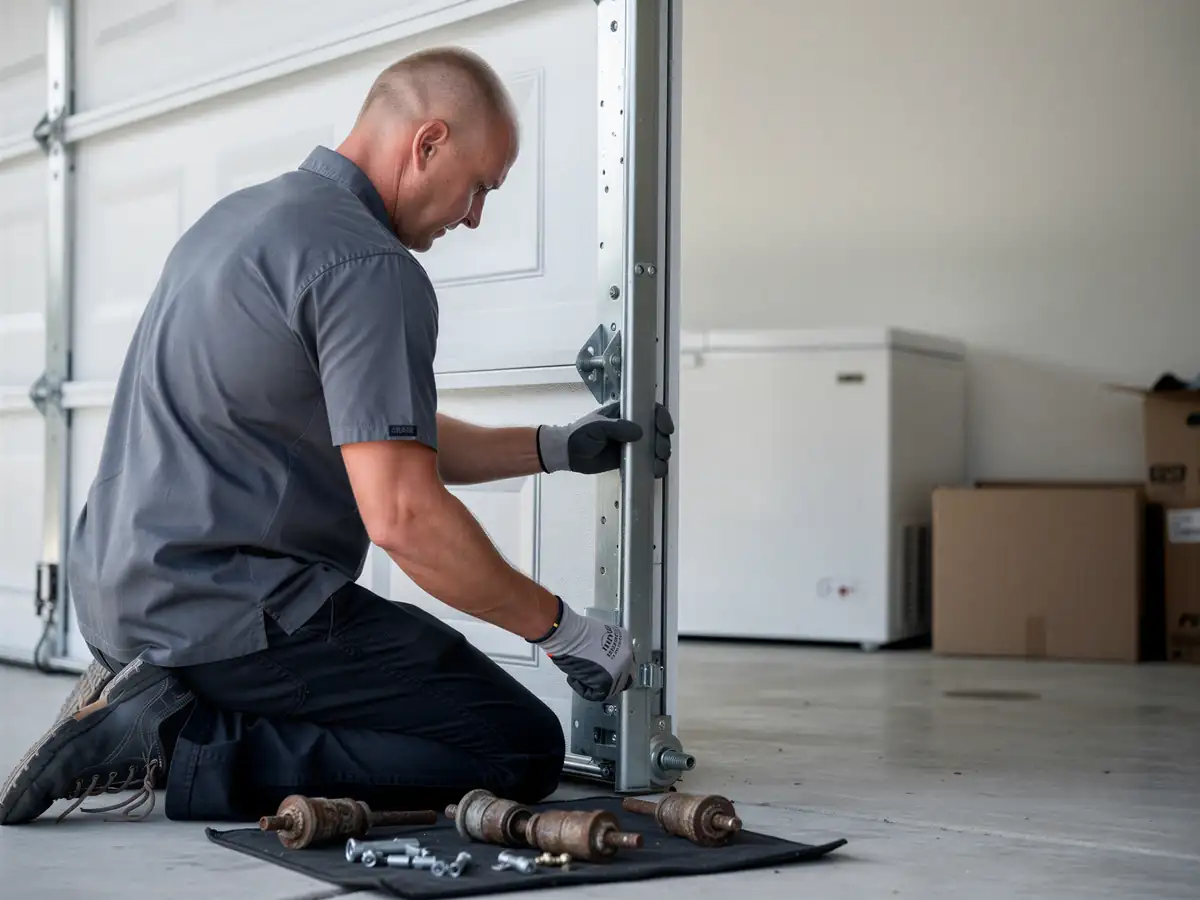
Which is far enough that we don't send a truck out to look at a dead opener and come back for parts. When you call, we ask what the opener is doing - clicking and not moving, lights blinking a code, remote dead but wall button working - and we load the truck to match before we leave. That's the difference a 15-mile drive makes here versus a job five minutes from the shop: we front-load the diagnosis over the phone so the visit does the fixing, not the guessing.
- 15 miles
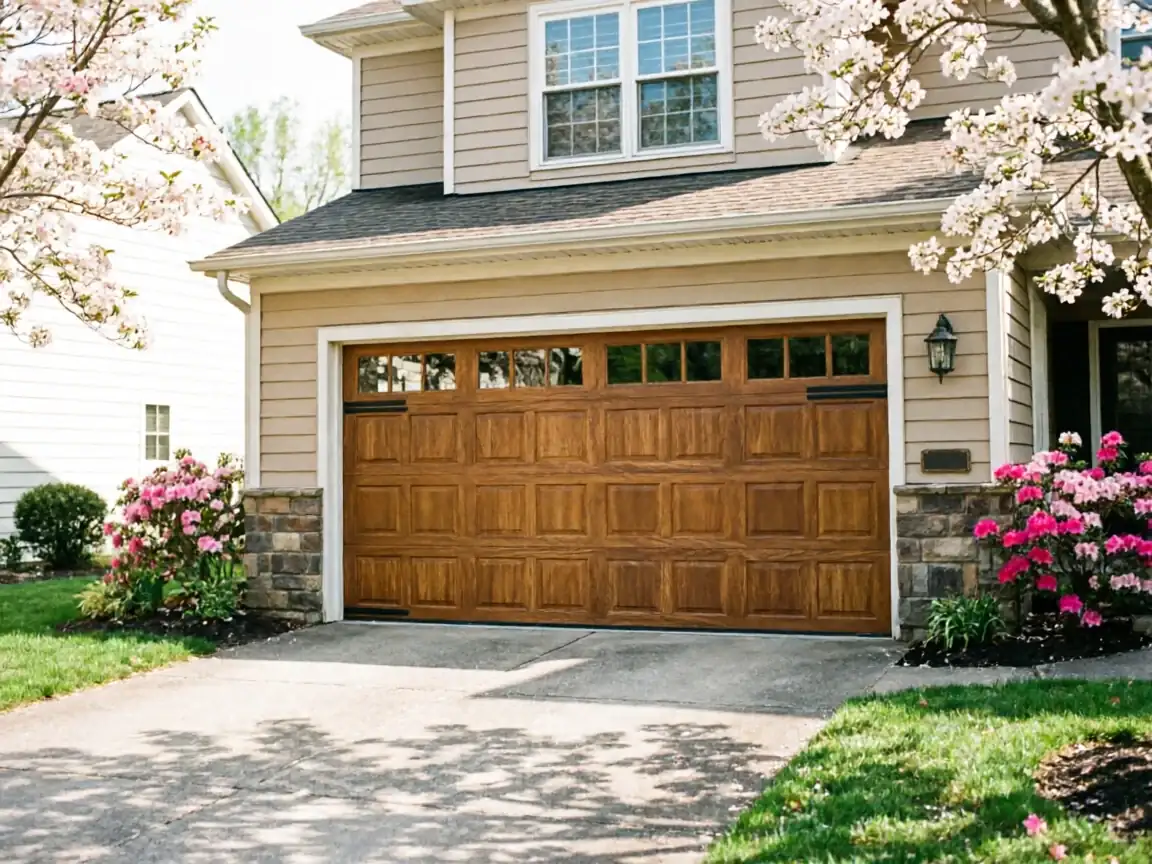
Most homes in this part of the service area were built around 2001
Which puts the openers squarely in the chain-and-belt-drive era with circuit boards and photo-eye safety sensors - not the older screw-drive units you find in 1970s housing, and not the smart Wi-Fi units going into new builds now. We carry boards, sensor pairs, and drive gears that fit that generation of unit, because that's what we're going to find behind most of these doors.
Parts We Carry
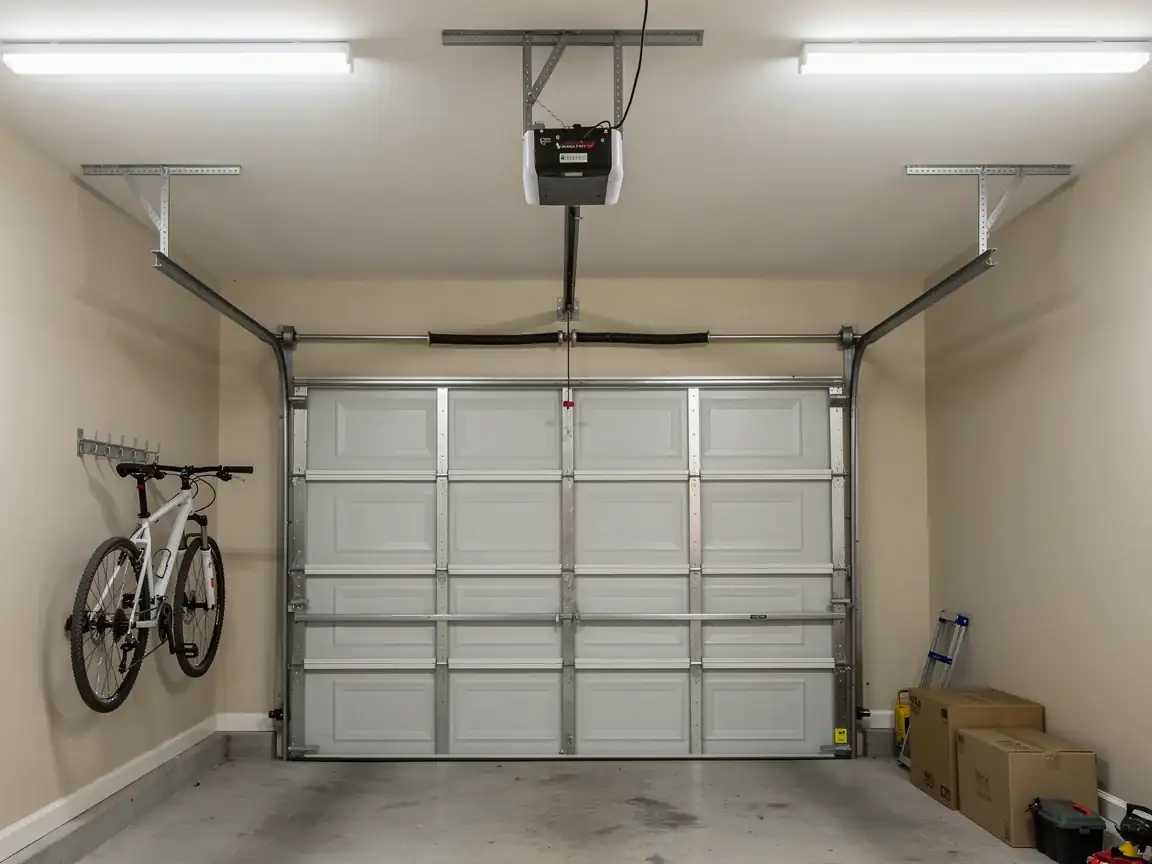
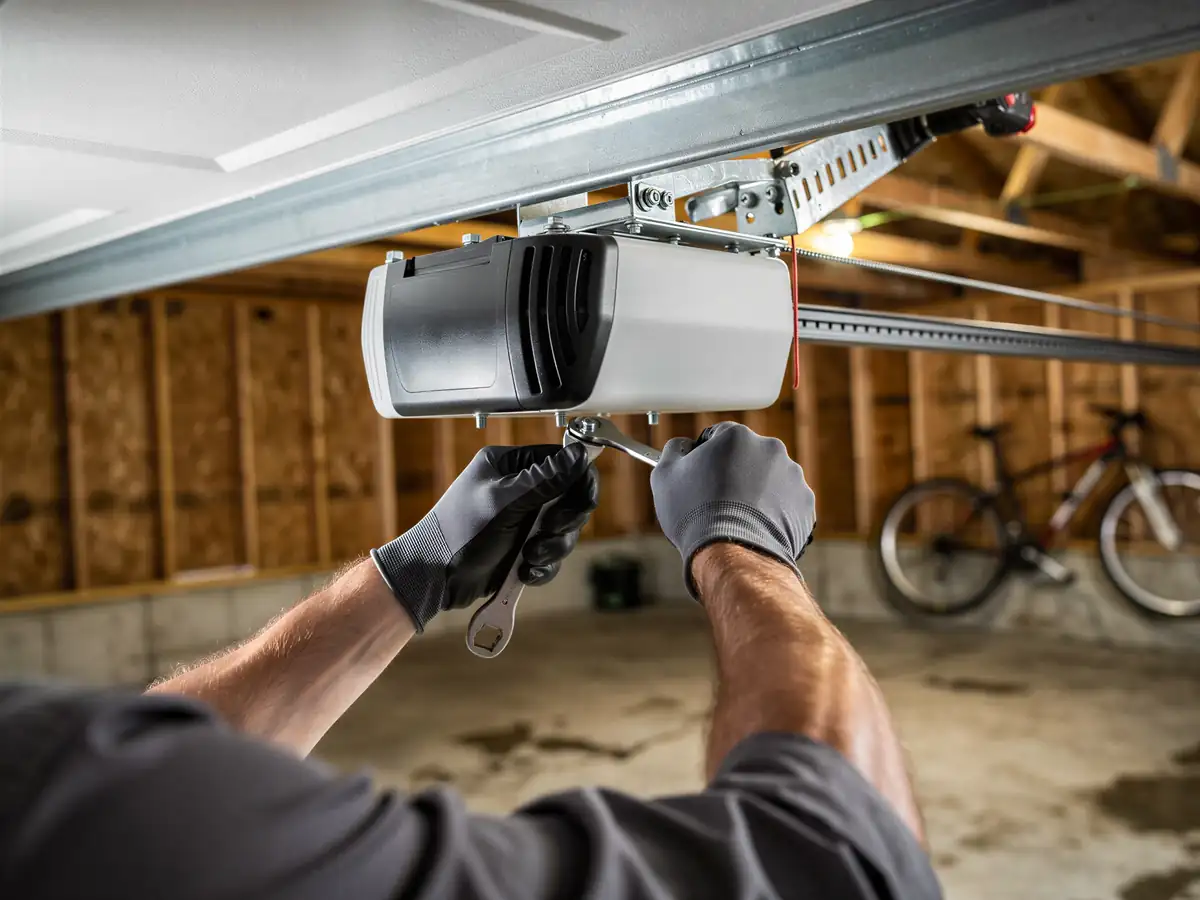
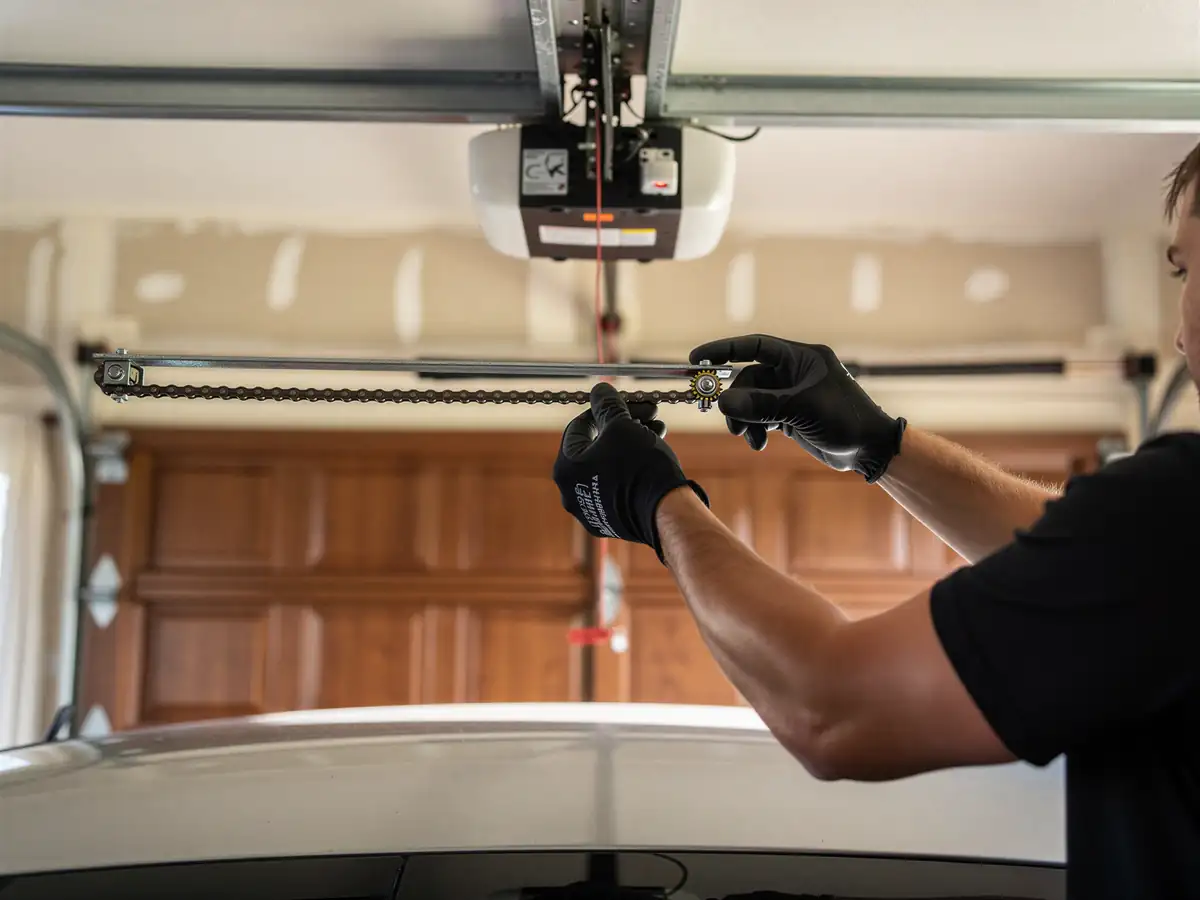
Because the housing stock out here clusters tightly around 2001, the openers are mostly mid-generation Chamberlain, LiftMaster, and Genie units on chain or belt drives with a circuit board controlling travel limits and force settings. We stock logic boards, drive gears, belt splice kits, photo-eye sensor pairs, and the wall console units that match that era, so a dead board or a sensor knocked out of alignment usually gets fixed in one visit.
What we don't carry on the truck is anything specific to a smart-home retrofit kit someone added later - those vary by brand and sometimes need to be ordered. If your opener's been upgraded with a third-party Wi-Fi add-on, tell us when you call so we can check compatibility before we drive out.
What Can Go Wrong
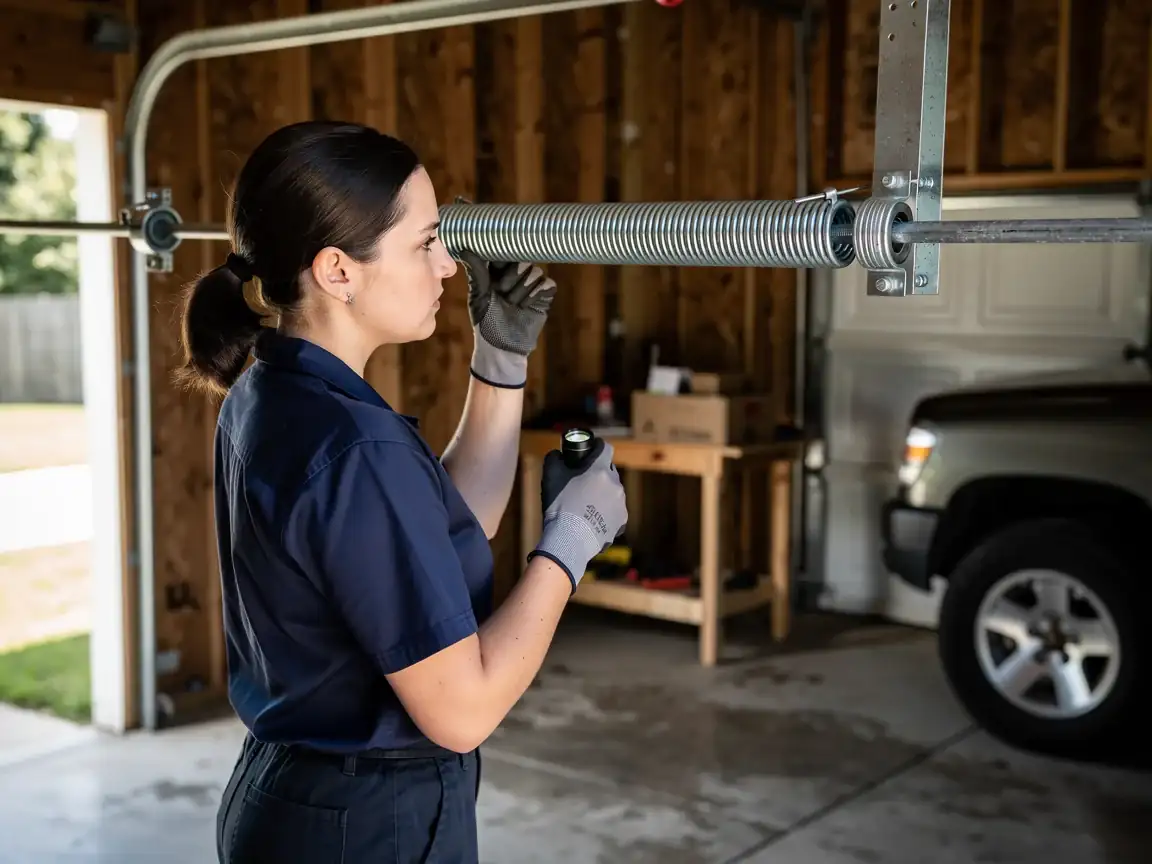
The service area sits in a cold-moderate climate band, and openers built in the early 2000s weren't engineered with the sealed, cold-rated lubricant that newer units use. Grease in the drive rail thickens in winter, which shows up as a slow, straining door or an opener that trips its force sensor and reverses before it closes. That's a maintenance fix, not a parts fix, most of the time.
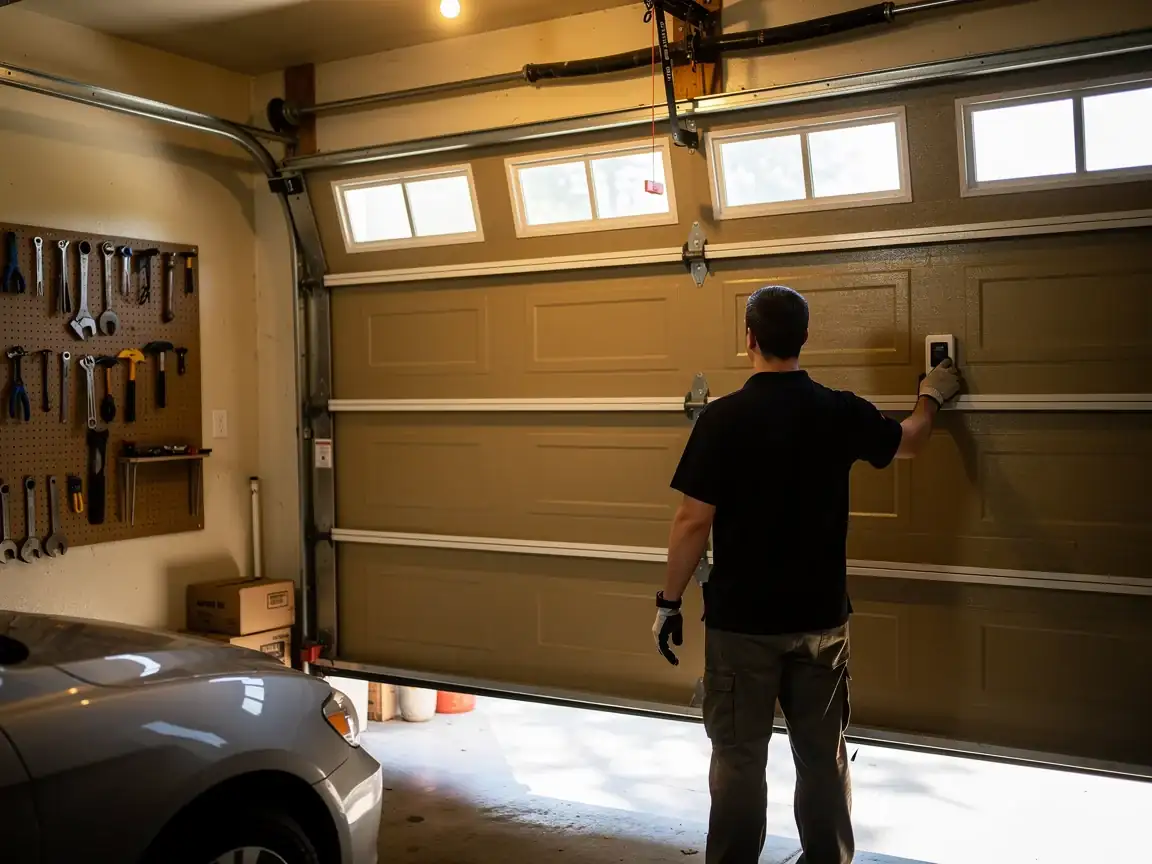
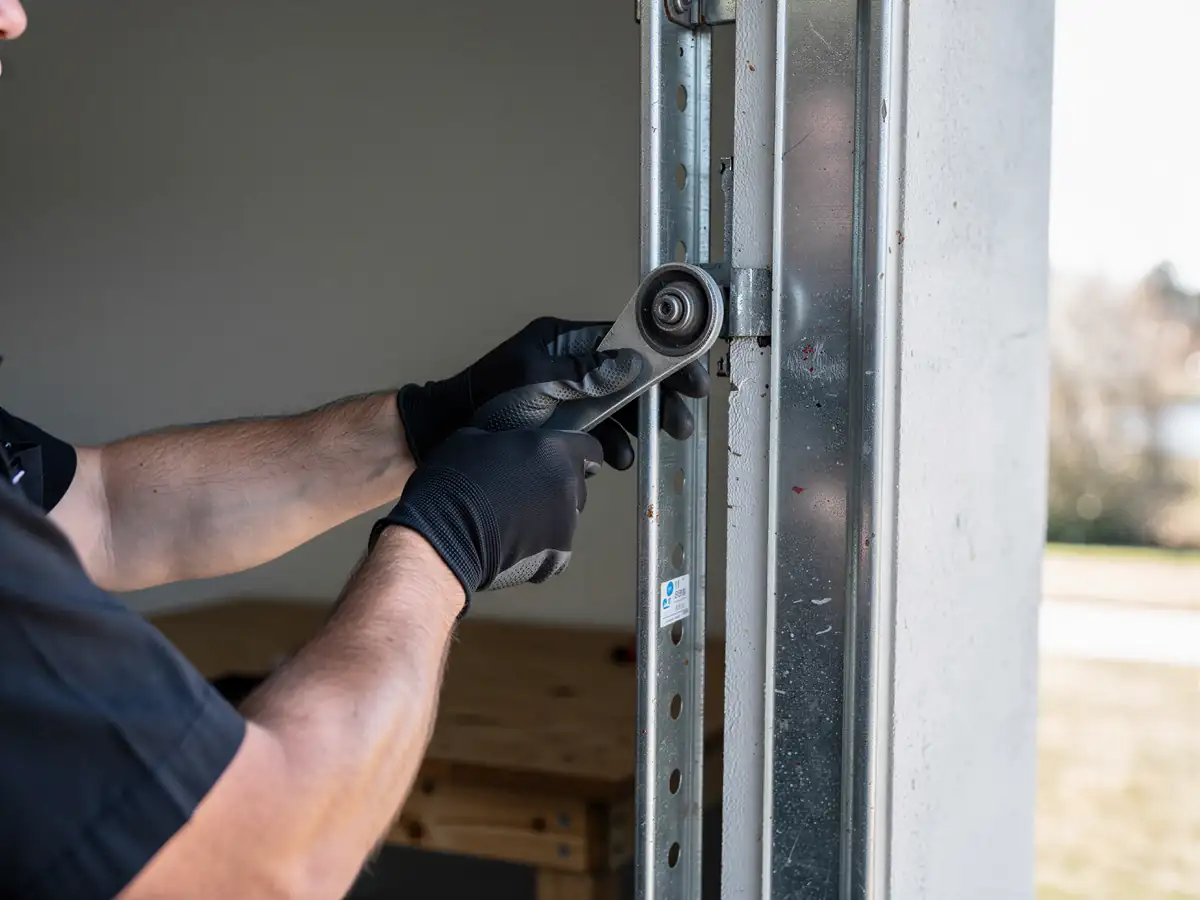
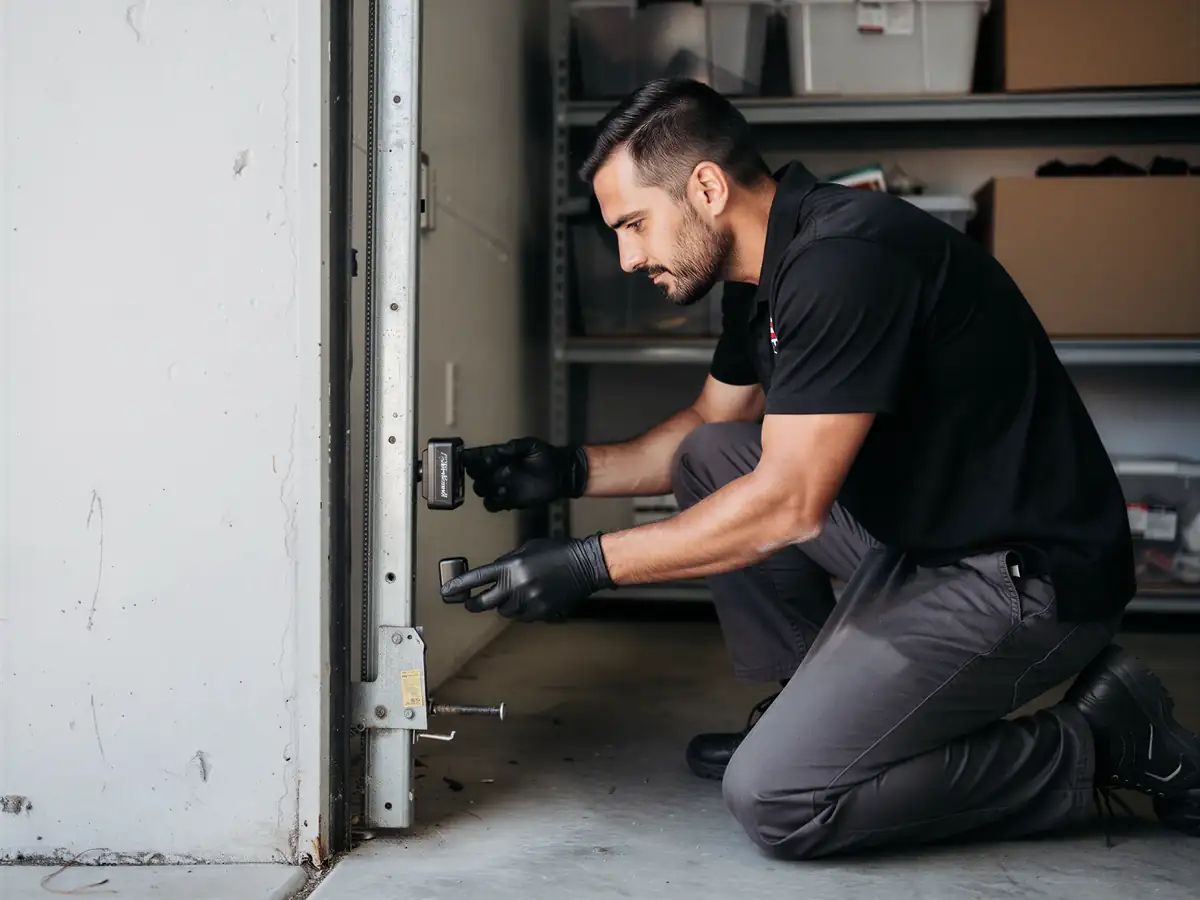
The other common failure at this age is the circuit board itself - capacitors and relays don't last forever, and a board pushing twenty years is past the point where a reset fixes it. Photo-eye sensors also drift out of alignment as houses settle, which reads as a door that won't close at all even though nothing looks broken. We check alignment before we touch the board, since it's the cheaper fix and the more common cause.
The Cost of This Job
We don't post a flat number for opener repair because the fix ranges from a $20 sensor realignment to a board replacement, and what's actually wrong decides which one you need. What we can tell you is that household income in this part of the service area runs well above the wider area's median - $117,835 here against $73,393 across the full 32,664-household service area - and that doesn't change what the job costs, but it does mean we're not guessing at whether a repair versus a full opener swap makes sense for the house. On a unit built around 2001, repair is still almost always the right call over replacement, since the drive and rail are usually in good shape even when the board has failed.
How It Shows Up
On a house built close to 2001, the opener failure you're most likely to see is the board-and-sensor combination: a door that reverses before it hits the floor, or lights that blink a diagnostic code you can look up in the manual if you still have it. A dead remote with a working wall button points at the receiver, not the whole unit. None of these mean the opener is finished - at this age the motor and drivetrain are usually fine, and it's the electronics doing the failing, which is the part we carry on the truck.