Parts We Carry
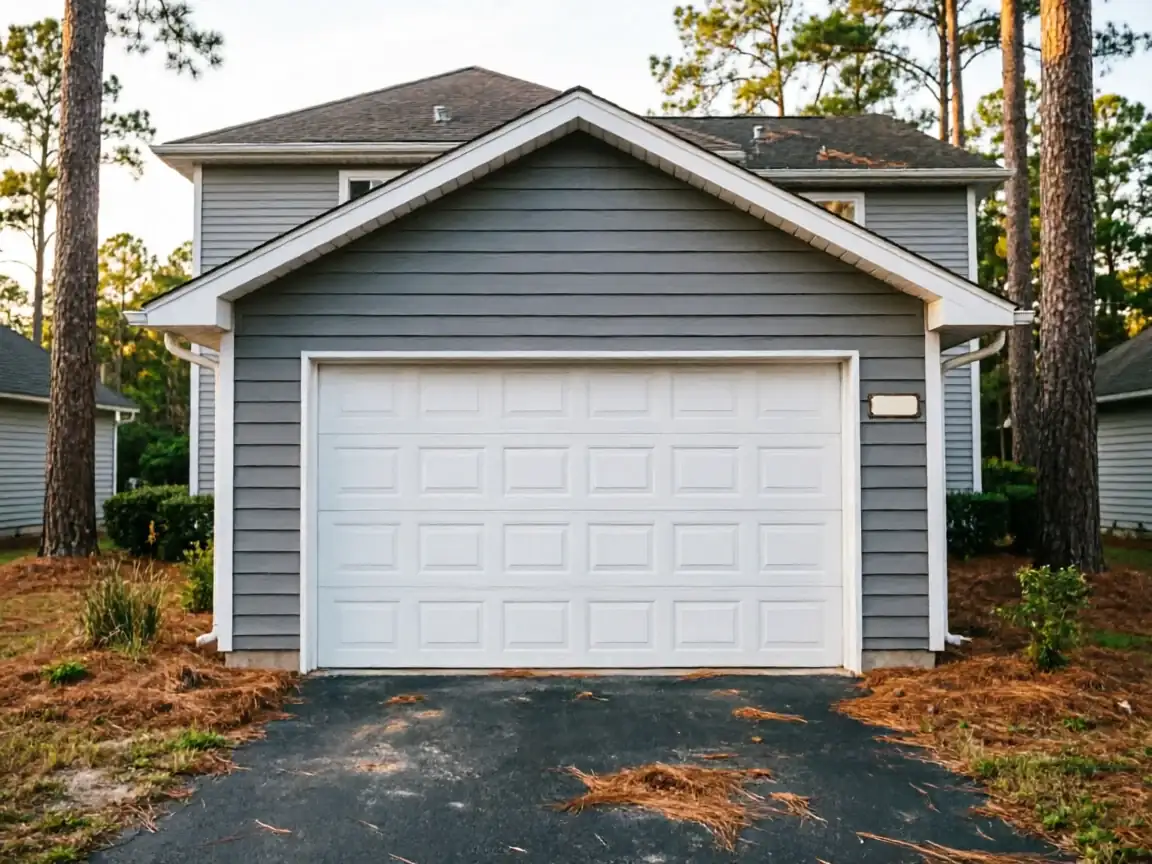
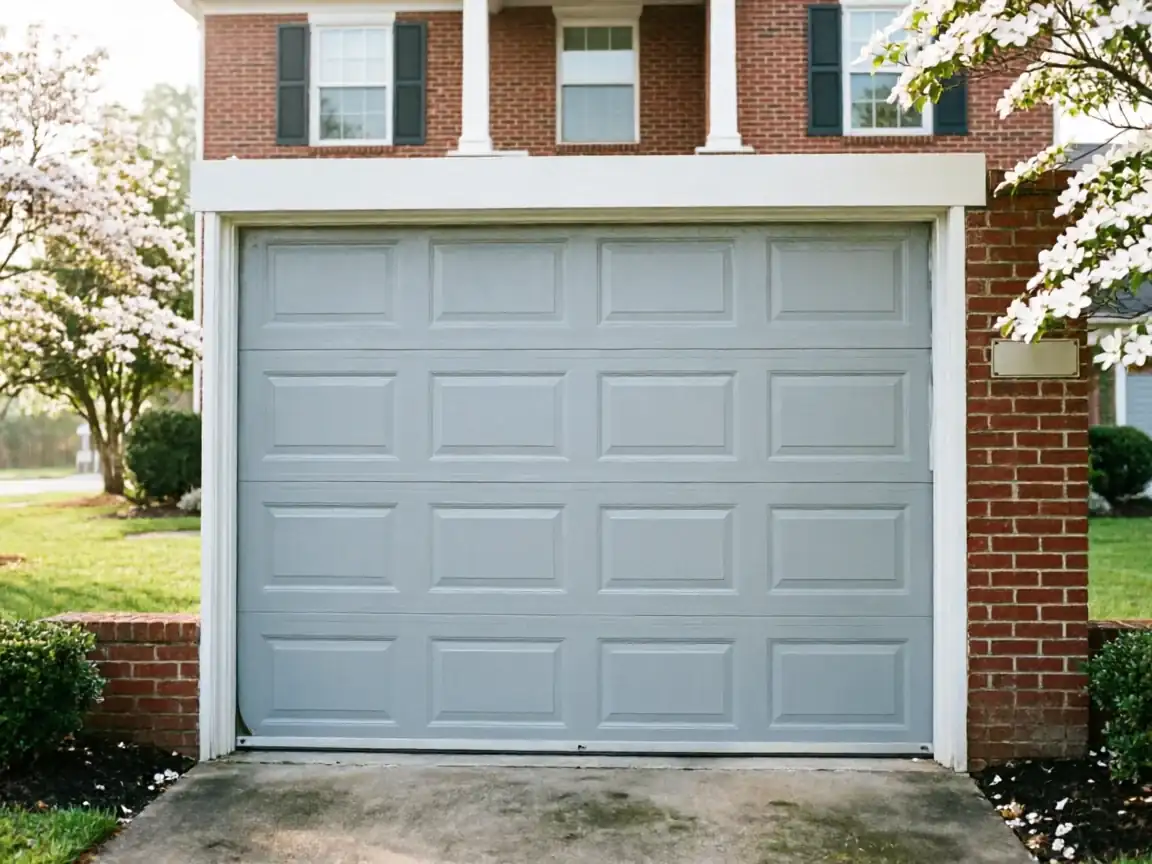
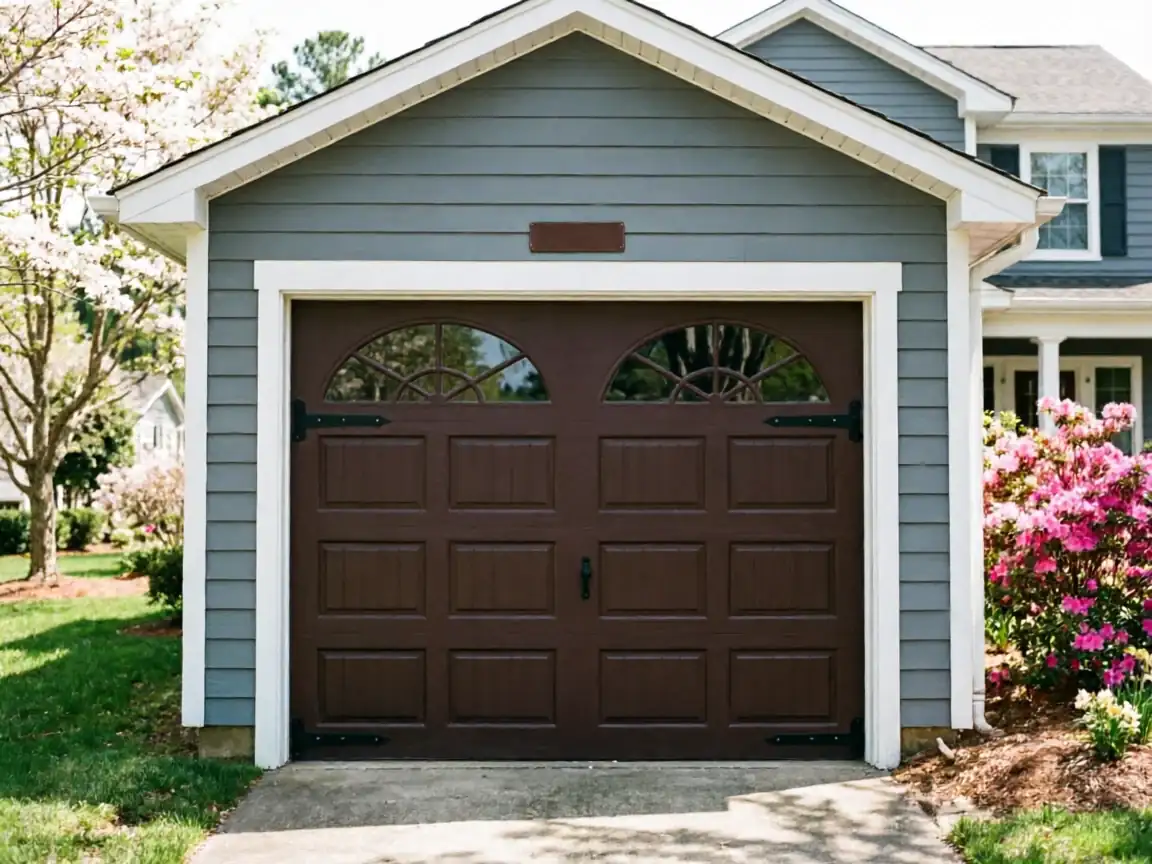
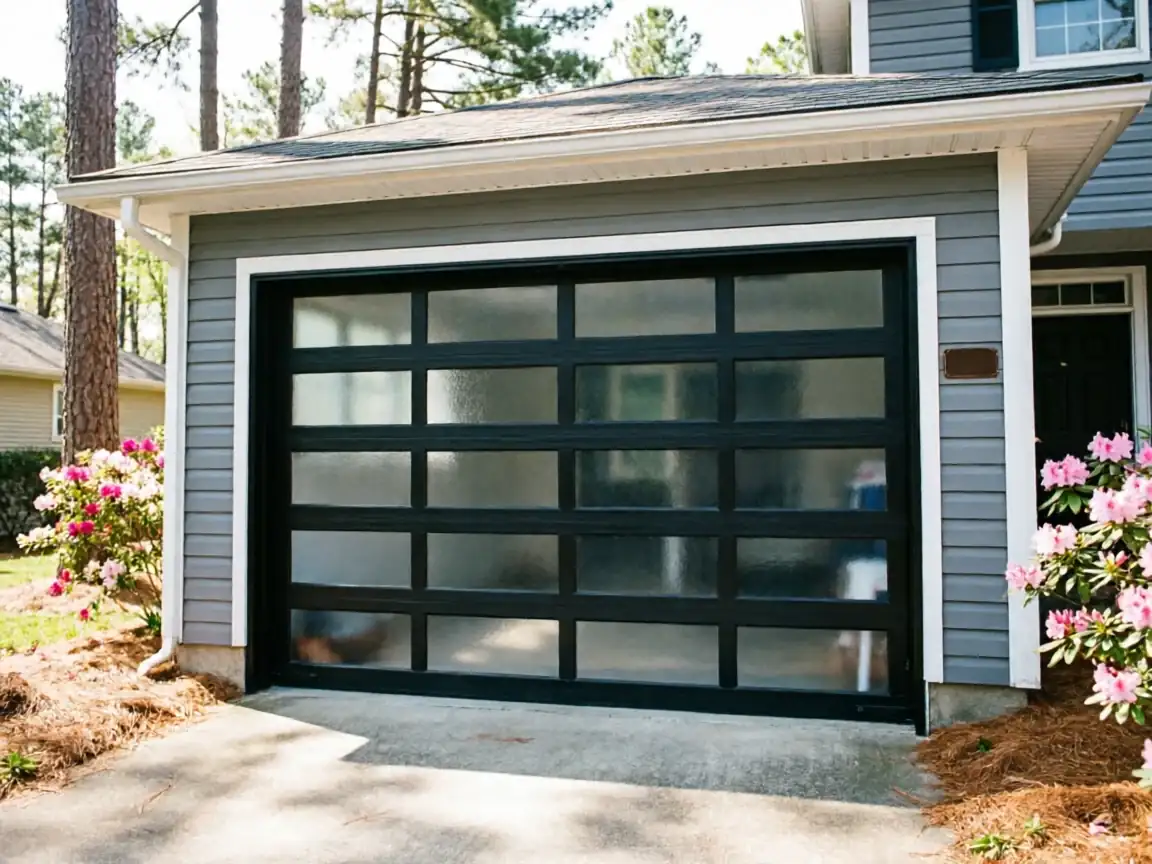
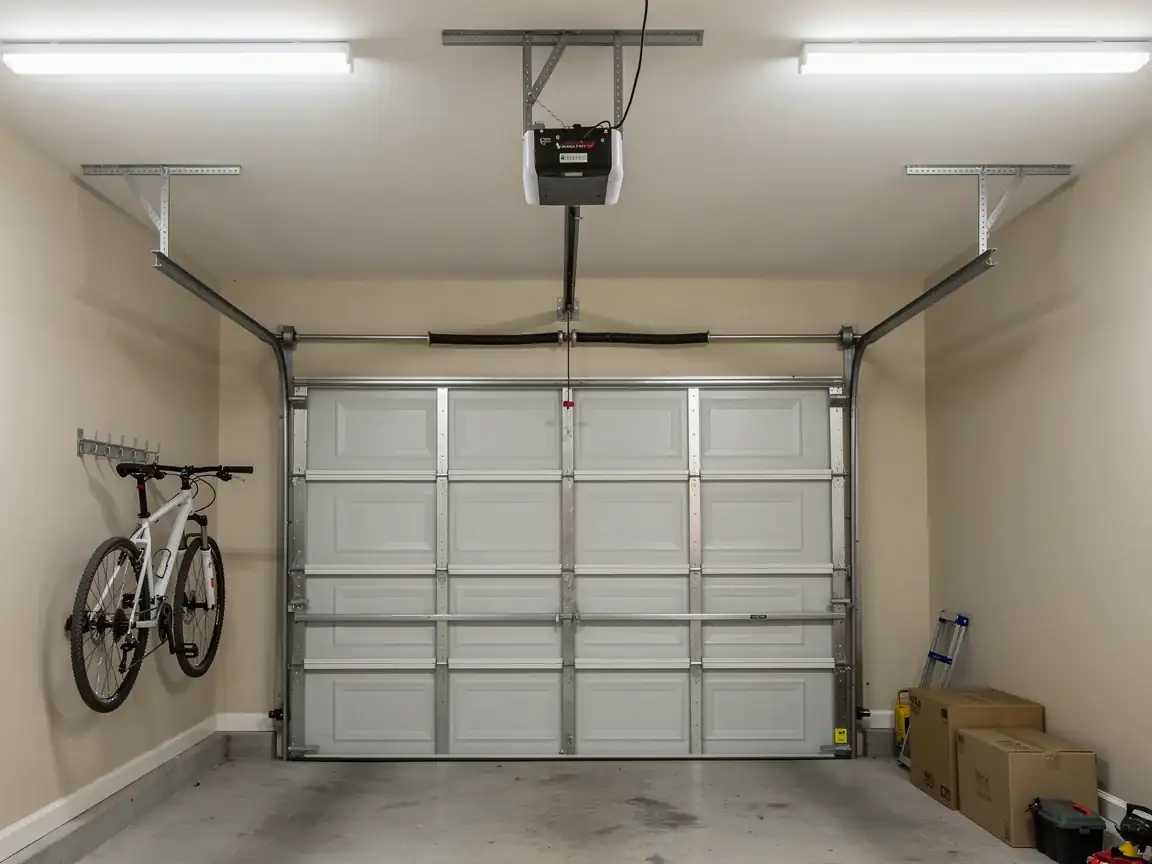
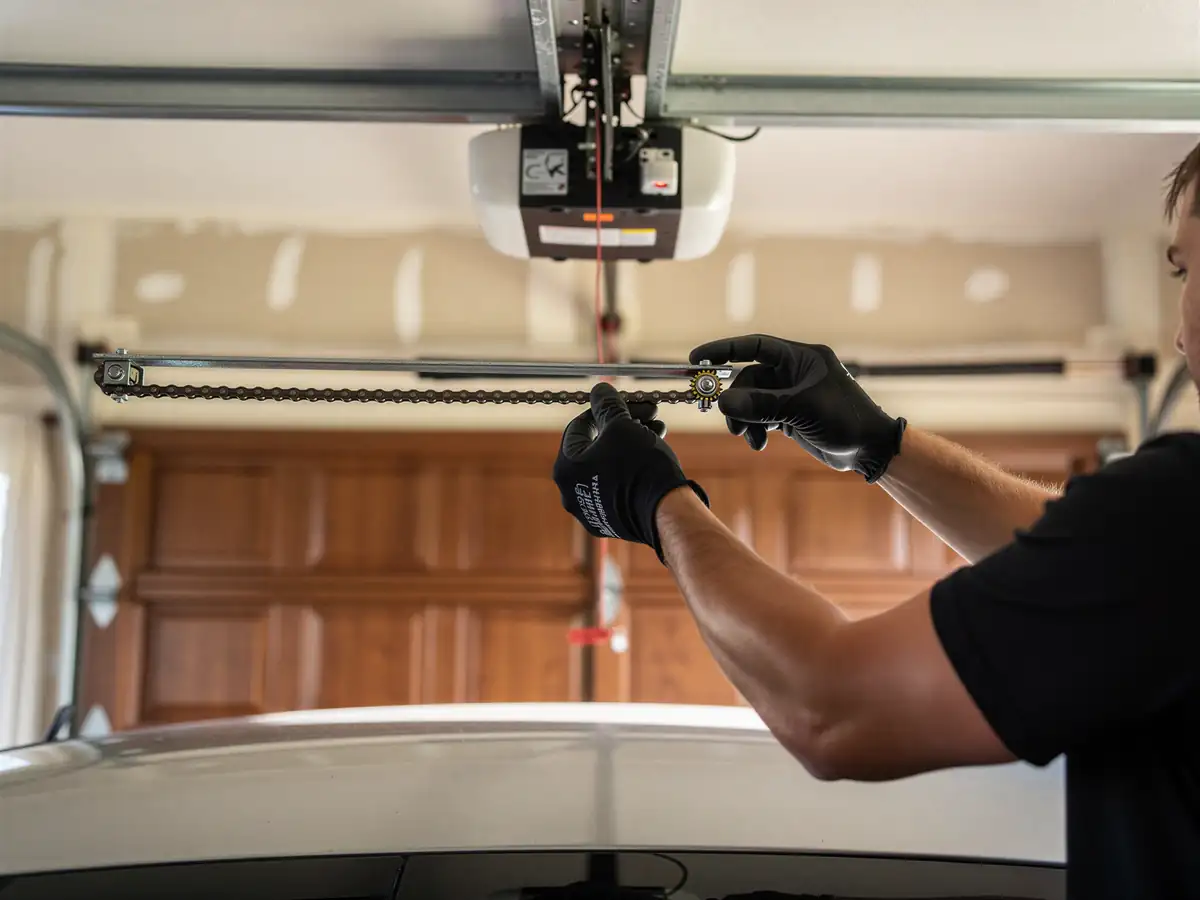
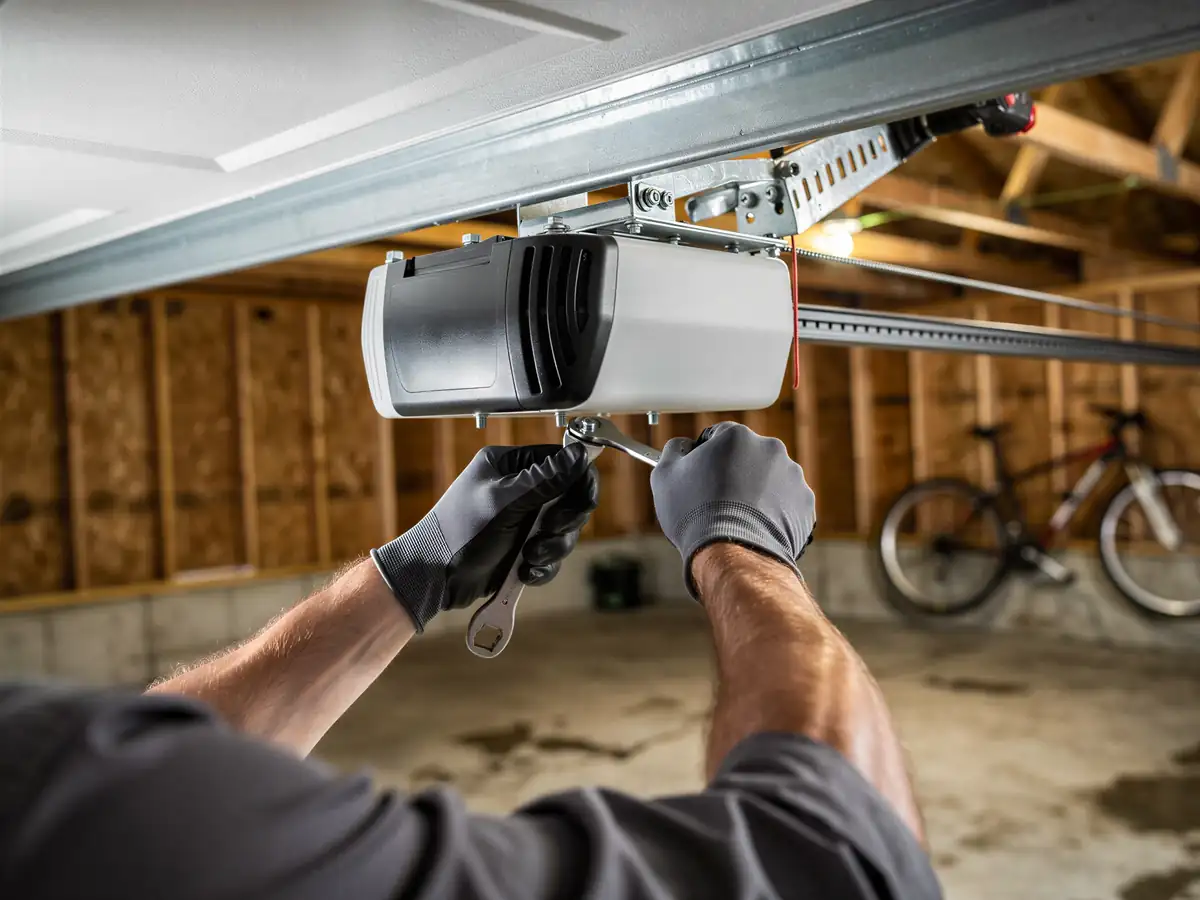
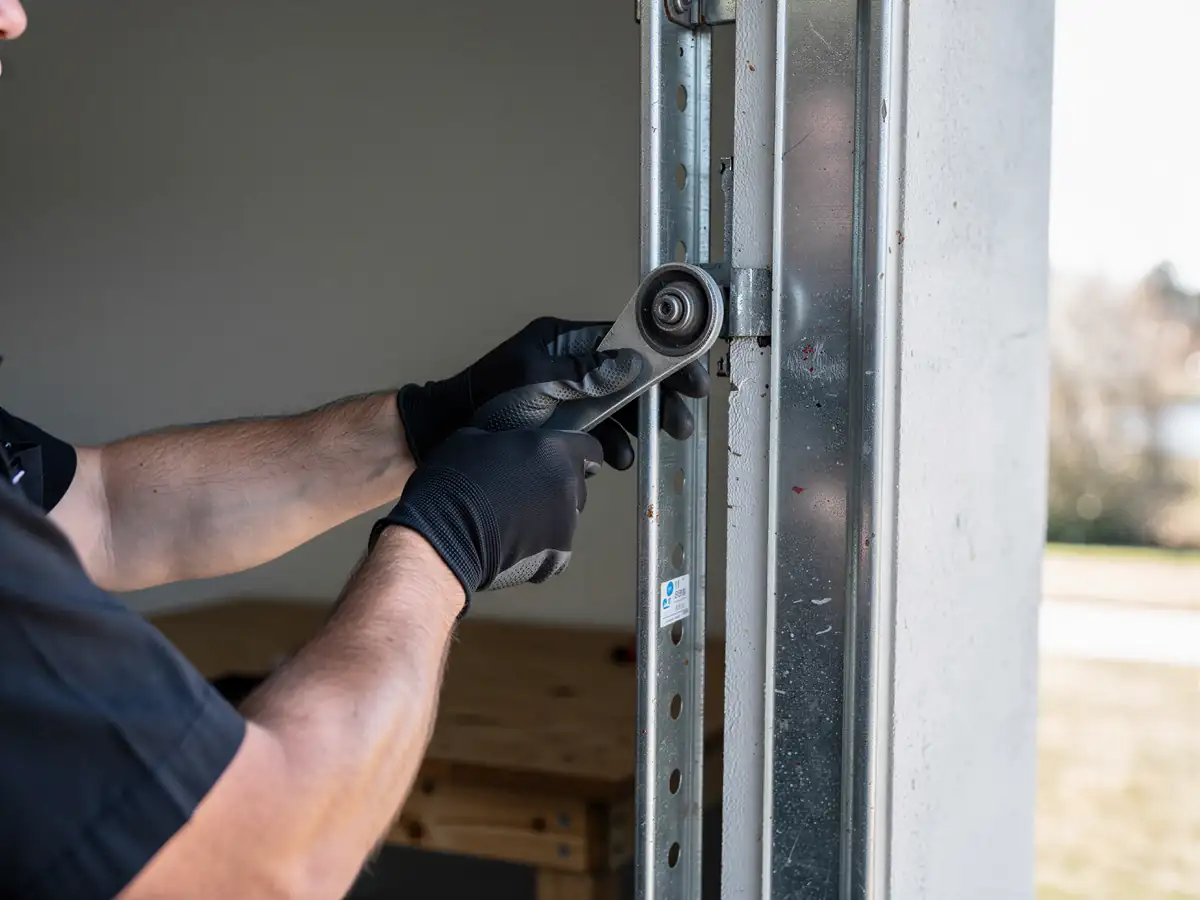
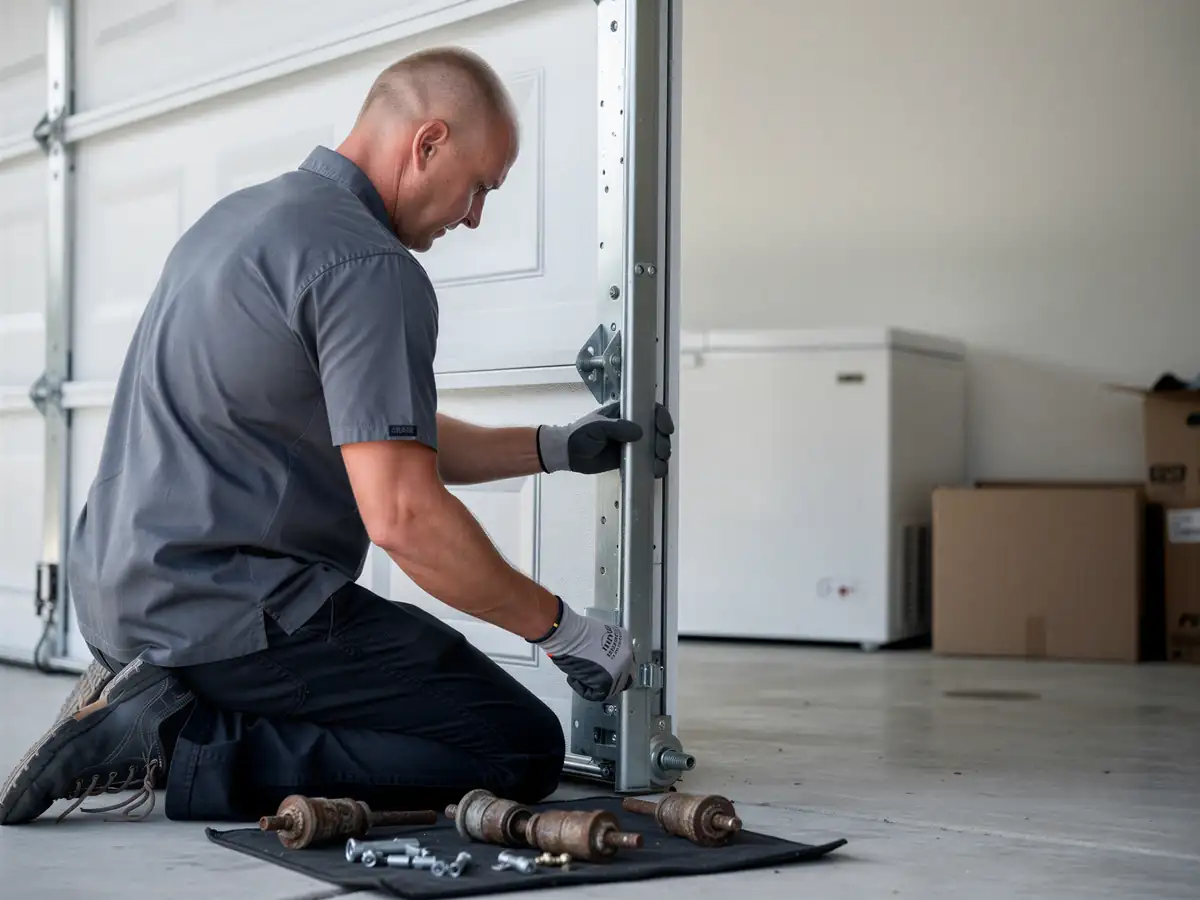
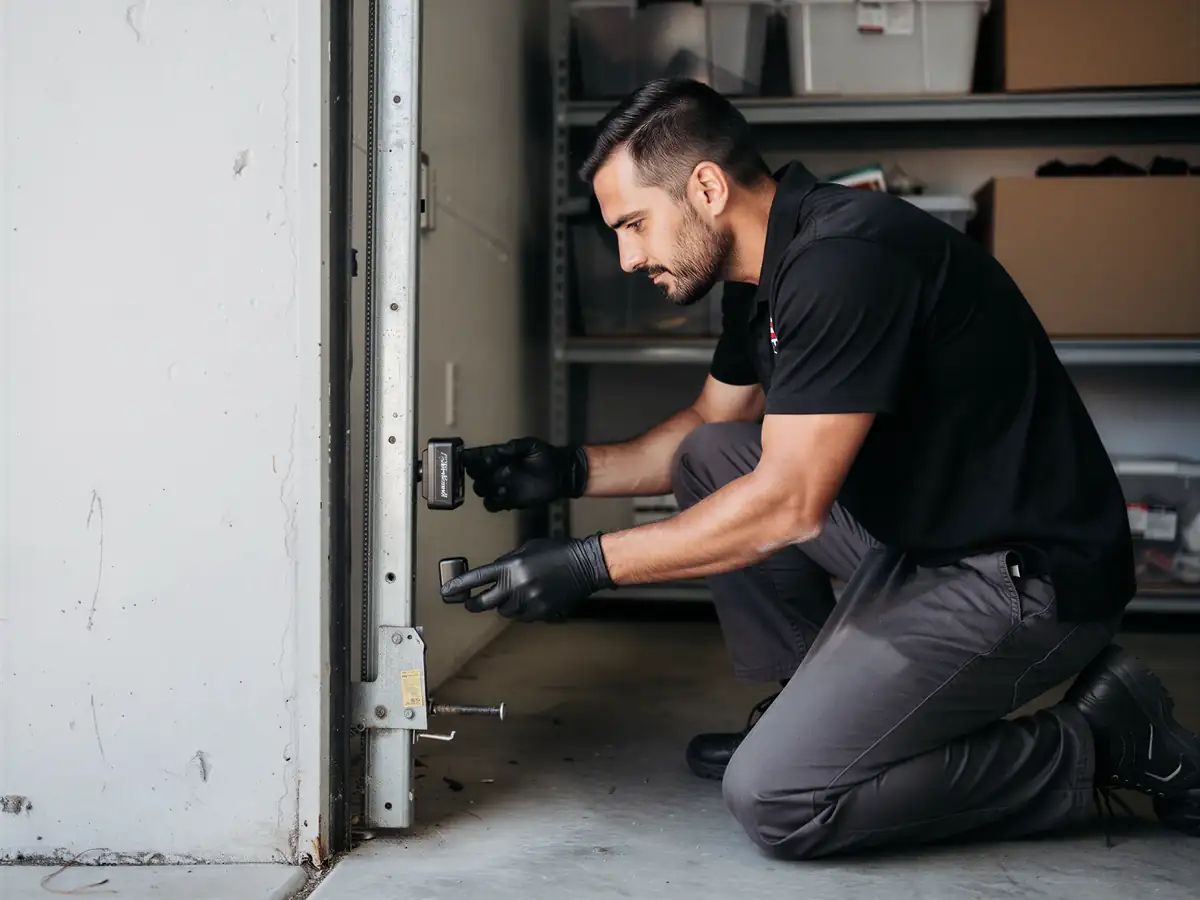
Lowesville's housing stock runs newer than most of the area we cover - median year built 2001, which puts the typical door and opener here into steel roll-formed sections on standard torsion springs, with openers that are mostly chain or belt drive from the early-to-mid 2000s onward. That's a different parts shelf than the older 1960s-70s stock you find closer to the lake or in some of the other towns we reach. We carry torsion springs sized for 2000s-era double and single doors, standard nylon and steel rollers, and circuit boards and logic units compatible with openers from that build window. What we don't stock on the truck are parts for doors built before the 1990s - those sometimes need a special-order spring or a discontinued opener board, and if that's your situation we'll tell you the lead time before we start, not after.
What Can Go Wrong
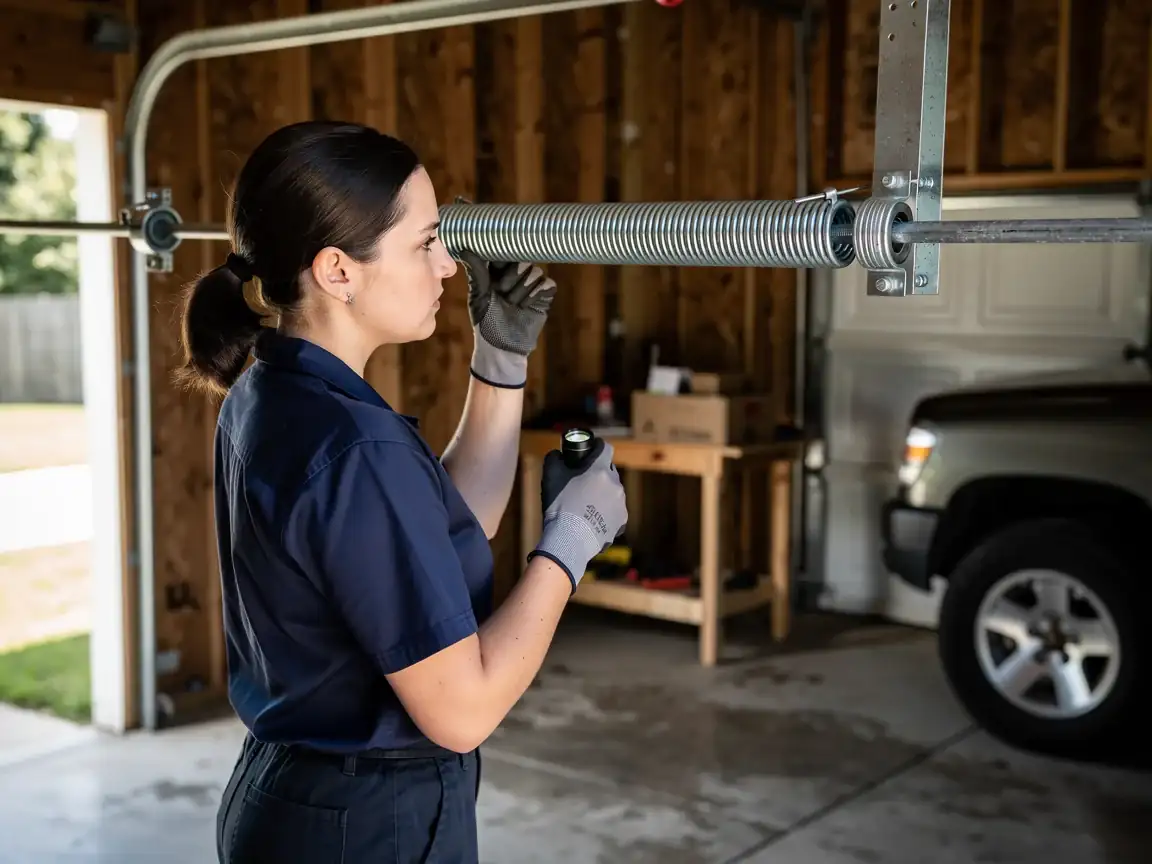
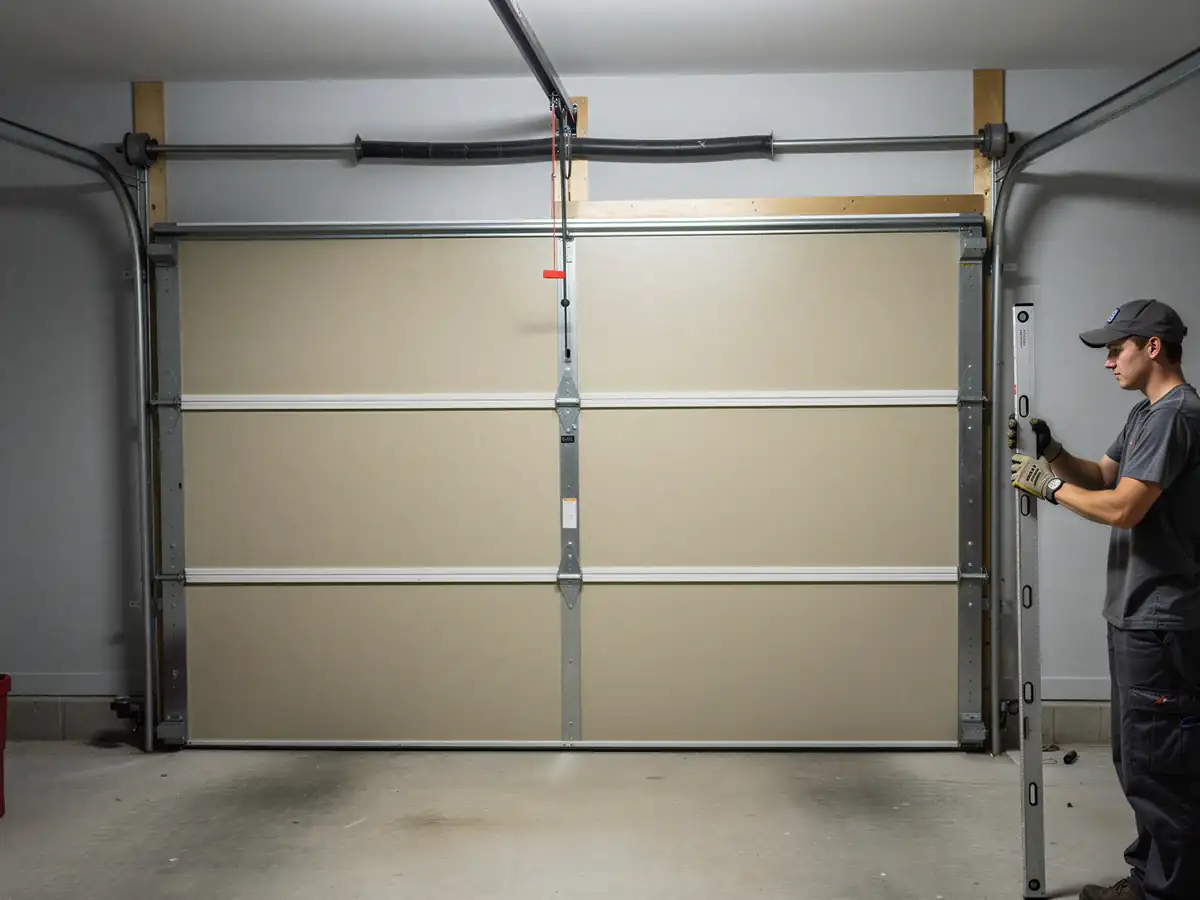
A house built around 2001 is old enough now that the original torsion spring is near or past its rated cycle count, and that's the single most common call we get from homes of that age - a spring that lets go on a cold morning, usually the coldest stretch of the season. The climate here is cold-moderate, enough that steel hardware contracts and expands through a real winter-to-summer swing, which shortens cable and roller life compared to a milder climate. Openers from the early 2000s are also hitting the age where circuit boards fail outright rather than just acting glitchy - a board that worked fine last month can simply stop responding. Track misalignment from a door that's been lived with for two decades and never adjusted is the other frequent one, usually noticed as a door that binds or grinds a few inches from the floor.
The Cost of This Job
We don't publish flat prices here because spring size, opener model, and whether the track needs realignment all move the number, and guessing at it before we've looked at the door does nobody any favors. What we will say: at Lowesville's income level, a straightforward spring or cable repair is usually the right call financially, but once you're replacing a failed opener board on a unit from the early 2000s, compare that cost against a new opener before you commit - the newer units also carry better rolling-code security and battery backup, features the 2001-era boards don't have. Ask us for a number on your specific door and opener model when we're out there; we'd rather quote the actual job than a range that doesn't mean much.
How It Shows Up
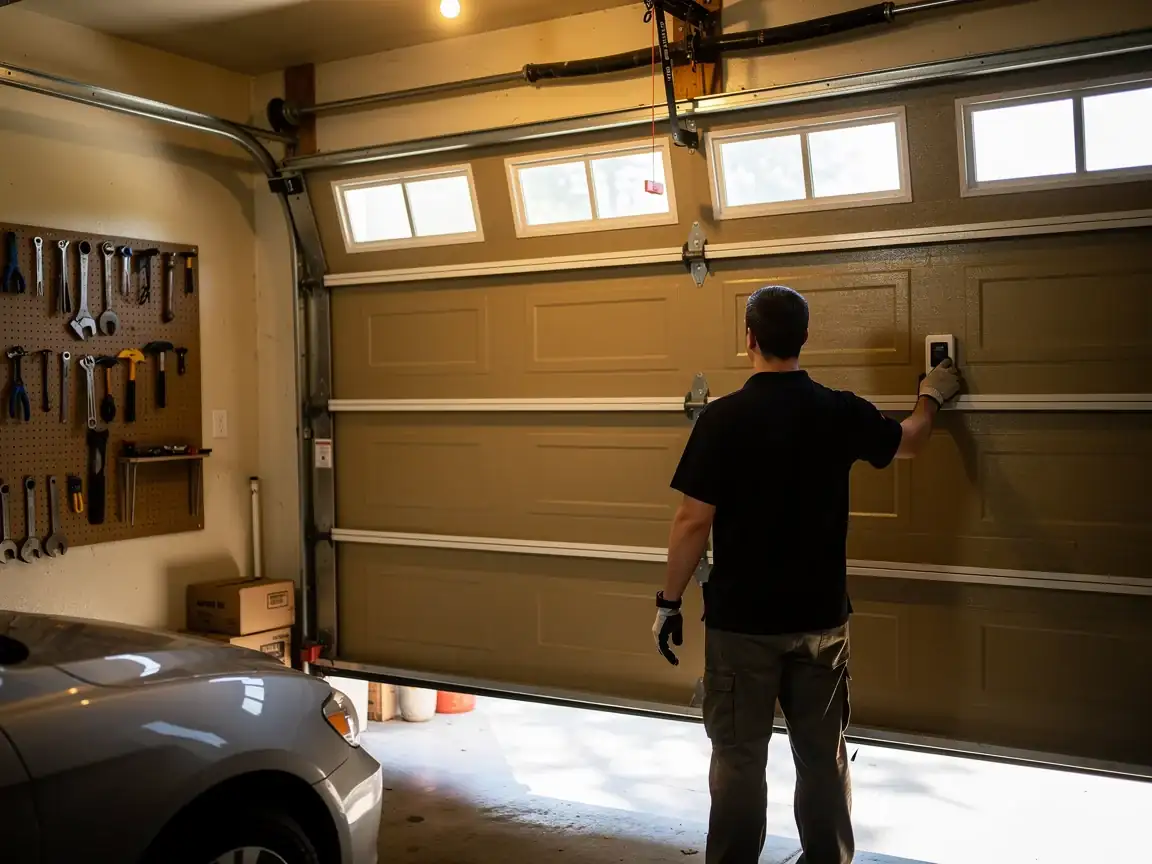
On a house built in 2001, the first sign is usually noise - a grinding or popping sound as the door passes the halfway point, which is often the spring telling you it's close to done before it actually breaks. The second common sign is an opener that runs the motor but the door doesn't move, which usually means the gear inside the opener unit has stripped, a known failure point on units from that production era once they pass fifteen-plus years of regular use. If your door reverses halfway down without touching anything, check the sensors first - on houses this age the sensor eyes have often drifted out of alignment from years of being bumped by bikes or lawn equipment rather than failed outright.