Parts We Carry
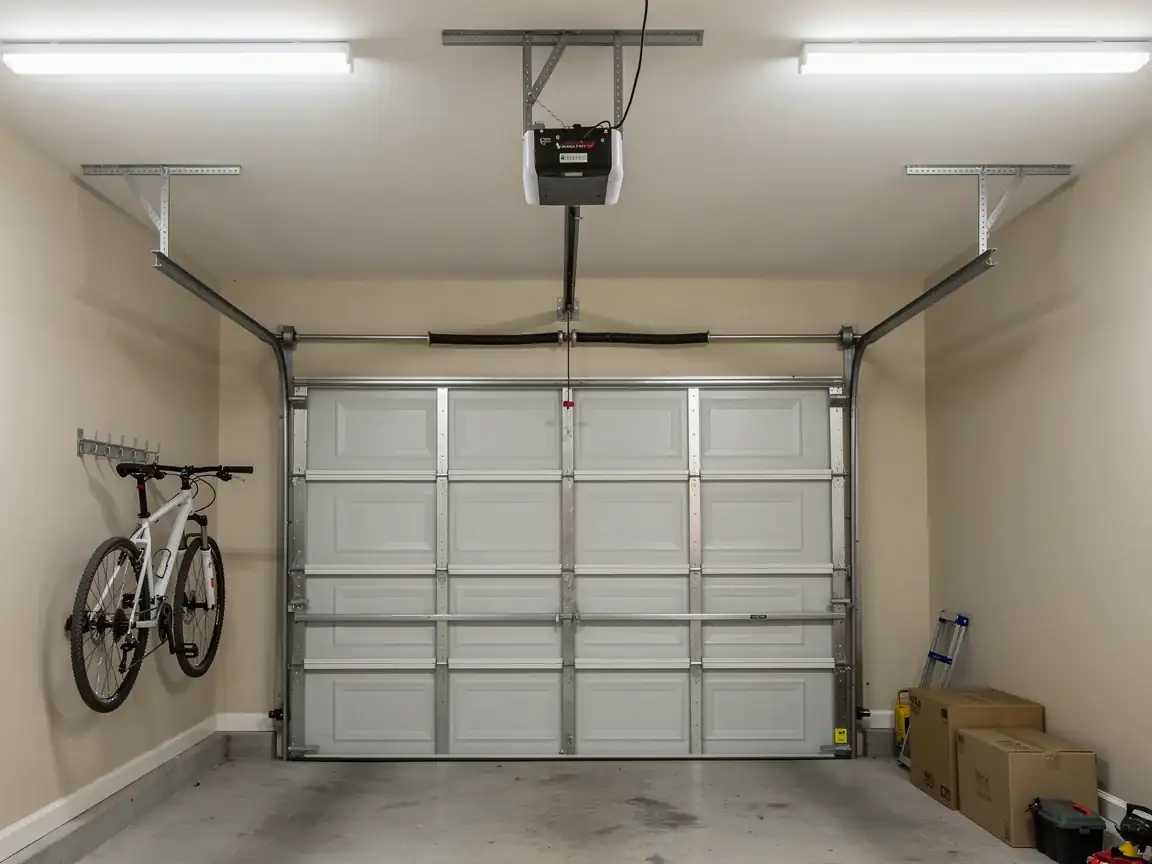
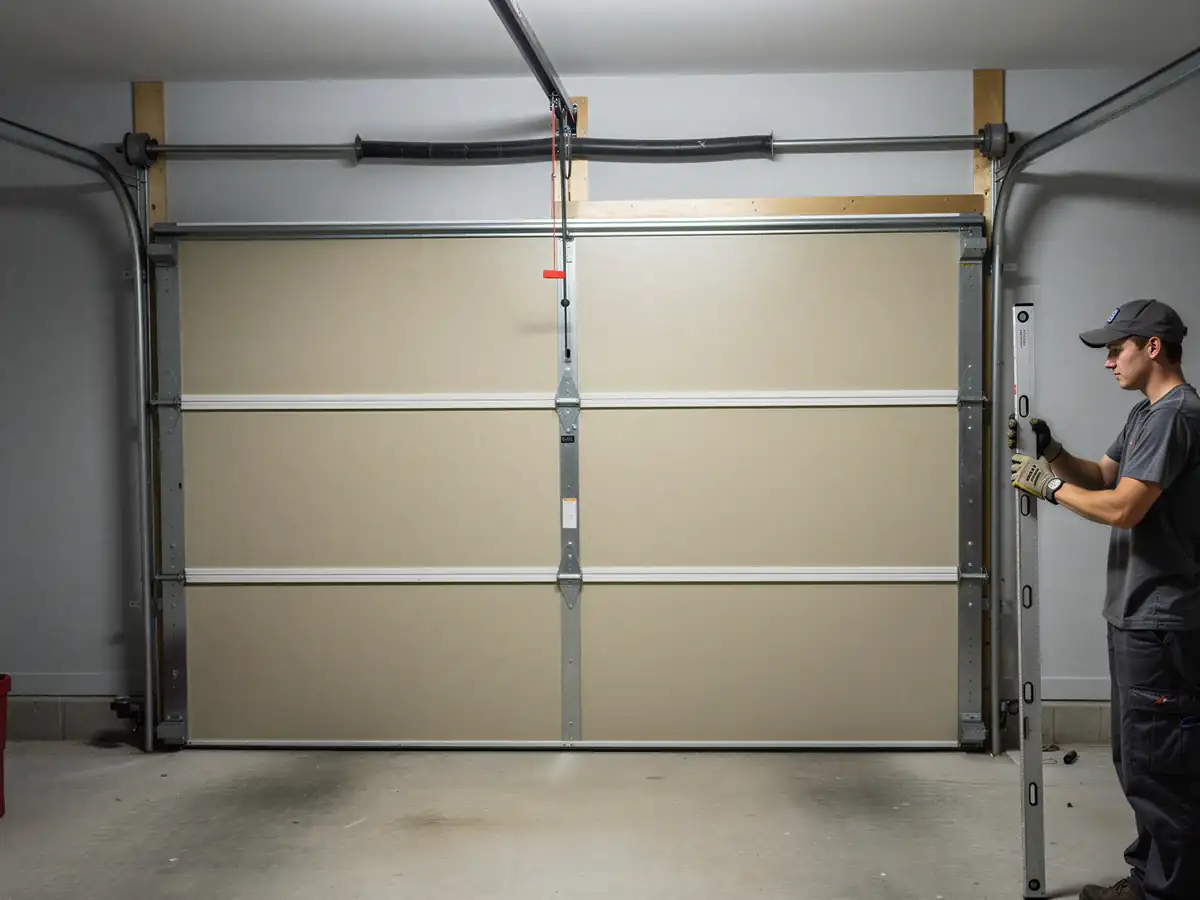
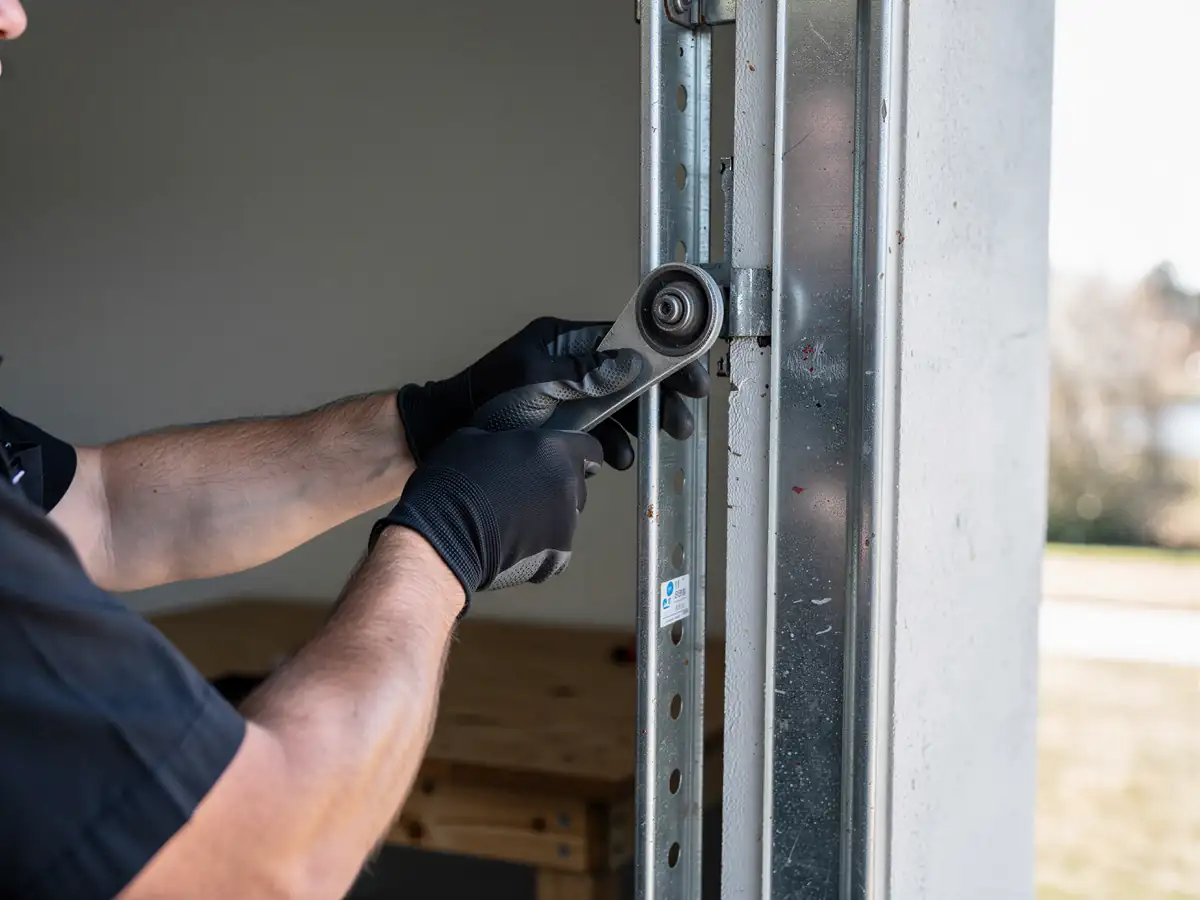
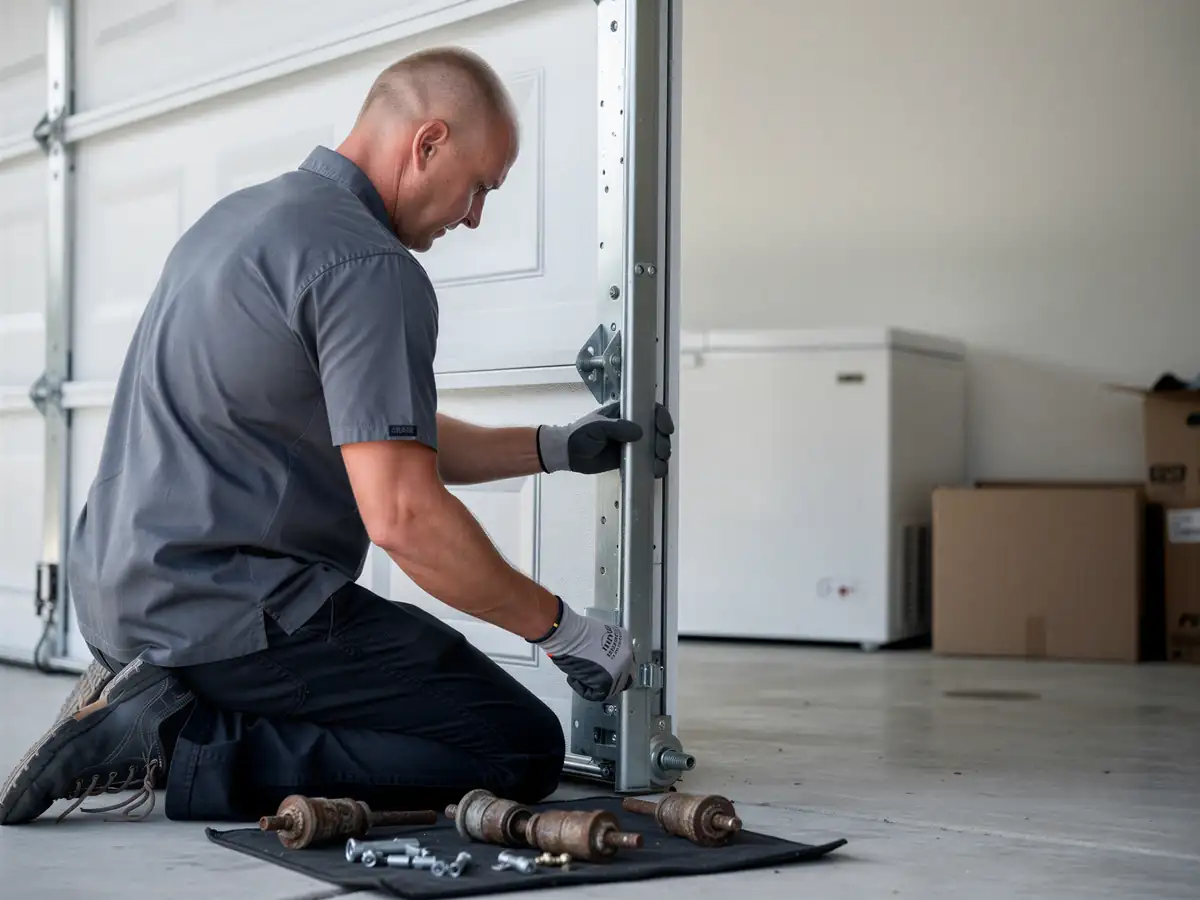
We carry the rollers, cables, hinges, and standard torsion springs that fit the openers and track systems common to houses built in the late 1990s through the early 2000s, which covers most of Lowesville's housing stock. Galvanized 10-ball rollers, lift cables sized for a standard 7-foot door, and extension or torsion springs rated for typical two-car door weights are all on the truck. What we don't stock is anything proprietary to a specific European import brand or a smart-opener logic board - those parts have longer lead times, and if your opener needs one we'll tell you upfront rather than have you wait around for a part sitting on a shelf somewhere else.
What Can Go Wrong
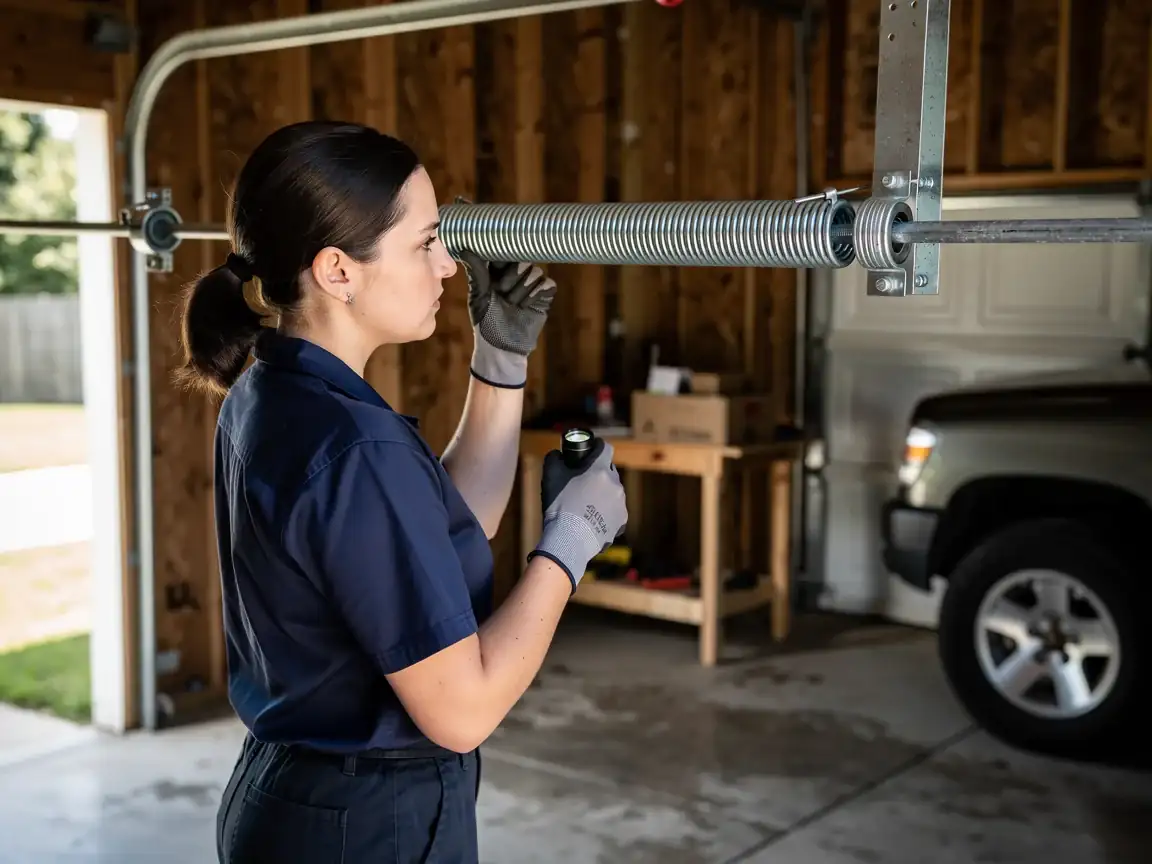
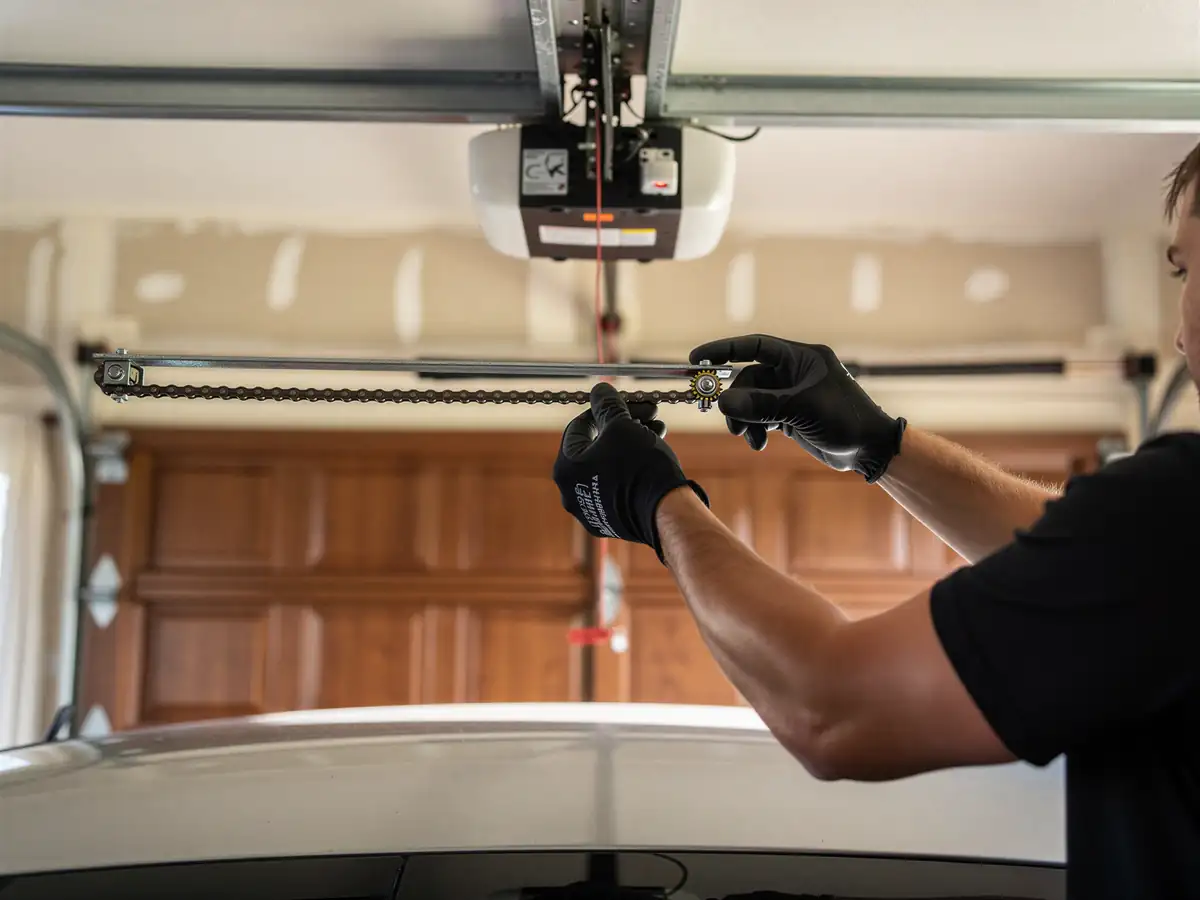
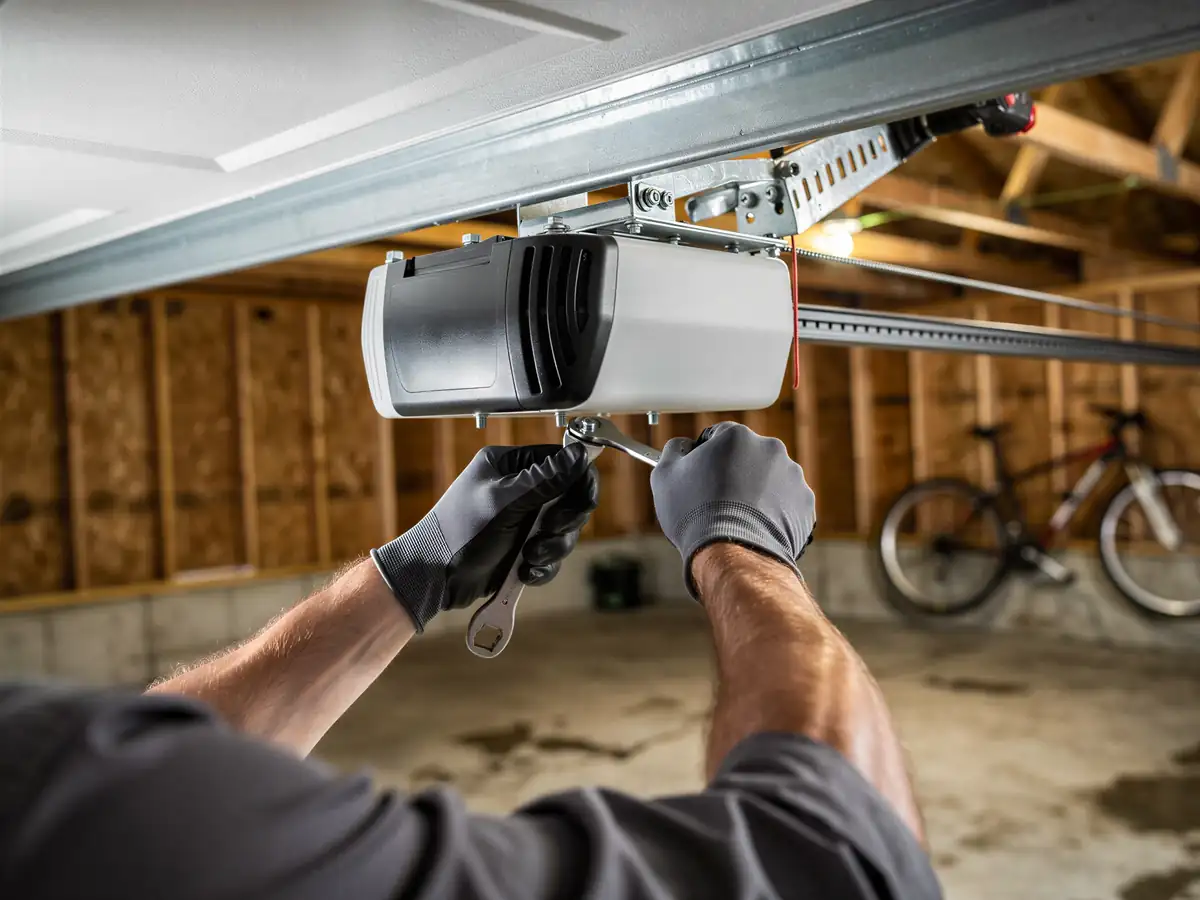
A door from the early 2000s in this climate band - cold winters, humid summers, no extreme heat events - tends to fail in a specific order. Springs go first, usually a torsion spring losing its temper after thousands of cycles, and you'll notice the opener straining or the door feeling heavier by hand before it fully breaks. Rollers crack or flat-spot next, especially the original nylon or steel rollers that have never been swapped, and you'll hear it before you see it - a rhythmic thump as the door travels. Weatherstripping at the bottom seal dries out and cracks, letting in cold air and moisture at the slab edge, which matters more here given the moderate cold swings. Openers from that build era are also reaching the point where the drive gear or capacitor is original, and a chain drive that's never been lubricated will start skipping.
The Cost of This Job
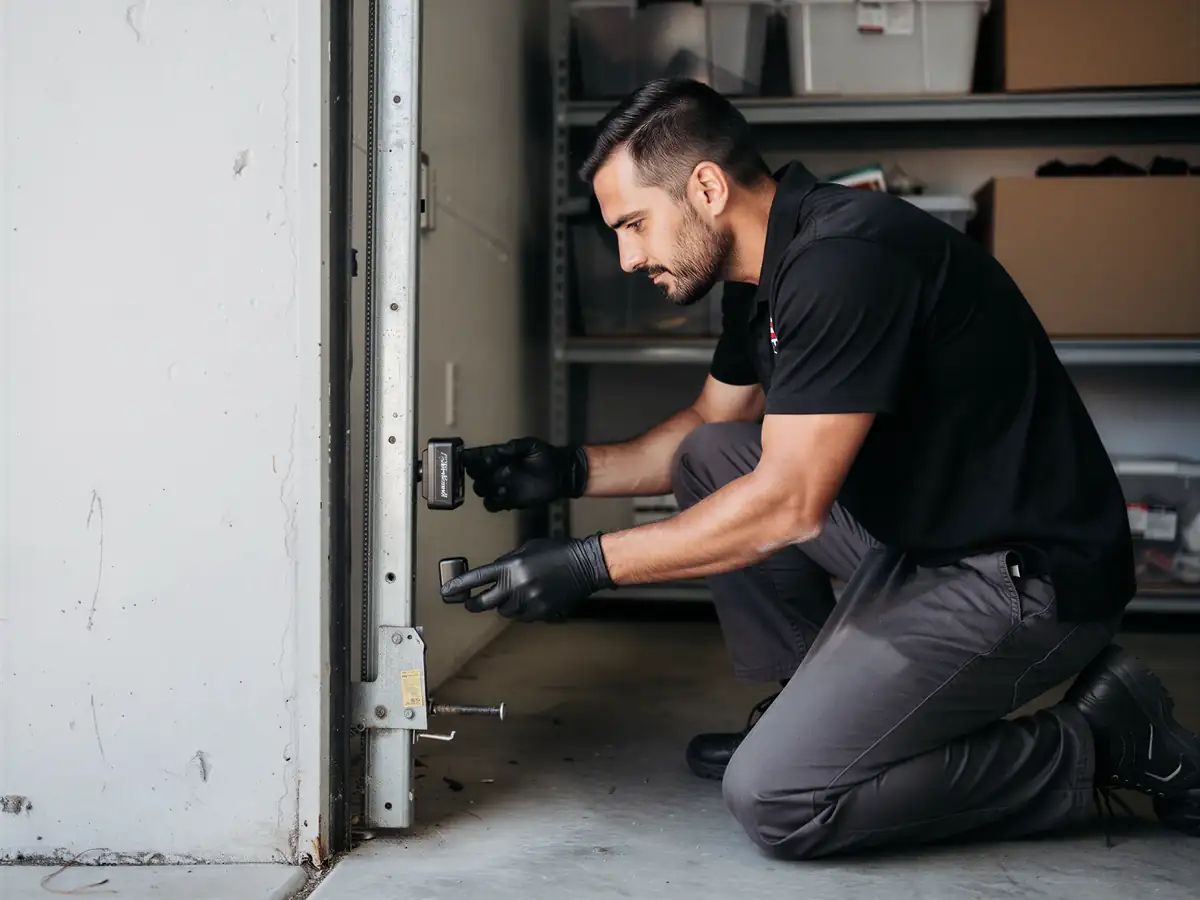
We don't have a posted price for maintenance visits specific to Lowesville, and we'd rather tell you that than make one up. What we can say is that a standard tune-up - spring check, roller and track inspection, lubrication, hardware tightening - costs less than waiting until a spring snaps or a cable frays through, which turns a maintenance call into an emergency spring replacement. With household incomes in this area running well above the wider service area median, cost usually isn't the deciding factor for folks here; timing is. Catching a worn roller before it jumps the track is the difference between a 20-minute fix and a bent section of door.
How It Shows Up
In a neighborhood of roughly 1,387 households built mostly in that same stretch of years, the symptoms tend to show up on a similar timeline across the street from each other. If your neighbor's opener started groaning last year, yours is probably not far behind - same install date, same number of cycles, same hardware. Watch for the door hesitating partway up, a grinding sound from the opener motor, or the door no longer sitting flush against the weatherstrip at the bottom. None of those mean the door is done - they mean it's due for the kind of look a maintenance visit is built for, before one of those symptoms turns into a dead spring or a stuck door on a cold morning.