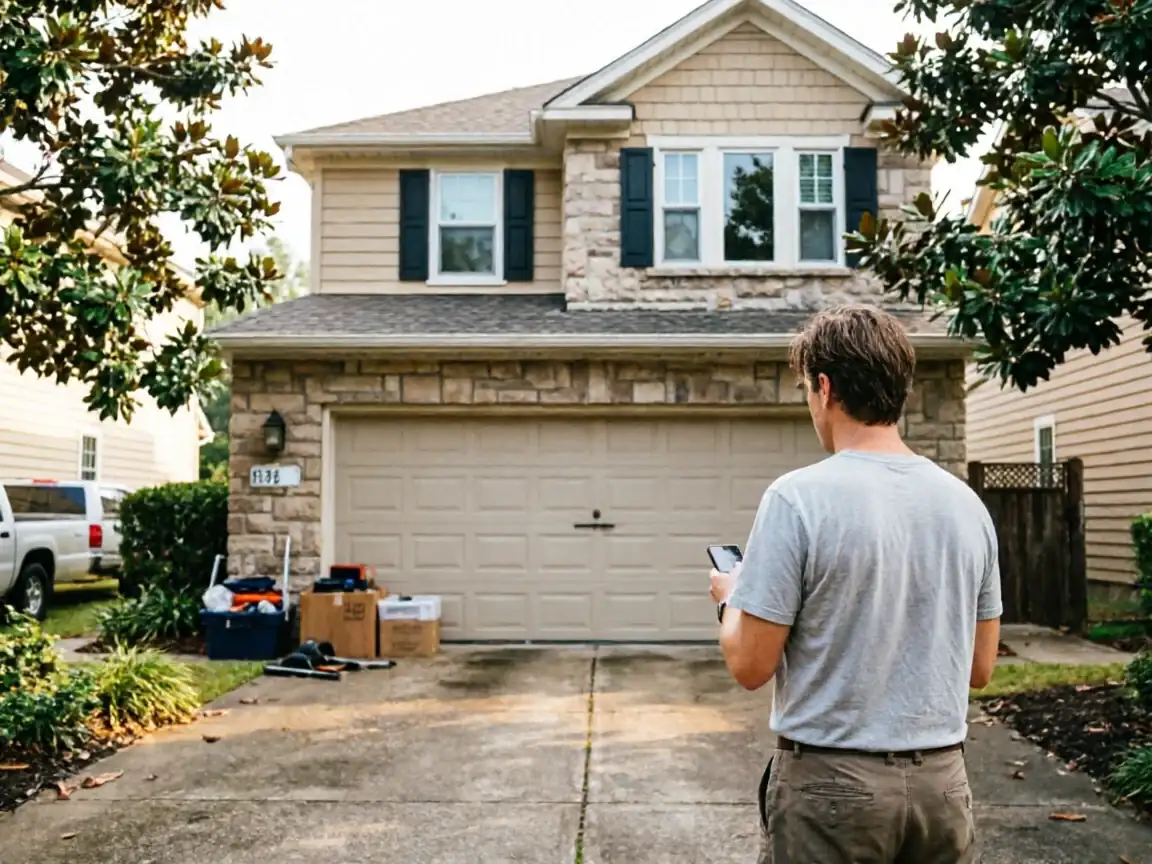
Doing It Yourself
Most houses in this part of the lake went up around 1999
Which means the garage door hanging on your house is old enough to be on its original rollers. Nobody ever replaces rollers until they fail, so if your door grinds, hops, or sounds like a shopping cart with a bad wheel, there's a good chance those are the same rollers that left the factory a quarter-century ago.
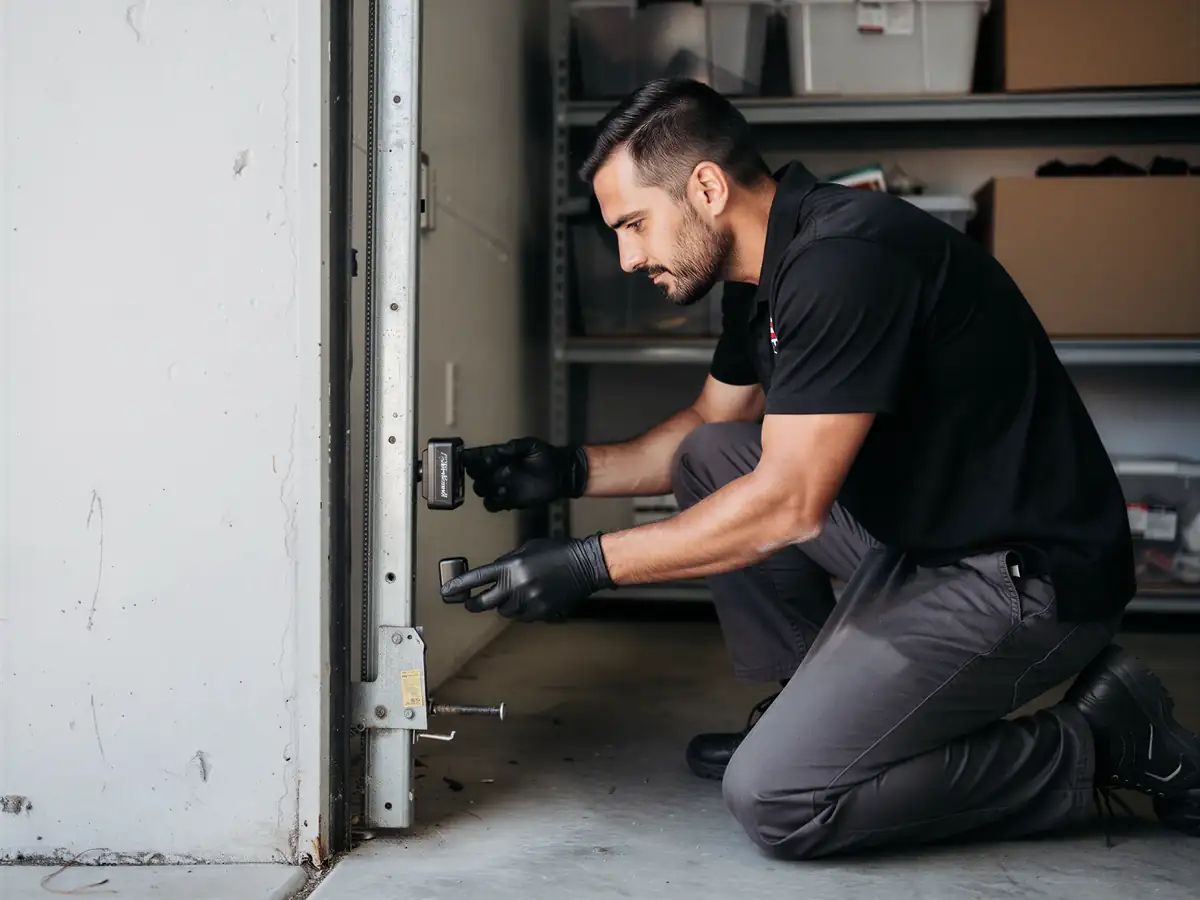
You can swap a single roller yourself if the track is straight and the spring isn't under heavy load
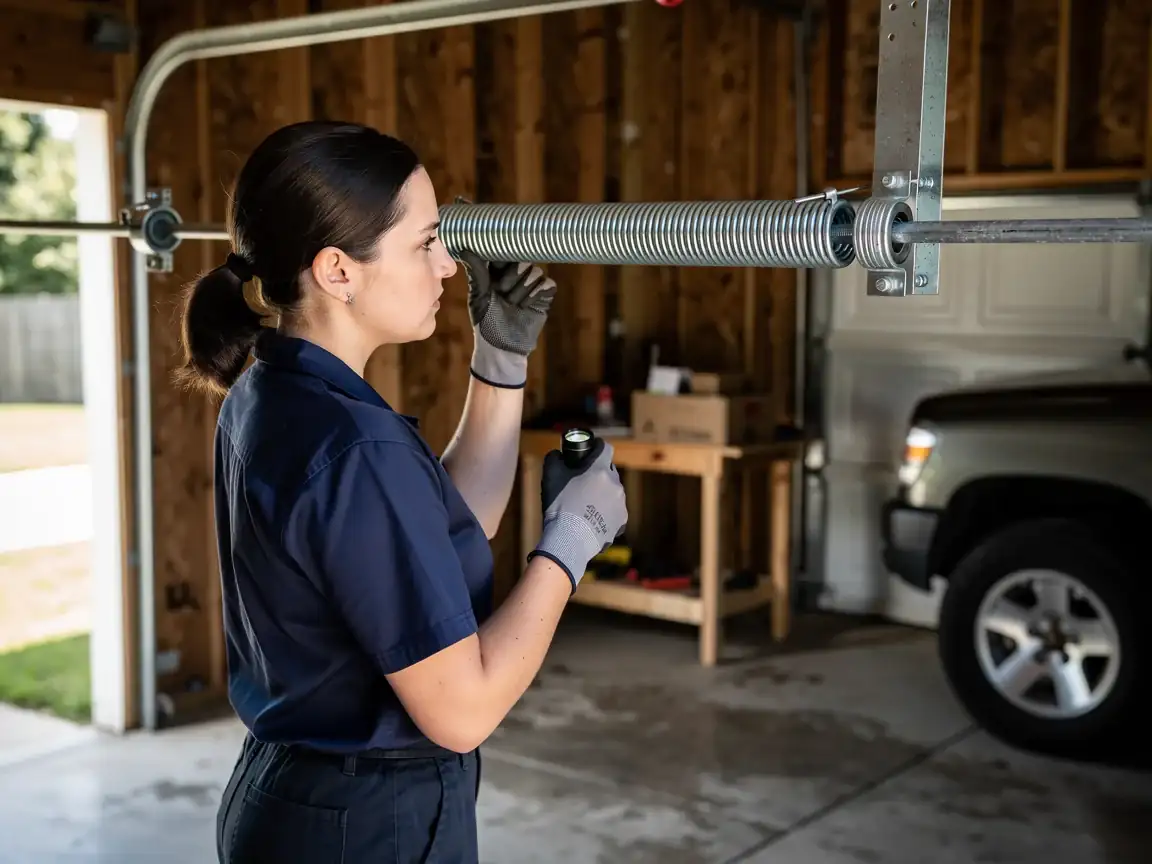
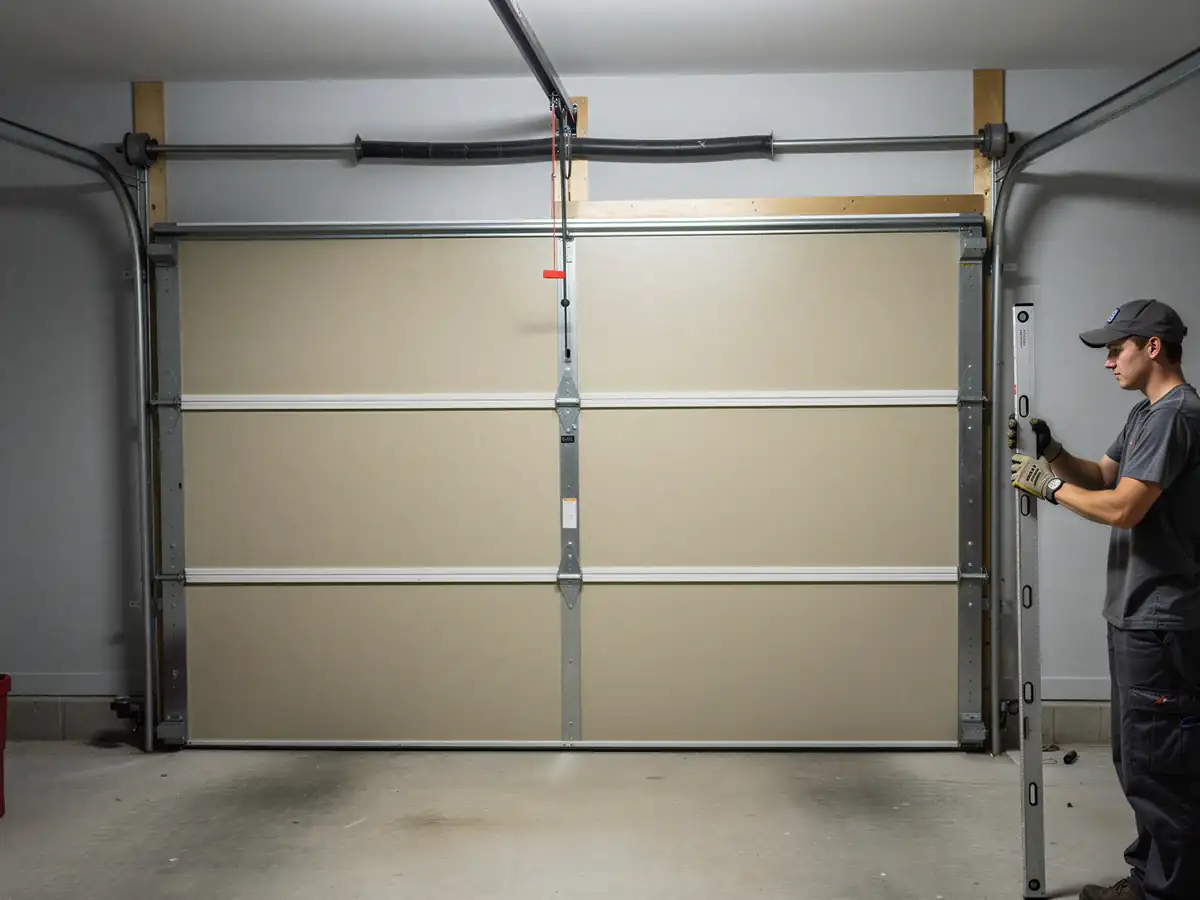
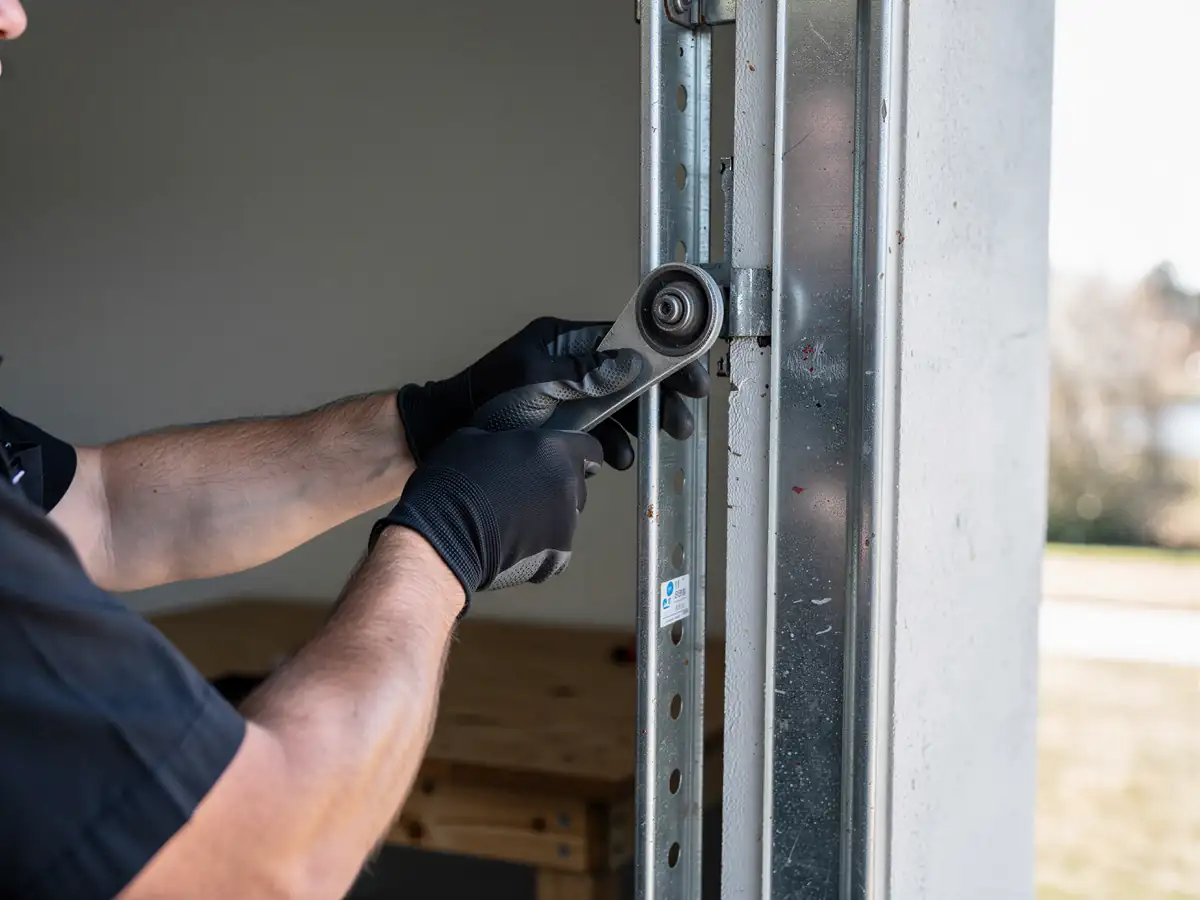
But on a door this old the real question isn't the roller, it's the track it rides in. Twenty-five years of a worn roller wobbling in a track stretches the track gap, and a new roller dropped into a stretched track will bind again in a season. We've seen that mistake cost homeowners twice. If you're not sure the track is still true, that's not a job to guess at with the door half-open over your head.
We're honest that this is one of the simpler garage door repairs out there
And a handy homeowner with the right size roller and a pair of pliers can often do a single roller on a light door. What we don't recommend is replacing one roller and leaving the other nine from 1999 in place - they're all the same age and wearing at the same rate.
Booking a Visit
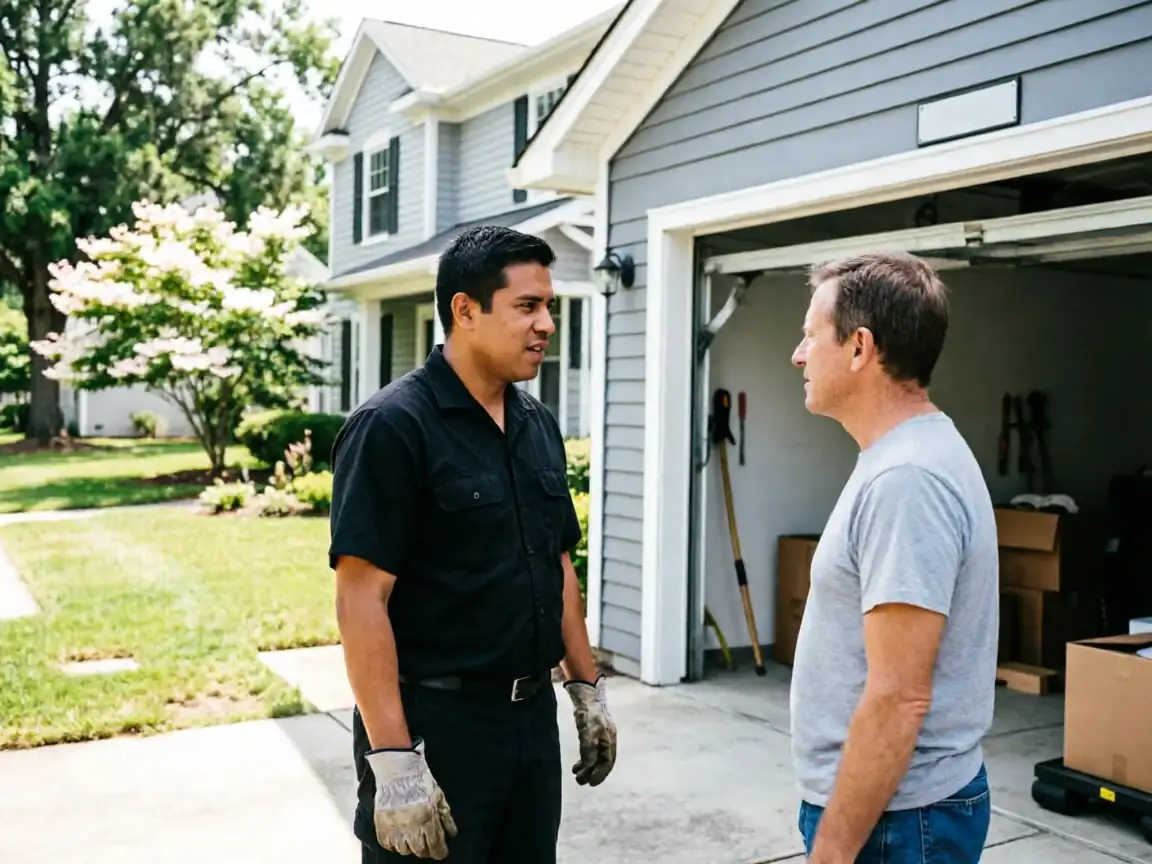
We run out of Mooresville, about 9 miles from Lake Norman of Catawba, so we schedule the trip out rather than keeping a truck stationed on this side of the lake. That's not a complaint, it's just how the route works - tell us what the door's doing when you call and we bring the roller stock that fits a door from the late '90s to early 2000s build era, since that's what most of this area is running.
We don't give a fixed response time for this suburb because we haven't got that number in writing for this area specifically, and we'd rather say nothing than guess wrong. What we can tell you is that roller jobs are quick once we're on site - usually one visit covers it, start to finish.
The Cost of This Job
We don't have a posted price for roller replacement in this service area, and pricing a job without seeing the door, the number of rollers needed, and whether the track needs truing at the same time would just be a guess dressed up as a number. What we can say is that a full set of rollers costs less than almost any other garage door repair, and it's cheap compared to what happens if you let a worn roller keep chewing at the track until the track itself needs replacing.
Given the median household income out here runs well above the wider service area, we tend to see homeowners choose to upgrade the whole roller set to a longer-lasting type rather than patch one roller and wait for the next to go. That's a judgment call, not a sales pitch - ask us for both options when we're there and we'll lay out what each buys you.
Parts We Carry
On the truck we carry nylon rollers with sealed bearings as the standard replacement
Since they run quieter than the stamped-steel rollers that shipped on doors built through the 1990s and into the early 2000s - which covers the bulk of what's on this side of the lake. We also carry steel ball-bearing rollers for owners who want the heavier-duty option, and standard 7-ball and 10-ball stem lengths to match whatever bracket is already on the door.
Because winters here still bring real cold even if they're not the harshest in the state
We stock sealed-bearing rollers rather than open-bearing ones for this route - open bearings gum up with cold grease faster and start squealing again within a year. We don't carry every oddball roller size on the truck, so if your door turns out to use an unusual stem or a track gauge we don't normally see, that part may need to be ordered in before we can finish the job.
What Can Go Wrong
The most common failure on a door from this era is a cracked or flat-spotted roller that's worn unevenly, which throws the door slightly off-track every time it runs. Left alone, that wear transfers to the track itself - the roller digs a shallow groove or widens the gap, and at that point you're no longer buying rollers, you're buying track sections.
The second thing we see on doors built in the late '90s is brackets that have loosened from two and a half decades of vibration. A new roller in a loose bracket will still rattle and can pop out of the track within weeks. We check bracket torque as part of any roller job for that reason, not as an upsell.
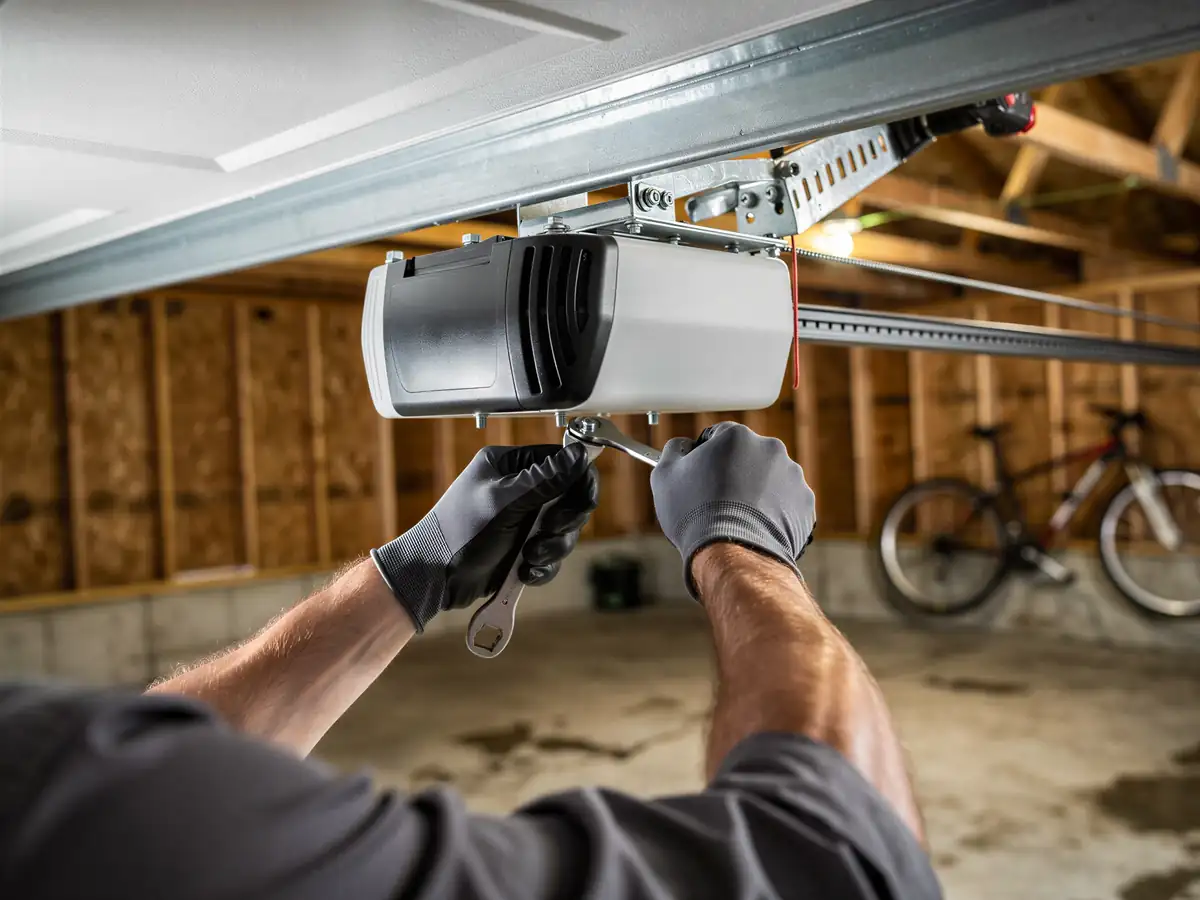
Less common, but worth naming: on doors where rollers have been ignored for years, the extra drag can put strain on the opener's gears, so a roller job sometimes surfaces an opener that's been limping along and is now ready to fail too.
How We Fix It
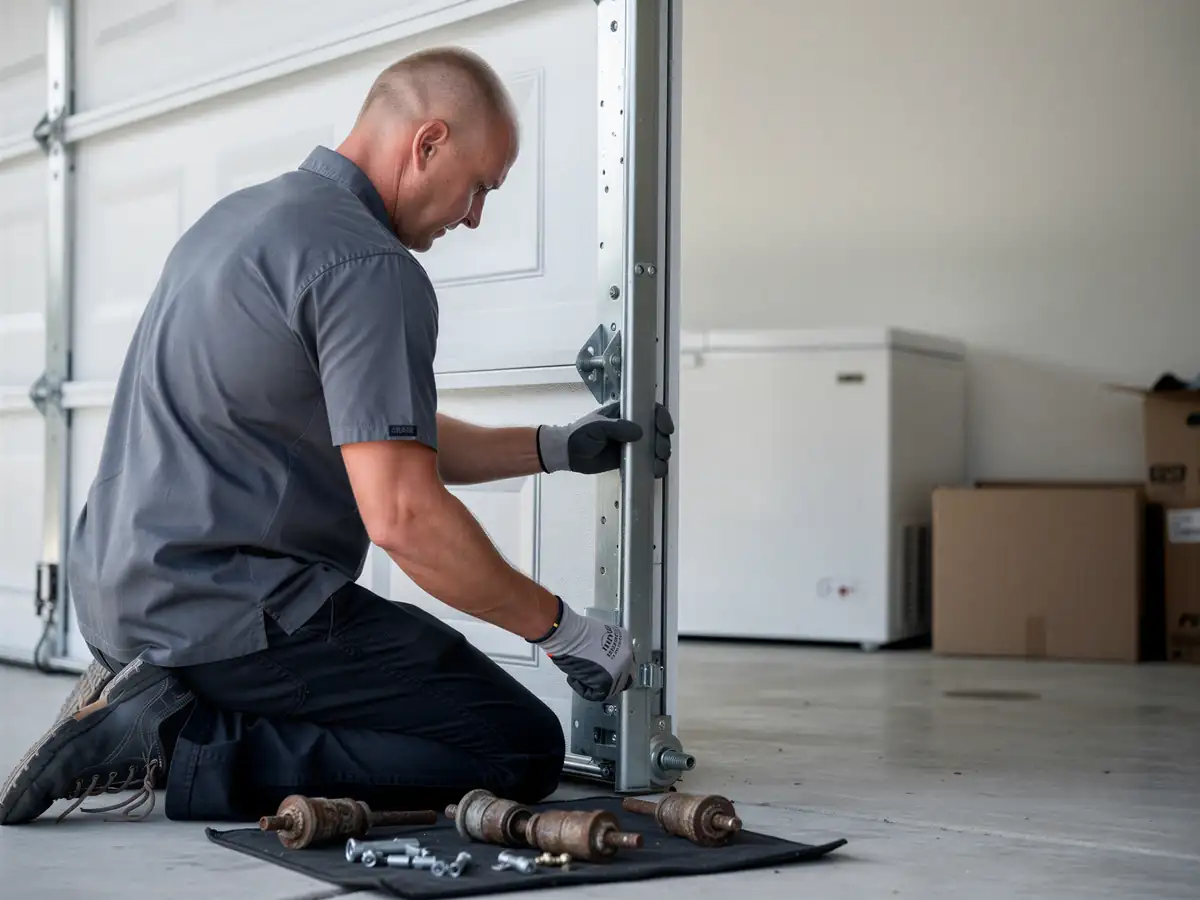
We pull the door, check every roller stem and track gauge rather than just the one that's squealing, and replace the full set if more than a couple are worn - mismatched roller ages just mean a return trip. If the track has stretched from the wear, we true it or replace the section rather than fitting new rollers into a bad track, since that's the mistake that brings people back to a DIY roller swap in the first place.
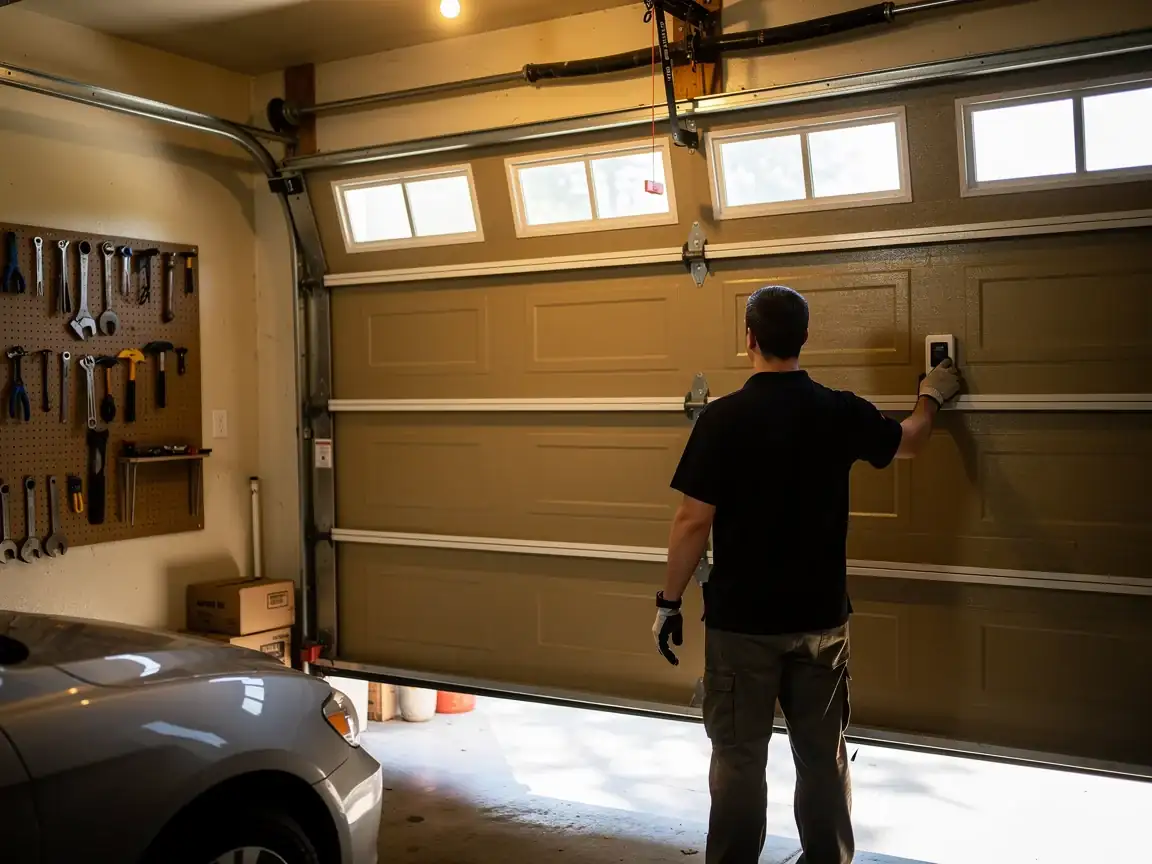
Once the new rollers are in, we run the door through a full open-close cycle by hand before testing it on the opener, checking for drag, noise, and even travel on both sides of the track. We don't consider the job done until the door moves the same on both tracks - a door that only looks fixed from the garage floor often isn't.