Doing It Yourself
We get the appeal
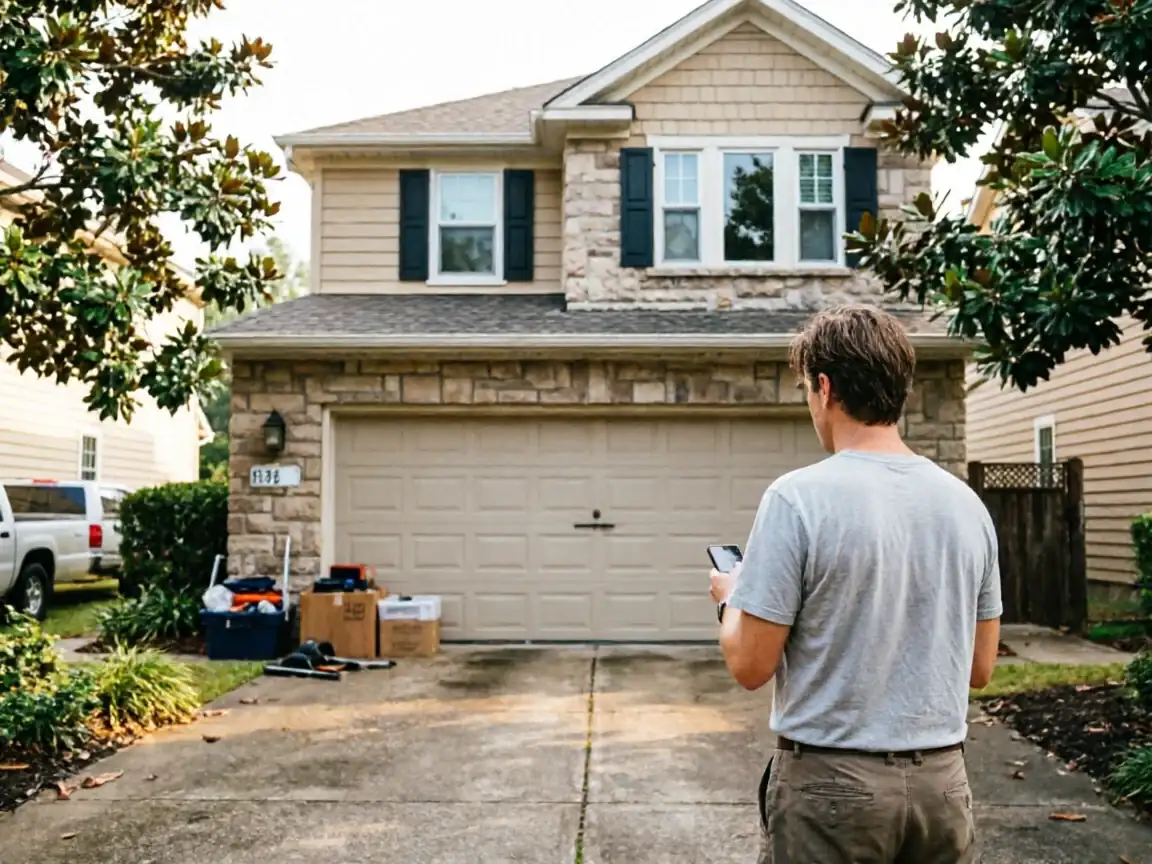
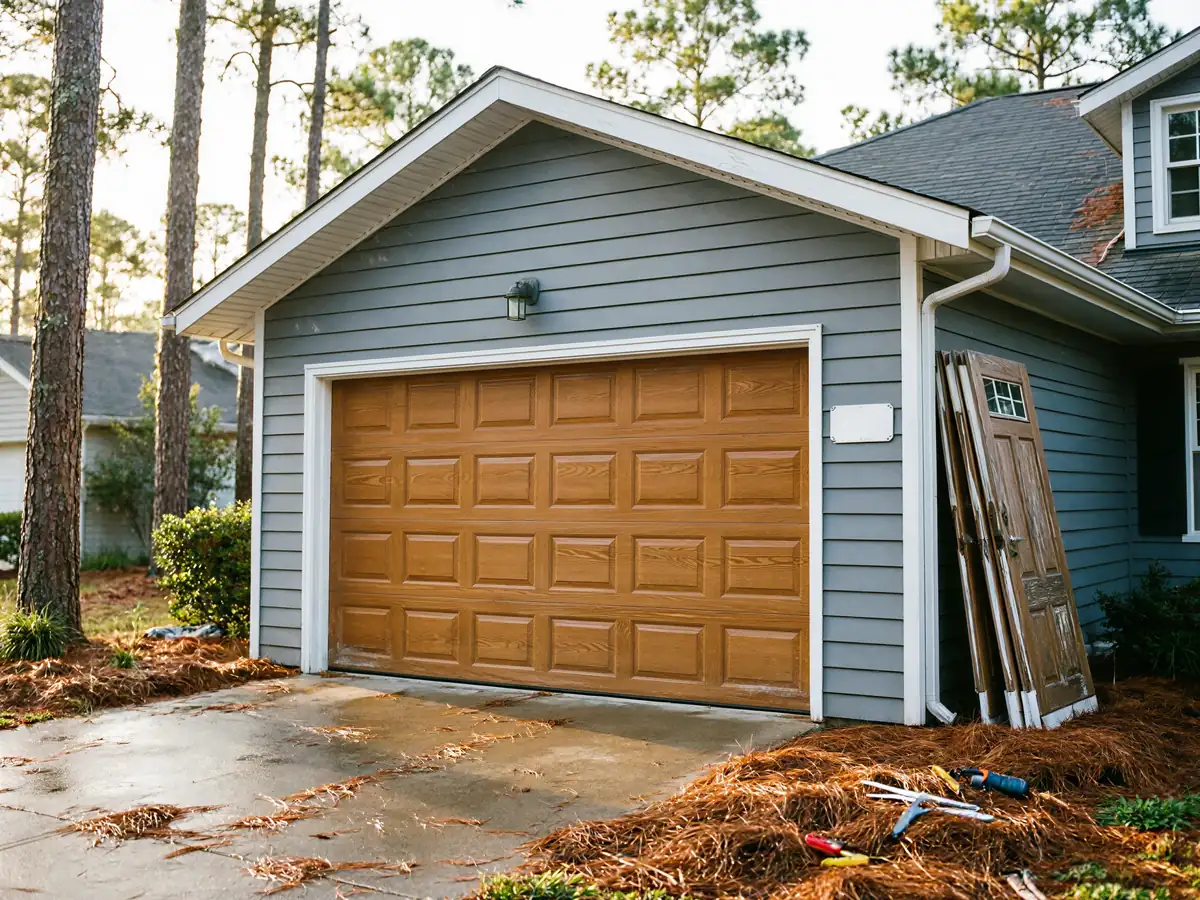
A new door shows up on a pallet with instructions, and YouTube makes it look like an afternoon job. It isn't, and the trip out here is part of why we say so plainly instead of just taking the work. We're coming from Mooresville, about 9 miles away, so if a torsion spring unwinds wrong or a panel gets racked halfway through a DIY install, that's not a quick fix we can swing by for on a whim. It's a planned second trip.
- 9 miles
The mechanics themselves don't care how far we drove
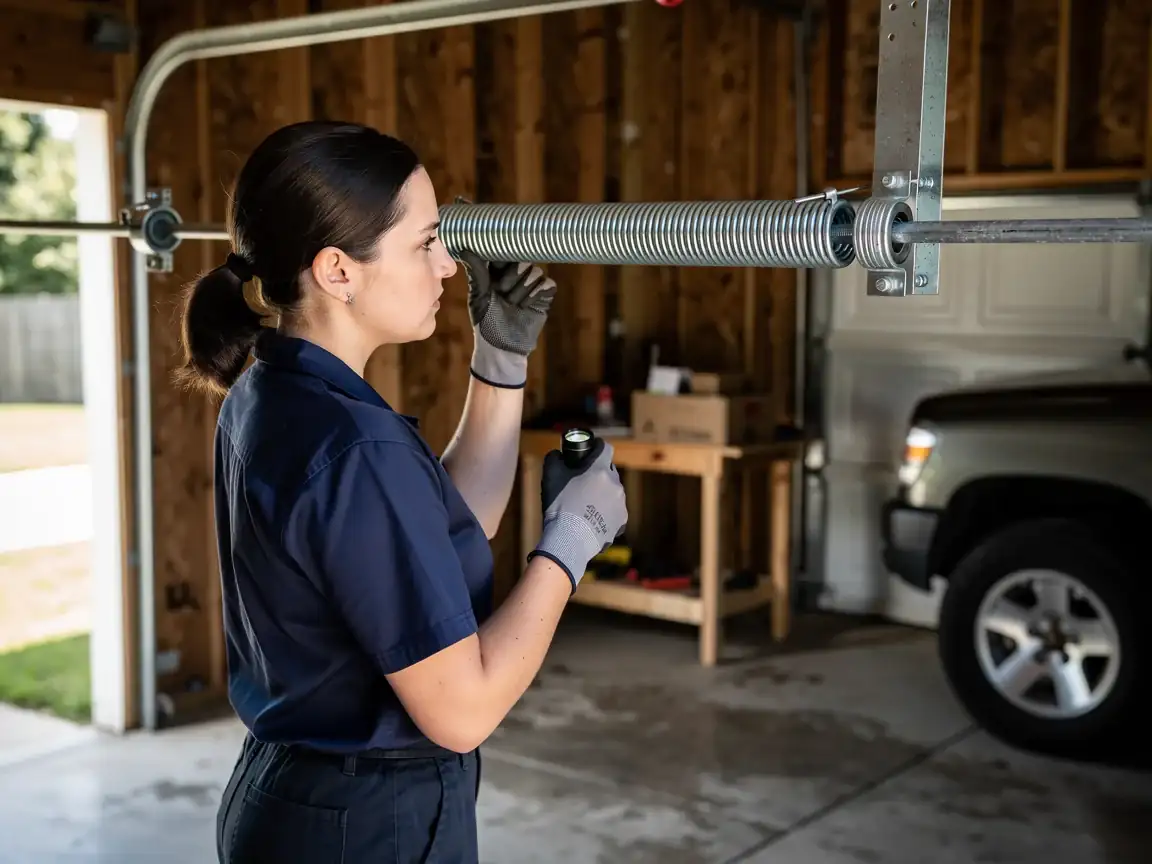
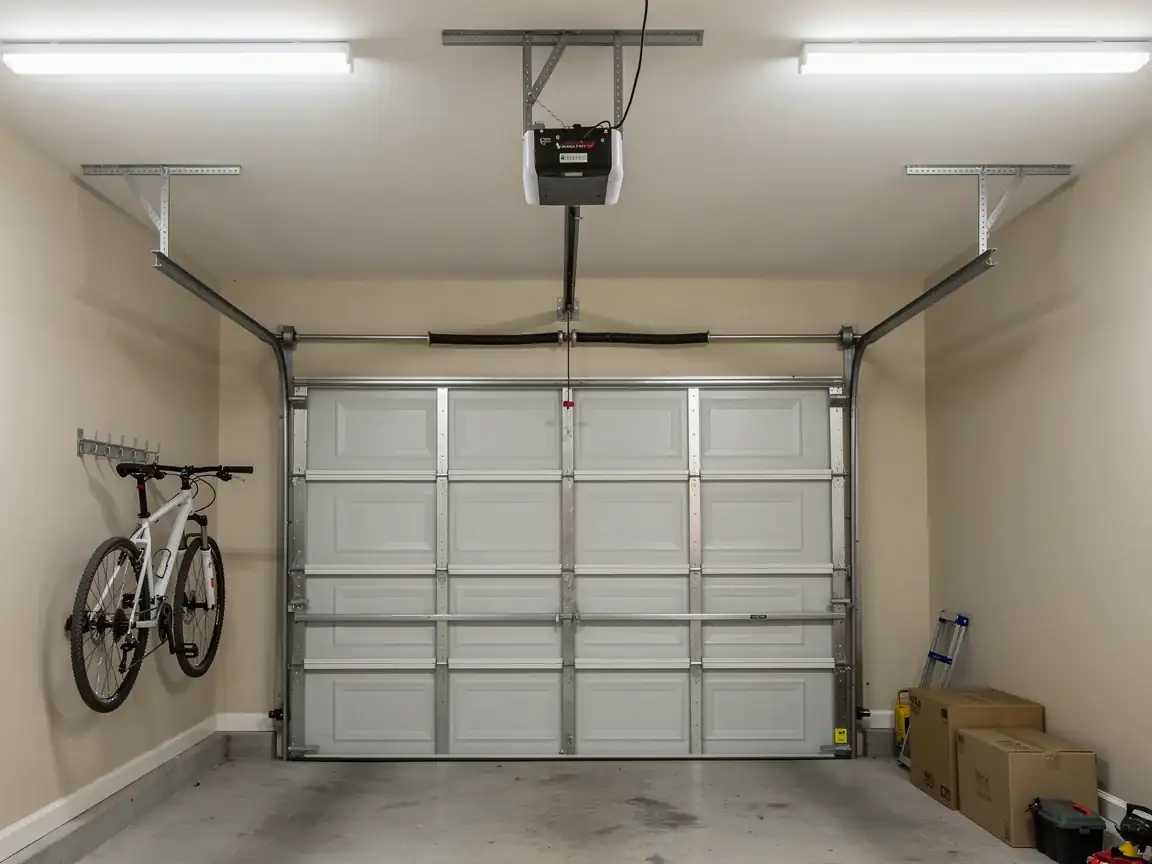
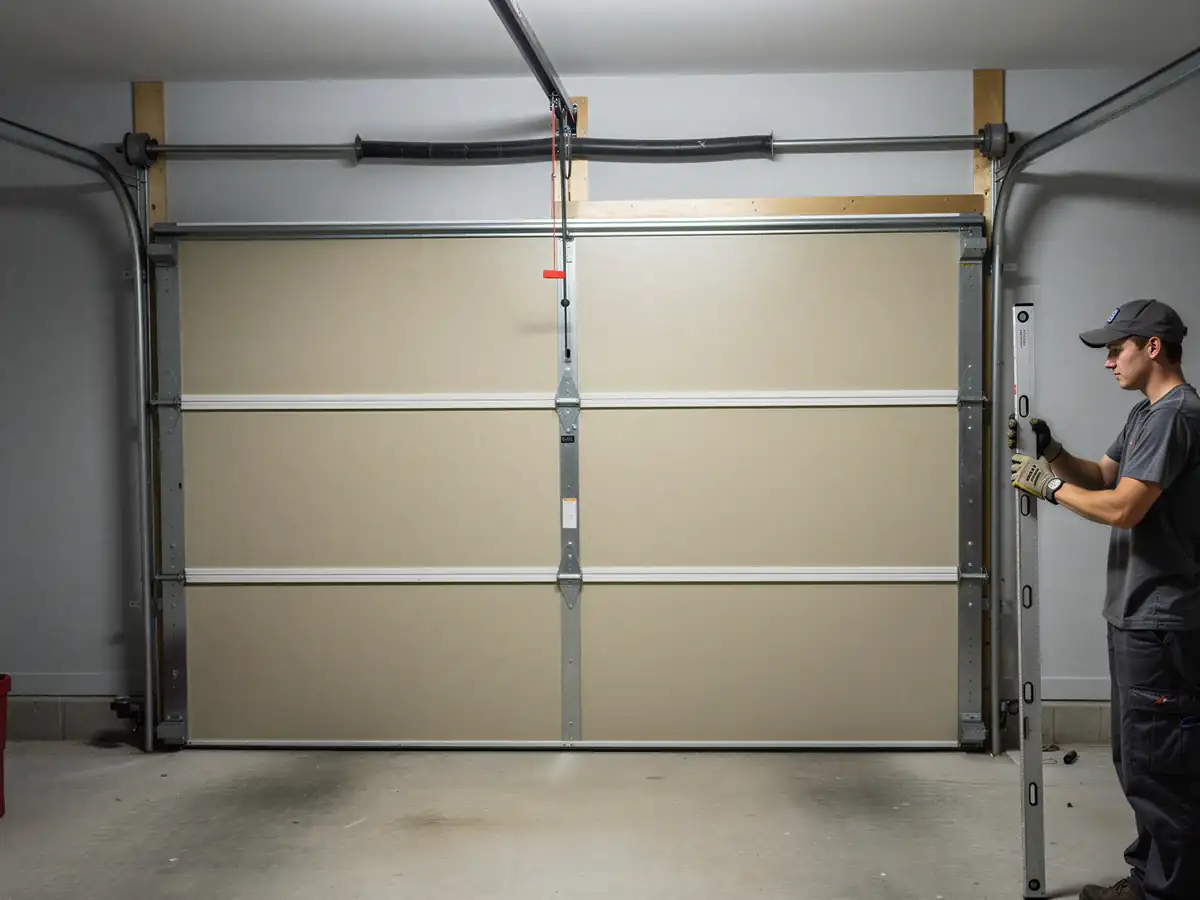
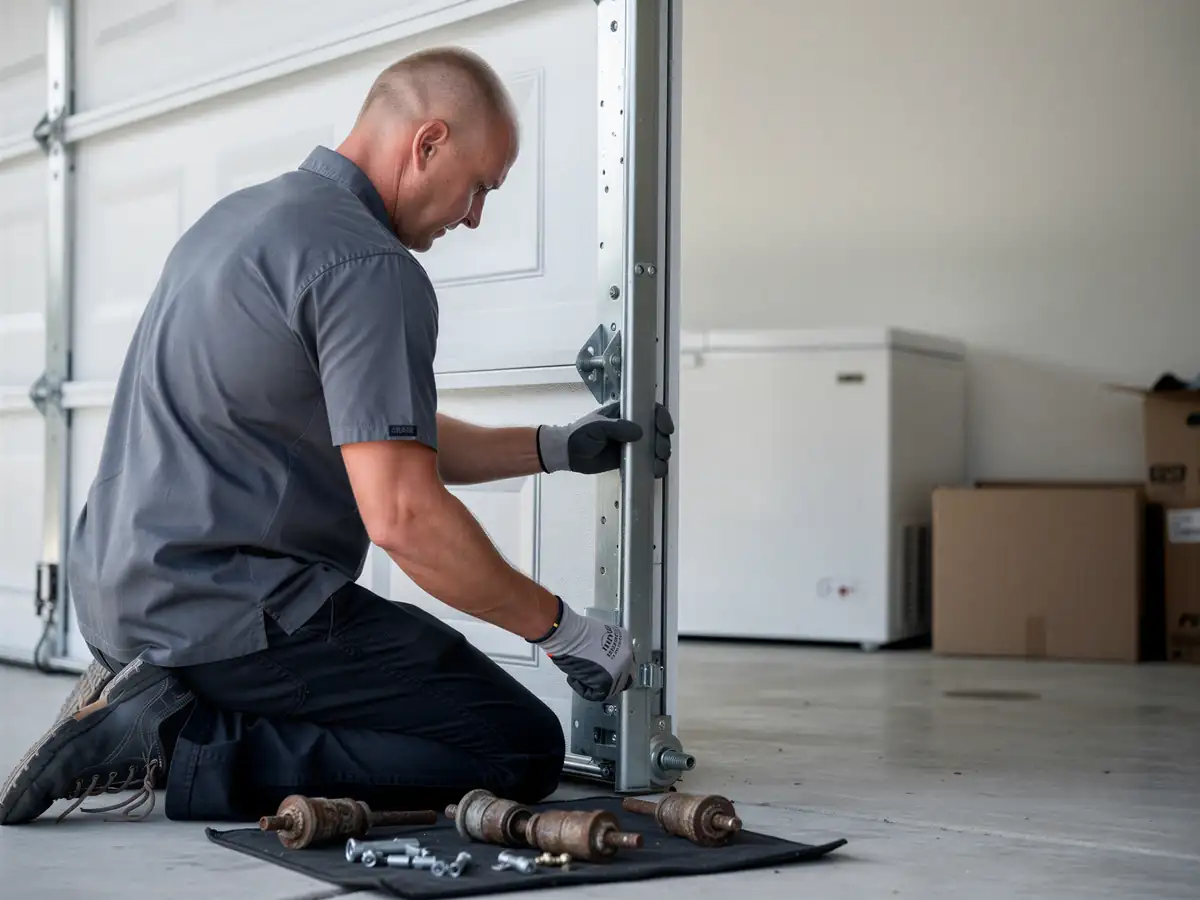
A door is heavy, the springs are under real tension, and the track has to be plumb or the opener will fight it for years. Homes in this area are mostly newer builds, going up around 1999, so you're not fighting old lumber or warped jambs like you might closer to the lake's older pockets. That's actually a point in favor of a clean install if it's done right the first time.
If you're comfortable with a reciprocating saw and torque wrenches and you've done this before
Fine. If this is your first door, we'd rather you call before you're mid-install with a spring half-wound and a door hanging crooked.
Booking a Visit
Because we run out of Mooresville, a visit to Lake Norman of Catawba gets scheduled, not walked up on. The 9-mile drive is short enough that it doesn't change pricing, but it does mean we batch jobs in this direction rather than treating every call as a solo trip. When you call, tell us the door width, whether it's a single or double bay, and roughly how old the house is - newer construction here usually means standard rough openings, which makes measuring and ordering faster.
We'll ask about the opener too, even on a straight door replacement, since newer homes in this area often already have rolling-code openers installed that we can reuse instead of replacing.
We don't keep a crew stationed in this part of the lake, so same-day isn't something we promise here. What we can do is give you a real install date once we've seen the opening and confirmed the door you want is in stock.
The Cost of This Job
We're not going to print a number here that doesn't hold up once someone's opening is measured, because door width, insulation level, and whether the opener needs replacing all move the price. What we can tell you is what tends to drive cost in this specific area: median household income here runs $106,836, well above the $73,393 median across our wider service area, and we see that reflected in what people choose - insulated steel doors and quieter belt-drive openers come up more often here than bare uninsulated panels.
Newer homes, built mostly around 1999, also tend to have standard framing and clean openings, which keeps labor predictable compared to older stock where we sometimes have to true up a jamb or deal with hardware that's been patched over for decades.
The honest limitation: if you want a custom width or a specialty finish, that's a special order, and lead times on those are set by the manufacturer, not by us. We'll tell you the real timeline once we know what you're choosing, not a guess to get the job booked.
Parts We Carry
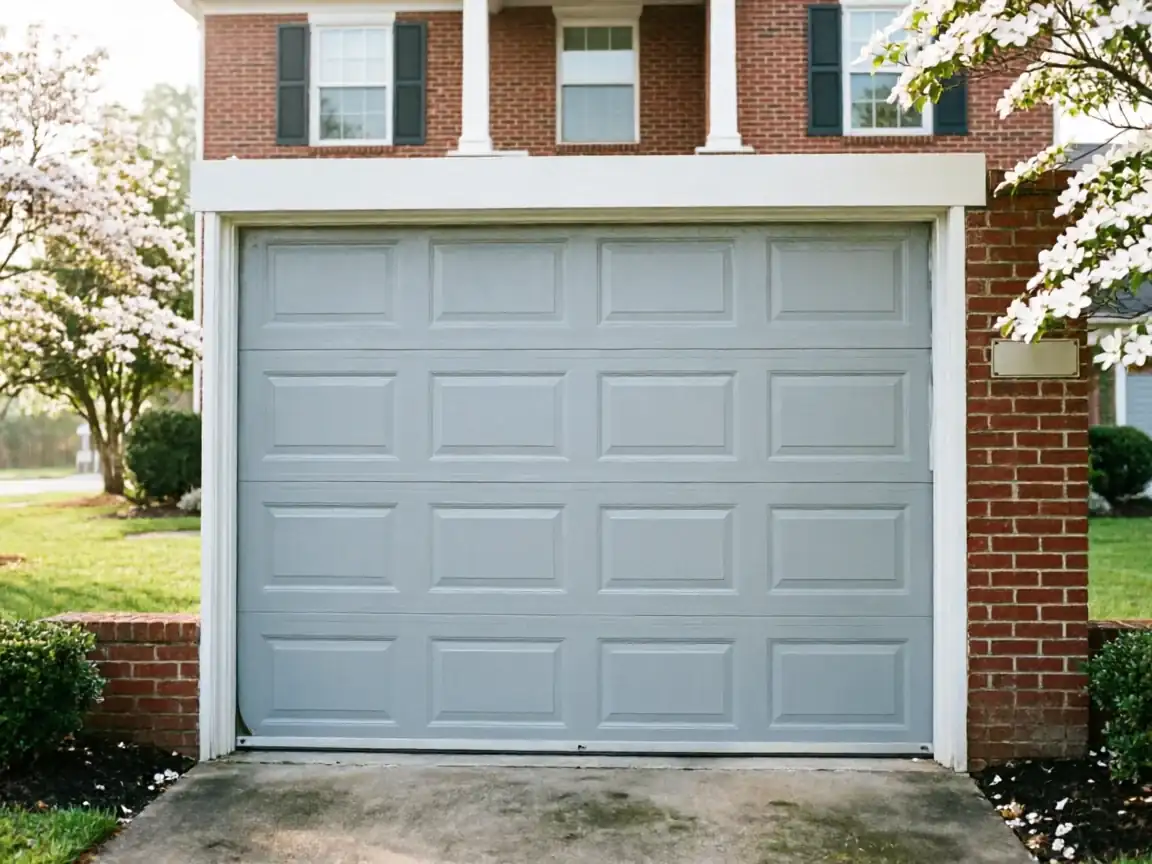
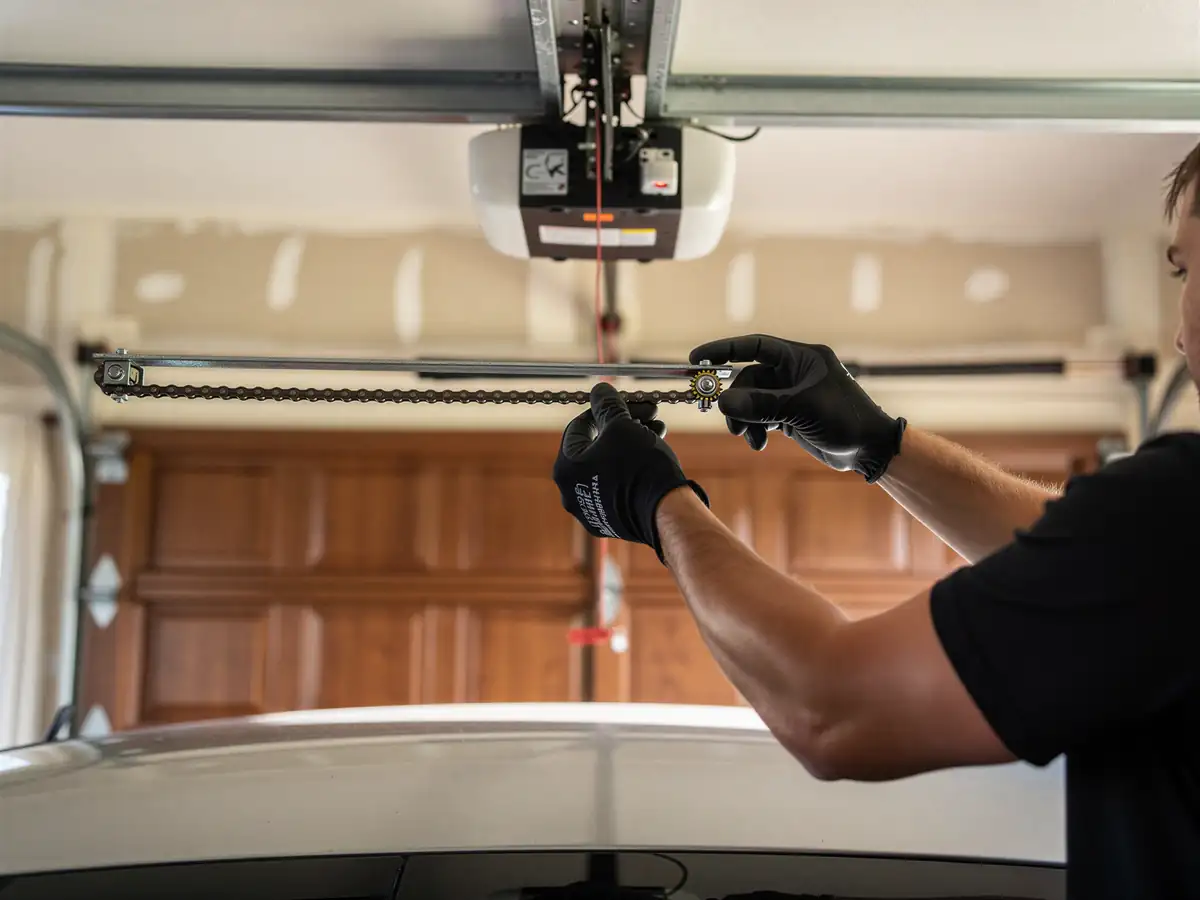
We stock standard steel sectional doors, torsion springs sized to common residential widths
And both chain and belt-drive openers on the truck for jobs in this direction. For a neighborhood built mostly around the late 1990s, standard 16-foot and 9-foot door widths cover most of what we run into, so we're rarely waiting on a special-order panel just to finish a straightforward replacement.
What we don't carry stocked is anything custom
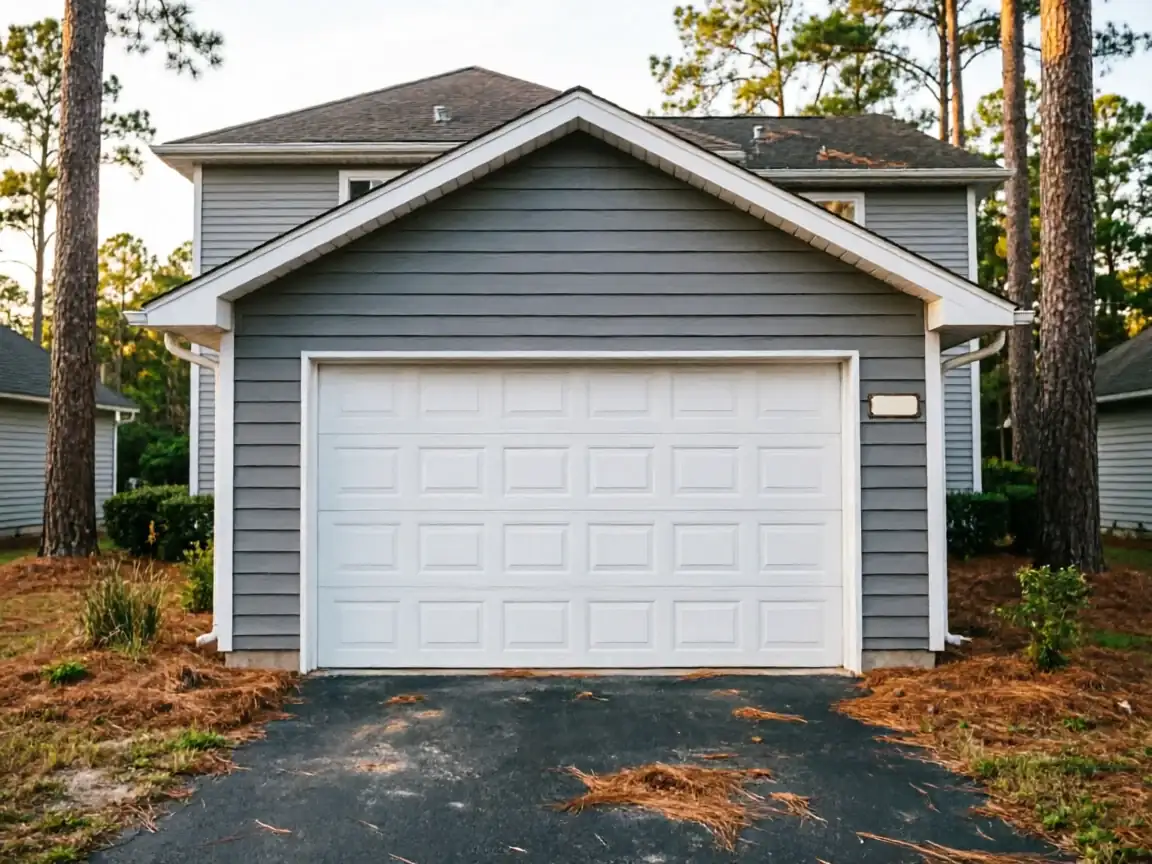
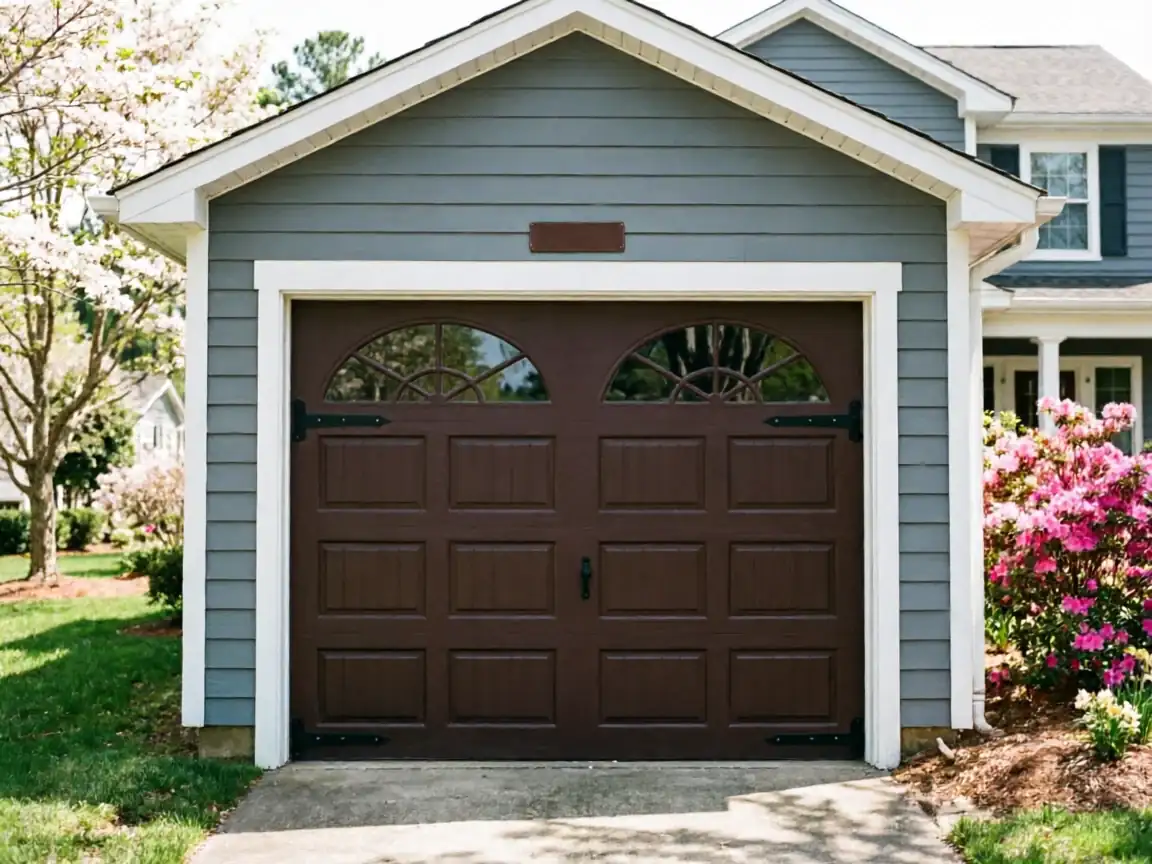
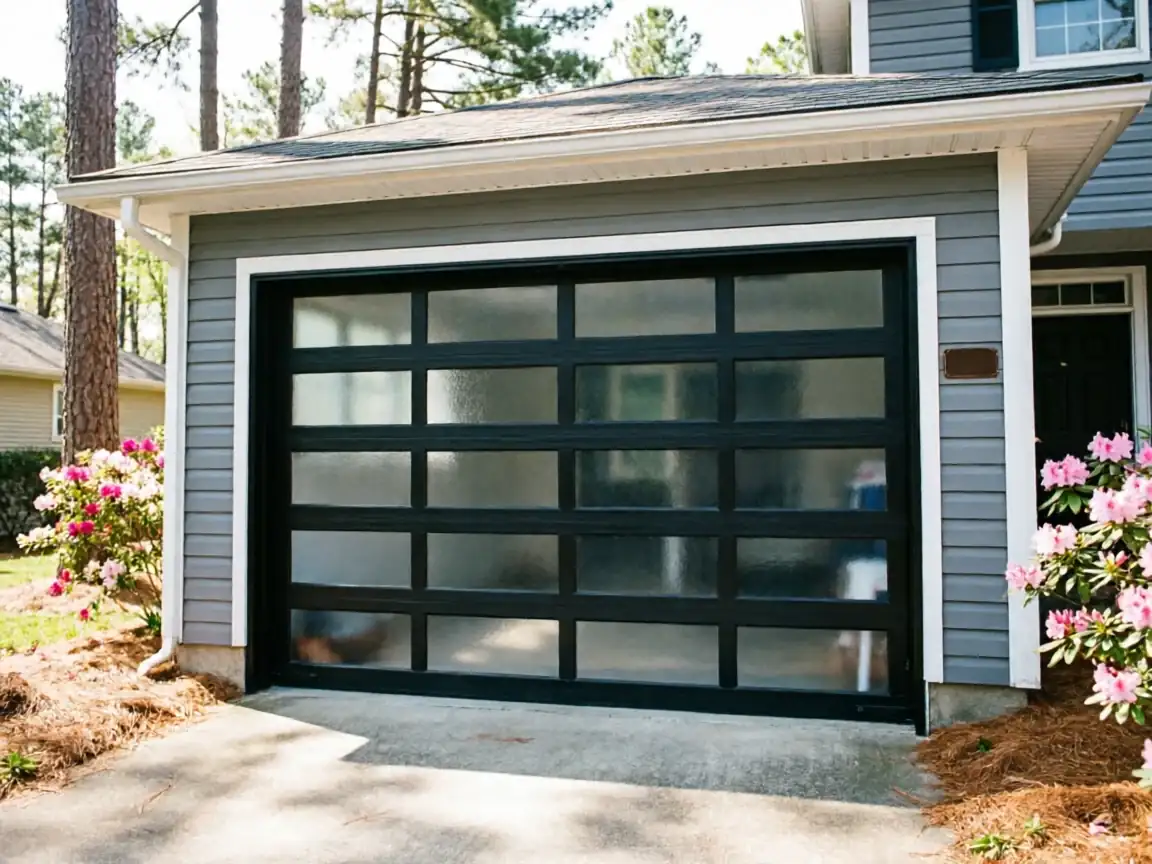
Carriage-house styles with glass inserts, non-standard widths, or matched wood-look composite panels in specific colors. Those get ordered once you've picked them, and we'll tell you honestly how long that takes before you commit.
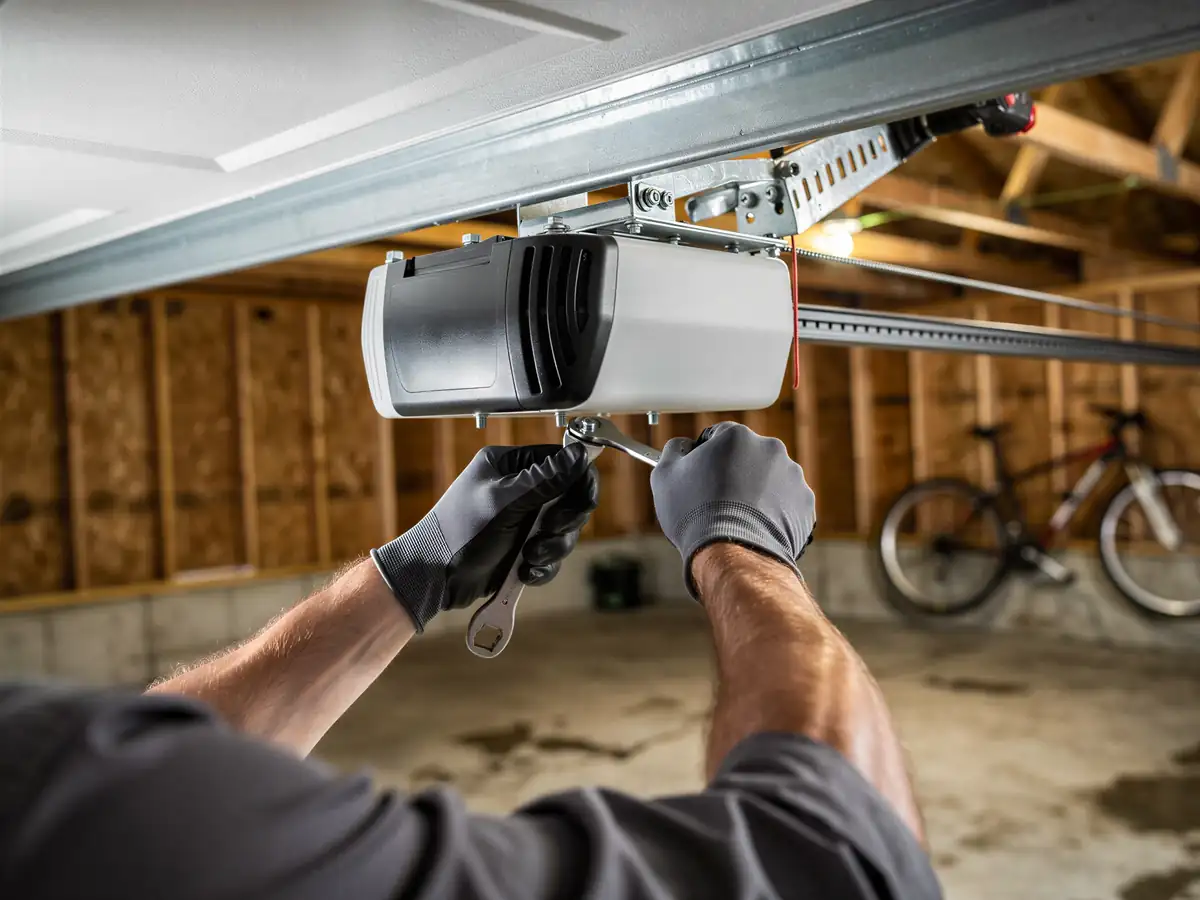
For openers, we lean toward units with rolling code built in as standard now
Which matches what's already common in homes of this era rather than retrofitting older fixed-code hardware. If your existing opener is still solid, we'll say so instead of pushing a full replacement just because the door is new.
What Can Go Wrong
The climate here runs cold and moderate rather than extreme, so we're not dealing with the kind of freeze-thaw cracking or desert-heat warping that drives failures in other regions. The issues we see on newer installs in this area are more about the work itself than the weather: a track set slightly out of plumb that binds the rollers after a few months, an opener force setting left too aggressive so it reverses on a cold morning, or a door ordered a half-inch narrow for the actual framed opening.
Because houses here are mostly newer, we don't run into the rotted jamb or settled slab problems that show up in older construction nearby. What we do see is cosmetic damage from movers or landscaping equipment on doors that are otherwise only a few years old - a dent that throws off the balance enough to strain the opener.
If a door's hardware is solid but the panel's cosmetically wrecked, replacing just the damaged panel is sometimes cheaper than a full new door, and we'll say so rather than upsell the whole unit.
How We Fix It
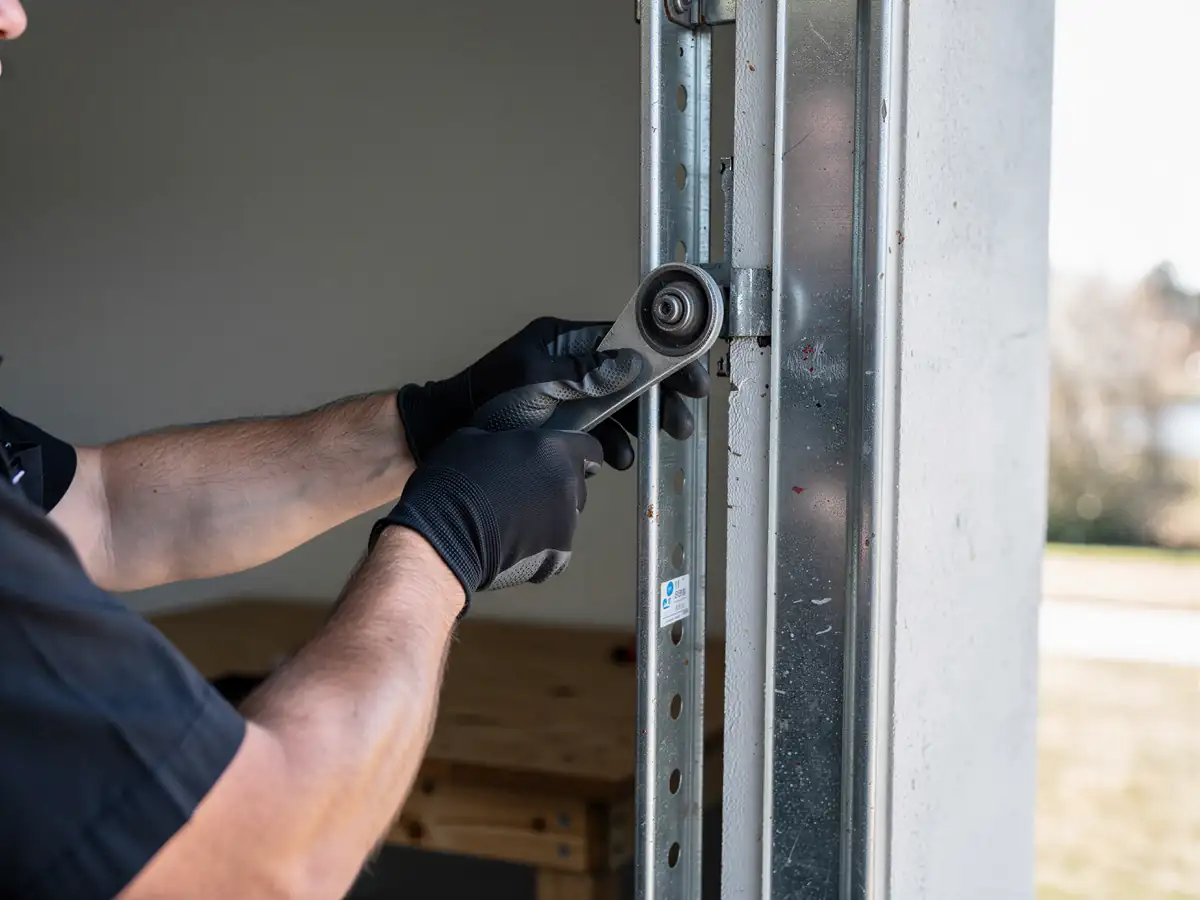
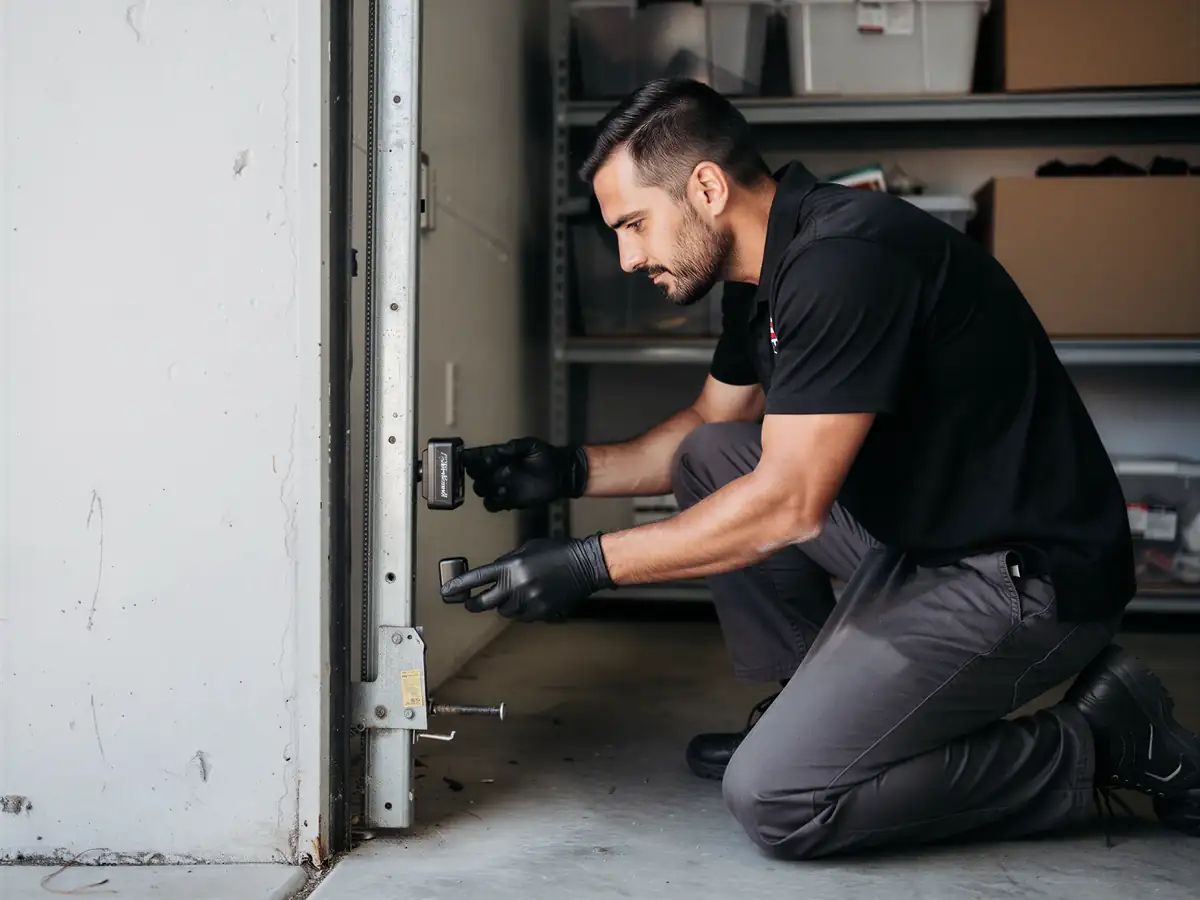
On an install day, we pull the old door and track fully before setting anything new, check the opening for square, and shim as needed - though on homes built around 1999 that's usually a minor adjustment rather than a rebuild. We set torsion springs to the door's actual weight rather than a stock chart number, because an under- or over-wound spring is the single most common cause of a door that feels heavy or won't stay put halfway up.
If you're keeping your existing opener, we test the force and travel limits against the new door's weight before we leave, since a door swap without that recheck is how openers start grinding gears or reversing at the wrong point.
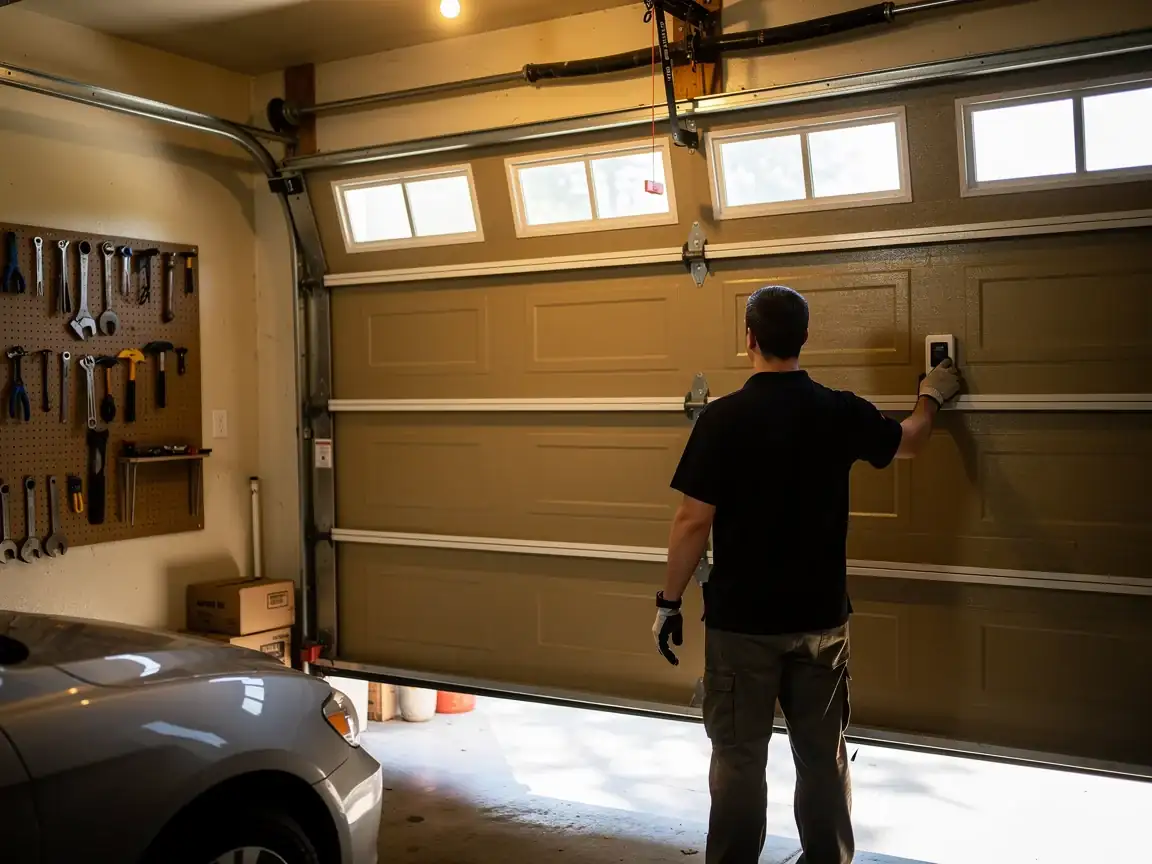
We walk the door through a full open-close cycle with you standing there, not just once on our own, so you can hear what normal sounds like before we're back on the road to Mooresville. If something's off, we fix it that visit, not on a callback.