Booking a Visit
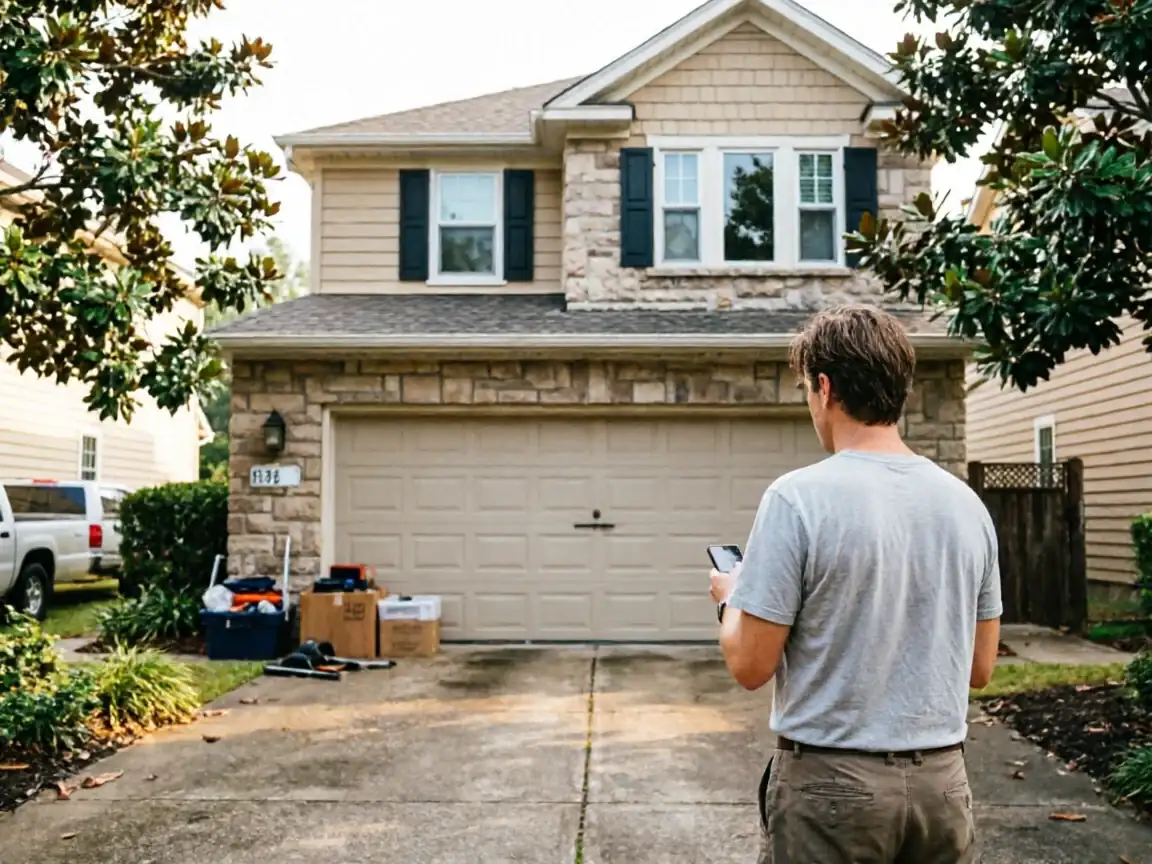
We run out of Mooresville, about nine miles from Lake Norman of Catawba, so there's no local branch here and we're not going to claim one. What that distance actually means for you is a short, predictable drive, not a dispatch from across the county. When you call, tell us the door's rough age - if the house was built close to 1999, that narrows down spring size and opener type before the truck even leaves. We book by the job, not by the neighborhood, so a broken spring call gets prioritized ahead of a routine tune-up regardless of which of the eleven areas it's in. If you're not sure whether what you're hearing is a spring, a roller, or an opener issue, describe the sound on the phone - a loud bang followed by the door refusing to open is almost always a spring, while a grinding noise that builds slowly points to rollers or track.
The Cost of This Job
We don't post flat prices here because door width, spring count, and opener brand all move the number, and quoting blind does nobody any favors. What we can tell you is what tends to drive the bill in this specific area. With a median household income of $106,836 here, we see more owners choosing heavier-gauge steel doors and upgraded torsion springs rated for higher cycle counts, rather than the thinner builder-grade door that was standard when a lot of this housing stock went up. That choice costs more up front but means fewer callbacks over the life of the door. Distance isn't padding your bill either - nine miles from our shop is close enough that travel isn't a line item we need to add. The honest piece: if your opener is original to a 1999-era build, parts for it may be out of production, and a straight repair sometimes costs more in time than it saves. In that case we'll say so instead of chasing a part that takes three weeks to source.
What Can Go Wrong
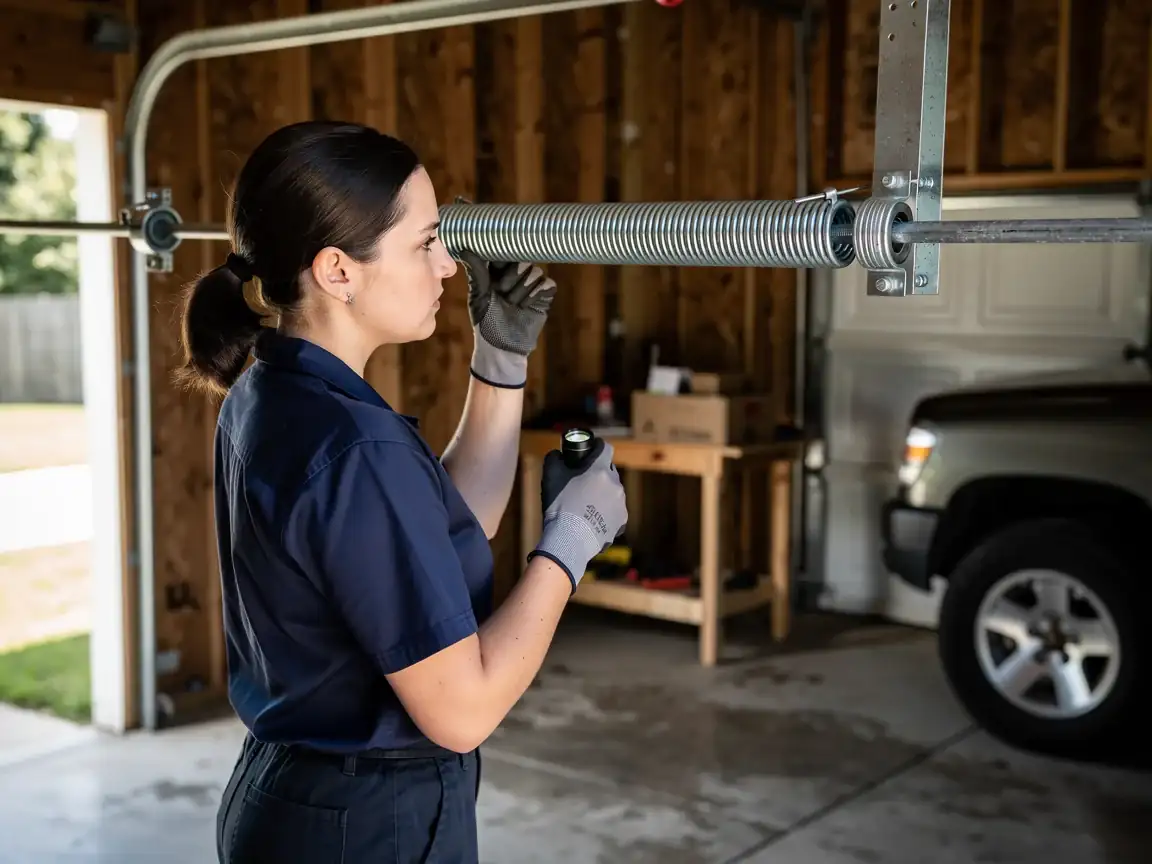
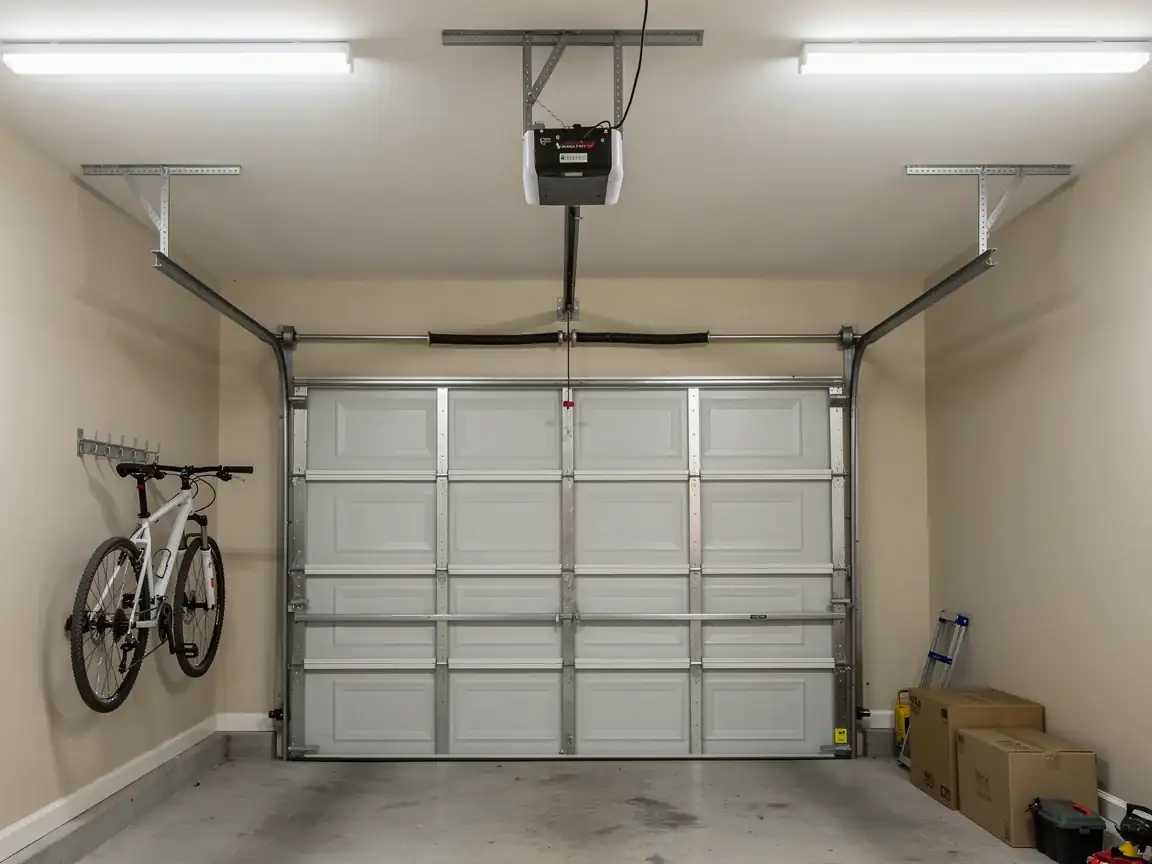
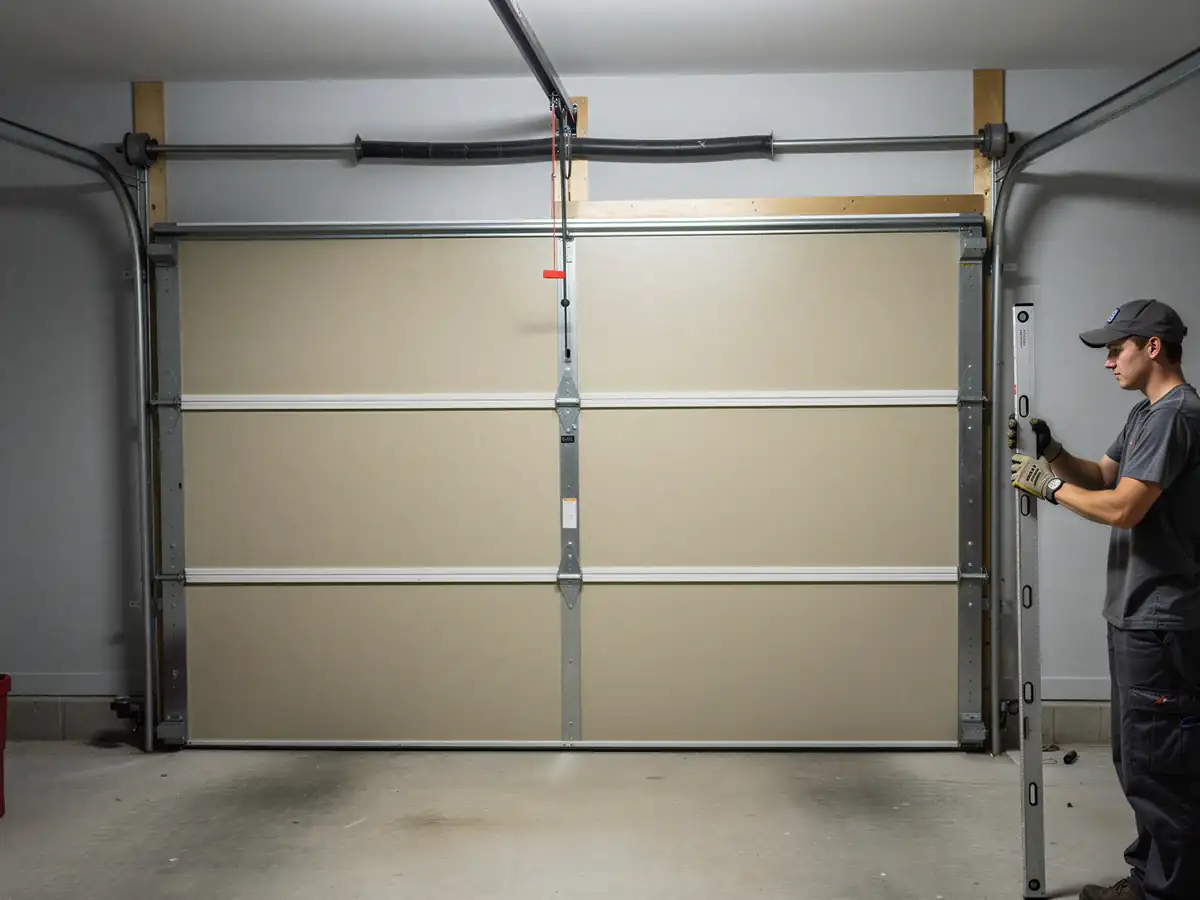
The single most common call from this part of the service area is a broken torsion spring, and the math explains why: a door built around 1999 and used daily has likely put its original spring through more open-close cycles than it was rated for, even on a well-maintained door. Once a spring fails, the door either won't lift at all or drops hard on the way down, which is a hazard if anyone's standing under it. Second most common is roller and track wear - nylon rollers from that era weren't the sealed-bearing kind sold today, and after two decades they develop flat spots that make the door shudder going up. Cold-moderate winters add a seasonal pattern: cables and springs that are already near the end of their life tend to fail on the first hard cold snap, when the metal contracts and loses a little flex. Openers from this build era are also reaching the point where capacitors and logic boards fail outright rather than just needing a sensor adjustment.
How We Fix It
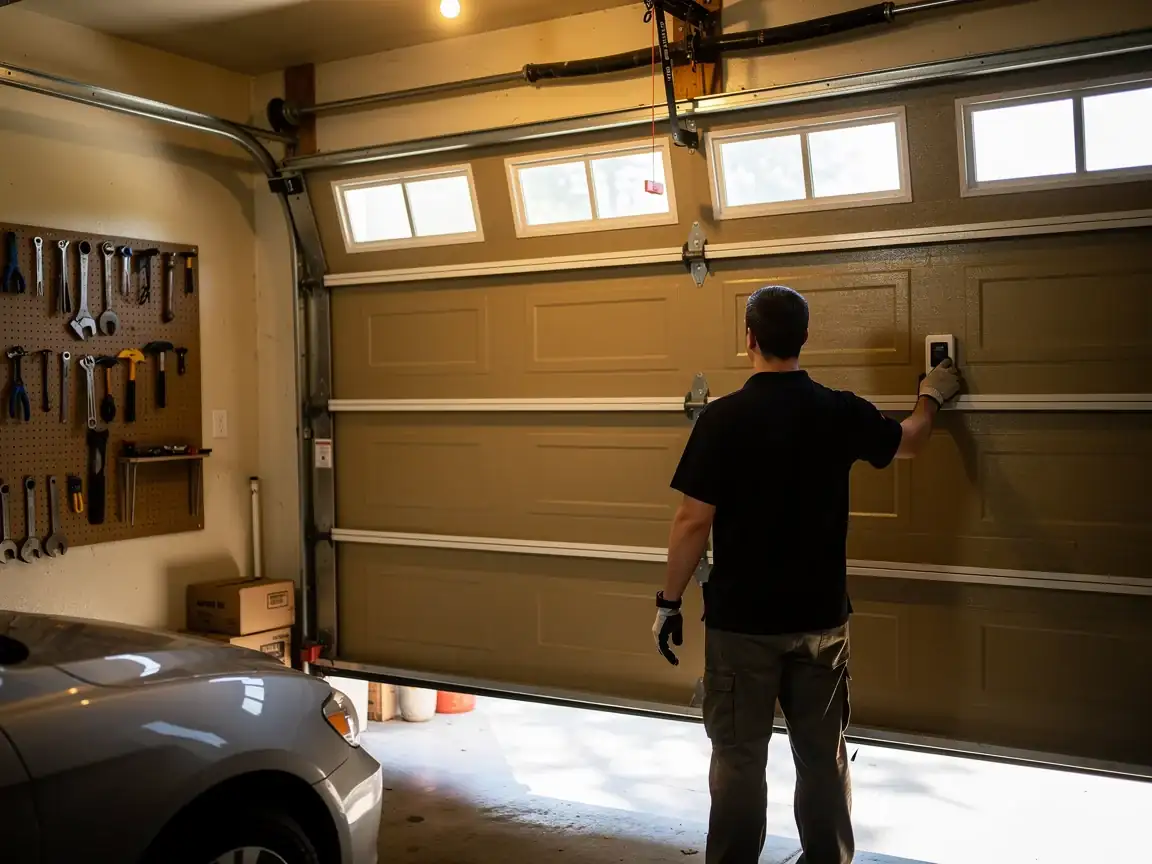
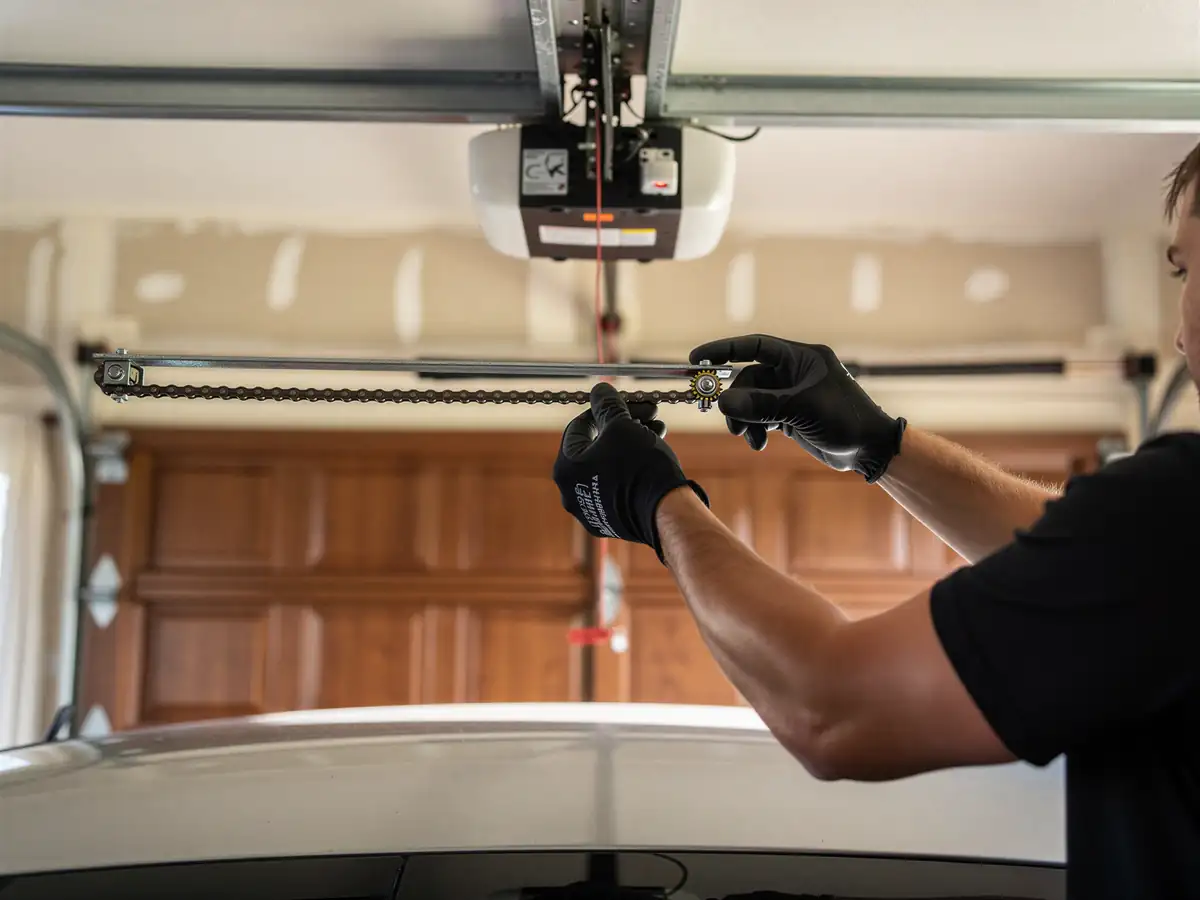
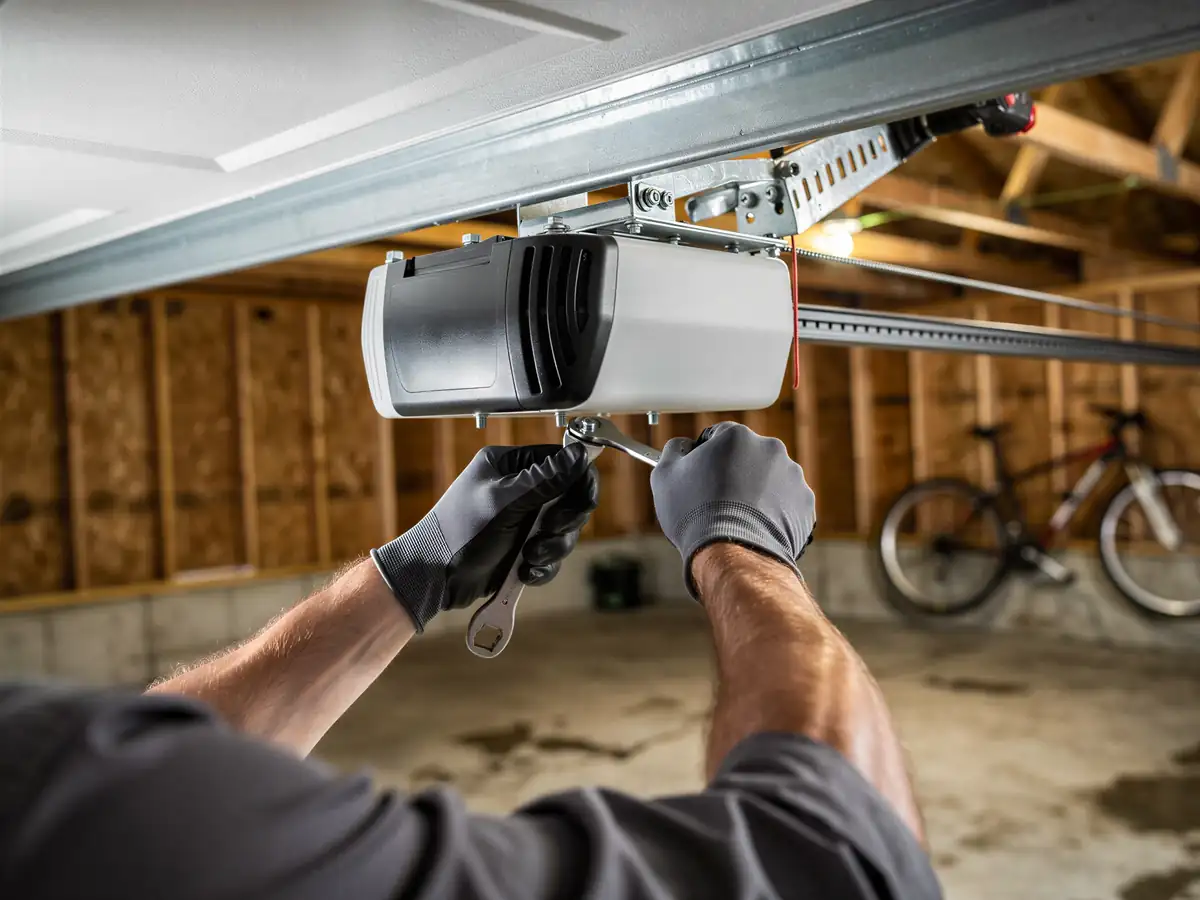
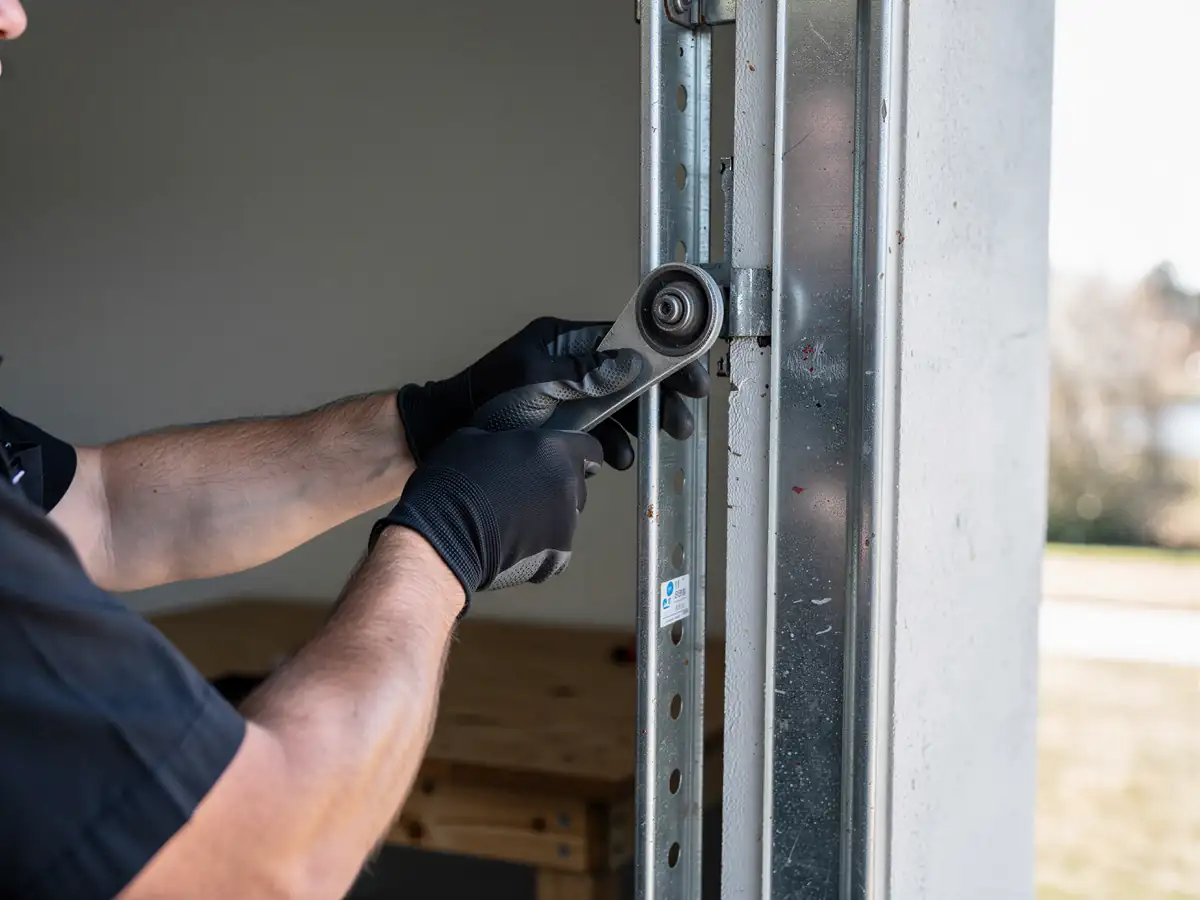
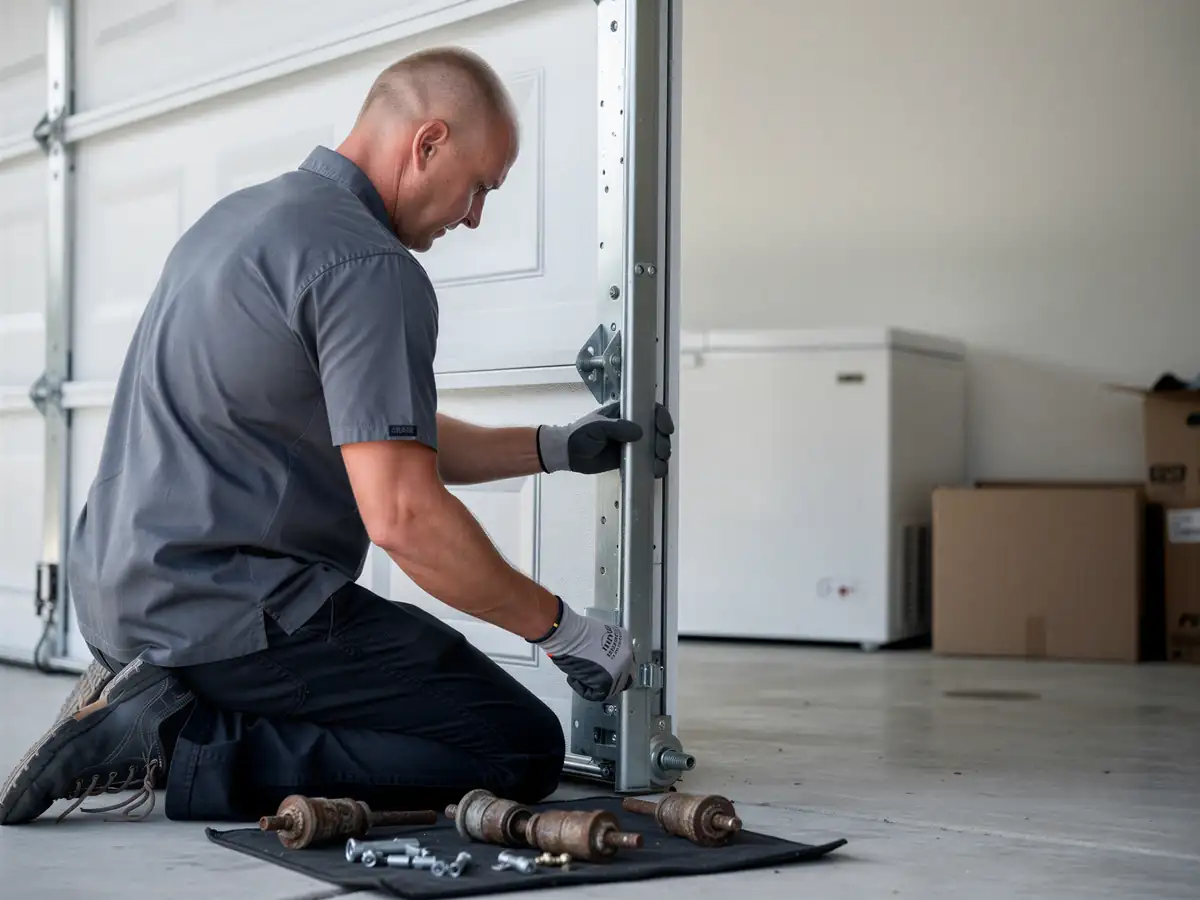
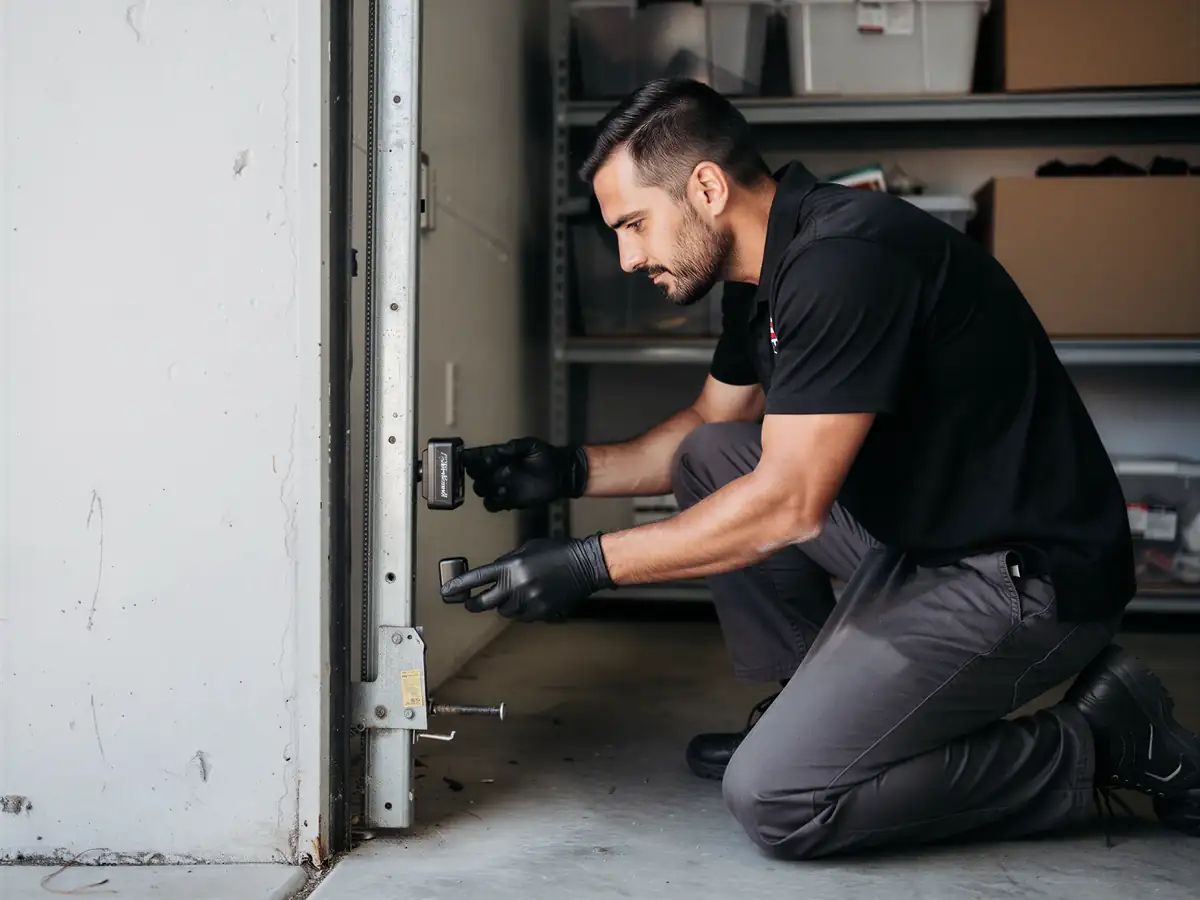
For a broken spring, we match the size to the door's actual weight and cycle use rather than guessing off the house's age alone, since two doors built the same year can carry different springs depending on insulation and panel weight. We replace in pairs on most double doors even if only one has failed, because the other is usually close behind. For roller and track problems, we check alignment before replacing anything - a door that shudders is sometimes a bent track, not worn rollers, and fixing the wrong part doesn't fix the noise. On opener issues from original 1999-era units, we diagnose the board first; if it's a simple sensor or wiring fault we repair on site, and if the board itself is failing we'll walk you through replacement options rather than chase a discontinued part. Every job gets a quick safety check on the auto-reverse sensors before we leave, since that's a part nobody thinks about until it doesn't work.