Booking a Visit
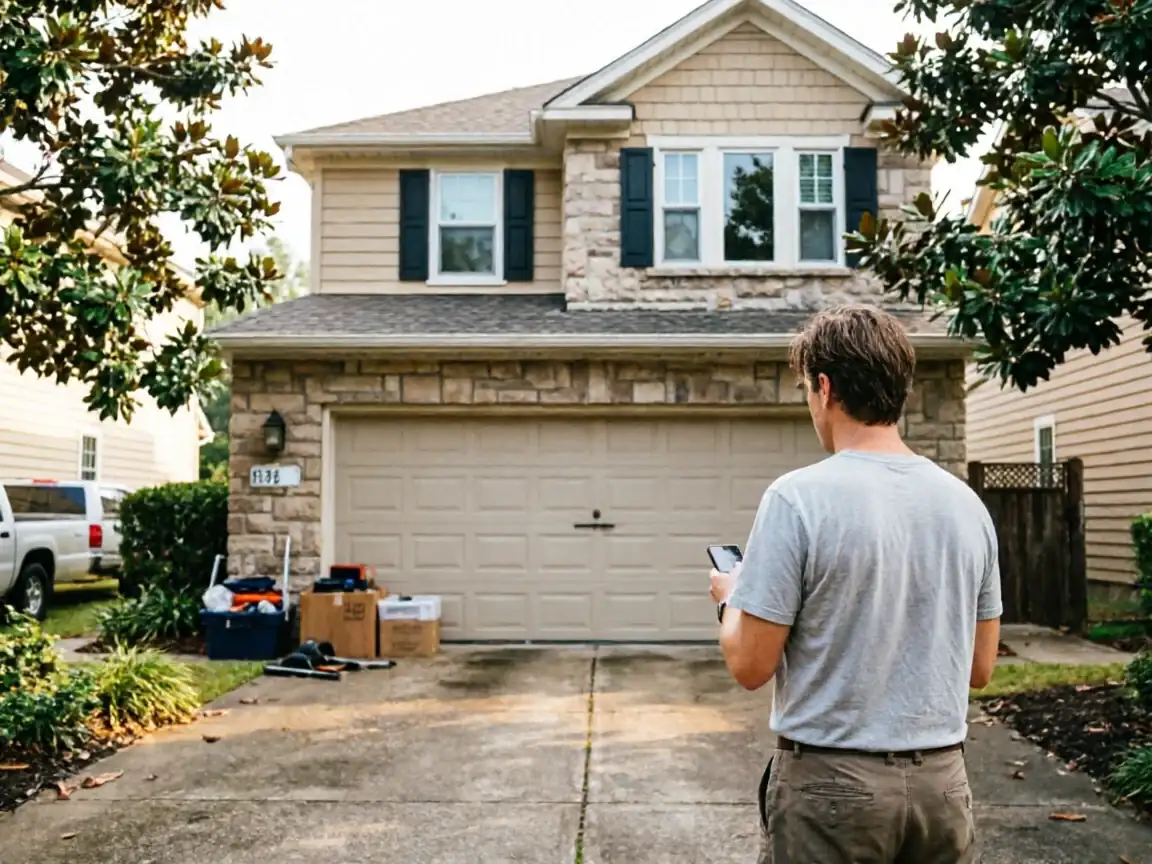
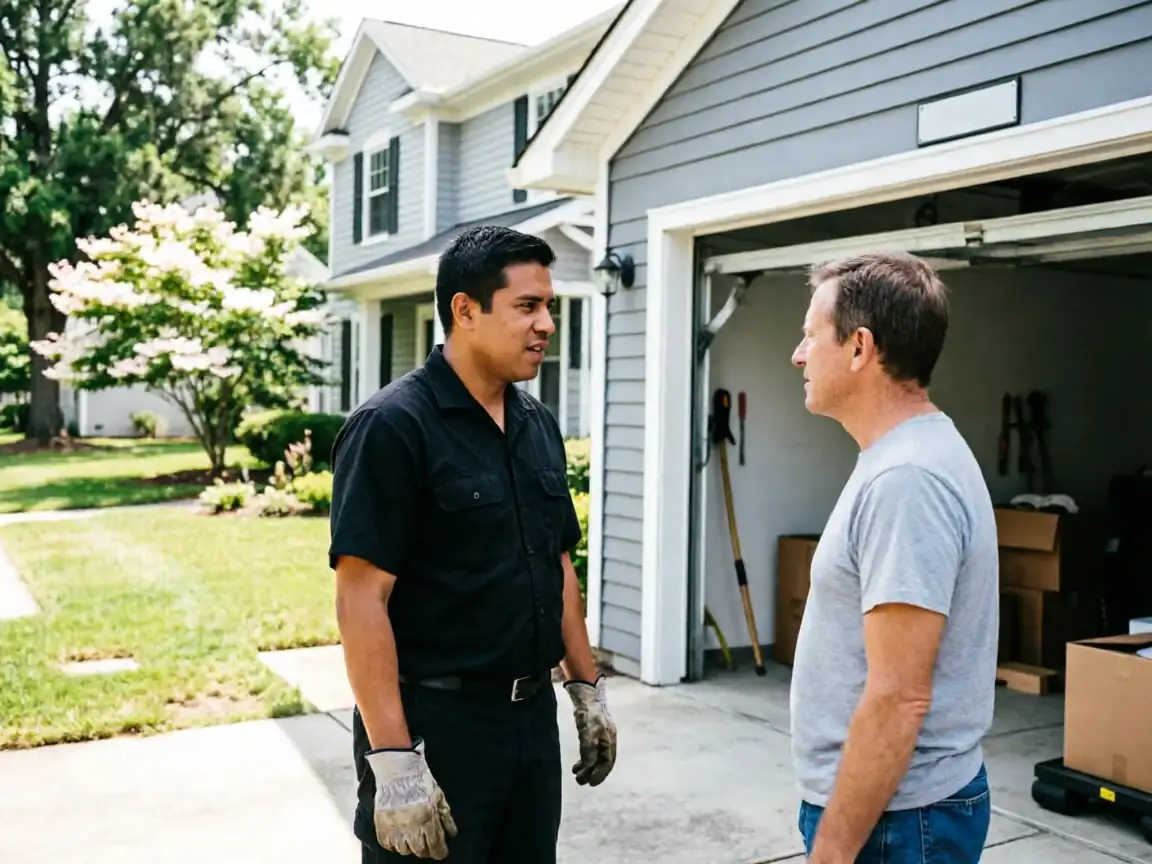
We run this job from Mooresville, 9 miles from Lake Norman of Catawba, and we build that drive into the quote before anyone loads a truck. There's no branch or drop box out here - one crew, one truck, one stop at your garage. We ask up front whether you want a straight swap of the head unit or a full opener-and-hardware check, since houses built close to 1999 sometimes need a new travel module or sensor pair even when the motor itself is fine. Tell us the opener brand if you can read it off the housing; it saves a trip back to the truck for the right rail bracket.
The Cost of This Job
We don't have a posted price list for opener installs in this service area, and we're not going to make one up here. What we can tell you is that the job scope shifts with the house: a straight motor swap on existing rail and hardware is one conversation, a full teardown with new rail, new sensors, and a battery backup unit for storm outages is another. With a median household income of $106,836 here, more owners ask us to step up from a basic chain-drive to a belt-drive opener with battery backup than they do elsewhere in the territory - that's a real cost difference, not a cosmetic one, and we'll walk through it on site rather than guess over the phone.
What Can Go Wrong
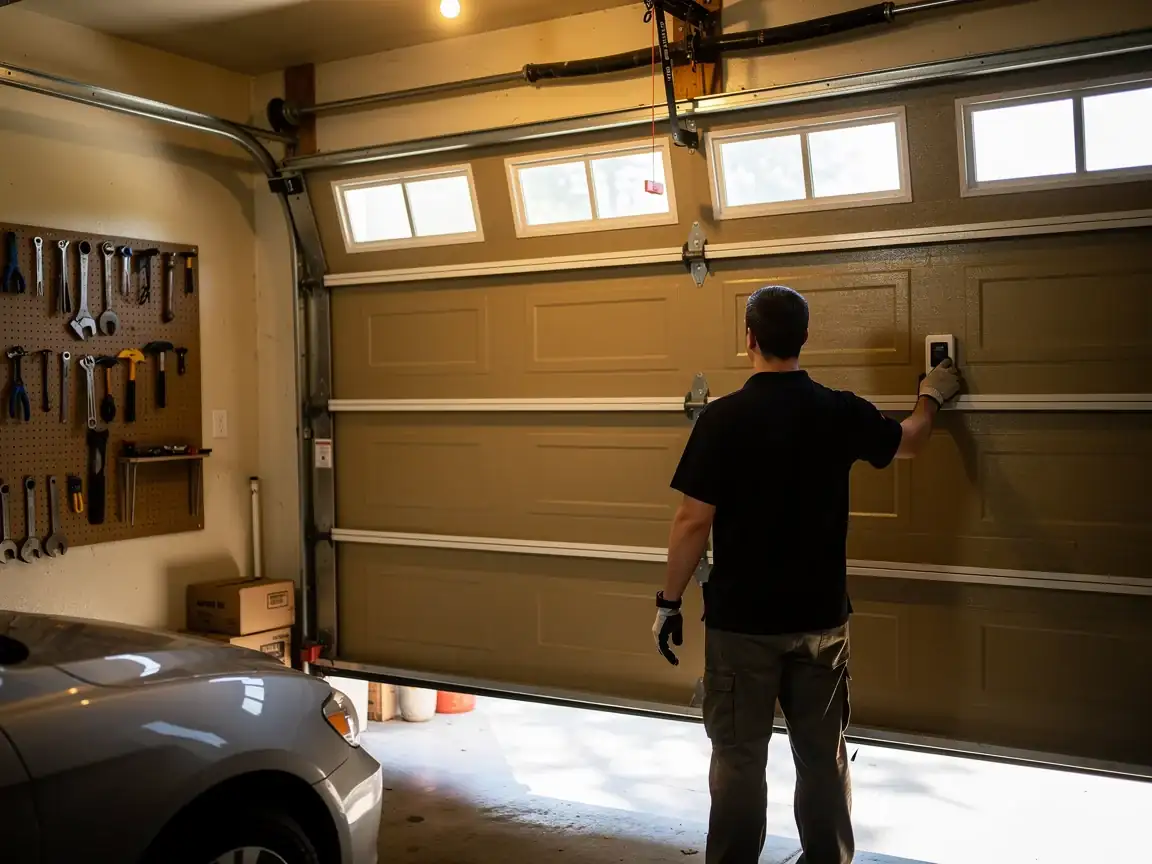
Cold winters here mean we check the opener's force settings every time, since a stiffened spring in January can make an aging opener strain against a door it was never calibrated for. Past that, the usual faults on a house this age are a stripped drive gear inside the housing, a cracked drive belt that's gone glassy with age, or safety sensors that have drifted out of alignment enough to trip randomly without anyone noticing until the door won't close at dusk. We also see logic boards that still work but no longer talk to newer remotes or smart-home hubs, which is less a failure than an opener that's simply outlived the ecosystem around it.
How We Fix It
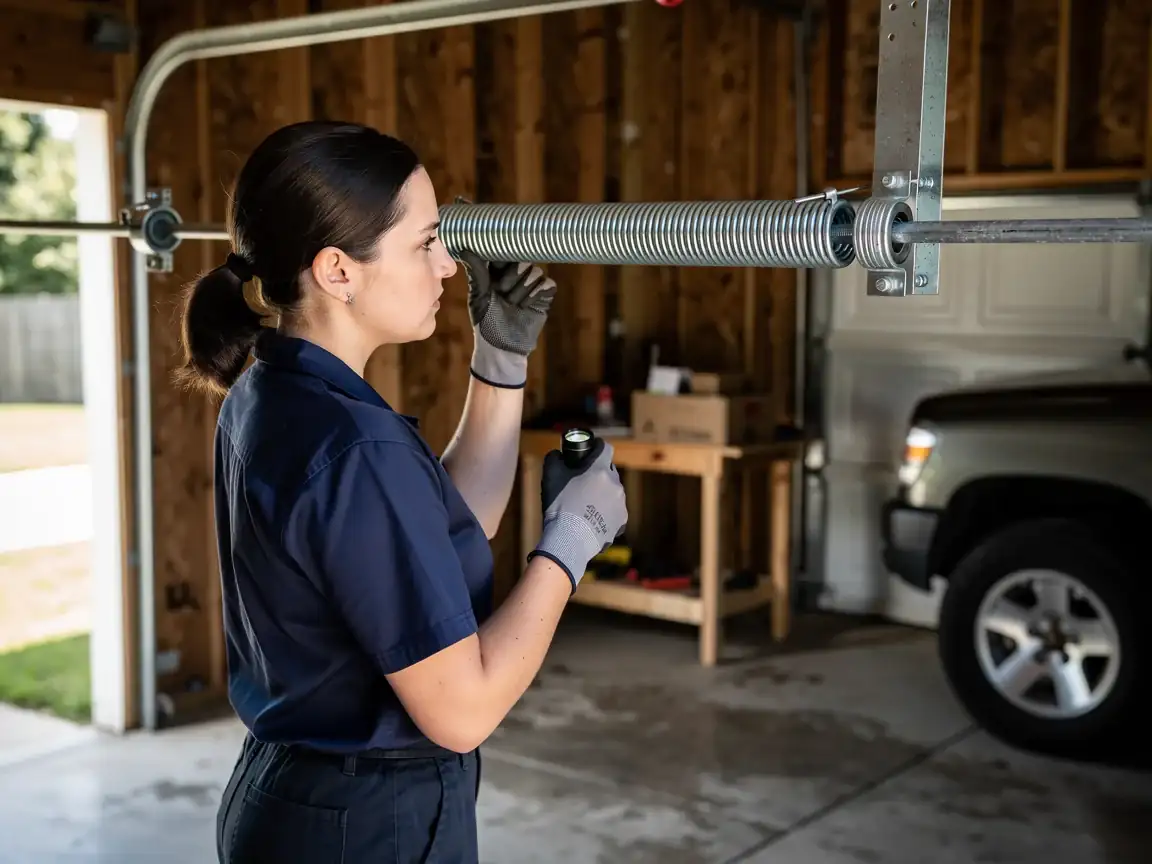
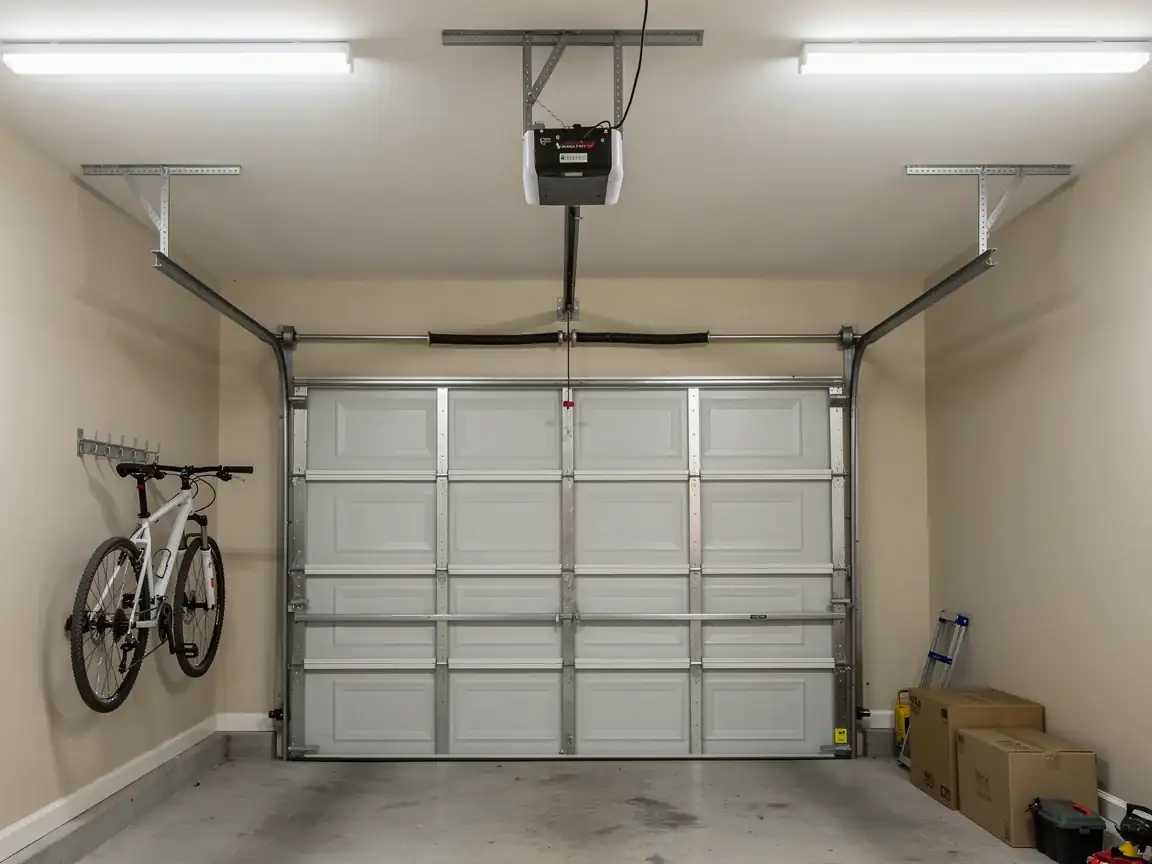
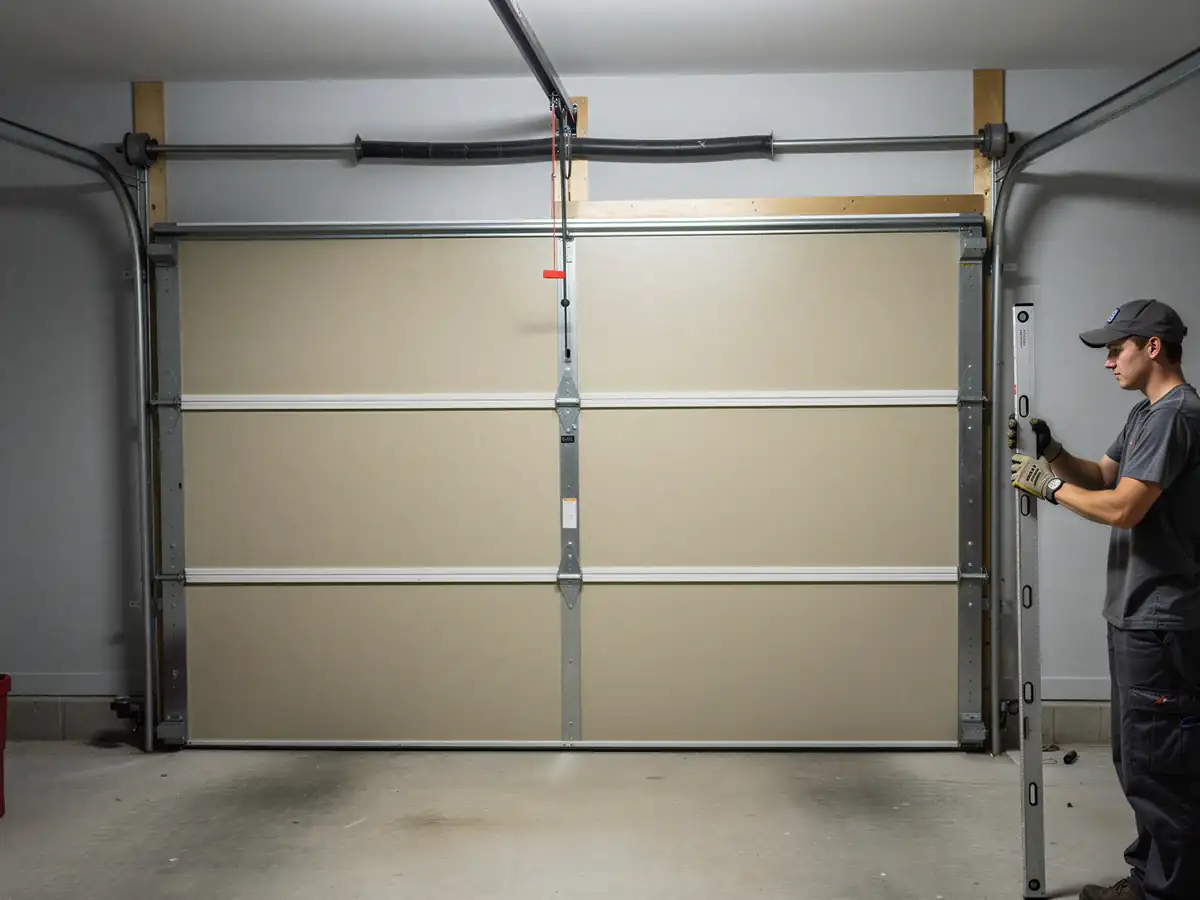
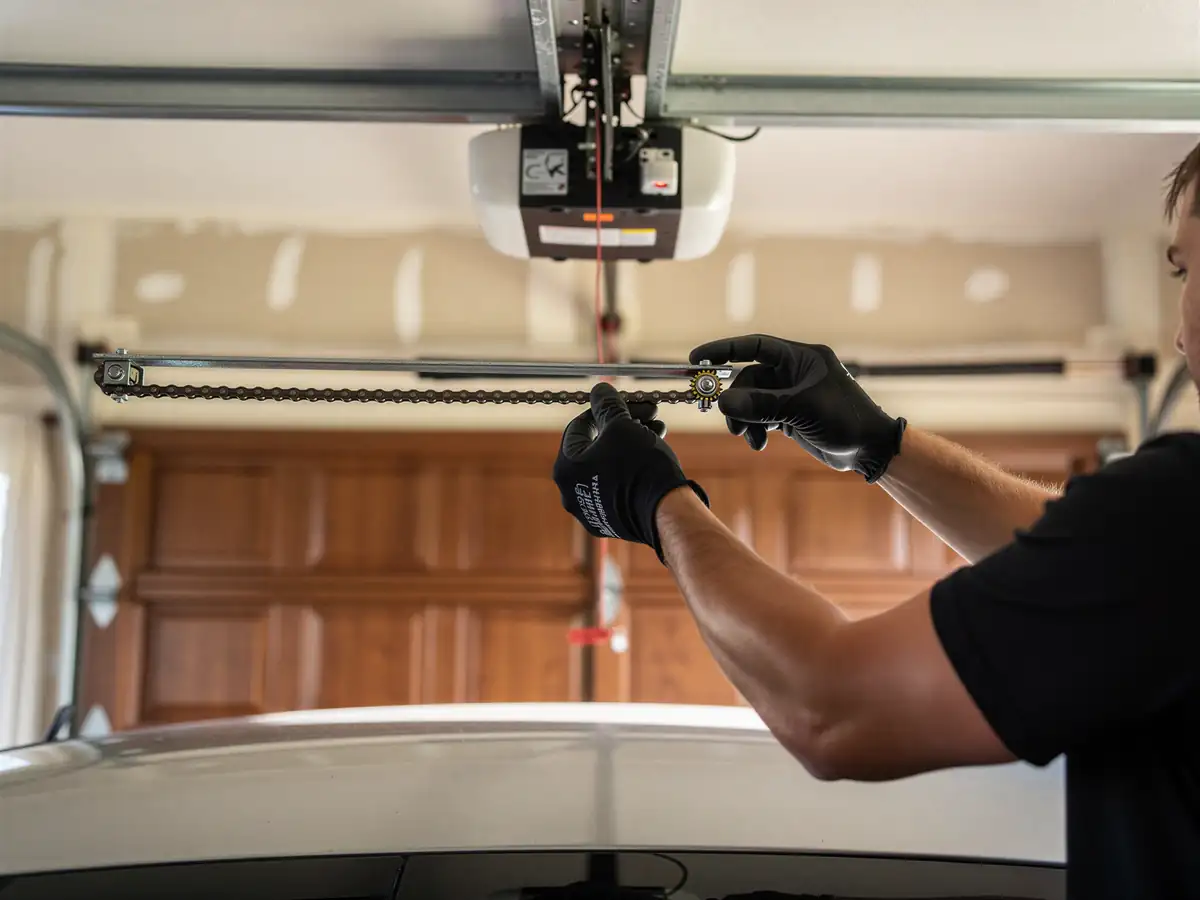
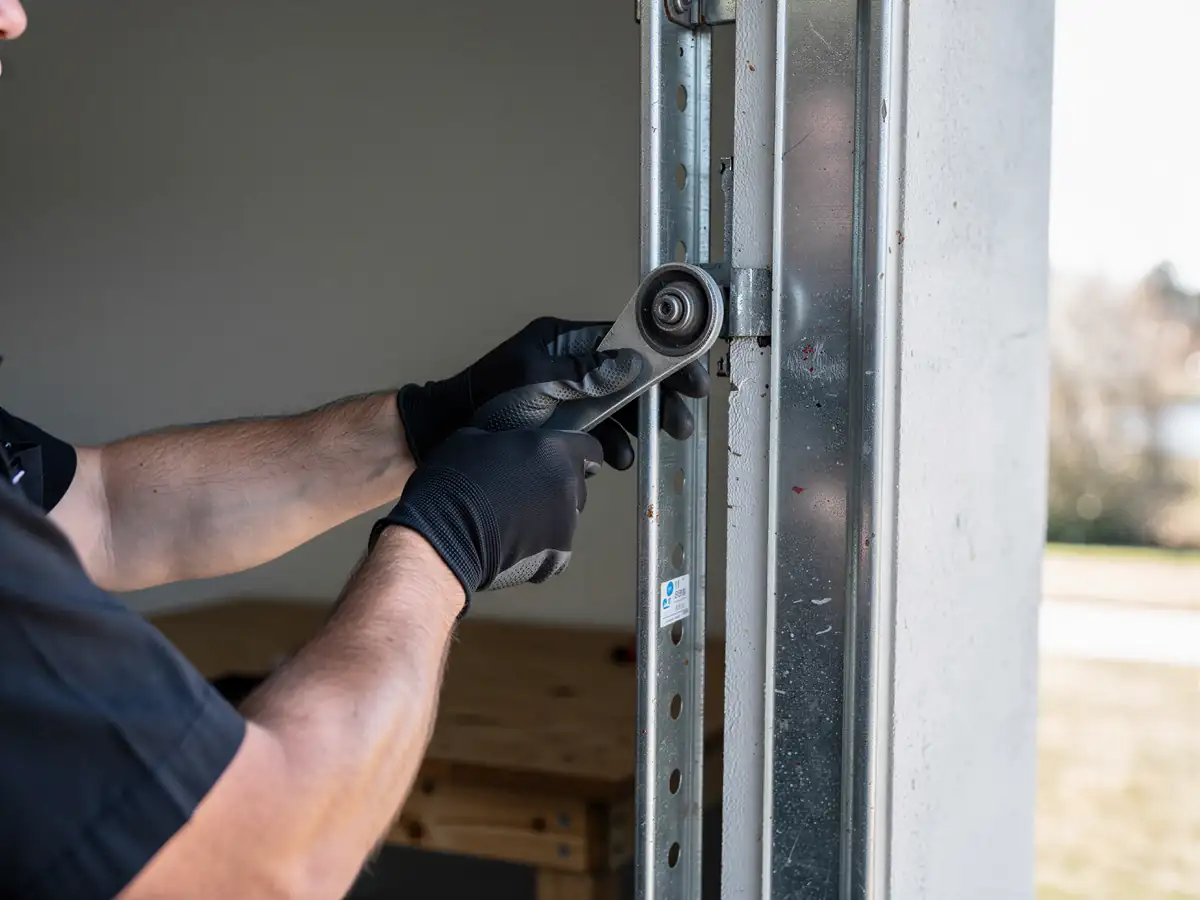
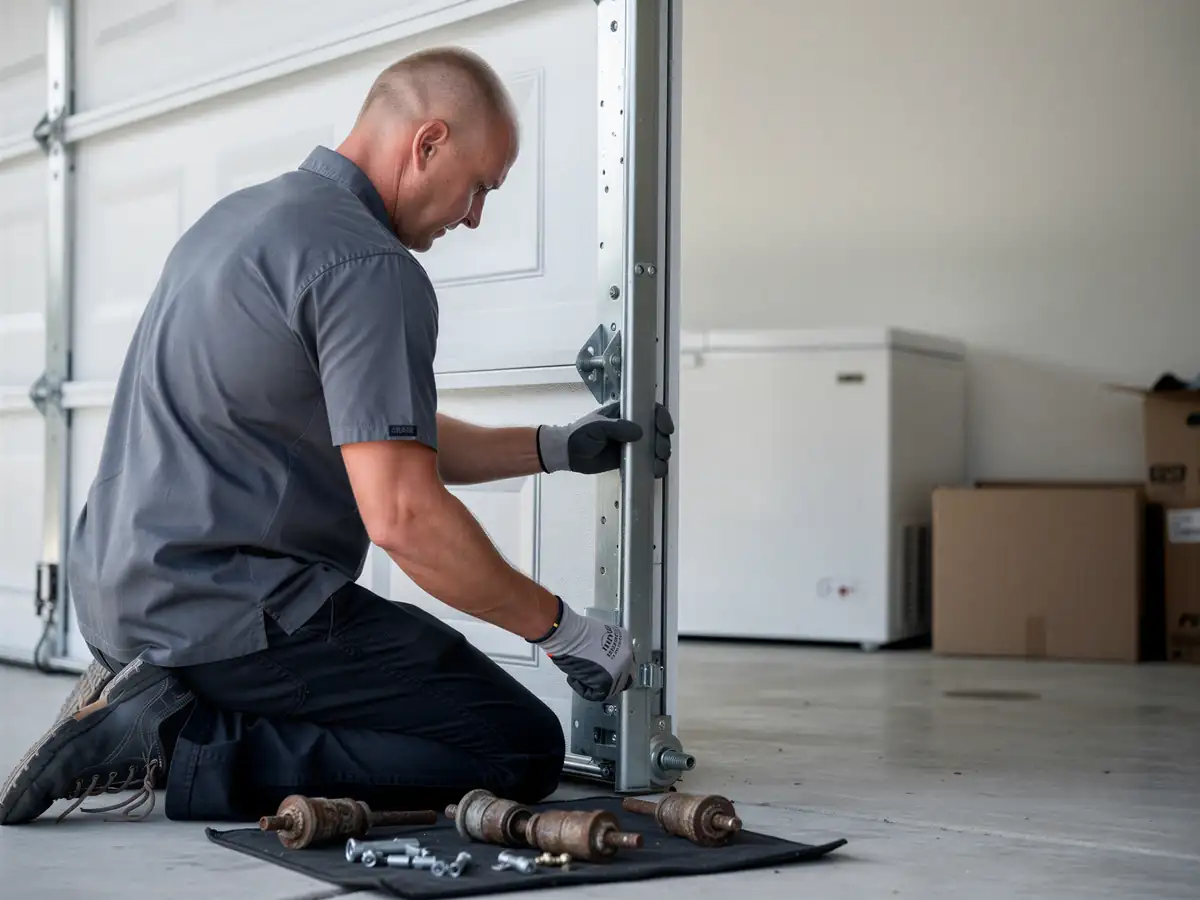
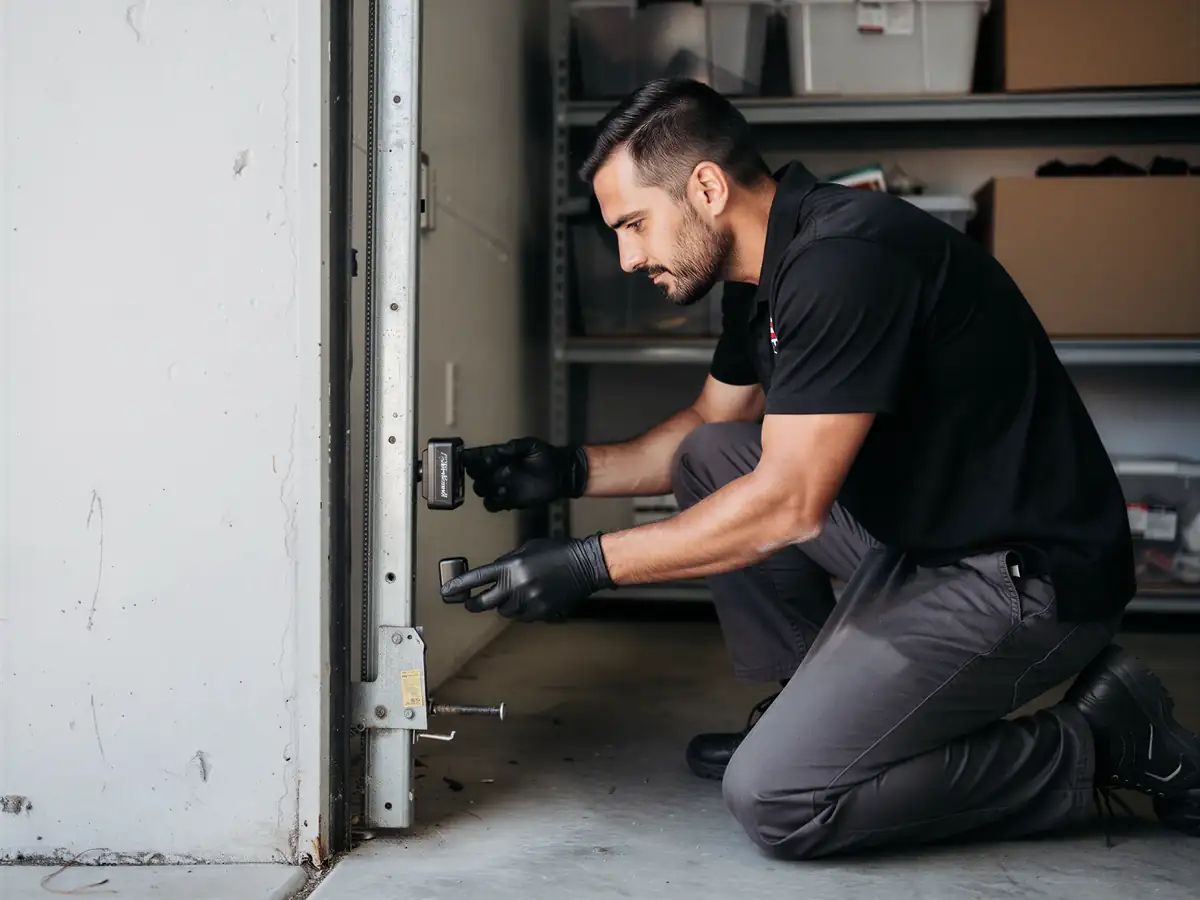
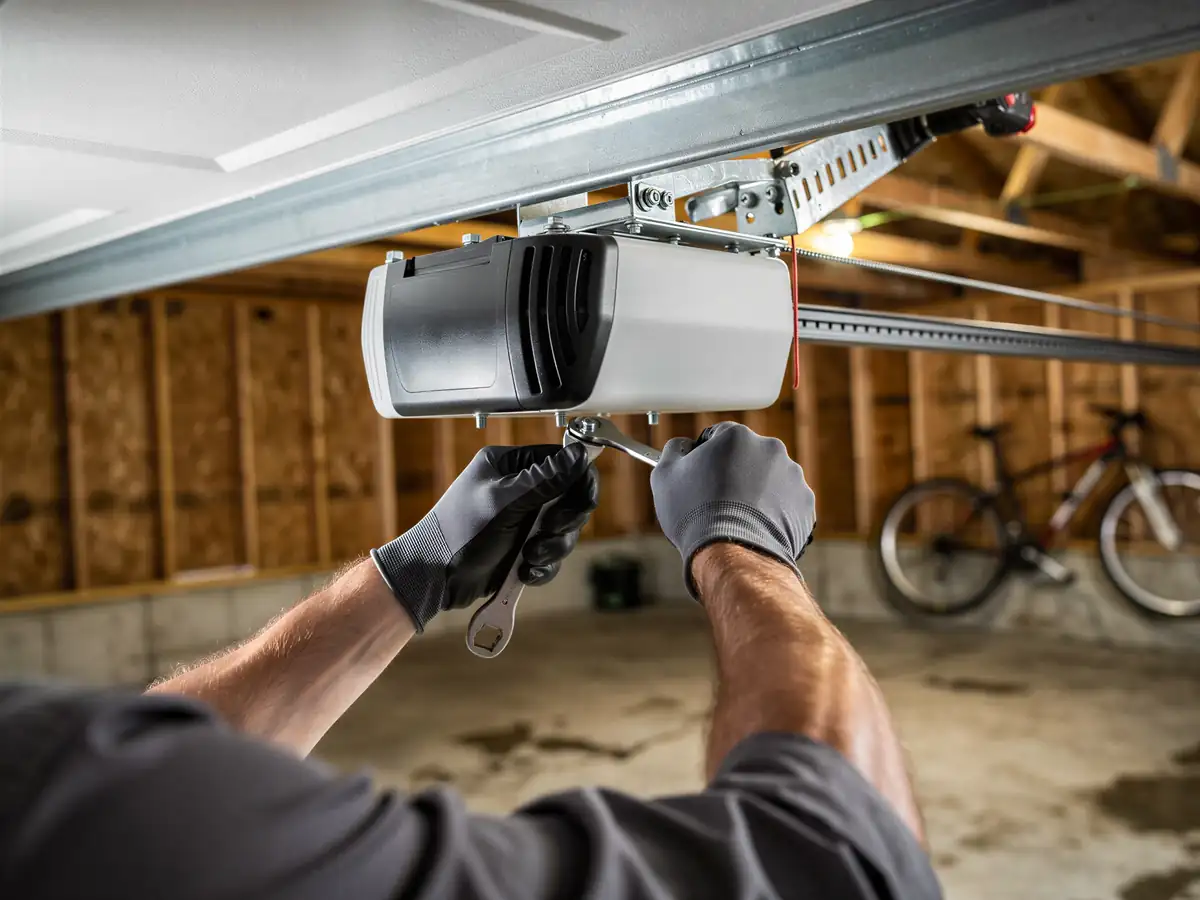
For a straight failure - stripped gear, dead capacitor, burnt motor - we replace the head unit and reuse the rail and hardware if it's still sound, which keeps the job to a single visit. If the sensors are misaligned we re-level and re-aim them before we touch anything else, since a new opener wired to bad sensors will fail the same way the old one did. Where the door itself is out of balance - springs past their cycle life, rollers worn - we flag it before we mount a new opener, because installing a good motor on a door that's fighting its own hardware just moves the failure point. That's a judgment call we make on site, not over the phone.