Parts We Carry
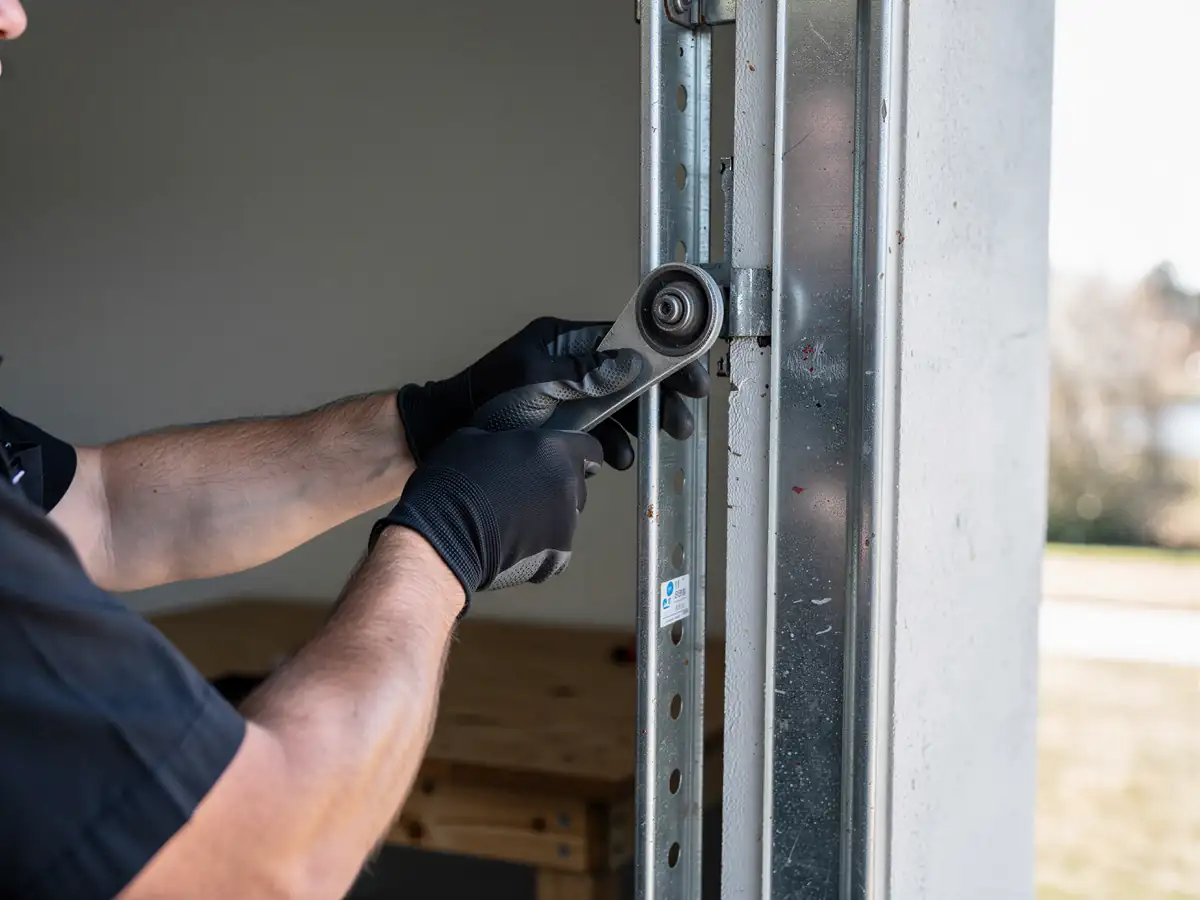
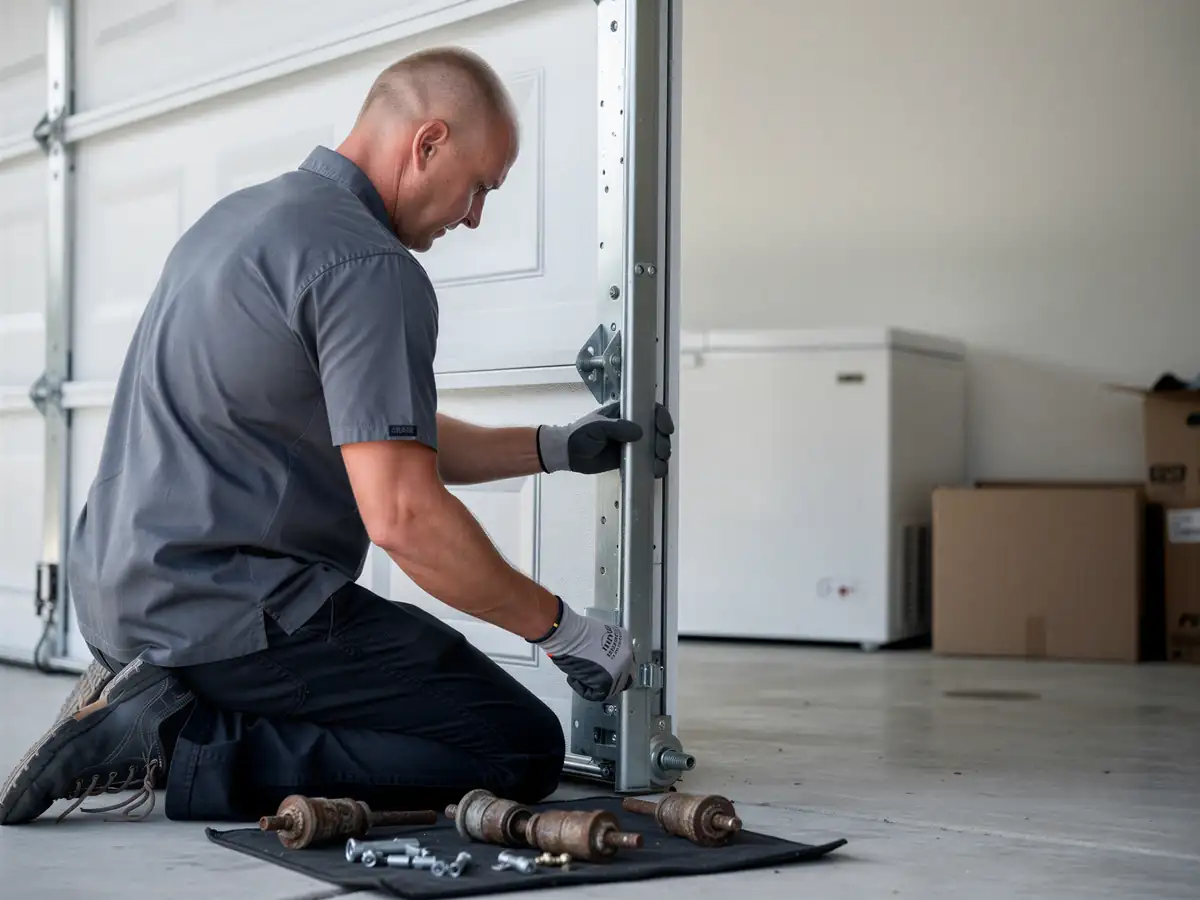
For a 1969-era door we're usually looking at 2-inch stem rollers, sometimes still on the original 7-ball steel bearing style, sometimes already upgraded to nylon by a prior owner. We stock both steel and nylon stems on the truck because China Grove's housing stock splits between the two depending on whether anyone's touched the door since it went in. We don't stock exotic or oversized commercial rollers - if a door here was fitted with something unusual, that's a special-order part and we'll tell you the lead time up front rather than guess.
Why This Fails Locally
This area sits in a cold-moderate climate band, and steel rollers don't handle that temperature swing as gracefully as nylon does. Steel contracts in cold mornings, binds slightly on the track, and that extra friction wears the bearing race faster than a steady-climate region would. On a door built in 1969, that's over fifty years of seasonal contraction and expansion working against the same original hardware in a lot of cases - even if a roller's been swapped once along the way, the track it rides on has usually never been replaced. Nylon rollers handle that temperature cycling better and run quieter, which is why we default to them unless there's a reason not to.
How It Shows Up
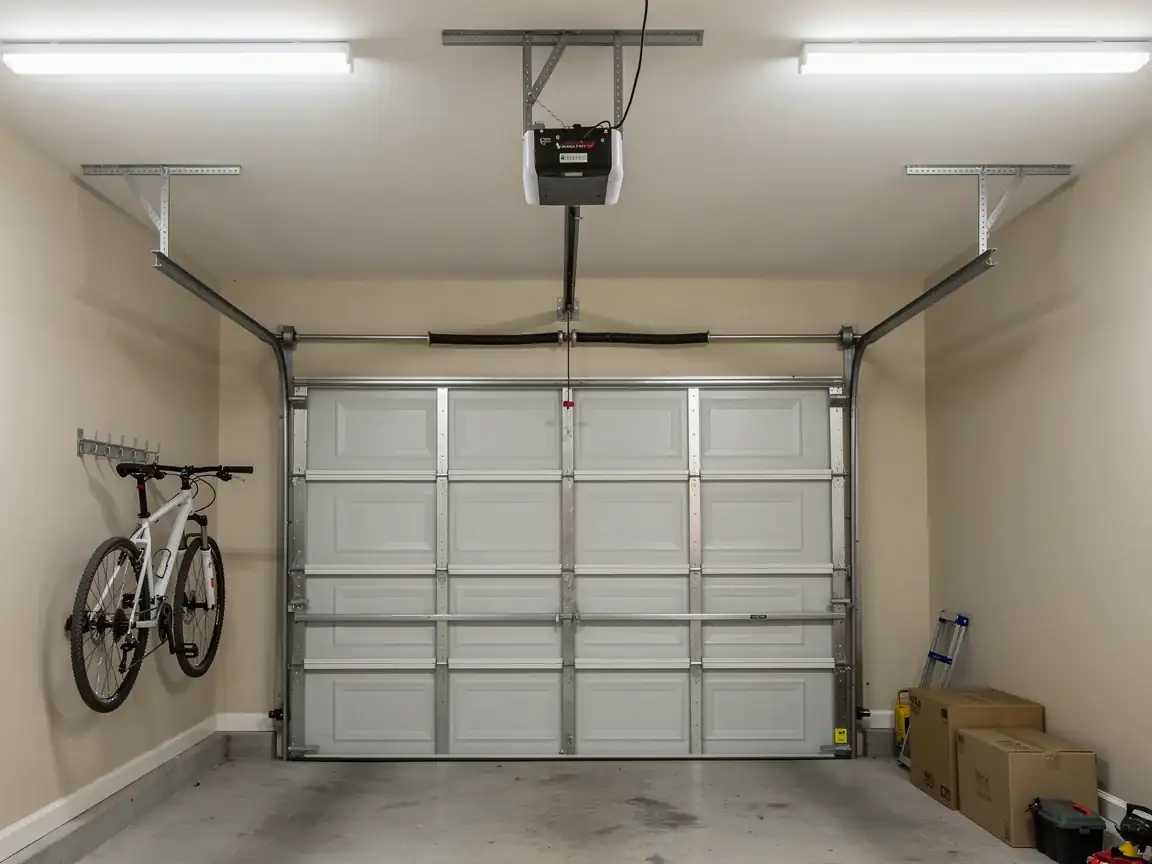
On a door this age, the first sign is usually a grinding or rattling sound as the door travels, worse on cold mornings when the steel rollers haven't warmed up yet. Some owners notice the door hesitating or jerking at the same spot on the track every time - that's usually a single bad roller catching on a worn section rather than the whole set failing at once. If you're hearing metal-on-metal scraping instead of a rattle, stop running the opener; that's often the roller stem itself grinding against the bracket, and running it longer just chews up the track faster.