How We Fix It
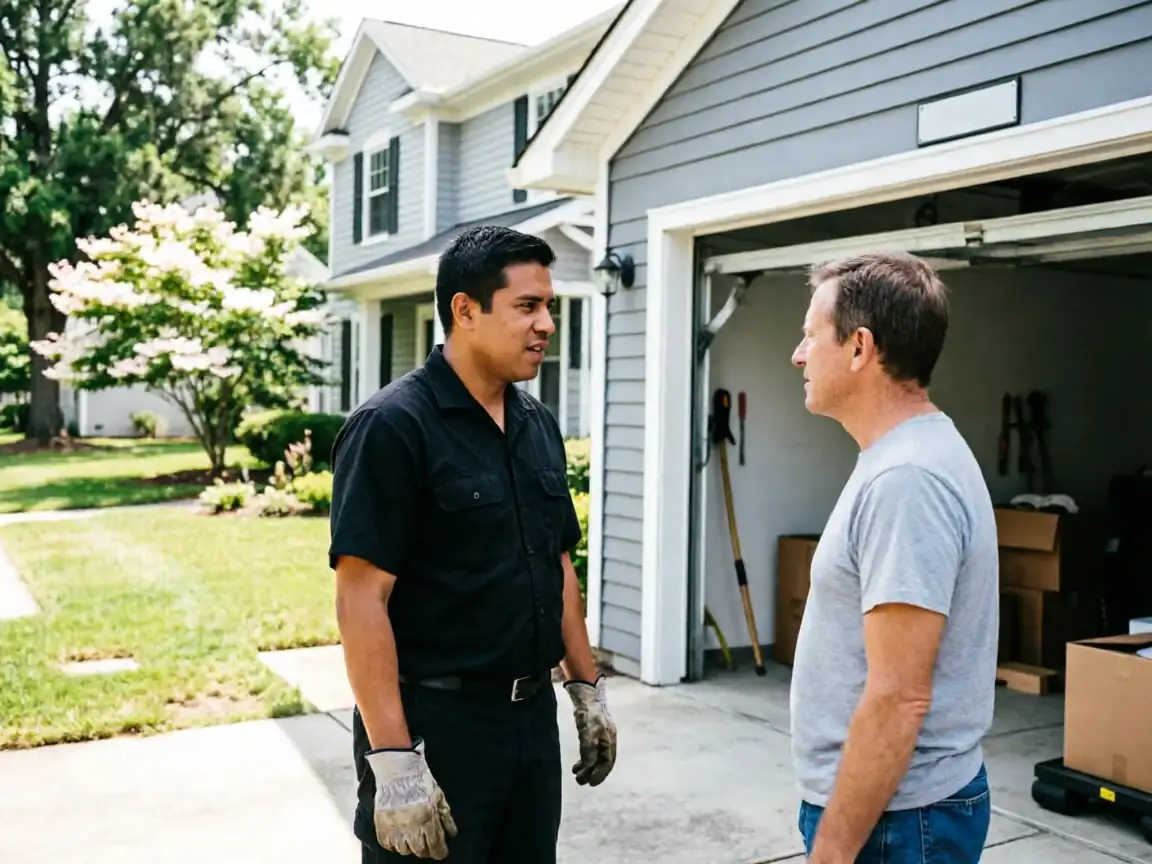
We drive out from Mooresville for China Grove maintenance calls
It's about 14 miles, the far edge of our regular route. We don't keep a branch or a truck staged in town, so maintenance visits get scheduled, not walked-in.
- 14 miles
The visit itself is the same whether the door is five years old or fifty
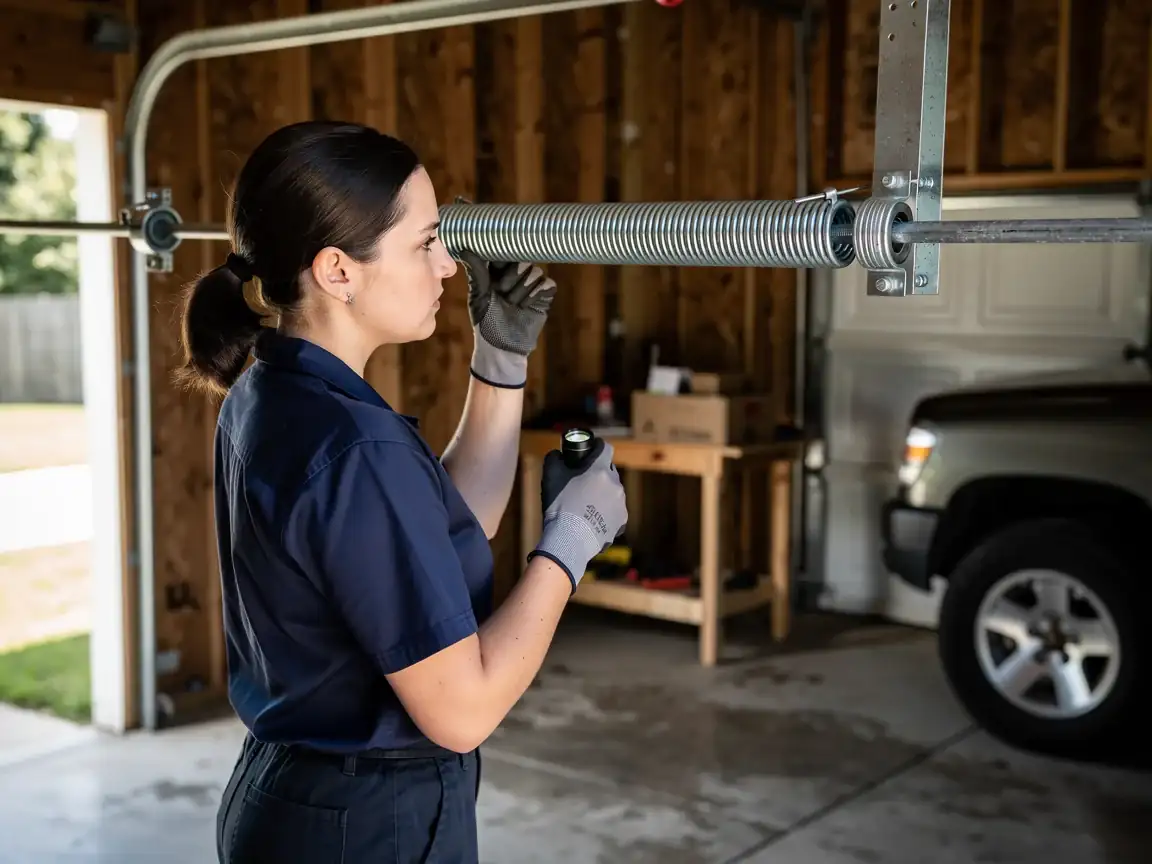
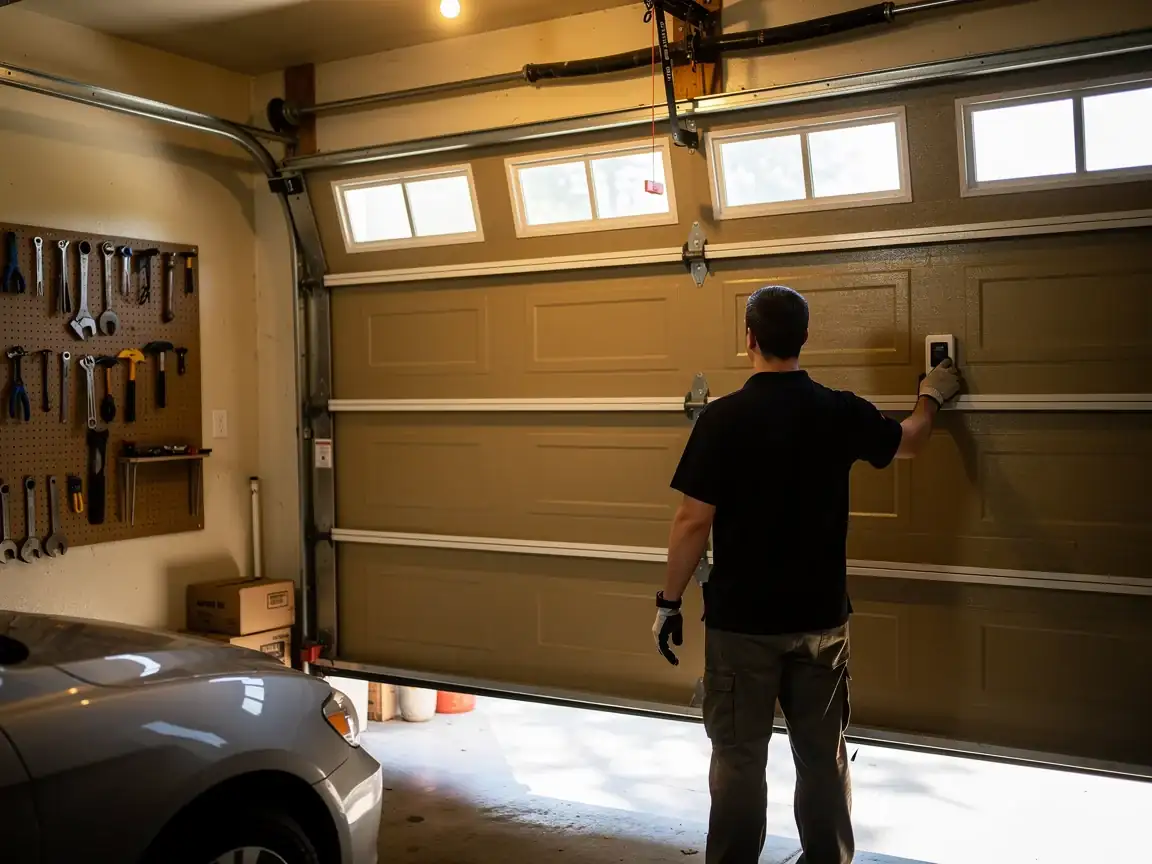
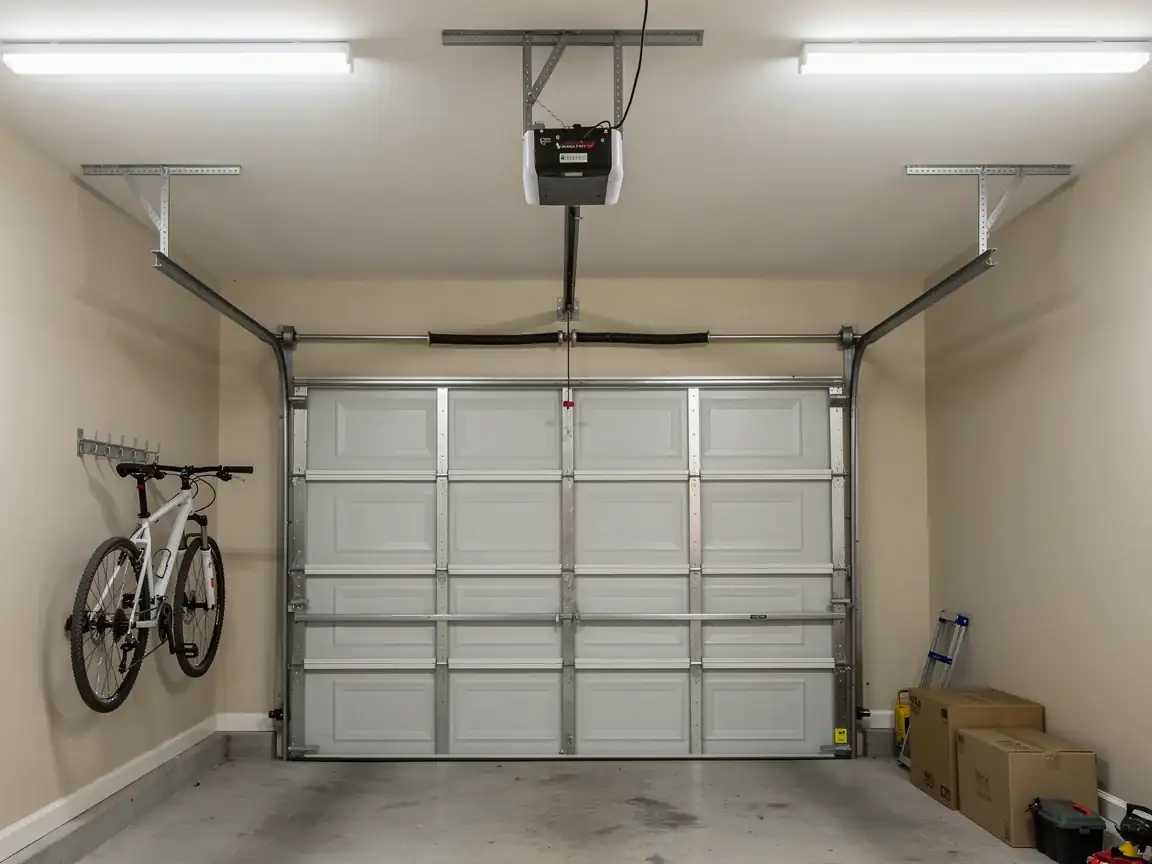
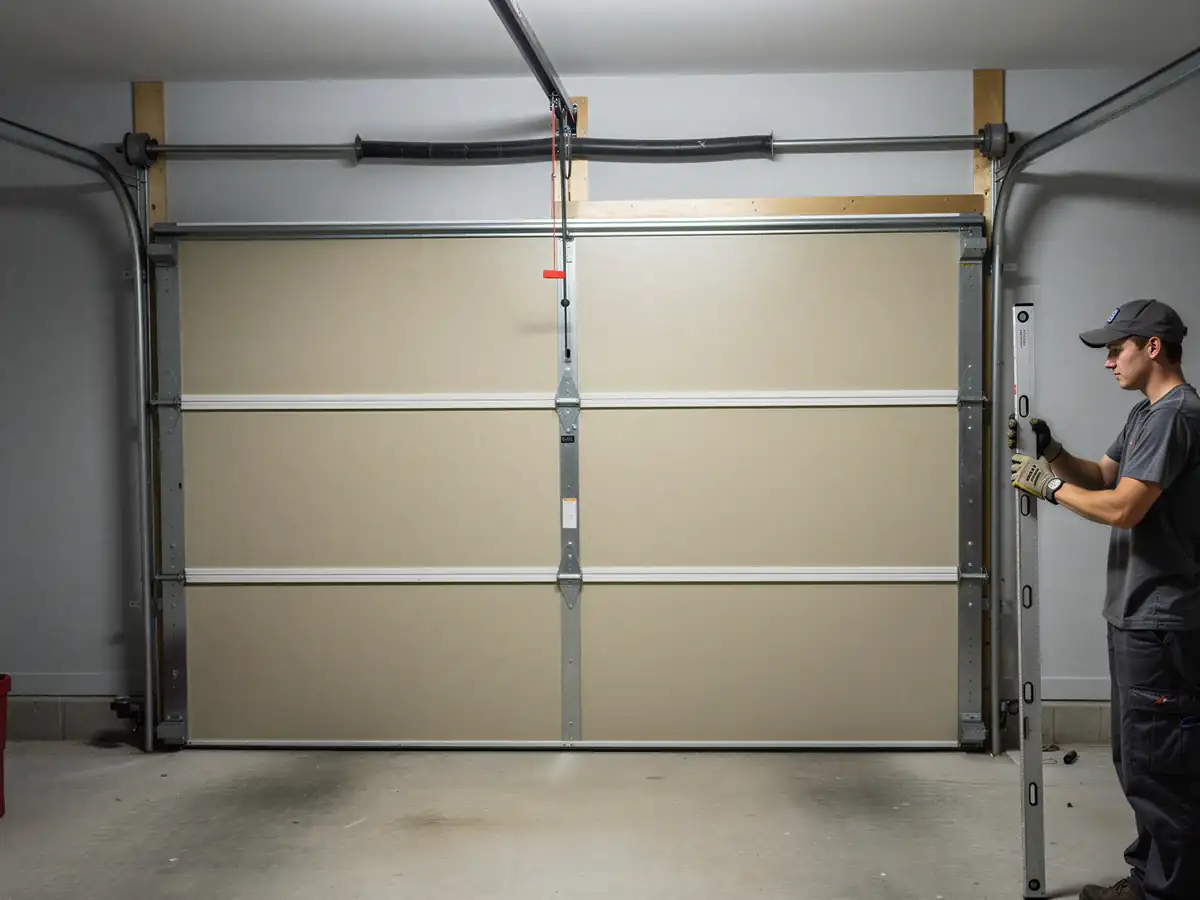
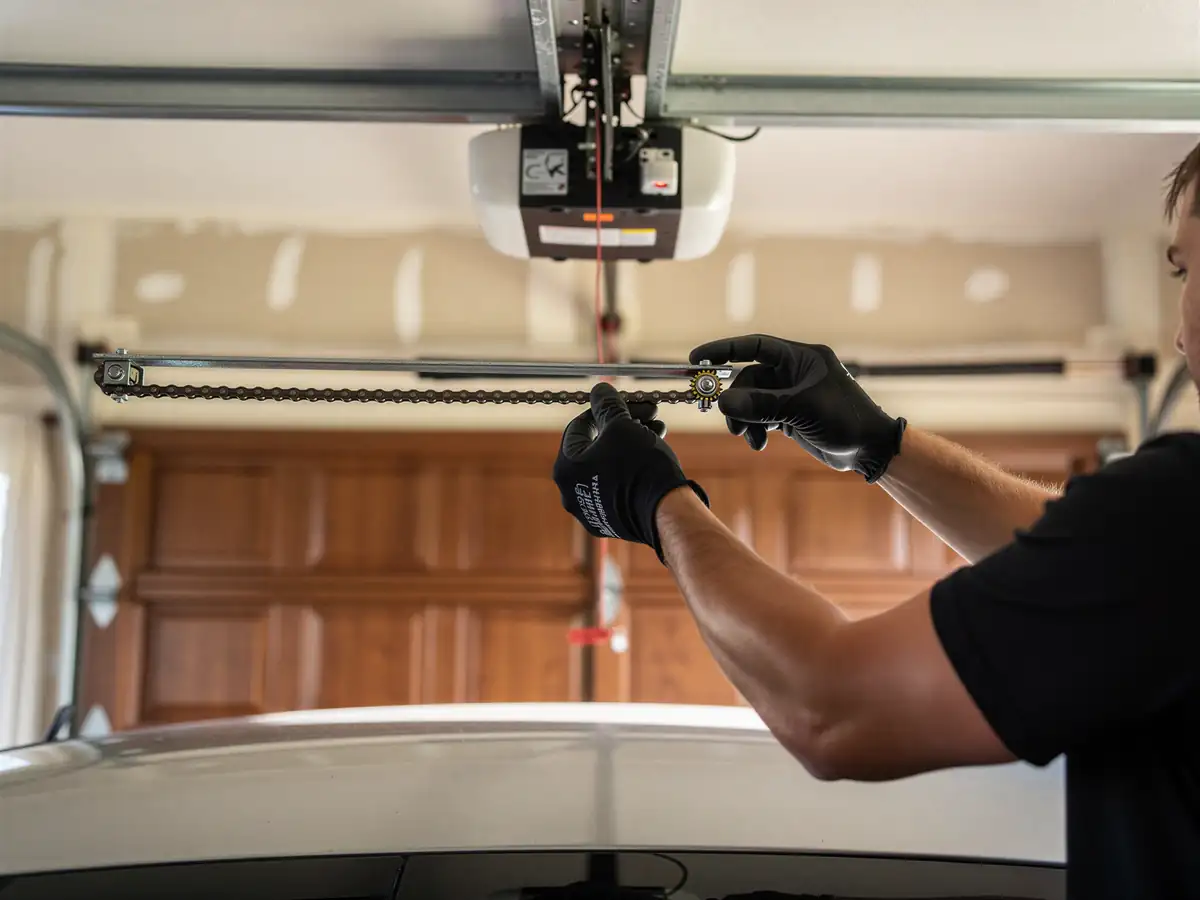
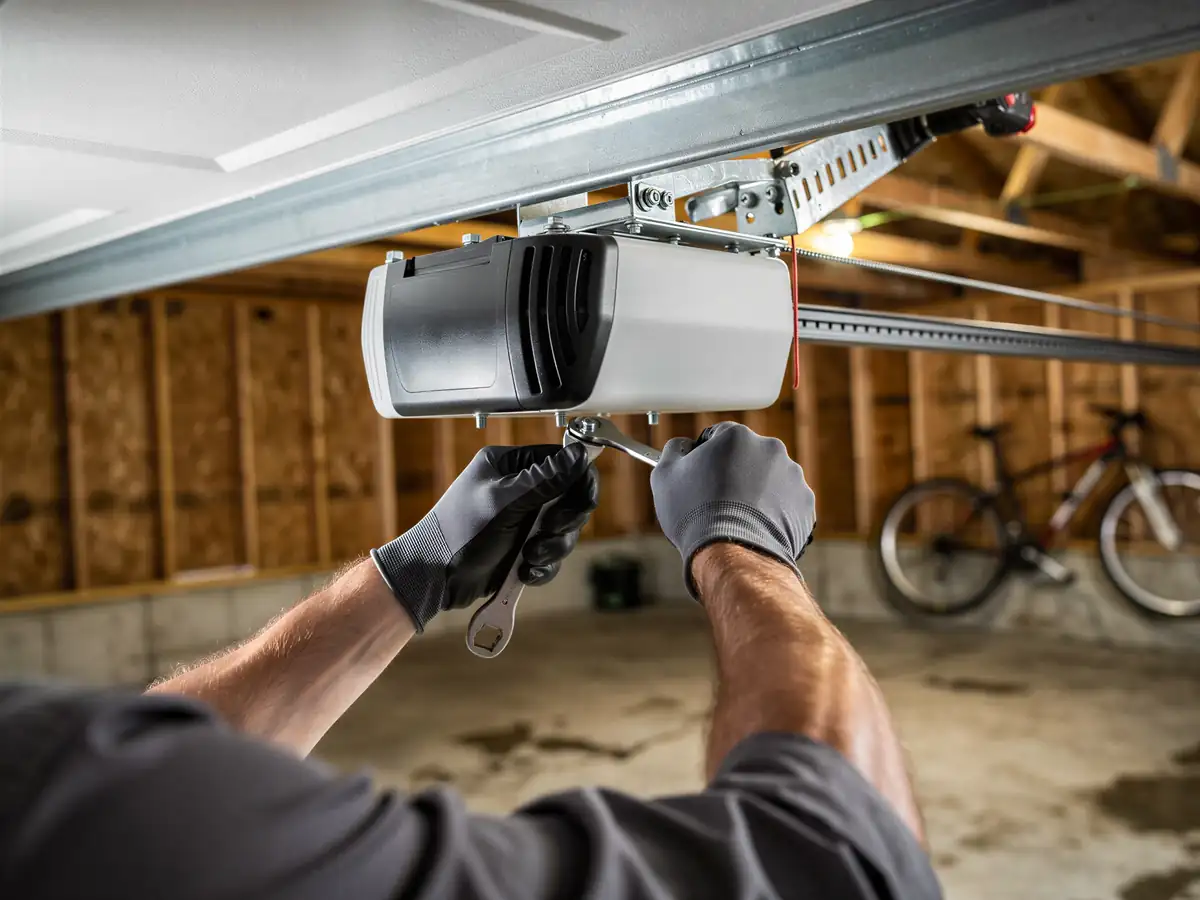
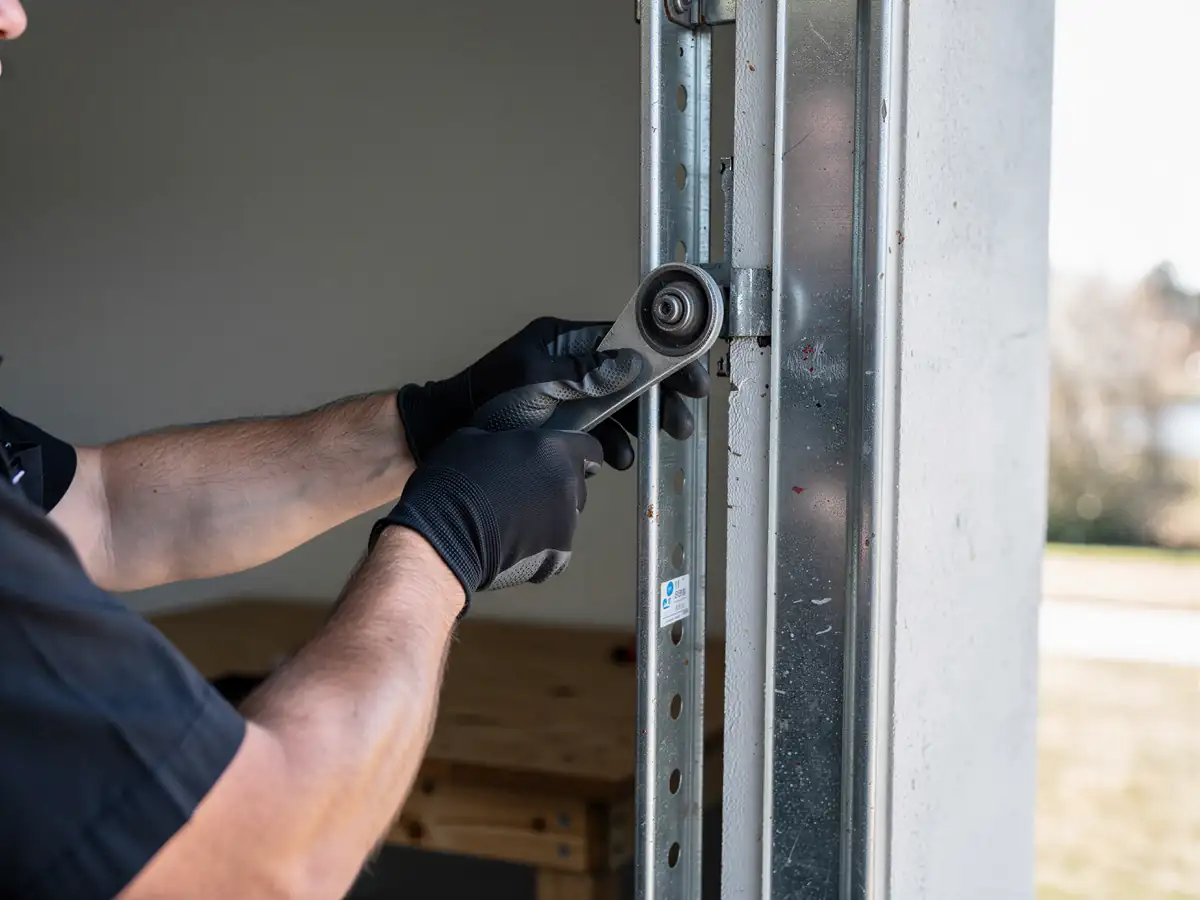
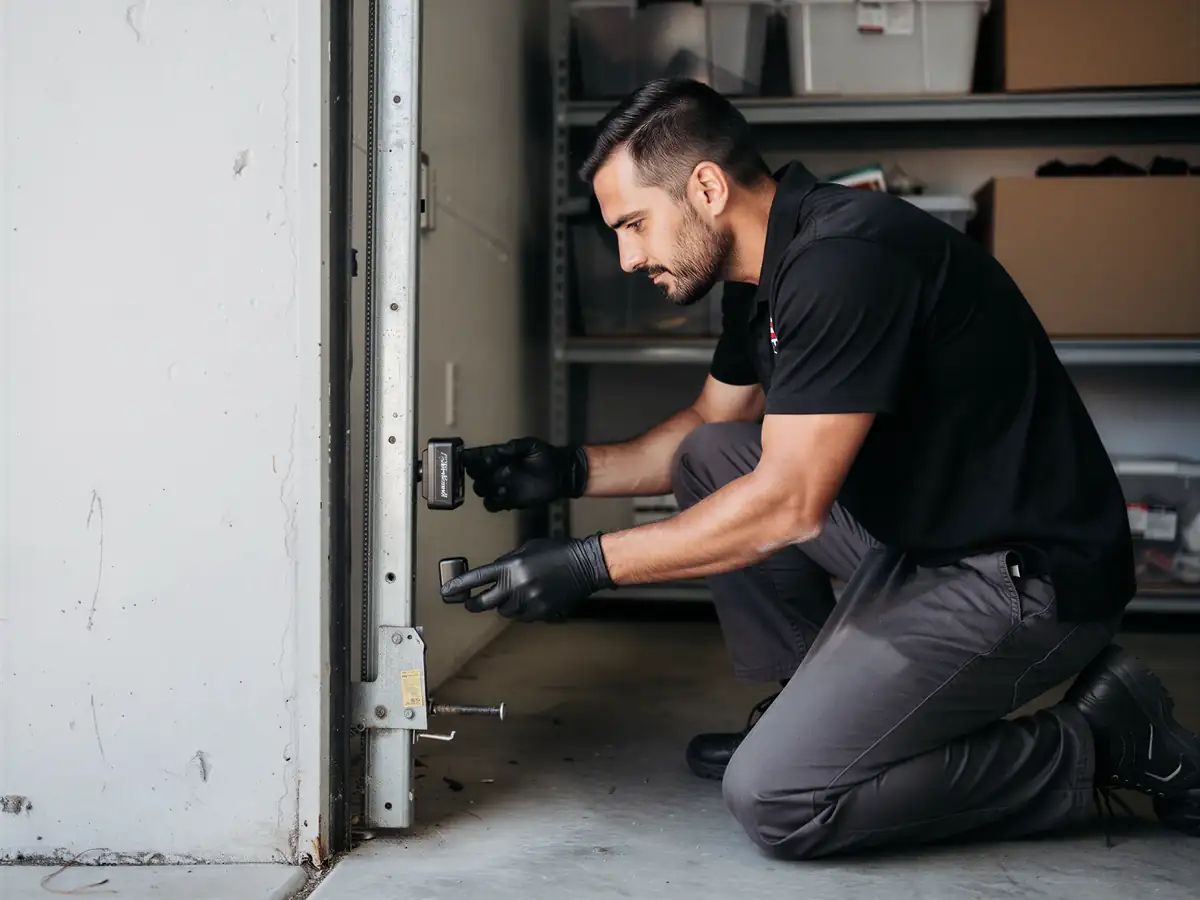
We pull the panels off balance, check spring tension against the door weight, inspect every roller and hinge for metal fatigue, run the track alignment, and test the opener's force settings and reversal sensors. On a door this age, we also check whether the torsion spring is even the right cycle-rated part for the door it's holding, because a lot of them aren't - they're whatever was on the shelf in the 1970s.
What we're really doing on a China Grove call is triage
Deciding what still has life in it, what's one winter away from failing, and what's already failed quietly, like a cable with a few strands gone that hasn't snapped yet. Most of these doors have never been serviced on a schedule - they get a service call when something breaks, not before. That reactive pattern is exactly what lets a bad spring take out a cable, a hinge, and sometimes a panel all at once.
Parts We Carry
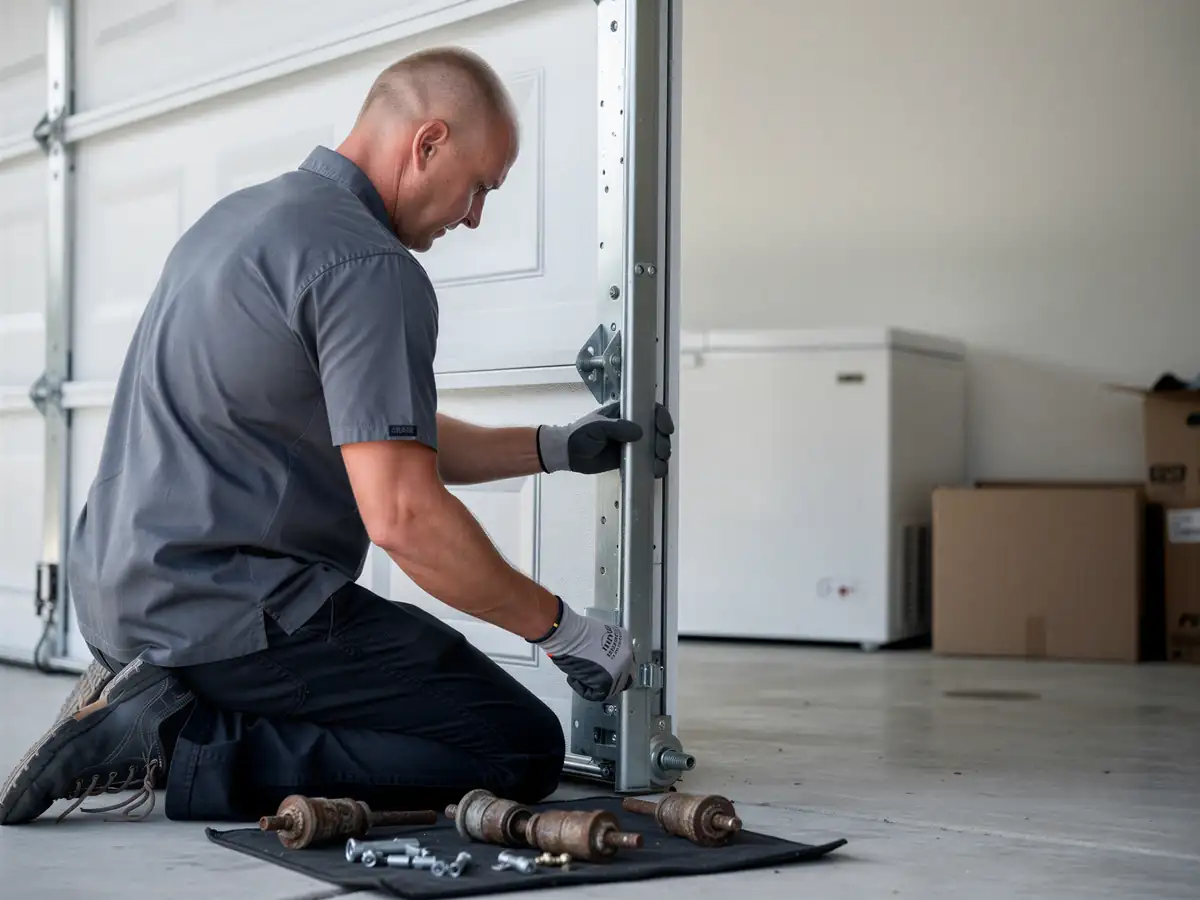
We stock torsion springs, extension springs, rollers, cables, and hinges sized for the range of doors we see across the service area, including the older galvanized torsion setups common on homes from the late 1960s and '70s. Nylon rollers to replace worn steel ones, new end bearing plates, replacement cables rated to the door weight - these are routine stock items.
What we don't always have on the truck is an exact match for a discontinued panel or a proprietary opener part from a door manufacturer that's since changed hands or stopped making that line. On a door built around 1969, the panel style and hardware spacing can be different enough from current stock that a panel replacement means special order, not a same-visit fix. That's the honest limitation: we can keep most of these doors running for years with the right maintenance, but if a panel section is actually cracked or rusted through, we're not going to pretend we can match it off the truck. Full replacement sometimes beats chasing a part that doesn't exist anymore, and we'll say so rather than string out a repair.
Why This Fails Locally
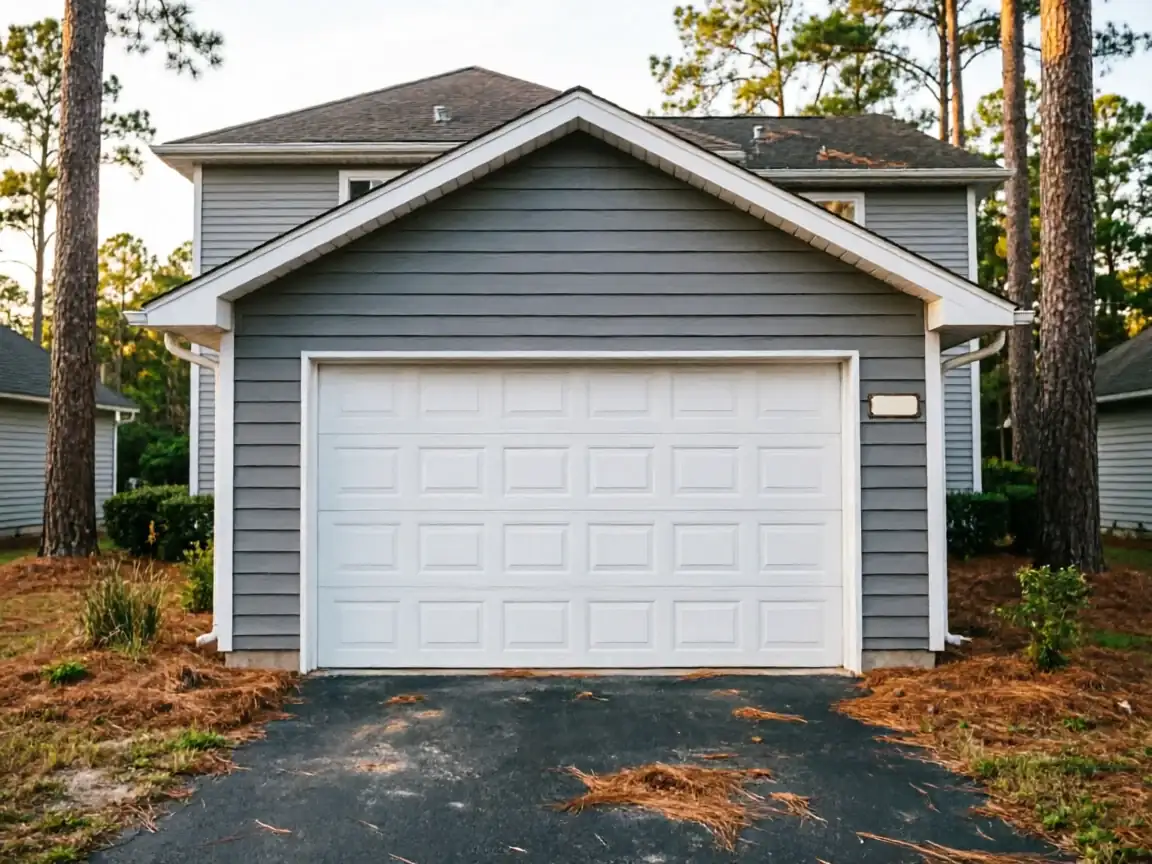
China Grove's housing stock centers on 1969 - a good 27 years older than the 1996 median across the broader Mooresville service area. That gap matters more than it sounds like it should. A door and opener installed in 1969 has been through roughly five and a half decades of cold-moderate winters, the freeze-thaw cycling that fatigues galvanized steel springs and stiffens old lubricant in track rollers nobody's touched since install.
The failure pattern we see on these older China Grove doors isn't the same as on a 1990s build. It's original torsion springs that have simply outlived their rated cycle count, chain-drive openers from an era before modern force-limiting safety sensors, and steel tracks that have warped slightly out of true from decades of temperature swing without anyone noticing because the door still mostly worked.
None of this shows up as a sudden failure most of the time. It shows up as a door that's gotten slower, louder, and heavier to lift by hand over a period of years - the kind of gradual decline an owner stops noticing because they live with it every day.
The Cost of This Job
We don't have a flat number to quote here
Because it depends on what's actually original versus what's already been swapped out, and we won't know until we're looking at the door. What we can say is that China Grove's median household income, $53,717, runs well under the $73,393 median across the rest of the service area - and that difference shapes the repair-versus-replace decision more than people expect.
For a lot of these households, a maintenance visit that catches a worn spring before it snaps
Or a hinge before it cracks a panel, is the cheaper path by a wide margin. Letting a problem run until the door won't open is what turns a $200 repair into a full replacement. We won't push a replacement on a door that still has working years left in it just because it's old - if the frame is square and the panels are sound, a spring and a set of rollers can carry it a long way further. We'll tell you straight when a repair isn't worth the money, same as we'll tell you when it is.
How It Shows Up
On a 1969-era door, the symptoms tend to be the same handful, in the same order. First the opener strains and the door starts reversing partway up - that's usually a spring that's lost tension, not an opener problem, though owners often replace the opener first. Then the door starts dropping unevenly, one side faster than the other, which points to a cable fraying or a roller binding in a track that's gone slightly out of alignment.
Across China Grove's roughly 1,993 households, the doors that show this pattern are almost always ones that have gone the full stretch since the original install without a tension check or a roller swap. The hardware doesn't fail all at once - it fails one worn part passing the load to the next, until something finally gives out on a cold morning. Catching it at the grinding-and-reversing stage, instead of the door-won't-move stage, is the entire point of a maintenance visit rather than an emergency call.