Parts We Carry
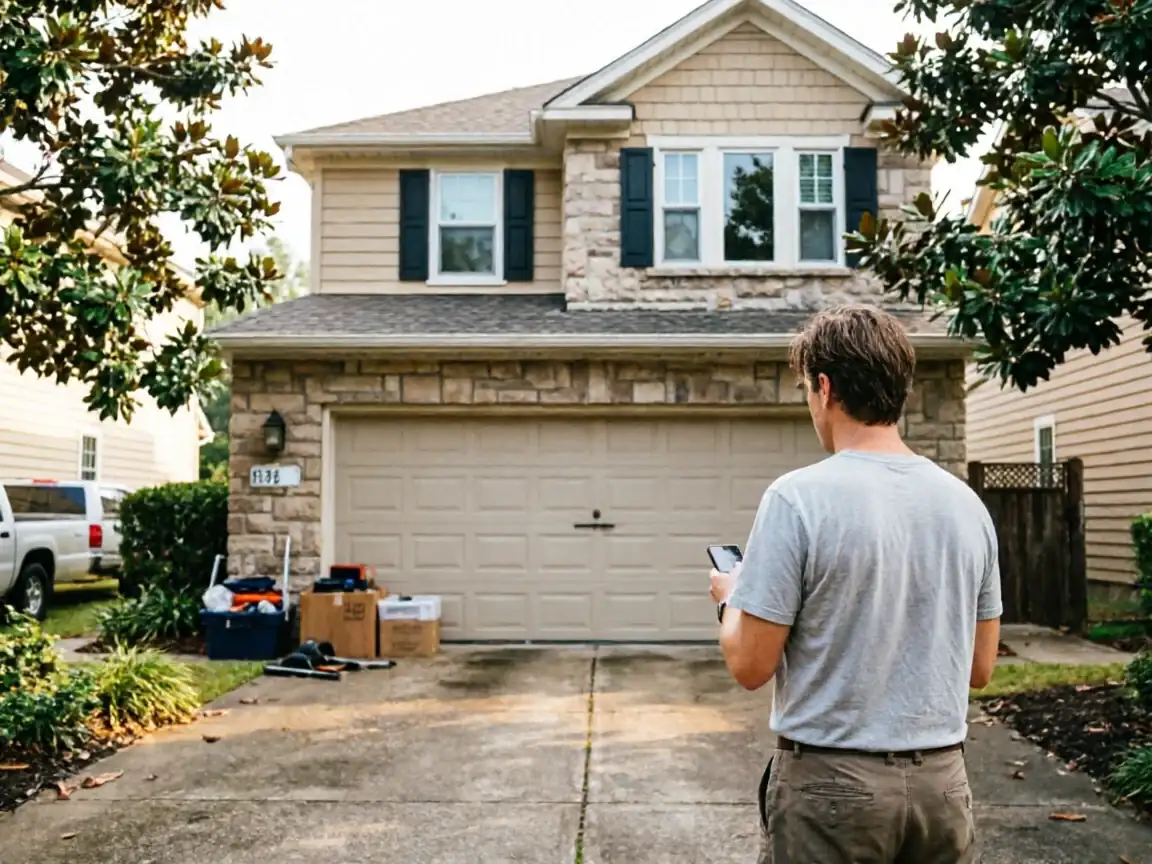
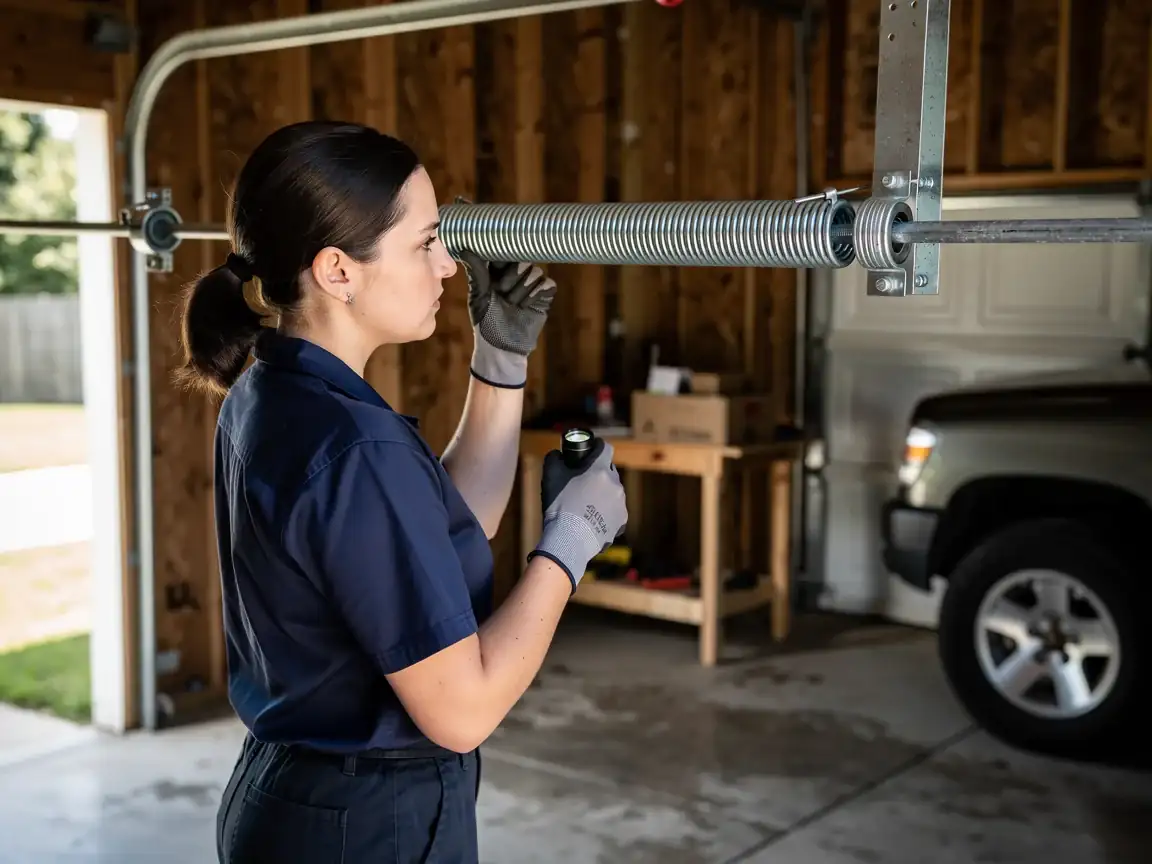
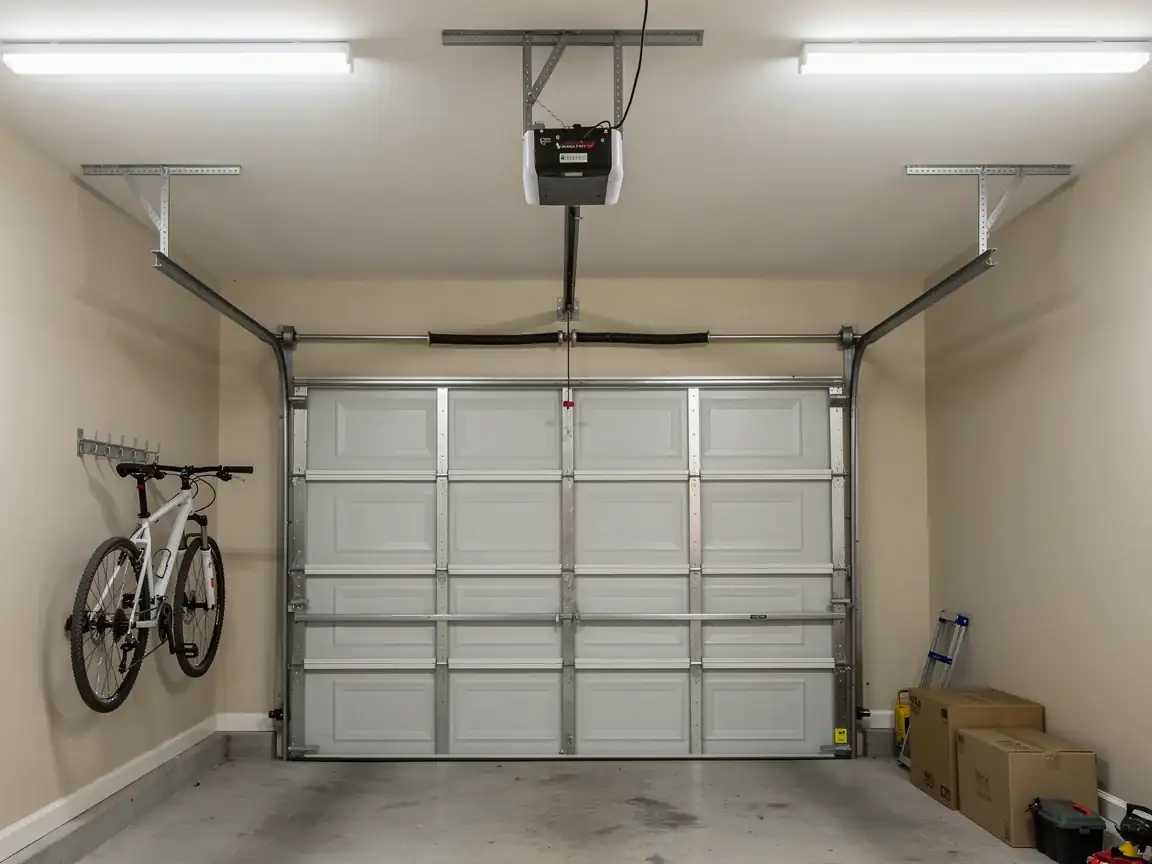
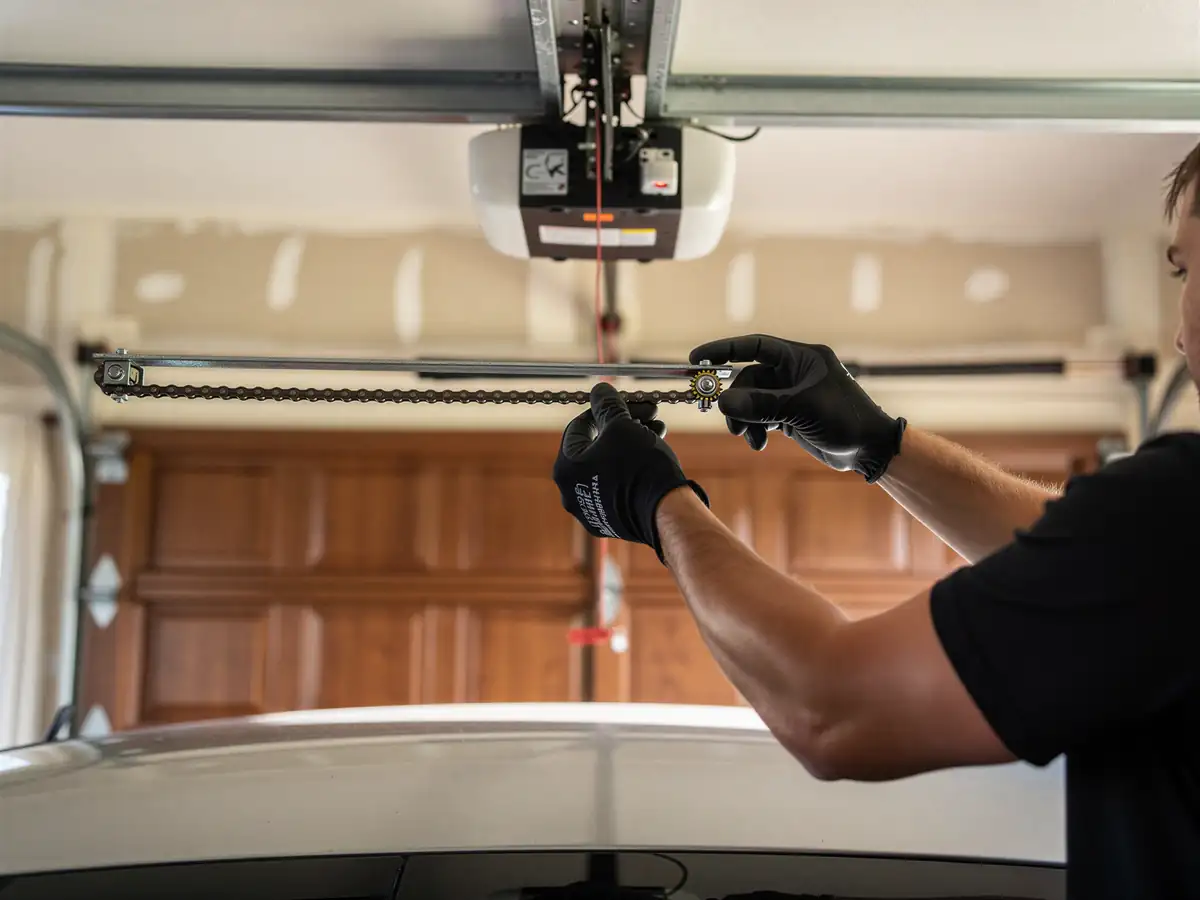
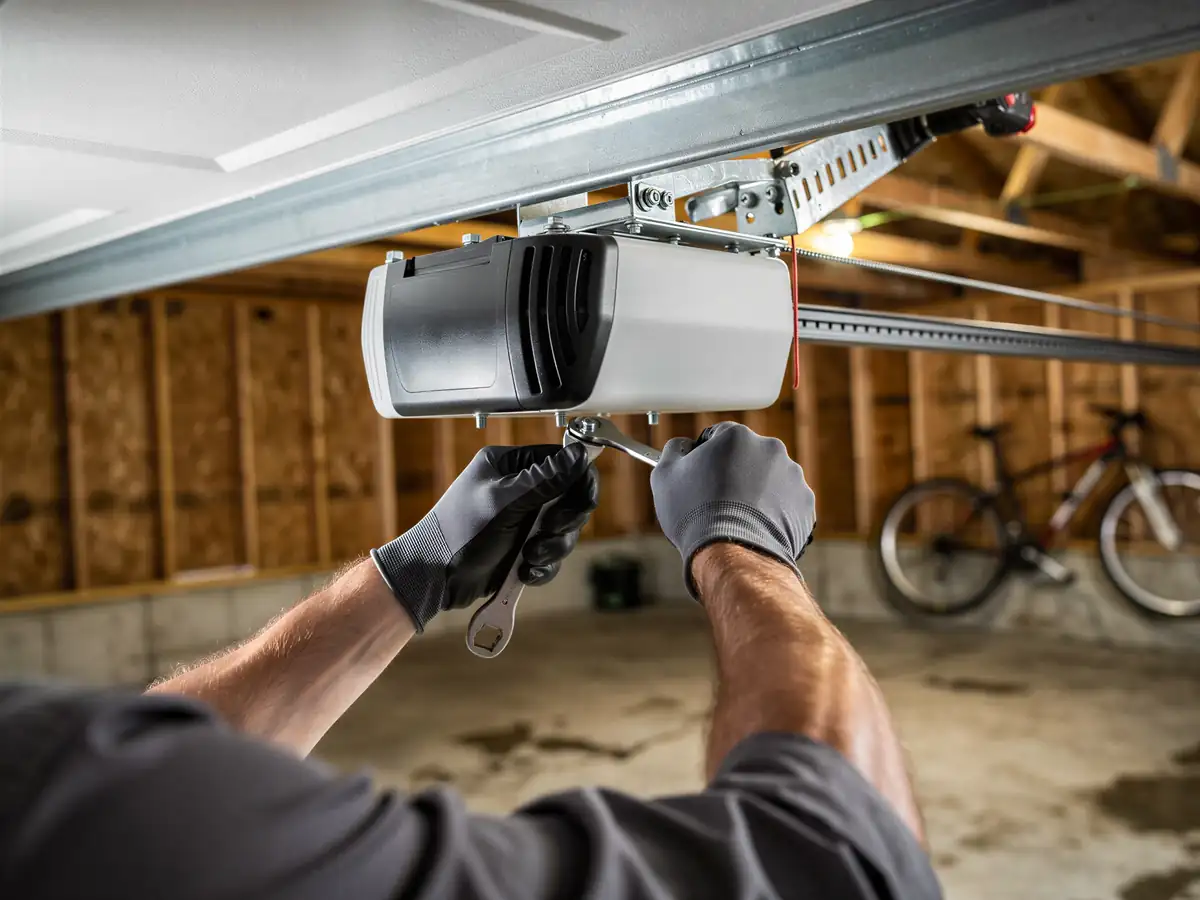
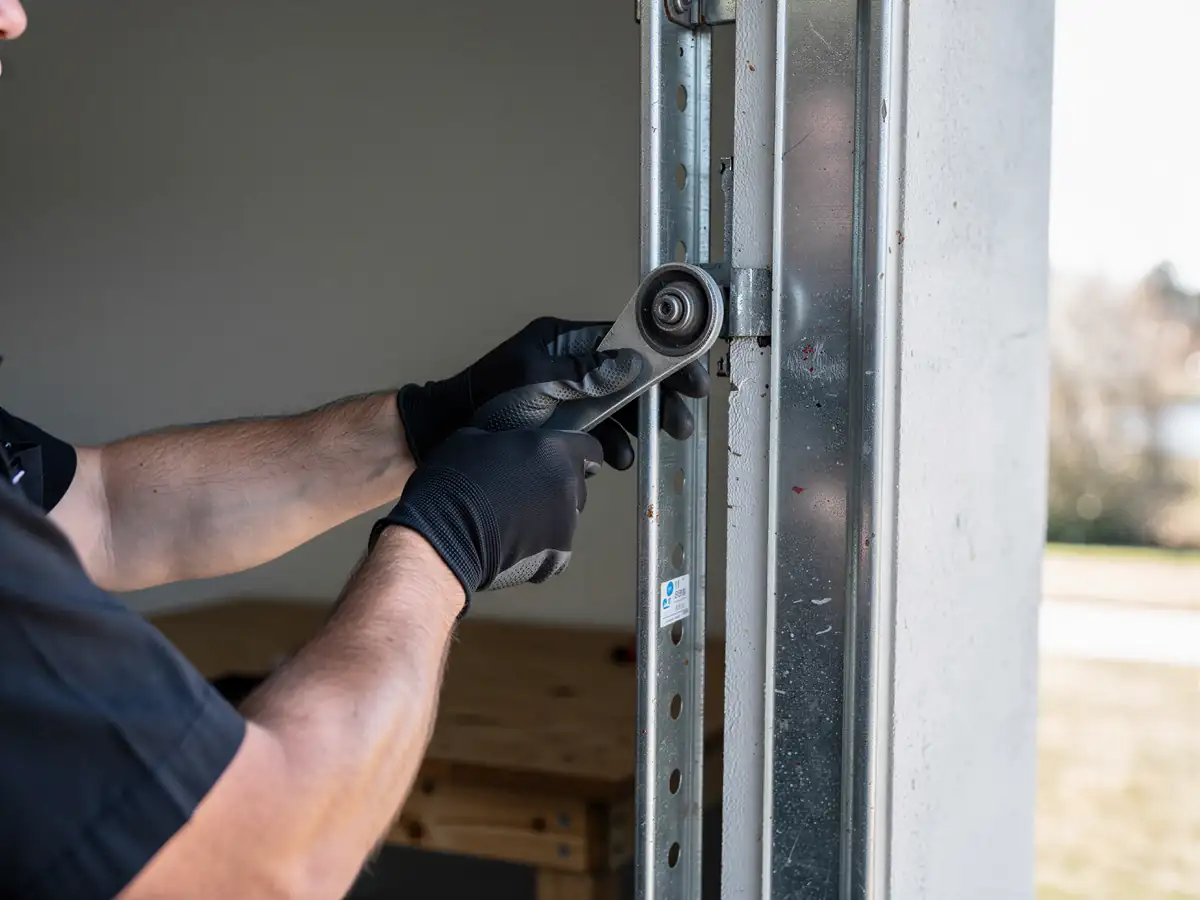
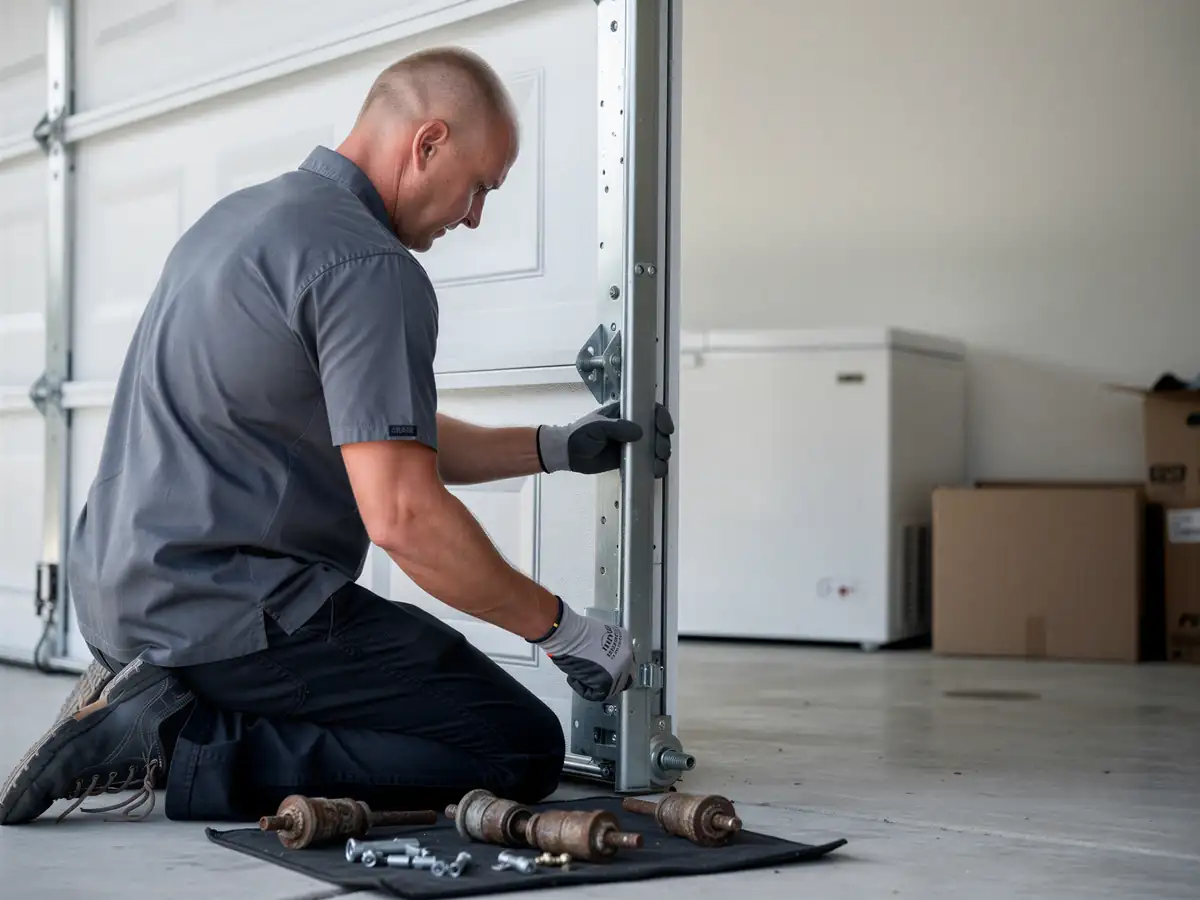
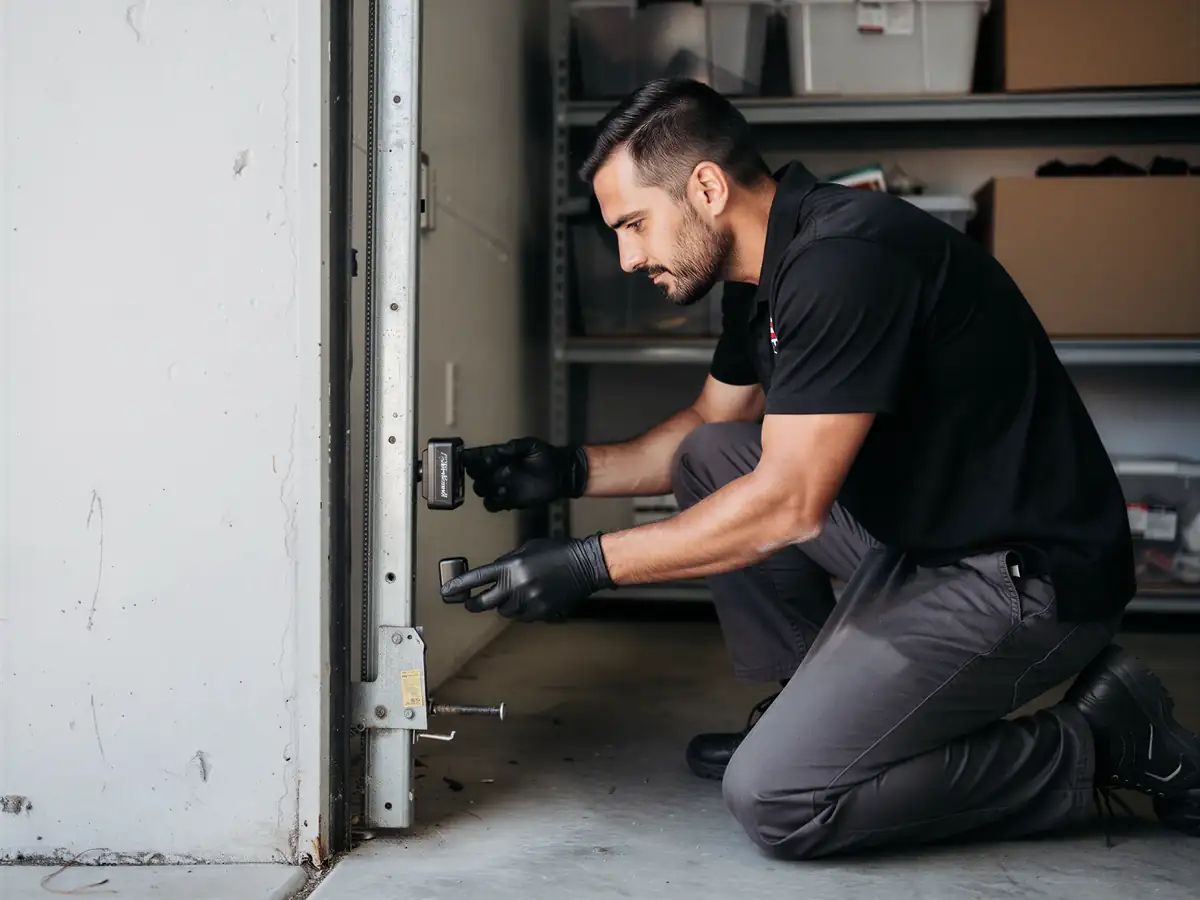
Houses in China Grove went up well before the service area's broader stock, which runs 1959 to 2005 with a median around 1996. A door built around a 1969 house is not getting original hardware from a parts counter anymore - that's older gearing, older drum sizes, and in some cases a torsion setup that's been replaced once already by somebody else's patch job. We stock the springs, rollers, and cable sizes that fit that era of door, because showing up with only modern parts means a second trip and a second charge to the homeowner. What we don't carry on the truck is a replacement panel matched to a specific older door style - if the shell itself is original and damaged, that part gets special-ordered, and that's a lead time we tell you about up front rather than after we've started.
Why This Fails Locally
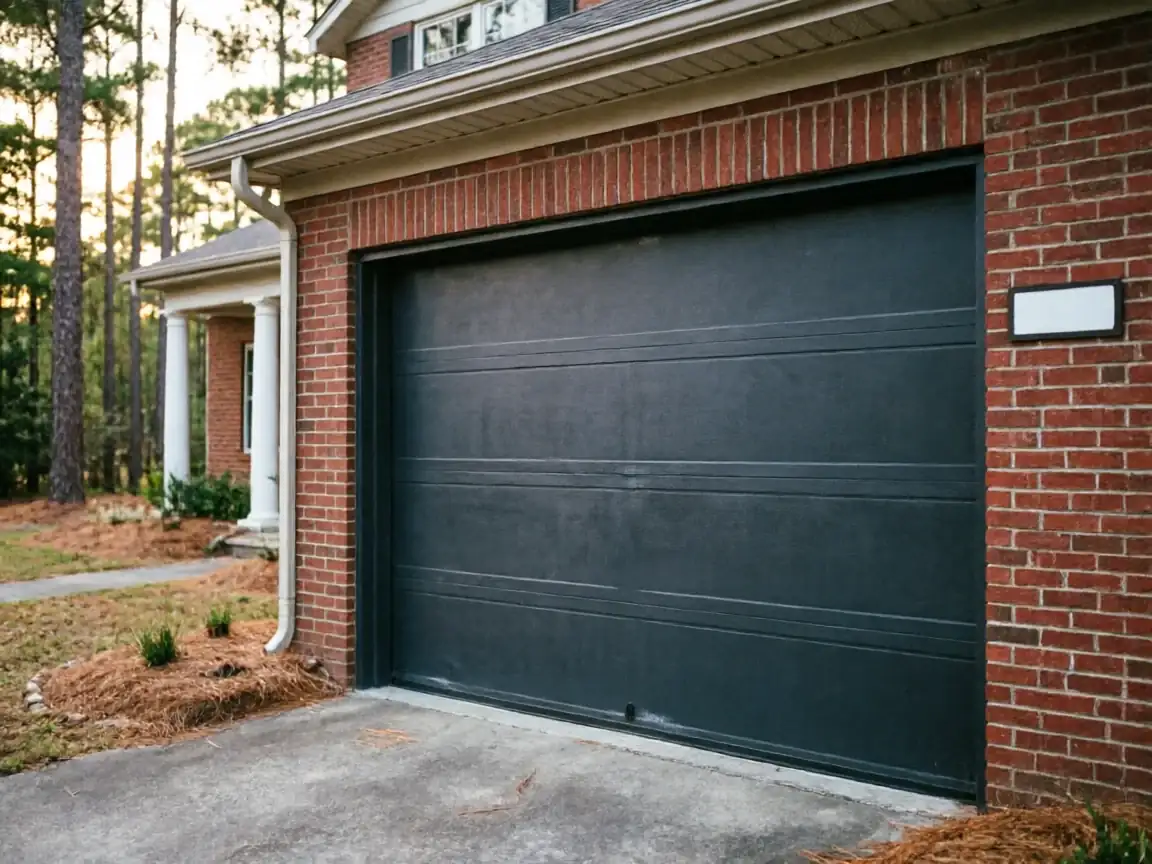
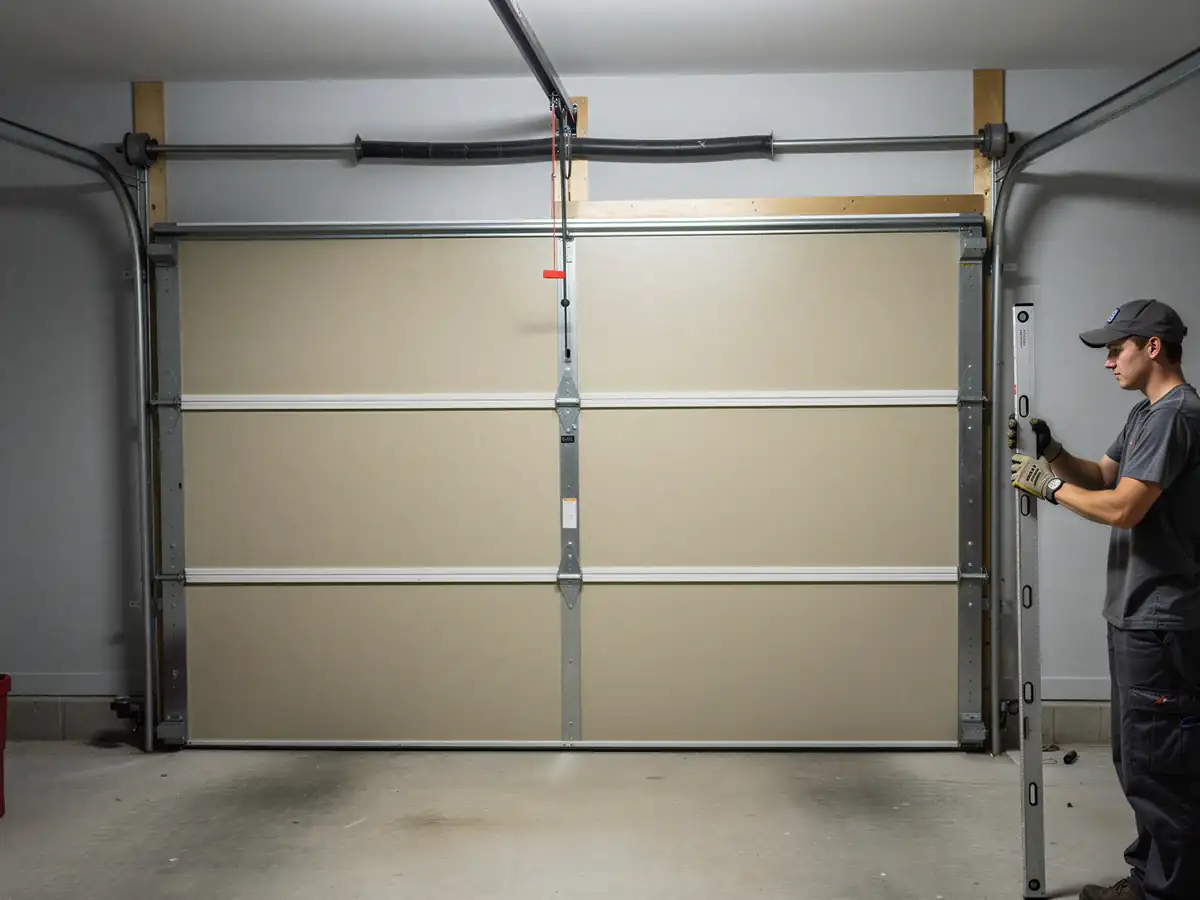
The service area sits in a cold-moderate climate band, and for a door installed around 1969 that means decades of winter contraction and summer swelling on hardware that was never built with today's lubricants or seals. The failure pattern we see on these older China Grove doors is springs that have simply outlived their cycle count and tracks that have slowly racked out of square from years of a house settling. It's not a dramatic break most of the time - it's a door that's gotten heavier to lift by hand, a slower close, a spring that finally lets go on an ordinary Tuesday. Newer stock elsewhere in the service area, built through the 80s and 90s, doesn't show this pattern nearly as often because the hardware simply hasn't had as many years to work loose.
How It Shows Up
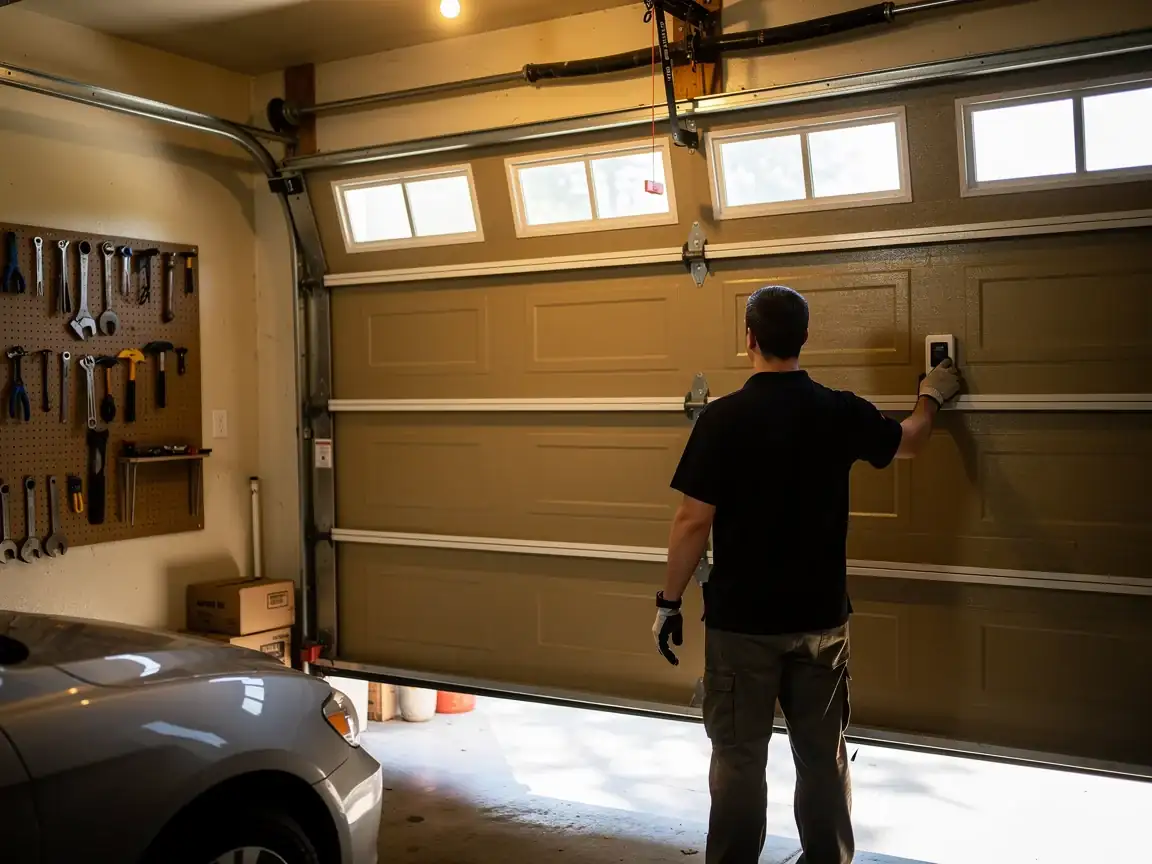
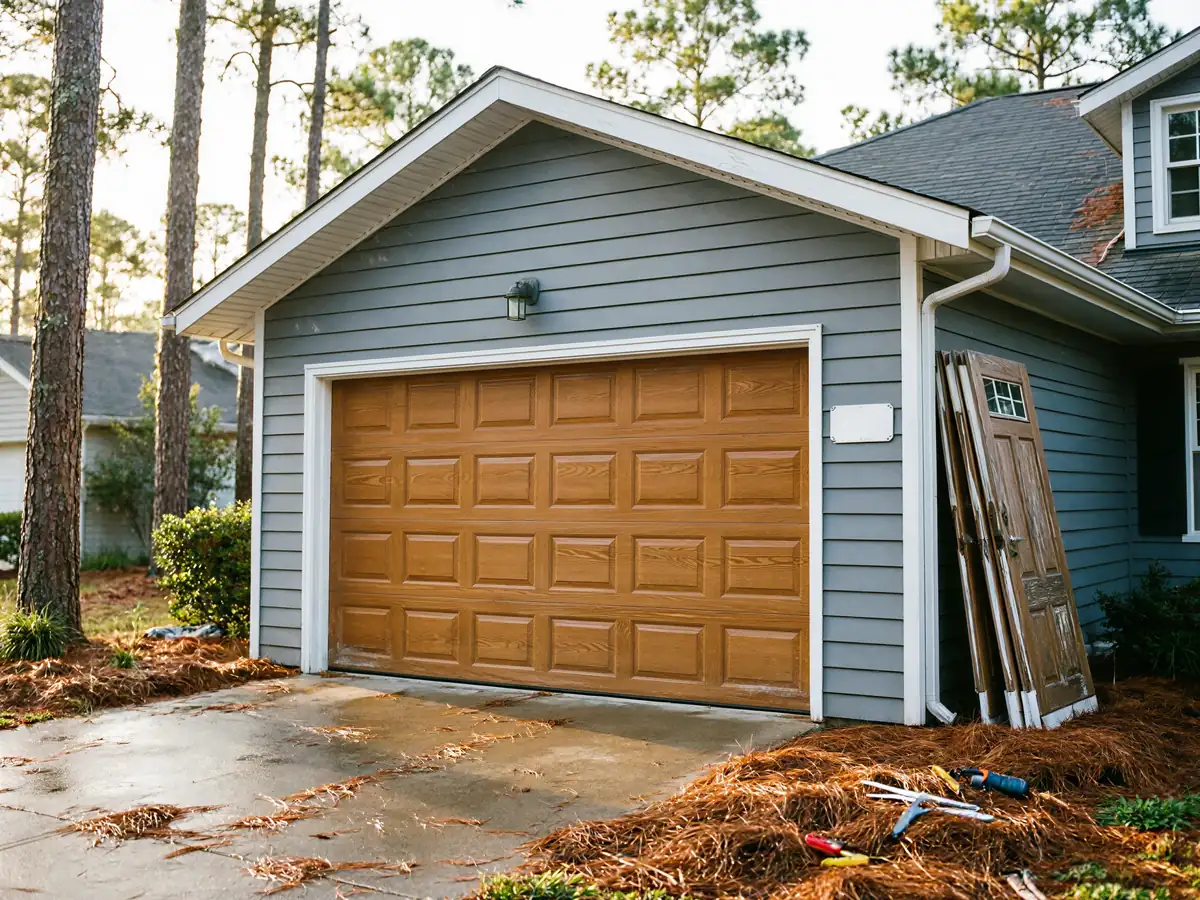
On a door installed around 1969, the first sign is almost always noise - a grinding or popping on the way up that wasn't there a month ago - followed by the door feeling heavier than it should when you lift it by hand with the opener disconnected. Sometimes it's a cable that's frayed at the bottom bracket, which on a door this old is usually original cable that's simply worn through. We also see doors that close unevenly, dropping faster on one side, which points to a spring that's lost tension while its twin is still holding. None of these need to turn into an emergency if you call when you notice them, rather than after the door comes off its track.