Parts We Carry
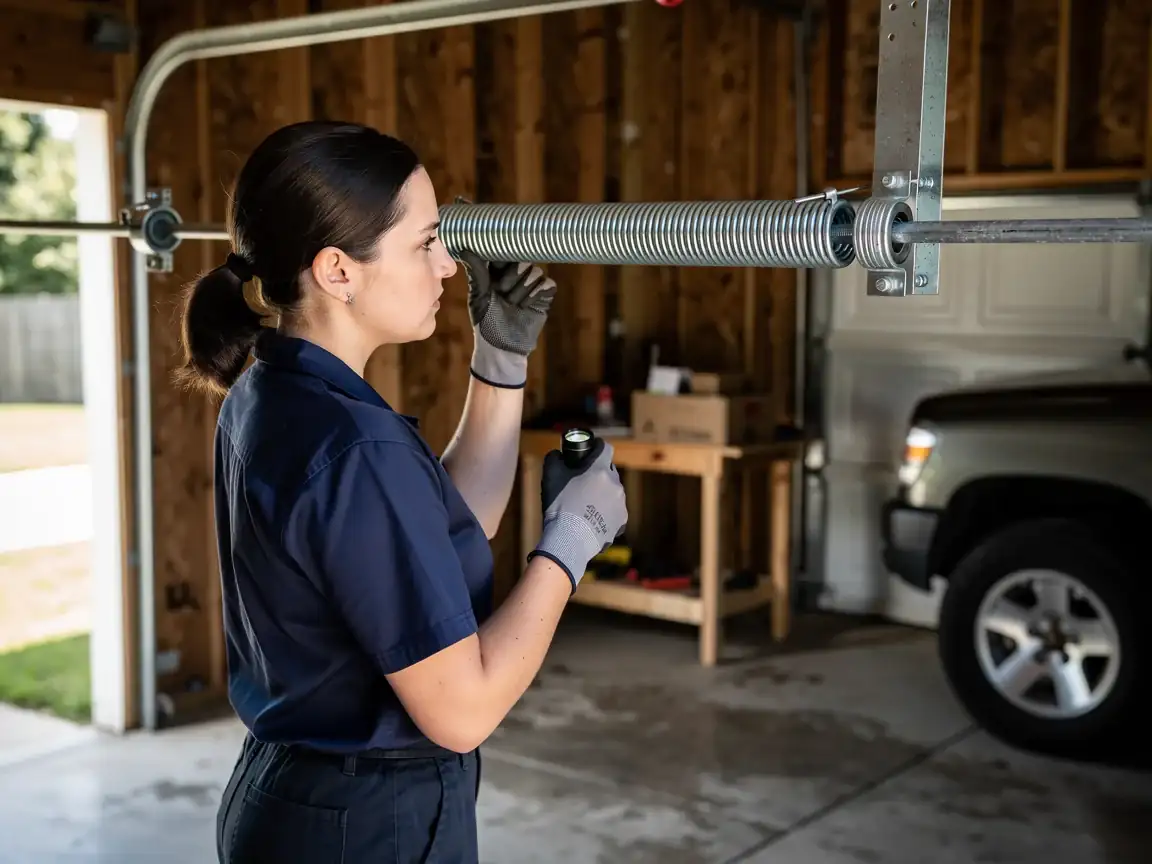
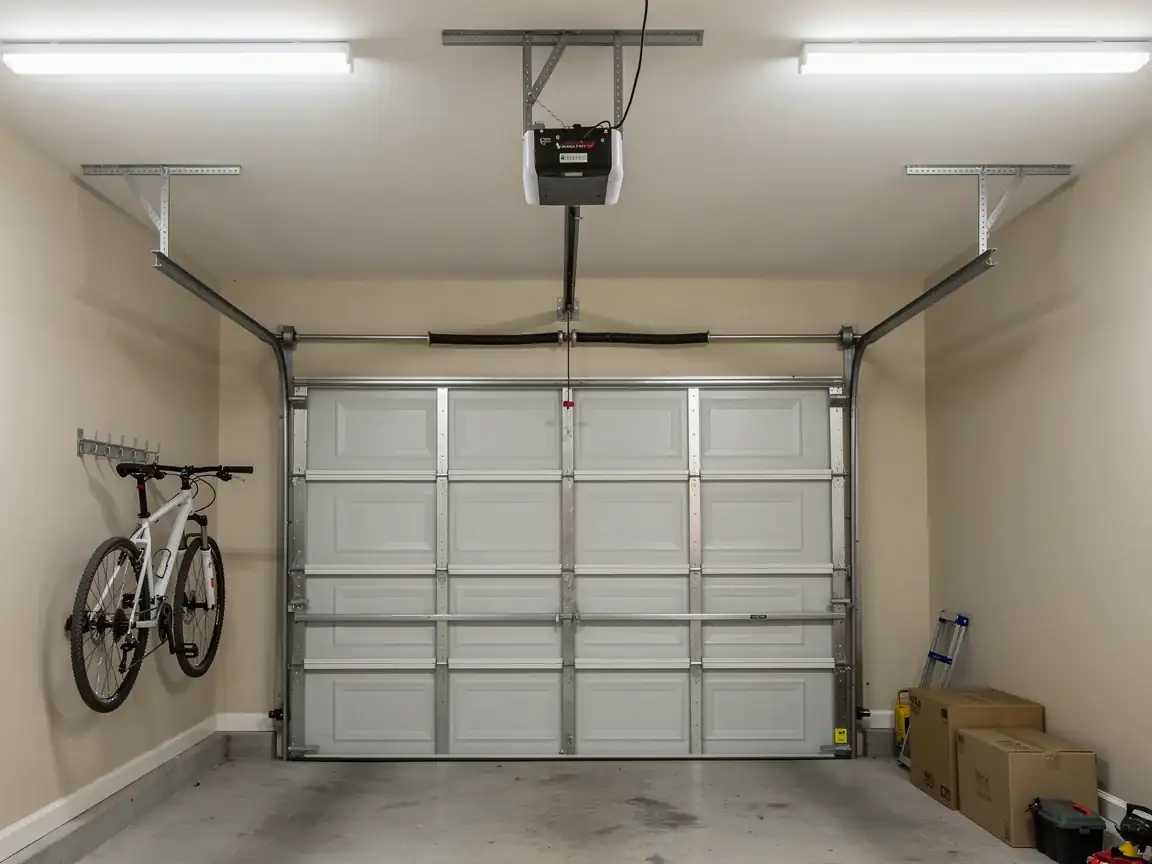
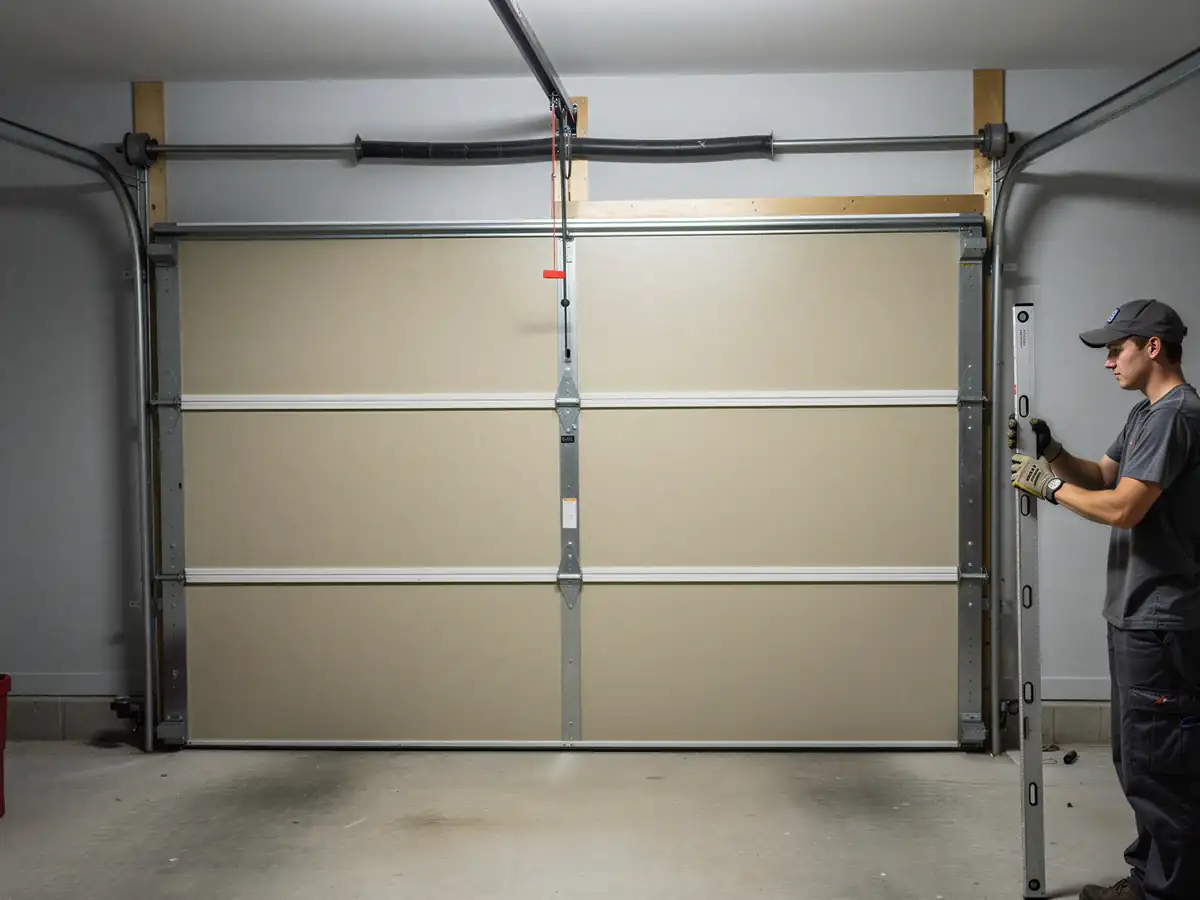
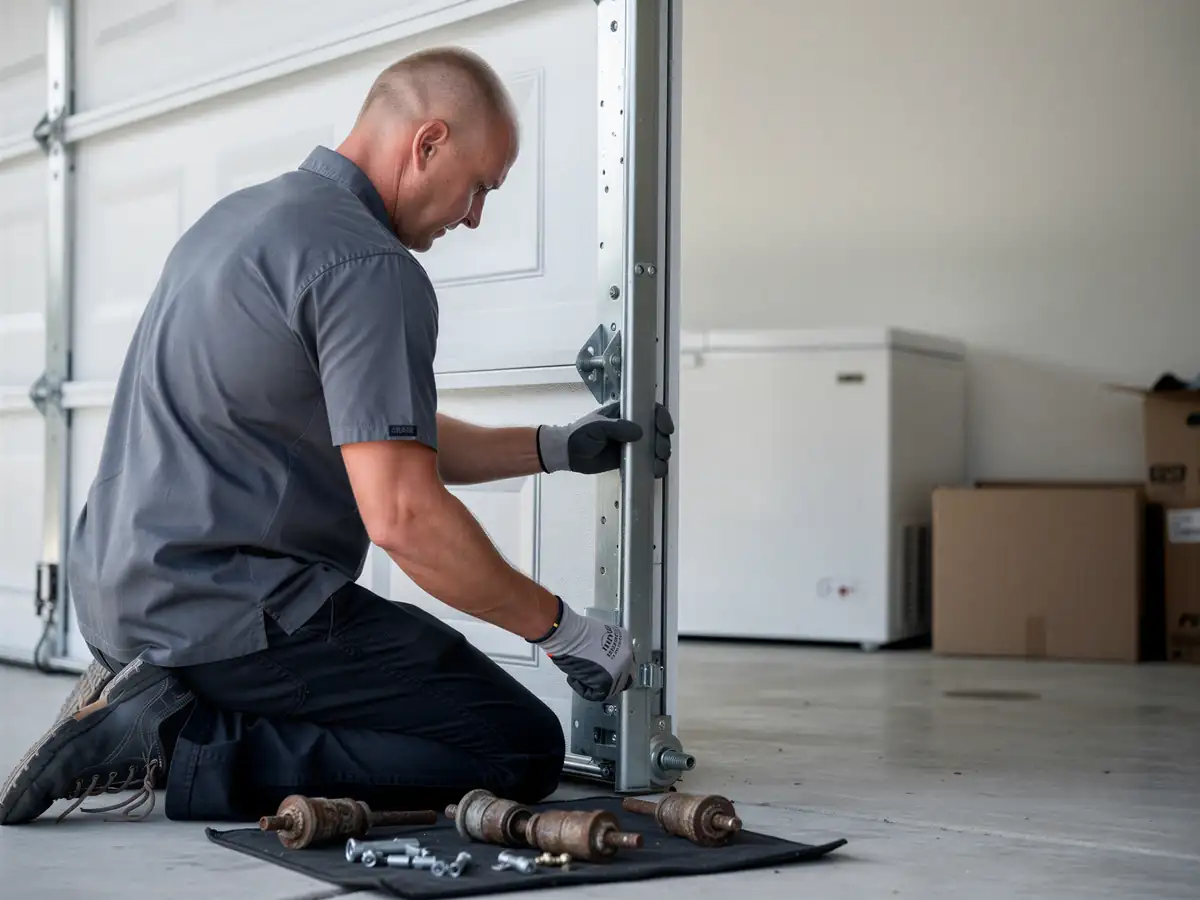
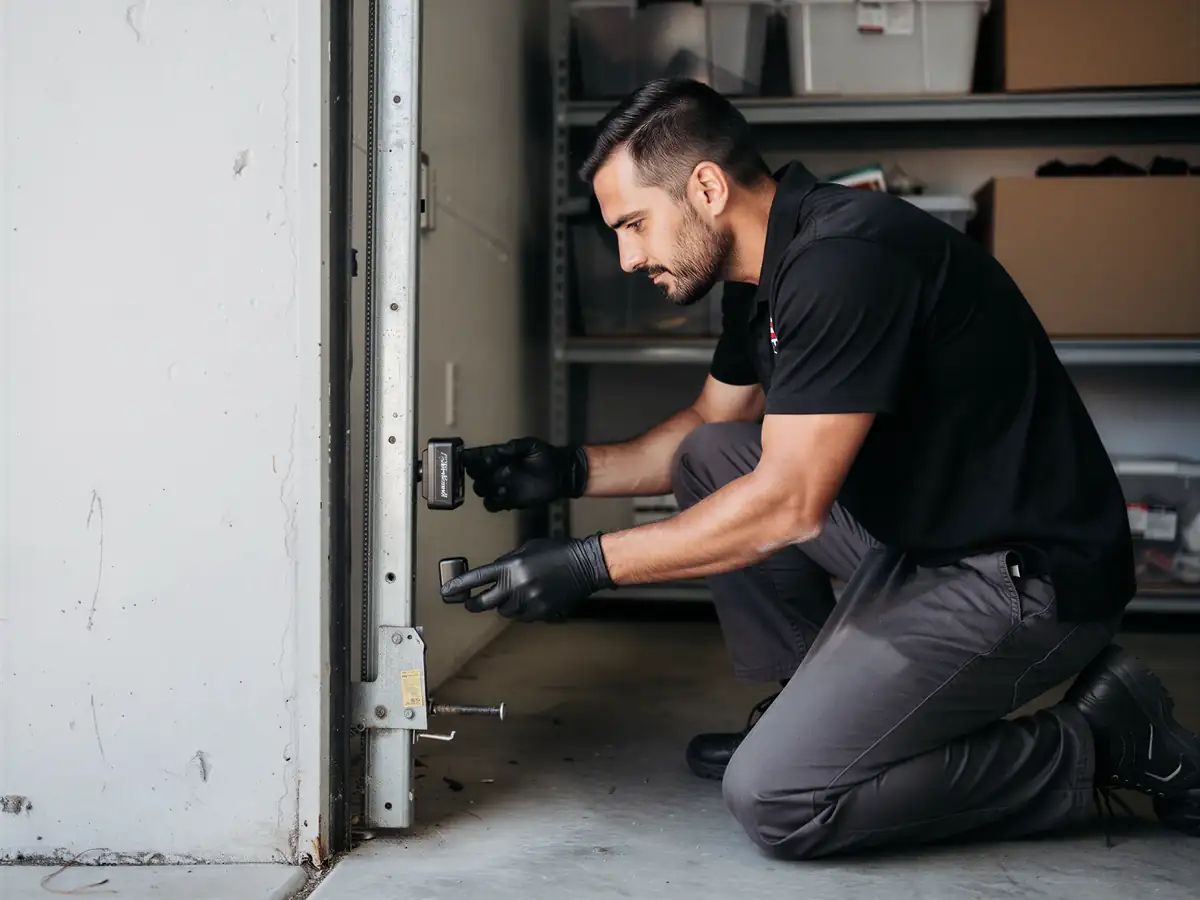
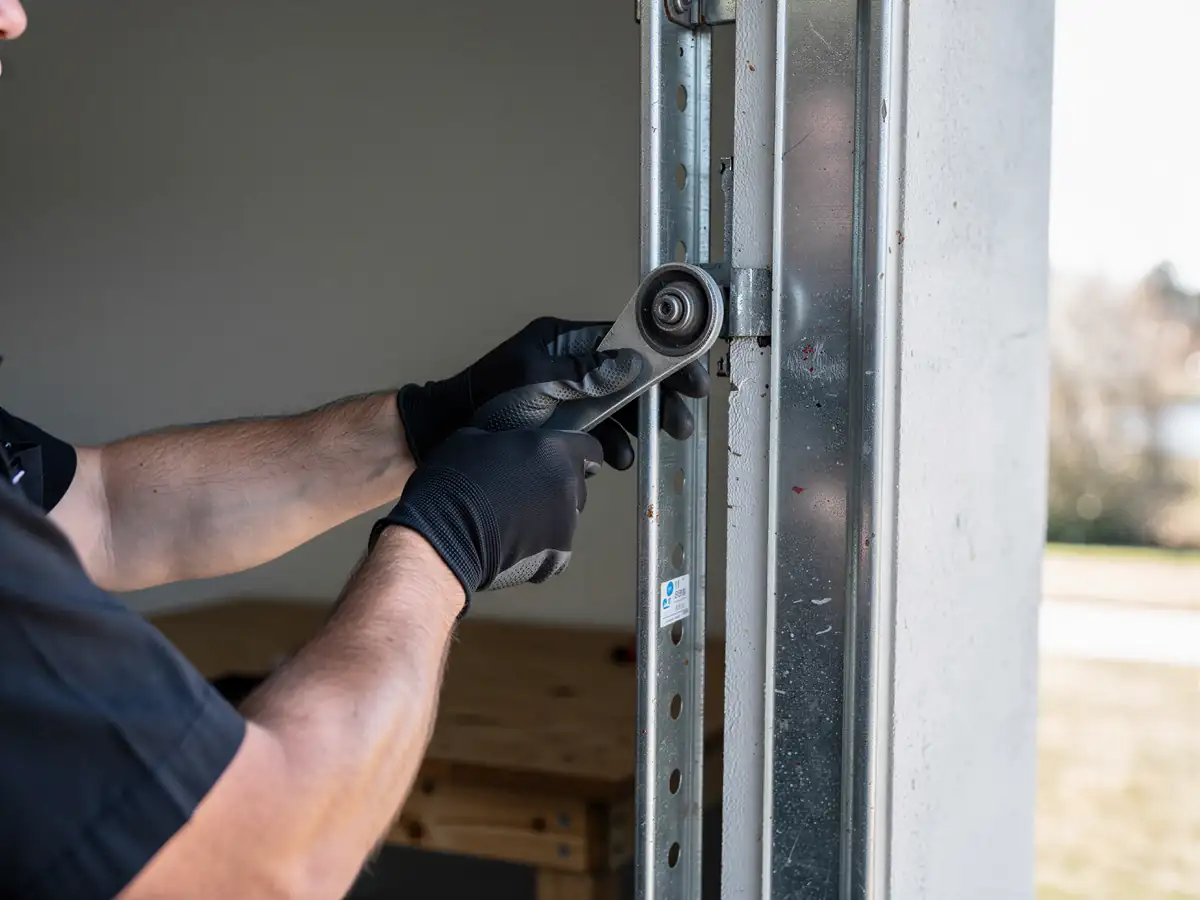
The track and roller sizes common on China Grove's 1969-era garages aren't always what a newer door uses, so the truck carries both narrow-channel track sections and the wider stock that newer builds across the rest of the service area need. That means galvanized track in the shorter vertical runs these older single-bay and narrow-double openings call for, steel and nylon rollers in the smaller stem sizes original to doors this age, replacement hinges where the galvanizing has worn through, and lift cables sized to the shorter door heights common in this housing stock. What we don't carry on the truck is a match for every custom or imported door - if a previous owner put in something unusual, that part may need to be special-ordered, which adds time to the job. We'll tell you up front if that's the case rather than guess at a fix with the wrong hardware.
Why This Fails Locally
A door built around 1969 has had over fifty winters to work on its hardware, and this area sits in a cold-moderate climate band where steel track contracts and expands with the seasons every single year. On a newer door that cycling barely registers. On track that's been bolted to a frame this old, the mounting holes have usually worked loose at least once, and a loose bracket is what lets a track bow outward just enough for a roller to jump the rail. China Grove's median household income, at $53,717, runs well under the $73,393 figure for the service area as a whole, and that gap tends to show up in deferred maintenance - a door that squeaks or sticks a little gets lived with longer before anyone calls, and a neglected roller or a dry hinge is what eventually throws a door off its track instead of just making noise. With only 1,993 households here, compared with 32,664 across the full coverage area, this isn't a high-volume stretch for us, but the failure pattern is consistent enough that we know what we're looking at before we open the door.
How It Shows Up
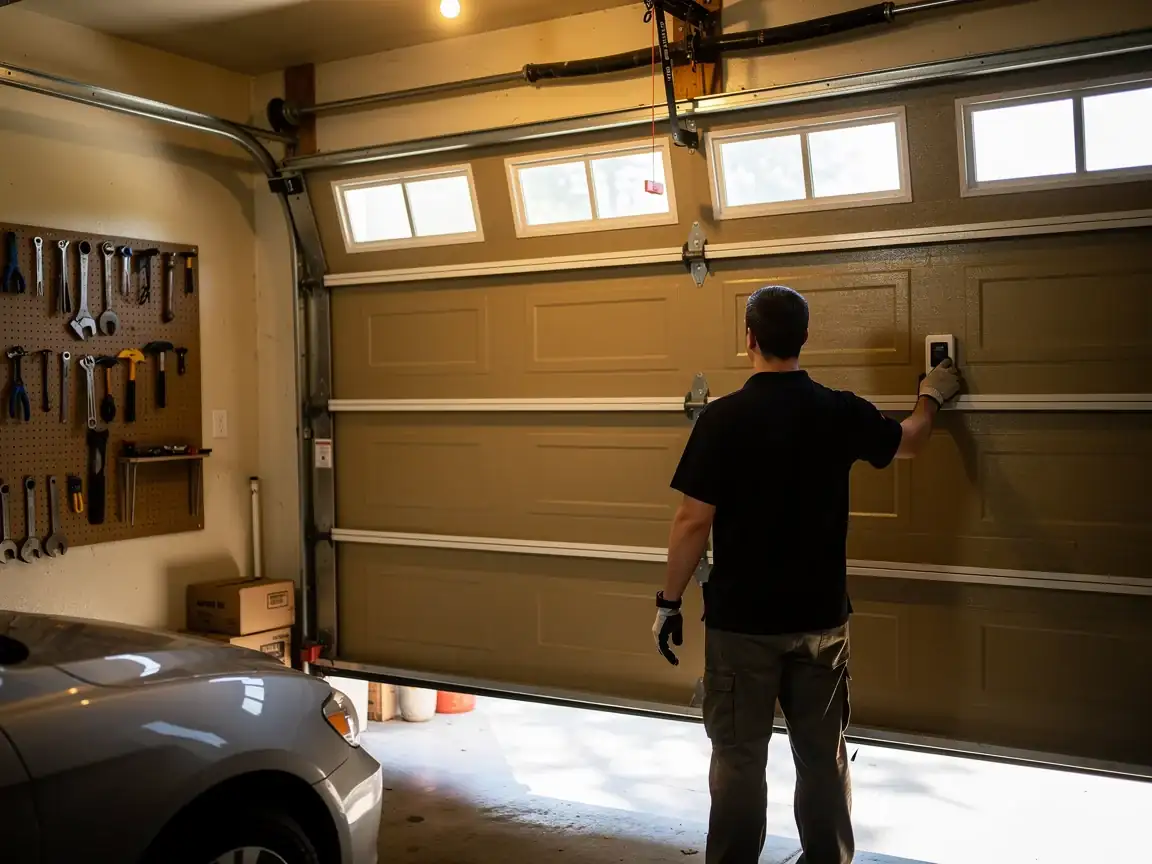
The most common sign is a door that won't sit flush when it's down - one bottom corner sits higher than the other, or there's a visible gap along one side of the frame. Sometimes it's noisier than that: a grinding or popping sound partway through the cycle, right as a roller catches the edge of a bent section of track. On the older, lighter doors common here, you might also see the door running diagonally instead of flat, climbing on one side faster than the other as it opens. If the opener is still trying to run the door while it's off track, you'll often hear the motor straining or see the chain or belt skip - that's the opener fighting a door that physically can't travel straight anymore, and running it longer in that state usually bends the track further or strips the opener's gears.