How We Fix It
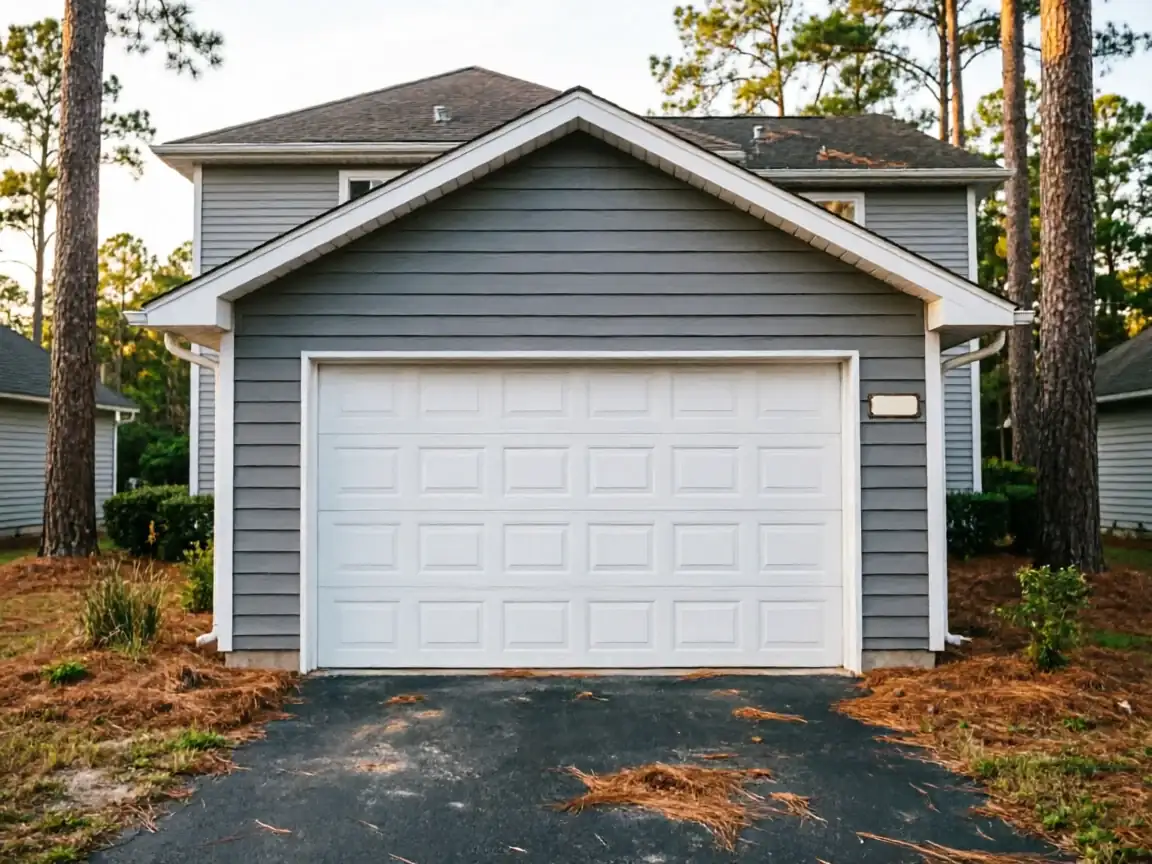
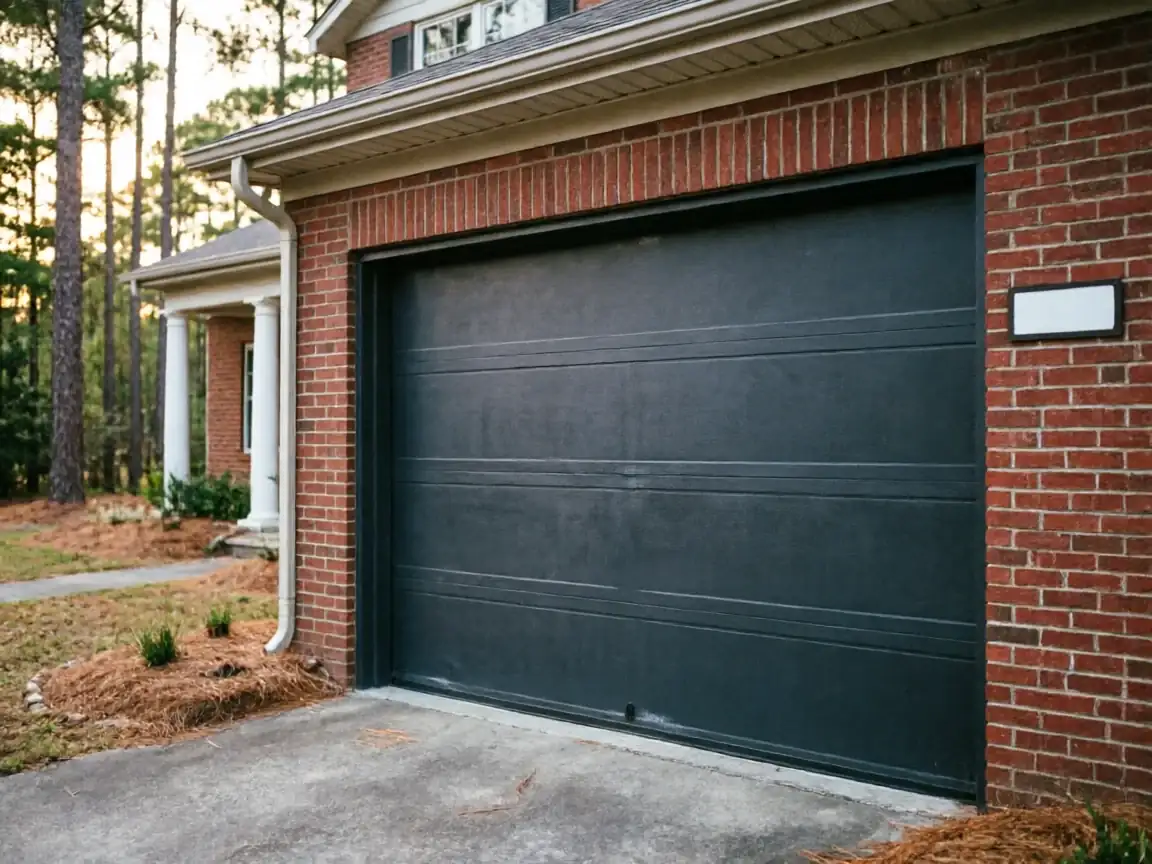
Most houses in China Grove went up around 1969, more than two decades before the regional median build year of 1996
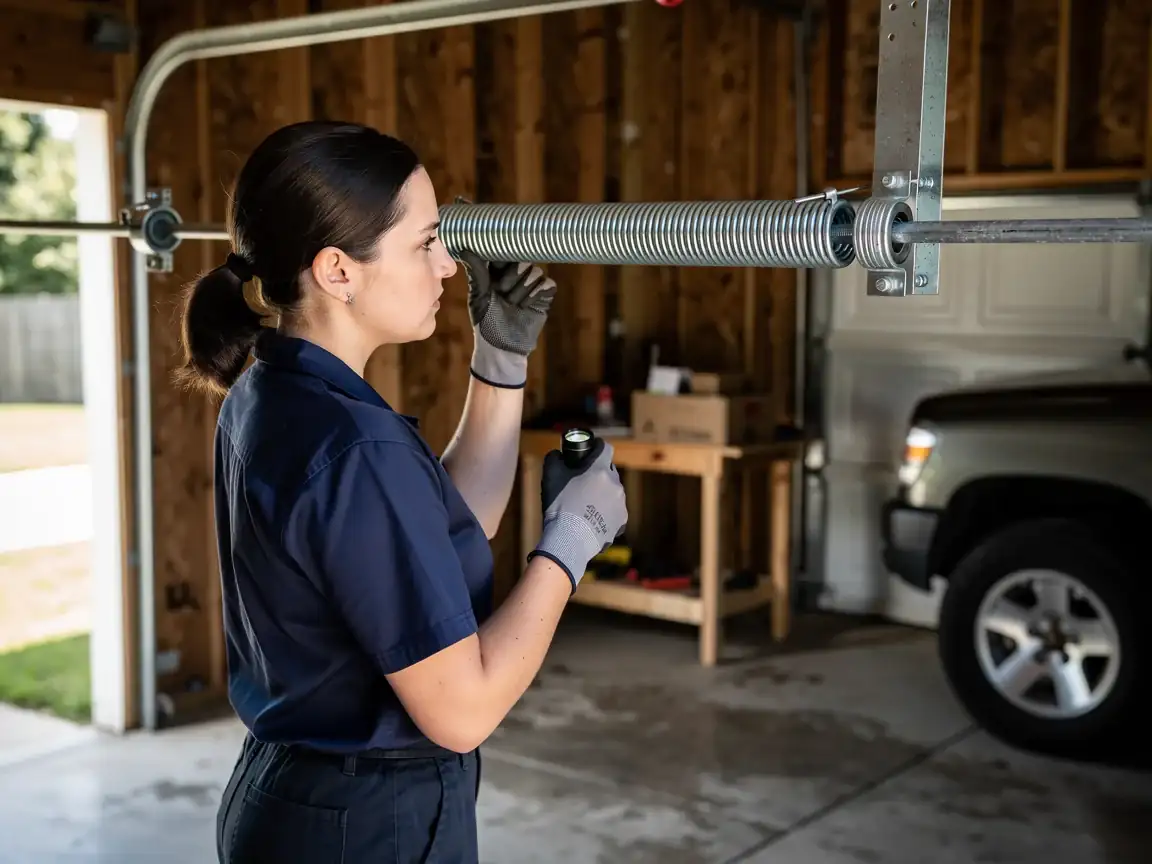
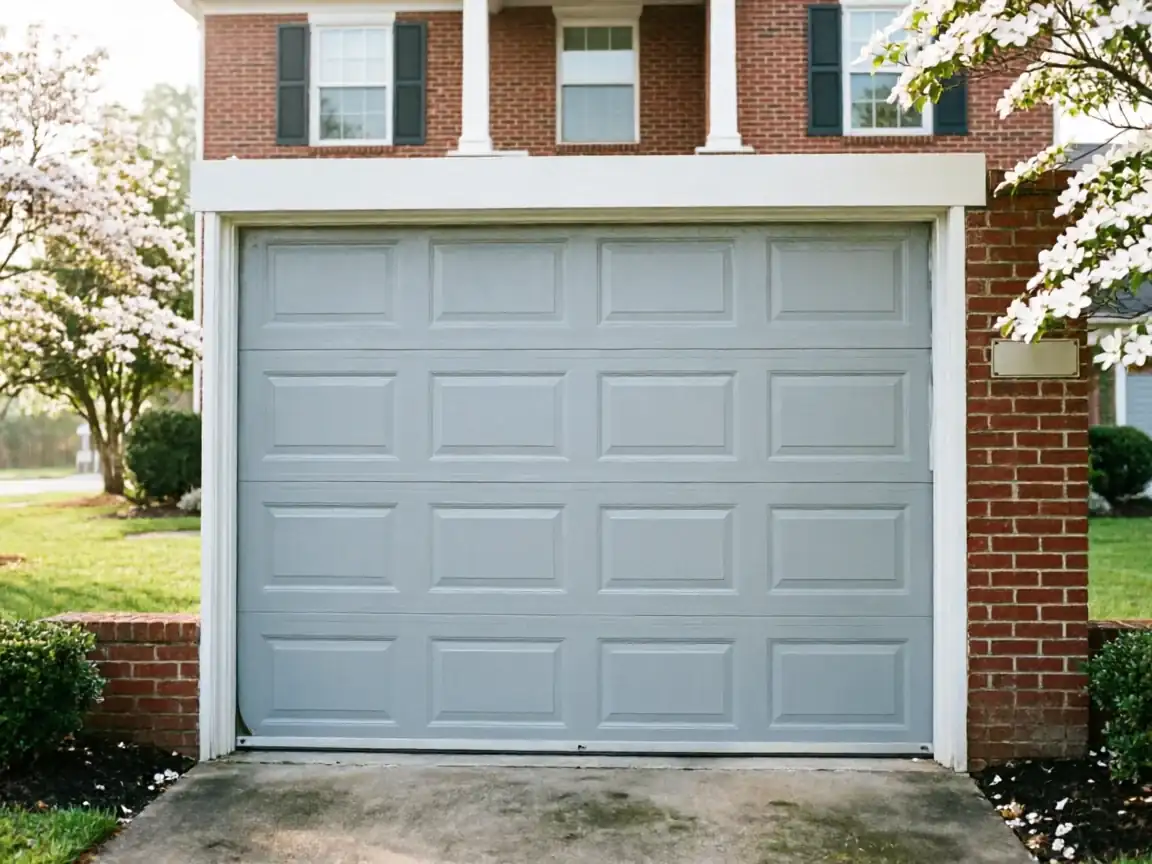
So the hardware under those garage doors is older than what you'd find in the newer sections of the service area. That means original openings sized for steel doors that have long since warped, extension spring setups with no containment cable, and track bent from decades of a door riding slightly out of plumb.
We don't patch that kind of setup and call it done
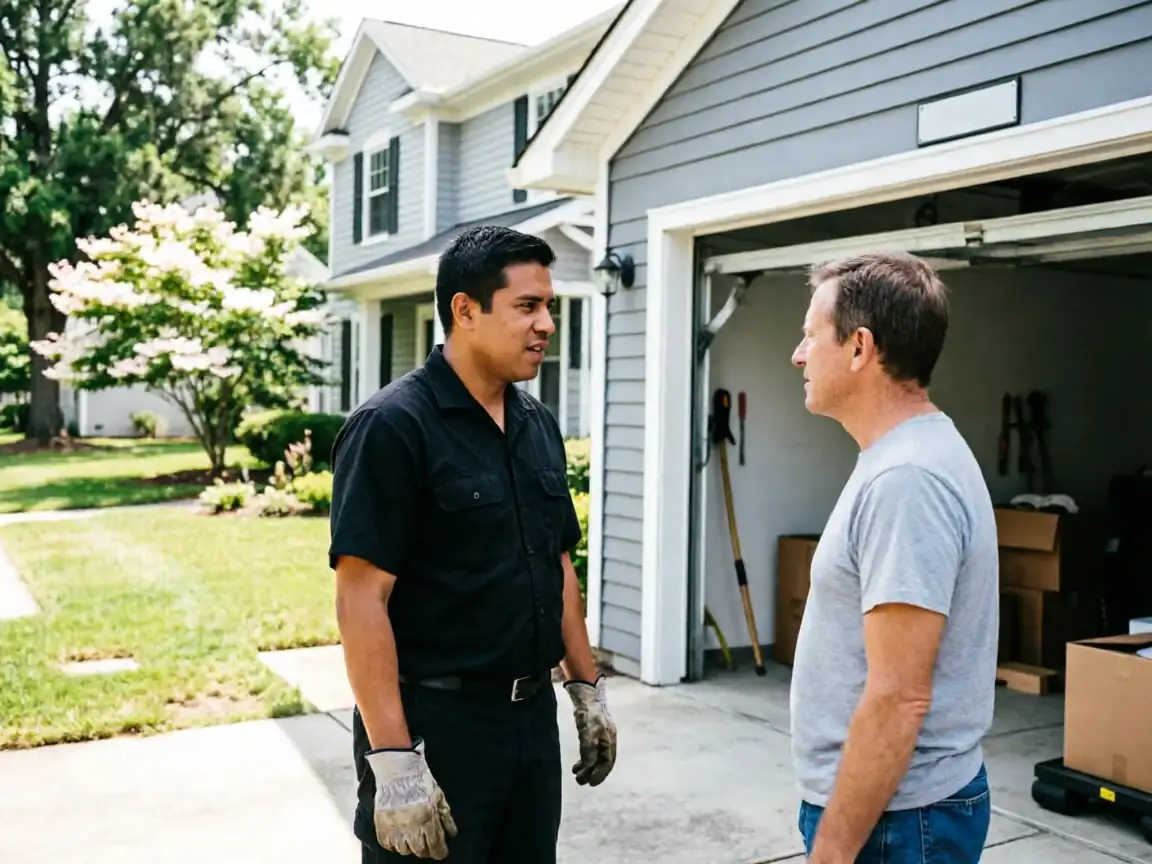
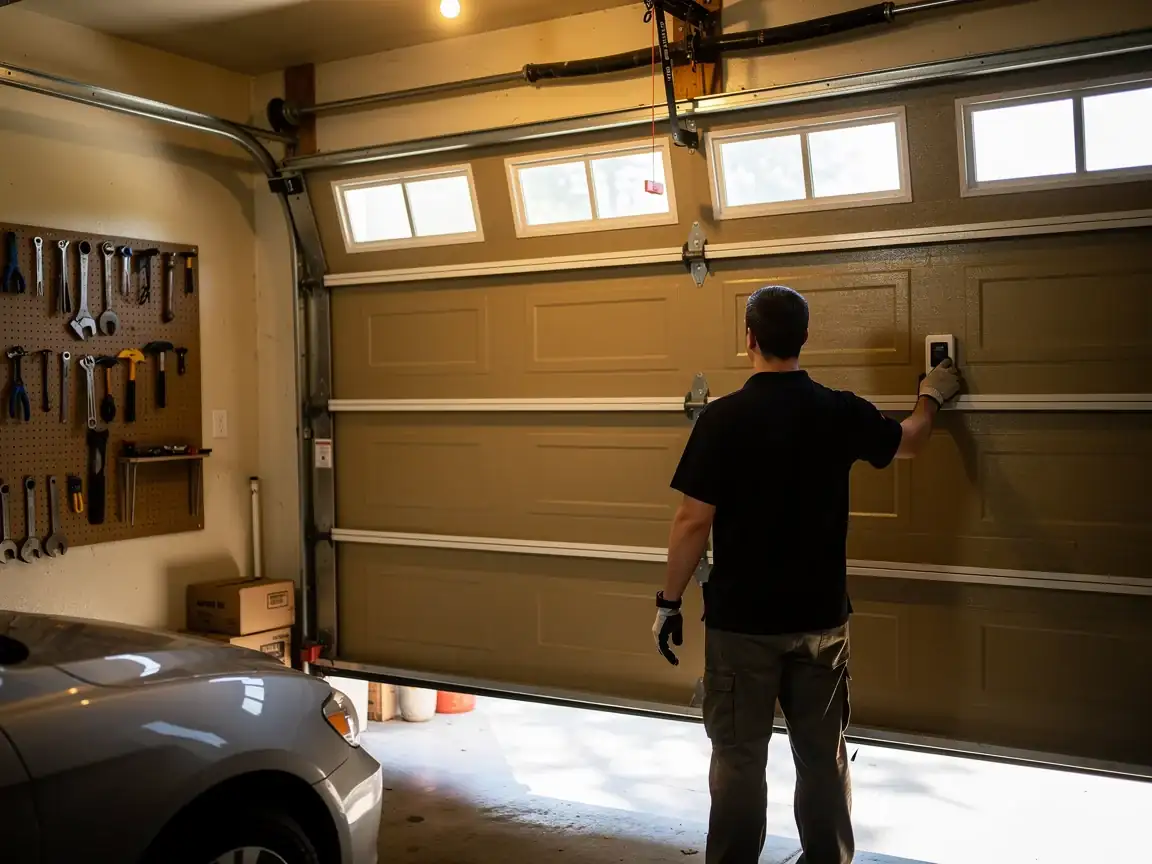
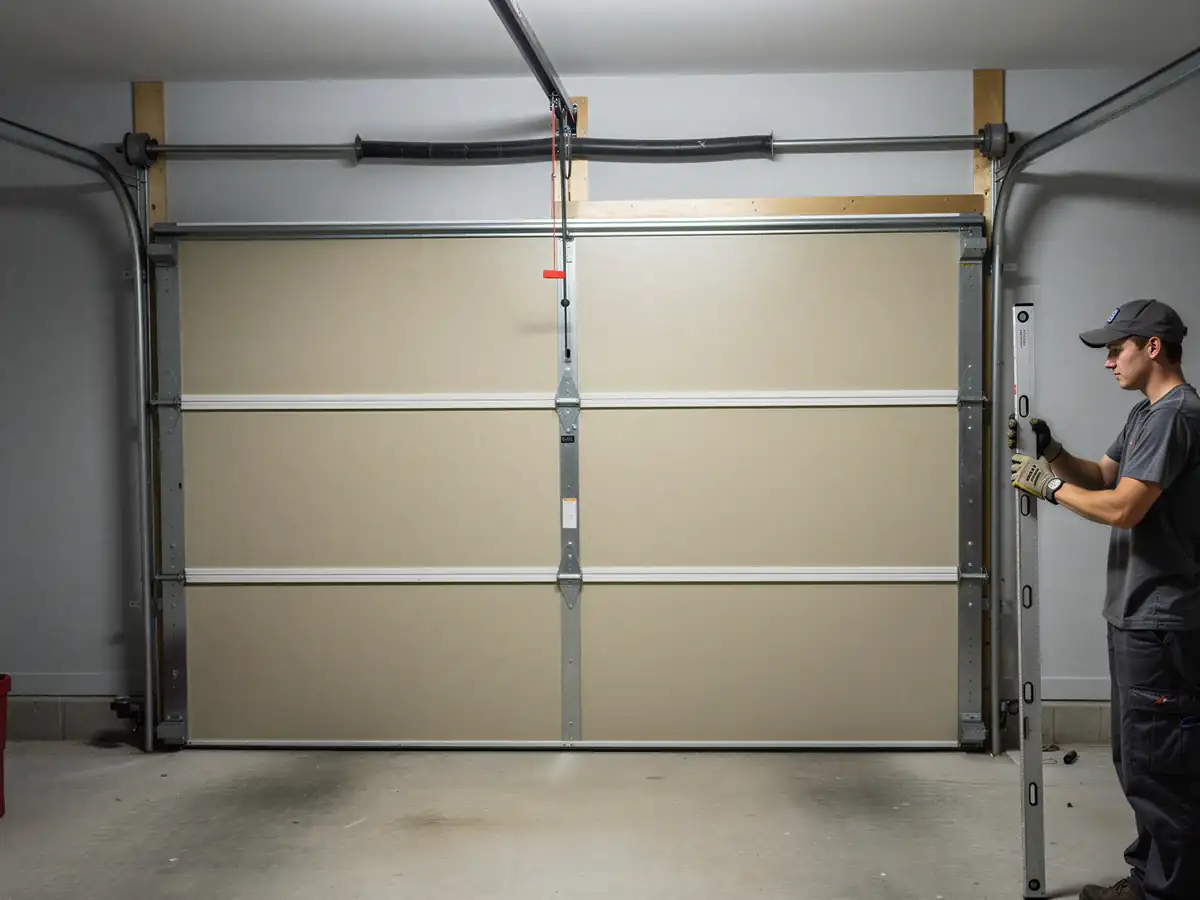
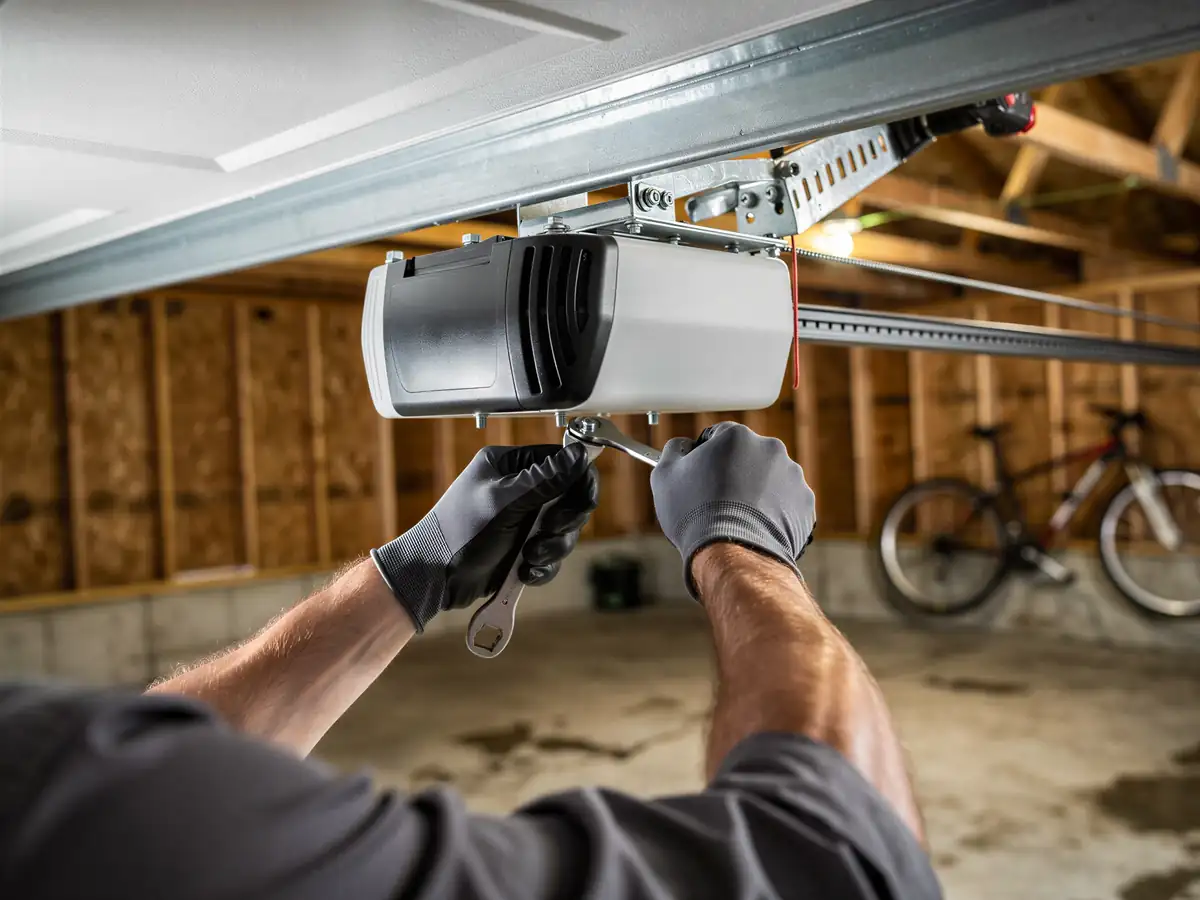
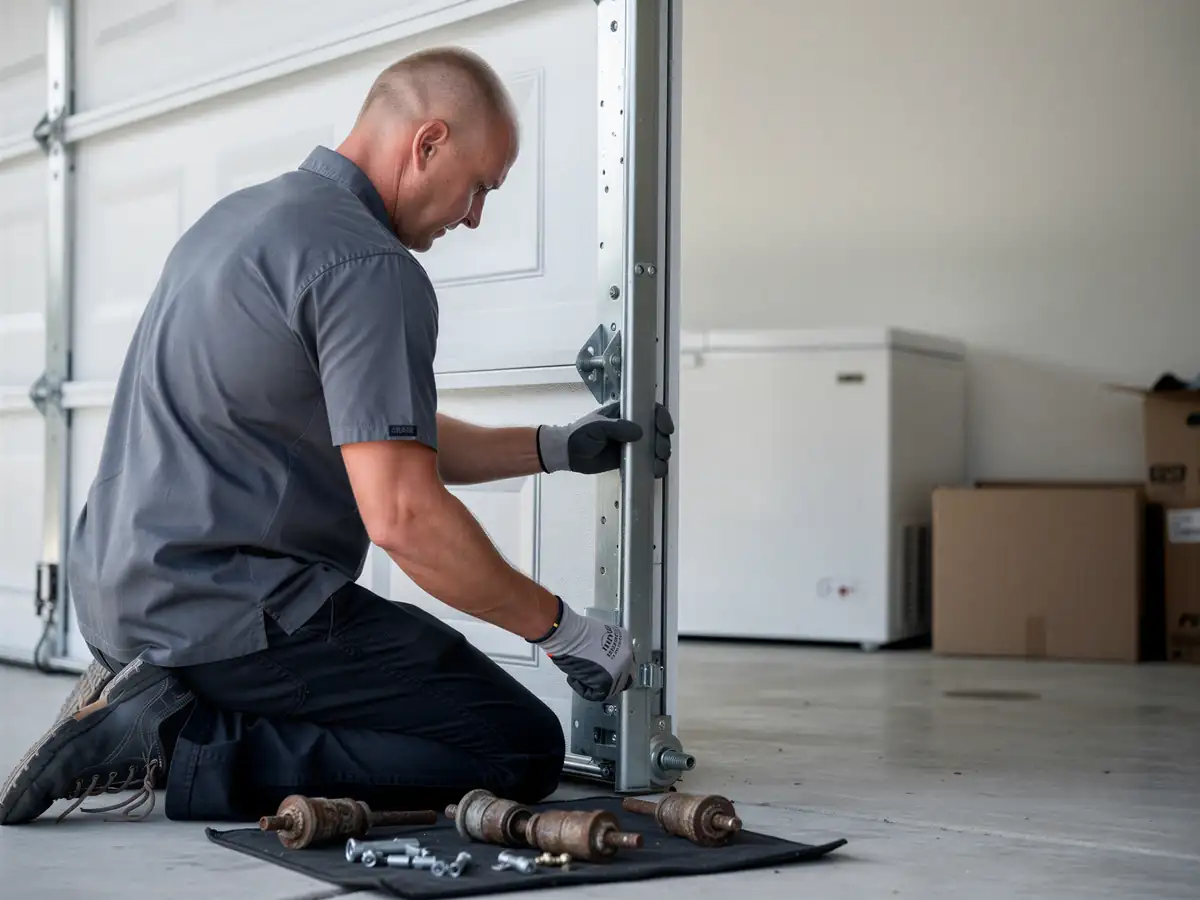
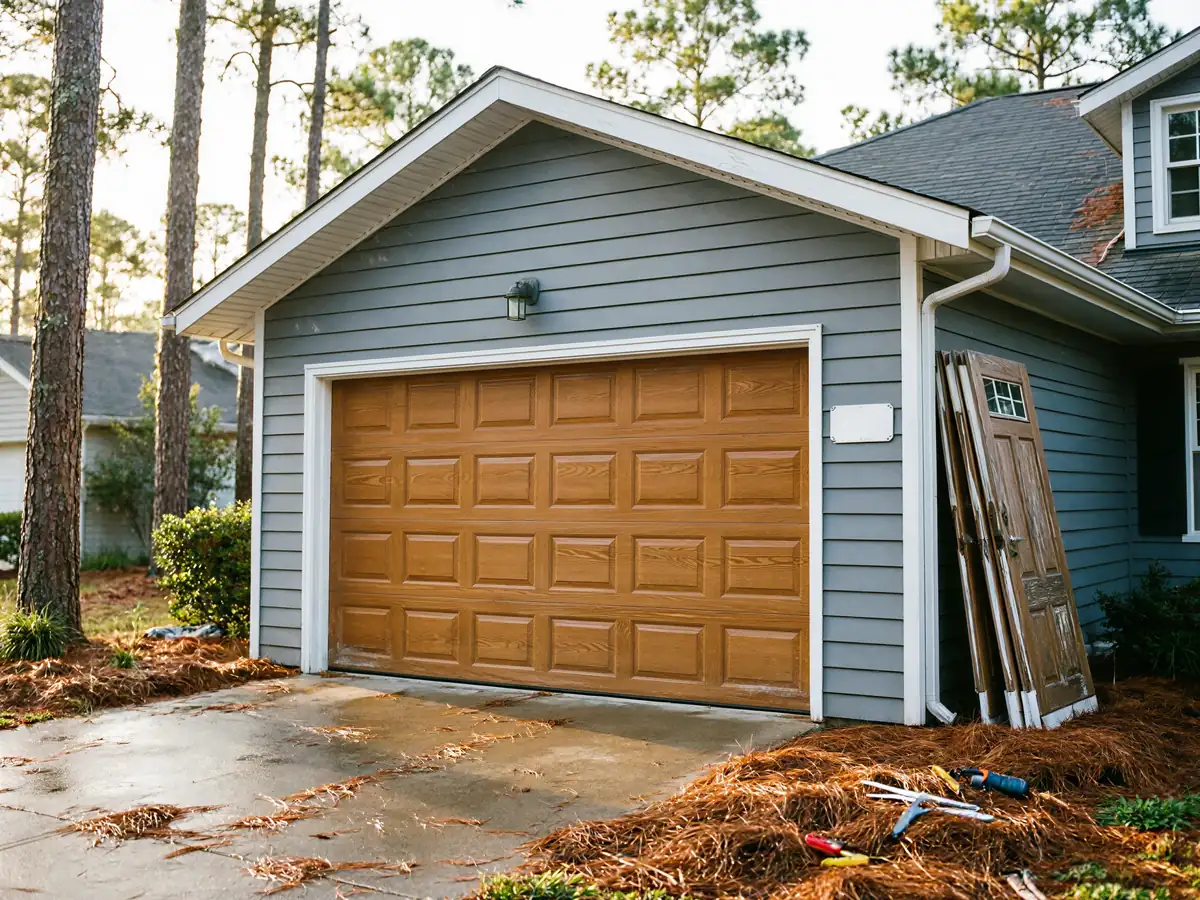
We pull the old door and track as a unit, check the opening for square, and install a door sized and hung for what's actually there now, not what the builder assumed in 1969. At 14 miles out from our Mooresville base, this is one of the farther stops on our route, so we schedule the full install in one trip rather than coming back twice for adjustments. If the framing itself has shifted enough that it needs carpentry work, that's outside what we do on an install day, and we'll say so before we start rather than after.
- 14 miles
Parts We Carry
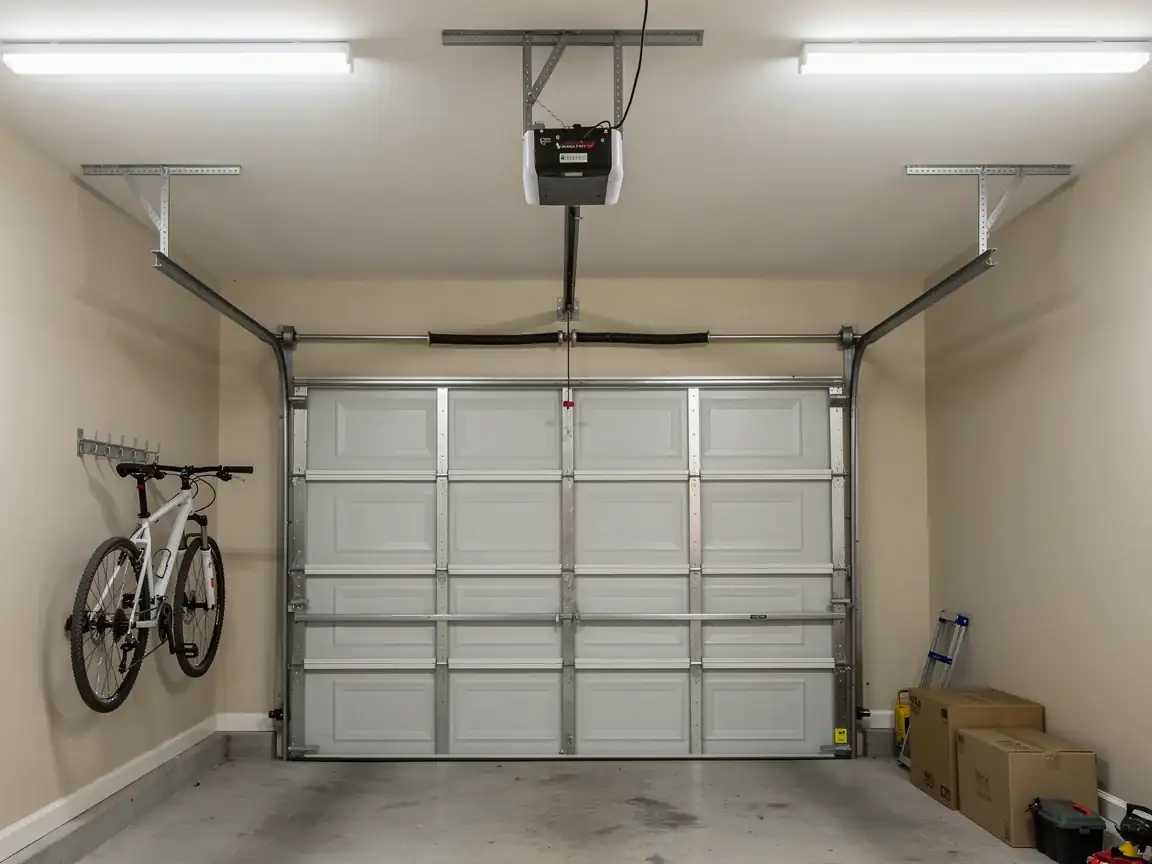
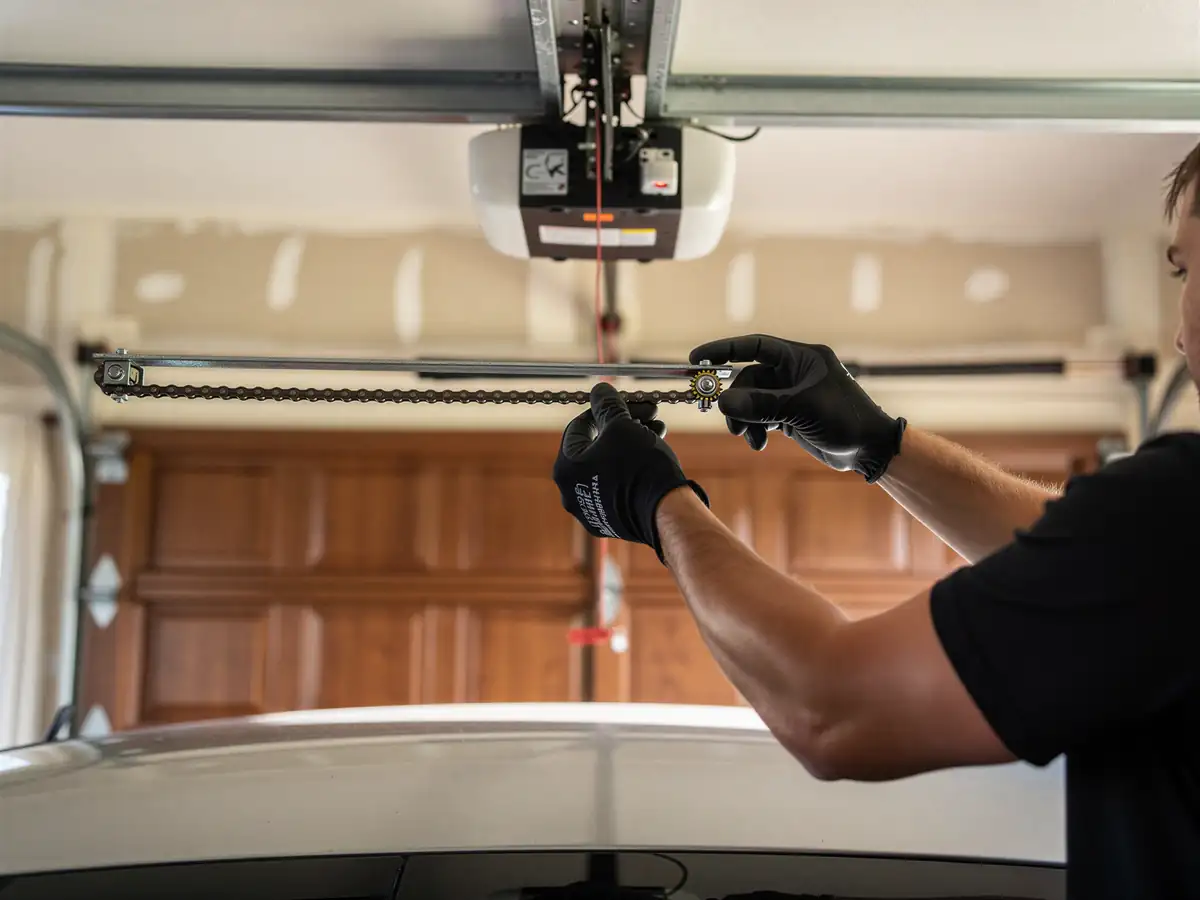
For homes from this build era we carry steel and insulated steel doors sized to fit openings that were never updated to modern rough-opening standards, along with torsion spring kits rated for the heavier double-door spans common in houses from the 1960s and 70s. Rollers and hinges get swapped as a set, not piecemeal, since mixing new rollers with a 50-year-old track just transfers the wear somewhere else.
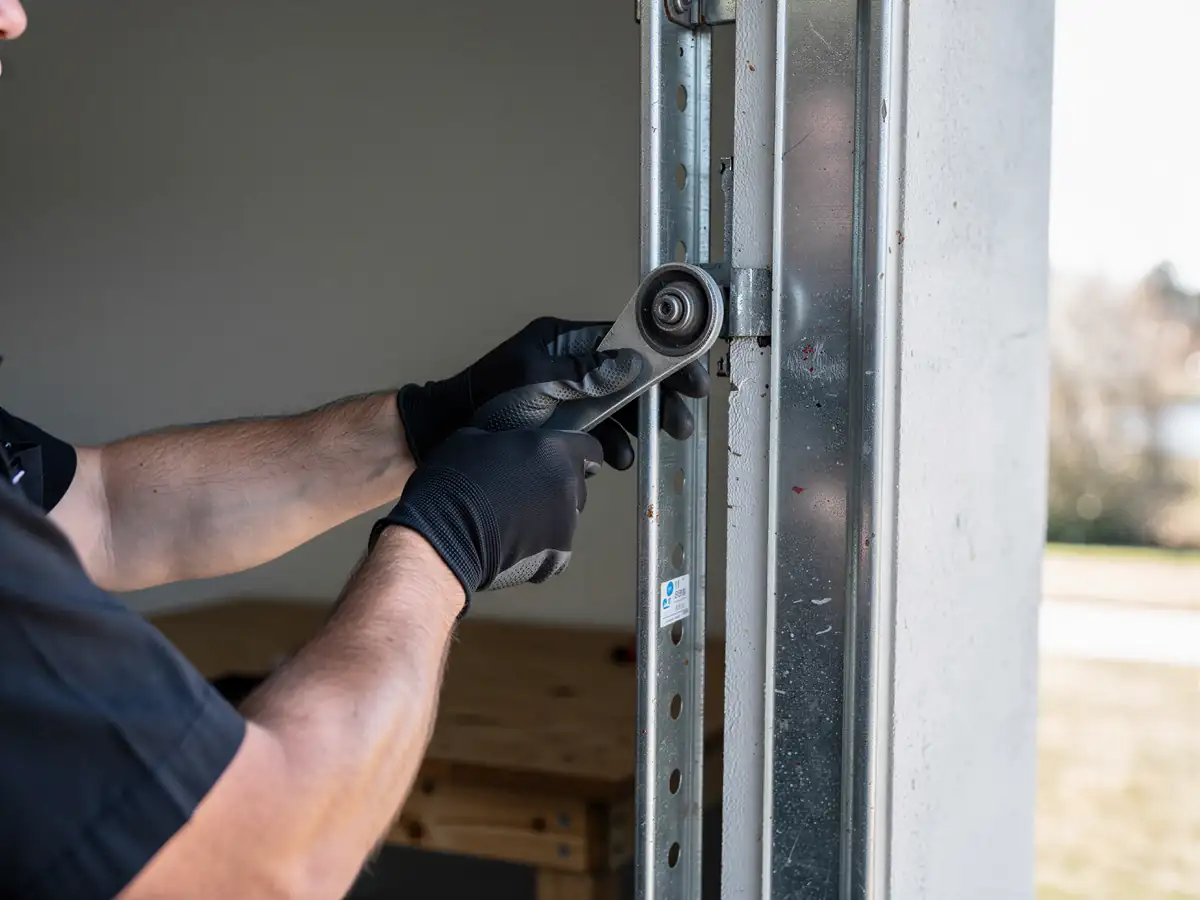
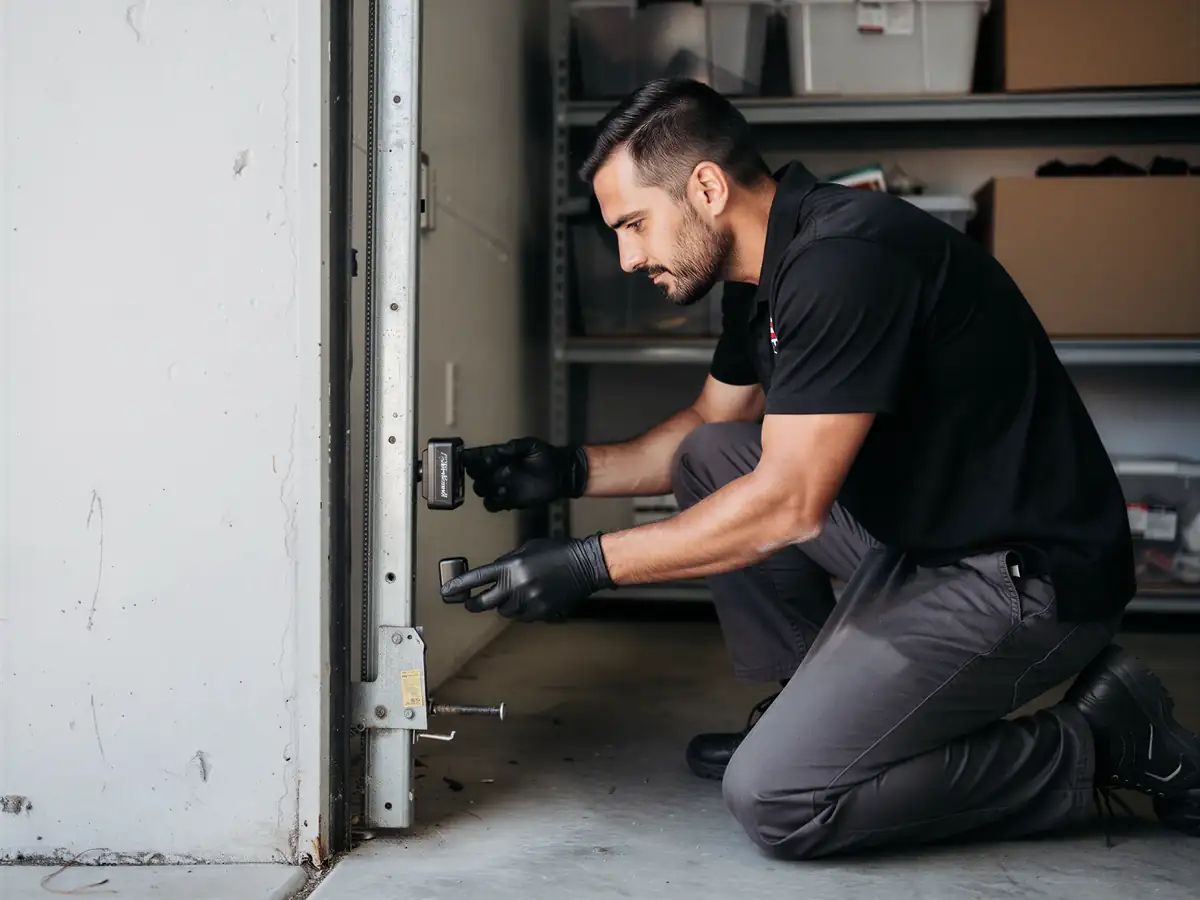
We also stock the mounting hardware for jamb brackets that have rusted or pulled loose, which shows up more in China Grove than in newer construction because the original lag bolts were never rated for the spring tension a heavier replacement door puts on them. What we don't carry on the truck is custom millwork for a frame that's rotted past the point of a standard bracket fix. That's a separate call, and we'll tell you plainly if that's where your job is headed instead of pretending a door install will solve it.
Why This Fails Locally
Cold winters here mean uninsulated steel doors from the late 1960s and 1970s lose heat fast and the panels can warp when the temperature swings, which is a different failure pattern than you'd see on a door built to the insulation standards common after the 1990s. The steel used in that era is thinner gauge too, so dents from a stray basketball or a bumper tap don't pop back out the way they do on newer doors.
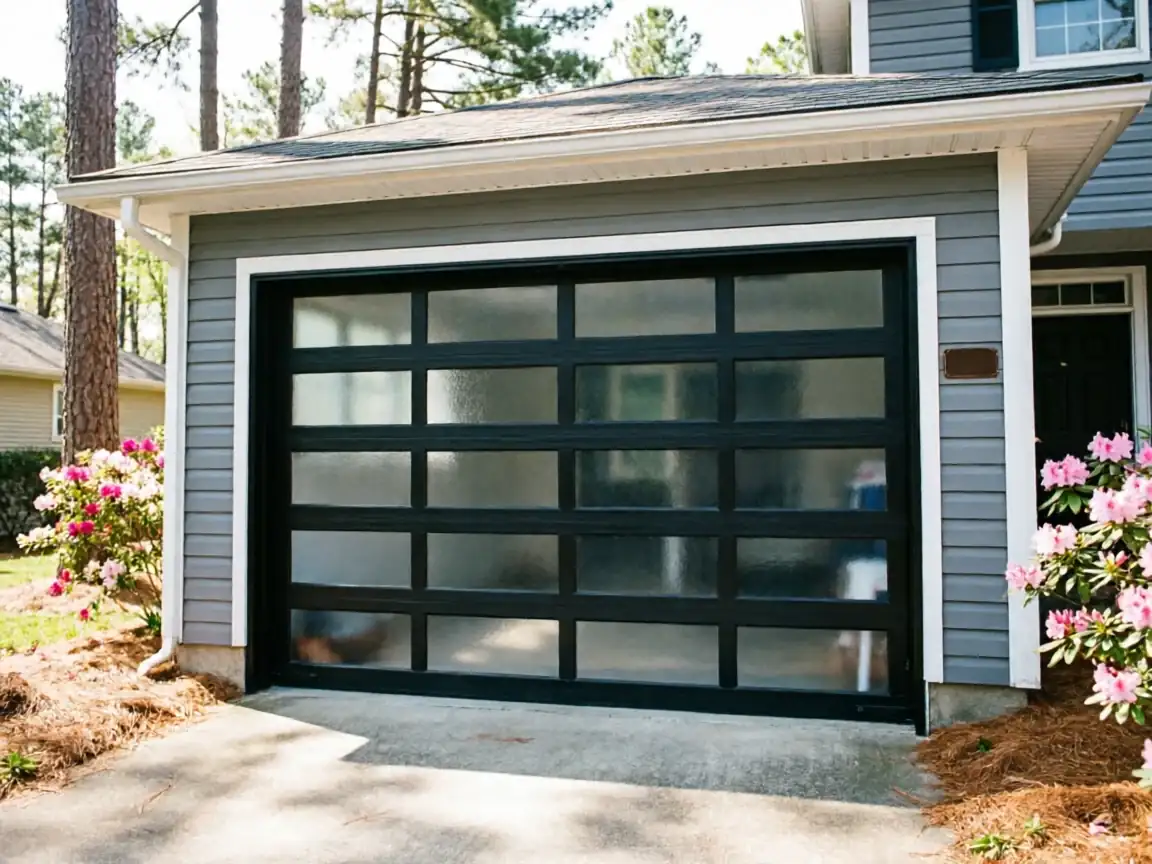
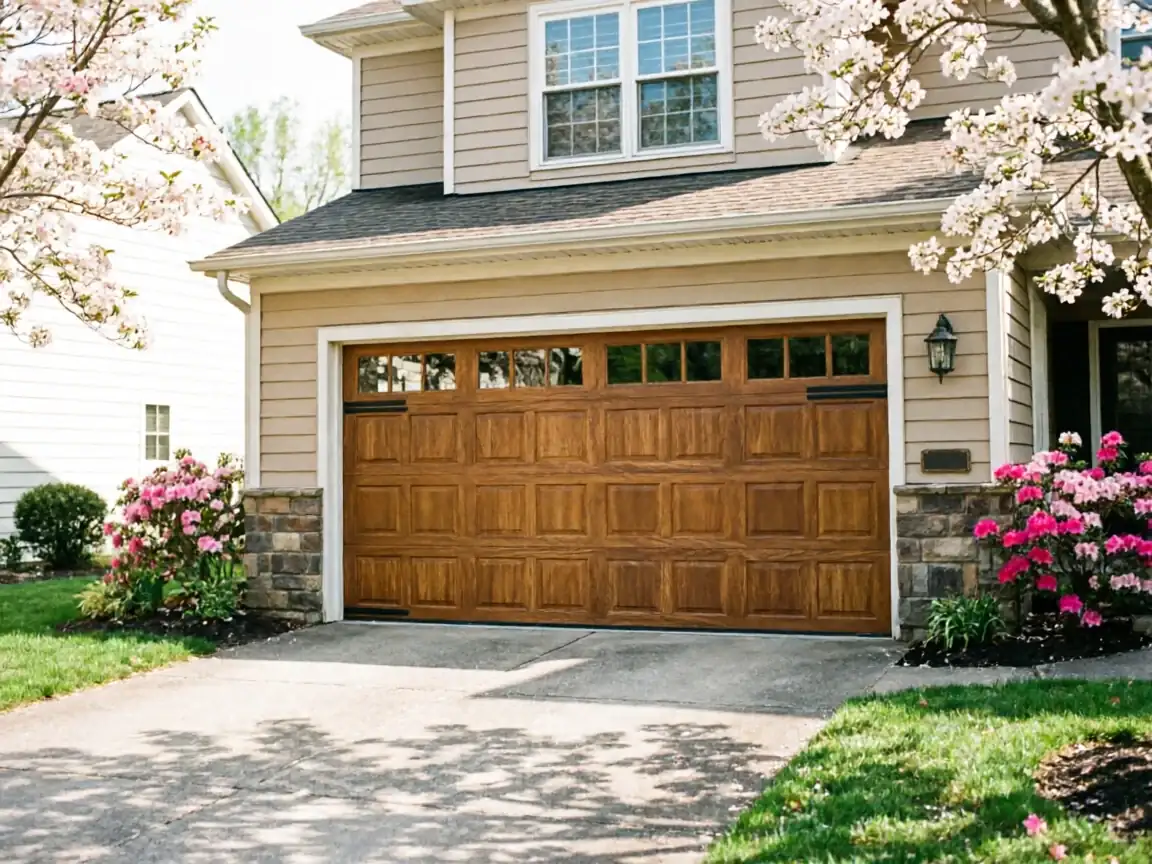
China Grove's median household income sits at $53,717, well under the $73,393 median for the wider service area, which shapes which doors we recommend first here. We lead with solid, well-insulated steel options rather than higher-end composite or glass-panel doors, not because they're inferior but because they match what makes sense for the house and the budget. With roughly 1,993 households in China Grove, this is a small slice of the 32,664 households we serve across the area, but the pattern of original 1969-era doors failing the same way, spring first, panel second, is consistent enough that we plan the job around it before we even see the garage.
The Cost of This Job
A new door install here runs on the same basic math as anywhere
Door material, opener if you're replacing that too, and labor for the swap. What changes the number in China Grove more often than elsewhere is the condition of what's underneath the old door. A straightforward swap onto sound track and a square opening costs less than a job where we're also replacing rusted jamb brackets or correcting decades of track misalignment.
Given the median income here, we price toward doors that hold up rather than the premium end of the catalog
Since a $53,717 median household budget usually means the door needs to last, not show off. We don't quote a flat number sight unseen, because the two jobs above cost differently and guessing low just means a surprise later. What we can tell you up front is that the inspection itself doesn't add to the bill; it's part of figuring out which of those two jobs you actually have.
How It Shows Up
On a door this old, the first sign is usually sag at the bottom corners, visible as a gap that's wider on one side than the other when the door's closed. That's the track pulling out of parallel, not the door itself failing, and tightening the track without addressing why it moved just buys a few more months.
The second sign is a spring that's lost tension gradually rather than snapping outright, which shows up as an opener straining audibly and a door that's noticeably heavier to lift by hand than it used to be. On the thinner steel panels common to 1969-era doors, rust along the bottom panel seam is also common, especially where the old door sat low enough to catch runoff over the years. None of these on their own mean the door is unsafe to use for another week, but together they're the pattern we see most often before a full replacement call comes in from this part of the service area.