Booking a Visit
We run out of Mooresville, about 10 miles from Enochville
So there's no local branch to call - every visit is scheduled and dispatched from there. That's worth knowing up front: same-day isn't something we promise for this stretch, and we build the drive into how we route the day. What we can do is book a maintenance visit on a day that works, check the door while we're there for anything that's about to become a bigger job, and leave you with a straight answer instead of a sales pitch. If you're on a tight morning schedule, say so when you call - we'd rather plan around it than show up and find nobody home.
- 10 miles
Enochville homes don't all share one layout or one era of garage
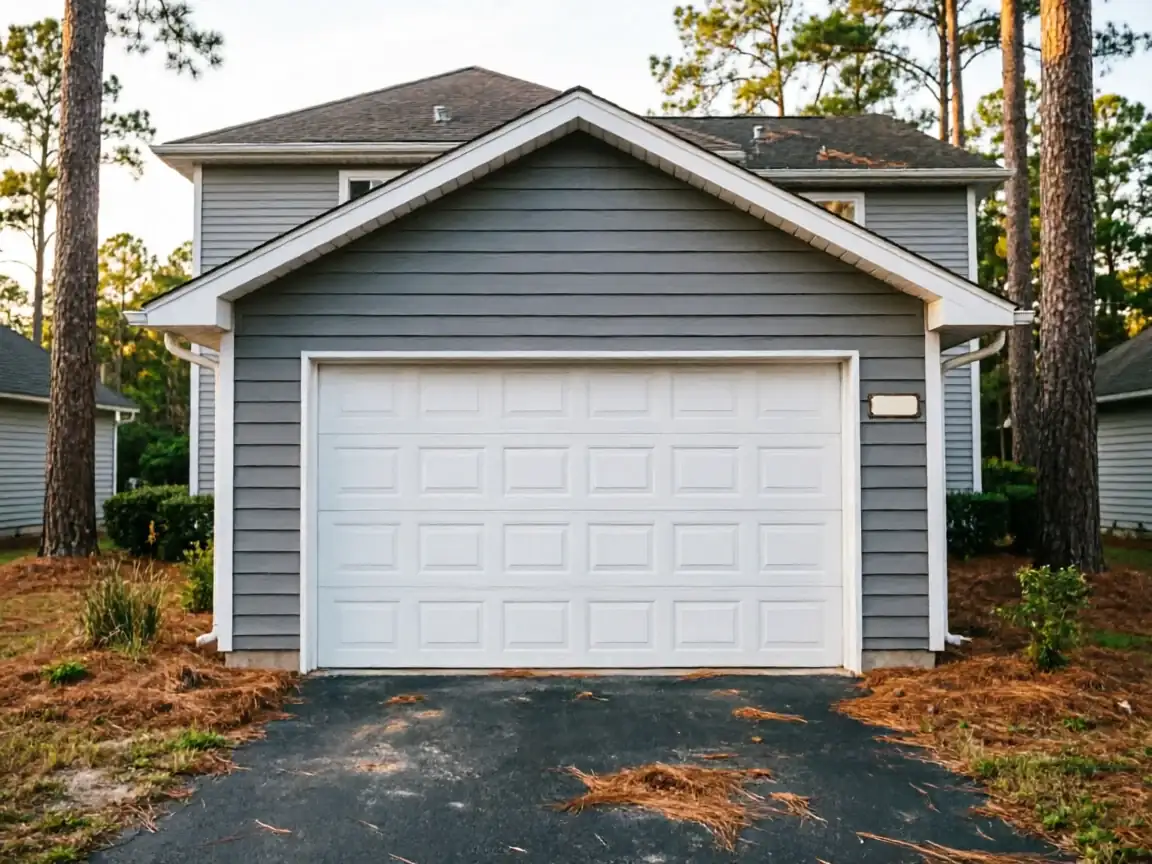
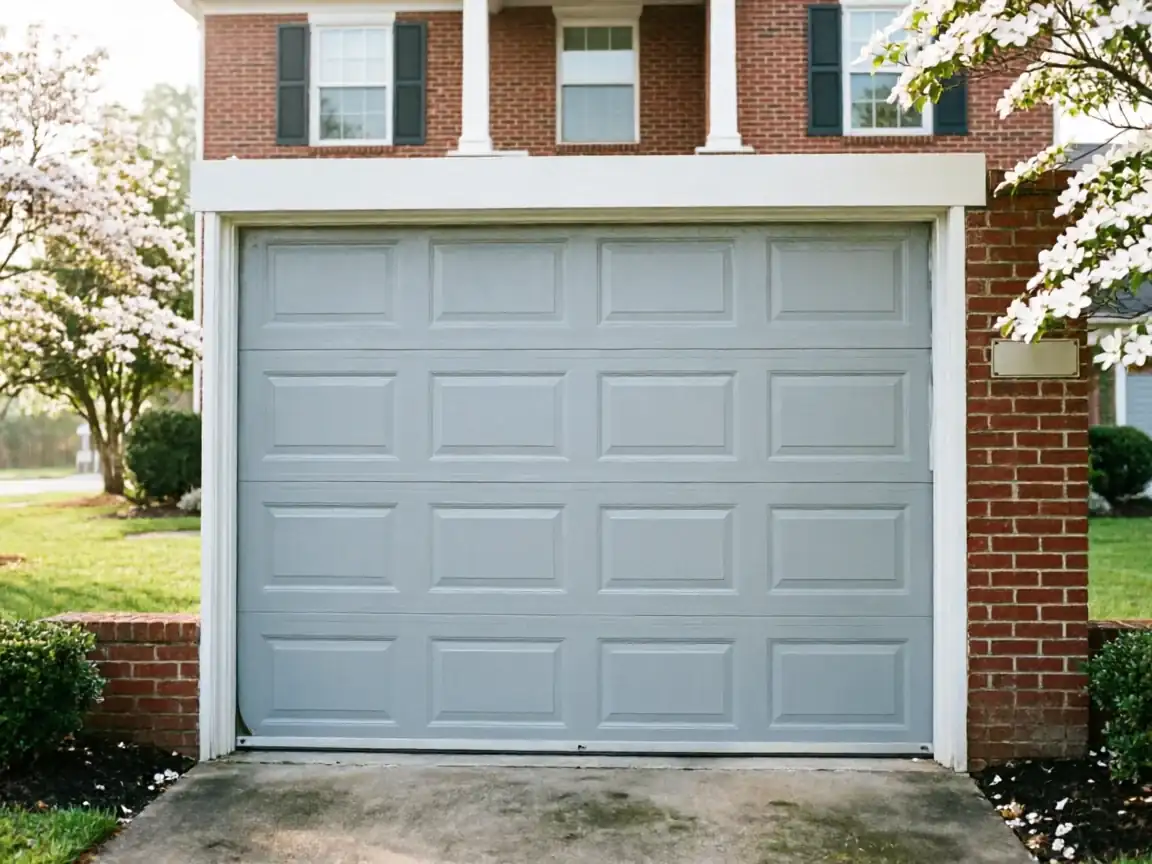
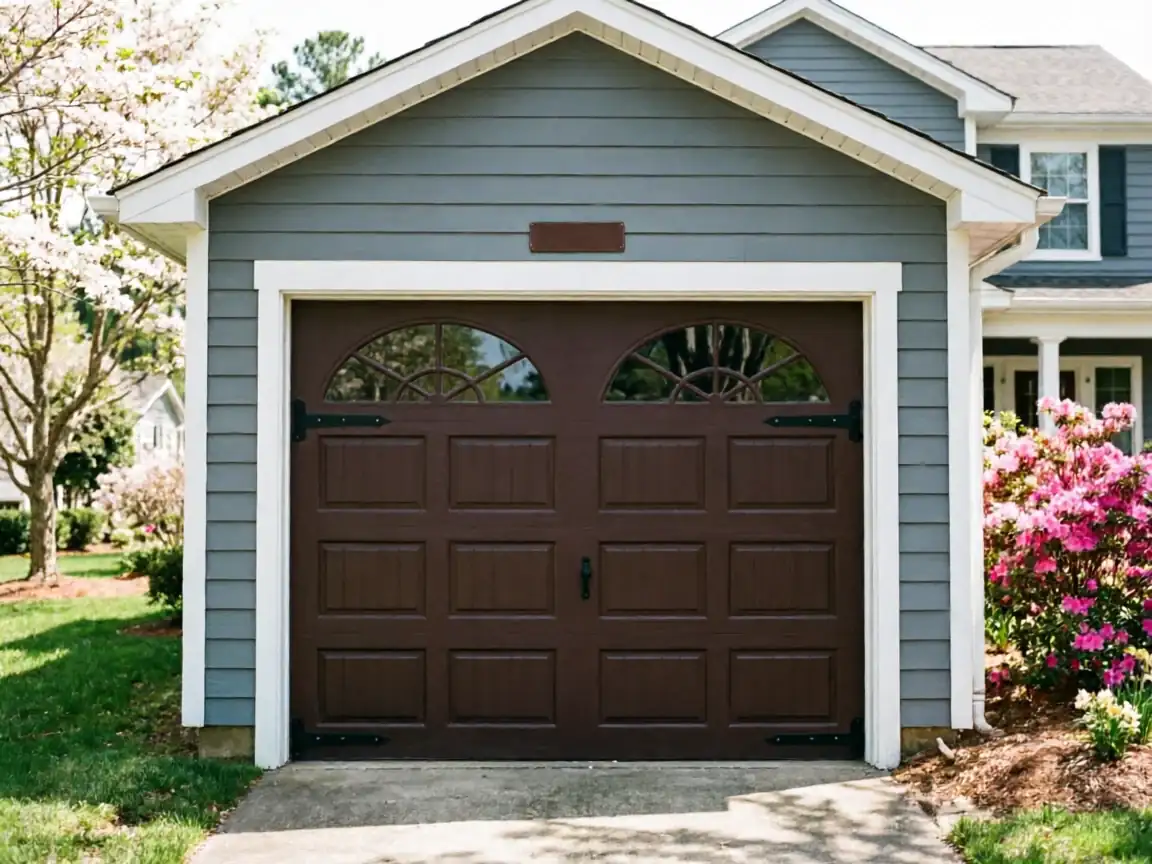
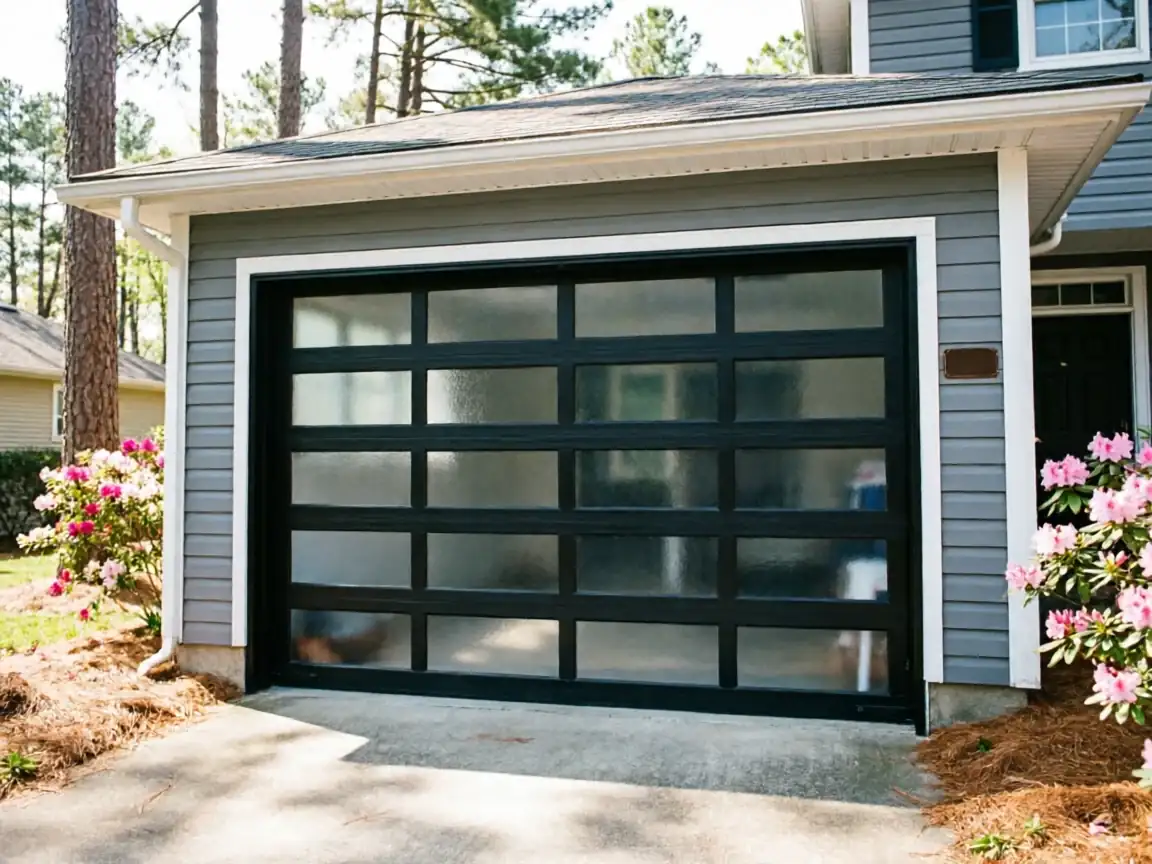
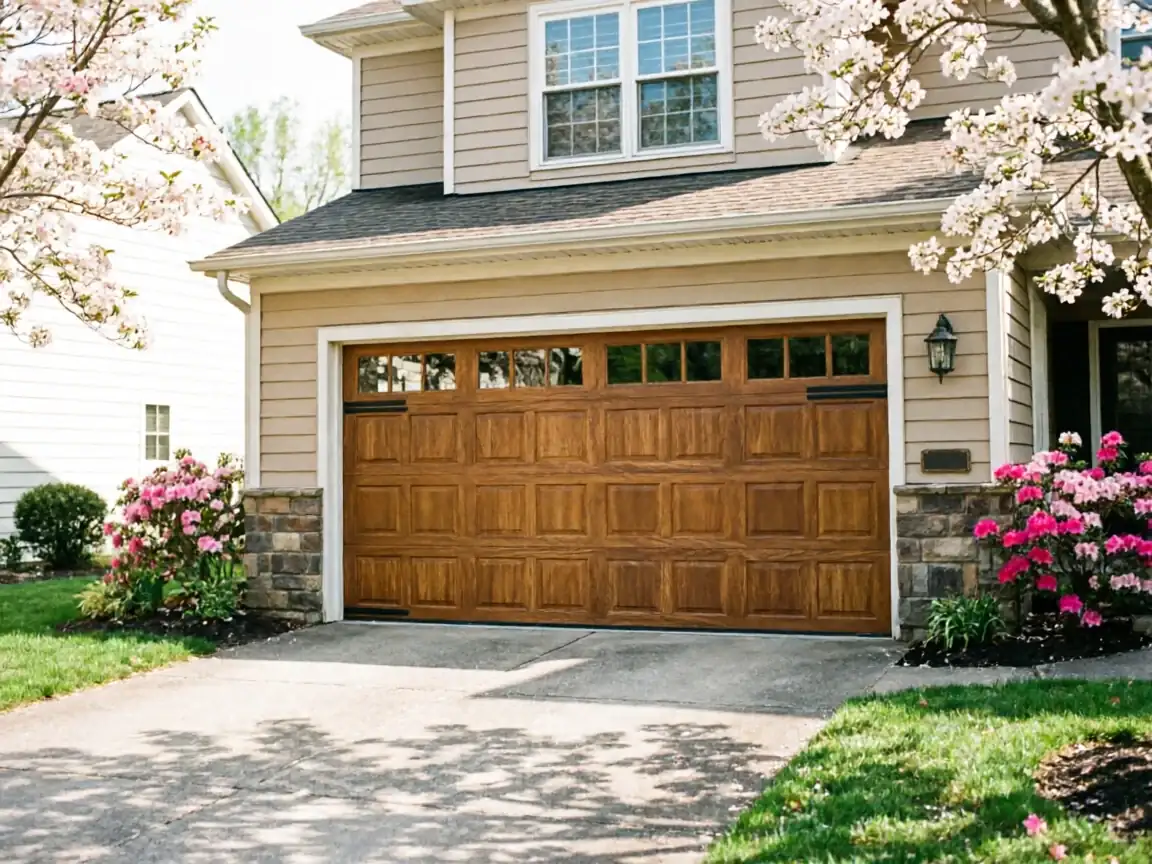
So a quick phone description of the door - steel, wood-look, one panel or two - helps us bring the right parts the first time instead of a second trip.
What Can Go Wrong
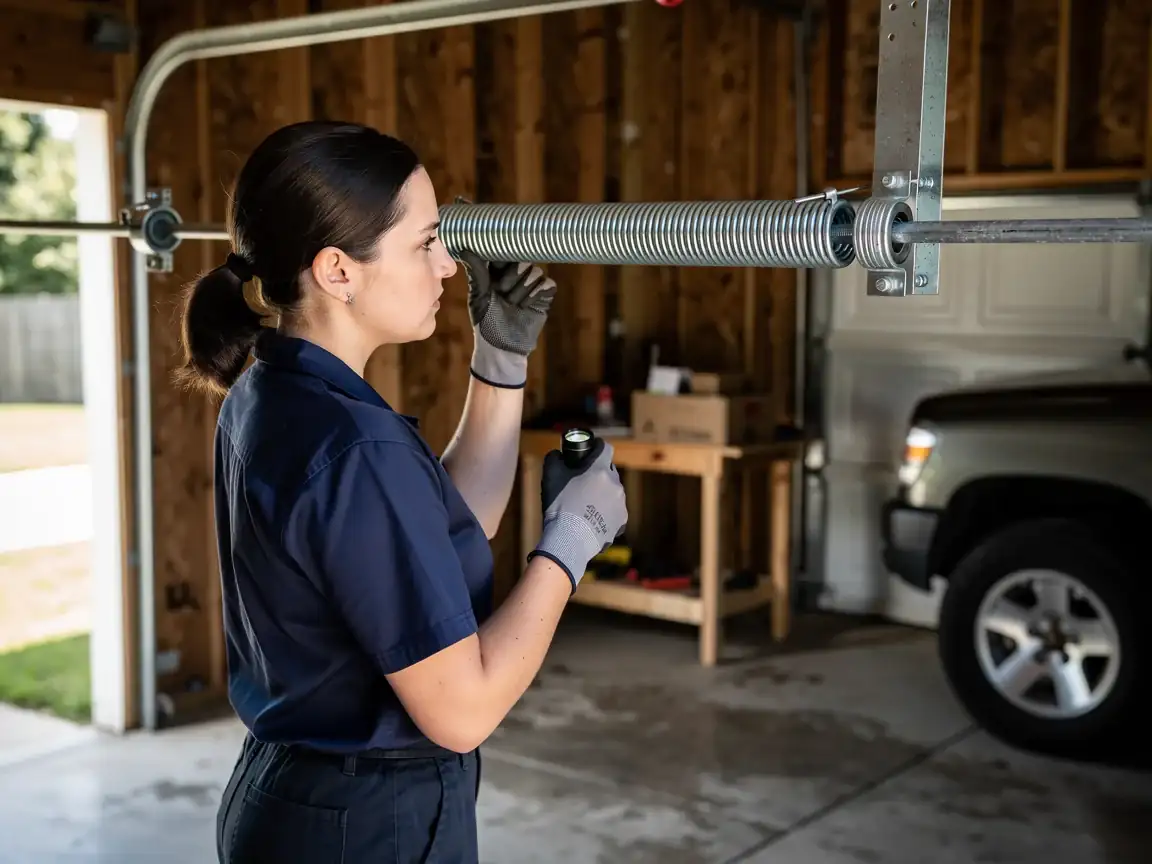
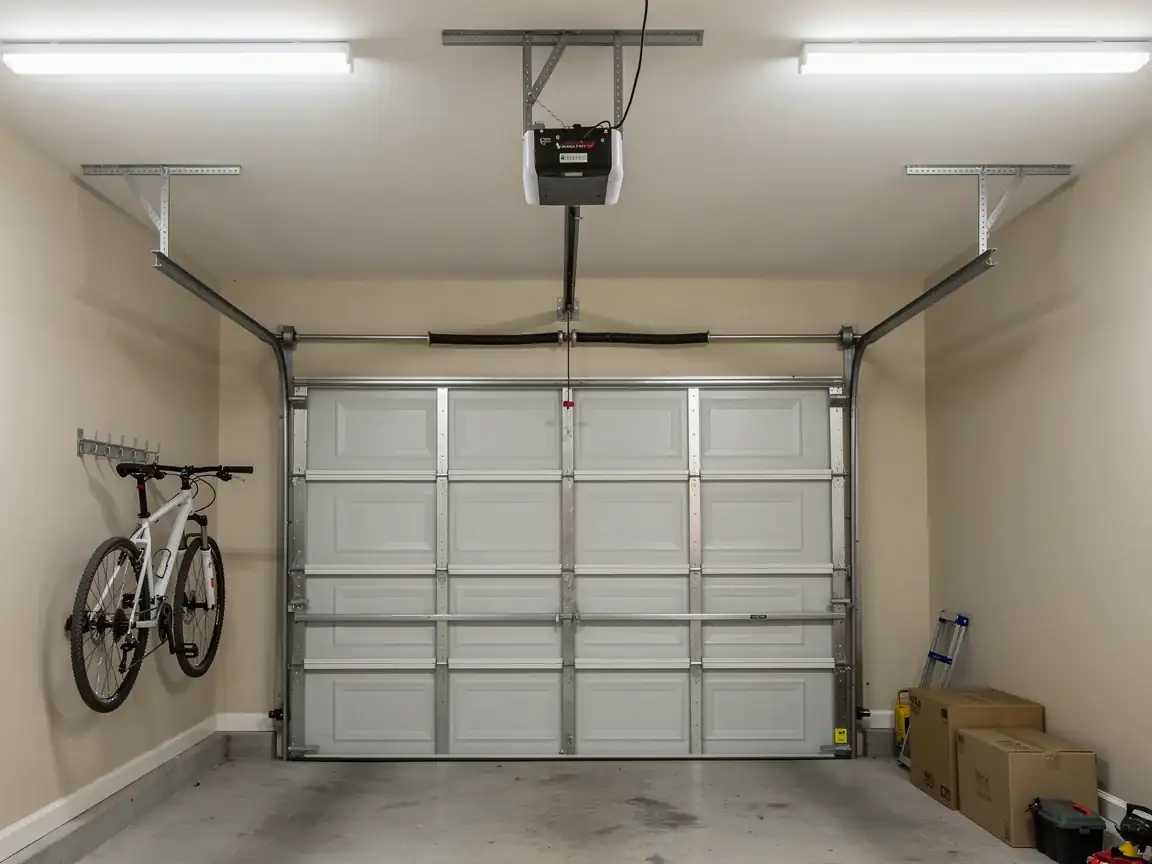
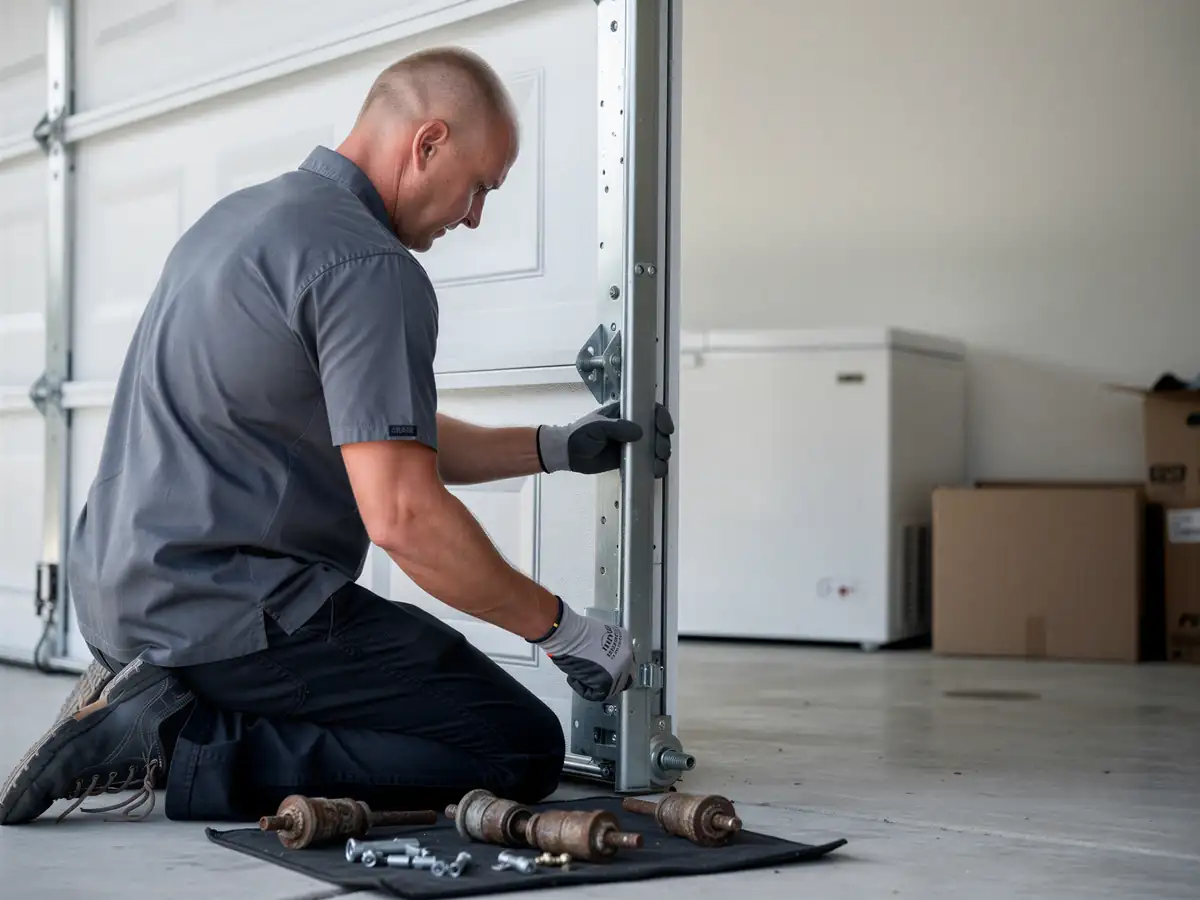
A lot of Enochville's housing dates to around 1971, which puts a fair number of these garages well ahead of the 1980s-90s stock that makes up most of the broader service area. That matters for maintenance because the hardware ages differently. Galvanized torsion springs from that era are long past their rated cycle count even if they haven't snapped yet - they just get weaker and noisier first. Older extension-spring setups, common on doors from that period, often lack the safety containment cable that's standard now, which is one of the first things worth checking even on a door that still opens fine.
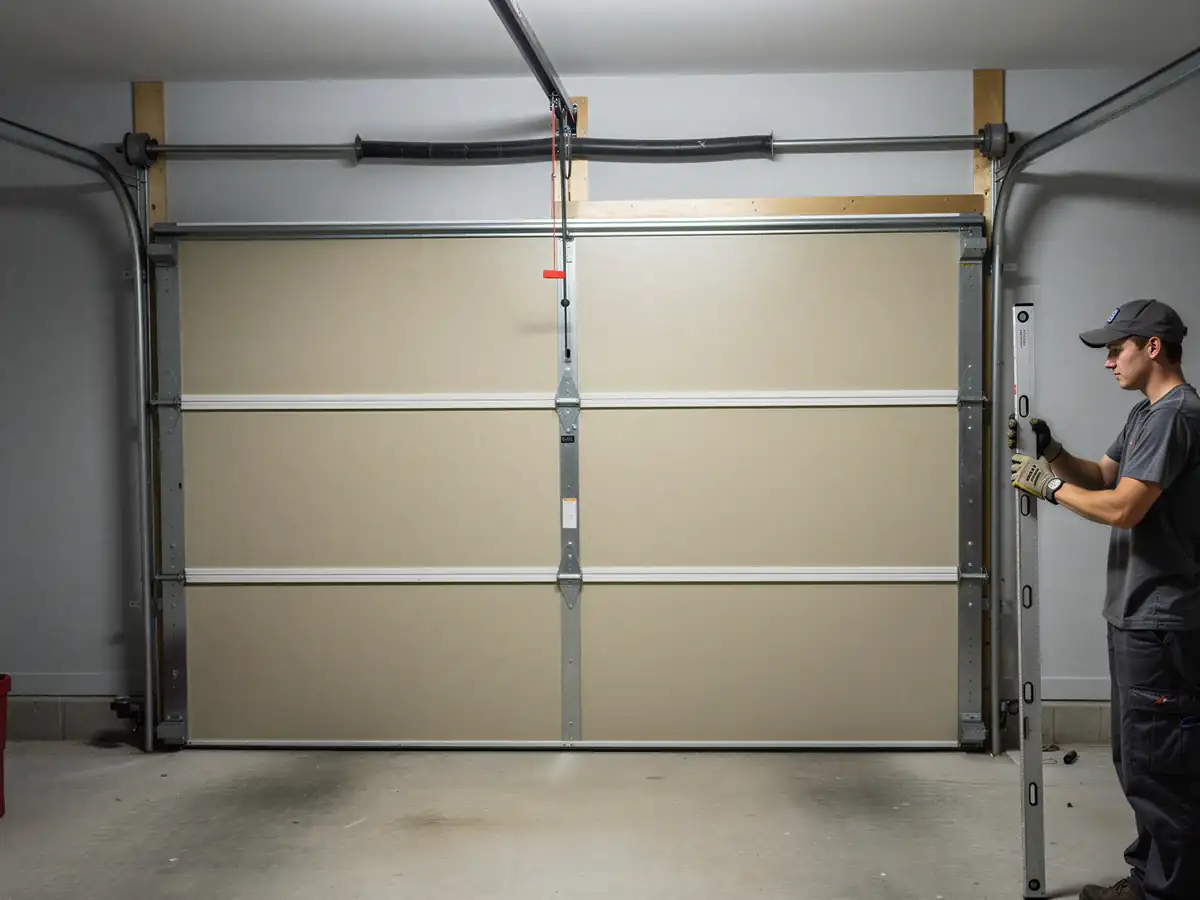
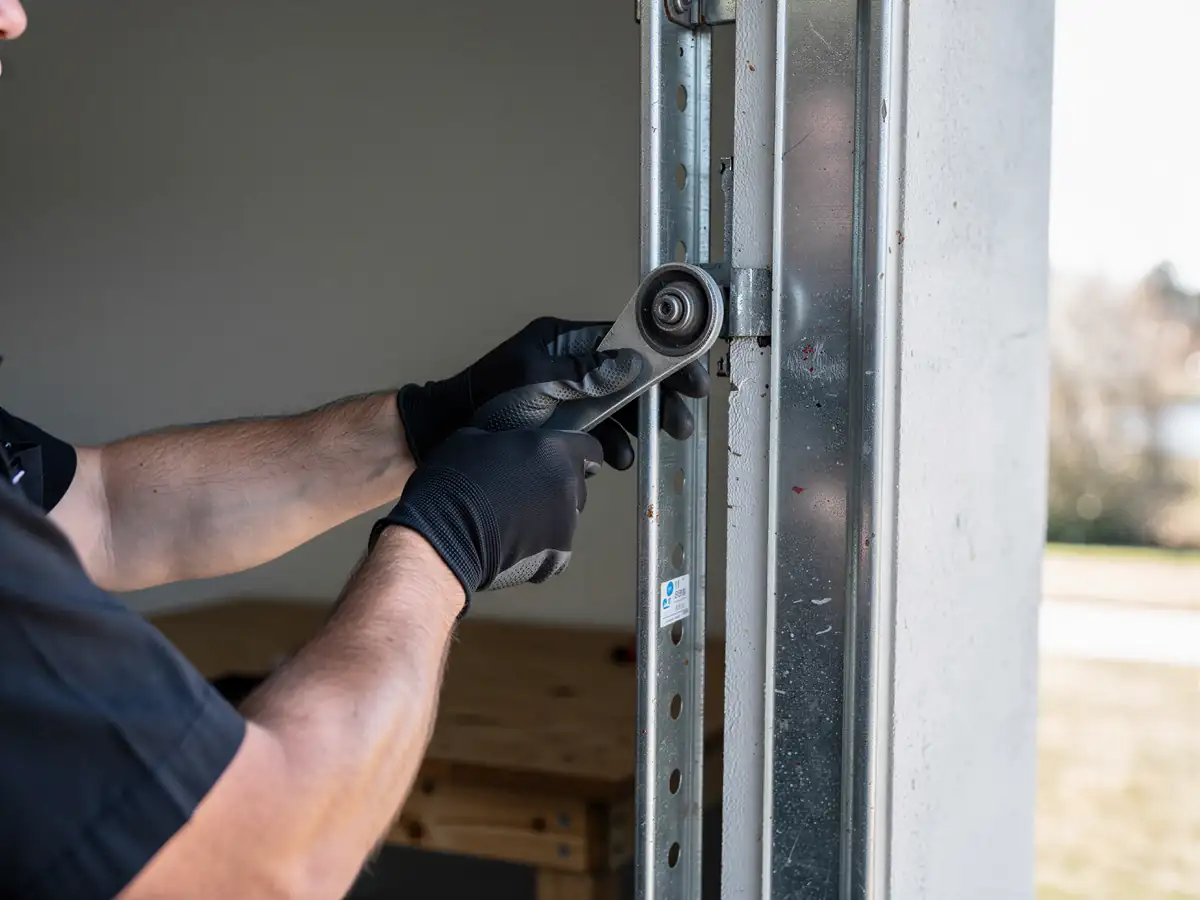
Track alignment and roller wear show up more on these older doors too, since steel gauges and roller materials from the early 1970s don't hold up the same way current parts do. None of this means the door is unsafe today - most of it is slow wear, the kind maintenance catches before it becomes a Saturday morning the door won't open at all.
The Cost of This Job
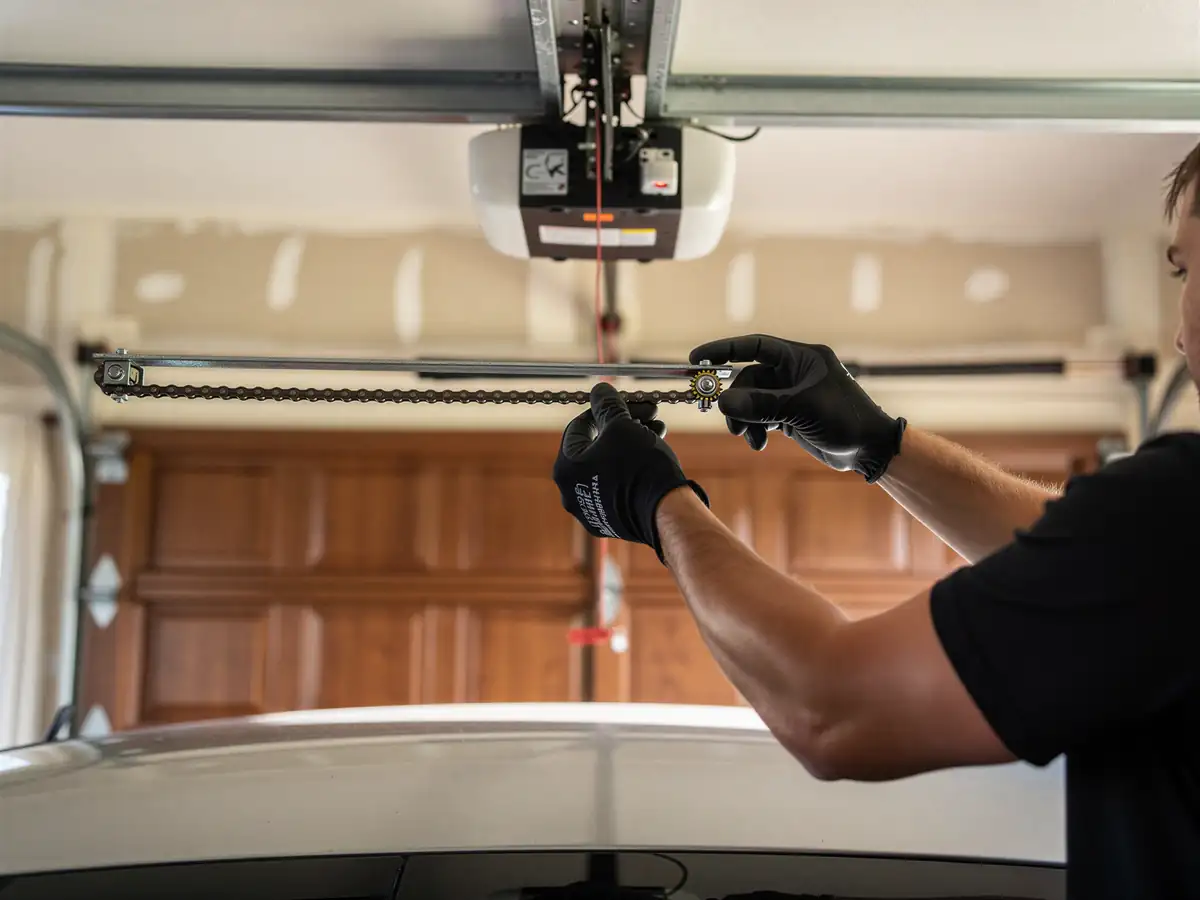
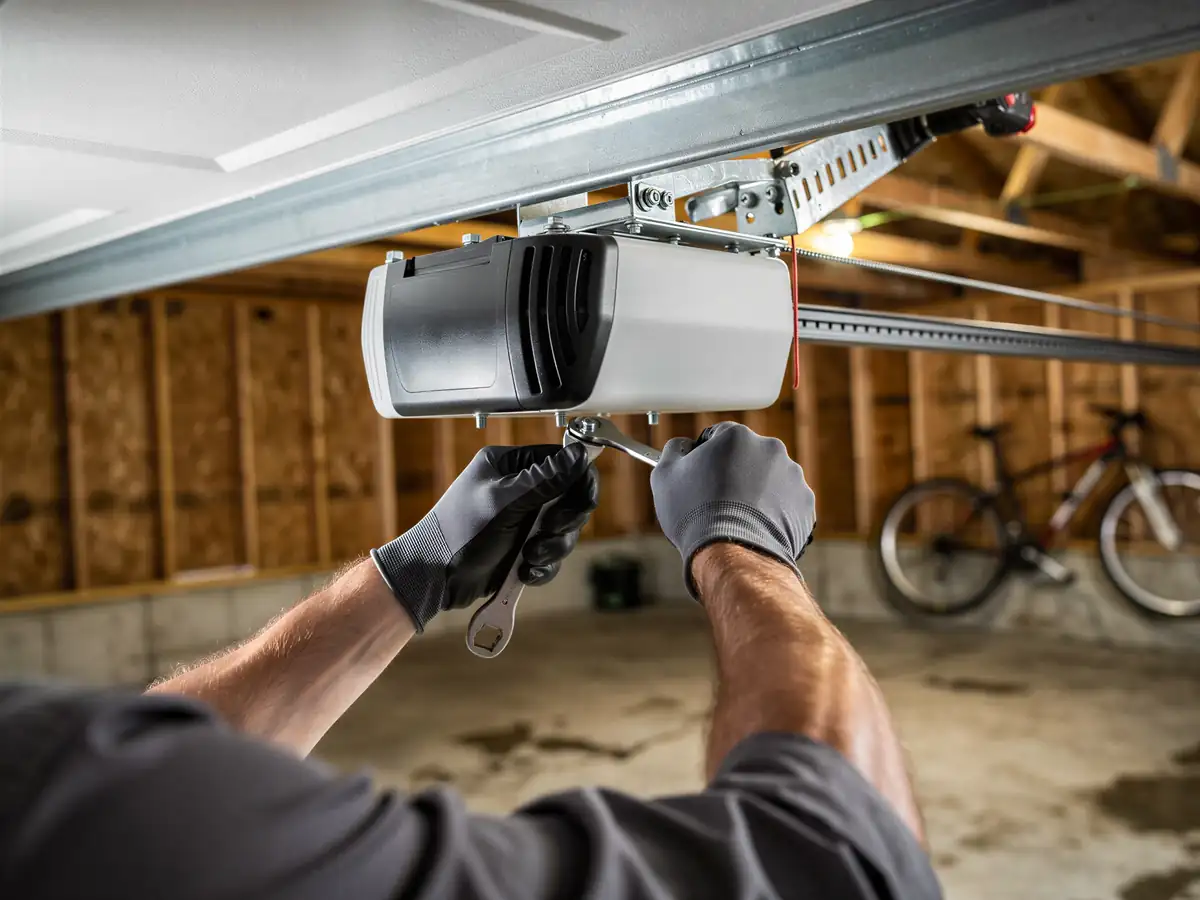
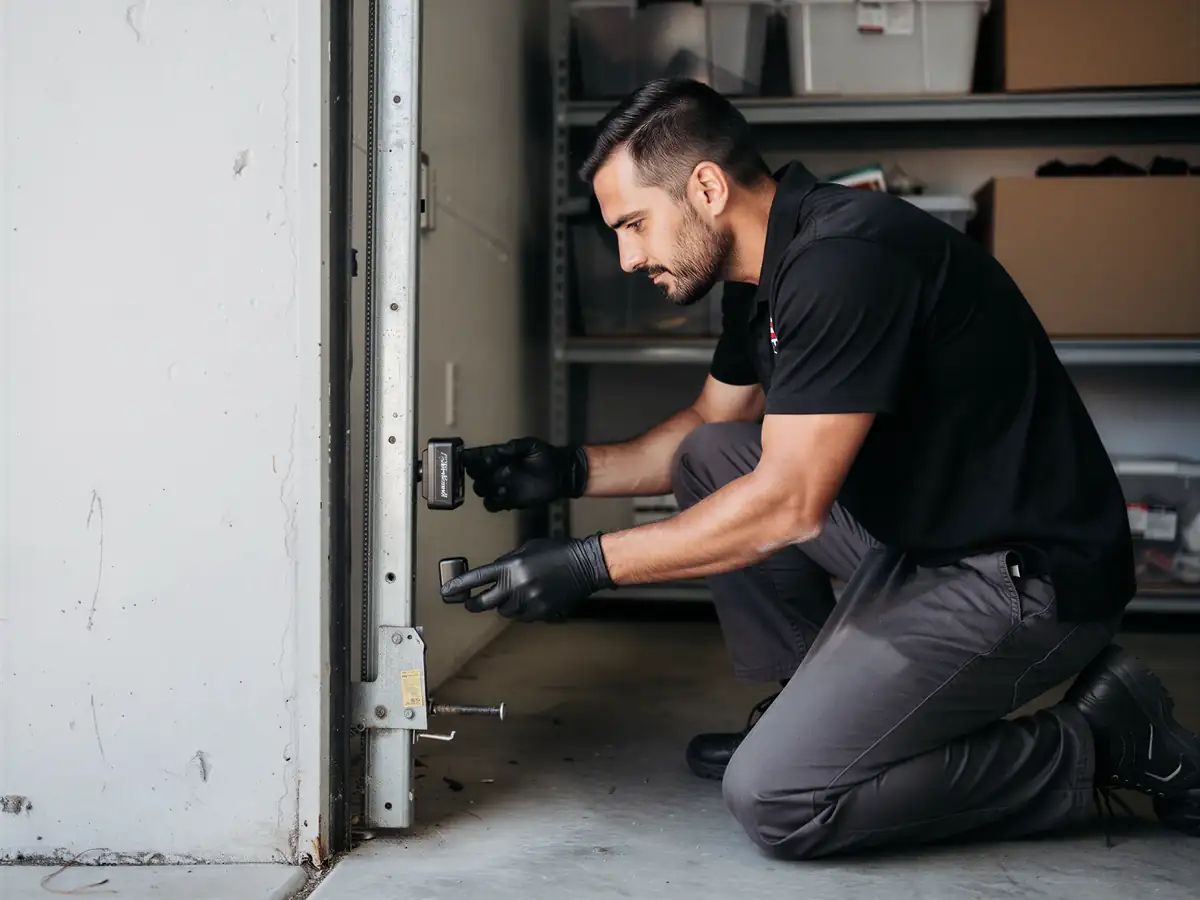
Median household income in Enochville runs $65,328, lower than the $73,393 median across the wider service area. That gap is exactly where the repair-or-replace question gets real. A maintenance visit - lubrication, hardware check, spring tension, track adjustment - is the cheaper call every time, and on a door from the early 1970s it's usually the right one, since most of what's wrong with these doors is wear, not design failure.
Where it stops making sense is a door where the panels are rusted through or the track is bent beyond adjustment. At that point we'll tell you straight that a repair is a patch, not a fix, and that putting money into a new door is the better use of it. We don't have a set price to quote here without seeing the door - hardware age and panel condition vary too much house to house on this side of town to give a number over the phone.
Why This Fails Locally
This area sits in a cold-moderate climate band
Which means the garage door hardware goes through real seasonal swings - cold tightens steel and stiffens lubricant, humidity and temperature shifts work on the galvanized coating over years. On a door built around 1996 that coating is holding up fine. On hardware pushing past fifty years old, like a lot of what's still in place on Enochville's 1971-era homes, that same seasonal cycling has already done its work, and corrosion or metal fatigue that wouldn't show on a newer door shows up here as a spring that lets go without warning.
It's not that Enochville doors are built badly
It's that routine maintenance that would be optional on a 1990s door becomes the difference between catching a problem and getting stuck with one, simply because the hardware has had more winters to wear through.