What Can Go Wrong
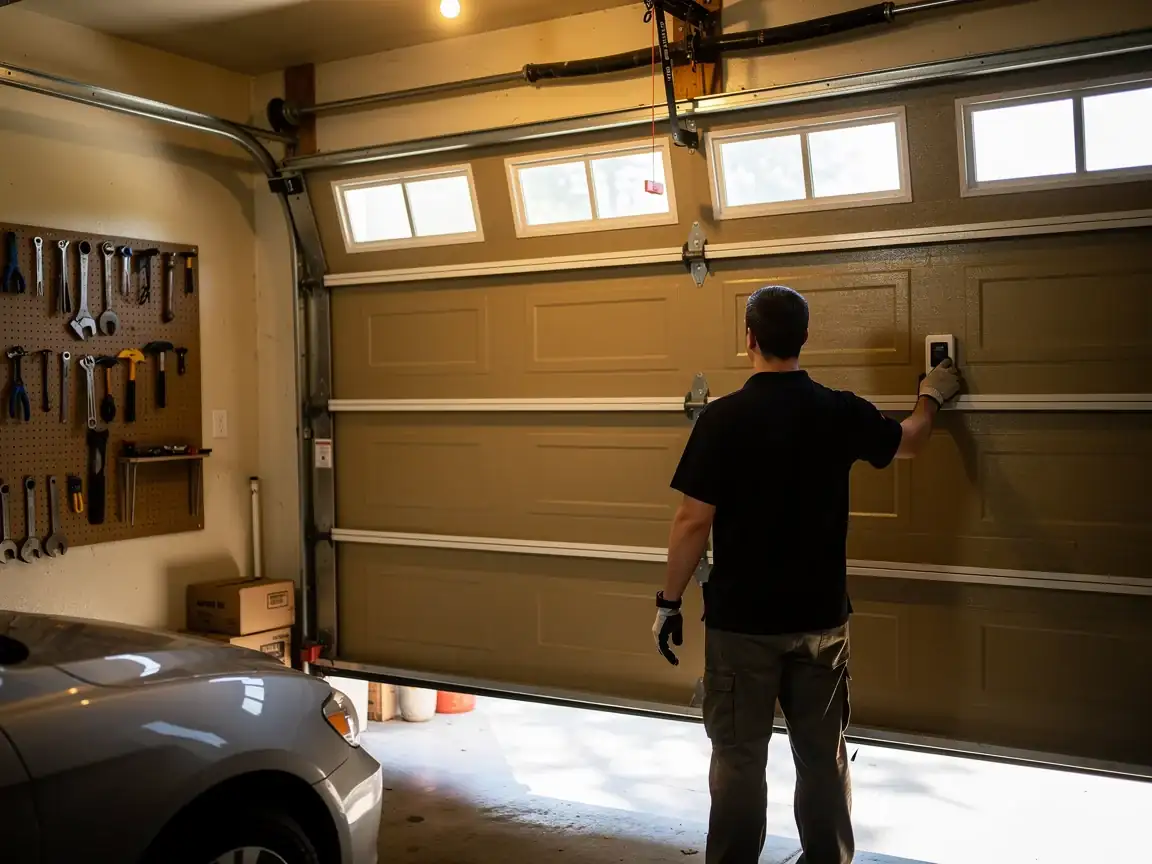
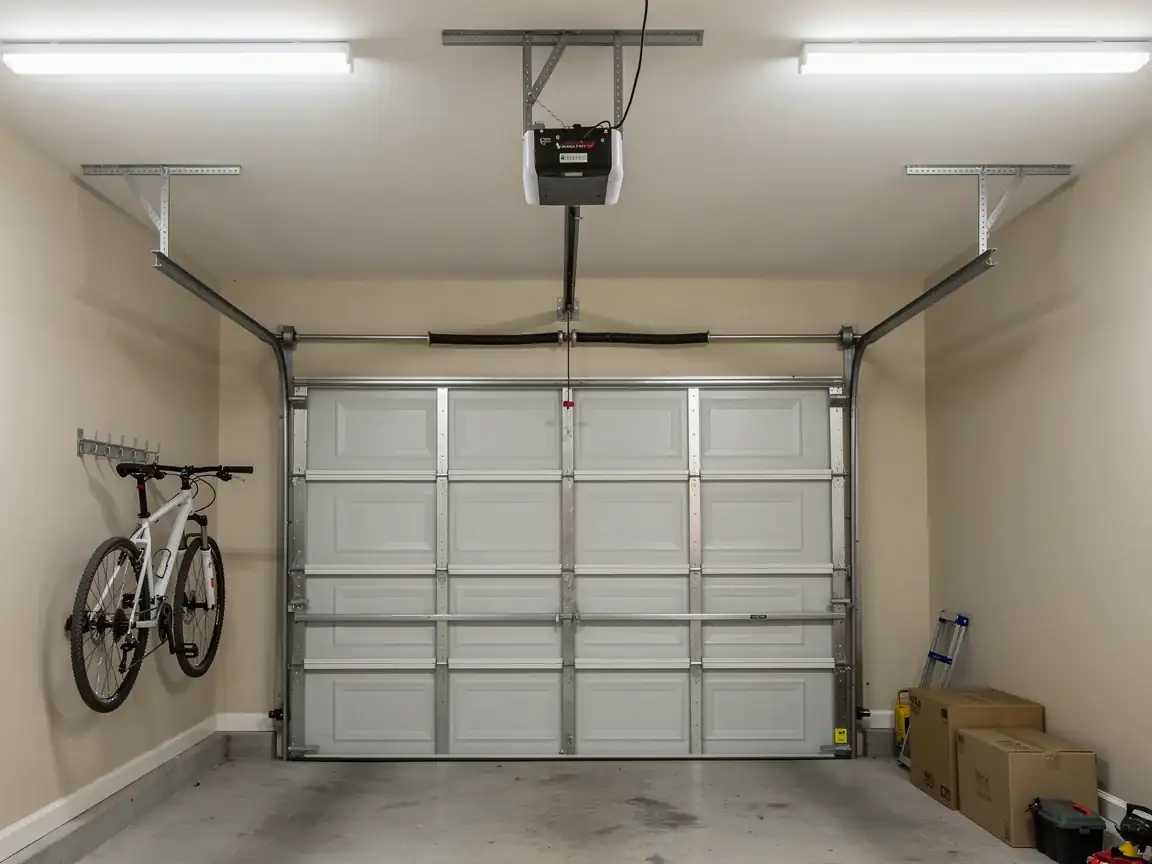
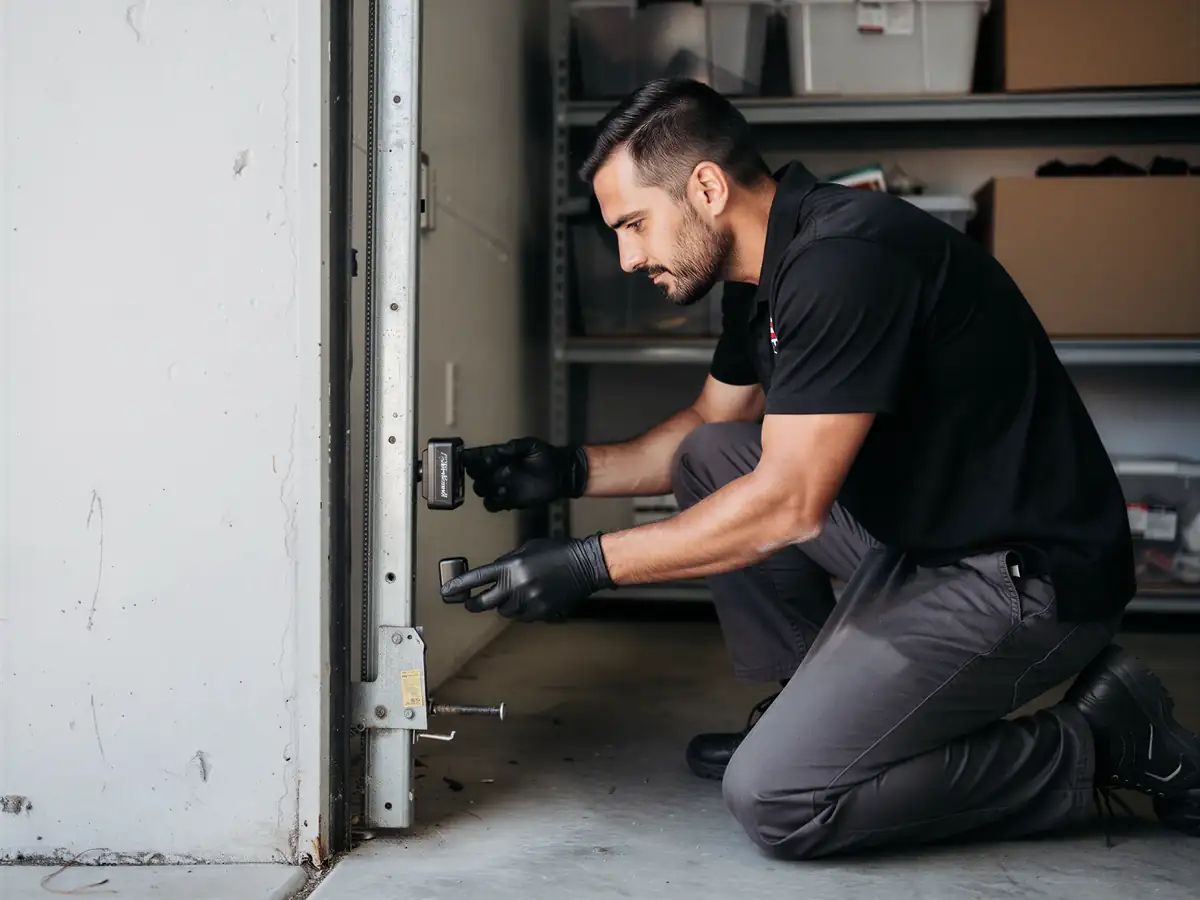
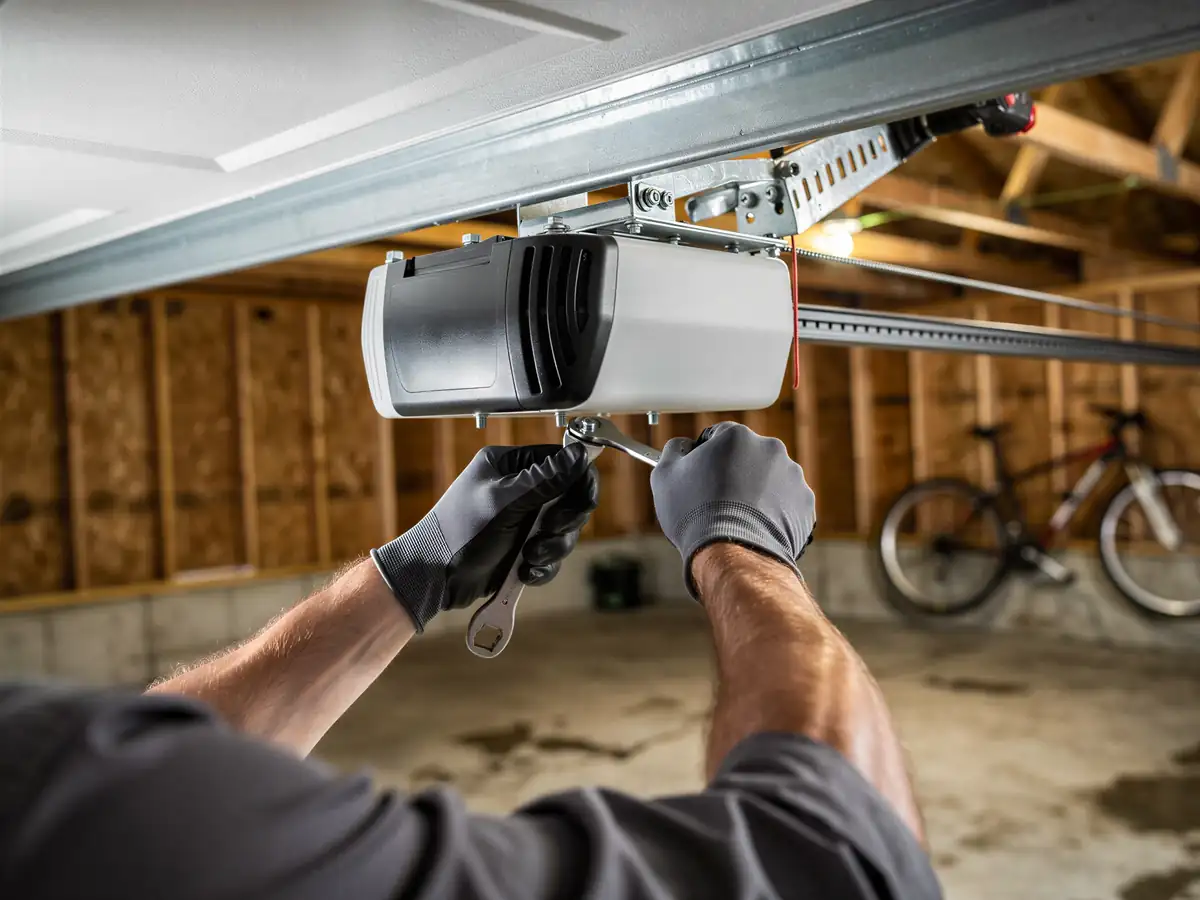
On a house built around 2005, the opener itself is usually original or close to it, and the most common call isn't a broken chain - it's a dying circuit board or a drive gear worn down to plastic shavings in the housing. You'll hear it before you see it: a grinding or slipping sound as the sprocket strips. The other frequent issue is the safety-reversal sensors, the two little eyes near the floor on each side of the track. On a 2005-era build those were a late-model safety requirement, and the wiring and brackets holding them are now old enough that a bumped sensor or a corroded contact will stop the whole system cold. Battery backup failure shows up during winter outages - the backup battery itself has a shelf life, and nobody notices it's dead until the power actually goes.
Doing It Yourself
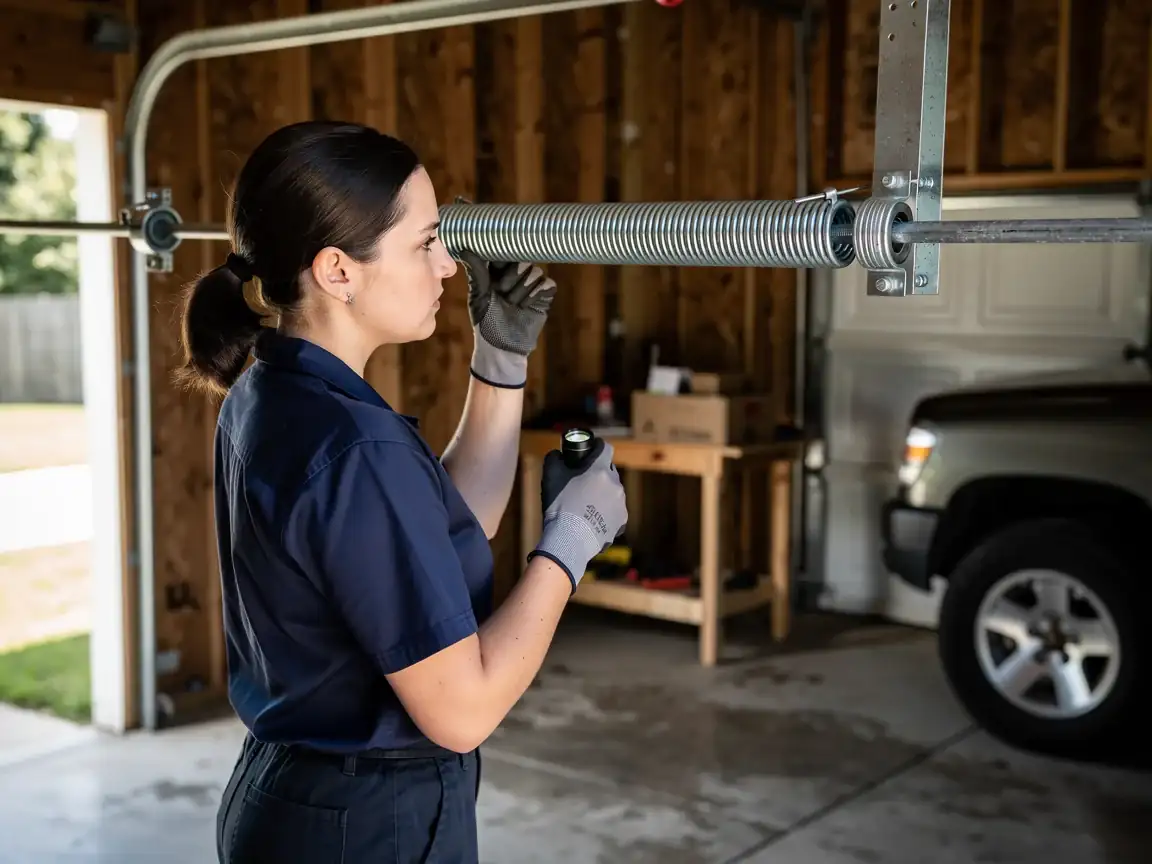
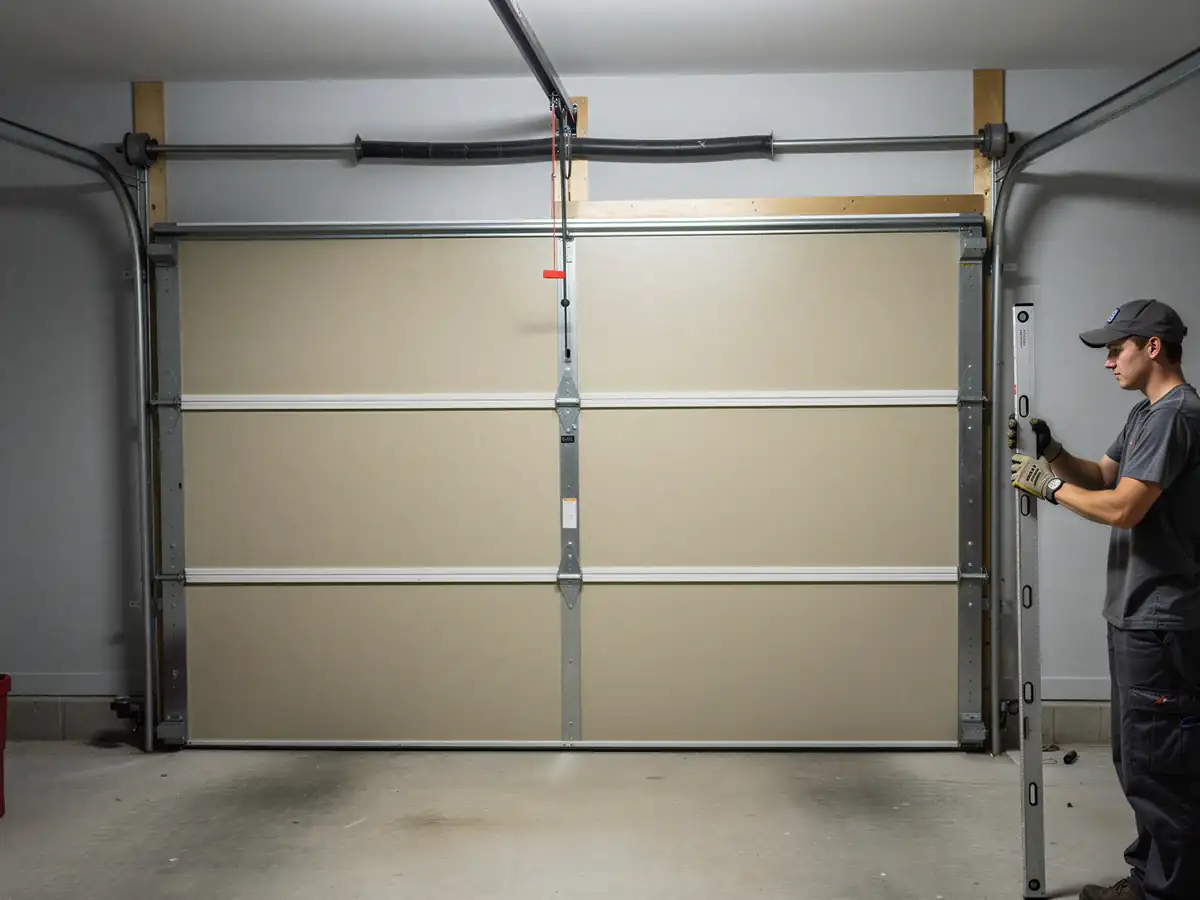
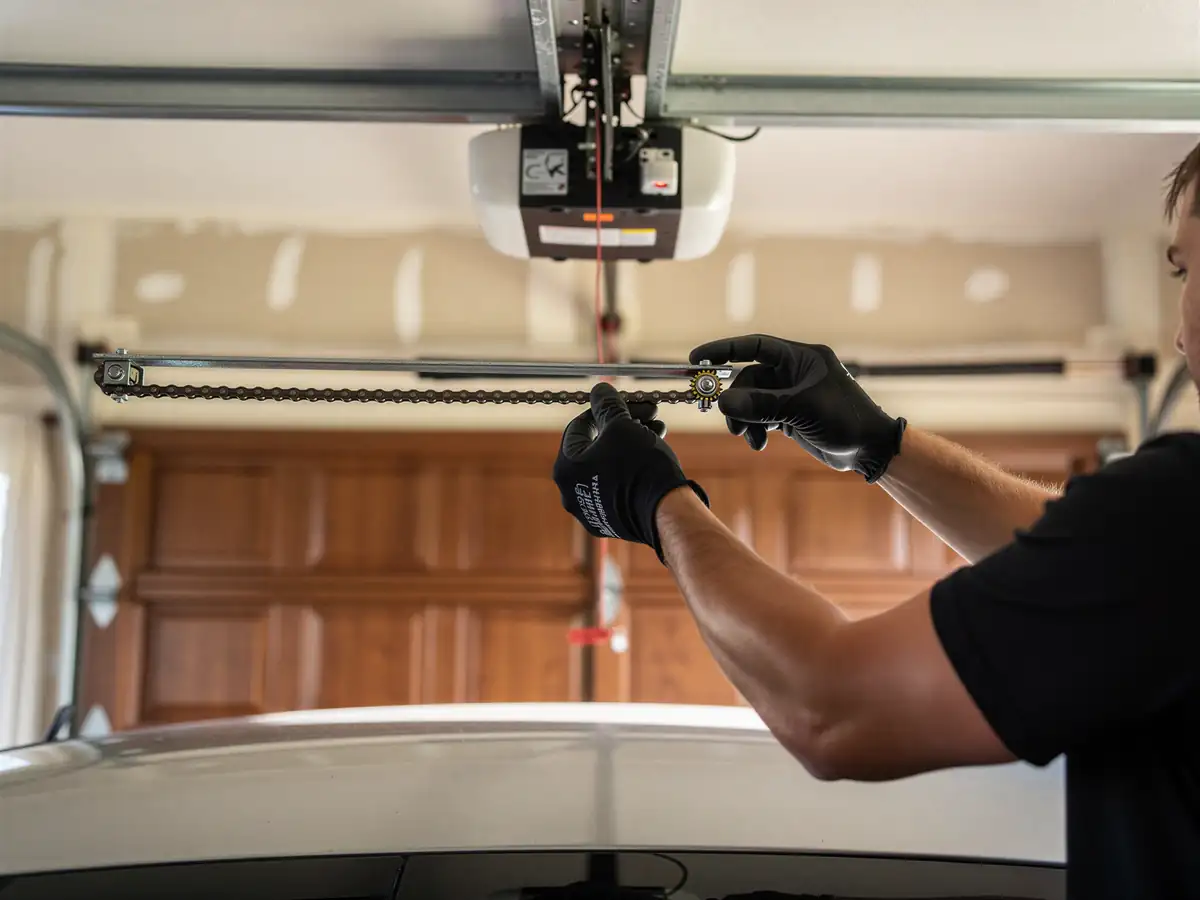
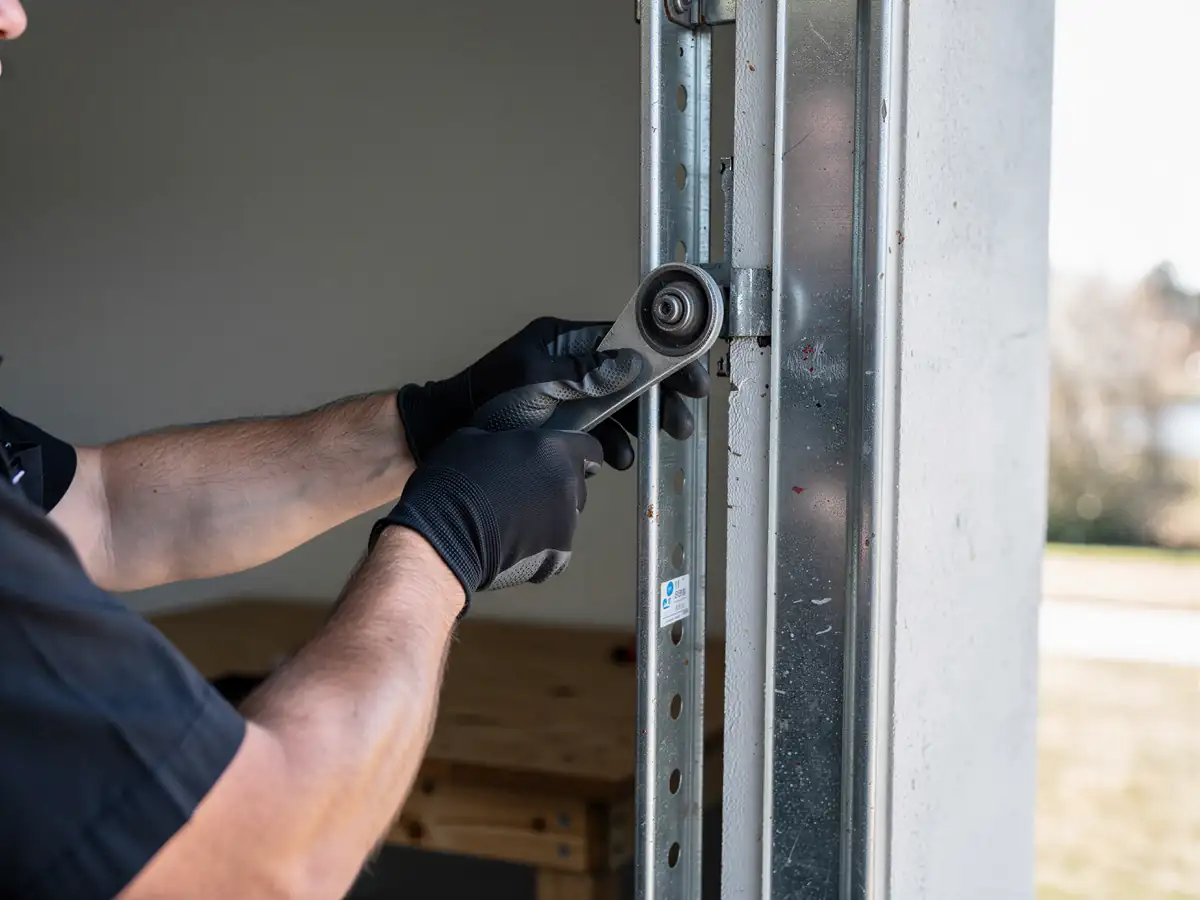
If your opener's just making noise but still cycling, cleaning the photo-eye sensors and checking the chain or belt tension is worth trying before you call anyone. Realigning a sensor bracket is a five-minute job with a level. But the drive-gear and circuit-board failures that are common at this house age aren't something to open up yourself - the motor housing holds spring-loaded assemblies, and the circuit board handles both the safety-reversal logic and the wall control. Get those wrong and you've got a door that won't reverse on an obstruction, which is a safety problem, not just an inconvenience. If your opener is original to a 2005 build, we'd rather you call before you start pulling the cover off.
Booking a Visit
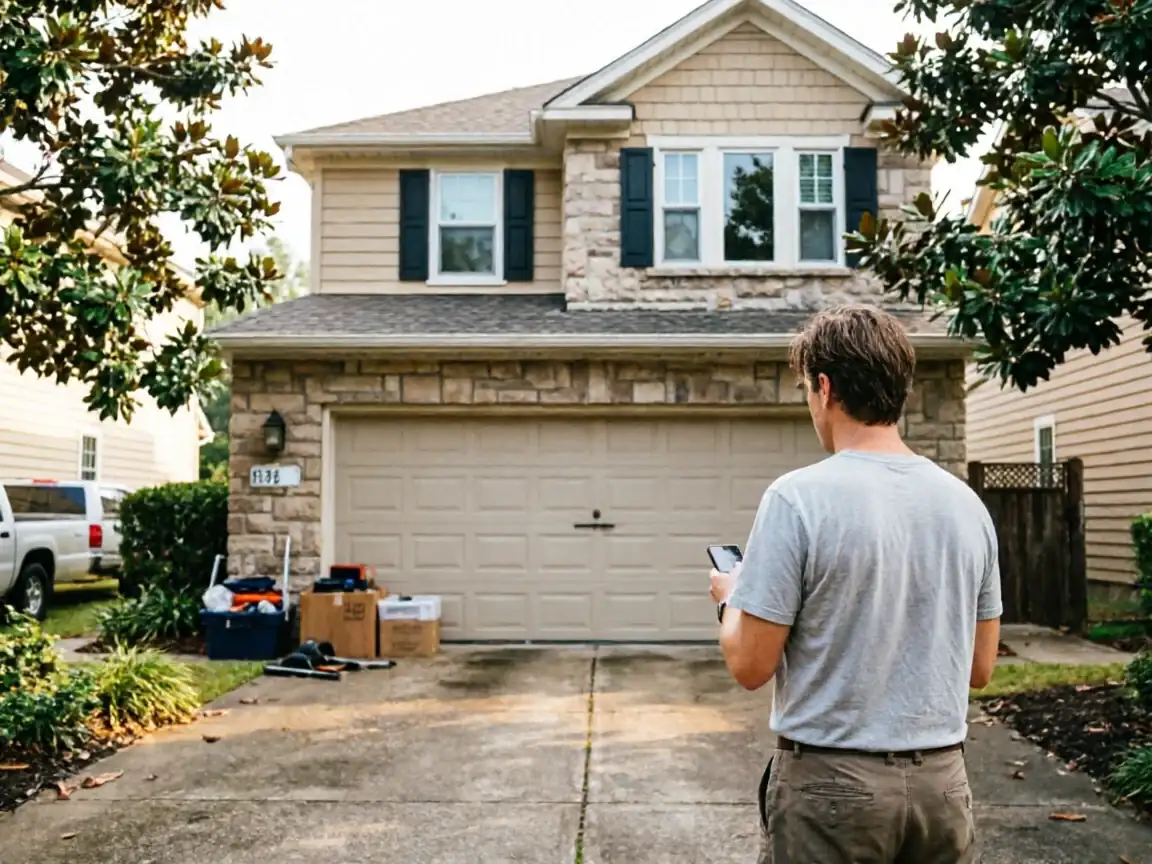
Call to describe what the opener's doing - grinding, dead, or sensor lights blinking - and we'll bring the parts that fit houses in this build era rather than a generic kit. We travel out from Mooresville to handle Westport openers, and knowing it's a roughly 2005-era build before we leave the shop means fewer return trips for a part we didn't bring the first time.